
12 Colorado Places Where $1,200 A Month Is Enough To Retire Comfortably
Retirement does not have to look like endless budgeting, dull routines, or saying no to every little pleasure that makes life enjoyable. The real trick is finding a place where your money works harder, your days feel fuller, and your lifestyle still has room for fun.
In Colorado, that dream is more realistic than plenty of people expect. Beyond the glamorous resort image and postcard mountain prices, there are quieter communities where a modest monthly budget can still go a surprisingly long way.
That means covering rent, keeping the fridge stocked, grabbing coffee without guilt, and even saving enough for the occasional spontaneous day trip just because the weather looks too good to waste. It is not about downsizing your life into something smaller, it is about choosing somewhere smarter, friendlier, and easier to enjoy.
Colorado’s most affordable retirement spots prove that comfort, freedom, and a little everyday adventure can absolutely belong in the same chapter of life.
1. Trinidad
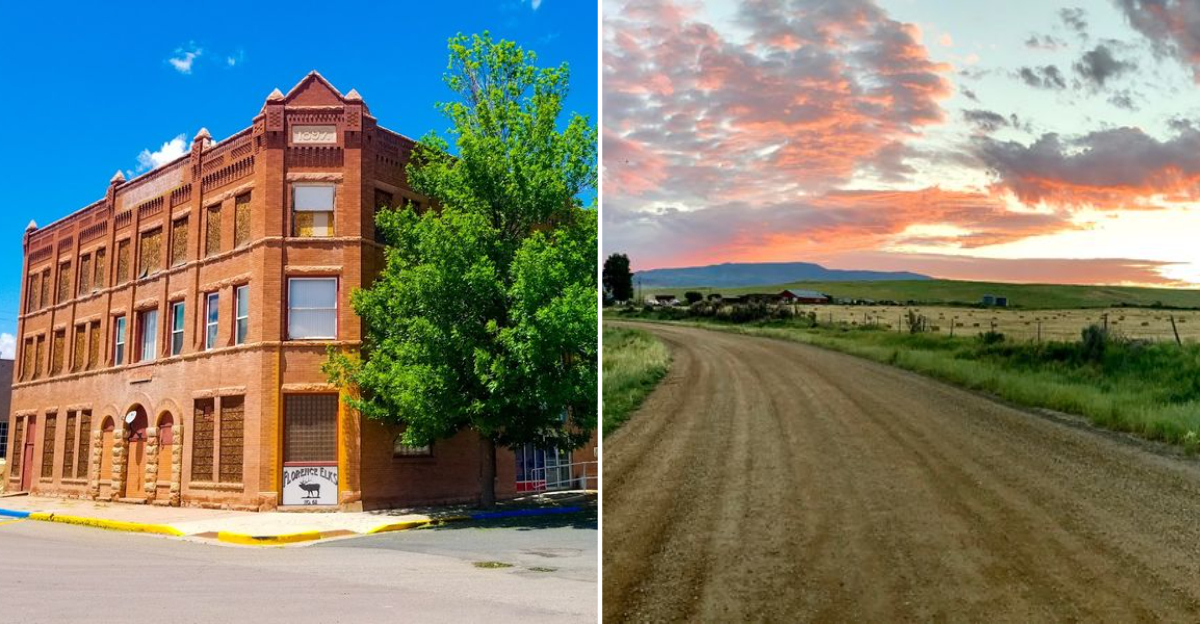
Trinidad has a way of making you feel like you stumbled onto a film set nobody told Hollywood about. The historic downtown is layered with Victorian storefronts, Spanish Colonial architecture, and murals that belong in a gallery.
Rentals here start around $540 a month, which is almost shocking given how much character this place carries.
Sitting at the foot of the Sangre de Cristo Mountains, Trinidad offers outdoor access that most retirement communities would charge a premium for. Hiking, fishing, and wildlife watching are practically built into the daily routine.
The town also sits along I-25, so getting to Pueblo or Santa Fe for a bigger shopping run is straightforward.
The local food scene leans heavily on New Mexican influence, which means green chile is treated with the same reverence other towns reserve for church. Trinidad has a small-town rhythm that slows you down in the best possible way.
For retirees who want authenticity over amenities, this southern Colorado gem is genuinely hard to beat on any budget.
2. Sterling
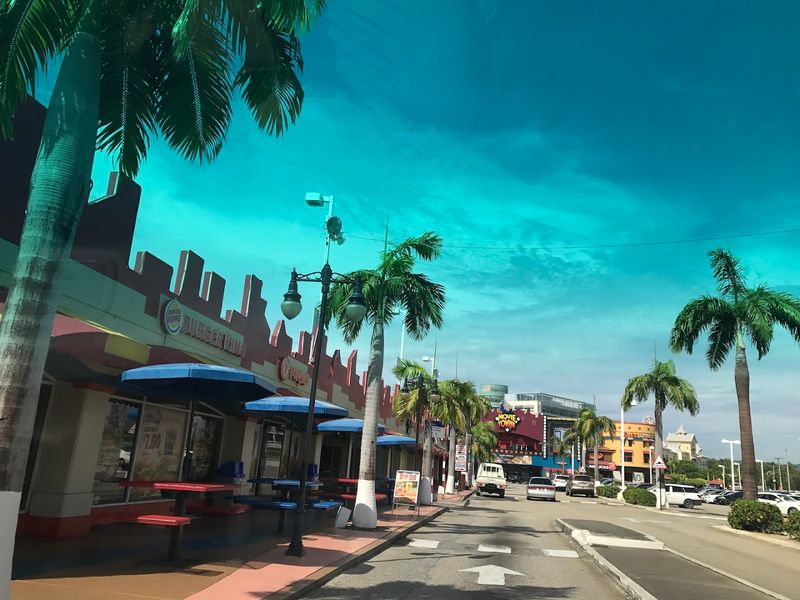
Sterling calls itself the City of Living Trees, and once you see the chainsaw sculptures carved from old cottonwoods lining its streets, you understand why. It is the kind of quirky civic pride that makes a town feel genuinely alive rather than just inhabited.
Apartments here currently list under $1,000 on Apartments.com, putting it firmly in reach for budget-conscious retirees.
Located on the Eastern Plains along the South Platte River, Sterling is surrounded by wide-open agricultural land that gives the sky a cinematic quality most mountain towns actually envy. The pace is unhurried, neighbors wave without prompting, and the local grocery stores are not yet charging resort-town prices for eggs.
Northeast Community College also keeps the town culturally active with events and continuing education options.
Sterling Regional MedCenter provides a reliable healthcare anchor, which matters more than most retirement guides admit upfront. The winters are cold and the wind has opinions, but the summers are genuinely lovely.
For retirees who prefer flat land, manageable traffic, and a community that remembers your name, Sterling delivers that rare combination of affordability and belonging on the Eastern Plains.
3. La Junta
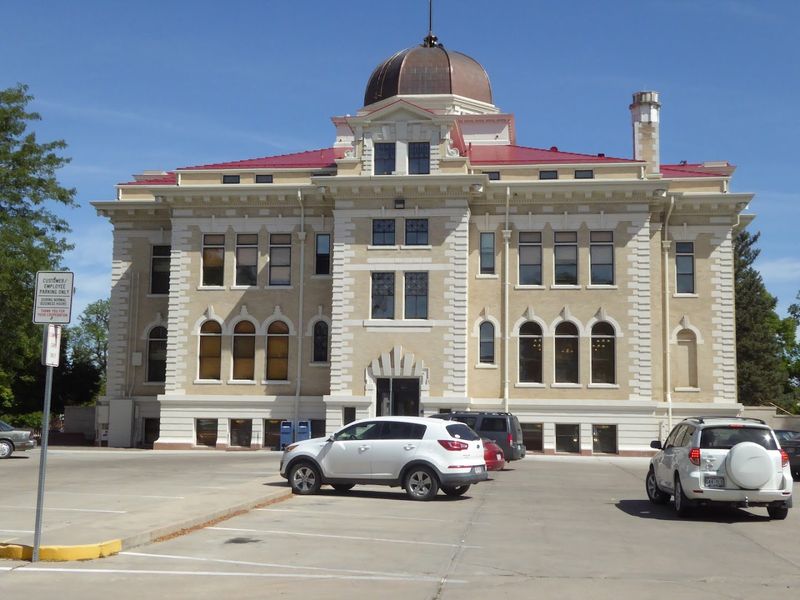
La Junta sits in the Arkansas River Valley with the kind of quiet confidence that comes from being genuinely underestimated for decades. The name means “the junction” in Spanish, and historically it was exactly that — a crossroads of trails, railroads, and cultures that shaped the American Southwest.
Current rental searches show options under $1,000 here, which is a remarkable find in any state.
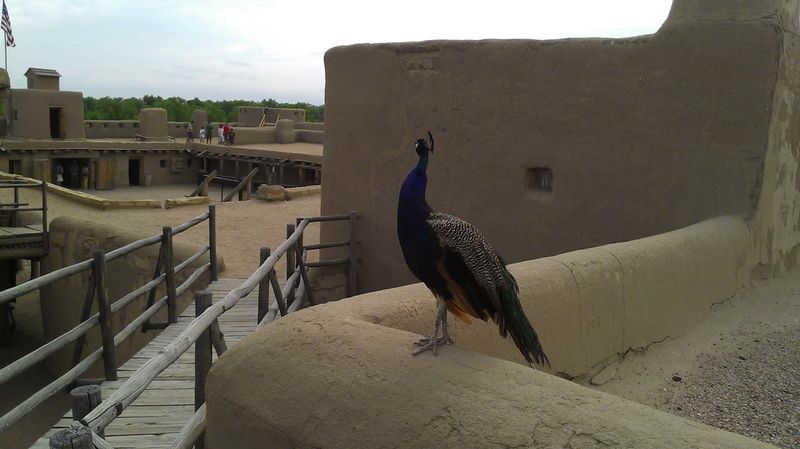
Bent’s Old Fort National Historic Site sits just east of town and offers a living history experience that retirees with a taste for the past tend to revisit repeatedly. The Koshare Indian Museum is another cultural anchor that draws visitors from across the region.
For a town of roughly 7,000 people, La Junta punches well above its weight in things to actually do.
The climate leans dry and sunny, which aging joints tend to appreciate more than they let on. Local dining is unpretentious and affordable, and the community has a multigenerational warmth that is harder to manufacture than any resort can manage.
La Junta is the kind of retirement destination that rewards the retiree willing to look past the glossy brochures and trust the honest arithmetic of a low monthly rent.
4. Lamar
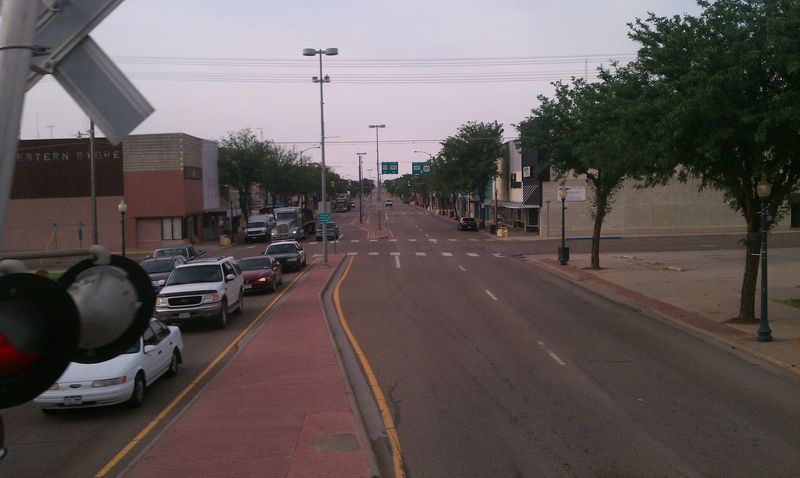
Lamar is the kind of town that does not try to impress you, which is somehow exactly what makes it impressive. Set deep in the southeastern corner of Colorado, it sits along the Arkansas River with a straightforward agricultural identity and apartments currently listing under $1,000 a month.
That kind of rent in any state deserves a second look.
The town is a well-known birding destination, sitting along a major migratory flyway that draws sandhill cranes, eagles, and snow geese in numbers that stop traffic in the best possible way. Retirees who enjoy wildlife photography or simply sitting quietly with binoculars will find Lamar genuinely rewarding across multiple seasons.
The Big Timbers Museum offers local history that gives the landscape real context and meaning.
Grocery costs, utility rates, and everyday expenses here align with the modest rent, creating a budget picture that actually adds up the way retirement calculators rarely do. The community is tight-knit without being exclusive, and newcomers tend to get folded in fairly quickly.
Lamar may not make many bucket lists, but for retirees who prioritize financial breathing room over social media scenery, it offers something increasingly rare: genuine affordability with genuine charm.
5. Alamosa
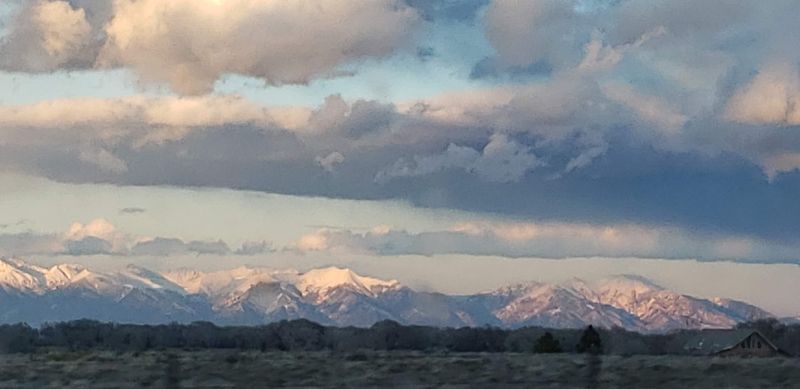
Waking up in Alamosa means opening your curtains to one of the most surreal landscapes in North America. The Great Sand Dunes National Park looms on the horizon like something a novelist invented on a particularly ambitious afternoon.
Current listings include rentals around $950, and the market still shows sub-$1,000 options scattered throughout town.
Alamosa is the hub of the San Luis Valley, which means it carries more services, restaurants, and healthcare infrastructure than its modest size might suggest. Adams State University keeps the cultural calendar active with performances, lectures, and athletic events that give the town a livelier pulse than many plains communities its size.
The Rio Grande runs nearby and offers fishing access that retirement brochures in more expensive towns would absolutely charge extra for.
The altitude sits around 7,500 feet, so newcomers spend a week or two adjusting before they feel fully themselves. The air is famously dry and sunny, with over 300 clear days a year that make outdoor retirement hobbies genuinely sustainable year-round.
Alamosa rewards retirees who want dramatic scenery, a real community anchor, and a monthly housing cost that leaves room for actual living rather than just surviving.
6. Delta
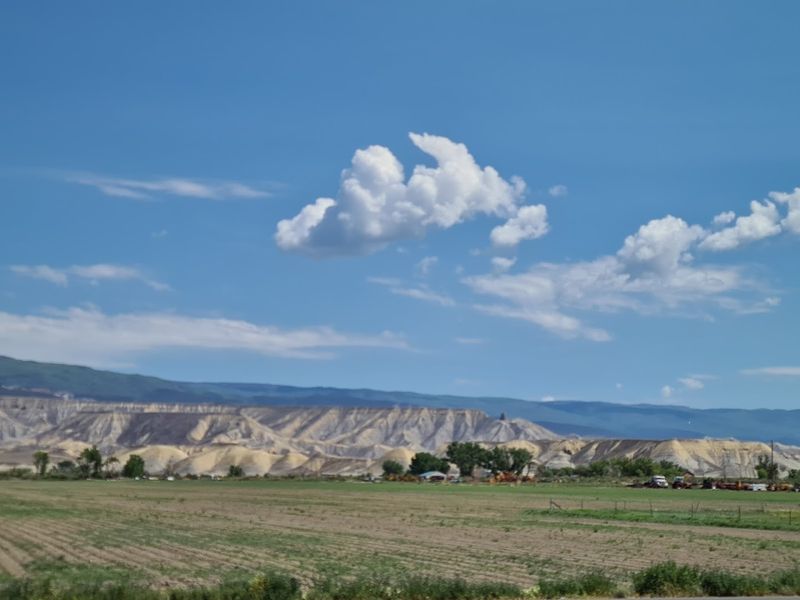
Delta sits at the confluence of the Gunnison and Uncompahgre Rivers on Colorado’s Western Slope, surrounded by orchards, vineyards, and canyon country that most people only see in calendar photos. Apartments.com currently shows options under $1,000 here, which feels almost conspiratorial given the scenery involved.
Delta is the kind of place that makes you wonder why more people have not figured it out yet.
The town has a working agricultural identity that keeps grocery prices grounded and local markets genuinely stocked with fresh produce. Delta County is known for peaches, sweet corn, and wine grapes, which means summer and fall here involve a level of fresh eating that urban retirees spend considerable money trying to replicate.
The Confluence Park area offers river access, walking paths, and wildlife viewing without a parking fee or a crowd.
Healthcare is supported by Delta County Memorial Hospital, and Montrose — with its larger medical and retail infrastructure — sits just 20 miles north. The winters are mild by Colorado standards, which matters enormously when you are retired and no longer required to commute through snowstorms.
Delta is a genuinely underrated Western Slope retirement option that combines natural beauty, low rent, and a community that still knows how to slow down.
7. Canon City
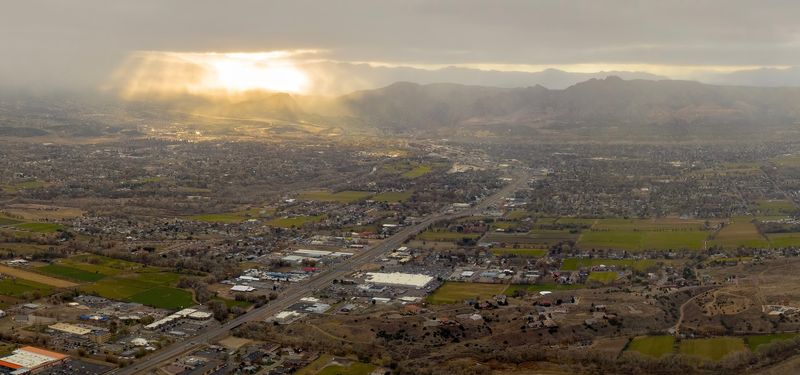
Canon City has a dramatic geographic calling card that most retirement destinations cannot match: the Royal Gorge, a 1,000-foot canyon carved by the Arkansas River that sits practically at the edge of town. Budget rental filters on current listing sites still show active options here, making it one of the more plausible lower-cost small-city choices in Colorado.
For a town with this much scenery in its backyard, the rent feels almost apologetically reasonable.
The climate sits in a warm pocket sheltered by surrounding ridges, giving Canon City one of the milder winter profiles of any Colorado town at its elevation. Locals call it the Climate Capital of Colorado, and while that sounds like chamber-of-commerce cheerleading, the weather data genuinely supports it.
The Arkansas River Riverwalk provides a flat, paved path that is friendly for daily walks regardless of fitness level.
The town has enough retail, dining, and medical services to feel self-sufficient without the congestion of a larger city. Fremont County is also home to a growing arts community, local wineries, and access to some of the best whitewater rafting in the state.
Canon City rewards retirees who want outdoor drama without outdoor prices and a small-city feel without small-city boredom.
8. Florence
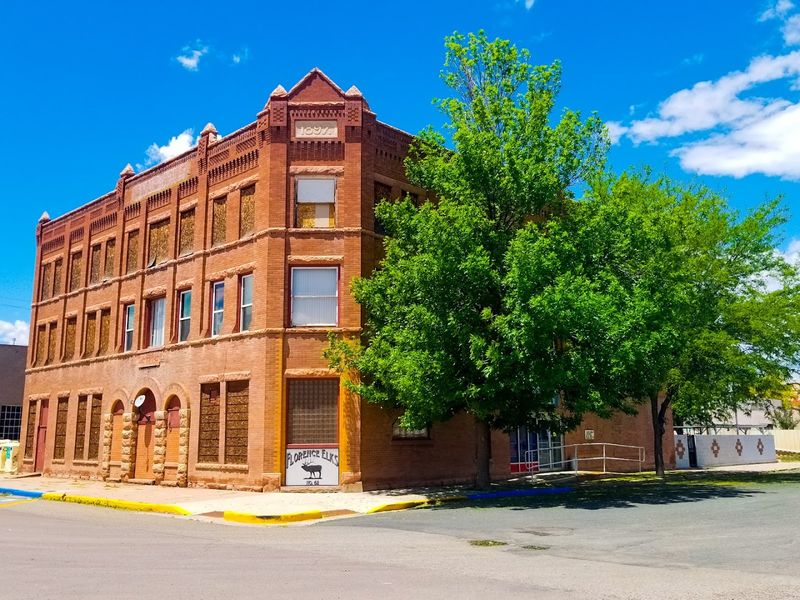
Florence has quietly built a reputation as Colorado’s Antique Capital, and walking its main street feels like browsing a curated museum where everything is actually for sale. Current listings show apartments under $1,200, which makes it a comfortable fit for a modest retirement budget without requiring any creative accounting.
The town sits just 12 miles east of Canon City, giving residents easy access to a slightly larger commercial hub whenever the need arises.
The antique economy is not just a tourist draw — it creates a local culture of preservation, curiosity, and community that gives Florence a personality well beyond its population of roughly 3,800. Weekend markets, gallery openings, and seasonal events keep the social calendar from going quiet, which matters more in retirement than most people anticipate when they are still working.
The Arkansas River runs nearby, adding another layer of outdoor access to an already well-positioned small town.
Florence sits in the same warm climate pocket as Canon City, meaning winters are more manageable here than in higher-elevation Colorado towns. The pace is genuinely unhurried, the neighbors tend to be interesting, and the cost of living does not require a financial advisor to navigate.
For retirees who want character with their affordability, Florence delivers it without any pretense whatsoever.
9. Fort Morgan

Fort Morgan is the kind of Eastern Plains town that Glenn Miller, who was born here, probably could have written a tune about — something steady, warm, and quietly swinging. The town has active apartment listings currently under $1,200, which opens the door for retirees who want Colorado without the Colorado price tag that usually comes with the mountains.
It is a practical, unpretentious community with more going on than a quick drive-through would suggest.
The South Platte River runs along the edge of town and provides a green corridor for walking, fishing, and wildlife watching that feels like a gift in an otherwise wide-open agricultural landscape. The Glenn Miller Birthplace Society keeps a museum and annual festival running that gives the town a cultural anchor with genuine national roots.
Fort Morgan also sits on I-76, which connects it to Denver in roughly 80 miles — far enough for peace and quiet, close enough for a day trip when city access becomes necessary.
Morgan Community College adds an educational and cultural dimension that keeps the town from feeling stagnant. Healthcare is available locally, and the cost of everyday groceries and services aligns with the affordable rent.
Fort Morgan is a solid, grounded retirement option for anyone who values community over cachet and a good night’s sleep over a trendy zip code.
10. Craig
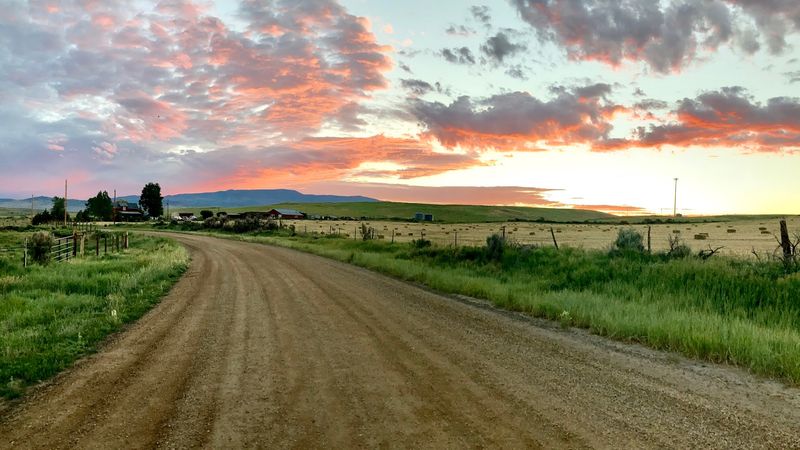
Craig sits in the Yampa River Valley in northwestern Colorado, surrounded by sagebrush, canyon country, and public land so vast it takes a few days to fully absorb. Current rental listings here include options around $825 and $1,000, which puts Craig among the most affordable towns on this list by a comfortable margin.
The trade-off is remoteness, but for certain retirees, that is not a trade-off at all — it is the entire point.
The region is legendary among hunters, anglers, and wildlife enthusiasts, with elk, mule deer, and trophy trout in numbers that draw serious outdoor people from across the country. Retirees who have spent careers dreaming about a place where the fishing is world-class and the nearest traffic jam is hypothetical will find Craig checks those boxes without requiring a lottery win to afford.
The Yampa River itself runs right through town and provides a peaceful daily backdrop that never really gets old.
Craig is working through an economic transition as the energy sector evolves, which means housing remains genuinely affordable and the community is actively invested in welcoming new residents. The winters are cold and the isolation is real, but the trade for wide-open space, clean air, and a monthly rent that leaves your Social Security check largely intact is one many retirees find surprisingly easy to make.
11. Rocky Ford
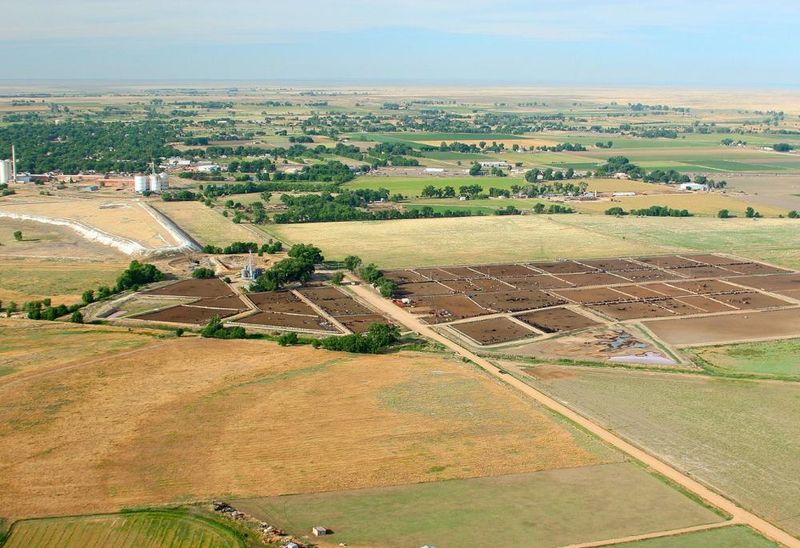
Rocky Ford is famous for exactly one thing done extraordinarily well: its cantaloupes. The Arkansas Valley soil and dry climate produce a melon so sweet and aromatic that grocery stores across the region market them by name, which is a distinction almost no other melon in America can claim.
Current rental listings here show options under $1,200, including one around $890, making it one of the more affordable entries on this list.
The town has a deeply agricultural identity that keeps the local economy grounded and the community connected to seasonal rhythms that retirement can make easy to lose track of. The Arkansas Valley Fair brings the region together every August in a celebration that feels genuinely old-fashioned in the best possible sense.
Rocky Ford sits along the Arkansas River, which provides walking access, wildlife habitat, and a quiet beauty that the town wears without any self-consciousness.
At roughly 3,800 residents, Rocky Ford is small enough that anonymity is largely unavailable, which suits retirees who want to be known rather than just housed. La Junta, with a fuller range of services, sits just 12 miles east.
For retirees who want an ultra-affordable base in a community where the food is fresh, the neighbors are real, and the rent leaves room to breathe, Rocky Ford is a genuine sleeper find.
12. Montrose
Montrose is the most polished entry on this list, and it shows — but not in a way that ruins the affordability argument. Current rentals include a two-bedroom at $1,100, and Apartments.com flags senior housing options as well, which makes Montrose a legitimate fit for the $1,200 monthly budget even if it is not the cheapest town in the valley.
What you get for that extra cost is a town that has quietly figured out how to be genuinely livable.
Black Canyon of the Gunnison National Park sits just east of town and offers one of the most dramatic geological experiences in the American West — a canyon so sheer and dark that the sun only reaches the bottom for a few minutes each day. Montrose Regional Airport provides direct flights to Denver, Dallas, and Phoenix, which matters enormously for retirees with family spread across the country.
The local hospital, Montrose Regional Health, is well-regarded and expanding.
The Western Slope climate is drier and sunnier than the Front Range, with milder winters than mountain towns at similar elevations. The restaurant scene, farmers markets, and cultural calendar here are noticeably more developed than in many other towns on this list.
Montrose is the retirement option for retirees who want affordability but are not quite ready to give up the conveniences that make daily life feel civilized.