
The Clearest Spring In Arizona Is Almost Too Gorgeous To Be Real
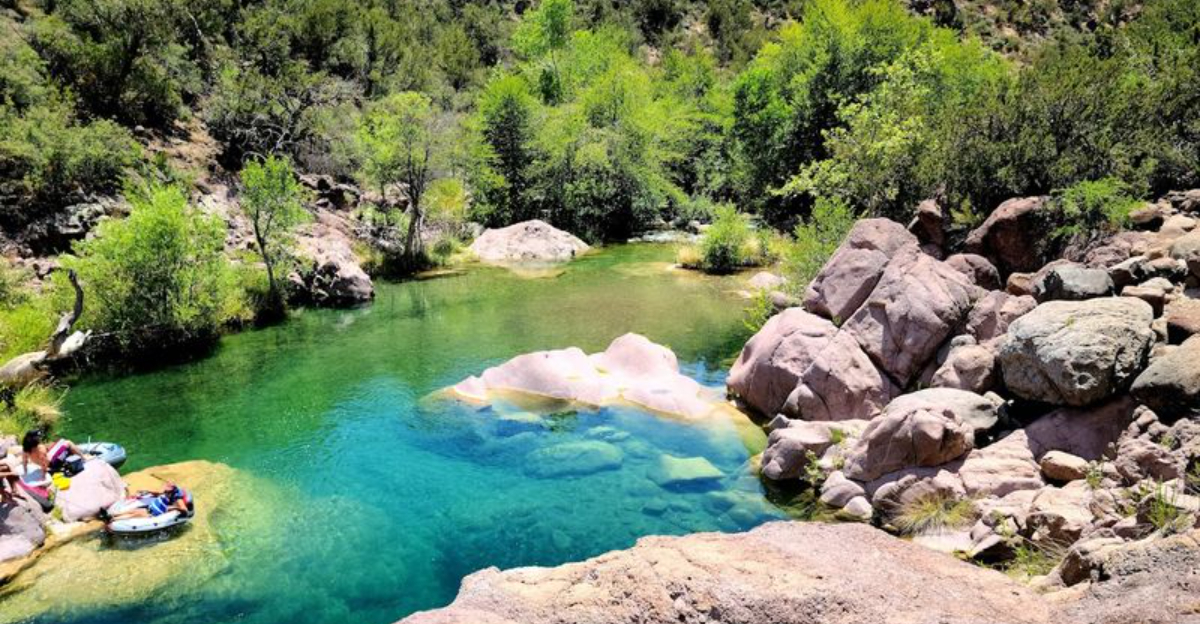
I’m not saying I’m actually a mermaid, but after seeing this secret oasis, I’m officially taking applications for a tail and moving in. We all know that Arizona can feel a bit like living on the surface of the sun sometimes, but away from the usual highway stops is a spring so vibrant it looks like a high-definition screensaver.
It’s the kind of place where you have to do a triple-take just to make sure you aren’t actually dreaming or staring at a filtered postcard. The turquoise hues are so intense it feels like a crime to even dip a toe in, but trust me, you’re going to want to dive right in.
If you’re looking for the ultimate way to escape the heat, this unreal Arizona spot is calling your name. Fed by a powerful natural spring that pumps out around 20,000 gallons of water per minute at a steady 68 degrees year-round, this creek carves through limestone cliffs and travertine terraces to create pools that look like they belong in a tropical postcard.
I visited on a warm spring morning, and within five minutes of arriving, I was completely convinced this was the most beautiful place I had ever stood in Arizona.
The Story Behind The Spring
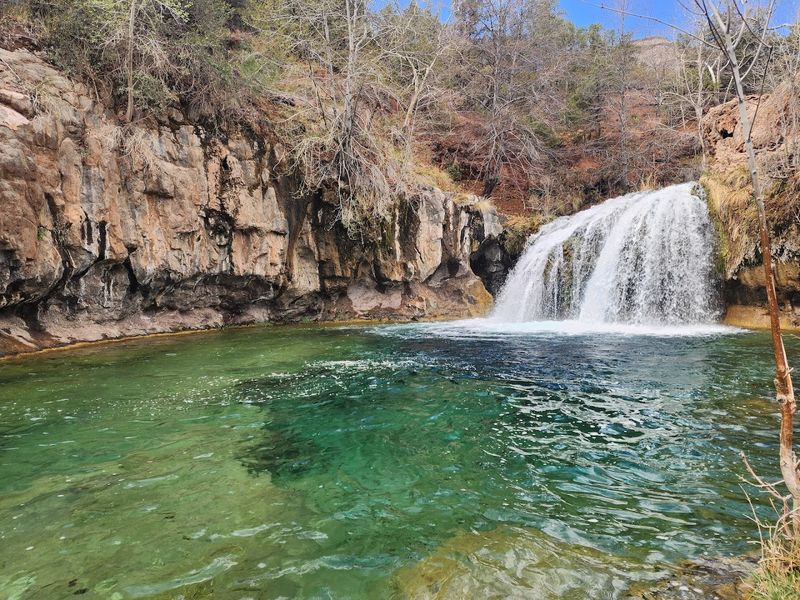
Long before hikers started lining up for permits, this place had a fascinating and complicated history that shaped the landscape visitors see today. For nearly a century, the creek was almost completely dry.
A diversion dam built in 1909 by the Arizona Power Company redirected almost all of the creek’s flow to generate hydroelectric power for nearby communities, leaving the canyon bed parched and damaged for decades.
That all changed in 2005, when the dam was decommissioned and the water was returned to its natural course. The recovery was nothing short of remarkable.
Within just a few years, plants, fish, and wildlife came flooding back, and the creek transformed into one of the most biodiverse riparian corridors in all of Arizona.
Today, Fossil Creek is designated a Wild and Scenic River, a federal protection that keeps it safe from future development. Knowing this backstory makes every turquoise pool feel even more special, because the beauty here was hard-won and genuinely earned.
What The Water Actually Looks Like
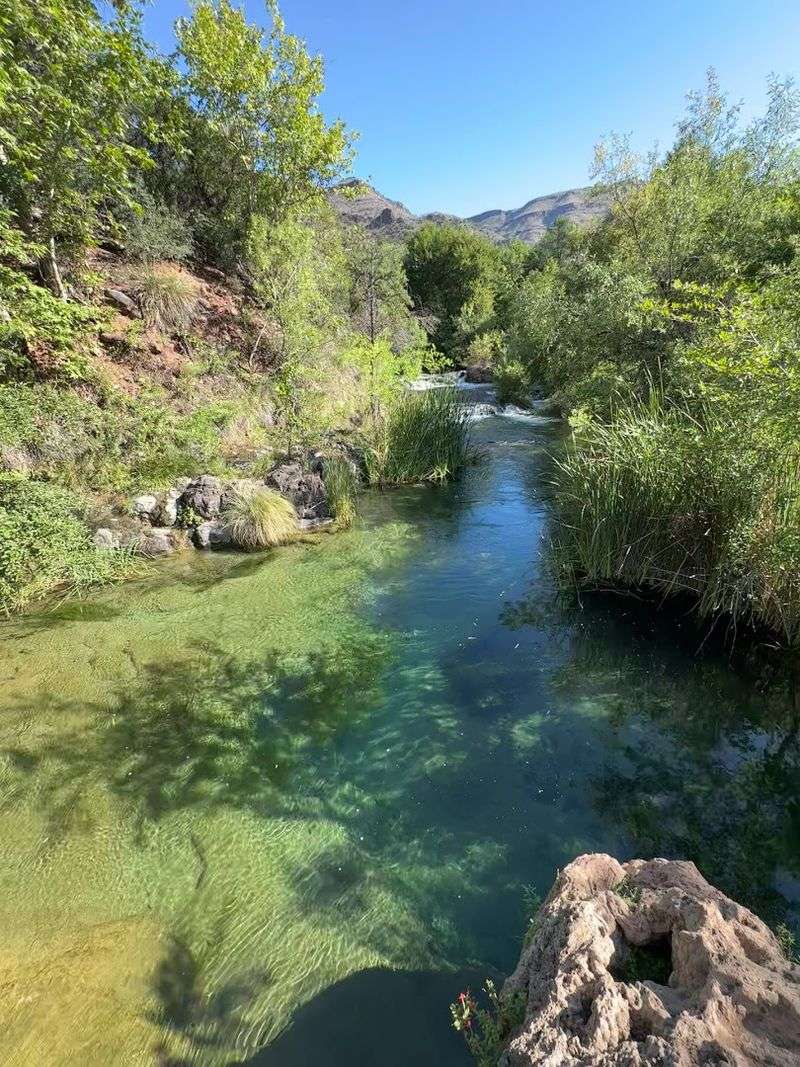
Nothing quite prepares you for the color of the water at Fossil Creek. Standing at the edge of one of the main pools, I genuinely had to remind myself I was still in Arizona and not somewhere in the Caribbean.
The water ranges from a pale minty green in shallow areas to a deep, rich turquoise in the deeper pools, and it shifts color depending on the angle of the sunlight.
The clarity is what really gets you. You can see every pebble, every ripple, and every tiny fish darting along the bottom even in water that is several feet deep.
That transparency comes from the high mineral content of the spring water, which filters through layers of limestone before bubbling up from the earth at a consistent temperature.
Travertine formations line the creek bed and banks, creating natural terraces and ledges that look almost architectural. The combination of white rock, vivid water, and green canyon walls creates a color palette that feels almost too perfect to be natural.
Getting There: Permits, Roads, And What To Expect
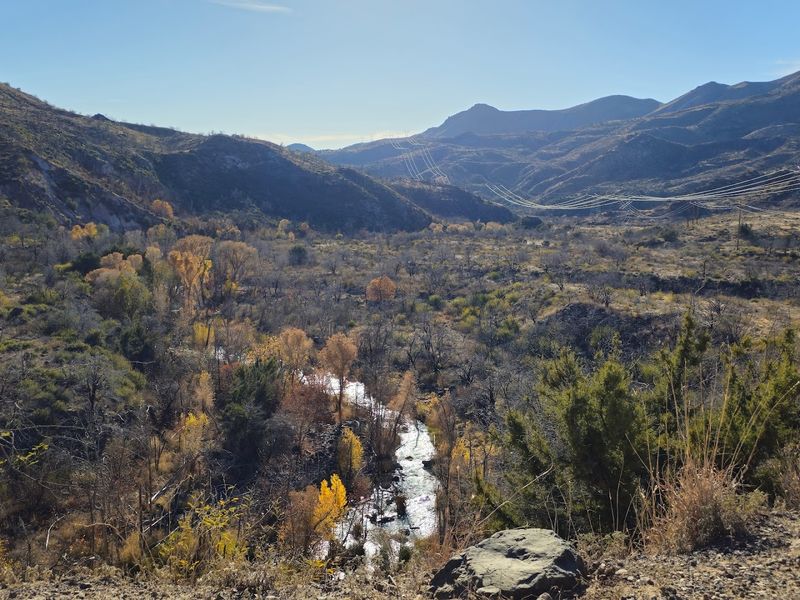
Visiting Fossil Creek is not a casual drop-in situation, and that is actually a good thing. The area requires a day-use permit from May through September, which you can reserve through Recreation.gov.
Permits are limited to protect the ecosystem, so they book up fast, sometimes weeks in advance during peak summer months.
The drive in is an adventure of its own. Forest Road 708 is a rough, unpaved route that requires a high-clearance vehicle, and it is not recommended for sedans or low-clearance cars.
The road winds through the Mazatzal Mountains and offers sweeping views of the surrounding canyon country before dropping down toward the creek.
Plan for a drive of about 45 minutes from the town of Strawberry, Arizona. Cell service disappears quickly once you leave the main highway, so download your maps and permit confirmation before heading out.
Arriving early in the morning means cooler temperatures, better parking, and quieter pools before the midday crowd settles in.
The Hike Down To The Creek
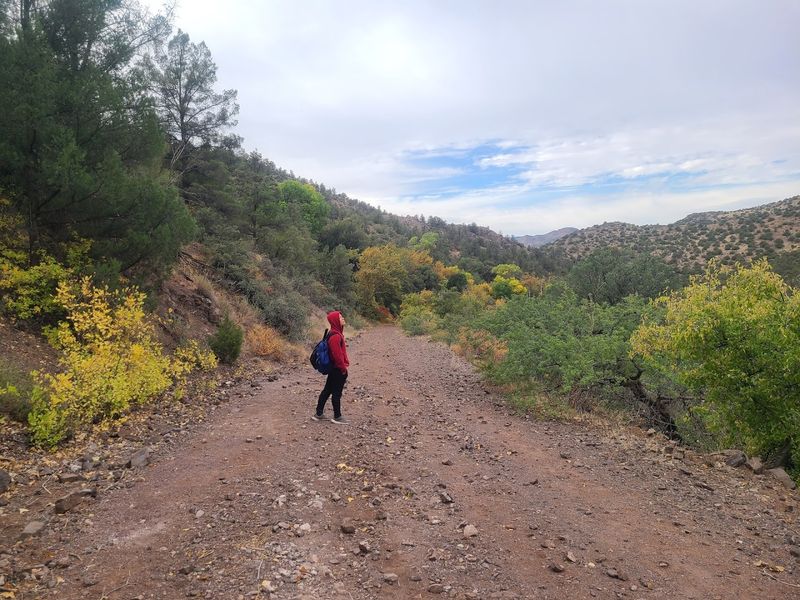
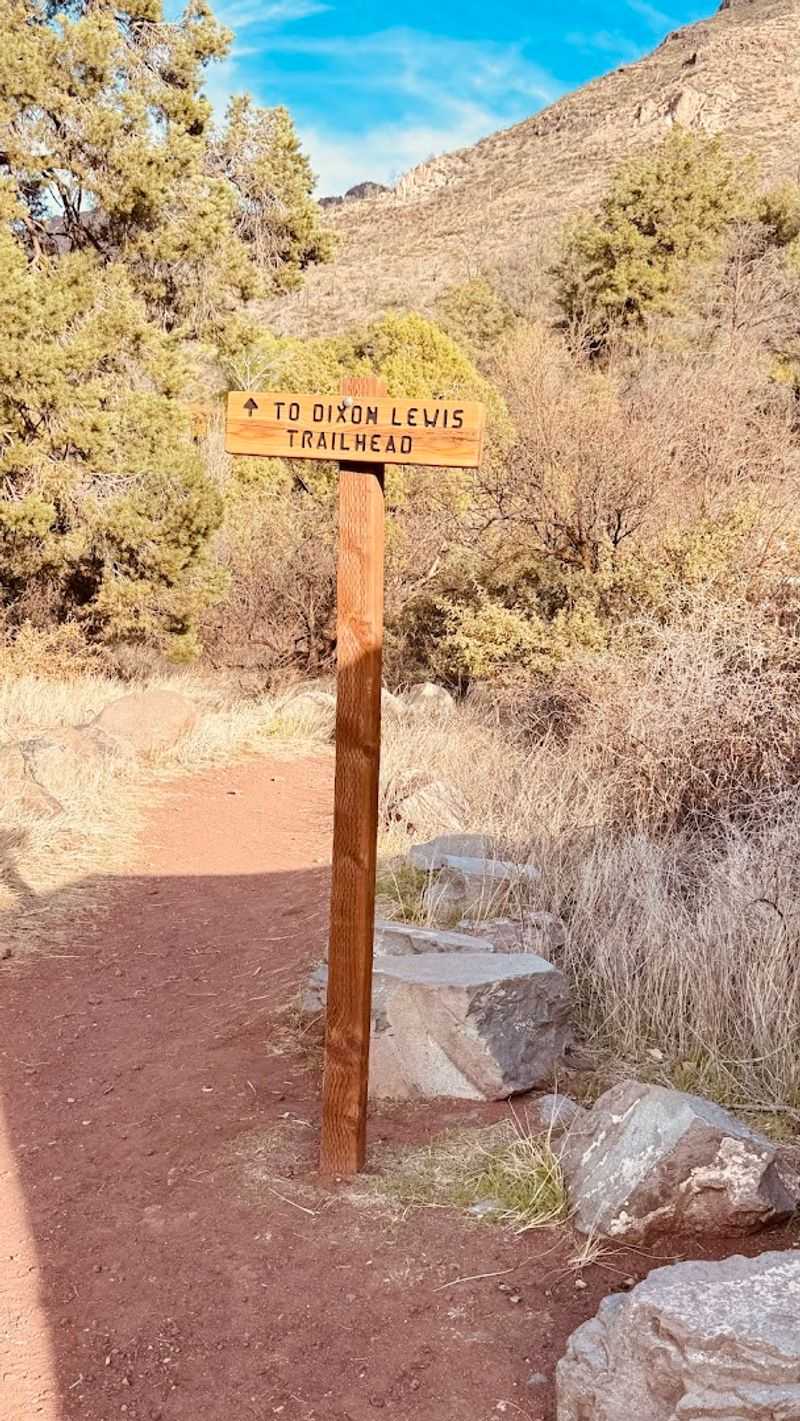
The trail from the main trailhead down to Fossil Creek is about 1.7 miles one way, and it drops several hundred feet in elevation as it descends into the canyon.
It is rated moderate, but the return hike back up in the afternoon heat can feel significantly harder, especially in the summer months when temperatures climb well above 90 degrees.
The trail itself is rocky and exposed for most of the descent, winding through classic Arizona high desert terrain with saguaro cacti, prickly pear, and desert shrubs lining the path. There is very little shade until you reach the canyon floor, so a wide-brimmed hat and plenty of water are non-negotiable.
Once the sound of rushing water starts drifting up from below, the anticipation builds fast. That first glimpse of turquoise water through the canyon walls is genuinely one of those travel moments that sticks with you.
Wear sturdy hiking sandals or trail shoes with grip, because the travertine near the water can be slippery in spots.
Swimming And Playing In The Pools
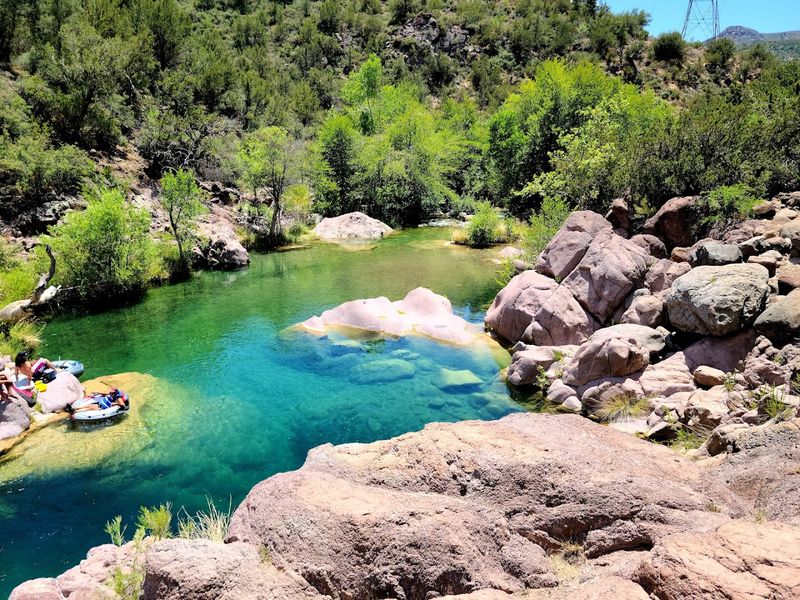
Once you reach the water, the urge to jump straight in is nearly impossible to resist. The main swimming area features a series of connected pools separated by travertine ledges, with water that sits at a refreshing 68 degrees year-round.
On a hot Arizona afternoon, that temperature feels absolutely perfect.
Some pools are shallow enough for wading and splashing, while others are deep enough for a full swim. Kids tend to love the shallower sections near the travertine terraces, where the water is calm and easy to navigate.
More adventurous swimmers gravitate toward the deeper pools further upstream, where the current is stronger and the scenery is even more dramatic.
One thing worth knowing: the creek bottom is covered in travertine, which is both beautiful and uneven. Water shoes are highly recommended for anyone who plans to walk around in the creek itself.
The rocks can be slippery, and bare feet on rough travertine after a few hours gets uncomfortable quickly.
Wildlife And Nature Along The Creek
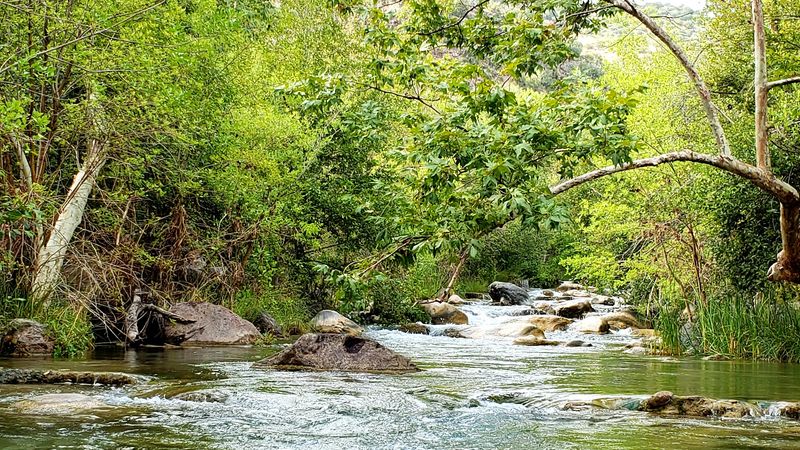
Fossil Creek is not just a pretty swimming hole. It is a thriving ecosystem that supports an impressive variety of wildlife, much of which returned after the water was restored in 2005.
Native fish species like the roundtail chub and the speckled dace swim in the clear pools, and birdwatchers will find plenty to get excited about along the riparian corridor.
Great blue herons, belted kingfishers, and black hawks are regular sightings along the creek. The dense canopy of cottonwood and sycamore trees that lines the banks creates a cool, shaded habitat that feels worlds away from the exposed desert just above the canyon rim.
Butterflies, dragonflies, and other insects add to the lively atmosphere.
If you move quietly and take your time, you may also spot mule deer drinking at the water’s edge in the early morning hours. The biodiversity here is a direct result of the creek’s restoration, and it serves as a powerful reminder of what nature can accomplish when given the chance to recover.
Best Times To Visit And Seasonal Tips
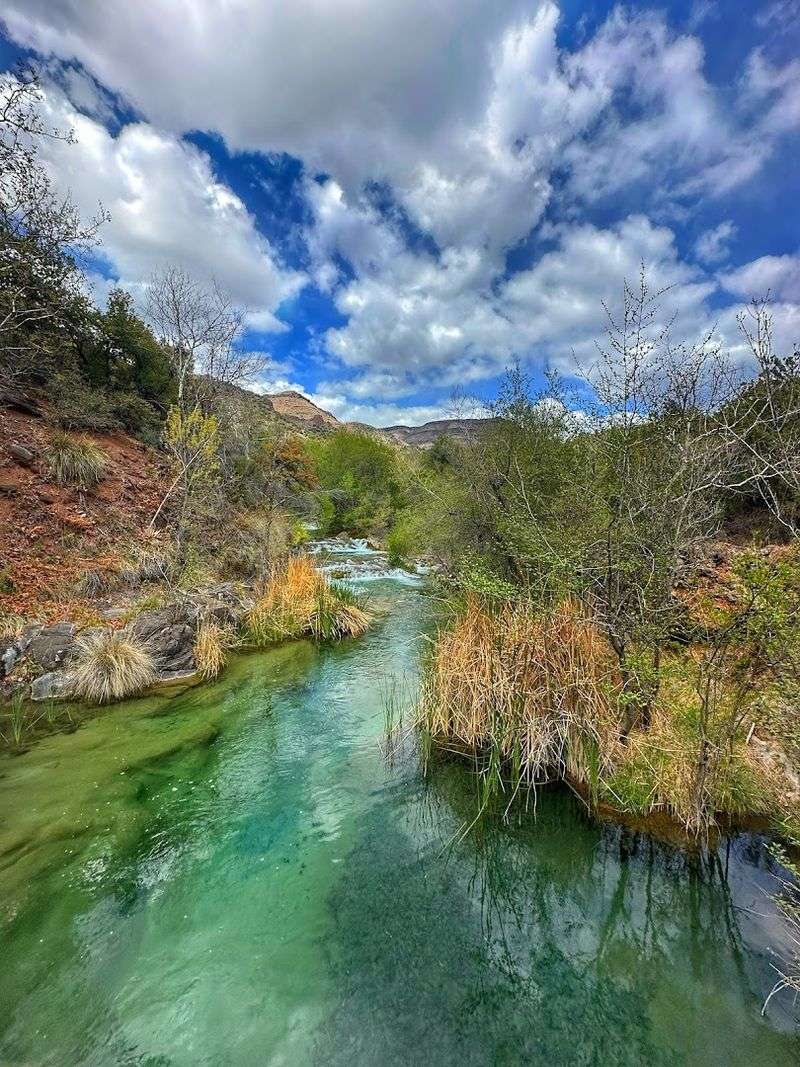
Spring is widely considered the best time to visit Fossil Creek, and after experiencing it firsthand in late April, I have to agree. Temperatures are comfortable, usually in the 70s and low 80s, the desert wildflowers are blooming along the canyon walls, and the water levels are typically strong and clear after winter rains.
Summer brings intense heat and larger crowds, but the cool spring water makes it a popular escape for Arizona residents looking to beat the heat.
The permit system helps manage the crowds, but expect company on weekends. Weekdays are noticeably quieter and feel more peaceful overall.
Fall is another excellent window for a visit. The cottonwood trees along the creek turn a warm golden yellow in October, adding a seasonal color show to the already vivid turquoise water.
Winter visits are possible but the trail can be muddy or icy in spots, and the water temperature, while consistent, feels more bracing than refreshing. Always check road conditions before heading out in cooler months.
Tips For A Smooth And Responsible Visit
A few practical habits can make your trip to Fossil Creek much more enjoyable and help protect the place for future visitors. First, pack out everything you bring in.
There are no trash cans at the creek, and the leave-no-trace ethic is taken seriously here by rangers and fellow visitors alike.
Sunscreen is a tricky topic at Fossil Creek. Standard chemical sunscreens can damage the delicate aquatic ecosystem, so the Forest Service strongly encourages visitors to use reef-safe mineral sunscreen or simply wear sun-protective clothing instead.
This small swap makes a real difference for the native fish and plant life in the water. Bring more water than you think you need, at least two liters per person for the round-trip hike. The elevation and desert sun dehydrate you faster than expected.
A small first-aid kit, sturdy footwear, and a charged phone with offline maps downloaded round out the essentials.
Respect trail closures and stay on designated paths to protect the travertine formations that take thousands of years to develop.