
This Ohio Museum Will Make You Feel Like You Traveled Back To Television’s First Era
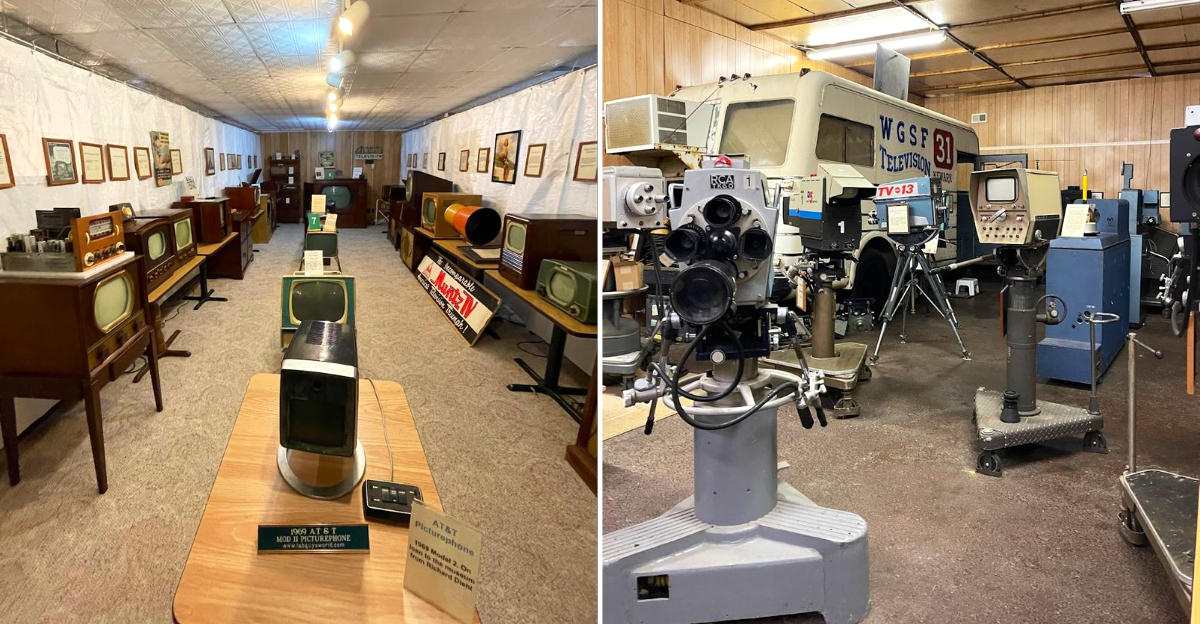
Hidden in central Ohio is a small museum that makes the early days of television feel surprisingly close.
Inside, you will find more than 150 TV sets and related equipment tracing the story of television from the mechanical systems of the 1920s through the early color era, each one offering a glimpse into how people once gathered around a glowing screen for the very first time.
I went in without knowing much about what I was about to see, and that made the visit even more memorable.
By the time I left, I had seen spinning mechanical disks in action, admired wooden cabinet sets that looked more like handcrafted furniture than electronics, and watched an old broadcast flicker to life on a screen that had not been new in decades.
If you have ever wondered how television really began, this is the kind of place that answers that curiosity in a way books and documentaries simply cannot.
The Story Behind the Collection
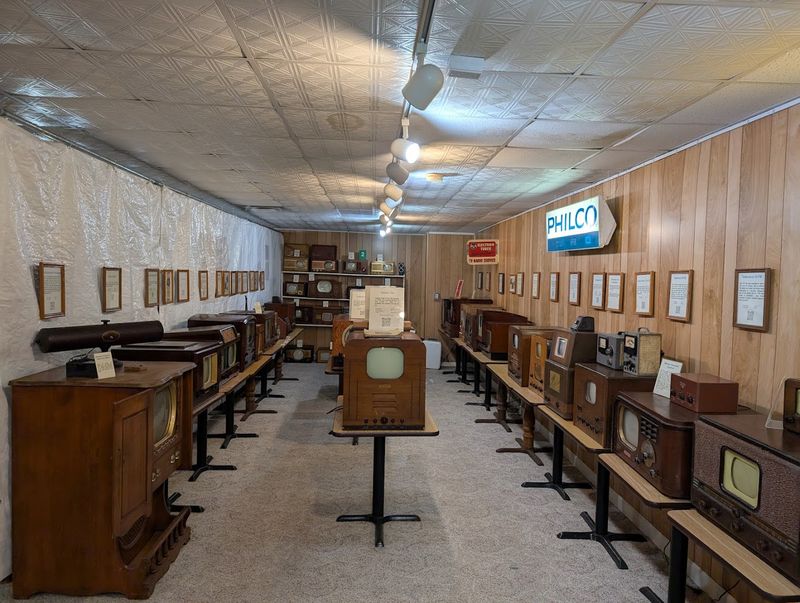
Some museums feel like institutions. This one feels like someone invited you into their living room, except that living room happens to contain more than 150 rare televisions and related equipment from the earliest decades of the medium.
The Early Television Museum was built from pure passion. The people behind it are collectors and enthusiasts who have spent decades hunting down rare sets, restoring them, and making sure they are displayed in a way that actually tells a story.
The moment I walked through the door, that dedication was obvious. Nothing felt sterile or corporate.
Every label, every arrangement, and every working display reflected the care of someone who genuinely loves this subject.
The museum is tucked into a quiet part of Hilliard, Ohio, far from any major tourist strip. That low-key location actually adds to the charm, because finding it feels a little like discovering a secret that most people have walked right past without knowing it was there.
The exact address of this place is 5396 Franklin St, Hilliard, OH 43026.
Where Mechanical Television Comes Alive
Before the picture tubes and cathode rays that most people associate with old TV sets, there was something far stranger: spinning disks, flickering orange light, and tiny postage-stamp-sized images that counted as television.
The mechanical television room at this museum stopped me cold. I had read about Nipkow disks in passing but had never actually seen one in person, let alone seen one running.
The museum has an entire section dedicated to these early mechanical sets, many of which actually work. Watching one spin up and produce a recognizable moving image felt genuinely surreal, the kind of moment where you understand intellectually what you are seeing but your brain still struggles to process it.
These machines date from the late 1920s and early 1930s, a period when television was not yet a consumer product but an experiment being pushed forward by engineers and tinkerers who believed moving pictures through the air were possible.
That belief, spinning away right in front of me, was one of the most memorable things I have ever seen in any museum.
The Elegant Wooden Cabinet Era
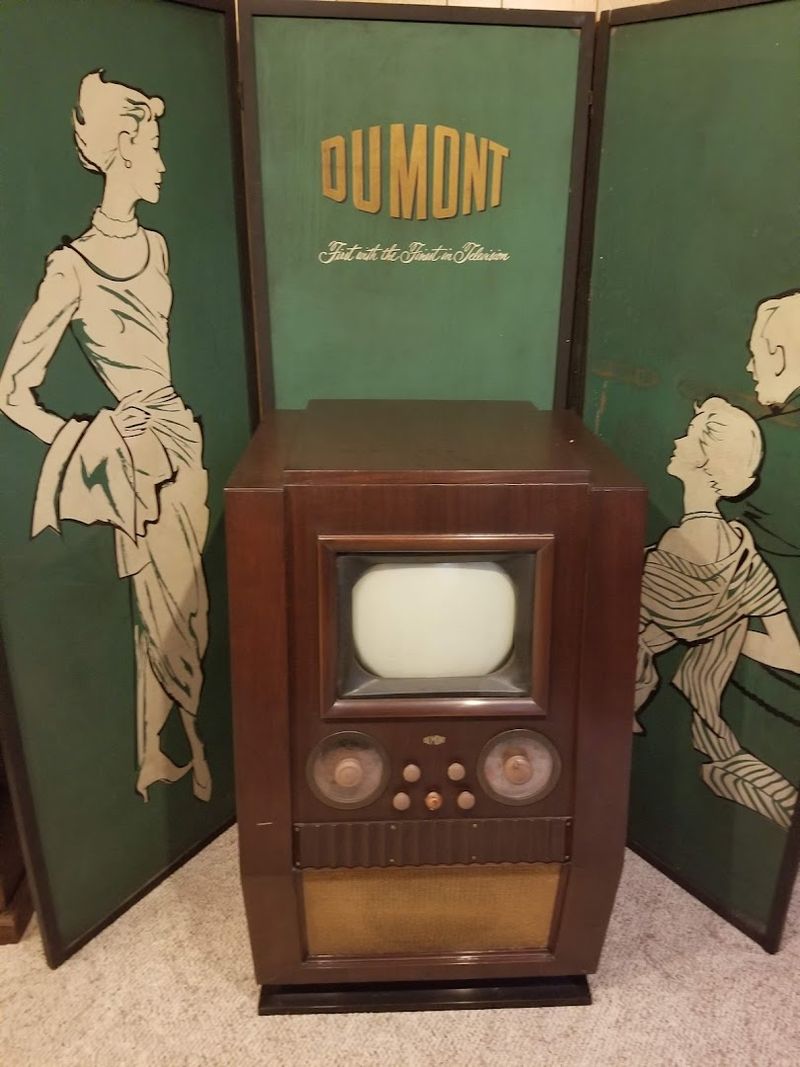
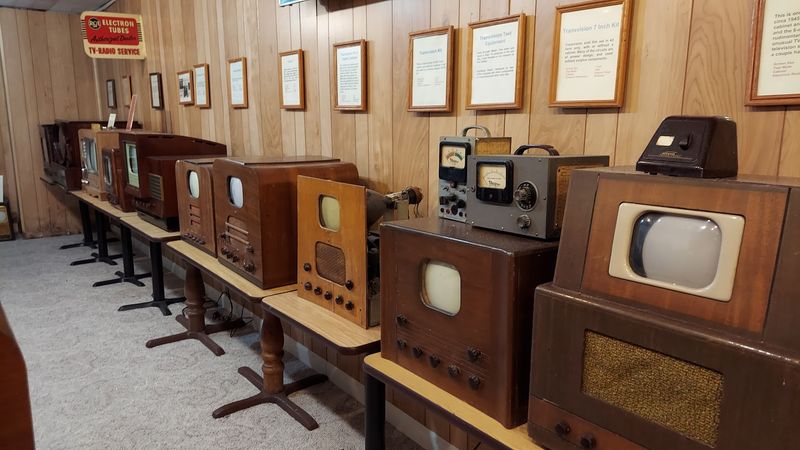
There is a reason people called television sets furniture back in the 1930s and 1940s. The sets from that era were crafted from real wood, with polished finishes and joinery that would not look out of place in a high-end living room today.
The museum has a wonderful collection of these early broadcast-era sets, and spending time with them made me rethink the word technology entirely. These were not just devices.
They were objects people were proud to own and display, the same way someone today might show off a piece of custom cabinetry.
Each set has a label explaining its origins and, in many cases, who donated it to the collection. That personal detail added a layer of warmth I did not expect from a museum about electronics.
I kept running my eyes over the grain of the wood and the tiny round screens centered in each cabinet, thinking about how much a family must have saved up to bring one of these home for the first time.
Post-War Black and White Sets
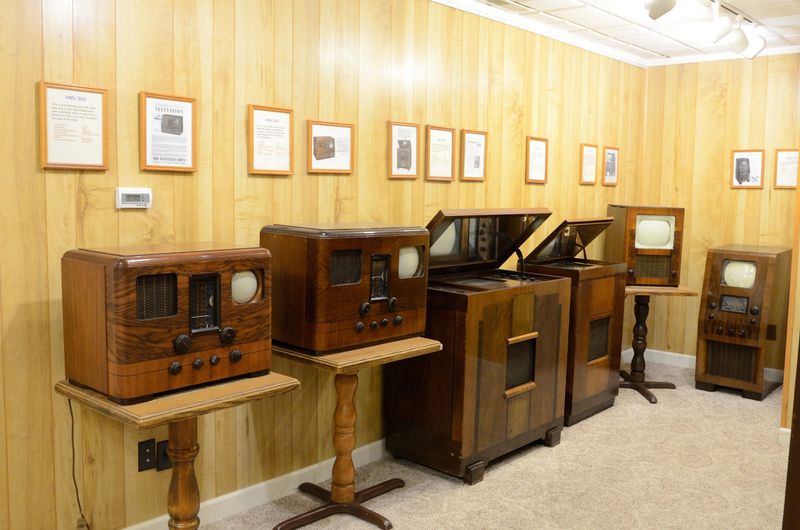
The post-war years brought television into millions of American homes for the first time, and the museum captures that era with a broad and well-organized collection of black-and-white sets from the late 1940s through the 1950s.
These are the TVs that carried families through the golden age of broadcasting, the sets people huddled around to watch variety shows, news programs, and early sitcoms. Seeing them lined up together gives you a real sense of how quickly the technology evolved during just one decade.
Some of the sets are enormous in their outer dimensions but sport screens that would look tiny next to a modern tablet. That contrast alone drew more than a few laughs from other visitors nearby when I was there.
The museum does a good job of providing context for each piece, so you are not just looking at old hardware but understanding what was actually being broadcast on it and what that meant for American culture at the time.
History becomes much easier to absorb when it comes packaged in chrome dials and walnut veneer.
Early Color Television Sets
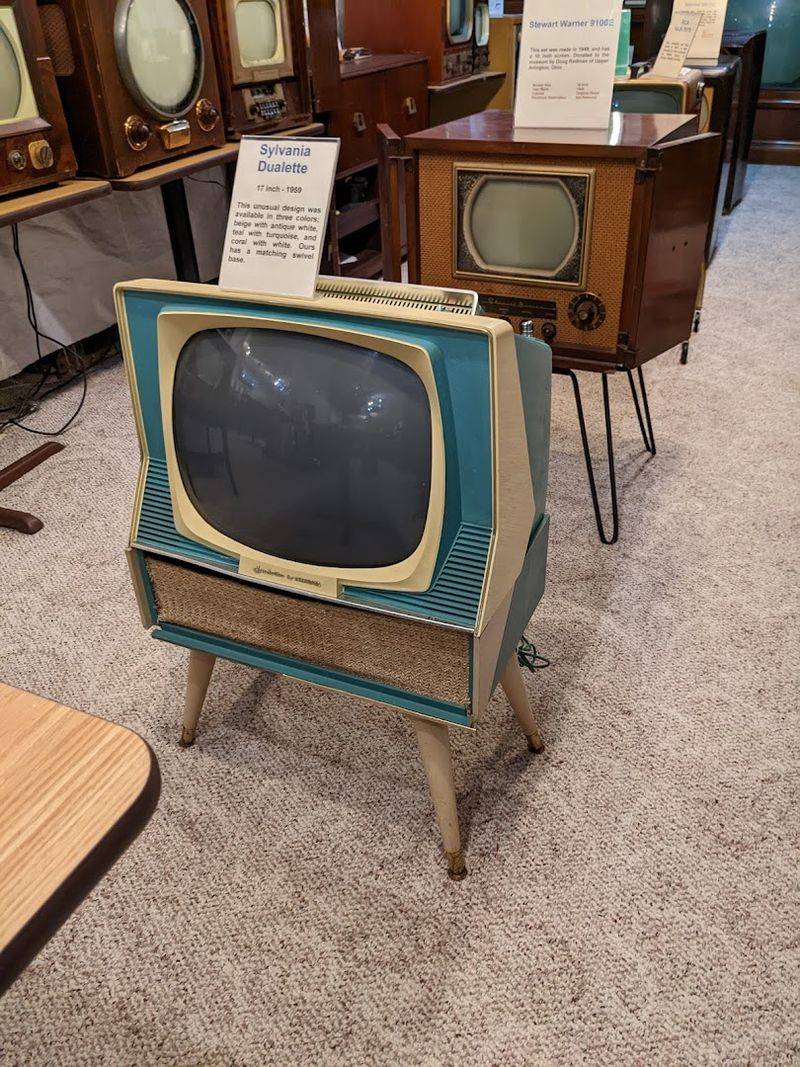
Color television did not arrive the way most people imagine. It was messy, contested, and surprisingly experimental for years before the technology settled into anything reliable.
The museum’s collection of early color sets tells that complicated story with real hardware instead of textbook descriptions. I counted sets from multiple manufacturers, each one representing a slightly different approach to solving the same technical problem.
The bold, optimistic styling of those mid-century housings is something you have to see in person. Manufacturers were clearly trying to sell the idea of color as a lifestyle upgrade, and the designs reflect that confidence, curves and bright finishes everywhere.
Several of these sets still work, and the museum staff occasionally powers them up so visitors can see what early color broadcasts actually looked like. The palette is different from modern screens, warmer and slightly soft, which gives the images a quality that feels almost painted rather than photographed.
That mid-century optimism, baked right into the hardware itself, is something no streaming service has ever managed to replicate.
The Camera Room and Broadcasting Equipment
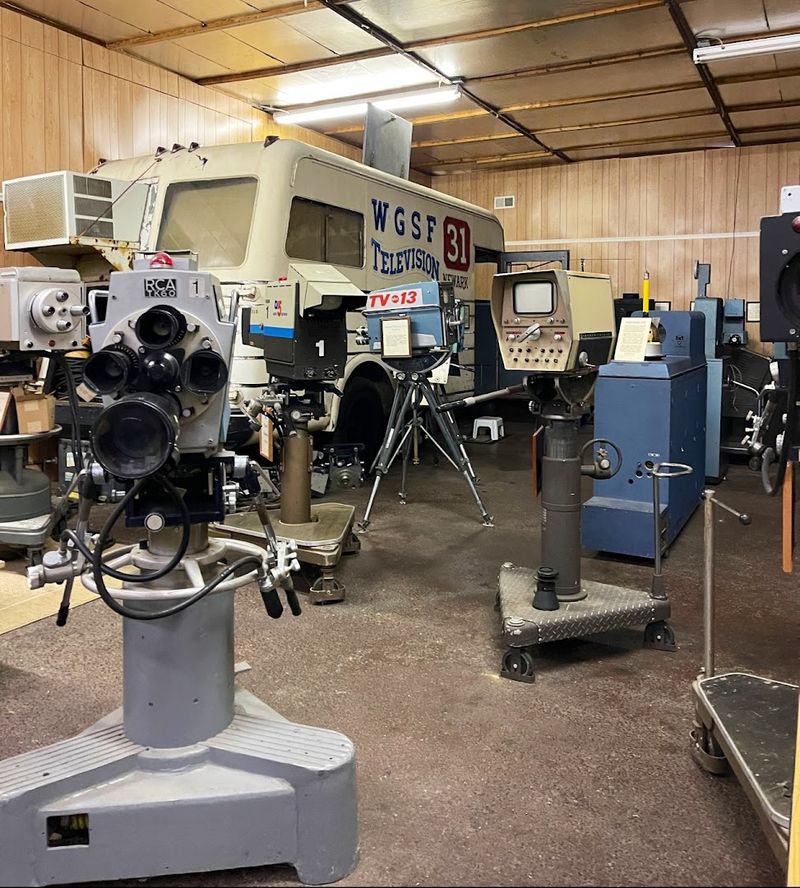
My favorite room in the entire building was the camera room, and I was not expecting that at all when I first glanced through the doorway.
The museum has an impressive collection of vintage television studio cameras, the enormous, heavy machines that once stood on studio floors and pointed at newscasters and variety show hosts during the earliest decades of broadcast television.
Some of these cameras are taller than I am, built from steel and glass in an era when durability mattered more than portability. Standing next to one gave me a new appreciation for how physically demanding early television production must have been.
The room also includes other broadcasting equipment, including a full broadcasting truck that required a garage-style space to display properly. That section is a bit less temperature-controlled than the rest of the museum, so keep a jacket handy if you visit in cooler months.
The sheer variety of camera designs across just a few decades of broadcasting history is genuinely fascinating, even if you have never given a single thought to how television was actually made.
Sets From Around the World
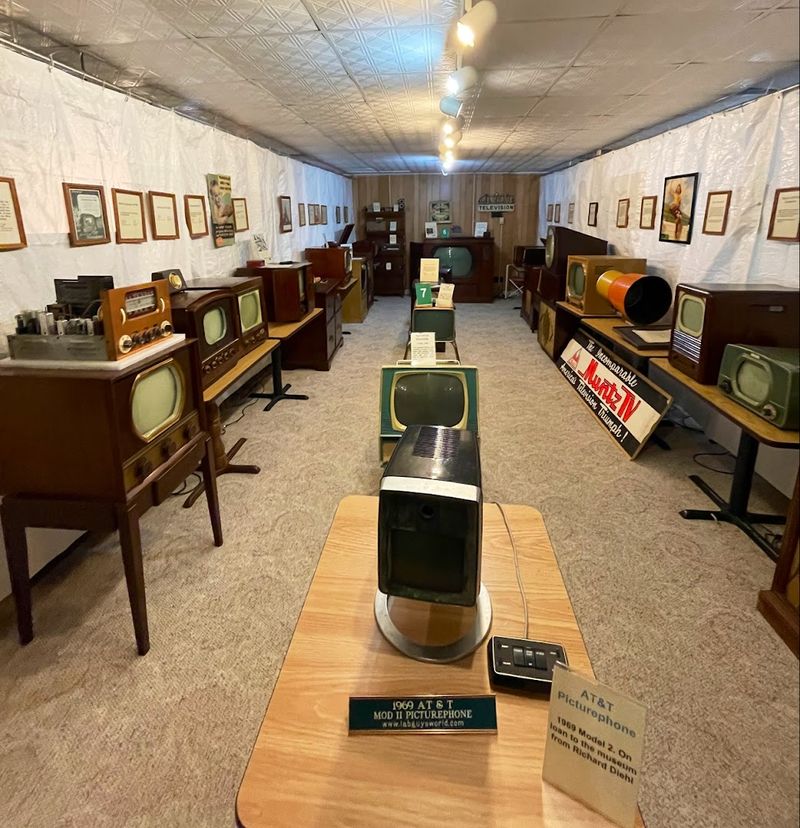
Television did not develop in America alone, and the museum makes sure you know it. The collection includes sets from the United Kingdom, various European countries, and other parts of the world, giving the whole experience a genuinely international scope.
Some of these foreign sets are the only known surviving examples of their kind anywhere on the planet. That fact hit me harder than I expected.
The museum is not just preserving history in general terms; it is protecting specific objects that would otherwise be gone forever.
Comparing the design philosophies of different countries side by side is one of the more intellectually satisfying parts of the visit. British sets from the same era as their American counterparts often look completely different, shaped by different broadcasting standards, different consumer tastes, and different industrial traditions.
The labels throughout the museum note where each piece came from and, when known, who donated it. That transparency makes the collection feel like a community effort rather than a private hoard, which is a distinction worth appreciating.
QR Codes and the Audio Tour
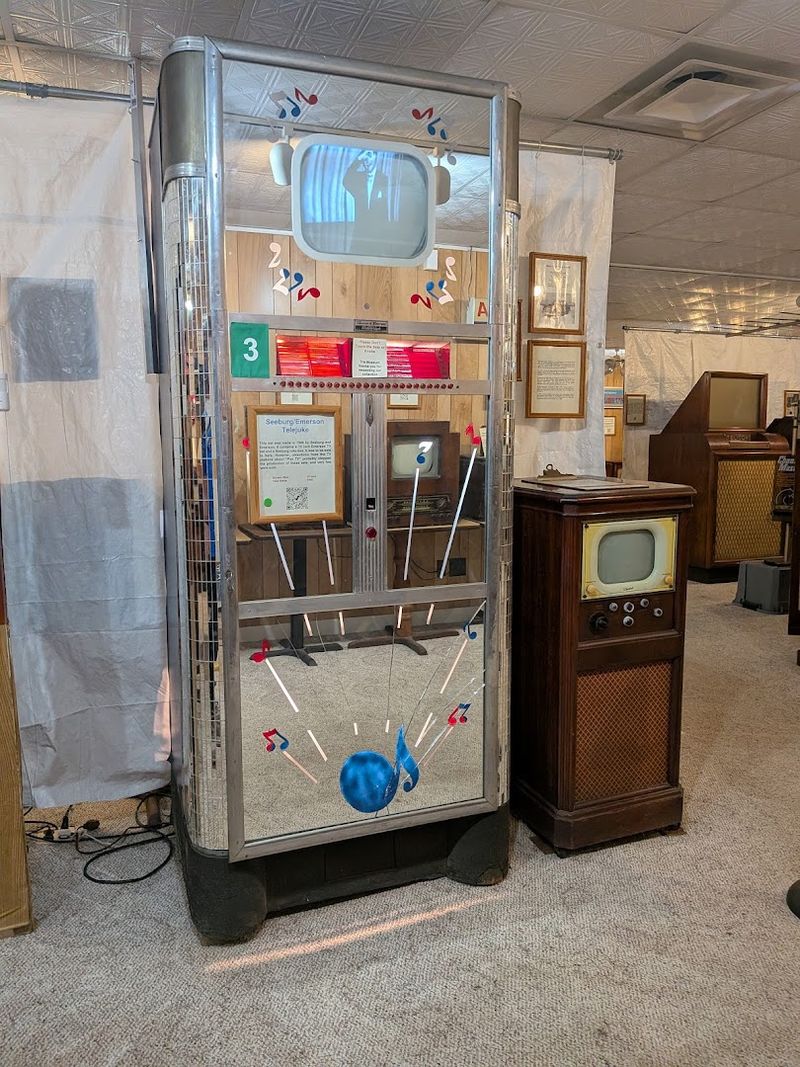
The museum has found a clever way to layer extra information into the experience without cluttering every display with walls of text. There is a pre-recorded audio tour available in each room, which adds details about the sets, their history, and the technology behind them.
I used it more than I expected to. A few of the sets had stories attached that I would have completely missed without that extra layer, especially in the mechanical television section where the technology is genuinely hard to understand without some narration to guide you through it.
The combination of physical displays, labels, and audio commentary gives the museum a layered quality that rewards curious visitors who want to go deeper than a casual glance.
You can spend an hour here or you can spend three, and the experience scales naturally depending on how much you want to absorb.
Practical Tips for Your Visit
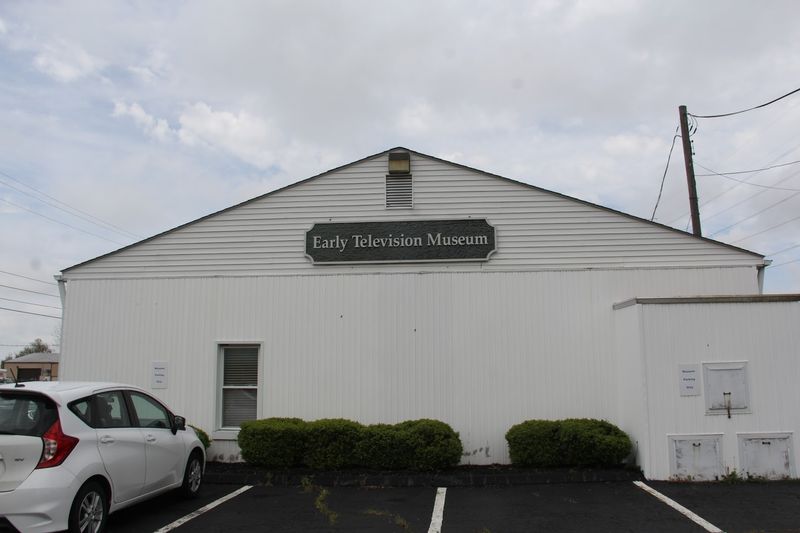
A few practical things are worth knowing before you make the trip. The Early Television Museum is only open on Saturdays from 10 AM to 6 PM and Sundays from 12 PM to 5 PM, so planning ahead is essential.
The admission price is around ten dollars for adults, which feels reasonable given the size and quality of the collection. The museum holds a strong 4.6-star rating across nearly 150 reviews, which tells you that most visitors leave genuinely satisfied.
Accessibility is solid throughout most of the building. The main entrance and the majority of rooms have ramps to handle any elevation differences, though a couple of spots between displays get narrow enough that maneuvering a wheelchair might take some patience.
There is no seating inside the rooms, so if you plan to spend two or more hours working through the collection, comfortable shoes are a good idea. Parking is easy to find nearby, and the location in old Hilliard makes it simple to reach without navigating any complicated traffic.
You can reach the museum by phone at +1 614-771-0510 or visit earlytelevision.org for more details before your trip.
Why This Museum Is Worth the Drive
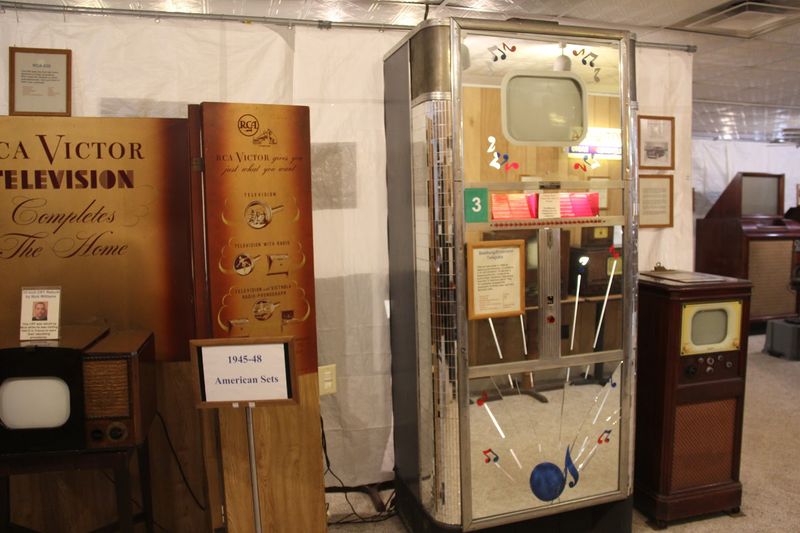
Not every museum justifies a long drive, but this one genuinely does. The collection is larger and more varied than anything I expected from a small building tucked into a quiet Ohio neighborhood, and the passion behind every display is impossible to miss.
Whether you grew up watching black-and-white reruns or you have only ever known flat screens, there is something here that will surprise you.
The history of television is also, in many ways, the history of how families spent their evenings together for the better part of a century, and the museum captures that human dimension alongside the technical one.
Kids who are old enough to appreciate history tend to respond well to the hands-on elements and working displays. Adults who remember any of these sets from their own childhoods often get genuinely emotional walking through the rooms.
The museum sits quietly in Ohio, doing important preservation work with limited resources and a lot of heart. Places like this do not stay around forever, which means the best time to visit is always sooner rather than later.