
This Pennsylvania Bird Sanctuary Draws Photographers From Across The Globe During Nesting Season
There is something magical about the quiet moment when a camera lens locks onto a bird in flight.
Wings stretch against the sky, sunlight hits the feathers just right, and suddenly nature puts on a show that feels impossible to stage.
During nesting season, moments like this become even more special as wildlife activity fills the air with movement and sound.
In Pennsylvania, one peaceful sanctuary becomes a magnet for bird lovers and photographers from all over the world.
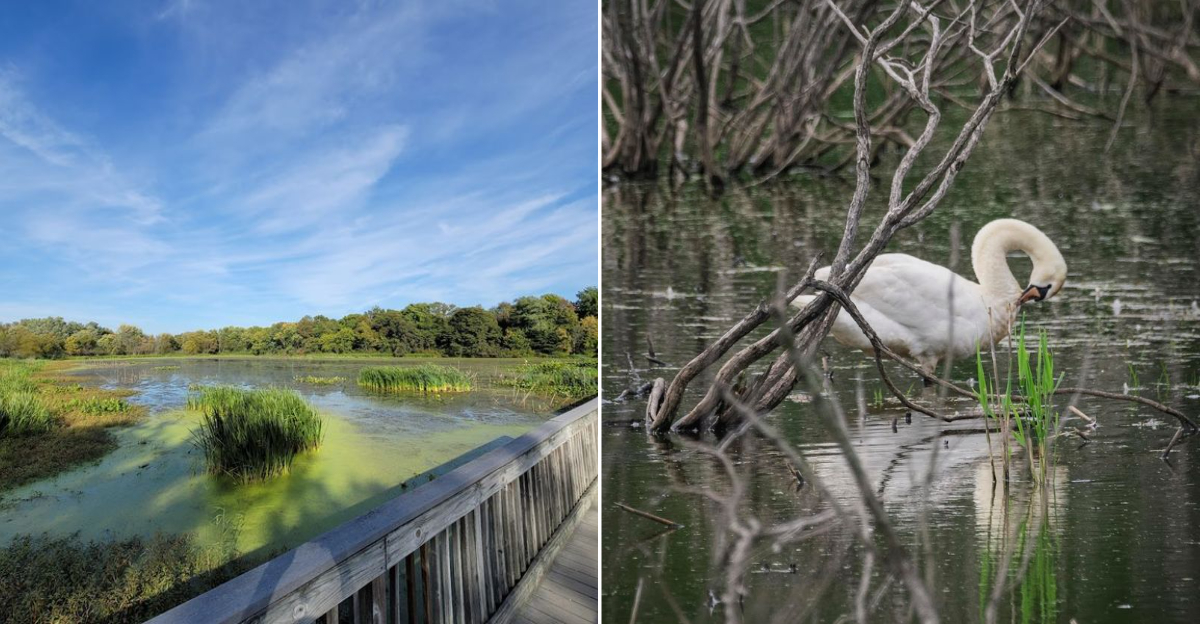
Trails wind through wetlands and open spaces where herons glide across the water, songbirds fill the air with chatter, and patient visitors wait for that perfect shot.
Every step brings the chance to witness something remarkable, from delicate nests hidden among branches to dramatic midair flights that make photographers reach for their cameras.
I remember standing quietly along a trail one morning with my camera ready, hoping to catch a glimpse of something interesting.
Minutes later a bird swooped across the water right in front of me. I almost forgot to press the shutter because I was too busy admiring the moment.
The First Urban Wildlife Refuge In The United States
Long before Ohio or any other state had established a comparable urban conservation space, Philadelphia quietly made history.
John Heinz National Wildlife Refuge at Tinicum earned the distinction of being the first urban national wildlife refuge in the entire United States, a title it still holds today.
That designation was not handed out lightly. The U.S.
Fish and Wildlife Service recognized the site as a critical habitat worth protecting in a region where development pressure was intense.
The refuge sits at 8601 Lindbergh Blvd., Philadelphia, PA 19153, just minutes from one of the busiest airports on the East Coast.
This landmark status draws historians, conservationists, and curious visitors who want to experience a piece of living American environmental history.
Knowing you are standing in a genuine first-of-its-kind place adds a layer of meaning to every trail you walk.
Over 300 Bird Species Recorded On The Grounds
Bird counters at John Heinz National Wildlife Refuge at Tinicum have logged more than 300 species over the years, a number that would impress even the most seasoned birder from Ohio or anywhere else in the country.
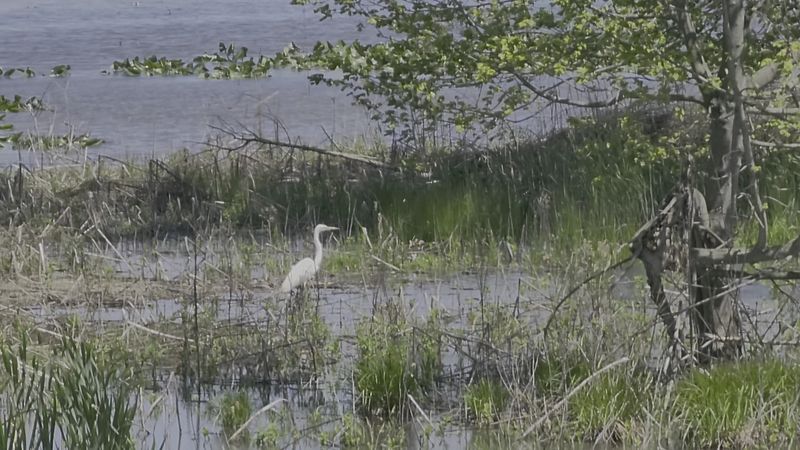
Great Egrets, Great Blue Herons, Sandpipers, Yellow Warblers, and Red-Winged Blackbirds are just a handful of the regulars spotted along the trails.
Rare species occasionally appear too, giving visiting photographers that heart-racing moment when something unexpected lands in the frame.
The variety of habitats, including open water, dense marsh vegetation, woodland edges, and mudflats, creates a layered ecosystem that supports birds at every level of the food chain.
Binoculars and a camera with a solid zoom lens are practically mandatory gear for anyone serious about making the most of a visit here during peak season.
Nesting Season Transforms The Refuge Into A Photographer’s Dream
Spring and early summer turn John Heinz National Wildlife Refuge at Tinicum into something that feels almost cinematic.
Nesting colonies of Great Egrets and herons fill the trees near the water, and the activity level among the birds becomes constant and dramatic.
Photographers travel from states as far as Ohio and beyond, setting up equipment along the observation areas to capture courtship displays, nest building, and fledglings taking their first flights.
The golden light at dusk near the wetlands creates a soft, painterly quality that makes every shot look professionally composed.
The refuge offers an observation tower that elevates your sightline above the marsh canopy, giving photographers a broader perspective that is genuinely hard to replicate at most other locations.
Arriving early in the morning or staying close to sunset consistently rewards visitors with the most active and dramatic wildlife behavior.
The Tinicum Marsh: A 200-Acre Freshwater Tidal Wetland
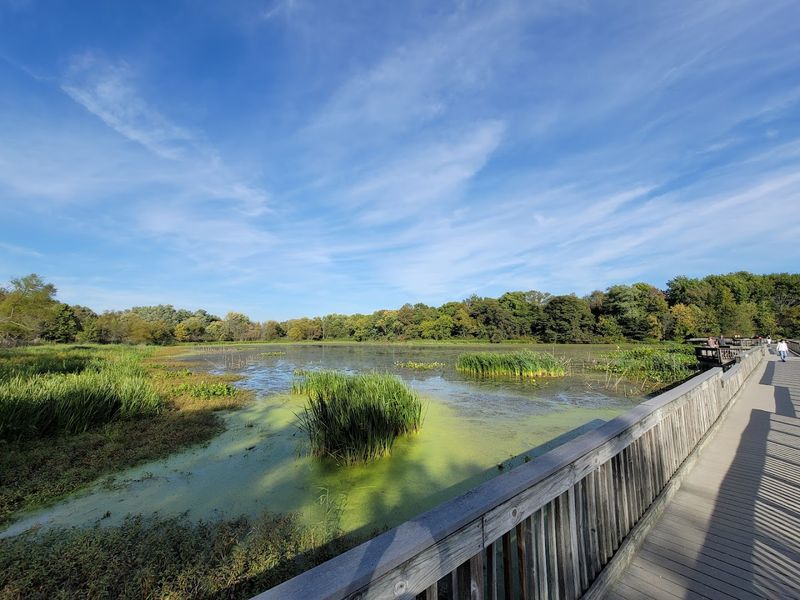
At the heart of the refuge lies the Tinicum Marsh, a 200-acre freshwater tidal wetland that represents the last remaining piece of a once-vast marsh system that originally stretched across much of the Philadelphia region. Its survival is nothing short of remarkable.
Tidal freshwater marshes are among the most productive ecosystems on the planet, supporting an extraordinary range of plant and animal life.
The marsh filters water, buffers flooding, and provides critical breeding habitat for dozens of species that would otherwise have nowhere to go in this heavily urbanized landscape.
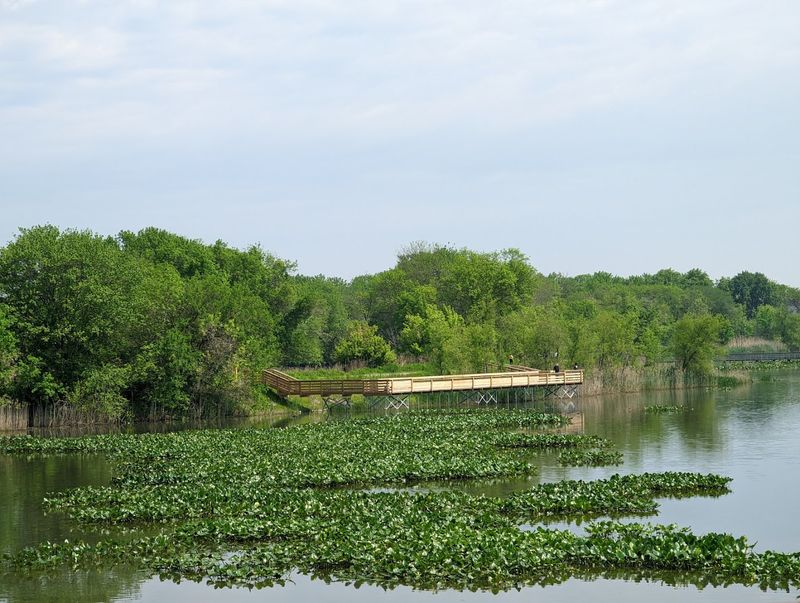
Visitors walking the boardwalk trail can observe the tidal rhythm of the water, watch turtles sunning on logs, and spot fish moving beneath the surface.
Compared to famous wetlands in states like Ohio or Florida, the Tinicum Marsh holds its own as a genuinely impressive natural system packed into a surprisingly compact urban footprint.
Free Admission Makes It Accessible To Everyone
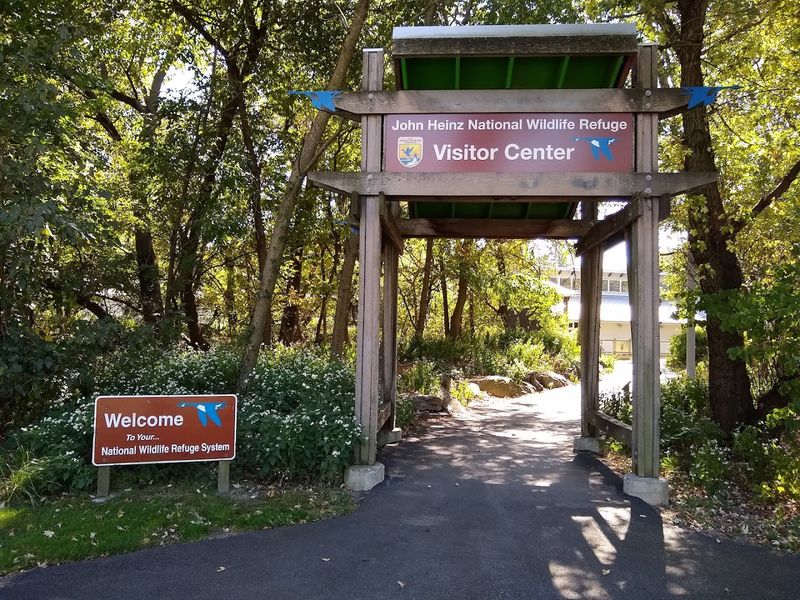
One of the most crowd-pleasing facts about John Heinz National Wildlife Refuge at Tinicum is that there is absolutely no entrance fee.
Free access to over 1,000 acres of wild habitat, maintained trails, a visitor center, and an observation tower is a deal that is hard to beat anywhere in the country, including Ohio.
That open-door policy makes the refuge a genuinely democratic space where families, solo hikers, school groups, and serious wildlife photographers all share the same trails without financial barriers.
The parking area is large and well-organized, and restrooms are available on-site, removing most of the logistical headaches that sometimes discourage casual visitors.
The visitor center, open Wednesday through Sunday, adds an educational layer to the experience with exhibits about local wildlife and the history of the Philadelphia region.
It is the kind of place that surprises first-time visitors who expect something modest and walk away genuinely impressed.
Monarch Butterflies And Other Pollinators Share The Stage
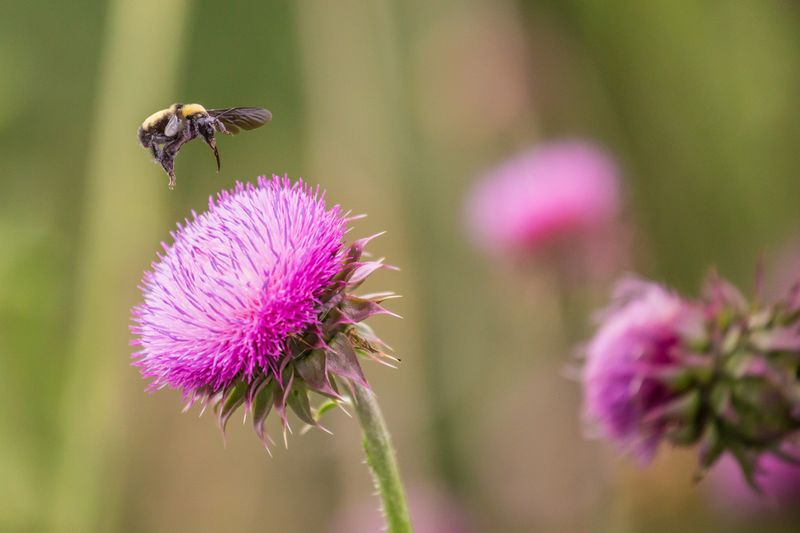
Birds get most of the attention, but the pollinator activity at John Heinz National Wildlife Refuge at Tinicum deserves its own spotlight.
Monarch butterflies pass through in impressive numbers during their fall migration, turning certain sections of the refuge into a flickering orange and black show that stops hikers mid-stride.
The meadow and edge habitats support a wide range of native wildflowers, which in turn attract bees, dragonflies, and other insects that form the base of the food web.
For macro photographers, this adds a completely different creative dimension to a visit that might otherwise focus entirely on waterbirds.
Dragonflies in particular are abundant during summer months, hovering over the water surface with the kind of precision that makes them surprisingly tricky to photograph well.
Visitors who come expecting only birds often leave with their most exciting shots focused on something much smaller and closer to the ground than they anticipated.
Trails Range From Easy Boardwalks To Multi-Mile Loops
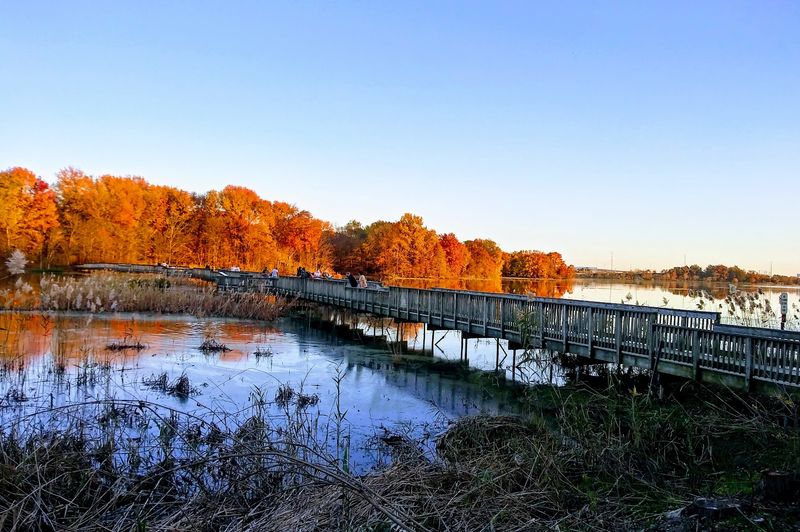
Trail options at John Heinz National Wildlife Refuge at Tinicum cover a wide range of fitness levels and ambitions.
The boardwalk trail near the visitor center is just a fraction of a mile long and completely flat, making it ideal for families with young children or visitors who want a quick but rewarding taste of the marsh environment.
For those with more energy, the full wetland loop stretches around five miles, and combining multiple trails can push the total distance to ten miles or more.
That kind of range is something you rarely find in urban refuges, even in states like Ohio with strong conservation infrastructure.
The observation tower along the trail network is a genuine highlight, offering a panoramic view over the marsh that rewards the short climb with sweeping sightlines across the water and surrounding vegetation.
Benches placed throughout the trail system mean you can always pause, breathe, and simply listen to the marsh doing its thing.
Migratory Shorebirds Use The Refuge As A Critical Stopover
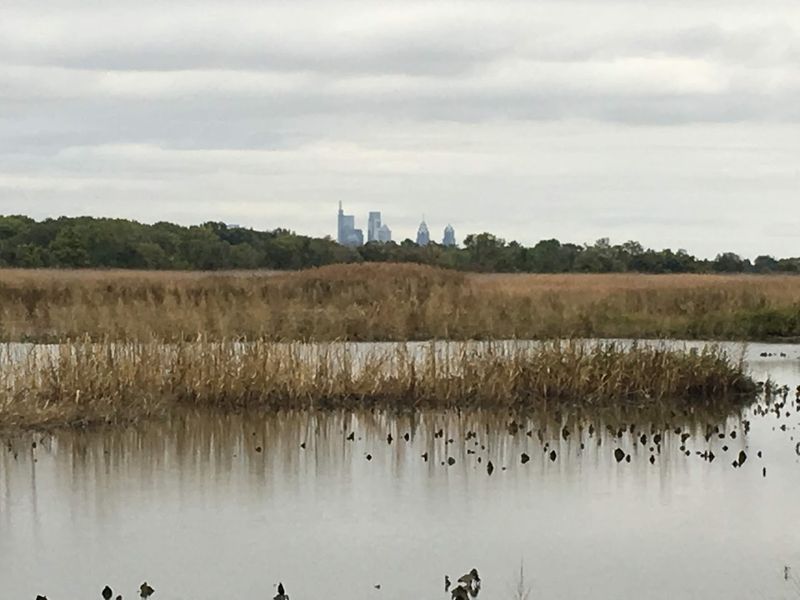
During spring and fall migration, the mudflats and shallow pools at John Heinz National Wildlife Refuge at Tinicum become a critical refueling stop for shorebirds traveling along the Atlantic Flyway.
Species that breed in the Arctic and winter in South America pass through this small patch of Philadelphia marsh, which puts the refuge on a genuinely global map.
Sandpipers, Dunlins, and Yellowlegs probe the mud for invertebrates during these windows, sometimes appearing in large mixed flocks that create a constantly shifting spectacle.
Birders who track rare sightings know that unusual species occasionally show up during migration, which keeps the community alert and excited throughout the season.
The northern pool at the refuge has faced some challenges with vegetation encroachment reducing the available mudflat habitat, a concern that conservationists have flagged.
Restoration efforts remain important for maintaining the shorebird diversity that draws visitors from Ohio, New England, and international destinations alike.
Snapping Turtles, Beavers, And Aquatic Life Beneath The Surface
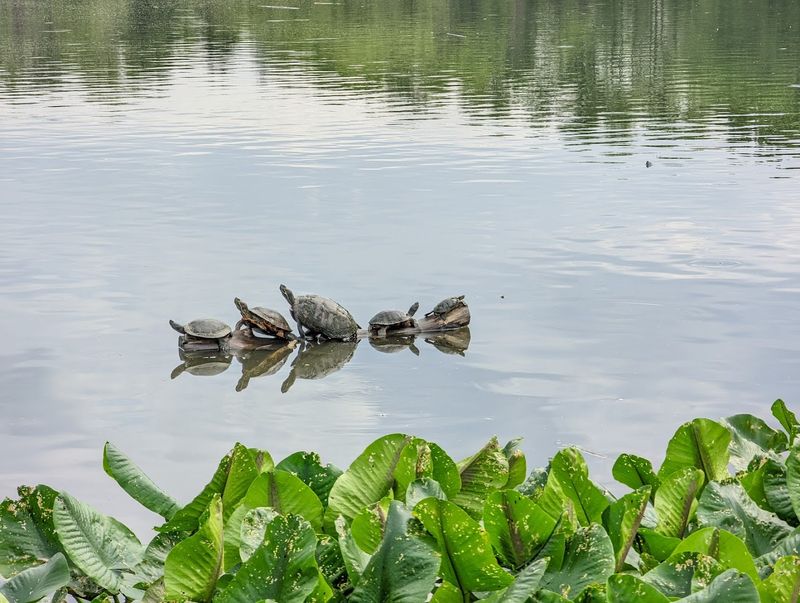
Not everything worth watching at John Heinz National Wildlife Refuge at Tinicum has wings.
The wetland ecosystem supports a rich community of aquatic and semi-aquatic animals that reward patient observers who take the time to look below the surface and along the water’s edge.
Snapping turtles are among the most dramatic residents, occasionally seen hunting fish in the shallows with a speed that surprises anyone who assumes turtles are universally slow.
Beaver activity has also been documented in the area, with gnawed tree stumps and dams providing evidence of these industrious engineers reshaping the landscape in subtle ways.
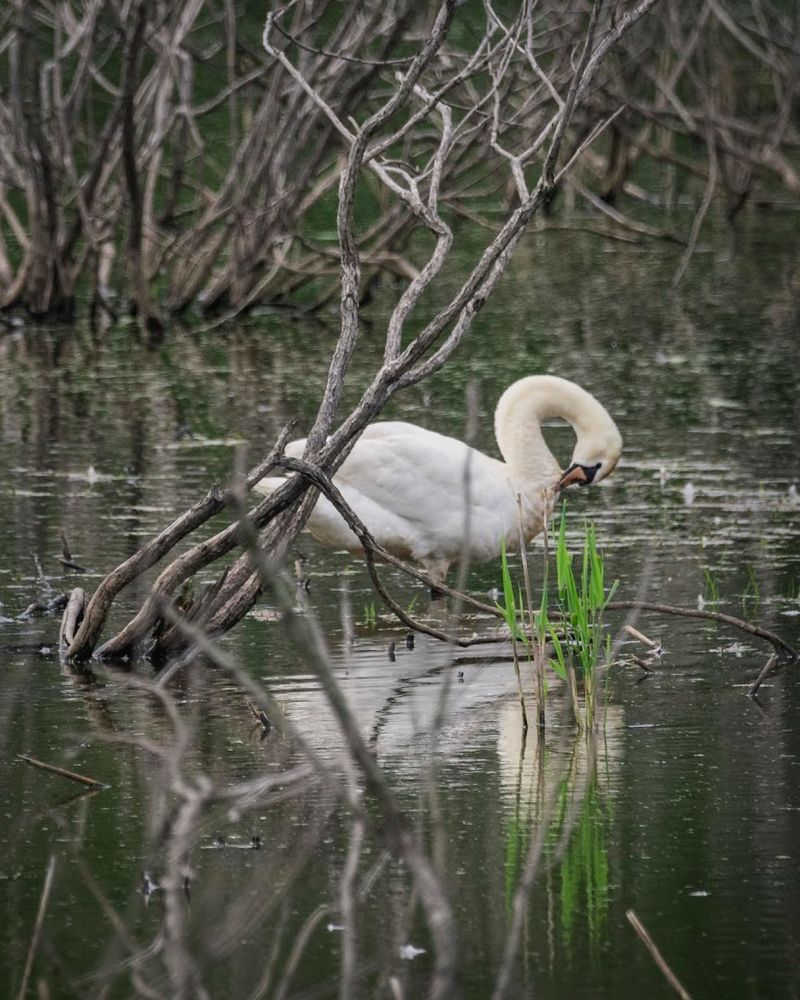
Swans glide across the open water with an effortless grace that makes them a favorite subject for photographers of all skill levels.
Frogs call loudly from the vegetation after dark, and their presence signals a healthy, functioning wetland that connects this urban refuge to the broader ecological story of the entire Mid-Atlantic region.
Sunrise And Sunset Create Magical Lighting Conditions Year-Round
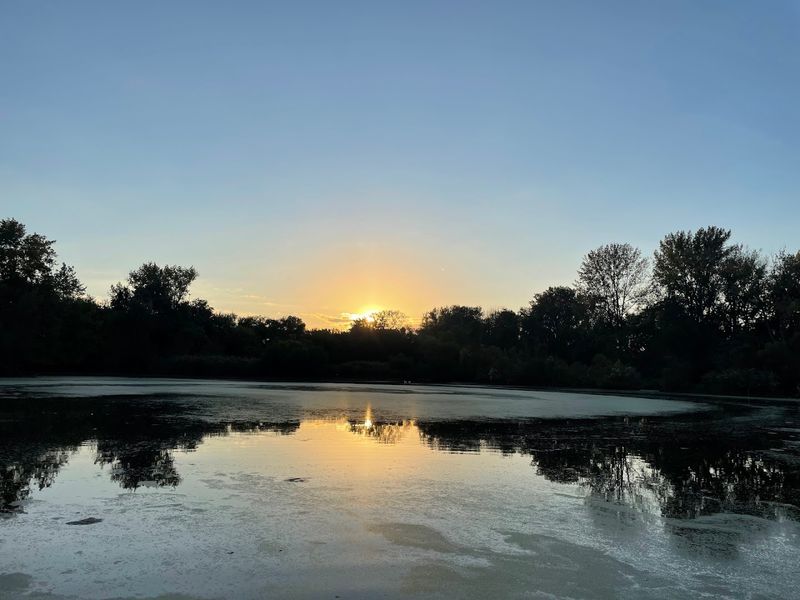
Ask any photographer who has spent time at John Heinz National Wildlife Refuge at Tinicum about the lighting, and the answer is almost always the same: come at dusk.
The flat, open water of the marsh acts like a giant mirror during the golden hour, reflecting the sky in a way that transforms even a basic smartphone shot into something frame-worthy.
Sunrise visits reward early risers with mist rising off the water, bird calls filling the air before the city noise picks up, and a sense of peaceful isolation that feels completely disconnected from the airport runway less than a mile away.
Ohio has beautiful natural areas, but few combine this level of urban accessibility with this quality of atmospheric light.
The refuge is generally open from sunrise to sunset daily, which means evening photography sessions are entirely possible throughout much of the year.
That extended access is one small but genuinely thoughtful detail that separates this refuge from many comparable sites across the country.