
12 Northern Michigan Hidden Gems From An Underground River To An Ancient Rock
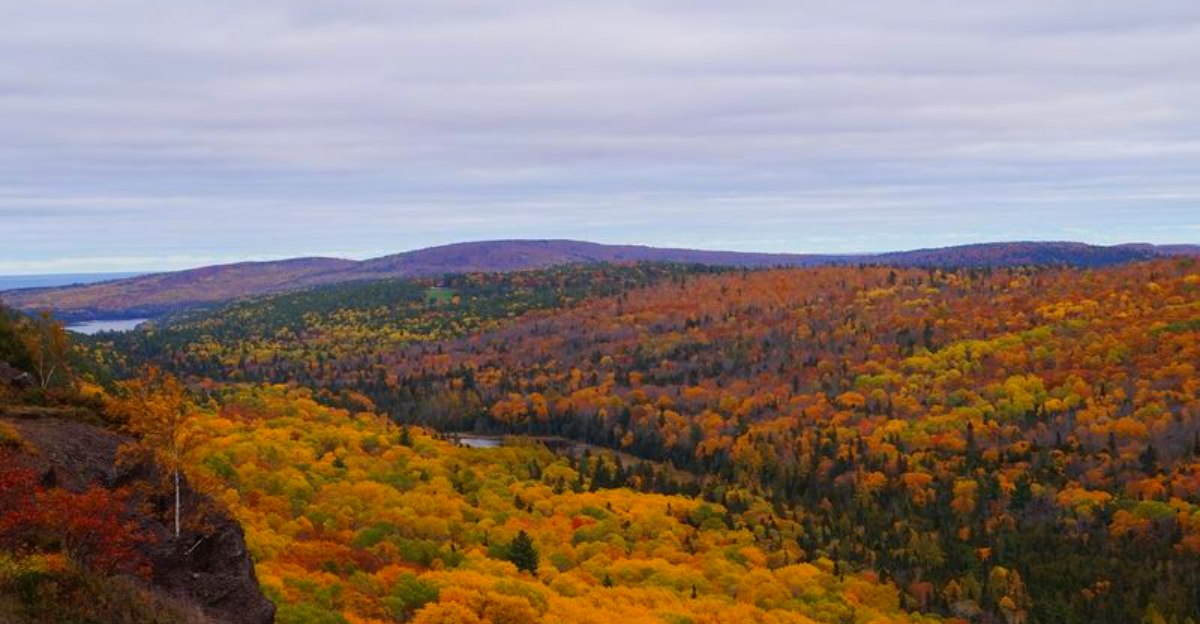
There is a specific, soul-deep peace that only a true Michigander understands, the kind that hits you when the cell service drops and the only “GPS” you have is the moss growing on the north side of a cedar tree. I’ve spent my life crossing the bridge, but it’s the quiet, unsung corners above it that keep me coming back.
I’m talking about places where the limestone feels like it’s breathing under your boots and the rivers have the audacity to just vanish into the earth, only to murmur through caves hundreds of feet below.
Explore the hidden natural wonders of Northern Michigan and the Upper Peninsula, featuring the underground rivers of the karst preserve, the fossil-rich shores of the Sunrise Coast, and the historic ridge roads near the Straits.
If you’re ready to let your plans bend toward the gentle strangeness of the peninsula, these off-the-beaten-path destinations will leave you quietly changed.
1. Underground River, Onaway
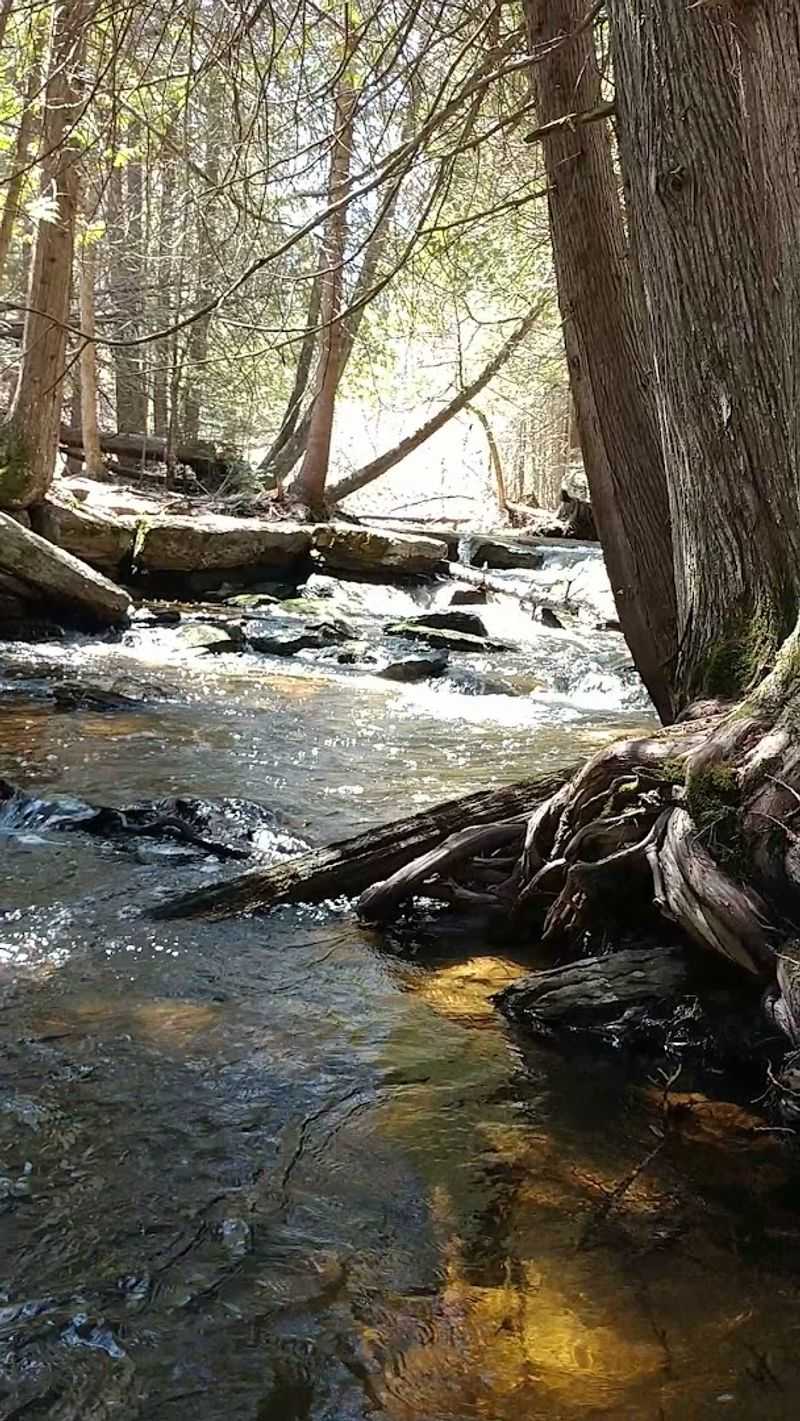
Water slips from daylight into limestone and keeps speaking beneath your feet. The Underground River in the Thunder Bay Karst feels like a secret conduit, cool air pooling around sinkhole rims while cedar roots hang like curtains. Stand still, and the ground hum sounds faint, like distant traffic relocated to the woods.
This landscape formed where slightly acidic rain carved channels through dissolving bedrock, then hid the flow in shadow.
Trails thread past signed overlooks, connecting to the Sinkhole Pathway for a longer wander among swallow holes and mossy benches. Wear boots with grip, bring a headlamp for peering safely, and keep kids close at sharp edges. I listen, count breaths, and let the unseen river set the pace today.
2. Sacred Rock, Rogers City
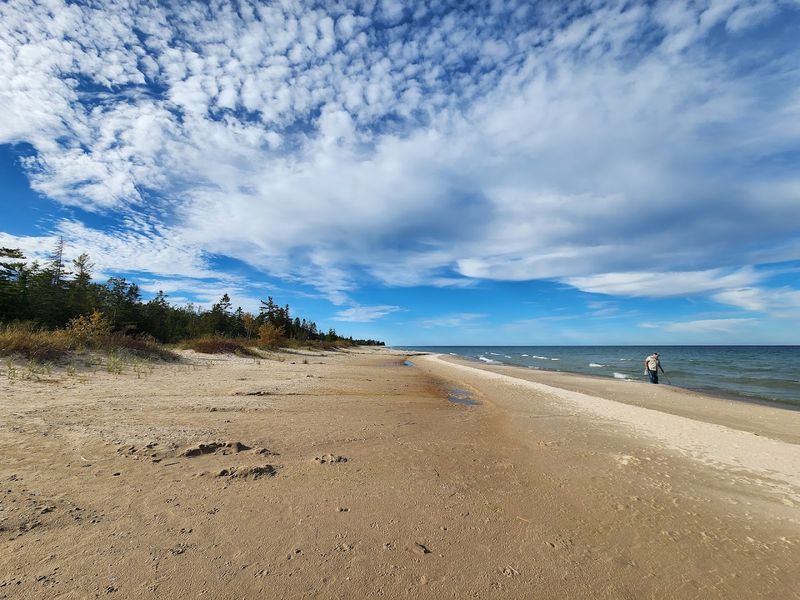
At low lake levels, a hulking boulder sits on open beach like a misplaced altar. Locals call it Sacred Rock, and the name fits the hush when waves flatten and light turns pewter. The shoreline feels wide, the horizon exact, the wind persistent.
It is the kind of place that makes people lower their voices without quite realizing they have done so, as if the landscape itself has set the terms.
Anishinaabe stories hold this rock with gravity, and nineteenth century survey notes mapped it as a landmark. Changes in Lake Huron levels sometimes bury or reveal its base, proof the coast is always editing itself.
Respect the site by leaving it as found, and avoid climbing when waves undercut. The power here is not in conquering the landmark, but in noticing how history, water, and memory keep sharing the same piece of shore.
Reach it by beach walk north of P.H. Hoeft State Park or via Rockport shoreline access. Dawn is best. Bring dry bags, because water sneaks sideways here often.
A little extra caution pays off, especially when the weather turns quickly and the lake starts behaving less gently than it first appeared.
3. Sinkhole Pathway, Onaway
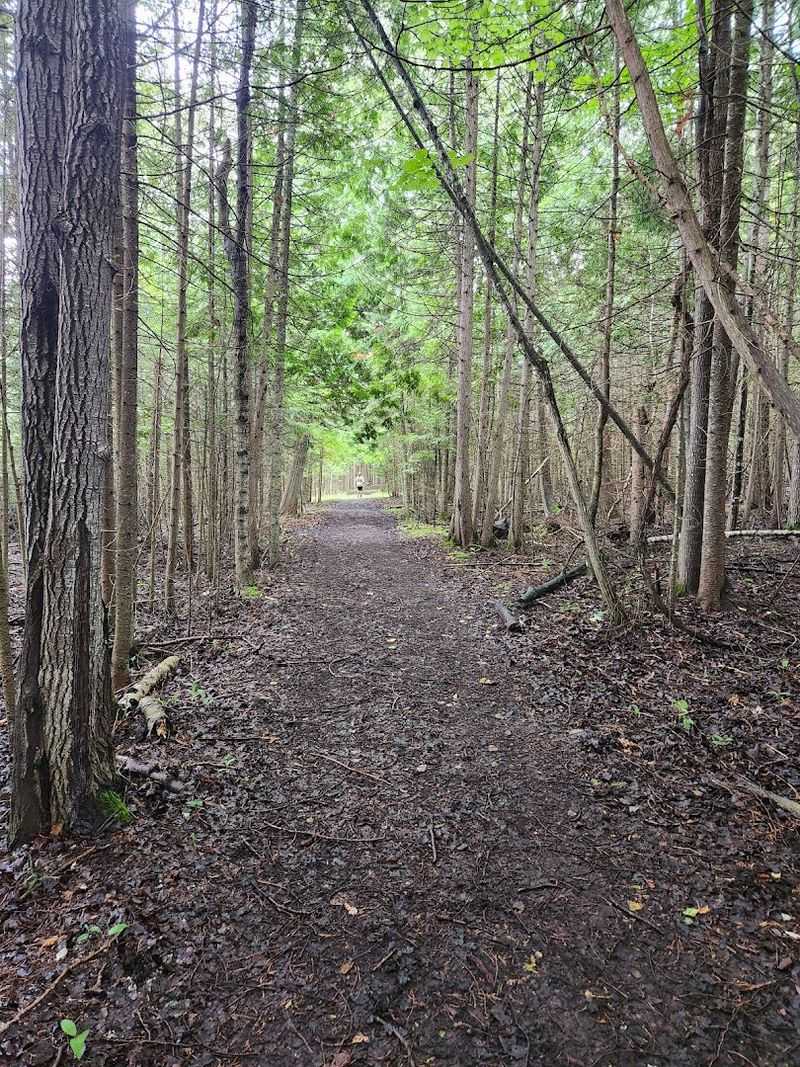
Trail signs labeled Sinkhole Pathway usher you into a pocket where ground seems to inhale. Dirt loops reach overlooks above circular voids, rims feathered with ferns and cedar. The air drops a few degrees, and robins sound magnified.
This karst terrain is part of the Thunder Bay Karst Preserve, protected so dissolving limestone and underground drainage stay legible. Onaway embraces the geology quietly, pointing visitors to maps at trailheads and offering directions with a practiced gesture. Interrupted streams vanish here, then reappear downstream as cold seeps.
Bring sturdy shoes. Edges can be undercut, so keep space between your stance and the drop. If time allows, link with the nearby Underground River for a layered picture of hidden water in motion.
4. Ocqueoc Falls, Ocqueoc
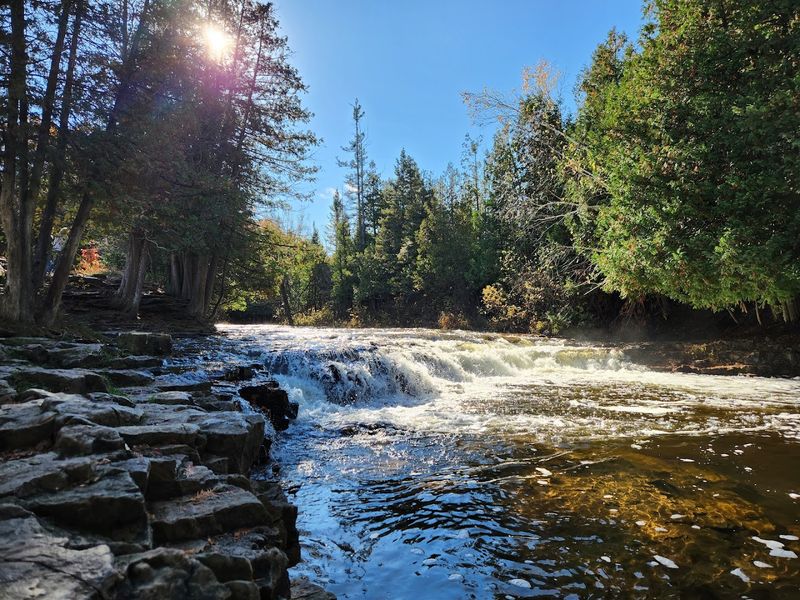
Spring runoff warms the sound before the water does, racket tumbling over limestone ledges. Ocqueoc Falls is modest in height but broad and bright, a place where families wade and anglers wait. Paved access makes reaching the cascades simple without stealing their charm.
As the Lower Peninsula’s largest waterfall, it carries local pride, and fall color turns the banks to embers. Stonework near the barrier free area invites picnics, while trails stitch pine shade to sunlit openings. In winter, rim ice etches delicate ribs along the flow, drawing quiet regulars with thermoses.
I step into the shallows at dusk, when mayflies skitter and swimmers drift off. Bring water shoes, watch slick patches, and respect high water after storms in season.
5. Rockport Recreation Area, Rogers City
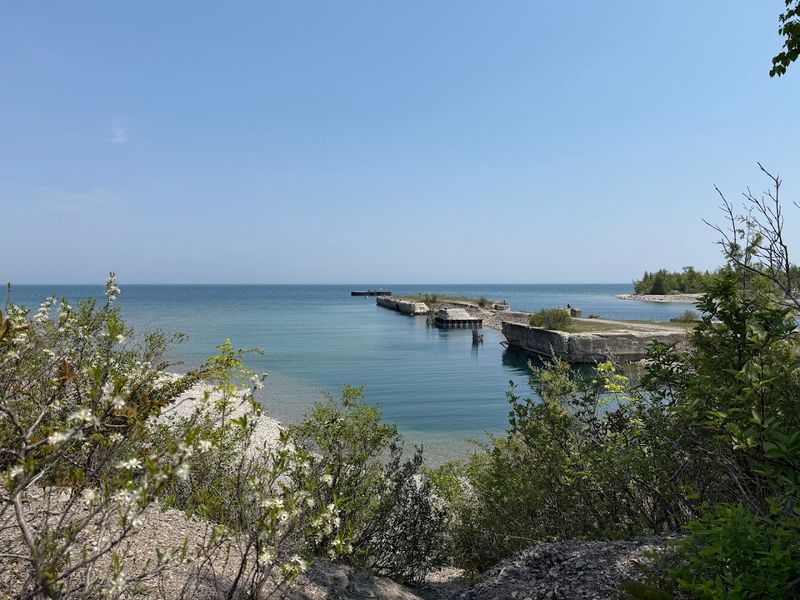
Old limestone quarry walls staircase the hillside, geometric against Lake Huron’s blue. Piles of fossil-rich shale crunch underfoot, revealing brachiopods and corals set like stamps in stone. The decommissioned deepwater port extends as a long, skeletal pier, an arrow aimed at open water.
Even before you know the history, the landscape reads as both engineered and elemental, a place where human ambition and geologic time still sit visibly side by side. Rockport State Recreation Area preserves both industry and shoreline, a place still shrugging off its work clothes.
The quarry scars have softened with grasses, monarchs feed on milkweed, and at night dark sky status turns the dock into a starwalk. Scuba divers slip from nearby launches to visit shipwrecks resting within the Thunder Bay sanctuary.
That mix of ruined infrastructure, recovering habitat, and open horizon gives the park an unusually layered atmosphere that never feels flat or overly polished.
Visitors pocket a legal fossil, watch freighters, then wander inland sinkholes. Carry a map, because roads braid oddly. Save sunset for pier. The light usually stretches the whole shoreline into sharper relief, making the quarry, lake, and sky feel briefly arranged for maximum effect.
6. Negwegon State Park, Harrisville
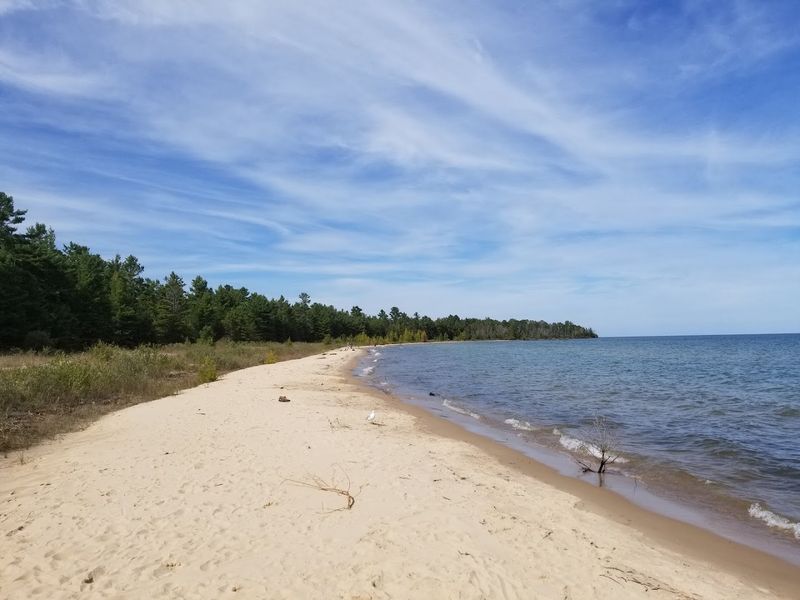
The trail to the beach feels like a corridor of whispering spruce and jack pine, opening suddenly to pale sand and translucent green water. There are no concessions, no campground bustle, dune grass tilting and gulls commuting. The quiet makes small details vivid.
Negwegon is undeveloped by intention, co-managed with local friends groups to keep its backcountry character intact. Once called Negro Creek State Park, it reclaimed an Anishinaabemowin name honoring Chief Negwegon of the Ottawa people. Designation as a dark sky preserve means nocturnal visitors find a planetarium overhead.
Pack what you need and plan to carry it out. Watch for poison ivy along edges, and check wind direction before promising a swim. Many leave with a slower pulse.
7. Sturgeon Point Lighthouse, Harrisville
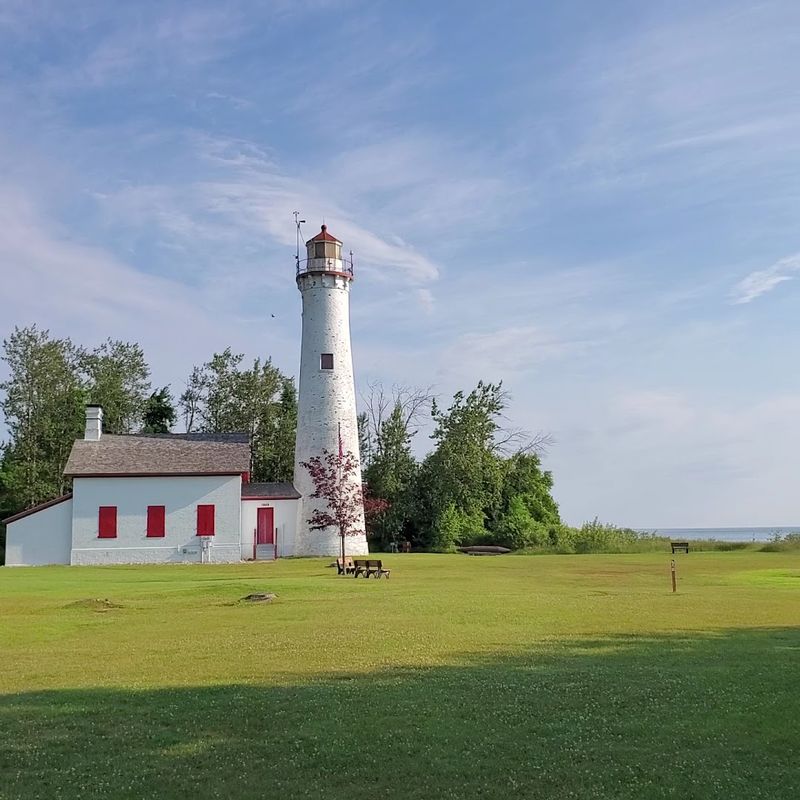
White brick, red roof, and a narrow tower on a sandspit make Sturgeon Point Lighthouse look crisp against changing water. The attached keeper’s house reads domestic from the yard, then nautical inside where stair treads tighten into a spiral.
Waves slap the cobble in a slow metronome. From a distance it feels almost miniature, but up close the proportions sharpen and the weathered details give it a sturdier, more lived-in presence. Built in 1870 to guard a shallow reef that snared schooners, the light still operates while the museum opens seasonally under the Alcona Historical Society.
Lens history, ship models, and local charts fill rooms that smell of varnish. Restoration stays practical rather than glossy. That restraint suits the site, because the place feels most convincing when it remains a working witness rather than a polished stage set for nostalgia.
I arrive on calm days, climb carefully, then walk the reef shallows where lake trout sometimes cruise. Check hours in advance and bring bug spray. Sunsets here ambush quickly. The last light can change the whole point in minutes, turning a simple visit into something that feels briefly suspended outside ordinary time.
8. Thunder Bay Island, Alpena
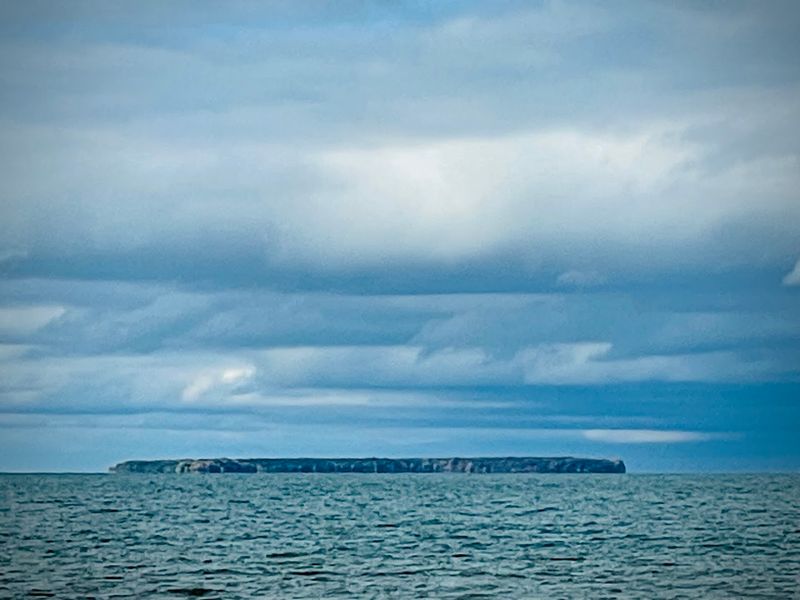
Fourteen miles offshore, Thunder Bay Island holds a lighthouse, keeper’s complex, and bird-swept meadows bordered by shoals. The water around it is treacherous, which is why the light rose early and stayed busy. Cormorants lift off like smoke when boats approach.
The isolation is part of the point, because everything out there feels shaped by weather, distance, and the old necessity of warning ships before trouble found them. The island sits within Thunder Bay National Marine Sanctuary, whose cold, clear depths preserve an archive of Great Lakes shipwrecks. Volunteer groups and researchers steward the light station, piecing together roofs and stories between windy workdays.
Alpena’s maritime culture flows outward from the harbor museum to this remote outpost. That continuity gives the island unusual weight, as if the mainland and the open lake are still in active conversation through preservation, memory, and careful labor.
Access requires a private boat or charter under safe conditions. Swells build on northeasterlies, and fog can soften the horizon to nothing. Bring layers, cameras, and caution about nesting seasons. Even on a good day, the crossing reminds you that reaching the island is part of understanding it.
9. Fayette Historic State Park, Fayette
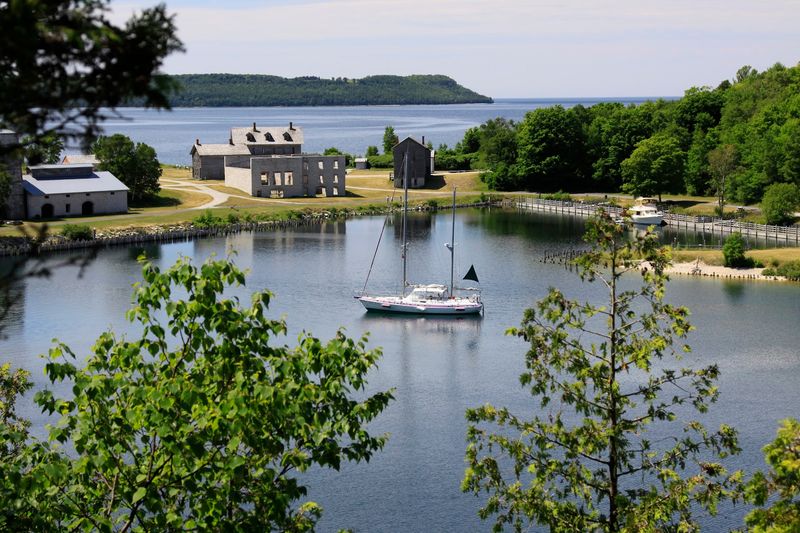
Limestone cliffs cradle a harbor and a row of company-town buildings, clapboards bright against teal water. Fayette’s furnace stack anchors the scene, a monument to charcoal iron smelted here in the late 1800s. Boardwalks and lawns make the waterfront feel orderly despite ghosts.
After the furnaces went cold, the town slumped, then was preserved as a state park favoring accuracy over romance. Restored structures include the hotel, machine shop, and superintendent’s house, each labeled with plainspoken panels. The dolomite bluff trails reveal panoramas and patches of rare limestone-loving plants.
Visitors drift between past and present with easy steps. Give the museum time before walking the furnace complex. Evening light sharpens paint grain and turns the harbor into a sipping place.
10. Brockway Mountain Drive, Copper Harbor
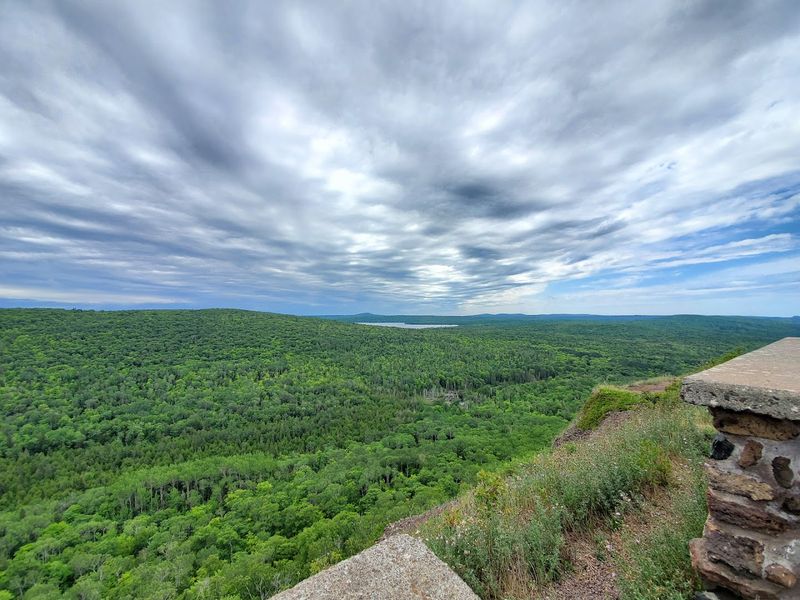
On May days, the ridge smells of thawed earth and sweet fern while kettles of broad-winged hawks drift overhead. Lake Superior spreads like hammered steel to one side, inland lakes glitter to the other. The pavement climbs and curls along basalt spine.
Built during the Depression with local labor, Brockway Mountain Drive became both a scenic asset and a stubborn survivor of harsh winters. Wildflowers parade in June, and fall paints the maples in loud tones, bringing careful caravans to overlooks.
Night rides reveal aurora on lucky dates. I pull over, kill the engine, and listen for wind crosshatching spruce. Keep an eye for cyclists and brake early on descents. Sunset traffic stacks up, so arrive before the gold starts.
11. Iargo Springs, Oscoda
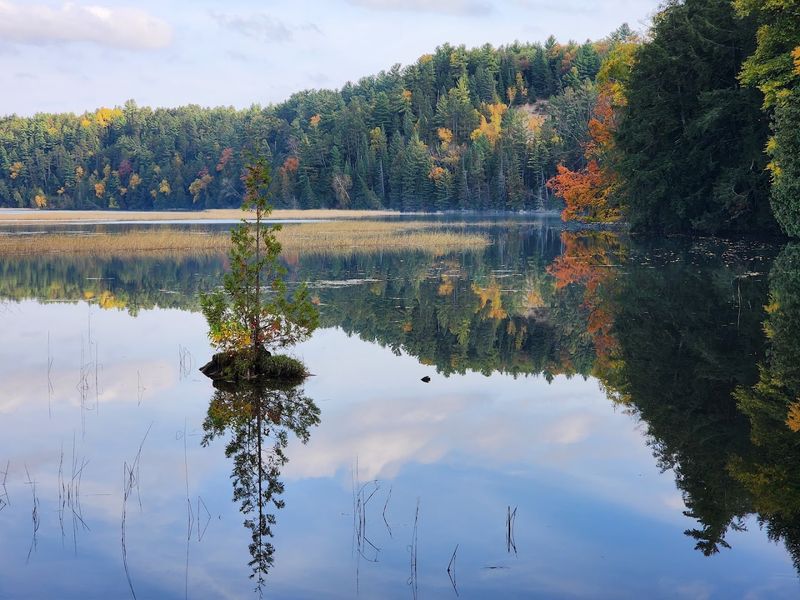
Boardwalk stairs drop into cool, needled shade where water seeps glass clear from the hill. At Iargo Springs, cedar roots braid the banks and trout flash like tossed coins. Pause on a platform, and you can hear the old stories the Anishinaabe kept, soft as water tapping wooden risers.
The place has that rare ability to make movement quieter, as if each step downward is also a step away from whatever pace you brought with you.
Follow the trickle to the Au Sable overlook and let the river spread its wide, bronze shoulders. Sunlight slants through hemlock and paints ripples that look like migrating sand.
You climb back up slower, lungs awake, leaving with cold fingertips, spruce on your jacket, and the river still speaking beneath everything. Even the return feels altered, because the spring chill lingers on your skin and the hush of the ravine stays with you longer than expected.
12. Estivant Pines, Copper Harbor
The trail slips into a living nave where white pine columns rise outrageous and quiet. Estivant Pines holds a hush that edits footsteps and clocks, needles catching light like tiny mirrors. Tilt your head and the crowns braid the sky, an old-growth weave spared by chance and stubborn locals.
The scale changes your sense of proportion almost immediately, making ordinary worries feel smaller without needing to argue with them or explain anything away.
Walk the Cathedral or Memorial loop and touch bark that remembers snow before your grandparents. Woodpeckers stitch the silence while wind answers from every direction.
You leave with sap on your sleeve and a steadier pulse, realizing these trees do not care about your plans, yet somehow make them better. Even the air seems older there, resinous and cool, carrying the kind of calm that feels earned rather than decorative, and that lingers long after the parking lot comes back into view.