
This Pennsylvania Hike Offers A Quick Walk Through The Past
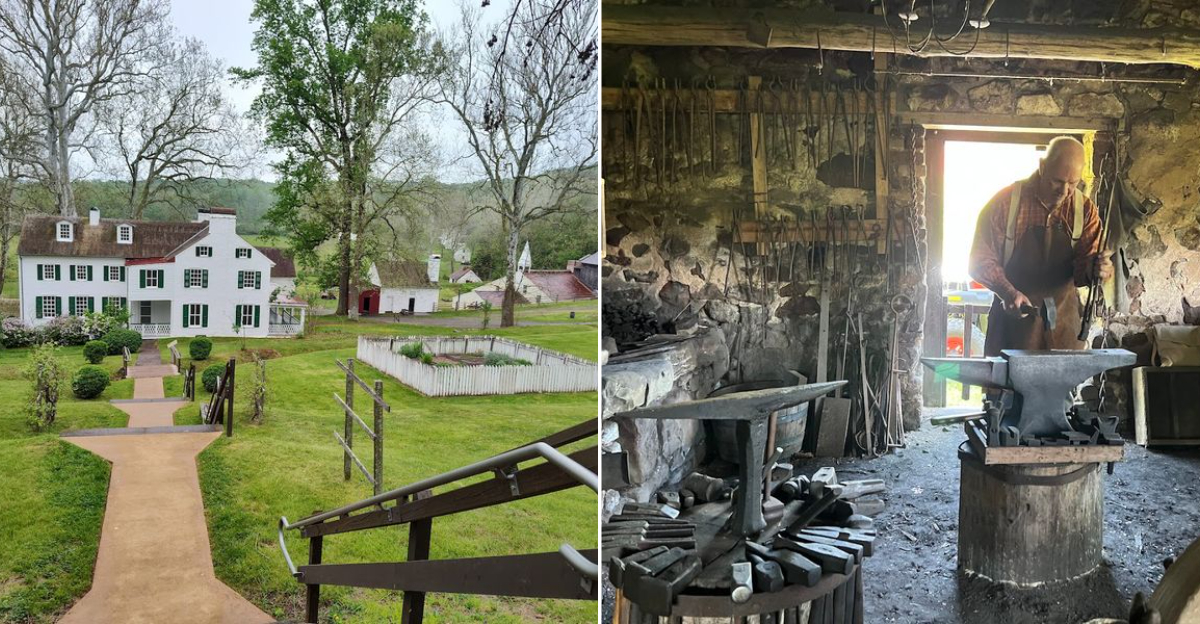
Not every time-travel experience needs a ticket, a screen, or a long drive. Sometimes all it takes is a good pair of walking shoes, a little curiosity, and a trail that still holds the echoes of another era.
That is what makes a historic hike so satisfying. You get the fresh air, the scenery, and that quiet thrill of feeling like the landscape has stories to tell if you slow down long enough to notice them.
In Pennsylvania, the past doesn’t sit behind glass; it lingers in paths, old structures, and small details that make a simple walk unforgettable.
This kind of outing is perfect for anyone who loves a little history with their nature, or a little nature with their history.
It is part peaceful stroll, part open-air time capsule, and part hidden gem for curious explorers. I once set out on a walk like this thinking it would just be a quick stretch of my legs.
Before long, I was stopping every few minutes, looking around, and imagining the lives that once filled the same ground beneath my feet.
A Historic Site That Has Been Welcoming Visitors For Over 250 Years
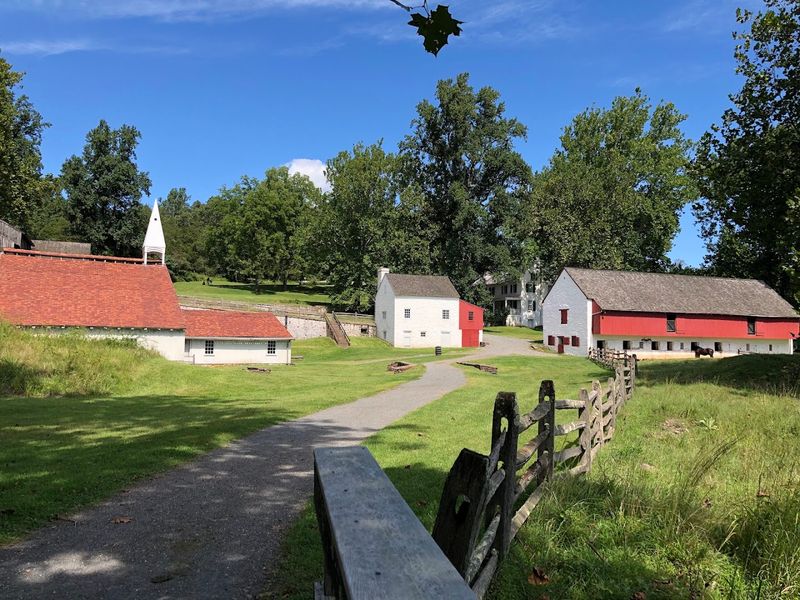
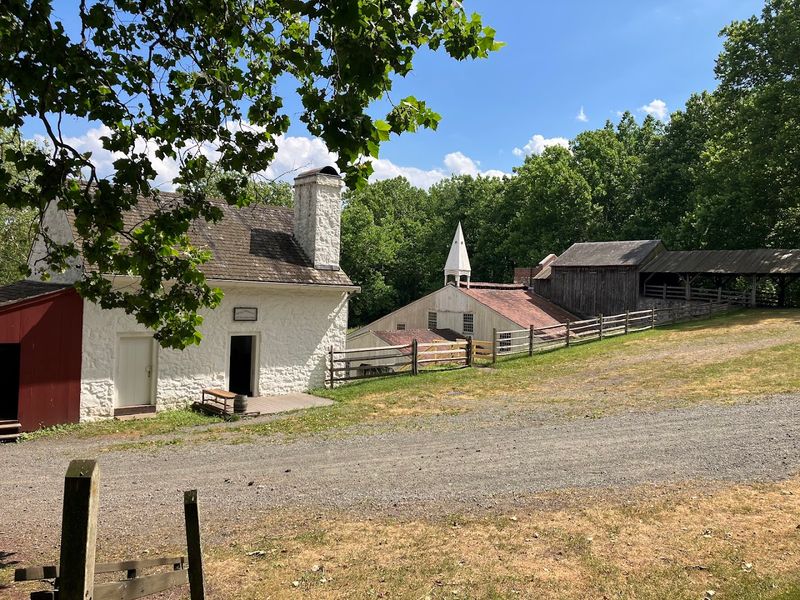
Few places in Pennsylvania carry as much industrial heritage as Hopewell Furnace National Historic Site in Elverson, Pennsylvania, which was established as a cold-blast charcoal iron furnace way back in 1771.
That is over 250 years of history packed into one walkable site, and the best part is that entry is completely free.
The furnace operated until 1883, making it one of the longest-running iron operations of its kind in early America.
During that span, it produced everything from stove plates to pig iron, supplying materials that fueled the growth of a young country.
Today, the National Park Service manages the site as a preserved historic landmark. The grounds and trails remain a draw for visitors throughout the week.
Located at 2 Mark Bird Ln, Elverson, PA 19520, it is open Wednesday through Sunday from 9 AM to 5 PM, giving families plenty of time to explore at a relaxed pace.
The Ironmaster’s Mansion Gives A Rare Peek Into 19th-Century Life
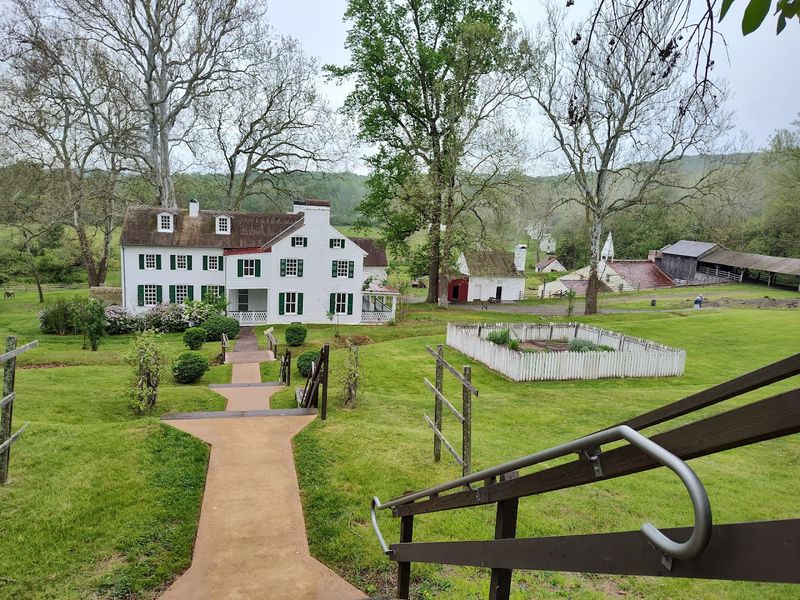
Step through the front door of the Ironmaster’s Mansion and you are suddenly transported back to the 1800s.
The first floor is beautifully preserved, with a piano, dining spaces, rocking chairs, and even children’s toys arranged just as they might have been when the ironmaster’s family lived there.
Everything sits behind railings to protect the artifacts, but the level of detail makes it easy to imagine real family life unfolding in these rooms.
It is the kind of place where history stops feeling distant and starts feeling personal.
Reenactors sometimes set up outside the mansion on weekends, dressed in period attire and ready to answer questions about daily colonial life.
The building also has air conditioning, which means the front door is occasionally closed to keep the cool air in. Pro tip: ask a staff member to open it up so you can take in the full atmosphere of the entrance hall.
The 22-Foot Waterwheel Is Something You Have To See In Person
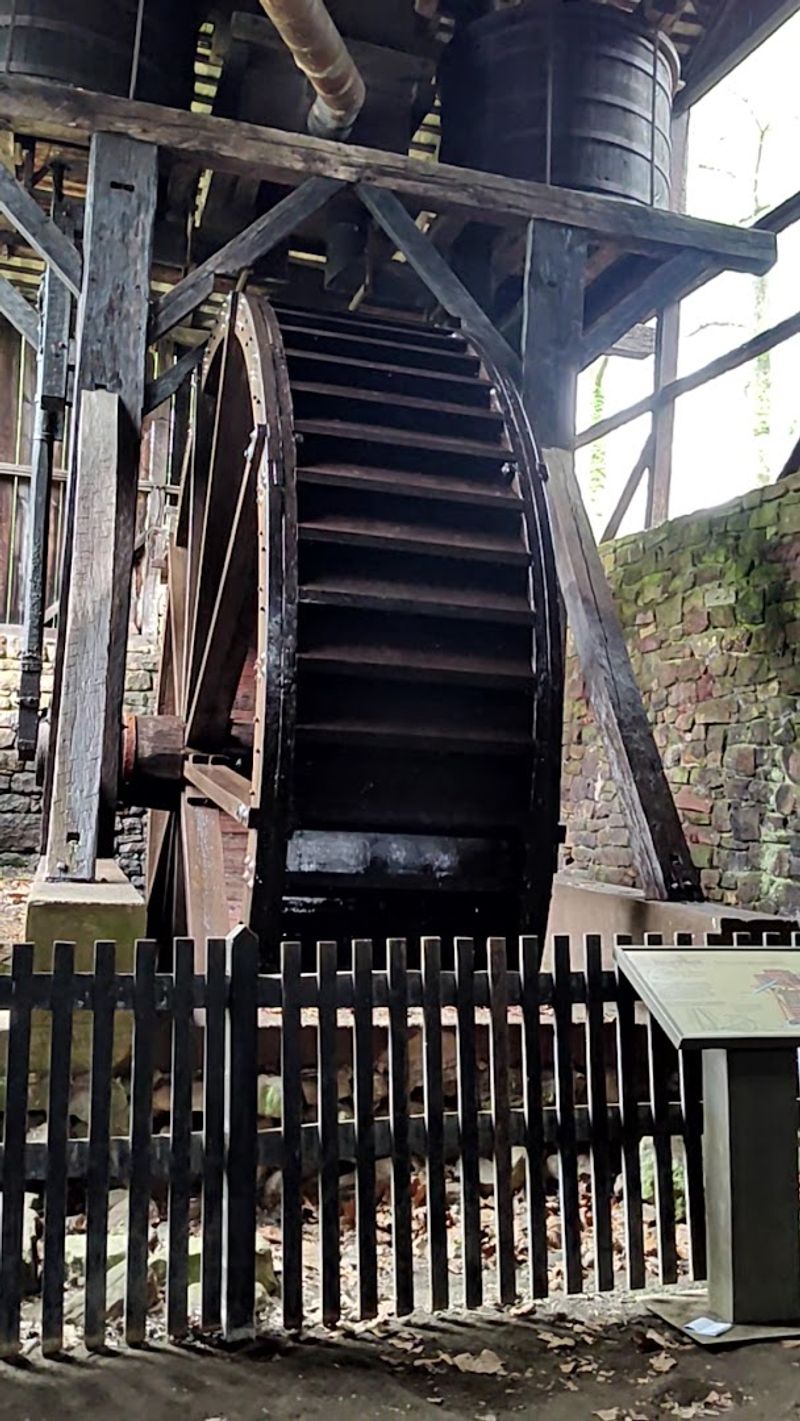
Photographs of the waterwheel at Hopewell Furnace National Historic Site in Elverson, Pennsylvania simply do not do it justice.
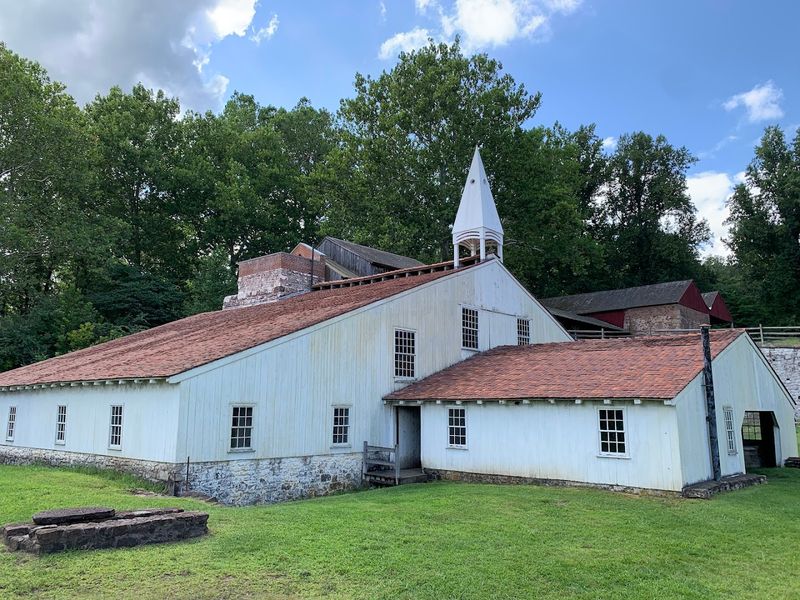
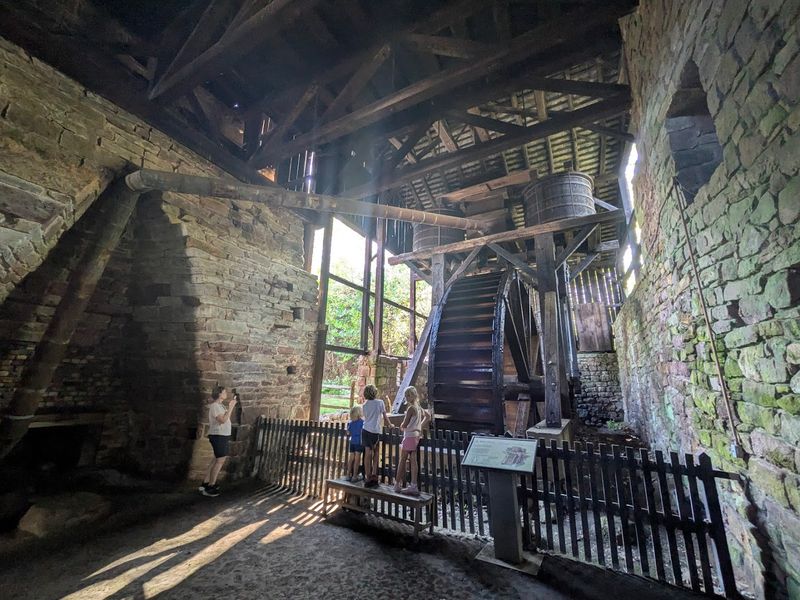
Standing in the cast house and watching that 22-foot diameter wheel turn is one of those experiences that sticks with you long after you leave the parking lot.
The wheel powered the blast machinery that forced air into the furnace, keeping the iron-making process going day and night.
Seeing it spin in real time makes the engineering ingenuity of 18th-century workers genuinely impressive.
The cast house itself is a large, somewhat dim space that adds to the atmosphere. Light filters in just enough to let you appreciate the scale of the wheel and the machinery around it.
Many visitors say this is the single highlight of their entire trip, and it is easy to understand why once you are standing right in front of it watching it move.
Free Admission Makes This One Of The Best Budget-Friendly Day Trips In Pennsylvania
In a world where admission fees seem to climb every year, finding a high-quality historic site that costs absolutely nothing to enter feels like a small miracle.
Hopewell Furnace National Historic Site in Elverson, Pennsylvania charges no entry fee and offers free parking right next to the visitor center.
That alone makes it a fantastic option for families, solo travelers, and history buffs who want a full day of learning without spending a dime.
The site is roughly 45 minutes from Lancaster and sits close enough to Valley Forge National Historic Park to make a natural two-stop day trip.
Visitors can pick up Junior Ranger booklets at the visitor center, explore buildings at their own pace, and even earn a Junior Ranger badge at no cost.
Adults can complete the booklet too, which is a fun detail that surprises many first-time visitors. Good history should not have a price tag, and here it does not.
Hands-On Molding Demonstrations Turn Learning Into A Real Craft Experience
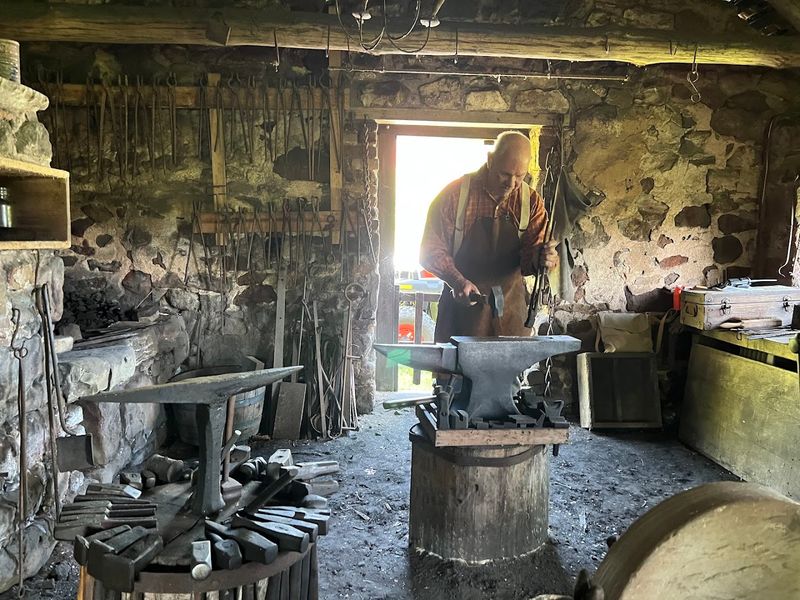
One of the most talked-about activities at Hopewell Furnace National Historic Site in Elverson, Pennsylvania is the molding demonstration, where visitors actually participate in recreating the iron-casting process.
Using plaster instead of molten iron, participants pour a miniature version of a stove door mold and take home a finished souvenir.
The process mirrors the real technique workers used to produce iron goods here during the 18th and 19th centuries.
Rangers walk you through each step with clear explanations, making the whole thing accessible for kids and adults alike.
This program runs on specific days, so checking the schedule on the NPS website before visiting is a smart move. The board outside the visitor center also lists the day’s events when you arrive.
Visitors consistently rate this as a highlight of their trip, calling it both educational and genuinely fun. It is the kind of hands-on history that classrooms rarely manage to replicate.
The Visitor Center Orientation Film Sets Up Your Entire Walk Perfectly
Before heading out to explore the grounds, spending 15 minutes in the visitor center theater is one of the smartest things you can do.
The orientation film gives a clear, well-produced overview of how the furnace worked, who lived and labored here, and why this site matters in American industrial history.
The visitor center itself is compact but thoughtfully organized. There is an information desk right at the center, exhibit displays, a stove collection, and a touch table that younger visitors tend to enjoy.
Staff and volunteers can answer questions and help with directions before you head outside for the self-guided village walk ahead.
NPS Passport Cancellation stamps are also available behind the information desk, which passport collectors will appreciate.
Staff members are happy to start the film for you if you ask. Hopewell-related souvenirs are now handled through the Eastern National online bookstore rather than a currently described in-building gift shop.
Start here and the rest of the visit clicks into place.
The Charcoal-Making Process Was The Hidden Engine Behind All That Iron
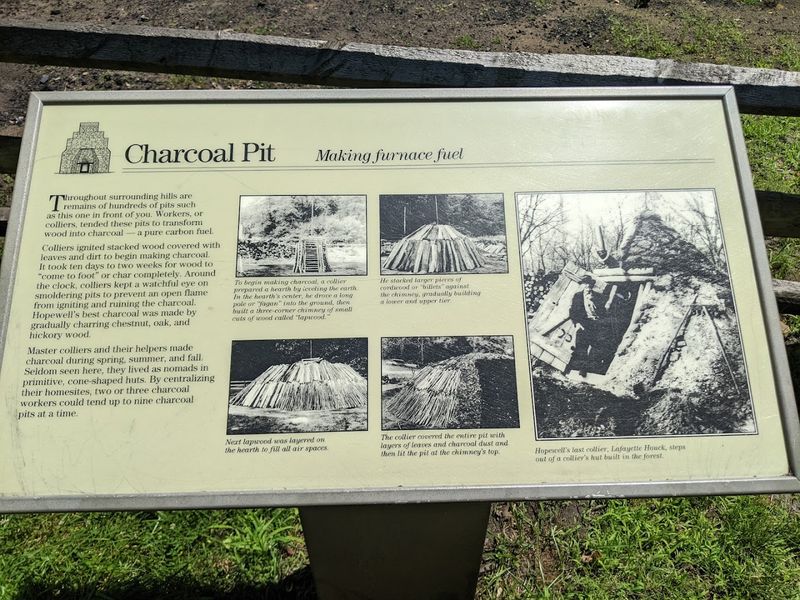
Most people think of iron when they hear the name Hopewell Furnace, but charcoal was just as critical to the whole operation.
Without a constant supply of charcoal, the blast furnace could not reach the temperatures needed to smelt iron ore, and the entire community would have come to a standstill.
The site preserves both a charcoal house and a collier hut, giving visitors a tangible sense of how labor-intensive the charcoal-making process actually was.
Workers called colliers spent days managing slow-burning wood piles, carefully monitoring temperature and smoke to produce the right quality of fuel.
Informational kiosks near these structures explain the process in clear language, making it easy to follow even without a guided tour.
The collier hut has an interesting exterior, though a sign at the entrance notes that visitors cannot go inside.
Walking this section of the grounds offers a quieter, more reflective part of the overall experience that many visitors find unexpectedly moving.
The Community Here Was Remarkably Progressive For Its Era
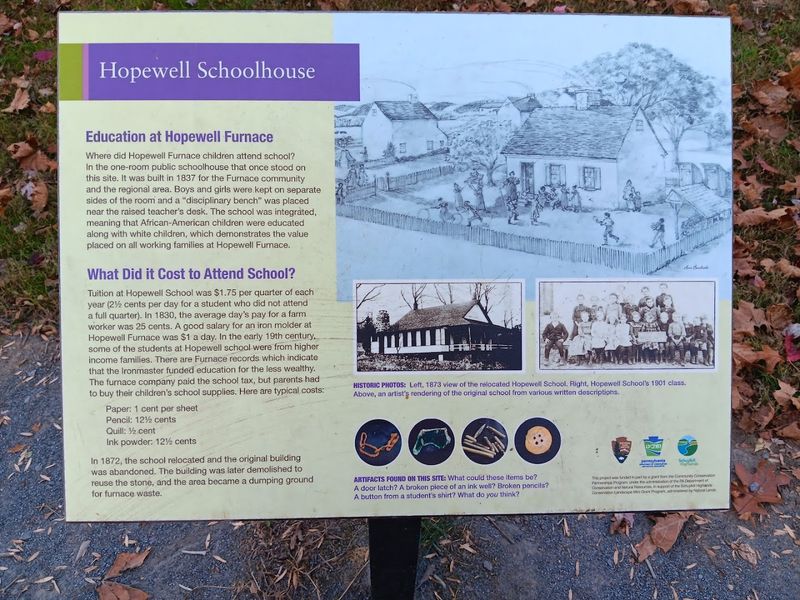
Here is a fact that surprises most visitors: the Hopewell Furnace community educated boys and girls of all races at a time when that was far from common practice in early America.
The ironmaster recognized that a literate, capable workforce was good for business, and that forward-thinking approach left a meaningful mark on the community’s history.
Workers and their families lived in houses on the property, forming a self-contained rural iron plantation with its own rhythms and social structure.
The restored worker houses along the village path give a clear picture of what domestic life looked like for these families.
Beyond education, the site also reflects the broader story of industrial communities in Pennsylvania and across the region, including parallels to iron operations that once dotted states as far west as Ohio.
The human story here is just as compelling as the mechanical one, and the signage throughout the village does a good job of bringing both to life.
Hiking Trails Through French Creek State Park Surround The Historic Site
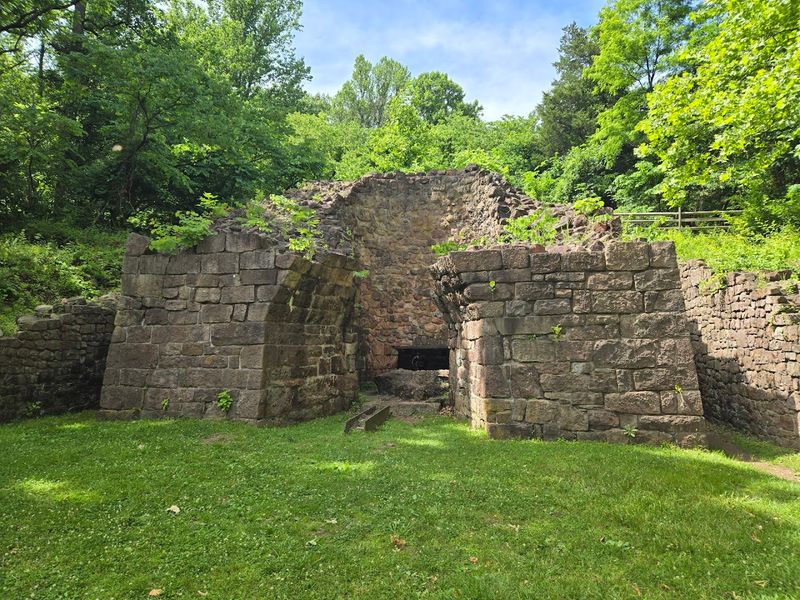
The history does not end at the edge of the village. Hopewell Furnace National Historic Site is surrounded by French Creek State Park, and a network of hiking trails connects the site to the broader forested landscape around it.
One especially accessible route is the Hopewell Big Woods Trail, which links nearby recreation areas and gives walkers a straightforward way to reach the historic site through quiet woods.
The terrain can still be hilly in places, so wearing comfortable shoes makes the trip much more enjoyable.
The park’s official trail information also points visitors to maps from French Creek State Park for planning a longer outing.
Several park trails interconnect directly with neighboring state-park paths, giving hikers loop and out-and-back options.
Wildlife spotters will be pleased to know the surrounding forest hosts a variety of native plants and animals.
The natural setting makes this feel like far more than a standard museum visit, and that combination of trail and history is genuinely hard to beat.
Year-Round Programming Means There Is Always Something New To Experience
One visit to Hopewell Furnace National Historic Site in Elverson, Pennsylvania is rarely enough.
The site currently offers ranger walks, hands-on molding and casting, Junior Ranger activities, and special events that are listed on the official calendar rather than guaranteed every hour on a fixed daily schedule.
The BARK Ranger program is a fun bonus for pet owners, making the site one of the more dog-friendly national park locations in the region.
Families with young children can keep kids engaged through Junior Ranger activities, while adults who take the time to chat with the knowledgeable volunteers often find the conversations just as informative as the official tours.
Iron-making operations once stretched across Pennsylvania and into neighboring states like Ohio, and the interpretation here still does a thoughtful job of placing Hopewell’s story within that wider regional context.
Ohio’s own industrial heritage shares surprising echoes with what happened here.
Returning visitors consistently say the experience feels fresh each time, and the staff’s enthusiasm makes every trip feel worthwhile.