
This Arkansas Trail Leads To A Hidden Floor Of Perfectly Preserved Fossils
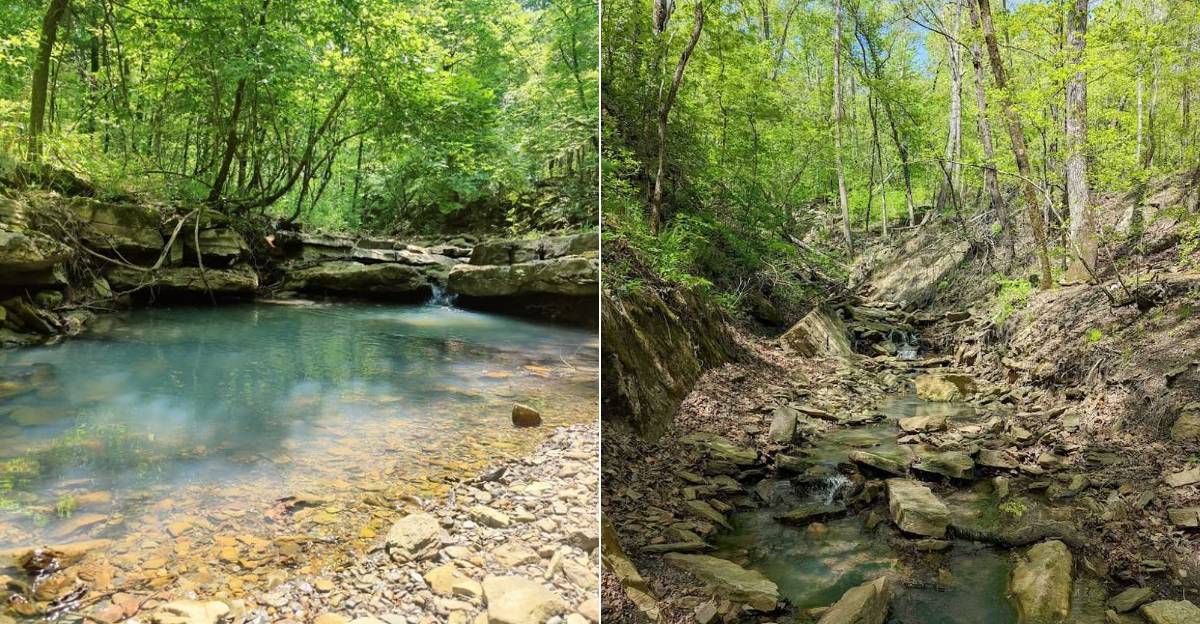
I went into this hike thinking it would be just another easy walk through the woods. Nothing special, just a way to get outside for a bit.
Then I looked down and stopped in my tracks. The rock under my feet was covered in fossil shapes.
Not one or two, but everywhere I stepped. I remember crouching down and running my hand over them, trying to make sense of what I was seeing.
It felt strange in the best way. Like I had stumbled onto something I wasn’t expecting at all.
I’ve hiked all over Arkansas, and it’s not often a trail surprises me like that. This one did.
The path itself is calm and shaded, nothing too demanding. That’s part of what makes it so cool.
You’re just walking along, and suddenly you’re standing on a piece of ancient history without even trying.
A Scenic Trail With A Secret Beneath Your Feet
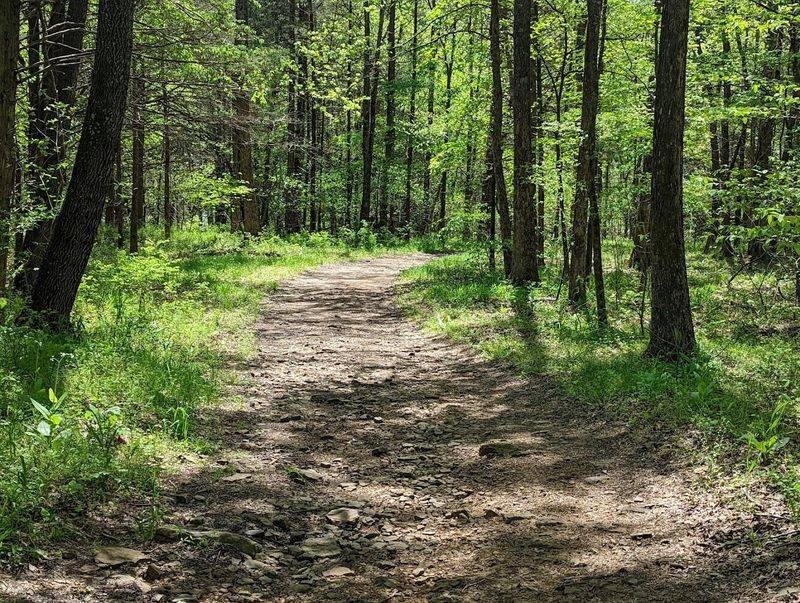
Most trails keep their best surprises at the summit, but Fossil Flats Trail hides its greatest reward right beneath your boots.
The path winds through some of the most visually striking terrain in the Ozark Mountains, where towering hardwoods frame a trail that runs roughly 2.5 miles as a loop, with connections to longer routes in the park for hikers and mountain bikers who want to extend their time out here.
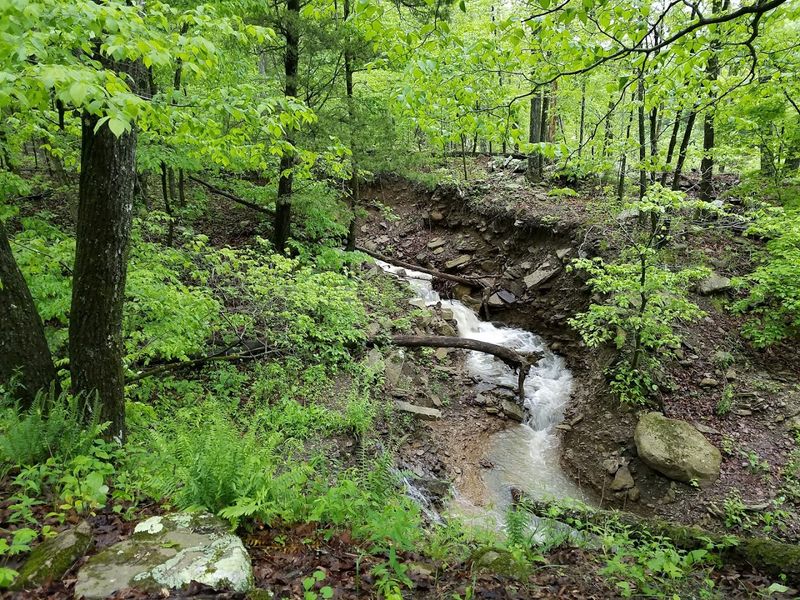
A small creek and seasonal water flow run alongside parts of the route, with clear water moving over smooth stone while the surrounding ridgelines create a natural canopy that keeps the trail cool even on warmer days.
What most visitors do not expect is the moment the trail opens onto a wide, flat section of exposed creek bed where the rock surface is covered in fossil impressions so clear and detailed that they look almost too perfect to be real.
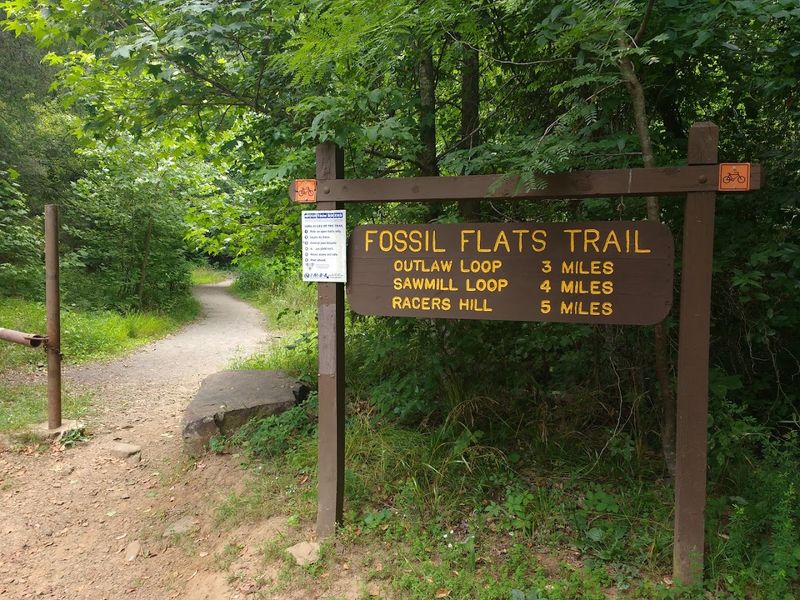
The trailhead sits in Camping Area A of the park, with parking available at the far end of the campground. The full address is Fossil Flats Trail at Devil’s Den State Park, 11333 West Arkansas Highway 74, Winslow, AR 72959.
The Surprising History Hidden In The Landscape
Long before mountain bikers discovered this trail in the early 1990s, the landscape around Devil’s Den carried the fingerprints of people who shaped it with their own hands during one of America’s most challenging economic periods.
The Civilian Conservation Corps, a New Deal program active during the 1930s, built many of the structures still standing in Devil’s Den State Park today, including stone walls, bridges, and buildings that blend so naturally into the Ozark terrain that they almost look like geological features rather than human construction.
Fossil Flats Trail passes near remnants of this CCC handiwork, and sharp-eyed hikers can also spot signs of early settler activity along the route, from old homestead traces to modified landscape features that hint at how this valley was once used for farming and daily life.
Established in the early 1990s, Fossil Flats was one of the earlier mountain bike-friendly trails in the Arkansas state park system, giving it a quietly important place in the state’s outdoor recreation history.
Walking through here, you get the layered feeling that every era left something behind, and the trail connects all of those chapters in a single continuous path through time.
When This Place Was Covered By An Ancient Sea
Standing on dry Ozark hillside, it is genuinely hard to picture the fact that you are standing on what was once the bottom of a warm, shallow sea.
Roughly 300 million years ago, during the Pennsylvanian period, a vast inland sea covered much of what is now the central and southern United States, and the region around present-day Winslow, Arkansas was no exception.
The sea teemed with marine life including crinoids, brachiopods, bryozoans, and various mollusks, all of which lived, fed, and eventually settled into the sediment layers that would slowly compress and harden into the limestone and sandstone formations visible in the park today.
Over hundreds of millions of years, tectonic activity lifted these ancient seafloor deposits upward, and erosion from water and weather gradually stripped away the upper layers, exposing the fossil-rich surfaces that now make Fossil Flats Trail one of the most remarkable geological sites in the state.
The creek that runs through the trail today is actually still doing that same slow work of uncovering the past, carving away rock and revealing new fossil surfaces with every rainy season, which means the trail is always, in a very literal sense, still being written.
How The Fossils Became Perfectly Preserved
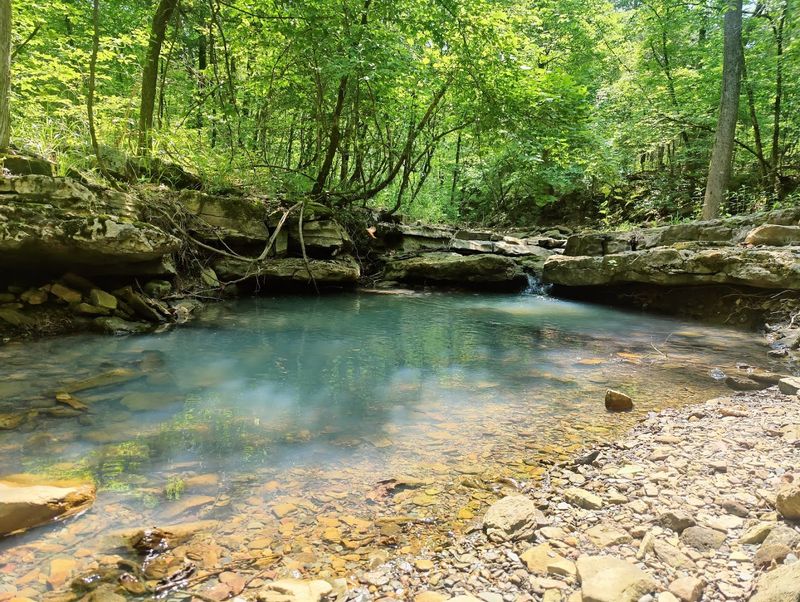
Perfect preservation in fossils is rarer than most people realize, and the conditions that created the fossil floor at Fossil Flats Trail were almost impossibly well-timed.
When marine organisms died in the ancient Pennsylvanian sea, they needed to be buried quickly by fine sediment before scavengers or water currents could scatter or destroy them, and in the calm, shallow bay environment that once existed here, exactly that kind of rapid burial happened repeatedly over millions of years.
The sediment that covered these creatures was rich in calcium carbonate, which slowly replaced organic material with mineral compounds, locking the shapes of shells, stems, and body segments into the rock with extraordinary detail.
The relatively stable geology of the Ozark Plateau meant that these rock layers were not subjected to the intense heat and pressure that would have distorted or destroyed fossil records elsewhere, which is a key reason why the impressions found along this trail are so crisp and recognizable even today.
What makes the flat creek bed exposure especially valuable is that water erosion naturally polishes the rock surface, essentially cleaning the fossils and making them easier to see without any tools or special equipment, turning a simple hike into an open-air geology lesson that genuinely rewards the curious eye.
What You Can Spot Along The Trail
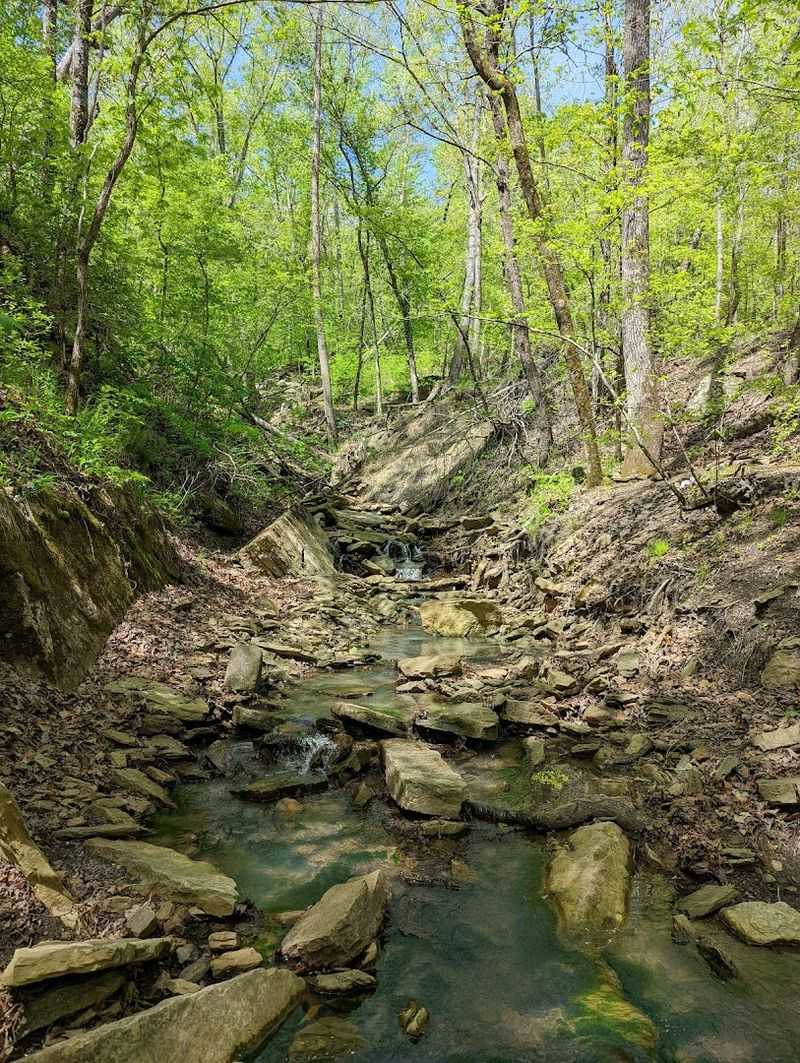
Knowing what to look for before you set out can transform a good hike into a genuinely unforgettable one, and Fossil Flats delivers a surprisingly varied catalog of things to observe.
The most commonly spotted fossils along the trail are crinoid stems, which look like small stacked discs or cylinders pressed into the rock, and brachiopods, which resemble clam shells but are actually from an entirely different group of ancient marine animals.
Bryozoan colonies, which were tiny filter-feeding creatures that built intricate branching or lacy structures, also appear frequently in the exposed rock surfaces, and once you know what their patterns look like, you start seeing them everywhere along the flat sections near the creek.
Beyond the fossils, the trail itself offers views of Lee Creek, interesting rock formations, dense hardwood forest, and the occasional reminder of CCC craftsmanship in the form of stone features that have aged beautifully into the landscape.
Wildlife sightings are also common here, with white-tailed deer, wild turkey, and various songbirds appearing regularly along the wooded sections of the route, making this trail a satisfying experience even on days when the fossil floor is partially submerged after heavy rain.
Why This Natural Wonder Feels Almost Undiscovered
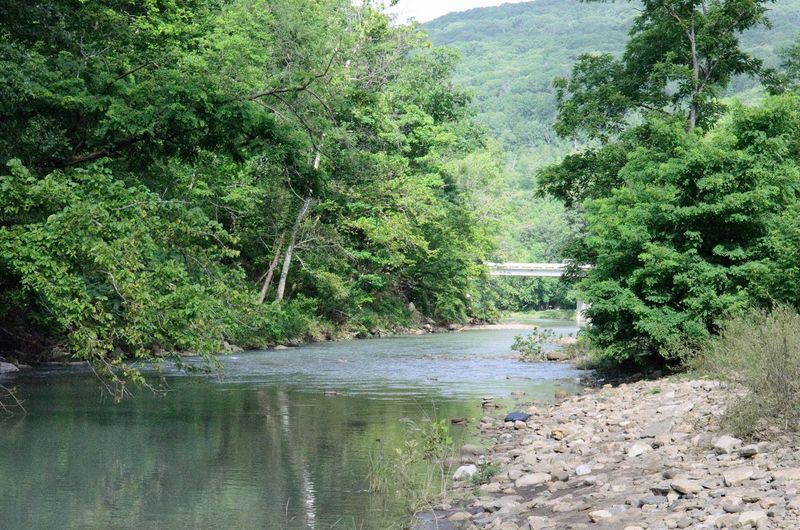
For a place with this much geological drama, Fossil Flats Trail carries a refreshingly low-key reputation that keeps the crowds manageable even on busy park weekends.
Devil’s Den State Park is well known among Arkansas outdoor enthusiasts, but the fossil floor specifically tends to draw a more knowledgeable, intentional crowd rather than casual day-trippers, which means you are unlikely to find yourself waiting in line to examine a 300-million-year-old crinoid stem.
Part of what keeps this spot feeling intimate is the fact that the fossils are embedded in the natural creek bed and rock surfaces rather than displayed behind barriers, so the experience requires you to actually walk the trail, get your shoes near the water, and pay attention to the ground beneath you in a way that rewards effort over convenience.
The location itself contributes to the sense of quiet discovery, since Winslow is a small town of roughly 365 residents tucked into the hills of southern Washington County, far from the kind of tourist infrastructure that tends to signal a crowded attraction.
There is something genuinely satisfying about a natural wonder that has not been oversold, and Fossil Flats earns that quiet confidence by simply being extraordinary without needing to announce itself too loudly.
Tips For Exploring Without Missing The Hidden Floor
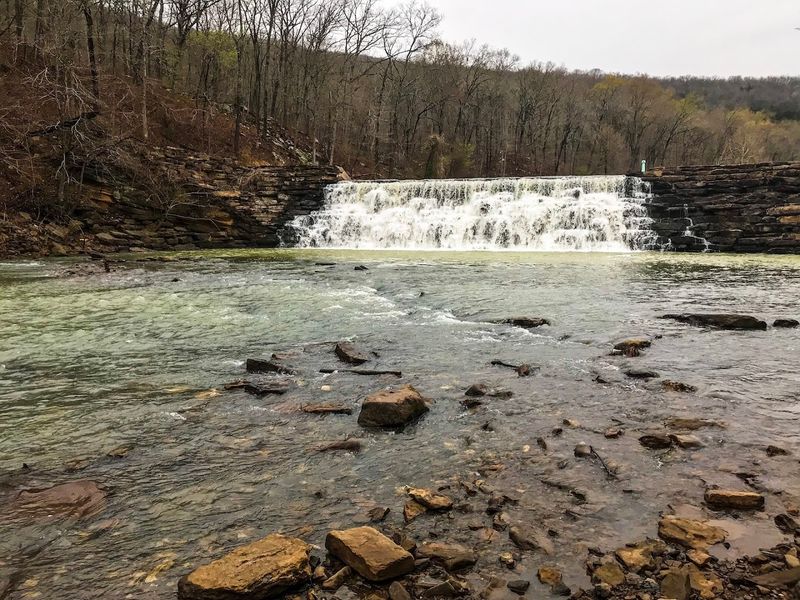
A little preparation goes a long way on this trail, especially if seeing the fossil floor is your main goal rather than a happy accident.
Timing your visit for late summer or early fall tends to give you the best chance of finding the creek bed at a low enough water level to actually see and walk across the fossil-covered rock surfaces, since spring visits often mean higher water that covers the best sections entirely.
Wear shoes with good grip and expect to get them damp, because reaching the flattest and most fossil-dense sections of the creek bed usually means stepping onto wet rock, and sandals or smooth-soled shoes are a reliable way to turn a scenic moment into an unplanned swimming lesson.
Bring a water bottle, sunscreen, and a basic trail map, since the loop options range from 2.4 to 6 miles and it is easy to extend your route without realizing how much distance you have added.
The trail is rated moderate in difficulty, but the challenge increases meaningfully with each additional mile, so honest self-assessment before you start will help you finish feeling triumphant rather than exhausted.
Leave every fossil exactly where you find it, since collecting them is prohibited and the entire point of this trail is that the floor remains intact for every future visitor to discover all over again.