
Discover The Breathtaking Natural Beauty Of Jasper, Arkansas
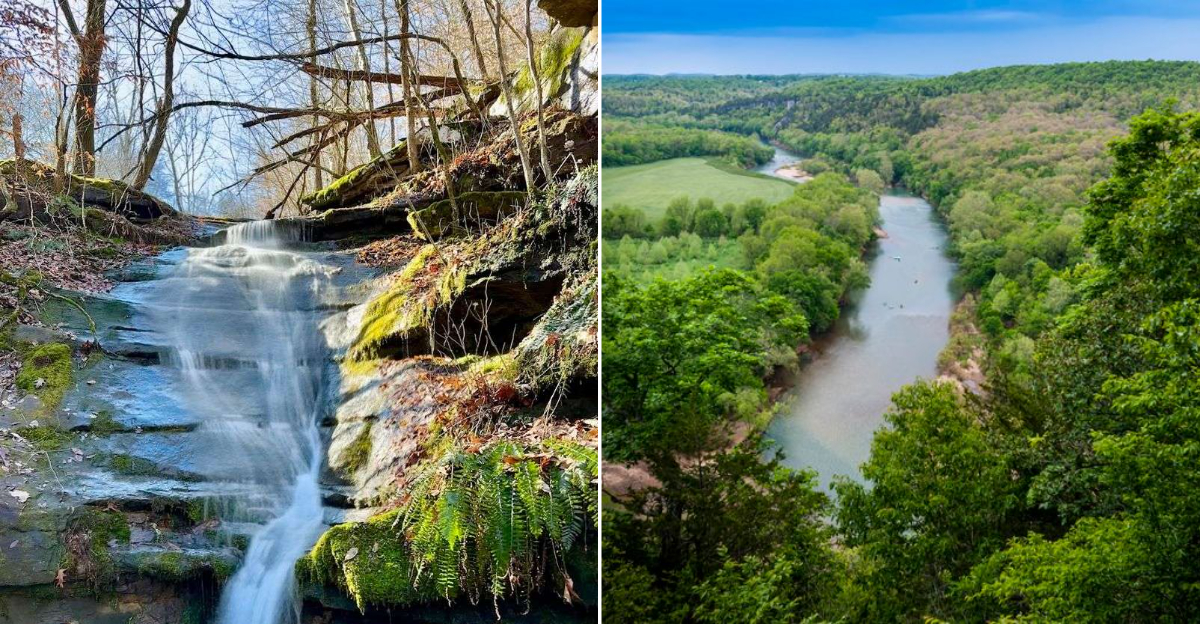
The first time I drove those winding roads in Arkansas, I had to pull over just to stare for a minute. The cliffs just sort of appear out of nowhere, and the river cuts right through it like it owns the place.
I’ve come back more times than I can count, usually with no real plan. Some days I’ll take a short trail and end up at a waterfall.
Other days I just wander and see where the road goes. Mornings are my favorite, especially when there’s a little fog hanging over the water and you might spot elk out in the fields.
It’s never the same twice, and that’s what keeps pulling me back. Things look different depending on the light, the weather, even the time of year.
It’s easy to lose track of time out here, and honestly, I don’t mind that at all.
1. Lost Valley Trail
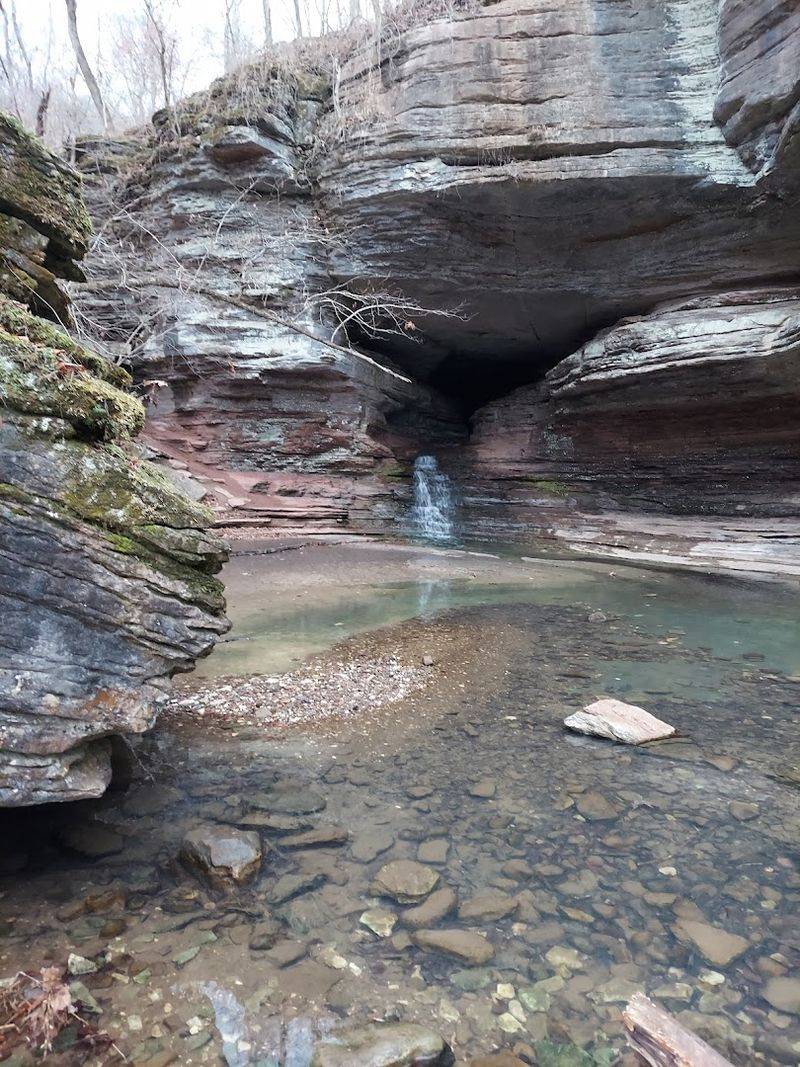
Every step on the Lost Valley Trail feels like walking deeper into a living storybook, where the canyon walls close in just enough to make you feel wonderfully small.
The trail begins at 4276 AR-43, Ponca, AR 72670, and winds through a tight, moss-draped hollow that locals have treasured for generations.
A seasonal waterfall waits at the far end of the trail, tucked inside a cave that you can actually walk into, which makes the payoff feel genuinely magical.
The path follows a clear, babbling stream most of the way, so the sound of running water becomes your constant companion throughout the roughly two-mile round trip.
Spring visits reward hikers with wildflowers carpeting the canyon floor, while fall turns the surrounding hardwoods into a blazing tapestry of orange and red.
Families with older kids tend to love this trail because the cave at the end gives the whole adventure a sense of discovery that no playground can replicate.
Wear waterproof shoes since parts of the trail can be wet or muddy, and bring a flashlight if you plan to explore the cave fully.
Lost Valley earns its reputation as one of the Ozarks’ most enchanting short hikes every single time.
2. Boxley Valley
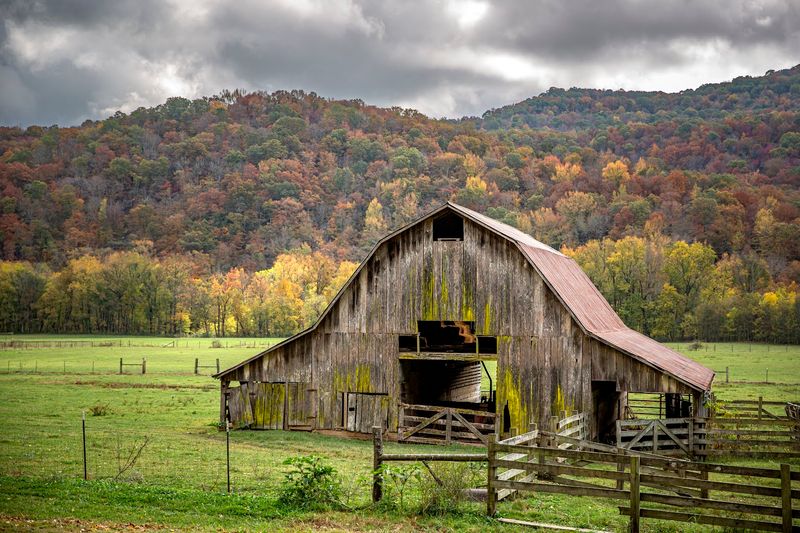
There is a moment just after sunrise in Boxley Valley when the mist hangs low over the meadows and a small herd of elk grazes silently near the tree line, and I promise you will forget every stressful thing on your to-do list.
Boxley Valley runs along AR-43 and AR-21 near Ponca, AR 72670, cutting through one of the most photographed stretches of the Arkansas Ozarks.
The valley is home to a free-roaming elk herd that was reintroduced decades ago, and watching these massive animals move through the tall grass is an experience that feels almost cinematic.
Historic grist mills and old homesteads dot the valley floor, giving the landscape a layered quality where natural beauty and human history share the same frame.
Fall is peak elk-viewing season because the bulls are active during the rut, bugling and sparring in ways that make the whole valley feel electric.
Early morning and late evening are the best windows for wildlife sightings, so plan your drive through accordingly and keep the engine quiet near the meadows.
The valley road itself is a gentle, winding drive that rewards slow travel, and pulling over at any random turnout almost always reveals something worth photographing.
Boxley Valley is the kind of place you visit once and immediately start planning a return trip.
3. Hemmed-In Hollow Falls (Compton Trailhead)
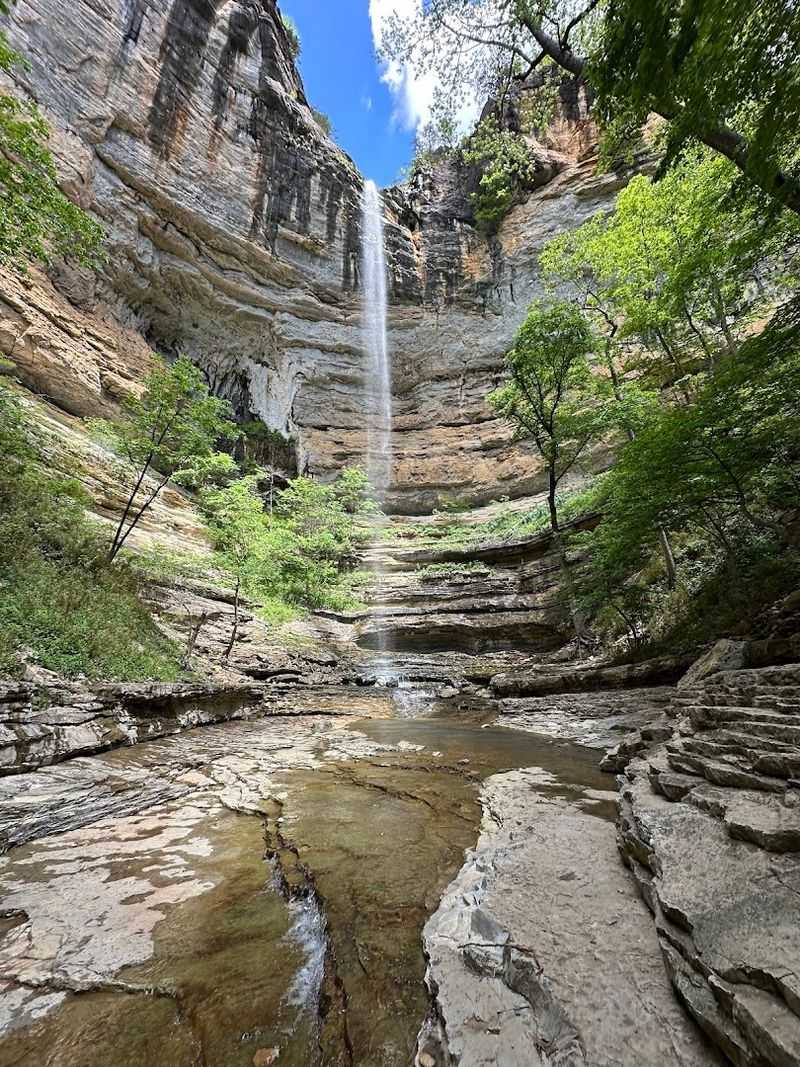
Standing at the base of Hemmed-In Hollow Falls and tilting your head all the way back is one of those humbling experiences that reminds you just how grand the natural world really is.
The trailhead is located at Forest Rd 5410, Compton, AR 72624, and the hike in is a moderately challenging out-and-back that rewards every ounce of effort you put in.
The falls are considered one of the tallest waterfalls in the central United States, plunging down an overhanging bluff into a cool, sheltered hollow below.
That overhanging ledge creates a natural amphitheater effect, meaning the sound of the falling water echoes off the surrounding rock walls in a way that is genuinely hard to describe.
Spring runoff after rain events produces the most dramatic water flow, turning the falls into a roaring curtain of white water that photographers chase from across the country.
The trail itself passes through beautiful mixed hardwood forest and offers several overlook points along the ridge before descending into the hollow.
Good hiking footwear is essential here because the descent to the hollow involves some steep, rocky sections that can be slippery when wet.
Few spots in all of Arkansas deliver a payoff this spectacular for the distance traveled.
4. Arkansas Grand Canyon
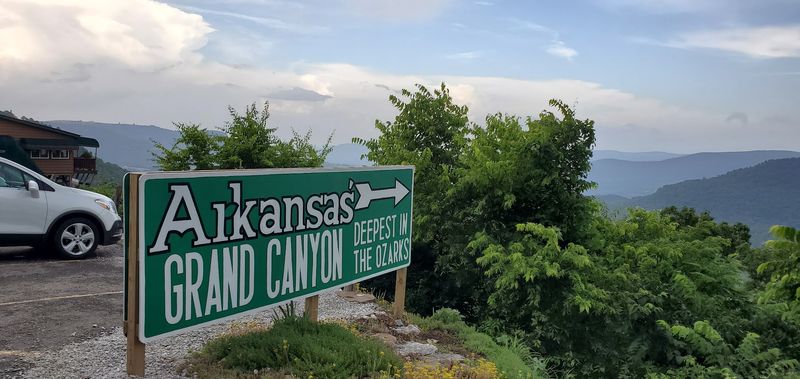
Pulling off AR-7 Scenic Byway just south of Jasper and walking to the overlook edge for the first time is the kind of moment that makes you rethink everything you thought you knew about Arkansas scenery.
The Arkansas Grand Canyon viewpoint sits along AR-7 near Jasper, AR 72641, and looks out over the sweeping Big Creek Valley, where ridgeline after ridgeline folds into the distance like a rumpled green blanket.
The nickname may borrow from its more famous western cousin, but this view earns its title through sheer drama, with sheer bluffs, dense forest, and a valley floor that seems impossibly far below.
Highway 7 through this stretch is considered one of the most scenic drives in the entire country, and the Grand Canyon overlook is its undeniable highlight.
Sunset visits transform the valley into something almost surreal, with warm orange light catching the limestone faces and casting long shadows across the forested ridges.
There is a designated pull-off area along the highway, but it still manages to feel less crowded than you might expect.
Bring a wide-angle lens if you shoot photography, because no standard frame can capture the full breadth of what you are looking at.
This viewpoint alone justifies the entire drive to Jasper, and then some.
5. Alum Cove Natural Bridge Recreation Area
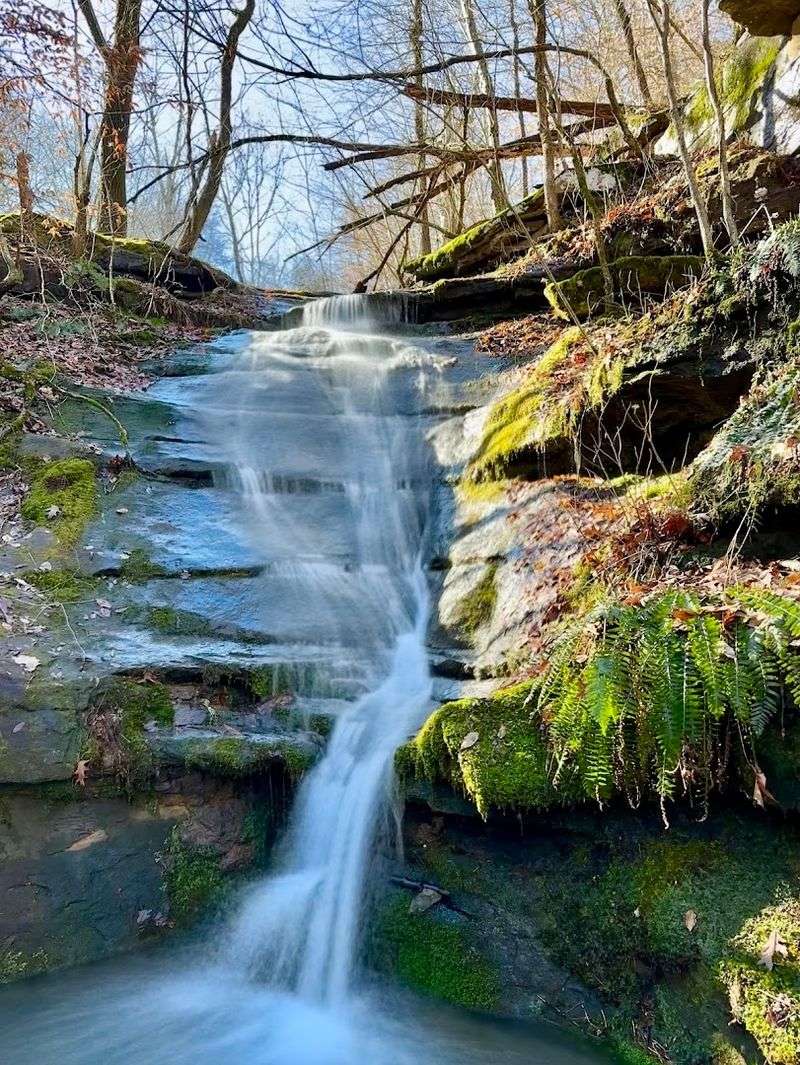
Not many trails end with you walking under a naturally formed stone bridge the size of a small house, but that is exactly what Alum Cove delivers with quiet confidence.
The recreation area is located at Jasper Co Rd 68, Jasper, AR 72641, and the loop trail to the natural bridge is a manageable 1.1 miles that almost anyone in reasonable shape can handle.
The natural bridge itself is one of the most impressive geological formations in the Ozark National Forest, a broad sandstone arch shaped by thousands of years of water erosion.
What makes this spot feel different from other natural bridge sites is how the surrounding forest frames the arch, with mossy boulders and old-growth trees giving the whole scene a hushed, cathedral-like atmosphere.
The trail also passes several interesting rock formations along the way, so the journey to the arch is nearly as rewarding as the arch itself.
Wildflower season in late spring turns the understory into a colorful display, and the filtered light through the canopy makes for some genuinely stunning photographs.
There is no admission fee to access the recreation area, which makes this one of the best free experiences in the entire region.
Alum Cove is proof that the most impressive things in nature often require very little effort to find.
6. Pedestal Rocks Scenic Area
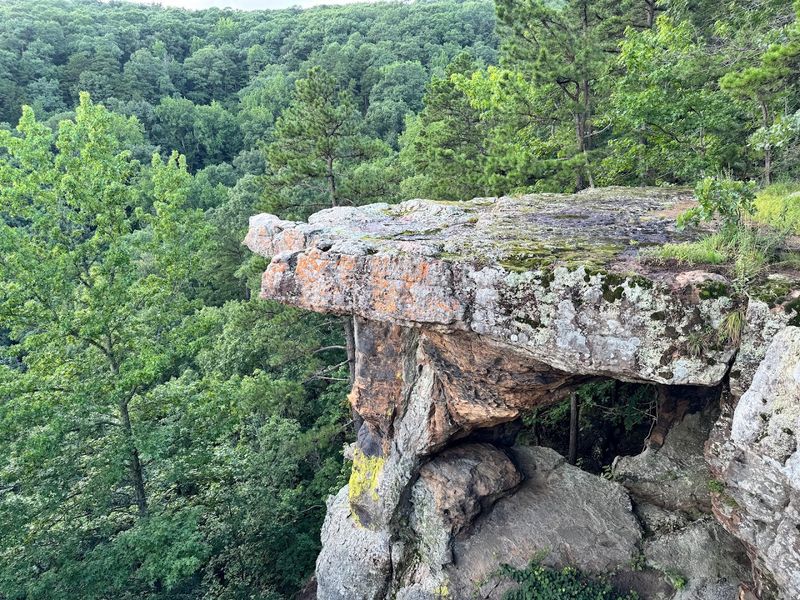
Imagine a landscape where the ground simply gave way beneath certain rock formations over millions of years, leaving tall, narrow columns of sandstone standing like sentinels above the forest floor.
Pedestal Rocks Scenic Area is found along AR-16 near Pelsor, AR 72856, and the loop trail here is one of the more visually surprising hikes in the Ozark National Forest.
The pedestal formations themselves are the result of differential erosion, where softer rock layers wore away faster than the harder capstone on top, creating those distinctive mushroom-like pillars.
Walking among them feels like being on a film set for some ancient civilization story, except everything here is entirely real and entirely free of charge.
The trail also leads to a series of bluff overlooks with sweeping views of King’s Bluff and the surrounding valley, adding a panoramic reward on top of the geological curiosity below.
The loop is roughly three miles and rated moderate, with a few rocky stretches near the bluff edges that call for steady footing and a reasonable amount of attention.
Fall is arguably the best time to visit because the colored leaves frame the pale sandstone pedestals in a way that looks almost too beautiful to be accidental.
Pedestal Rocks is the kind of trail that gets talked about long after the boots come off.
7. Buffalo National River (Tyler Bend Area)
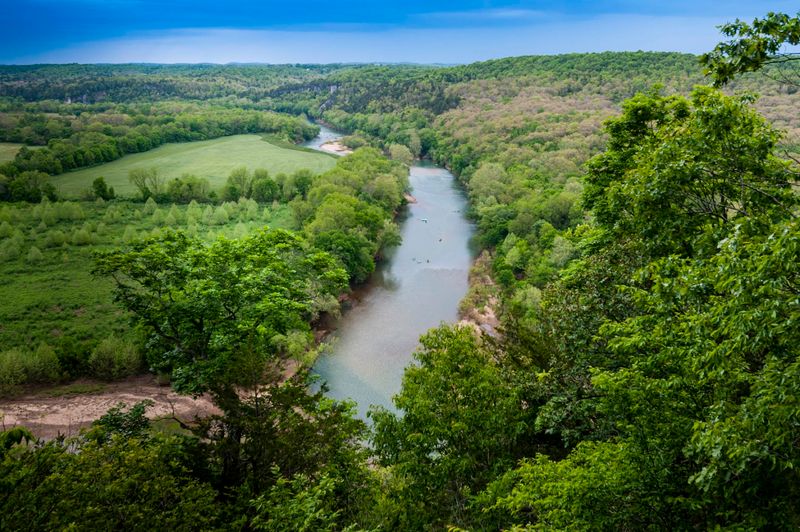
The Buffalo National River holds a distinction that few waterways in America can claim: it was the very first river in the country to receive national river designation, and spending a day at the Tyler Bend area makes it immediately clear why that honor was worth protecting.
Tyler Bend sits at 170 Ranger Rd, St Joe, AR 72675, and serves as one of the most accessible and rewarding entry points to the broader Buffalo National River experience.
The river here is wide, clear, and lined by towering bluffs that reflect off the water on calm mornings in a way that looks almost impossibly perfect.
Canoeing and kayaking are the signature activities at Tyler Bend, with rental outfitters operating nearby and calm stretches of water that welcome paddlers of all skill levels.
The visitor center at Tyler Bend is genuinely well done, with exhibits that explain the river’s ecology, history, and the conservation effort that saved it from being dammed decades ago.
Hiking trails branch out from the area along both the riverbank and the blufftops, giving visitors a choice between a shaded riverside stroll and a more elevated perspective on the valley.
Summer weekends draw crowds, so arriving early on a weekday gives you the best chance of feeling like you have the whole river to yourself.
The Buffalo River is not just a place to visit; it is a place that quietly changes how you think about wild spaces.
8. Horseshoe Canyon Ranch
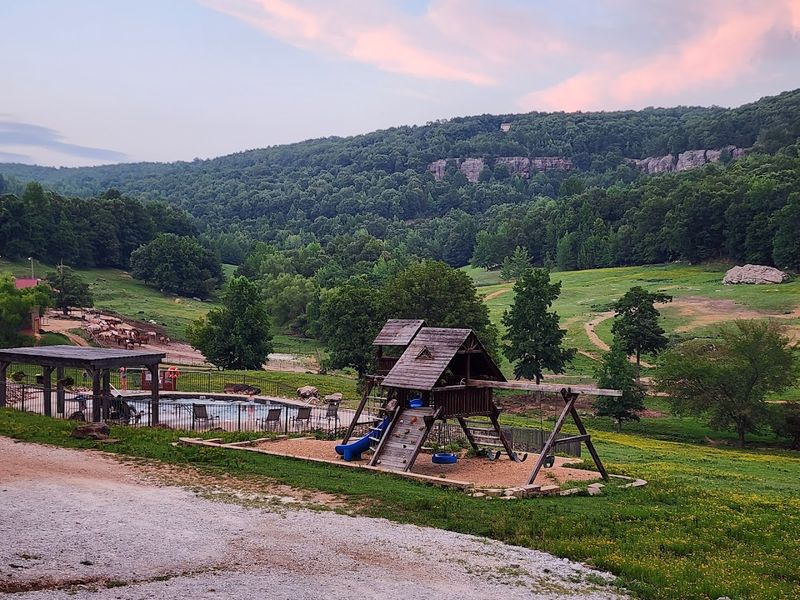
Horseshoe Canyon Ranch occupies a dramatic sandstone canyon that looks like it was carved specifically to make outdoor adventurers feel completely at home.
The ranch is located at 1469 Co Rd 5, Jasper, AR 72641, and it functions as both a working guest ranch and one of the premier rock climbing destinations in the central United States.
The canyon walls here feature hundreds of established climbing routes ranging from beginner-friendly to seriously challenging, which means climbers of every experience level find something worth tackling.
Trail riding on horseback through the canyon is another major draw, giving non-climbers a way to experience the dramatic landscape from a completely different vantage point.
The ranch offers cabin and camping accommodations, so staying overnight lets you catch the canyon in the golden light of early morning before day visitors arrive.
Zip-lining is also available here, and the lines run directly over sections of the canyon in a way that provides a perspective you simply cannot get from the ground.
The owners have maintained a strong conservation ethic throughout the property, keeping the trails well-marked and the natural features protected from overuse.
Horseshoe Canyon Ranch is the rare destination that delivers completely different experiences depending on how adventurous you are feeling on any given day.
9. Mystic Caverns & Crystal Dome Caverns
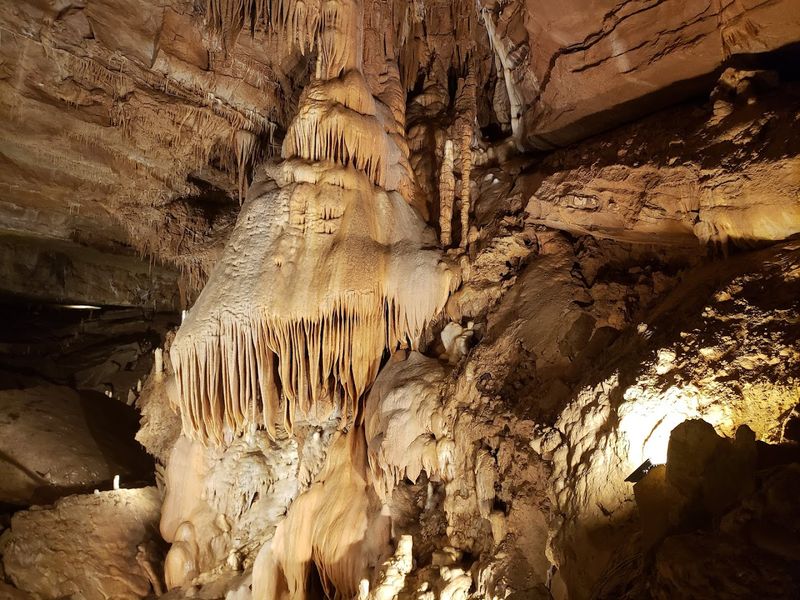
Going underground in the Ozarks turns out to be just as spectacular as anything happening on the surface, and Mystic Caverns proves that point with every single tour it runs.
The caverns are located at 341 Caverns Dr, Harrison, AR 72601, a short drive from Jasper that makes for an easy and rewarding day trip in any weather.
Mystic Caverns features impressive stalactite and stalagmite formations that have been growing in the dark for an almost incomprehensible span of time, and the guided tours do a great job of putting that scale into perspective.
The adjoining Crystal Dome Cavern is a separate cave on the same property and offers a noticeably different underground experience, with a dome-shaped chamber that feels almost otherworldly when the lighting hits it just right.
Tours run regularly throughout the day and are led by knowledgeable guides who share both the geology and the local history of the caves in an entertaining, accessible way.
The temperature inside the caverns stays cool year-round, which makes a summer visit particularly refreshing after a morning spent hiking in the Arkansas heat.
Children tend to be absolutely captivated by the cave formations, especially when the guide explains that some of the larger structures took longer to grow than recorded human history.
Mystic Caverns is the kind of underground adventure that leaves everyone in the group talking about it on the drive home.
10. Ozark National Forest (Big Piney Ranger District)
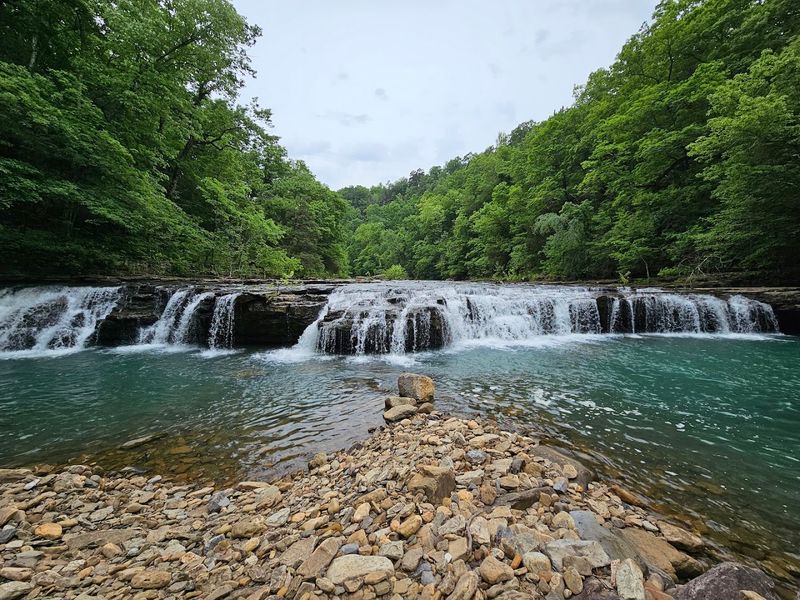
Some places earn their reputation through one iconic feature, but the Ozark National Forest earns its place on this list through sheer, overwhelming abundance of everything wild and beautiful.
The Big Piney Ranger District is headquartered at 1069 AR-164, Dover, AR 72837. It oversees a stretch of the Ozark National Forest that contains trails, streams, bluffs, and wilderness areas worth multiple visits.
Big Piney Creek, which runs through a significant portion of the district, is one of the most pristine waterways in Arkansas, with clear, cold water that supports a healthy population of trout and other native fish.
Several access points and day-use areas throughout the district provide places to picnic, fish, or start exploring deeper into the forest.
Backpackers who want a multi-day experience will find the district’s trail network capable of supporting serious wilderness trips, with primitive campsites tucked along creek drainages and ridgelines.
Fall foliage season transforms the mixed hardwood forest into a rolling canvas of color that draws photographers and leaf-peepers from across the region.
The ranger station staff are genuinely helpful when it comes to current trail conditions, permit requirements, and recommendations for first-time visitors to the district.
The Big Piney Ranger District is where the Ozarks stop being a backdrop and start feeling like the entire point of the trip.