
9 Historic Ruins In Colorado That Definitely Belong On Your Bucket List
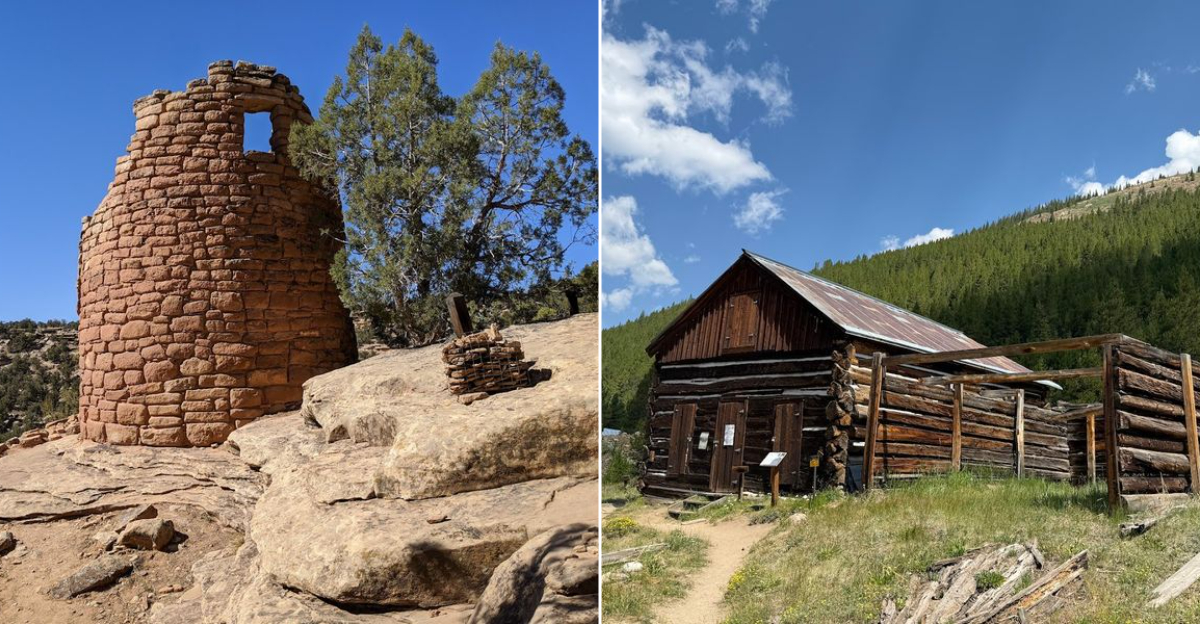
In Colorado, the best adventures do not always shout for attention. Sometimes they wait in stone, sunbaked and silent, tucked into cliffs and balanced above wide open desert like secrets daring you to notice.
These ancient ruins are far more than pretty backdrops for your camera roll. They tell stories of brilliant communities who mastered building, sky watching, and daily life centuries before modern comfort ever entered the picture.
Walk through them and you can almost feel the rhythm of meals cooked, stories shared, and seasons tracked with astonishing precision. Whether you are chasing a weekend road trip, entertaining curious kids with something cooler than another screen, or planning a getaway that actually means something, these sites deliver wonder with every step and every turn.
Colorado’s ancient corners have a way of making you feel delightfully tiny, wildly curious, and completely awake. Bring water, lace up, and prepare to be amazed.
1. Mesa Verde National Park
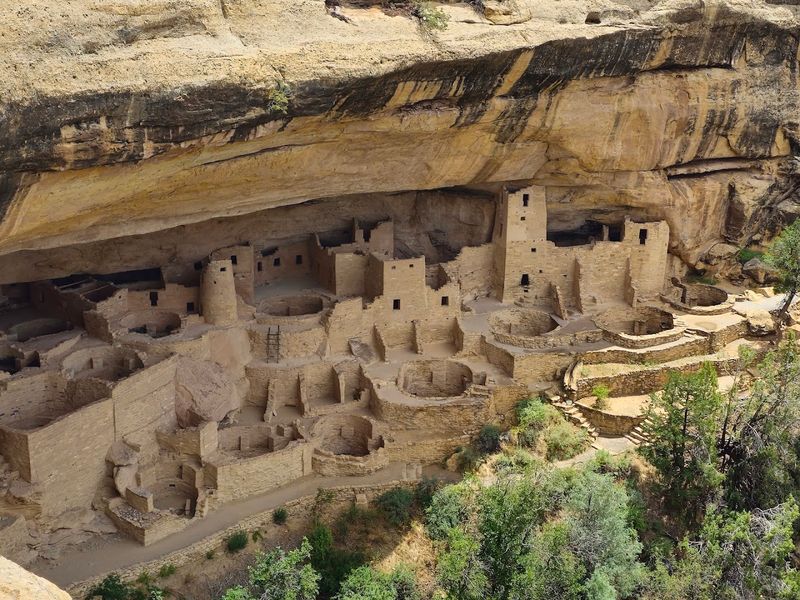
Some places earn their reputation honestly, and Mesa Verde is one of them. Perched above the surrounding landscape near Cortez, this UNESCO World Heritage Site protects over 5,000 archaeological sites, including some of the most jaw-dropping cliff dwellings anywhere on Earth.
Cliff Palace alone contains 150 rooms and 23 kivas – and yes, it genuinely looks like something out of a movie set, except completely real.
The park is open year-round, though winter visits come with limited access to certain sites. Summer and early fall are the sweet spots, when ranger-led tours bring the history to life with storytelling that even restless teenagers find hard to ignore.
I visited on a crisp October morning and genuinely lost track of time staring at those sandstone walls.
Plan for at least a full day here – half a day will leave you frustrated and hungry for more. The drive between overlooks is scenic enough to justify going slowly.
Grab a site map at the entrance and work your way through the Chapin Mesa area first. Mesa Verde rewards patience and rewards it generously.
2. Hovenweep National Monument
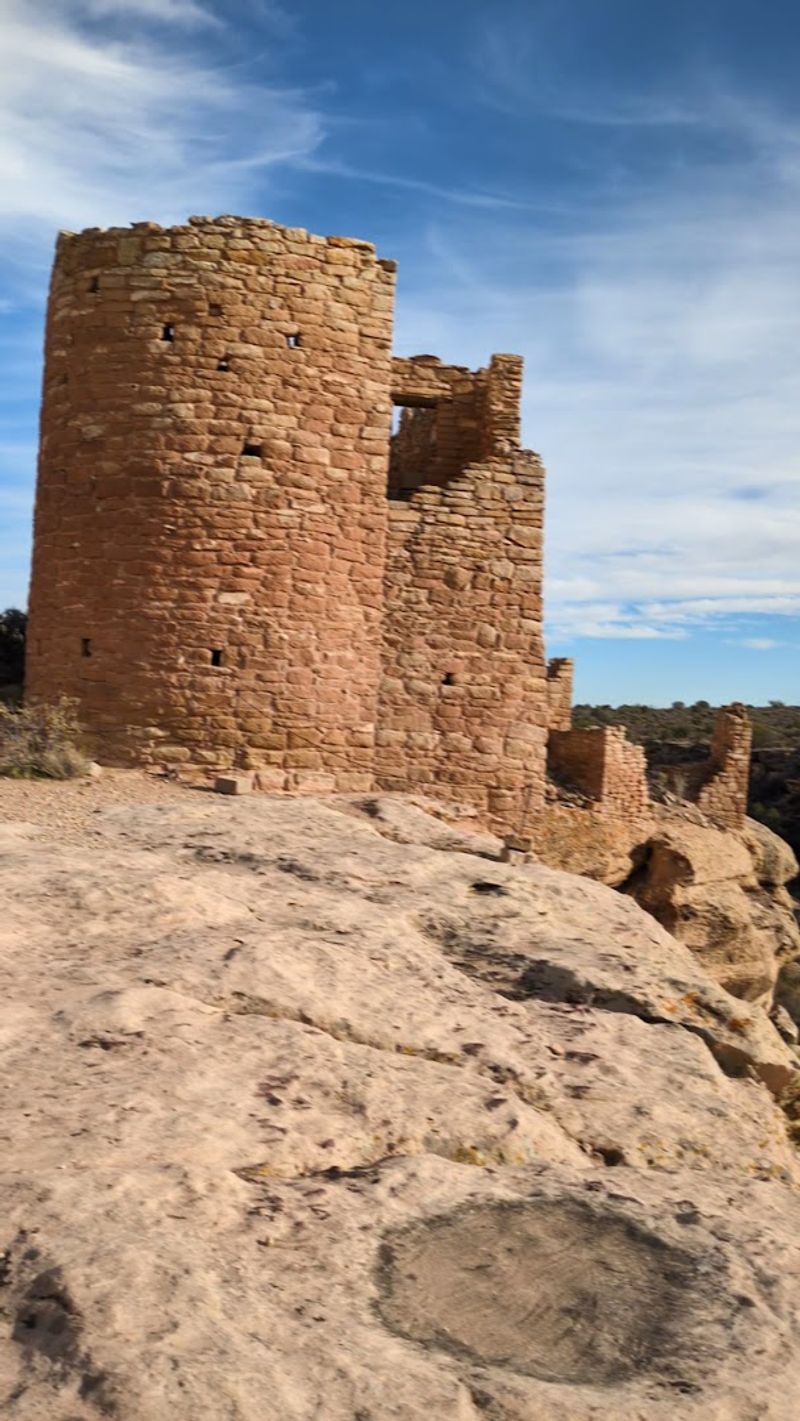
Nobody talks about Hovenweep enough, and that is honestly part of its charm. Located near Pleasant View in the remote Four Corners region, this monument preserves six separate village sites filled with multistory stone towers that Ancestral Puebloan people constructed around 1,200 years ago.
Nobody is entirely sure why the towers were built – defense, ceremony, astronomical observation – and that mystery makes every visit feel like active detective work.
Trails are open sunrise to sunset daily, year-round, which means you can plan around your schedule without much stress. The Square Tower Group is the most accessible cluster and the one most visitors photograph obsessively.
Go at golden hour and you will understand why immediately. The light hits those ancient stones in a way that makes the whole scene feel almost theatrical.
Crowds here are noticeably thinner than at Mesa Verde, so you get breathing room and quiet that is hard to find at more famous sites. Bring your own water – the visitor center has limited services.
A loop through the main trail takes roughly an hour to ninety minutes at a relaxed pace. Hovenweep is the kind of underrated gem that makes you feel like a genuinely savvy traveler.
3. Chimney Rock National Monument
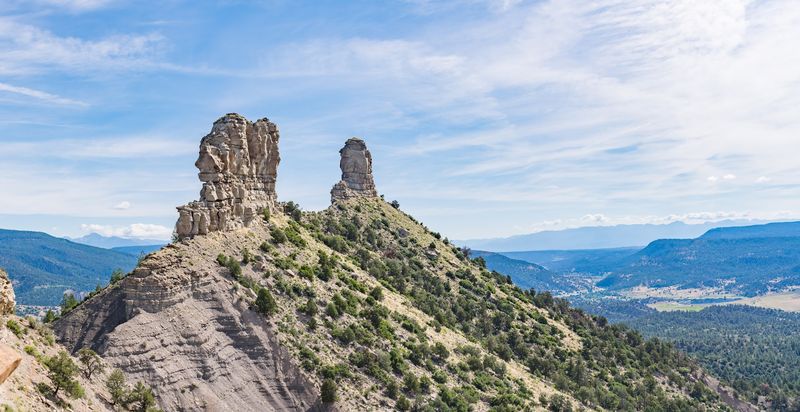
Standing at the base of Chimney Rock and craning your neck upward is one of those experiences that resets your sense of scale entirely. Near Pagosa Springs in southern Colorado, this monument sits at 7,000 feet elevation and features a Great House pueblo built directly beneath two towering rock spires that Ancestral Puebloan people considered deeply sacred.
The alignment of the spires with the lunar standstill cycle suggests an astronomical sophistication that still impresses modern researchers.
The monument operates seasonally from May 15 through October 15, so timing your visit matters. Guided tours are available and genuinely worth taking – the context they provide transforms a scenic hike into something much more meaningful.
Evening astronomy programs are offered periodically and sell out fast, so check the schedule ahead of time if stargazing alongside ancient ruins sounds appealing to you.
The hike to the Great House is moderately challenging, about 2 miles round trip with elevation gain, but the views from the top are the kind that make you forget your legs were complaining three minutes ago. Families with older kids handle it well.
Pair this stop with a meal in Pagosa Springs afterward and you have a genuinely satisfying day trip that feels both adventurous and historically rich.
4. Lowry Pueblo National Historic Landmark
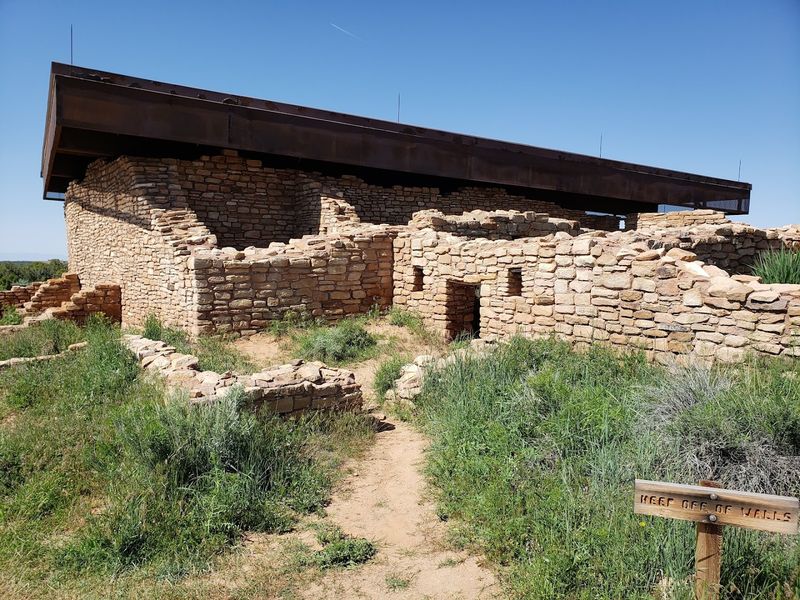
Lowry Pueblo has a quiet confidence about it. Tucked within the vast Canyons of the Ancients National Monument near Pleasant View, this BLM-managed site preserves a 40-room pueblo and one of the largest great kivas in the Southwest – a circular ceremonial chamber that once served as the community gathering heart of an entire village.
The whole site is around 1,000 years old, and visiting it costs nothing beyond the effort of showing up.
The access road is unpaved but manageable for most vehicles in dry conditions. Interpretive signs along the short trail do a solid job of explaining what you are looking at without being condescending.
Kids who might fidget at a traditional museum tend to engage here because they can get physically close to the actual structures. That proximity to history is something you cannot manufacture.
Lowry does not attract the massive crowds that Mesa Verde pulls, which means you can stand in front of the great kiva in near-total silence and actually absorb the atmosphere. Early mornings in spring and fall are particularly atmospheric.
Combine this with a stop at nearby Hovenweep and you have a full day of ancient history without ever feeling rushed. This one is a genuine sleeper hit on the Colorado ruins circuit.
5. Escalante Pueblo
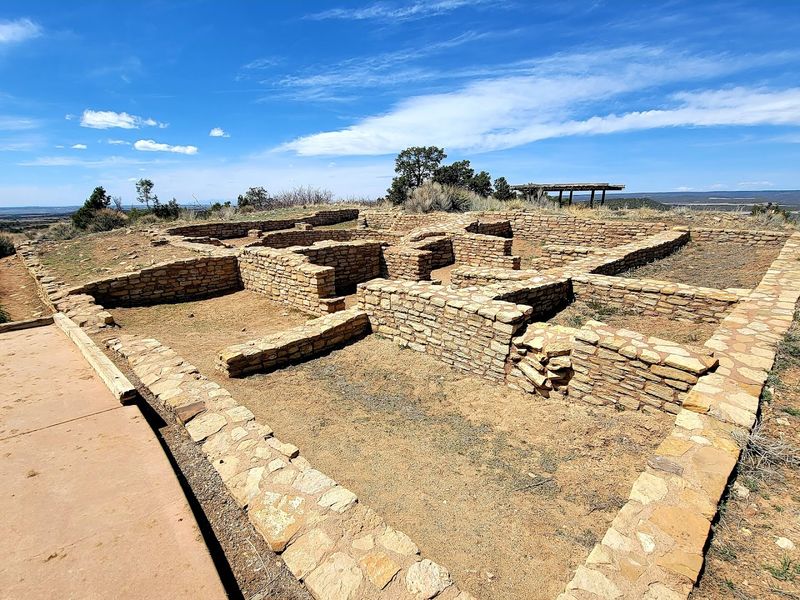
There is something refreshingly honest about Escalante Pueblo. Located within Canyons of the Ancients near Dolores, this site does not try to dazzle you with dramatic cliff settings or towering spires.
What it offers instead is direct, unfiltered contact with a 12th-century Ancestral Puebloan community – stone walls still standing, room outlines still readable, the whole footprint of a village laid out in front of you like a quiet conversation across ten centuries.
The BLM-maintained hiking trail to the pueblo is open year-round, making this a viable destination even during shoulder seasons when other Colorado ruins sites are closed or restricted. The trail itself is relatively short and accessible, suitable for most fitness levels including families with younger children who can manage a modest walk on uneven terrain.
What I appreciate most about Escalante is the interpretive context available at the trailhead. A good sign panel sets the stage before you even take your first step.
Standing inside the ruins themselves, you get a real sense of how densely this landscape was once populated. The Dolores area is deeply underappreciated by most Colorado visitors, and Escalante Pueblo is exactly the kind of discovery that makes regional road-tripping so genuinely rewarding.
6. Sand Canyon Pueblo
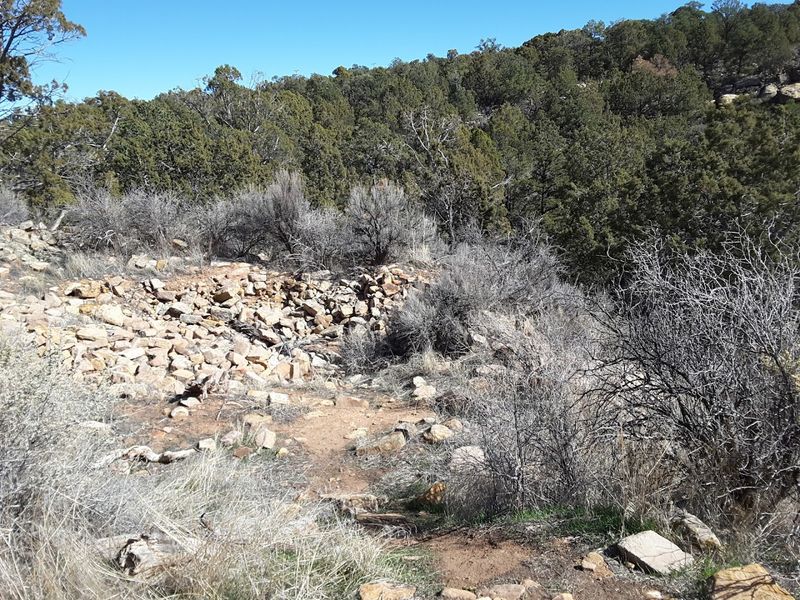
Sand Canyon Pueblo is where the scale of ancient Puebloan civilization really starts to sink in. Located within Canyons of the Ancients near Cortez, this site was once one of the largest villages in the entire region – at its peak, it may have housed several hundred people across hundreds of rooms and dozens of kivas.
Walking the main trail and spotting the scattered room blocks and wall remnants, you start mentally reassembling what this place once looked like buzzing with daily life.
BLM manages public access to archaeological sites along the main trail, and the experience is genuinely self-directed in the best way. There are no ticket lines, no timed entry windows, no crowds jostling for the same photo angle.
Just you, a trail, and one of the most significant archaeological sites in Colorado. Early morning visits in spring or fall deliver the most comfortable hiking conditions and the best light for photography.
The full trail runs several miles, so wear proper footwear and carry more water than you think you need. The terrain is desert scrub – beautiful in a spare, honest way, but unforgiving if you underestimate it.
Sand Canyon rewards visitors who come prepared and curious. This is the kind of site that serious history enthusiasts put at the very top of their Colorado list.
7. Painted Hand Pueblo
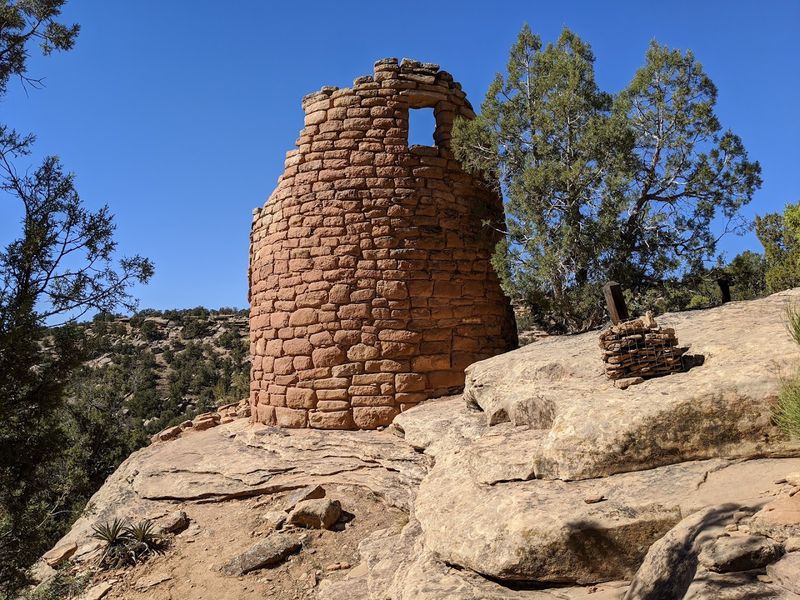
Painted Hand Pueblo earns its name from a single striking detail: a painted handprint left on a nearby rock face by the people who once lived here. That image – human, personal, unmistakably intentional – hits differently than any interpretive sign ever could.
Located within Canyons of the Ancients near Cortez, this site features a well-preserved stone tower alongside room blocks that date back roughly a thousand years, making it one of the more visually compelling stops in the entire monument.
BLM has rerouted and improved the access road to Painted Hand Pueblo and added new visitor facilities, which makes the logistics considerably smoother than they used to be. The site remains one of the monument’s publicly accessible cultural highlights, and the improvements have not diminished the sense of discovery you feel arriving here.
It still feels like finding something rather than being herded toward it.
Plan for a short but rewarding walk from the parking area to the ruins. The tower itself is the centerpiece, but spend time scanning the surrounding rock surfaces for additional rock art – there is more to find if you look carefully.
Visiting in the morning means better light on the pictographs and cooler temperatures for the walk. Painted Hand Pueblo is compact, memorable, and genuinely moving in a way that larger, more-visited sites sometimes struggle to achieve.
8. Animas Forks Ghost Town
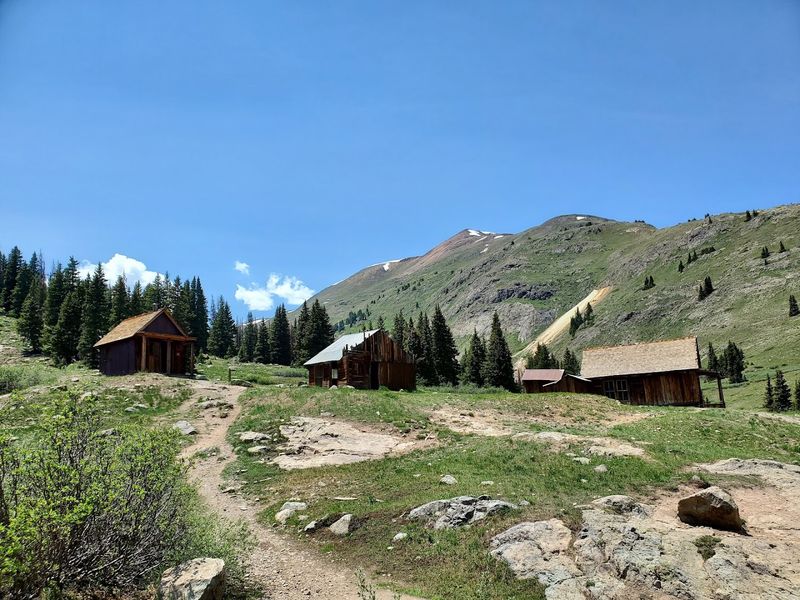
Animas Forks sits at nearly 11,200 feet elevation, and it wants you to know that. The air is thin, the wind is persistent, and the cluster of weathered wooden buildings that remain from this 1870s silver mining settlement look like they have been arguing with the weather for 150 years and are still somehow standing.
Located near Silverton on the famous Alpine Loop, this ghost town is one of the most atmospheric high-altitude historic sites in the entire Rocky Mountain region.
Access is best from May through October because of high-country road conditions – the drive in via the Alpine Loop requires a high-clearance vehicle and a certain comfort level with mountain roads that have no guardrails and plenty of opinions. If that sounds like your kind of Saturday, Animas Forks will absolutely deliver.
The abandoned buildings, including a distinctive bay-windowed house, are remarkably intact and entirely photogenic.
Summer wildflowers surrounding the ruins push the visual drama into genuinely unfair territory. I have seen photos from here in late July that look like someone composited a ghost town onto a painting.
Combine this stop with the broader Alpine Loop drive and you have a full-day adventure that earns every single mile. Animas Forks is rugged, remote, and completely worth the effort.
9. Independence Ghost Town
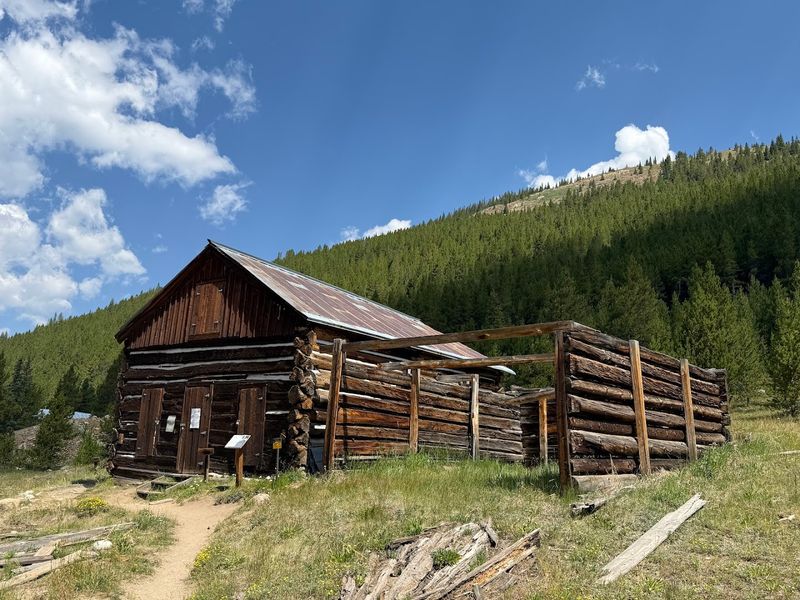
Independence Ghost Town has a name that carries real weight. Founded on July 4, 1879 – hence the patriotic title – this former gold mining camp sits at over 10,000 feet elevation along Highway 82, east of Aspen on the road to Independence Pass.
The Aspen Historical Society confirms the site is open for self-guided exploration while Independence Pass road is open, which typically runs late spring through early fall depending on snowpack.
What makes Independence particularly accessible is its roadside location. You do not need a high-clearance vehicle or a trail map – you pull over, walk in, and start exploring the remains of log cabins, mine structures, and community buildings that once housed hundreds of hopeful prospectors.
At its peak in the early 1880s, the town had a hotel, saloons, and a school. Now it has ghosts and extraordinary mountain views.
The interpretive signage here is excellent, walking you through the town’s rise and rapid decline as gold deposits thinned and brutal winters drove residents away. Pair this stop with a drive over Independence Pass itself and you have one of the most scenic and historically layered half-days available anywhere near Aspen.
Bring a jacket regardless of the season – that elevation means business.