
12 Colorado Spring Day Trips That Feel Like Pure Magic
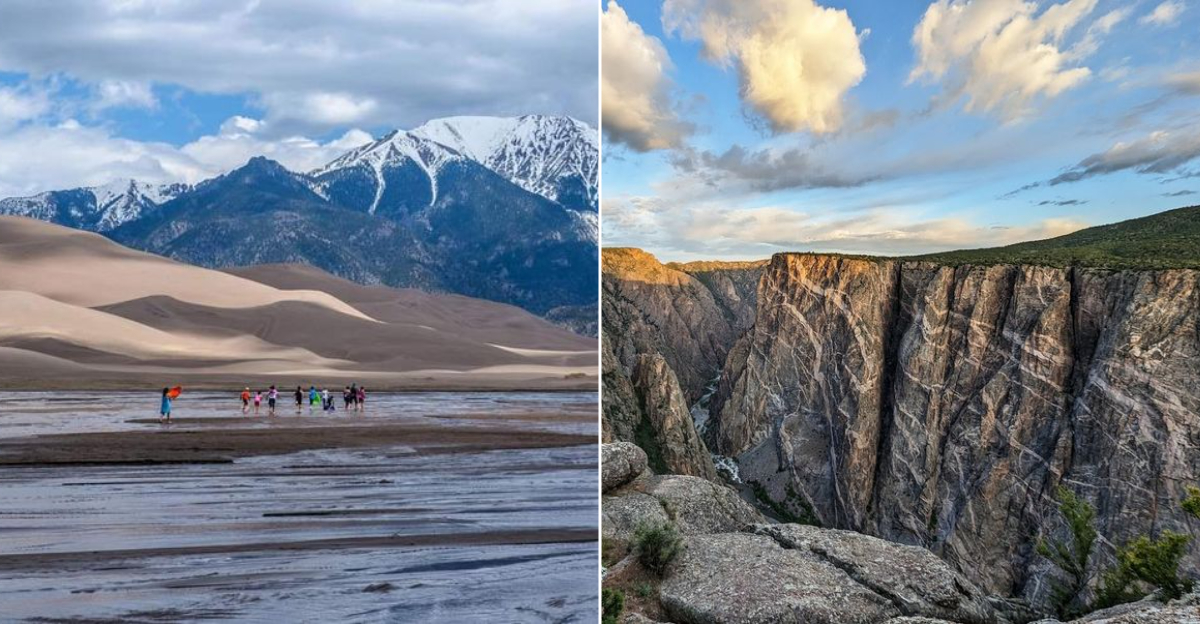
Colorado knows how to make an ordinary day feel like the opening scene of an adventure you were absolutely meant to have. Spring brings out the season’s sneaky charm, with fewer crowds, fresh blooms, and glowing landscapes that somehow look even better in real life than they do on your camera roll.
One minute you are loading snacks into the car, the next you are standing in front of views so outrageous they feel almost made up.
Whether you are wrangling kids, escaping for a sweet weekend with your favorite person, or setting off solo with a playlist and zero obligations, there is no shortage of unforgettable escapes.
Each route feels like a tiny getaway, big on wonder, low on fuss, and perfect for a spontaneous memory-making mission too. Pack the cooler, charge the phone, and let Colorado’s spring magic turn one day into something wildly memorable all season long.
1. Garden of the Gods Park — Colorado Springs
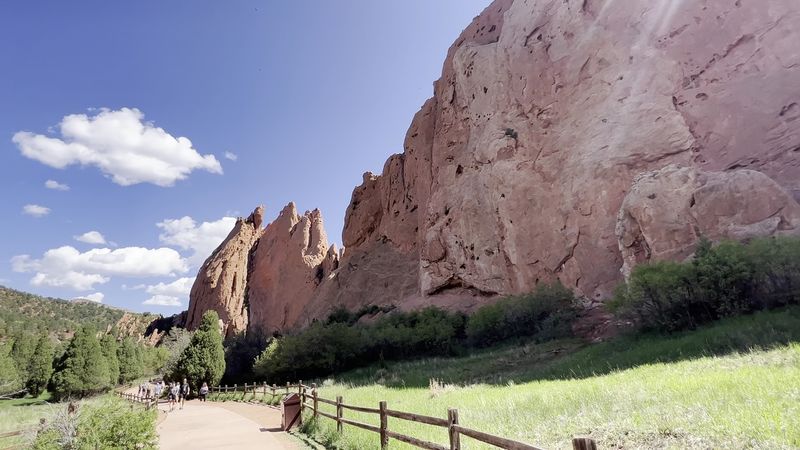
There are places that make you stop mid-sentence and just stare, and Garden of the Gods is absolutely one of them. The red sandstone formations here rise up like something from a geology textbook that decided to go completely wild.
Standing at the base of one of those spires, you feel appropriately small in the best possible way.
Spring is a fantastic time to visit because the crowds haven’t fully arrived yet and the scrub oak is just starting to turn green again. The park is open year-round and free to enter, which honestly feels like a mistake someone never corrected.
You can walk paved trails or hit the dirt paths, and either way the views reward every step.
Families with kids will appreciate the visitor center, where the geology and Native American history of the area are explained in ways that actually hold a child’s attention. Grab coffee in Colorado Springs before you go and plan for at least two to three hours on the ground.
Bring layers because spring mornings here still carry a sharp chill that disappears once the sun climbs higher.
2. Great Sand Dunes National Park and Preserve — Mosca
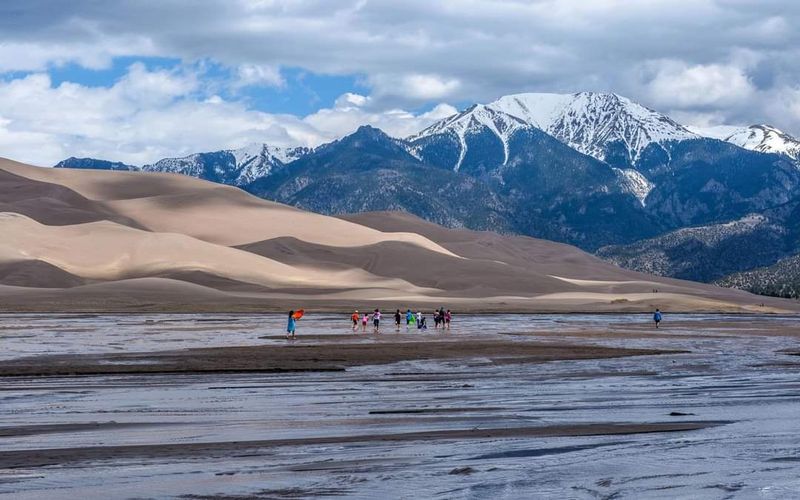
Nothing quite prepares you for your first look at the Great Sand Dunes. You are driving through flat San Luis Valley farmland, and then suddenly there they are: enormous golden dunes stacked against snowcapped mountains like nature made a bet with itself and won decisively.
Spring brings a bonus that summer visitors miss entirely. Medano Creek, a seasonal stream that runs along the base of the dunes, flows strongest in late spring, and wading through it while staring up at a 700-foot sand wall is a surreal experience that kids absolutely lose their minds over.
The park is open around the clock every day of the year, so early risers can catch the dunes in that soft morning light before the wind picks up.
Wear sturdy shoes for climbing, because the sand is soft and the ascent is more workout than it looks from the parking lot. Pack sunscreen, plenty of water, and a snack you don’t mind finding sand in later.
The drive from Denver takes about four hours, so this one works best as a long day or an overnight. Either way, it earns its reputation without breaking a sweat.
3. Hanging Lake — Glenwood Canyon near Glenwood Springs
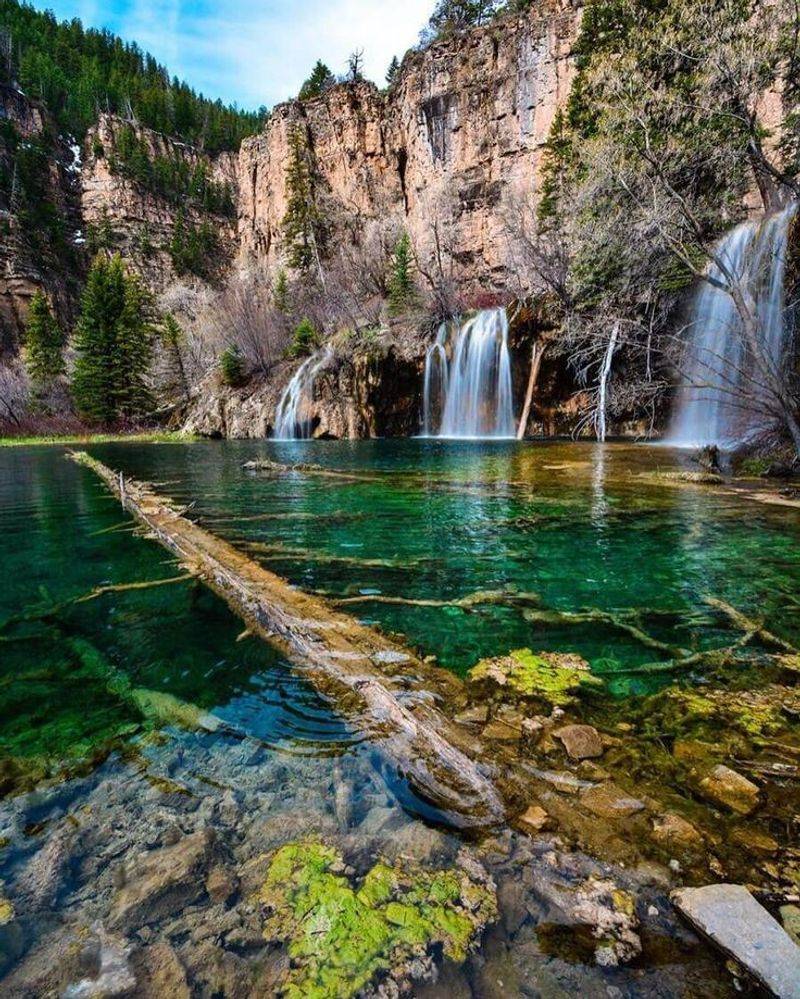
Hanging Lake sits in Glenwood Canyon like a secret the canyon has been keeping for centuries, and the moment you see that impossibly turquoise water you will completely understand the fuss. The lake formed when a geological fault caused the lake bed to drop away from the surrounding plateau, leaving it suspended on a ledge above the canyon floor.
That backstory alone makes the hike feel like a field trip worth taking.
The trail is about 2.4 miles round trip but climbs roughly 1,000 feet, so it earns its dramatic payoff. A timed-entry permit is required year-round, which is actually a blessing because it keeps the experience from turning into a traffic jam on a narrow trail.
Book your permit early, especially for spring weekends when the waterfalls feeding the lake are running at full force.
Glenwood Springs itself is worth building into the day. The Glenwood Hot Springs Resort pool is open daily, and soaking those trail-tired legs in warm mineral water after the hike is the kind of reward that makes you feel genuinely clever for planning it.
The canyon drive along I-70 is spectacular on its own, so the whole corridor delivers from the moment you exit the highway.
4. Mesa Verde National Park — near Cortez
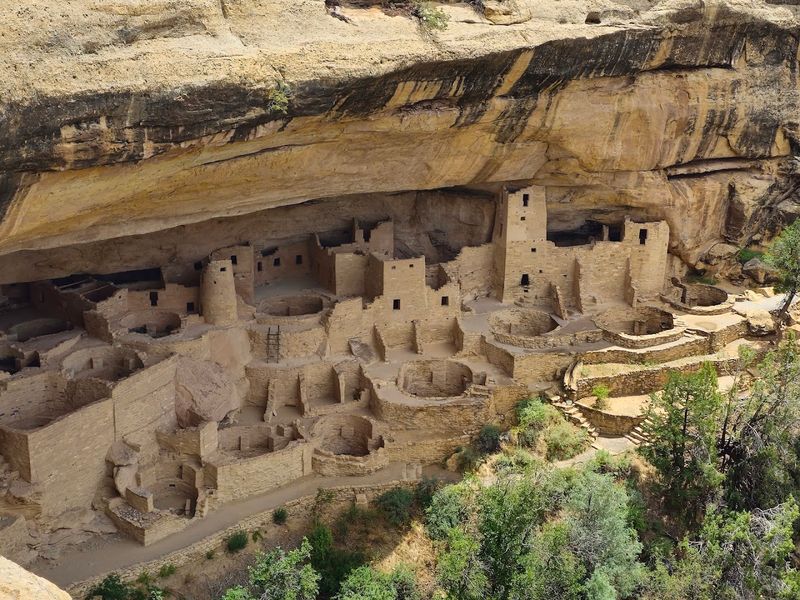
Mesa Verde is one of those places that rewires how you think about human ingenuity. The Ancestral Puebloans built entire communities into the faces of sheer sandstone cliffs roughly 700 to 1,400 years ago, and walking through those structures today still produces a genuine shiver of awe that no photograph fully captures.
Spring is an underrated time to visit because visitor services are running daily while the summer crush hasn’t descended yet. The park sits near Cortez in the southwest corner of Colorado, making it a longer haul from Denver but a very reasonable drive from Durango or Albuquerque.
The mesa-top views in spring, when the desert scrub is greening up after winter, have a quiet, almost meditative quality.
Ranger-led tours of Cliff Palace and Balcony House are the highlights, and they fill up fast so booking ahead is smart. Wear shoes with solid grip because the ladders and narrow passages are part of the experience.
Kids who have even a passing interest in history tend to become completely absorbed here in a way that surprises their parents. Pack lunch, because dining options inside the park are limited and the surrounding landscape invites a proper picnic anyway.
5. Royal Gorge Bridge & Park — Cañon City
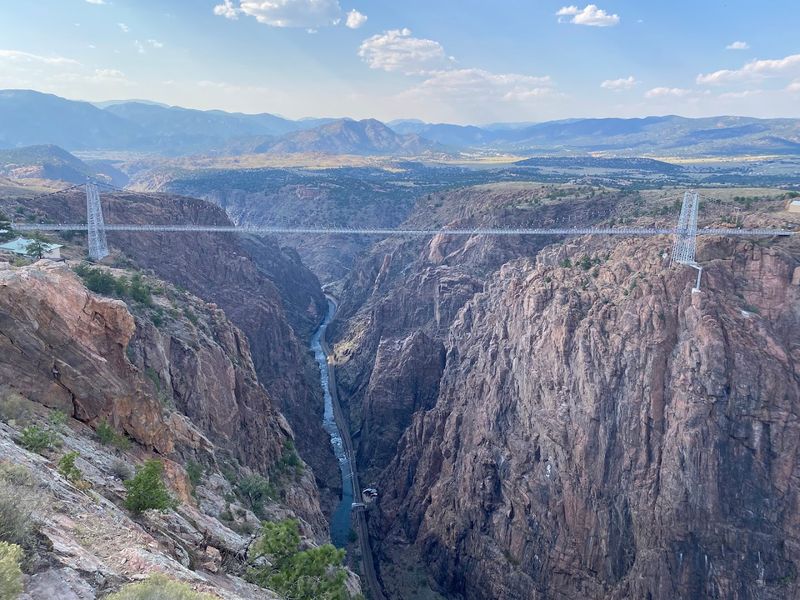
Standing on the Royal Gorge Bridge with 956 feet of open air between your sneakers and the Arkansas River below is one of those experiences that sorts people very quickly into two camps. Either you stride confidently to the middle and lean on the railing, or you grip the cable and take very small steps.
Both responses are completely valid and equally entertaining for your travel companions.
The bridge held the record as the world’s highest suspension bridge for decades, and even now that it has been surpassed in height elsewhere, it still delivers the stomach-drop drama that earned its reputation. The park surrounding it includes a gondola, zip line, and a tram ride down into the gorge itself.
Spring access is available 365 days a year, weather permitting, so early-season visits are very doable.
Cañon City is a charming small town worth exploring before or after the gorge. The drive down from Colorado Springs takes under an hour and the road through the canyon is genuinely beautiful.
Families with older kids will get the most mileage out of the adventure features, but even a simple walk across the bridge and back justifies the trip on its own merits entirely.
6. The Broadmoor Seven Falls — Colorado Springs
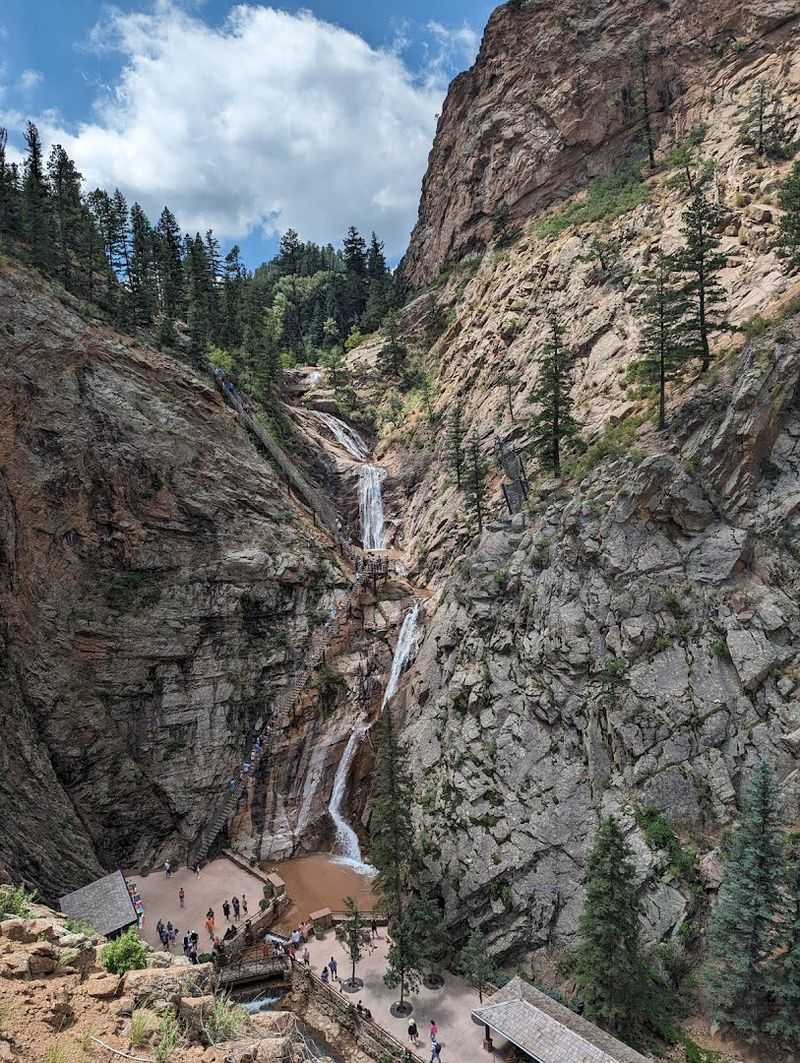
Seven Falls has been called the grandest mile of scenery in Colorado, and while that kind of marketing language usually invites skepticism, standing at the base of those seven stacked waterfalls in a narrow red granite canyon makes the claim feel surprisingly defensible. The falls drop a combined 181 feet and the canyon walls rise dramatically on both sides, creating a natural amphitheater effect that amplifies both the sound and the spectacle.
The spring 2026 season kicked off on March 13, which means the falls are running strong from snowmelt when you visit in the early warm months. A staircase of 224 steps climbs alongside the falls for those who want the elevated view, and the top rewards the effort with panoramic canyon scenery that earns its own photographs.
The experience is managed through The Broadmoor resort, so expect polished facilities and good visitor infrastructure.
Colorado Springs is an easy base for this stop, and pairing Seven Falls with Garden of the Gods in the same day creates a genuinely spectacular double feature without any serious driving between them. Arrive in the morning when the canyon light is most dramatic and the crowds are still manageable.
Spring weekends here fill up, so an early start is always the smarter play.
7. Glenwood Hot Springs Resort — Glenwood Springs
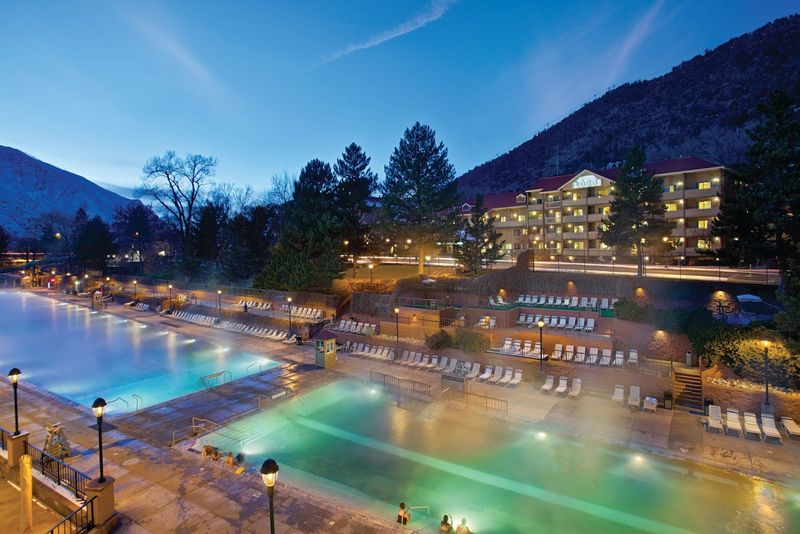
After a week of ordinary life, sliding into a 405-foot outdoor mineral pool with canyon walls rising on both sides and a cool spring breeze crossing your face feels like an upgrade you should have scheduled sooner. Glenwood Hot Springs Resort operates the largest natural hot springs pool in the world, a fact that sounds like tourism brochure exaggeration until you actually see the thing stretching out before you.
The pool is open daily, which makes spontaneous planning completely viable. Water temperatures vary between the main pool and the therapy pool, giving you options depending on whether you want a leisurely soak or something closer to sitting in a very pleasant soup.
Spring is ideal because the air temperature keeps the experience comfortable without the summer crowds turning the deck into a scene from a busy airport.
Glenwood Springs itself is a genuinely likable mountain town with good restaurants and easy walkability along the Colorado River. Pair the soak with the Hanging Lake hike earlier in the day and you have constructed a near-perfect Colorado itinerary with minimal effort.
Kids love the waterslide addition, parents love the therapy pool, and everyone agrees the drive through Glenwood Canyon on I-70 is worth the trip alone.
8. Red Rocks Park & Amphitheatre — Morrison
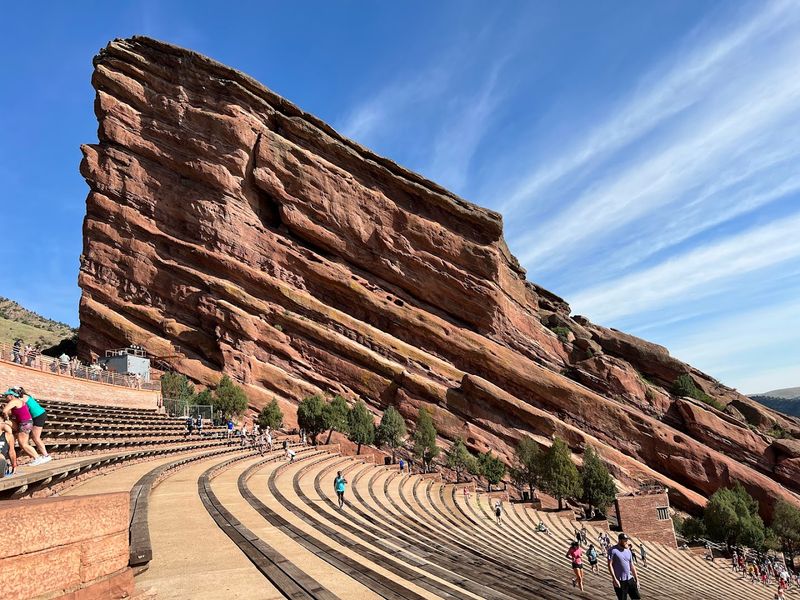
Red Rocks is one of those places that locals visit so often they start taking it for granted, which is a genuine shame because first-time visitors consistently react like they’ve stumbled onto a movie set. Two enormous sandstone monoliths called Ship Rock and Creation Rock flank a natural outdoor amphitheater that seats nearly 10,000 people, and the acoustic design is so perfectly accidental that engineers still study it.
No concert ticket is required to enjoy the park itself. Trails wind through the formations daily around sunrise to sunset, admission is free, and parking costs nothing.
Spring mornings here carry a particular quality of light that photographers chase specifically, when the red rocks glow warm against a sky that hasn’t yet committed to full blue. The Trading Post Trail is a popular loop that delivers the full geological drama without demanding serious fitness.
Morrison is only about 15 miles from Denver, making Red Rocks the most accessible magic on this entire list. A morning hike followed by brunch in Morrison or a short drive into Denver makes for a satisfying half-day that requires almost no planning.
If a spring concert happens to fall on your visit date, attending a show here belongs on a proper bucket list without any argument.
9. Georgetown Loop Railroad — Georgetown and Silver Plume
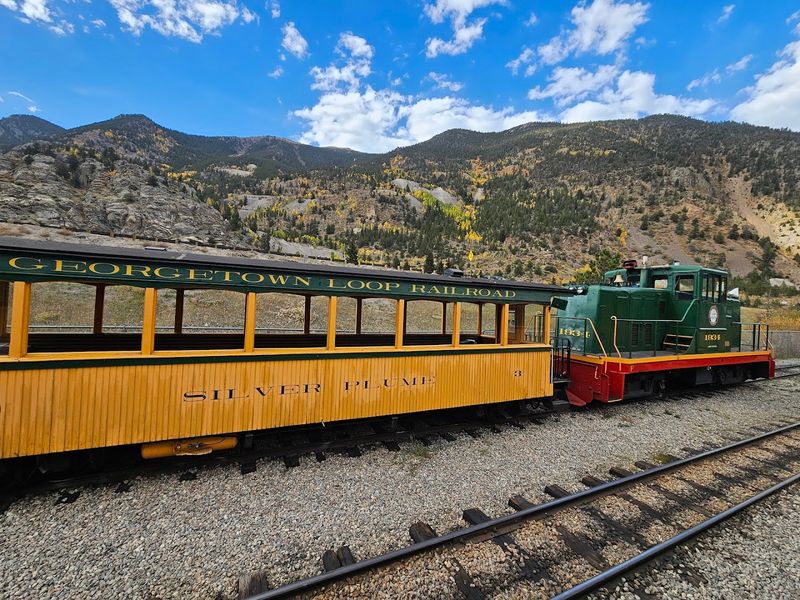
The Georgetown Loop Railroad is the kind of experience that makes adults quietly admit they have been waiting their whole lives to ride a proper mountain train. The narrow-gauge route between Georgetown and Silver Plume climbs 640 feet in just under five miles, crossing the famous high trestle bridge that made Victorian-era tourists gasp and still earns that reaction today.
The 2026 spring season opens on March 20, so early-season visitors get the added treat of snow-capped peaks framing the valley while the lower elevations are just beginning to show green. The trip takes about an hour round trip and includes optional mine tours at the Lebanon Silver Mine along the route.
Kids are reliably enchanted by the whole operation, and adults tend to get equally absorbed once the train starts climbing.
Georgetown itself is a beautifully preserved Victorian mining town worth wandering before or after the ride. The main street has character without being overly polished, and the mountain backdrop makes even a casual coffee stop feel cinematic.
From Denver, the drive is about an hour on I-70, which means this pairs beautifully with a stop at Clear Creek or a quick detour through Idaho Springs for lunch. The whole corridor delivers generously for a single day.
10. Colorado National Monument — near Fruita and Grand Junction
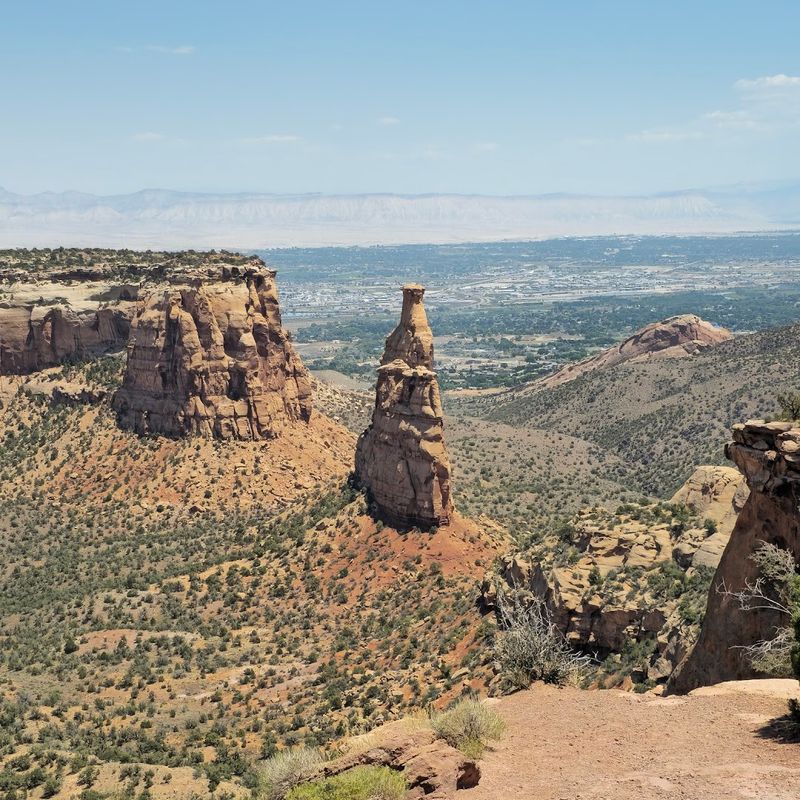
Colorado National Monument operates on a scale that makes you reconsider your understanding of the word large. The canyon walls drop 2,000 feet in places, the mesas stretch for miles, and the color palette runs from deep burgundy to burnt orange in a way that seems digitally enhanced until you realize this is just what western Colorado looks like when it’s being honest.
The monument is open around the clock every day of the week, so sunrise visits from the canyon rim are a completely legitimate option for early risers willing to make the drive. Rim Rock Drive is a 23-mile scenic road that connects Fruita and Grand Junction with overlooks positioned at regular intervals, each one delivering a different angle on the same jaw-dropping geology.
Spring brings a scattering of wildflowers along the canyon edges that adds unexpected softness to the dramatic landscape.
Fruita is a small town with a genuine outdoor culture and decent coffee, making it a good base for the morning. Grand Junction offers more dining options if you want a proper lunch before heading home.
The monument sees far fewer visitors than Colorado’s more famous parks, which means you can stand at an overlook with genuine solitude in spring, something that feels increasingly rare and genuinely precious in the national park system.
11. Rocky Mountain National Park — Estes Park and Grand Lake
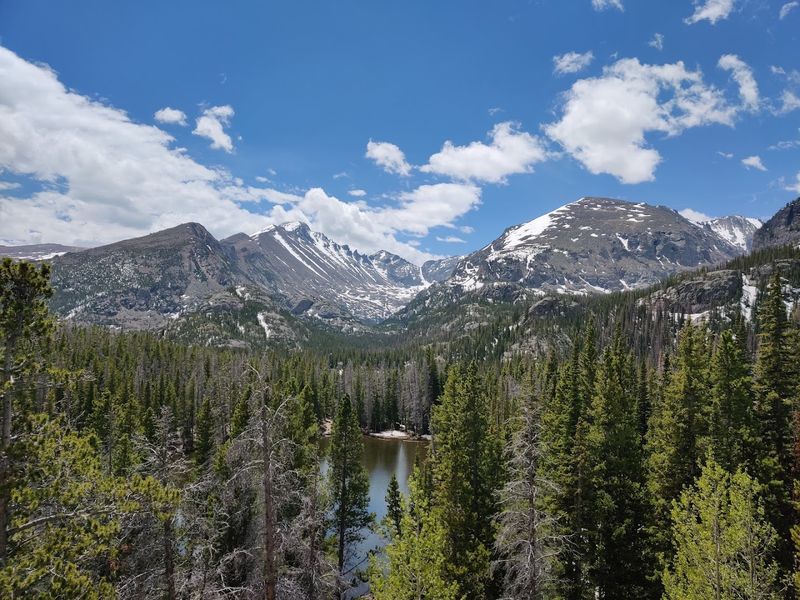
Rocky Mountain National Park is the kind of place that makes you want to call someone just to say you are standing in it. More than 300 miles of trails, 77 mountain peaks above 12,000 feet, and one of the most spectacular scenic drives in North America all exist within a single park boundary.
In spring, the park operates without the timed-entry permit system that kicks in on May 22, 2026, which means earlier visits come with a logistical freedom that summer crowds simply don’t allow.
Trail Ridge Road, the highest continuous paved road in the United States, begins opening in sections as snowpack allows, offering views that require no hiking whatsoever to appreciate. Elk are reliably visible in the meadows near Moraine Park and Horseshoe Park in the early morning hours, and spotting a herd against a backdrop of snowy peaks is the kind of wildlife encounter that stays with you for years.
Estes Park serves as the eastern gateway and has a lively main street full of fudge shops, outfitters, and restaurants. Grand Lake on the western side is quieter and equally charming.
From Denver, Estes Park is about 90 minutes, making this one of the most achievable grand-scale adventures on the entire Front Range without requiring any serious commitment beyond an early alarm.
12. Black Canyon of the Gunnison National Park — near Montrose
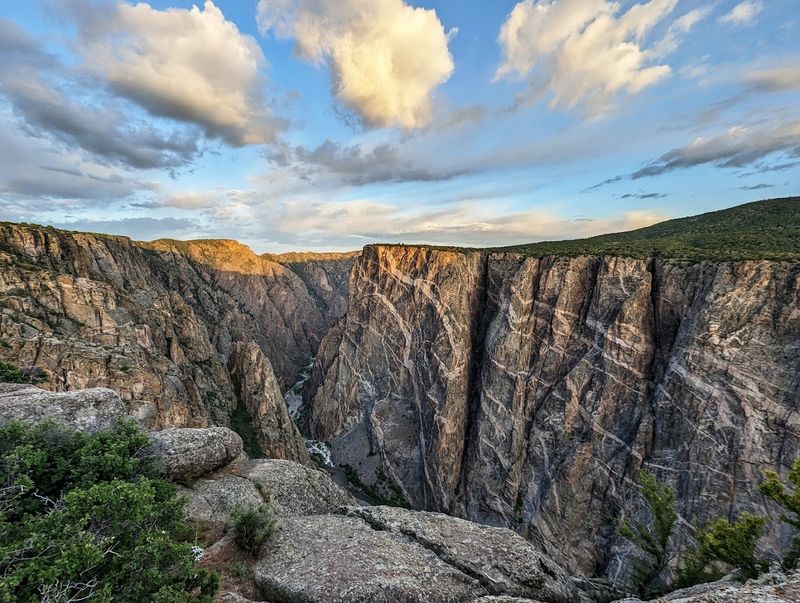
Black Canyon of the Gunnison earns its name in a way that feels almost theatrical. The canyon walls are so steep and narrow in places that the sun only reaches the canyon floor for a few minutes each day, leaving the dark Precambrian rock in perpetual shadow.
Standing at the South Rim overlook and staring down 2,700 feet to the Gunnison River is the kind of experience that rearranges your internal sense of scale.
The park is open year-round, though spring road conditions on some routes can vary, so checking ahead before a visit is a sensible move. The South Rim Drive connects a series of overlooks along the canyon edge, and each one presents a slightly different and equally vertiginous perspective on the same geological drama below.
Spring visitors get uncrowded trails and crisp mountain air without the high-season parking headaches that arrive with summer.
Montrose is a practical base with good dining and easy highway access to the park. The canyon sees a fraction of the visitors that more famous Colorado parks attract, which is genuinely baffling given the scale of what is on offer here.
If you appreciate landscapes that feel raw and unfiltered rather than polished for tourism, Black Canyon belongs near the top of your Colorado list without any qualification whatsoever.