
10 Illinois Natural Wonders Most People Don’t Know About
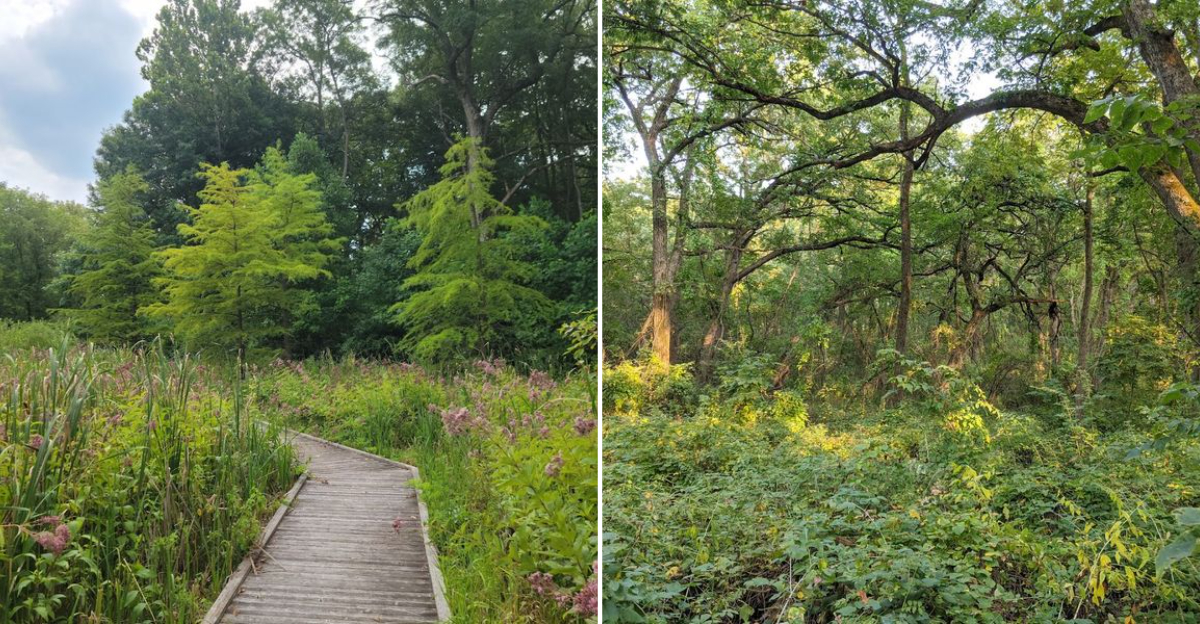
Illinois is often reduced to Chicago skylines and long stretches of farmland, but that picture leaves a lot out. Scattered across the state are landscapes that feel unexpected the moment they come into view. These places don’t draw attention to themselves.
They sit just outside familiar routes, easy to overlook unless someone points them out. I keep returning to them because each visit feels different.
Light shifts. Water levels change. Wildlife appears and disappears without warning. Even a short visit can reset the pace of a day.
This list focuses on places that are real, accessible, and worth the drive. The spots that show a side of Illinois most people never think to look for.
1. Roy E. Larsen Sandyland Sanctuary, Havana, Illinois
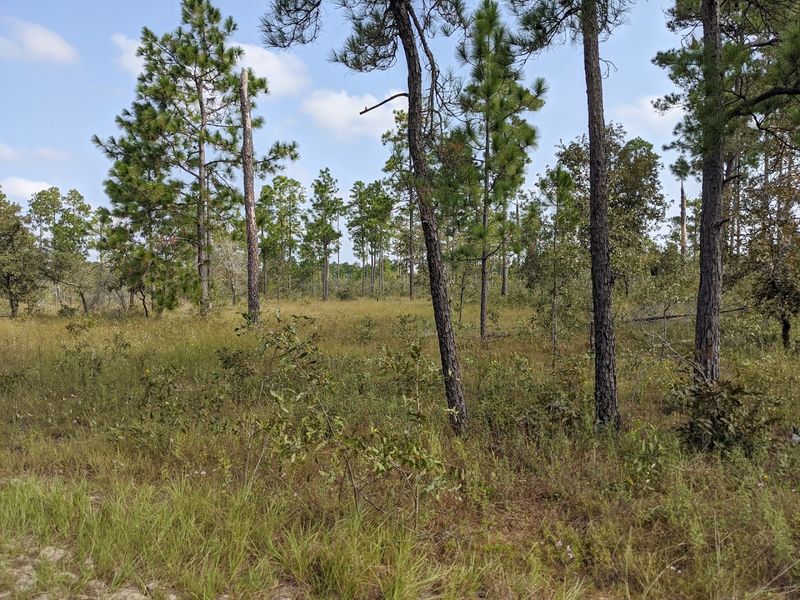
Sand dunes in Illinois? Yes, that is actually a thing.
The Henry Allan Gleason Nature Preserve protects one of the rarest ecosystems in Illinois: a high-quality sand prairie.
The sandy soils here were shaped by ancient river systems and glacial processes, creating a landscape that feels surprisingly distinct from much of central Illinois.
The preserve features open-grown oaks spaced across sandy ground, creating a landscape that feels surprisingly different from the typical woodlands of central Illinois.
The Illinois Department of Natural Resources manages this preserve, protecting remnant prairie communities that once covered large portions of the region.
Spring and early fall are ideal times to visit, when wildflowers bloom across the sandy clearings and migrating birds pass through.
There are no busy crowds here, just quiet trails and the sound of wind through the oaks. If you have never seen this type of landscape before, your first visit to Sandyland will genuinely catch you off guard in the best possible way.
2. Boger Bog Conservation Area, Bull Valley, Illinois
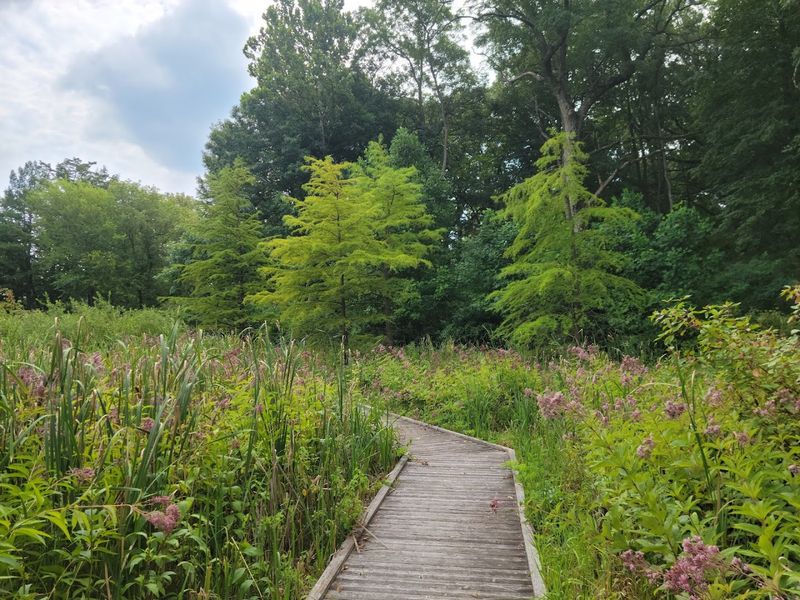
Bogs are some of the rarest wetland types in Illinois, and Boger Bog Conservation Area in Bull Valley is one of the best examples still standing.
This McHenry County Conservation District property features a rare wetland complex that includes fen-like conditions alongside woodland and prairie habitat.
What makes a bog special is its chemistry. The water here is extremely acidic and low in nutrients, which means only highly specialized plants can survive.
The nutrient-poor wetland conditions support specialized plant communities that are uncommon in most parts of Illinois. That alone makes this place feel almost otherworldly.
The preserve is compact but packed with ecological interest. Birdwatchers will appreciate the variety of species that use this wetland during migration, and botanists regularly visit to study the rare plant communities.
Visiting in late spring or early summer gives you the best chance of spotting the bog at its most vibrant. Honestly, once you see a functioning bog up close, it is very hard not to become completely fascinated by how it all works together.
3. Hickory Grove Highlands and Lyons Prairie and Marsh, Cary, Illinois
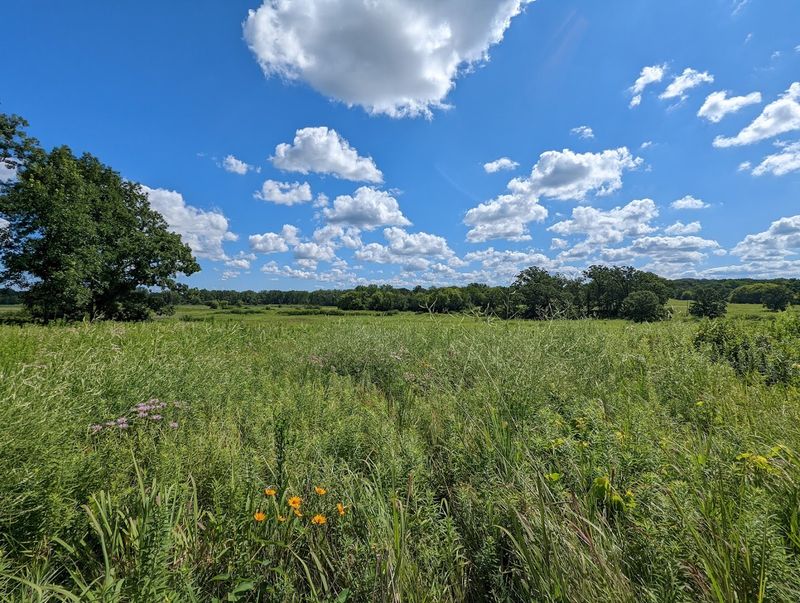
Two natural communities in one location make this spot a double win for nature lovers. Hickory Grove Highlands and Lyons Prairie and Marsh, with multiple access points, is managed by the McHenry County Conservation District and spans a mix of upland savanna, restored prairie, and marsh habitat.
The prairie section blooms with native wildflowers from late spring through early fall, turning the landscape into a patchwork of purple, gold, and orange.
Meanwhile, the marsh draws in a wide range of waterfowl and wading birds, making it a reliable birding destination throughout the year. A variety of wetland and grassland bird species can be seen here depending on the season.
Trails here are well-maintained and accessible for most fitness levels, making it easy to spend a full morning exploring both habitats without feeling rushed.
The contrast between the open prairie and the dense marsh vegetation is visually striking and gives you a real sense of how diverse Illinois ecosystems can be.
Pack a pair of binoculars, bring a wildflower guide, and plan to stay longer than you originally intended, because this place has a way of making time disappear.
4. Stickney Run Conservation Area, Woodstock, Illinois
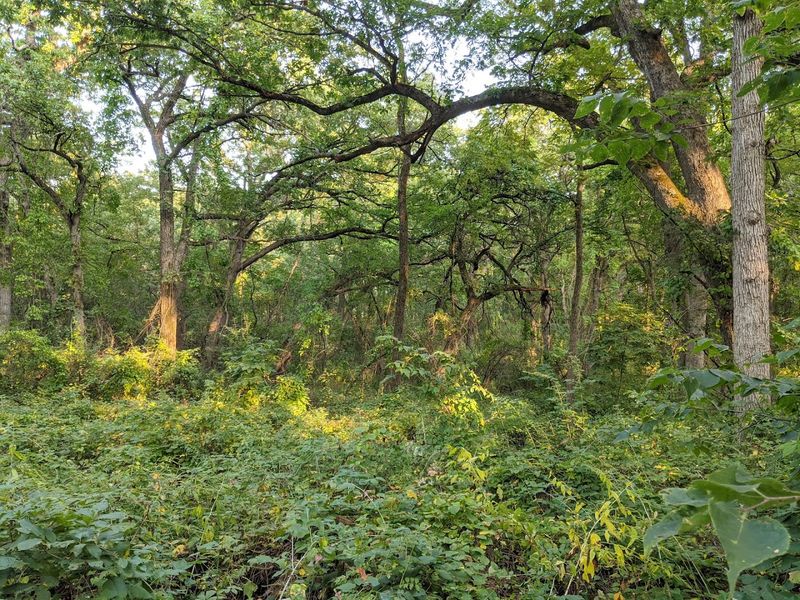
Not every natural wonder needs to be massive to be memorable. Stickney Run Conservation Area is a quiet natural area managed by the McHenry County Conservation District with short wooded trails and a small pond.
The site features wooded walking trails, a fishing pond, and diverse wildlife habitat that make it a relaxing place to explore.
The stream corridor supports a rich community of native plants, insects, and wildlife that depend on clean, flowing water. Wildflowers carpet the forest floor in spring, and the canopy provides welcome shade during summer hikes.
This is a great spot for families with younger kids because the terrain is relatively gentle and the stream provides natural entertainment. Children love exploring the creek edges and looking for aquatic insects and small fish.
The peaceful atmosphere here feels genuinely removed from the suburban sprawl nearby, which is part of what makes it so refreshing. Stickney Run may not be on any top-ten tourist list, but locals who know about it tend to return again and again throughout the seasons.
5. Kishwaukee Headwaters Conservation Area, Woodstock, Illinois
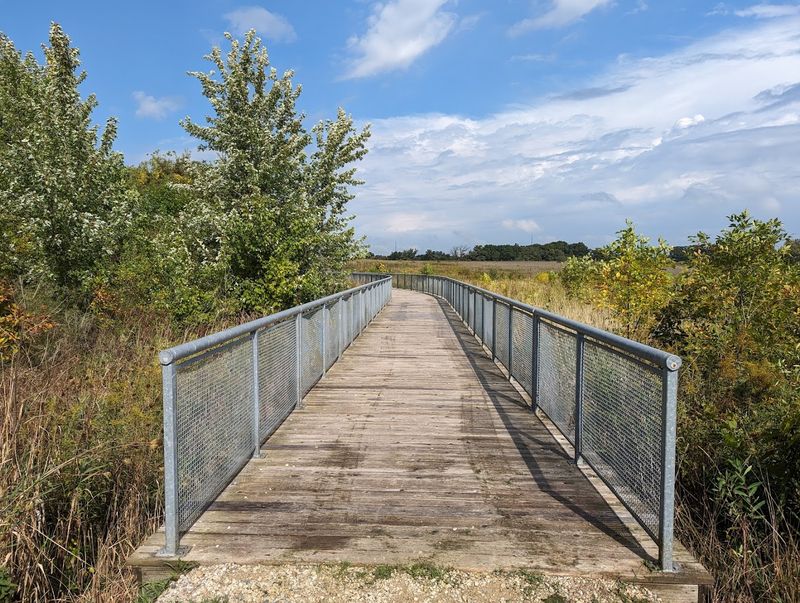
Rivers have to start somewhere, and the Kishwaukee Headwaters Conservation Area is where the Kishwaukee River begins its journey across northern Illinois.
This McHenry County Conservation District property protects the sensitive upper reaches of the watershed, where small streams and wetlands feed into the river system.
Headwater areas like this one are critically important for water quality downstream. They filter runoff, slow floodwaters, and provide habitat for species that cannot survive in larger, more disturbed waterways.
Visiting this preserve gives you a rare chance to see a river system at its very beginning, which is a perspective most people never get to experience.
The landscape here combines wet meadows, sedge marshes, and upland areas that support a wide range of plant and animal life. Spring is particularly spectacular when migratory songbirds move through the area and early-season wildflowers emerge from the wet soil.
The preserve has a working, natural quality to it that feels less manicured than many parks, and that rawness is exactly what makes it worth the trip. Bring waterproof boots if you plan to explore the wetter sections of the trail.
6. Winding Creek Conservation Area, Hebron, Illinois
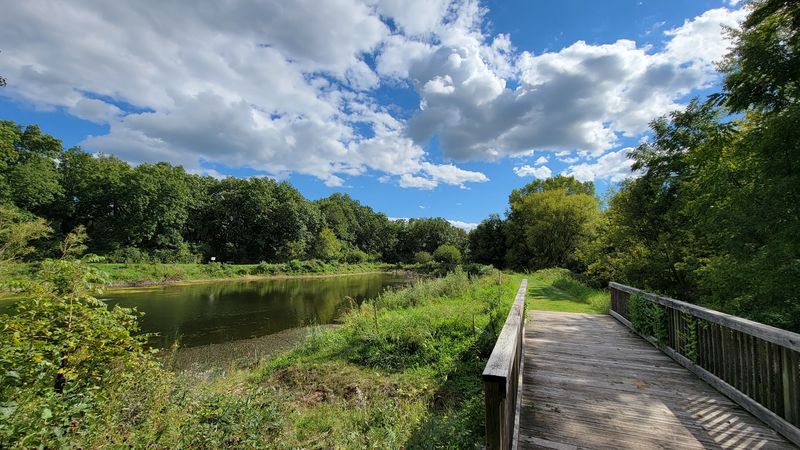
There is something almost meditative about watching a creek wind slowly through an open meadow, and Winding Creek Conservation Area in Hebron delivers exactly that kind of peaceful experience.
This McHenry County Conservation District property features restored prairie and woodland habitats near the Nippersink Creek corridor.
The surrounding landscape reflects ongoing restoration efforts that support native plant communities and local wildlife. These natural meanders slow the flow of water, reduce erosion, and create diverse microhabitats along the stream banks where wildlife can find food and shelter.
It is a perfect example of how a healthy stream system is supposed to behave when left to its own devices.
Butterflies and dragonflies are abundant here during summer, making it a surprisingly productive spot for insect enthusiasts. The open meadow areas also attract grassland-nesting birds that are becoming increasingly rare in the region.
Trails are easy to navigate and the flat terrain makes this a comfortable outing for all ages. Winding Creek is one of those places that looks unremarkable on a map but completely wins you over the moment you arrive and start paying attention.
7. William and Gayle Keefer Nature Reserve, Rockton, Illinois
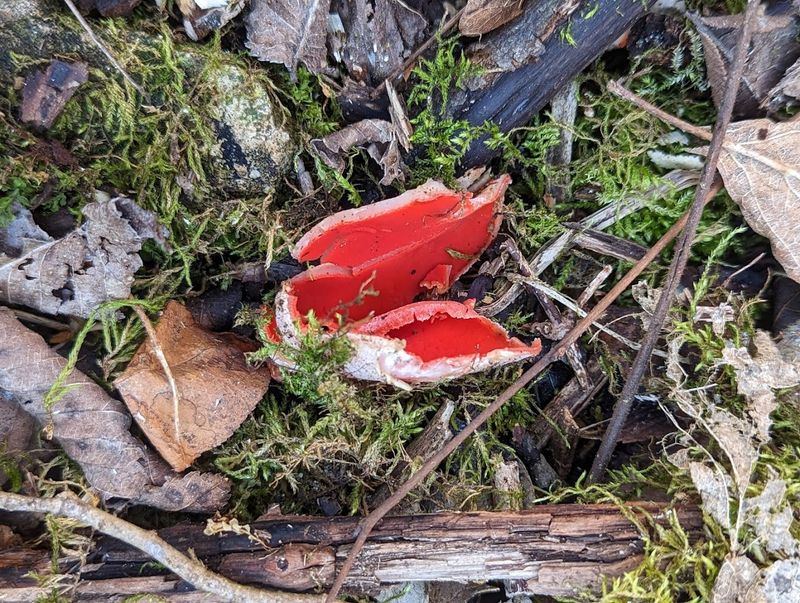
Named in honor of two dedicated conservationists, the William and Gayle Keefer Nature Reserve in Rockton is a forested gem tucked into Winnebago County.
The reserve is accessed via Woodlands Park at the corner of Falcon Point Place and Park View Court in Rockton, IL and is managed to protect native ecosystems in the area.
The preserve includes woodlands, remnant prairie, and former quarry areas that create a varied landscape. Tall oaks and hickories form a dense canopy that filters the sunlight into soft, shifting patterns on the forest floor below.
In spring, the understory comes alive with trilliums, mayapples, and other native wildflowers that bloom before the tree leaves fully open and cut off the light.
The reserve is compact and the trail system is straightforward, making it an accessible outing even for casual visitors. But do not let its modest size fool you.
The ecological quality of the forest here is impressive, with a diverse native plant community that reflects decades of careful stewardship.
Fall is another excellent time to visit, when the hardwood canopy turns brilliant shades of red and orange. This is the kind of place that reminds you why local conservation efforts matter so much.
8. Oxbow Springs, Pecatonica, Illinois
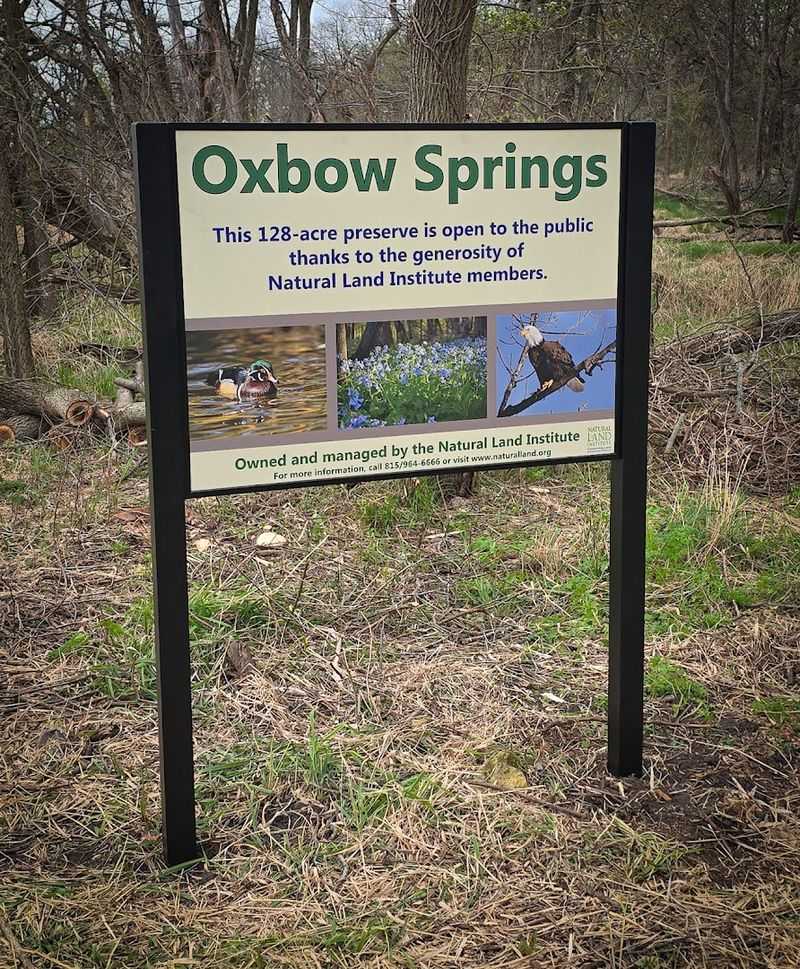
Natural springs are rare and special, and Oxbow Springs near Pecatonica is one of the most underappreciated of its kind in all of Illinois. This preserve sits in Winnebago County and protects a cold-water spring system that feeds into the Pecatonica River watershed.
Springs like this one maintain a near-constant water temperature year-round, which makes them critical refuges for cold-water dependent species like certain fish, insects, and aquatic plants.
The water that emerges from the ground here has been filtering slowly through the earth for years, and the result is remarkably clear and clean. Watching the water bubble up from the source is one of those simple natural experiences that never gets old.
The surrounding landscape includes wooded floodplain and upland areas that add variety to any visit. Birding is productive here year-round because the consistent water source attracts wildlife even during dry periods.
Spring and fall migrations bring a parade of warblers and other songbirds through the tree canopy. If you have a soft spot for places that feel genuinely untouched and quietly extraordinary, Oxbow Springs is going to rank high on your list of Illinois favorites.
9. Lind-McGeachie Preserve, Rockford, Illinois
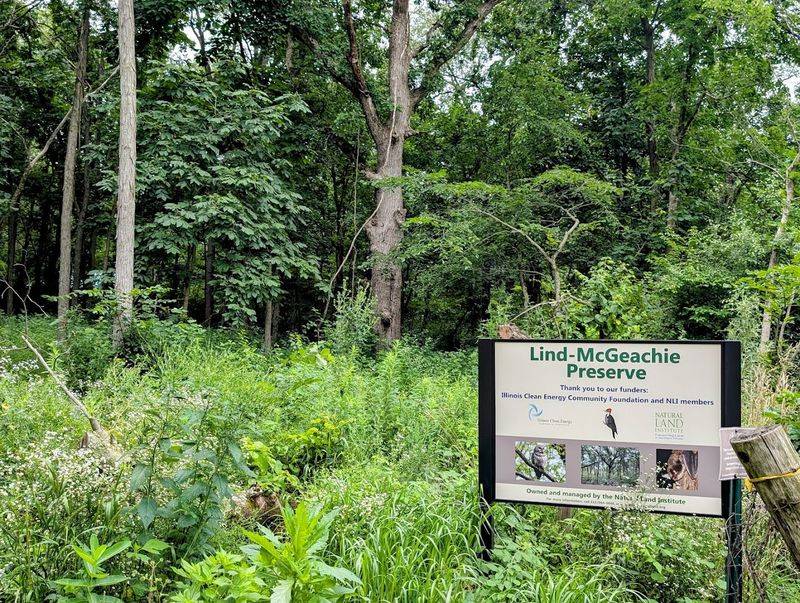
Just outside of Rockford, the Lind-McGeachie Preserve offers a landscape that blends restored prairie, savanna, and river corridor habitat in a way that feels both wild and carefully tended. This Natural Land Institute preserve features woodlands and pollinator-friendly habitats that provide a quiet natural setting.
The preserve offers a mix of wooded trails and open areas that change with the seasons. Trails wind through woodland and meadow areas, offering a peaceful and accessible hiking experience.
The preserve is especially beautiful in late summer when native grasses and wildflowers reach their full height and the river shimmers below the bluffs.
Wildlife sightings are common here. White-tailed deer, foxes, and a wide range of songbirds all use this corridor regularly.
The combination of open habitat and wooded edges creates ideal conditions for species that need both cover and foraging space.
Lind-McGeachie is the kind of preserve that rewards repeated visits because something different is always happening depending on the season and the time of day you choose to explore.
10. Lost Flora Fen on Raccoon Creek, Rockton, Illinois
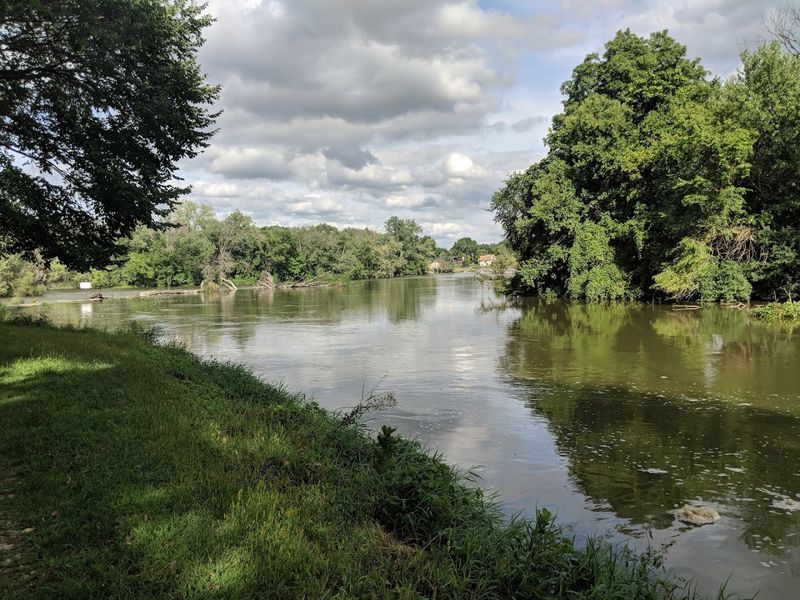
The name alone is enough to spark curiosity, and the Lost Flora Fen on Raccoon Creek in Rockton more than lives up to it. This preserve protects a rare groundwater-fed wetland system with plant communities associated with fen and sedge meadow habitats.
The site is influenced by groundwater seepage, which supports specialized plant species that are uncommon in Illinois.
Many of the plants growing here are considered threatened or endangered in Illinois, which makes this fen an important site for botanical research and conservation.
The sedge meadows, native orchids, and other fen-dependent species create a visual tapestry that is unlike anything you will find in a typical Illinois wetland. Ecologists get genuinely excited about places like this, and once you see it for yourself, you will understand why.
The preserve is managed with the kind of careful attention that rare habitats require, and visitors are asked to stay on designated paths to protect the fragile plant communities. Visiting in early to midsummer offers the best wildflower display.
If you care about biodiversity and want to see something truly irreplaceable, a trip to Lost Flora Fen is one of the most meaningful natural experiences Illinois has to offer.