
This Recreated Illinois Fort Is A Little-Known Spot Where Lewis And Clark’s Journey Began
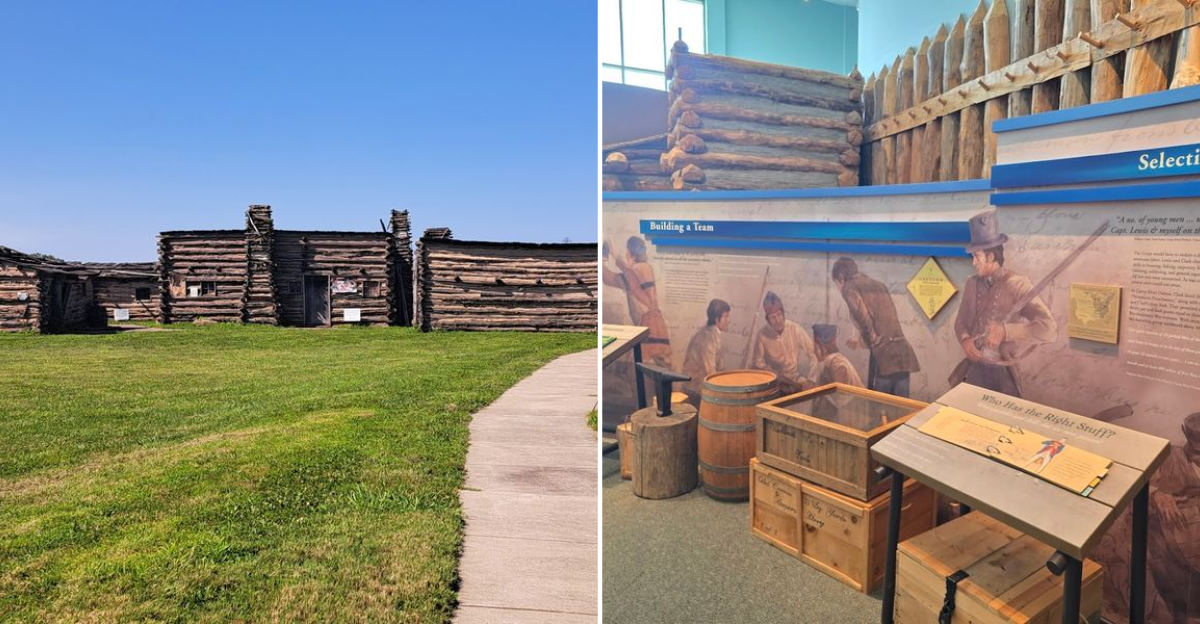
Most people think the Lewis and Clark Expedition started somewhere out west, but the real starting point is sitting quietly along the Illinois side of the Mississippi River, just a short drive from St. Louis.
The Lewis and Clark (Camp River Dubois) State Historic Site interprets the area where the Corps of Discovery spent the winter of 1803 to 1804 preparing for one of the most ambitious journeys in American history.
The exact camp location has shifted out of reach as the rivers changed course, but the setting still carries the weight of what started here. A reconstructed fort, a full-size replica keelboat, and interactive exhibits bring that chapter of history to life in a way that feels surprisingly personal.
If the idea of tracing the first steps of Lewis and Clark has ever crossed your mind, this quiet stop in southwestern Illinois offers a more grounded, less mythologized place to begin.
The Winter Camp
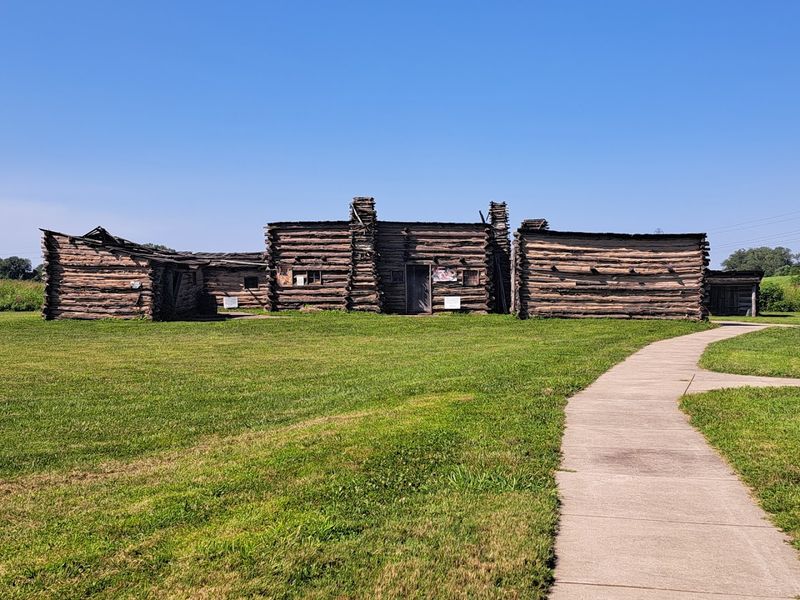
Before a single westward mile was traveled, there was a muddy riverbank in Illinois and a group of men learning how to survive. Camp River Dubois, also called Camp Dubois, was established in the winter of 1803 as the staging ground for the entire Corps of Discovery expedition.
Meriwether Lewis and William Clark used this location to recruit soldiers, gather supplies, and train their team for the journey ahead.
The camp was located near the confluence of the Mississippi and Missouri Rivers, along the Wood River on the Illinois side, a strategically smart choice that gave the expedition easy access to the western waterway they would follow for thousands of miles.
Illinois officially designated this site as a state historic site to preserve and honor its role in American exploration history.
Visiting today, you get a real sense of how much planning and preparation went into what most people assume was a spontaneous adventure. The history here runs deeper than most expect.
A Reconstructed Fort
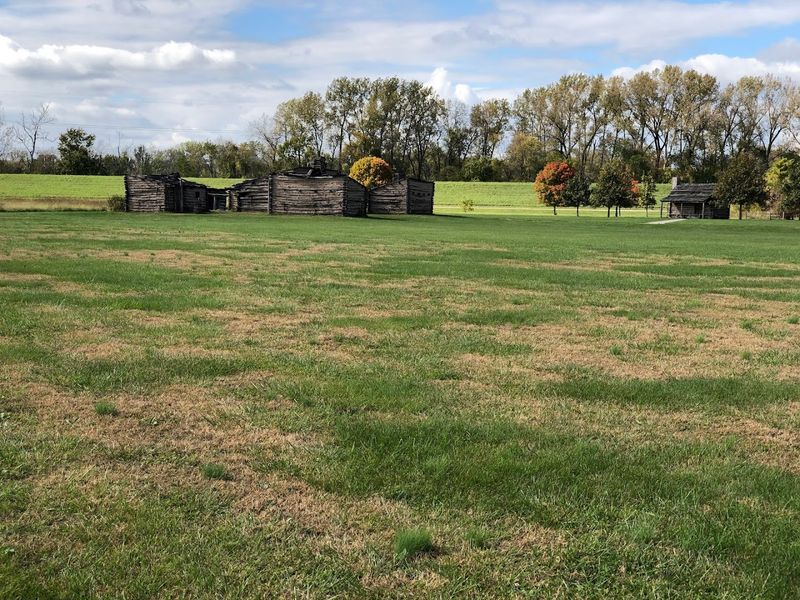
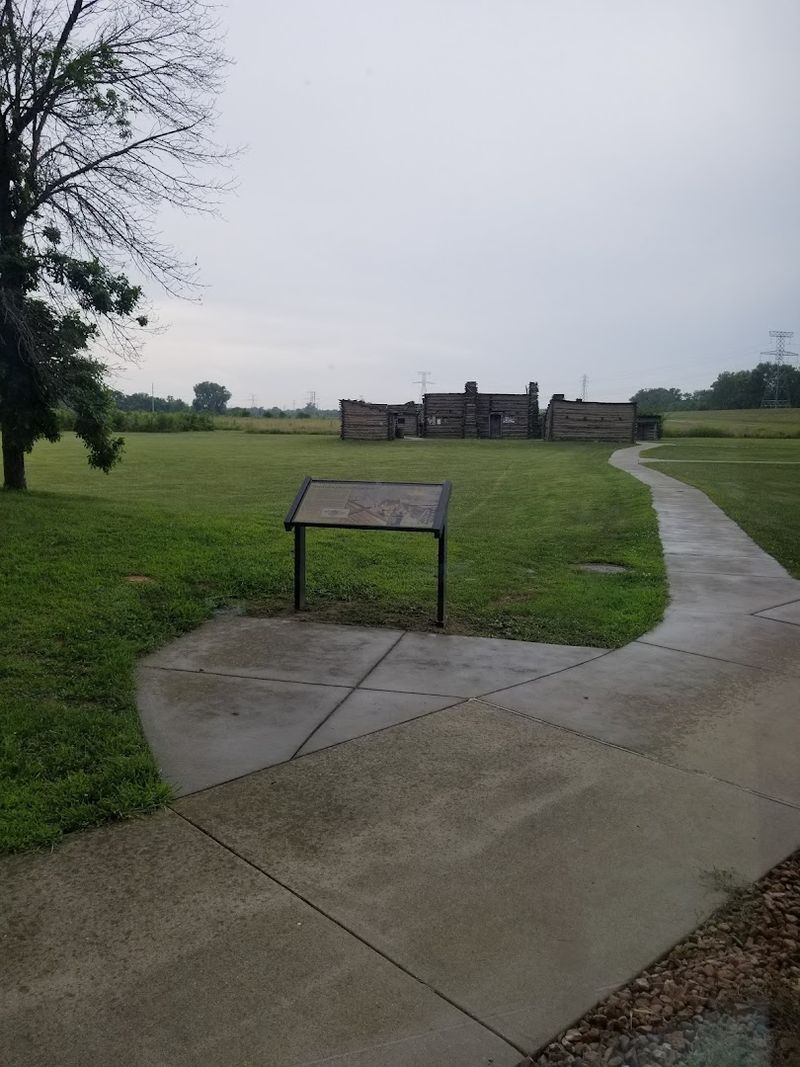
One of the most tangible things about this site is the reconstructed fort that gives visitors a physical connection to the past.
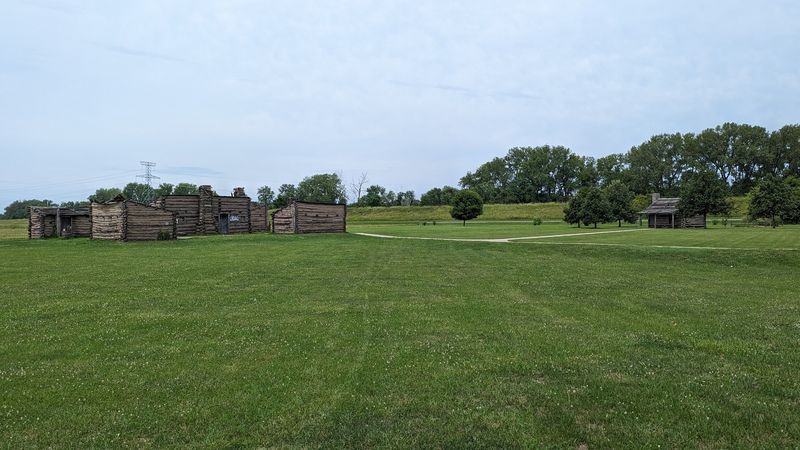
Built to reflect what the original Camp Dubois likely looked like during the winter of 1803 to 1804, the fort features log walls, simple wooden structures, and a layout that communicates just how rugged frontier life really was.
Walking around the exterior of the fort, you start to appreciate the discipline it took for over 40 men to spend an entire winter here, drilling, training, and preparing under the watch of Captain Clark. The construction style reflects the practical, no-frills approach of early 19th-century military camps.
Access to the reconstructed camp area has at times been limited or closed due to maintenance and preservation needs, so it is best to check current conditions before visiting, though viewing it from the outside can still offer a striking visual experience.
Peering through gaps in the walls and windows gives the whole visit a curious, exploratory feeling that kids and adults both seem to enjoy.
The Full-Size Keelboat Replica
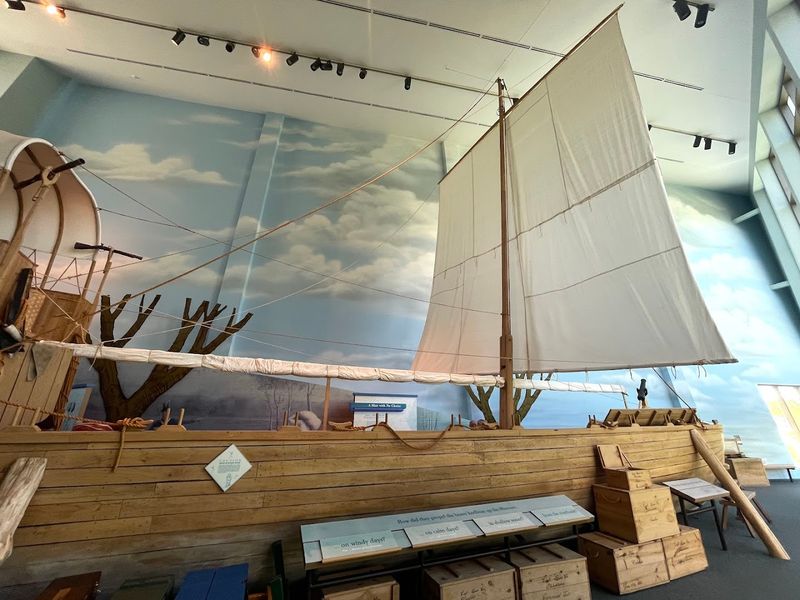
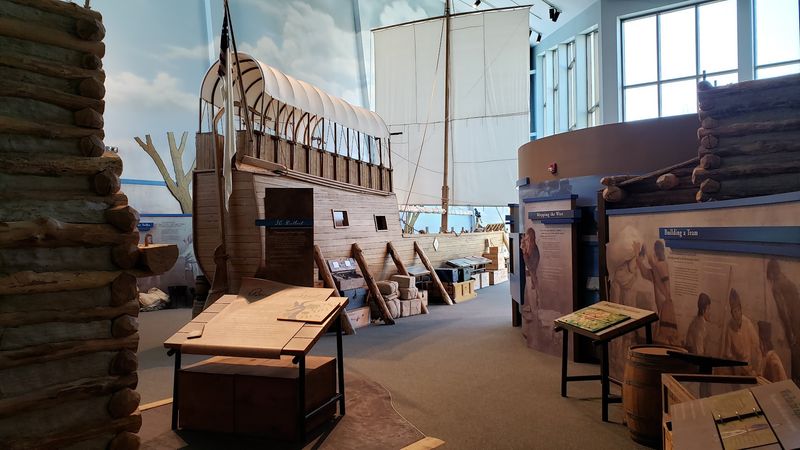
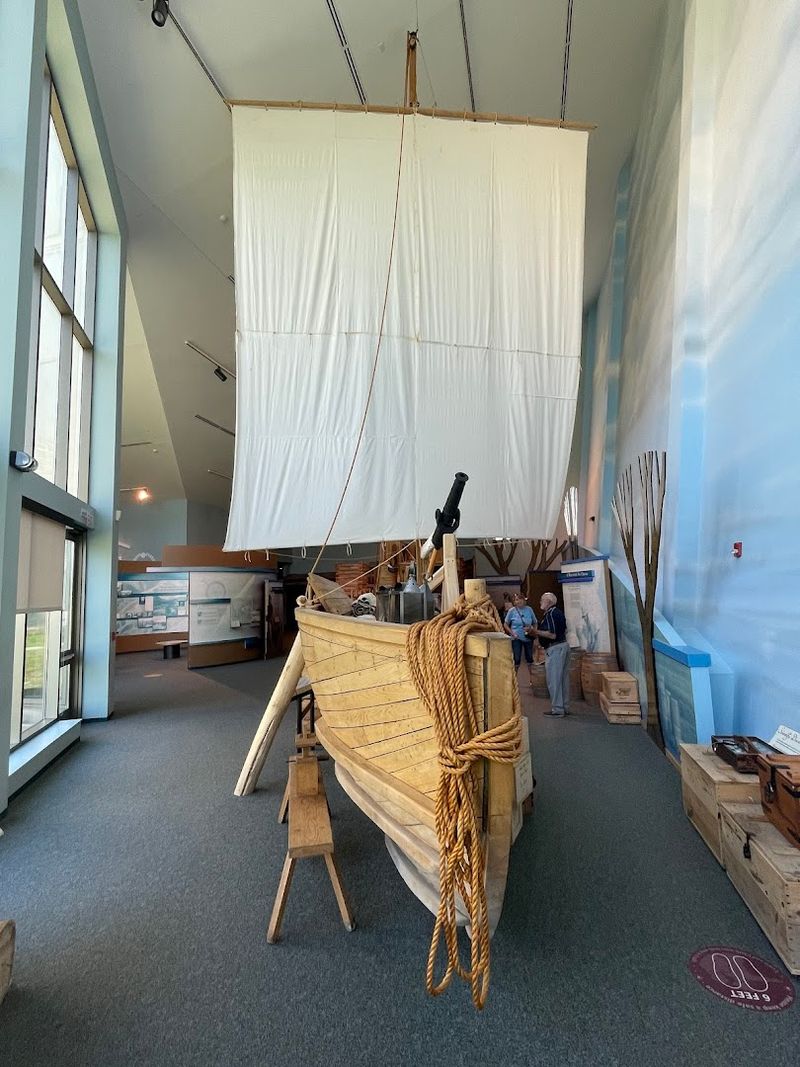
If there is one exhibit that consistently stops visitors in their tracks, it is the full-size replica of the keelboat used by the Corps of Discovery. At 55 feet long, this vessel was the primary mode of transportation for the expedition during the first leg of the journey up the Missouri River.
Seeing it up close provides a clearer sense of what traveling through uncharted wilderness in 1804 would have been like.
The keelboat replica at this site is built to scale, which means you get an honest sense of how cramped and demanding life on the water must have been for the crew. It was used to carry supplies, scientific instruments, gifts for Native American nations, and the men themselves.
The craftsmanship of the replica is impressive, and the interpretive information surrounding it explains exactly how the boat was operated, loaded, and navigated. It is one of the most visually striking features of the site and a popular subject for photos.
Free Admission
Here is something that surprises a lot of first-time visitors: admission to this entire site is completely free, and parking is free as well.
The site operates on a donations-appreciated model, which means anyone with a curiosity about American history can walk through the door without spending a single dollar.
This kind of open-access approach is rare for a site of this quality and historical significance. The museum inside is modern, well-maintained, and packed with exhibits that would easily justify a paid ticket at comparable attractions elsewhere.
The site is typically open from 9 AM to 5 PM, with hours varying by season, generally Wednesday through Sunday in fall and winter and daily during the summer.
The free admission makes this an especially smart stop for families, road-trippers, or anyone passing through the greater St. Louis area looking for a meaningful and budget-friendly experience.
Interactive Exhibits Designed For All Ages
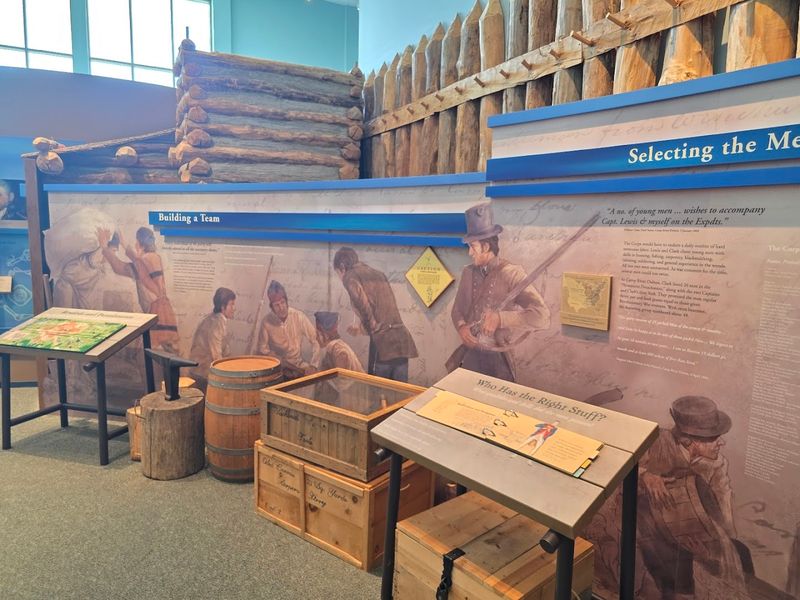
The museum inside the visitor center is far more engaging than a typical collection of dusty display cases. The exhibits here are designed to pull you into the story rather than just inform you about it.
There are interactive stations, maps you can examine closely, period tools and instruments, and displays that walk you through each phase of the expedition in a logical, story-driven sequence.
One detail that visitors often find unexpectedly charming is the chance to see the original spelling and writing style used by Lewis and Clark in their journals.
Their phonetic spellings and creative punctuation give the whole expedition a surprisingly human, relatable quality that textbooks rarely capture.
Kids tend to stay engaged longer here than at more traditional museums, partly because the scale of the exhibits and the physical artifacts make history feel tactile and real.
The layout guides you naturally from one chapter of the journey to the next, so the experience flows without feeling rushed or overwhelming.
A Short Film That Sets The Scene
Before you spend time with the exhibits, the site offers a short 15-minute film that gives you the full context of the Lewis and Clark Expedition in a compact, visually engaging format.
Shown in a comfortable, appropriately sized theater inside the visitor center, the film covers the political backdrop of the Louisiana Purchase, President Jefferson’s vision for western exploration, and the specific role that Camp River Dubois played in launching the Corps of Discovery.
Watching the film first is genuinely the smartest way to approach the rest of the museum. It frames everything you are about to see in a way that makes the exhibits feel more meaningful and connected.
The production quality is solid, and the pacing keeps even younger visitors attentive from start to finish.
Many visitors mention that the film alone was worth the stop.
It is the kind of well-crafted educational content that reminds you how much a single well-told story can reshape your understanding of a familiar piece of history.
The Strategic Location
The physical location of this site is not accidental. Camp River Dubois was deliberately placed near the confluence of the Mississippi and Missouri Rivers, two of the most important waterways in North American history.
Standing at this site today, you are near the area from which Lewis and Clark began their journey into uncharted territory.
The nearby levee road offers visitors a chance to drive or walk along the river and actually see the point where the two rivers meet. On a clear day, the view is wide and quietly dramatic, with the flat Illinois landscape stretching out in every direction and the water moving steadily in the distance.
This geographic context adds a layer of meaning to the visit that purely indoor museums cannot replicate.
Knowing that the Corps of Discovery launched from this general area on May 14, 1804, gives the surrounding landscape a weight and significance that stays with you long after you have driven away.
Knowledgeable Staff
A museum is only as good as the people inside it, and the staff at this site genuinely elevate the entire experience.
The docents and volunteers here have a clear passion for the subject matter, and they are the kind of people who will spend twenty minutes enthusiastically answering your follow-up questions without making you feel like you are holding up a tour group.
Their knowledge covers not just the basics of the expedition but also the finer details, such as the specific scientific instruments Lewis carried, the diplomatic protocols used when meeting Native American nations, and the day-to-day realities of life at Camp Dubois during that cold Illinois winter.
For visitors who prefer a more self-guided pace, the staff are respectful of that too. They are present without being intrusive, which is a balance that not every historic site manages to strike.
Their enthusiasm for sharing this corner of American history is obvious from the moment you walk through the front door.
What The Corps Of Discovery Actually Prepared Here?
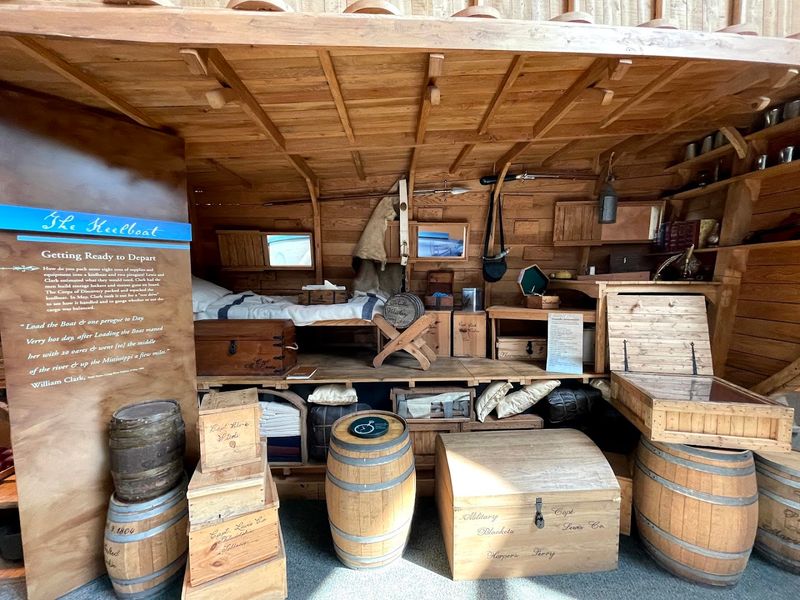
Most people know the broad strokes of the Lewis and Clark story, but fewer realize just how intensive the preparation phase was. During the winter of 1803 to 1804, the men of the Corps of Discovery were not simply waiting for spring.
They were drilling in military formations, learning to handle the keelboat, studying navigation, and stockpiling the enormous quantity of supplies needed for a journey that would cover thousands of miles through completely unmapped land.
Captain Clark managed the camp on a daily basis while Lewis traveled between the camp and St. Louis, handling logistics and receiving final instructions from President Jefferson. The two leaders were constantly coordinating, planning, and problem-solving before the expedition even officially began.
The exhibits at the site do an excellent job of communicating this preparatory period in detail. Understanding what happened at Camp Dubois reframes the whole expedition, making it clear that what followed was the result of careful, methodical planning rather than bold improvisation.
A Meaningful Day Trip From St. Louis
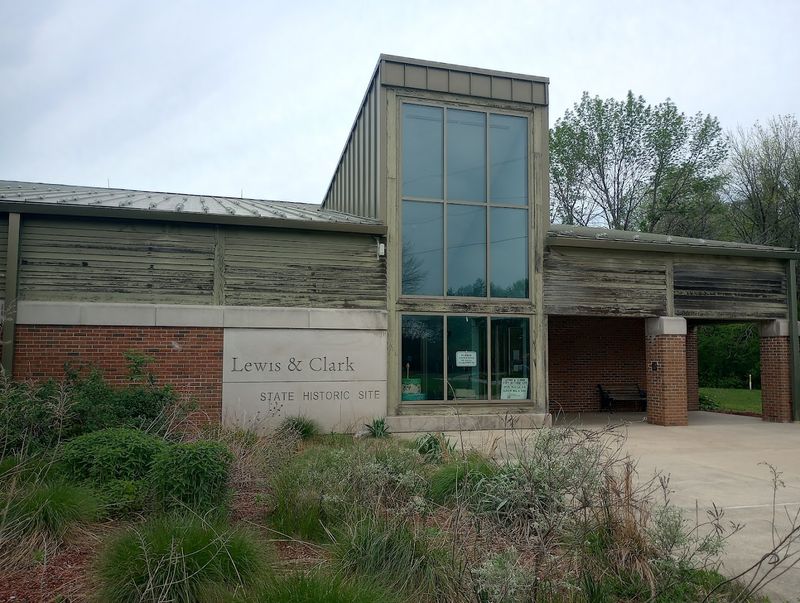
For anyone based in or passing through the St. Louis area, this site is one of the most rewarding short detours available.
Hartford, Illinois is roughly 30 minutes from Gateway Arch National Park, making it an easy and logical pairing for a day of historically themed exploration on both sides of the Mississippi River.
The visit itself typically takes about one to two hours, depending on how deeply you engage with the exhibits and whether you take time to walk the adjacent Madison County Transit Confluence Trail.
That trail runs along the riverbank and offers a peaceful, flat walk with views of the river landscape that feels like a natural extension of the on-site experience.
There is also a gift shop on site for those who want to bring home a small piece of the story. With free parking, free admission, and a location that connects so directly to one of America’s defining historical journeys, this is the kind of stop that turns a regular road trip into something genuinely memorable.