
This Florida Botanical Garden Is A Lush Tropical Paradise Just Waiting To Be Discovered
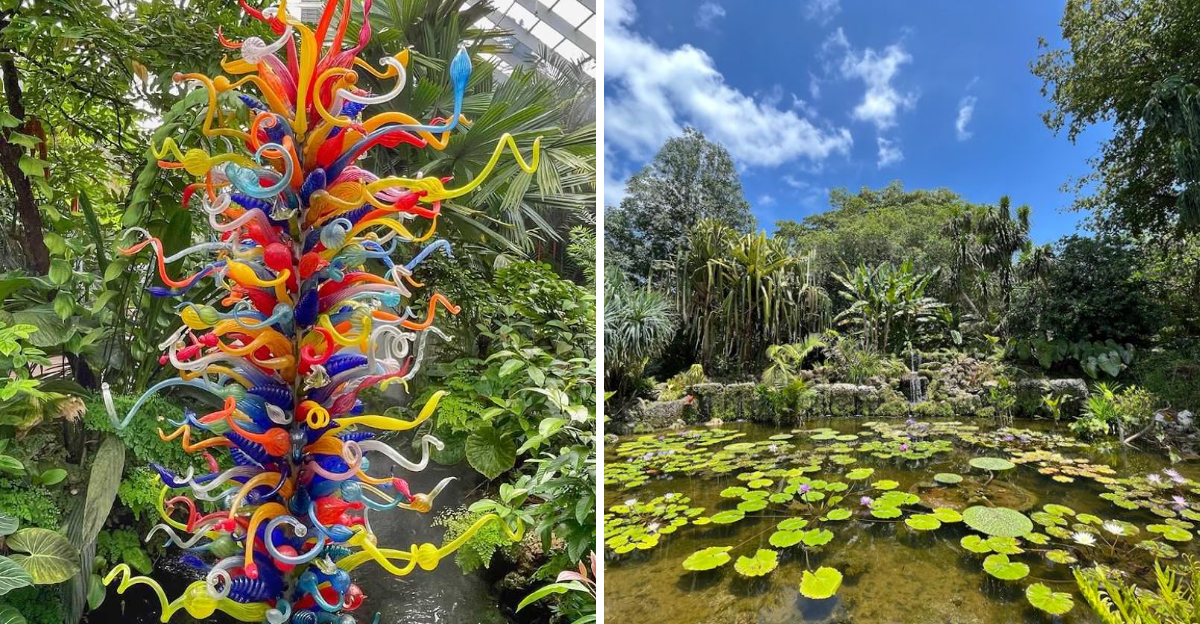
Botanical gardens can sometimes feel like a quick walk and a few nice photos, but what if one completely changed the way you experience a place?
From the moment you enter, the outside world fades fast. Towering palms stretch overhead, butterflies drift through the air like moving color, and every path seems to pull you deeper into something quieter and more immersive.
I came thinking I would spend an hour at most. Instead, I lost track of time somewhere between rare orchids, hidden corners, and peaceful garden paths that seem to go on forever.
Sunlight filters softly through the leaves, the air feels calmer, and even a simple walk starts to feel like an experience rather than just a visit.
Somewhere along the way, it stops feeling like a garden.
It feels like a secret escape.
Have you ever found a place that made you completely forget what time it was? This hidden Florida gem has a way of doing exactly that.
Wings Of The Tropics Butterfly Conservatory
Stepping into the butterfly conservatory feels like entering a living kaleidoscope where hundreds of tropical butterflies drift past your shoulders in slow, looping arcs.
The glass-roofed structure traps humidity and warmth, creating the perfect environment for species from around the world to thrive, flutter, and occasionally land on your arm if you stand still long enough.
I watched a blue morpho open and close its wings on a hibiscus bloom, revealing flashes of electric blue that seemed almost unreal against the green backdrop.
The conservatory houses butterflies in every stage of life, and if you look closely at the leaves, you might spot tiny chrysalises hanging like jeweled ornaments waiting to transform.
Children press their faces close to the nectar stations, giggling when a butterfly mistakes their colorful shirt for a flower.
The air smells faintly sweet, a mix of blooming tropical plants and damp earth, and the whole space hums with quiet energy.
I could have stayed in there for hours, just watching the way light filters through wings and listening to the soft rustle of leaves.
It is one of the best butterfly exhibits I have ever experienced, and it never feels crowded even when other visitors are exploring alongside you.
Guided Tram Tour With Knowledgeable Volunteers
Climbing onto the tram for the guided tour turned out to be one of the smartest decisions I made during my visit, especially since the garden sprawls across 83 acres and my feet were already starting to protest.
The volunteer guides bring a level of passion and knowledge that transforms a simple ride into a storytelling session filled with plant histories, conservation efforts, and the occasional joke that keeps everyone smiling.
Our guide pointed out a ghost orchid tucked into the rare tropical plant house, explaining how difficult it is to cultivate and why spotting one in the wild feels like winning the botanical lottery.
She also shared stories about the garden’s founder, David Fairchild, and his obsession with collecting plants from every corner of the globe.
The tram rolls slowly along paved paths, pausing at key spots so passengers can snap photos or ask questions, and the whole experience lasts about 50 minutes.
I appreciated how the guide balanced facts with humor, making even the Latin plant names feel approachable instead of intimidating.
If you arrive early, grab tram tickets right away because they do sell out, especially on weekends.
It is the perfect way to get your bearings and decide which areas you want to explore more deeply on foot afterward.
Rare Tropical Plant House And Ghost Orchid
Finding the ghost orchid felt like discovering a secret, tucked away in the climate-controlled rare tropical plant house where mist hangs in the air and every leaf seems to glow under carefully placed lighting.
This orchid, famously difficult to grow and even harder to find in the wild, floats against its backdrop like a tiny white apparition, earning its haunting name with every delicate petal.
I stood there longer than I planned, marveling at how something so fragile could survive in such specific conditions and wondering how many attempts it took to coax it into blooming.
The plant house shelters other rarities too, species collected from remote rainforests and islands, each one labeled with its origin story and conservation status.
The air feels thick and warm, almost like breathing inside a cloud, and the quiet hum of climate control equipment becomes background music to your exploration.
I noticed other visitors whispering as they moved through the space, as if raising their voices might disturb the delicate balance keeping these plants alive.
It is a humbling reminder of how much effort goes into preserving biodiversity and how lucky we are to witness these species up close.
The ghost orchid alone makes the visit worthwhile, but the entire collection feels like a curated masterpiece of botanical conservation.
Sunken Garden And Vine Pergola
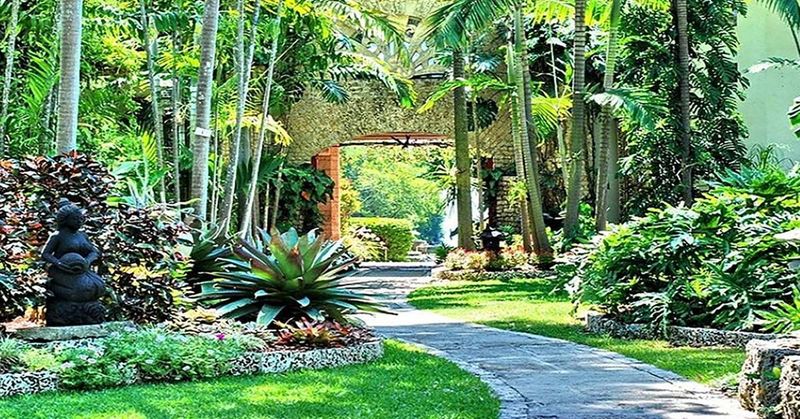
Descending into the sunken garden feels like slipping into a hidden pocket of calm where the world above fades and all that remains is greenery, stone, and the soft trickle of water somewhere nearby.
The vine pergola stretches overhead, dripping with flowering vines that create a living canopy, and beneath it stands the wish tree where visitors hang handwritten hopes on colorful paper.
I wrote my own wish on a small slip, tied it carefully to a branch, and felt an unexpected wave of emotion as I watched it sway alongside hundreds of others.
The pergola provides dappled shade, perfect for pausing on one of the benches and simply watching the way light filters through leaves and petals.
The sunken garden itself features tiered plantings that cascade down stone walls, creating layers of texture and color that shift with every step you take.
I spotted a couple sitting quietly on the steps, sketchbook open, trying to capture the scene in watercolor, and I understood the impulse completely.
This area invites you to slow down, breathe deeply, and notice details you might otherwise rush past, like the way moss clings to the stone or how a butterfly tests each bloom for nectar.
It is grounding in the best possible way, a space that reminds you to be present and grateful.
Tropical Rainforest Section
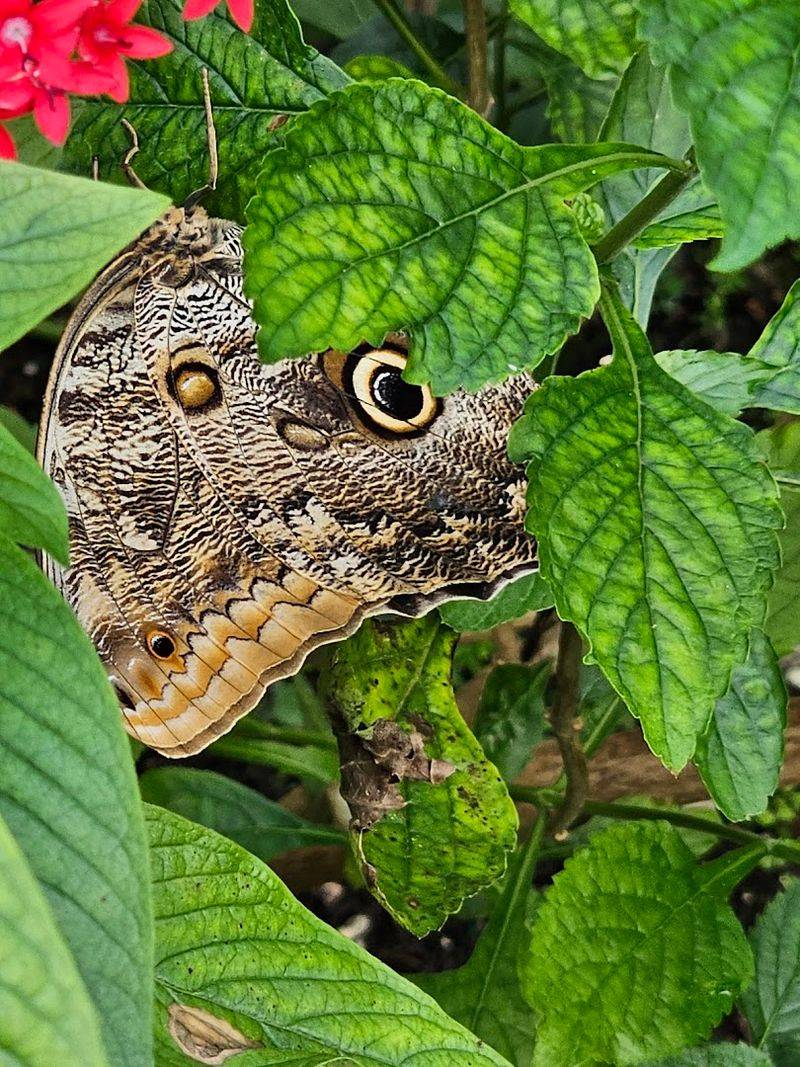
Entering the tropical rainforest section feels like crossing a threshold into a different climate altogether, where the air thickens with humidity and the canopy overhead blocks out most of the Florida sun.
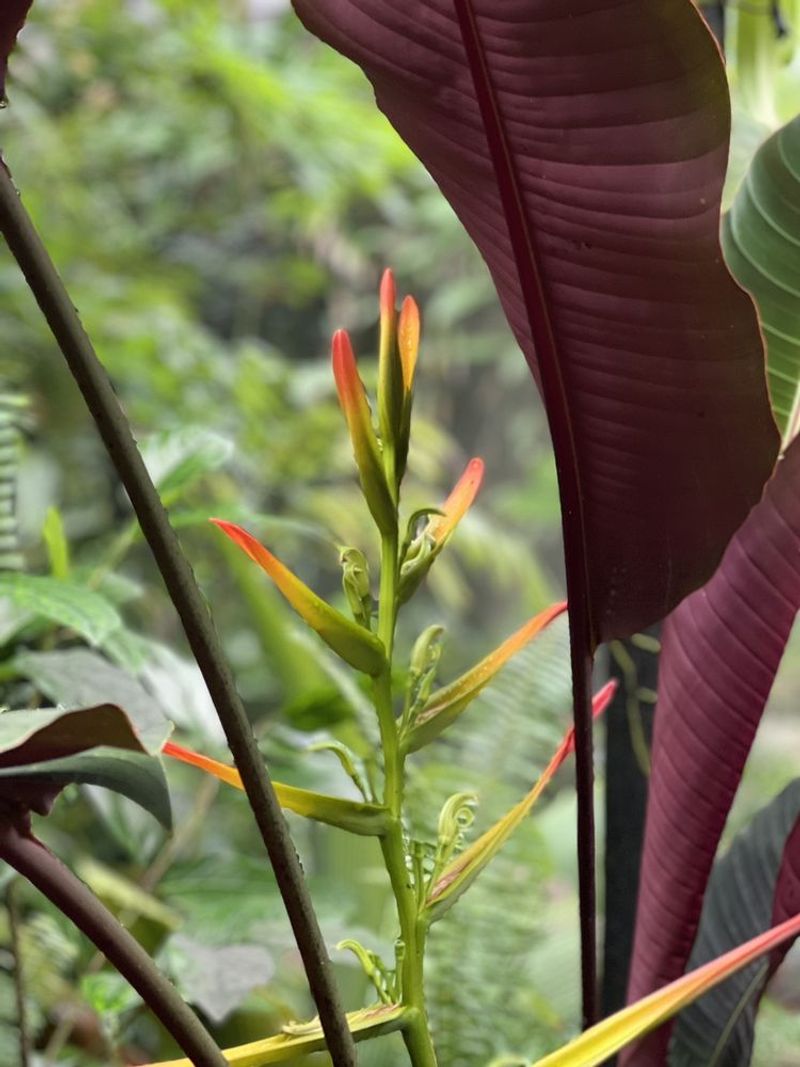
Giant ferns unfurl at knee height, their fronds so green they almost hurt to look at, and the path winds through layers of vegetation that seem to press in from all sides in the most welcoming way possible.
I could hear the rustle of leaves as a breeze moved through the upper branches, and somewhere deeper in, the faint call of a bird I could not identify but wanted to follow.
The covered pathways keep you shaded, which is a blessing during the hotter months, and the temperature drops noticeably as you move deeper into the dense plantings.
This section showcases plants from rainforests around the world, arranged to mimic the layered structure of a natural ecosystem, from ground cover to towering palms.
I found myself pausing every few steps to examine a new leaf shape or notice the way light filtered through the canopy in narrow beams.
It is the kind of place that forces you to slow down, not because the path is difficult, but because every corner offers something worth stopping for.
Leaving the rainforest section felt like surfacing from a dream, blinking in the sudden brightness of the open garden beyond.
East Section With Palms, Ponds, And Resident Crocodile
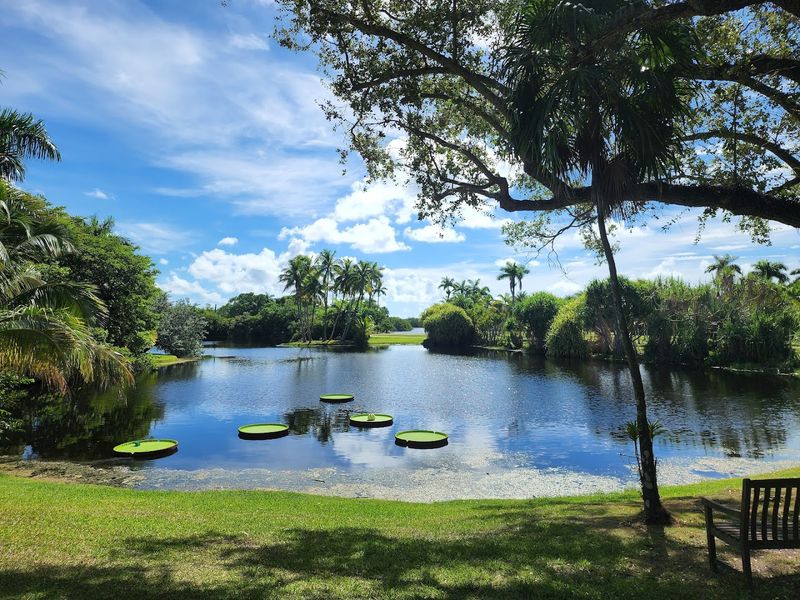
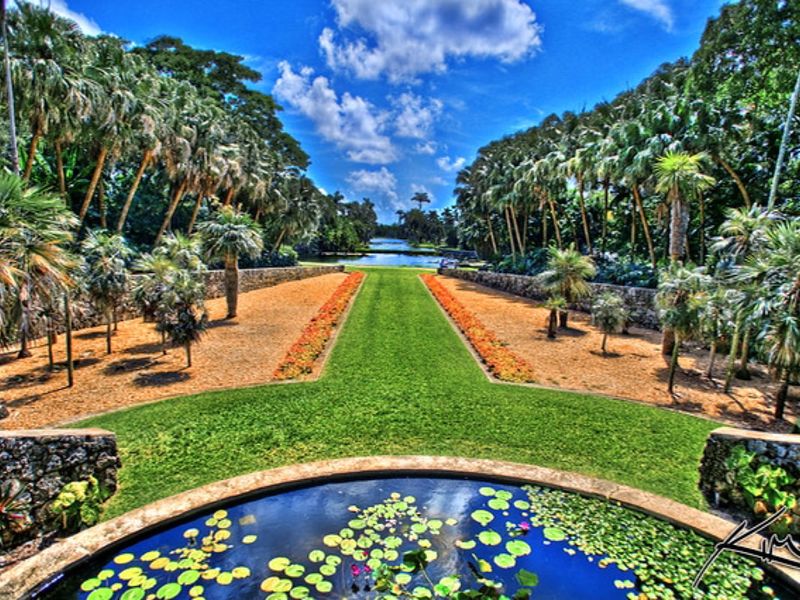
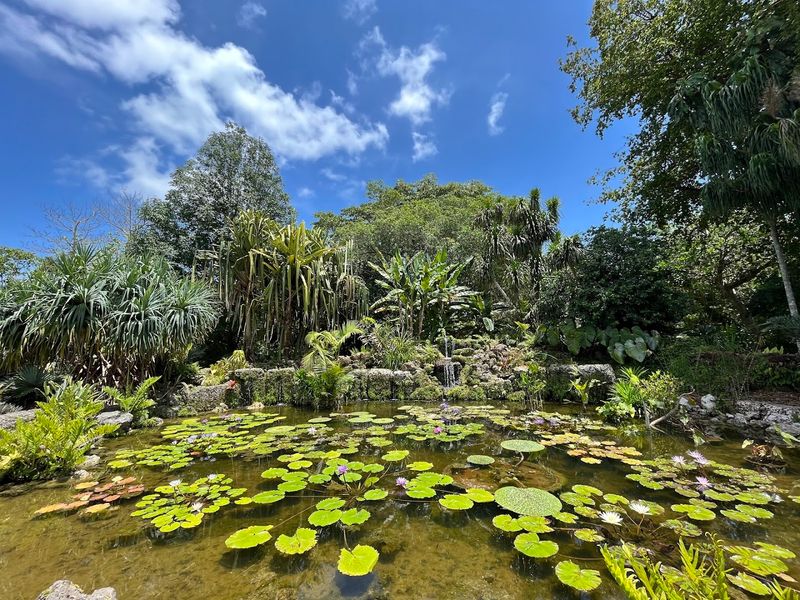
The east section of the garden opens up into a completely different landscape, where wide fields and large ponds replace the dense plantings of the west side, and the sky feels bigger somehow.
Coconut groves sway in neat rows, their tall trunks leaning slightly as if caught mid-dance, and rare palm species dot the landscape like botanical punctuation marks.
I walked along the pond edge, camera ready, and spotted the resident crocodile sunning himself on the bank, utterly unbothered by the humans snapping photos from a respectful distance.
He did not move when I approached to within ten feet, which was thrilling and slightly unnerving in equal measure, and I made a mental note to keep small children well supervised in this area.
Fisher birds and ducks glided across the water, occasionally diving for food or preening on the shore, and the whole scene felt peaceful despite the presence of a very large reptile.
The east section feels more open and wild compared to the curated gardens on the west side, offering a different kind of beauty that is just as compelling.
I appreciated the contrast, the way the garden shifts from intimate and lush to expansive and airy depending on which direction you wander.
It is worth exploring both sections fully to appreciate the range of landscapes Fairchild has to offer.
Glass House Cafe And Dining Options
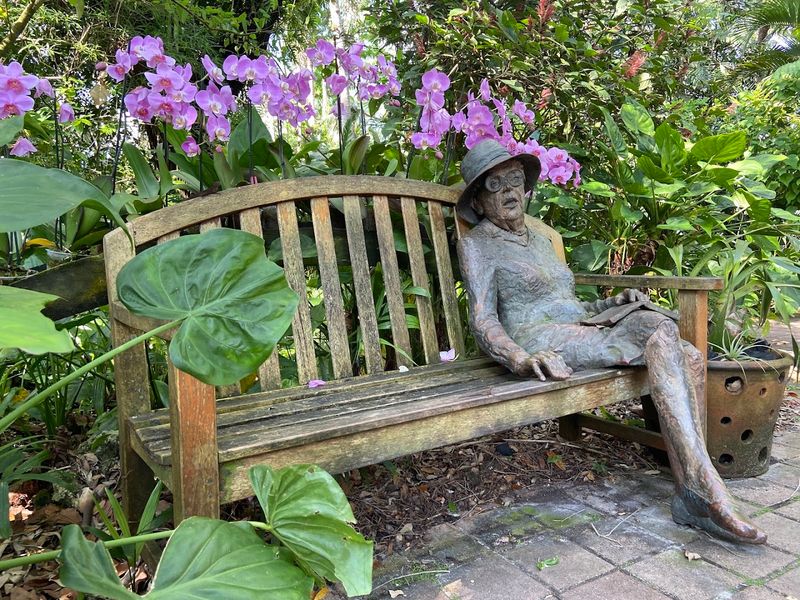
By the time I reached the Glass House Cafe in the southwest corner of the property, my stomach was reminding me that wandering through botanical beauty for hours requires fuel, preferably something cold and refreshing.
The cafe offers a selection of pre-made sandwiches, fresh pastries, bottled drinks, and coffee beverages that hit the spot when you need a break from exploring.
I grabbed an iced coffee and a sandwich, then claimed a table in the shade where I could watch butterflies drift past while I recharged.
The cafe itself features floor-to-ceiling windows that blur the line between indoor and outdoor space, and the surrounding gardens provide a stunning backdrop for a leisurely meal.
I noticed several visitors settling in with picnic baskets they had brought themselves, spreading blankets on the grass nearby and making an afternoon of it.
Fairchild does not have designated picnic tables or pavilions, but there is plenty of shade and open space if you want to bring your own food and make a day of it.
The cafe also sells snacks and drinks near the main entrance building, convenient for grabbing something quick before you start your exploration.
I appreciated having these options available, especially since the garden is large enough that you will likely spend several hours here and need to refuel at some point.
Seasonal Events And Special Exhibitions
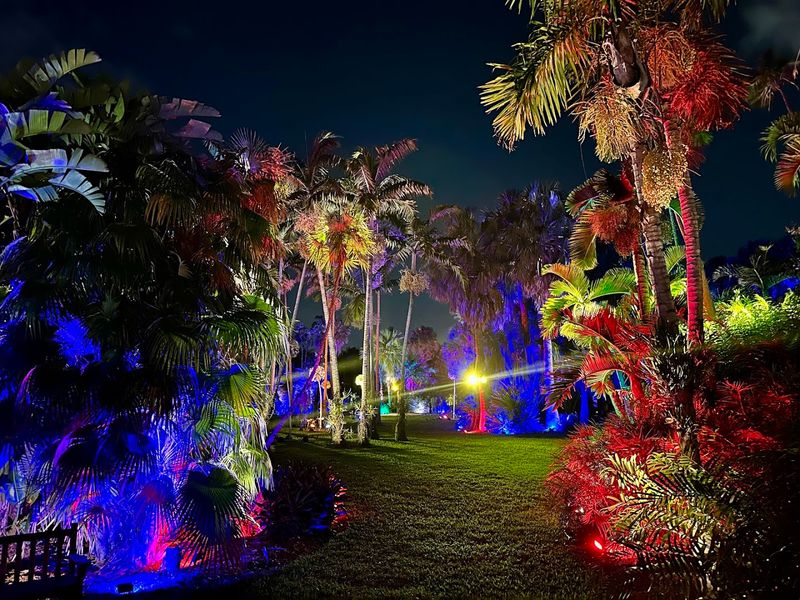
Fairchild transforms throughout the year with seasonal events that draw locals and visitors alike, from the magical light shows during the holiday season to outdoor concerts that turn the lawn into an enchanted performance space.
I heard about the Valentine’s Day concert from a friend who attends every year, and her description of live music under the stars surrounded by tropical plants sounded like something out of a dream.
The holiday light show, in particular, has become a beloved tradition, with pathways illuminated in vibrant colors and interactive displays that captivate children and adults in equal measure.
Families bring blankets and chairs, settling in for an evening of exploration as the gardens glow in shades of blue, purple, and gold.
The garden also hosts plant sales, educational workshops, and conservation-focused events throughout the year, each one offering a different way to engage with the space and its mission.
I appreciated how these events feel thoughtfully designed rather than commercial, always keeping the focus on nature, education, and community.
Checking the Fairchild website before your visit is a good idea, as special events often require separate tickets or advance registration.
These seasonal offerings add another layer of depth to an already rich experience, giving you reasons to return again and again throughout the year.
Accessibility And Visitor-Friendly Features
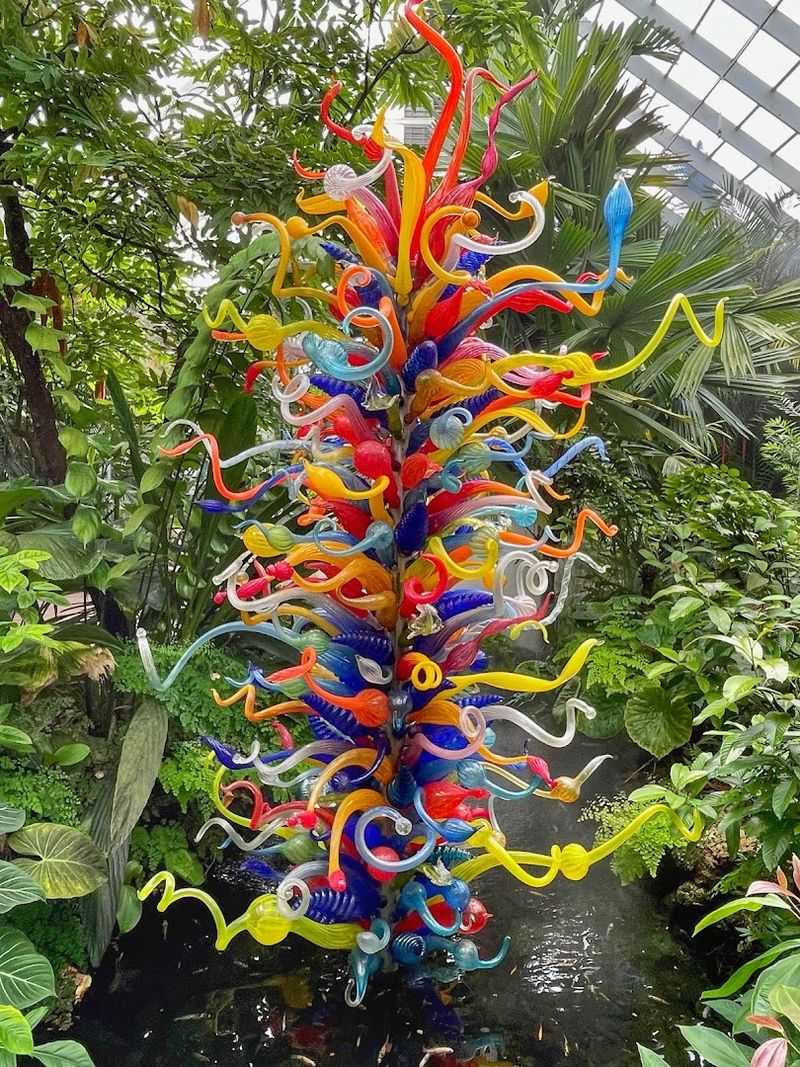
One of the things I appreciated most about Fairchild is how accessible the entire property feels, with paved and crushed shell pathways that accommodate wheelchairs, strollers, and anyone who prefers smooth, stable walking surfaces.
Benches appear at regular intervals along the paths, offering perfect spots to rest, observe, and soak in the surroundings without feeling rushed or exhausted.
The garden also offers discounted admission for SNAP recipients and free entry for retired military veterans, making this beautiful space more accessible to a wider range of visitors.
I noticed families with young children navigating the paths easily, and several visitors using mobility devices moved comfortably through both the west and east sections.
Restrooms are located at the main entrance building and near the Glass House Cafe, though I did not spot any in the eastern section, so plan accordingly if you are exploring that area.
The Fairchild app, which you can download before or upon arrival, includes a detailed map that shows your location and helps guide you to specific gardens or exhibits.
Cell service is spotty throughout the property, but the garden offers Wi-Fi to help you stay connected if needed.
These thoughtful touches make Fairchild feel welcoming and inclusive, ensuring that as many people as possible can enjoy this tropical paradise.
Photography And Annual Membership Perks
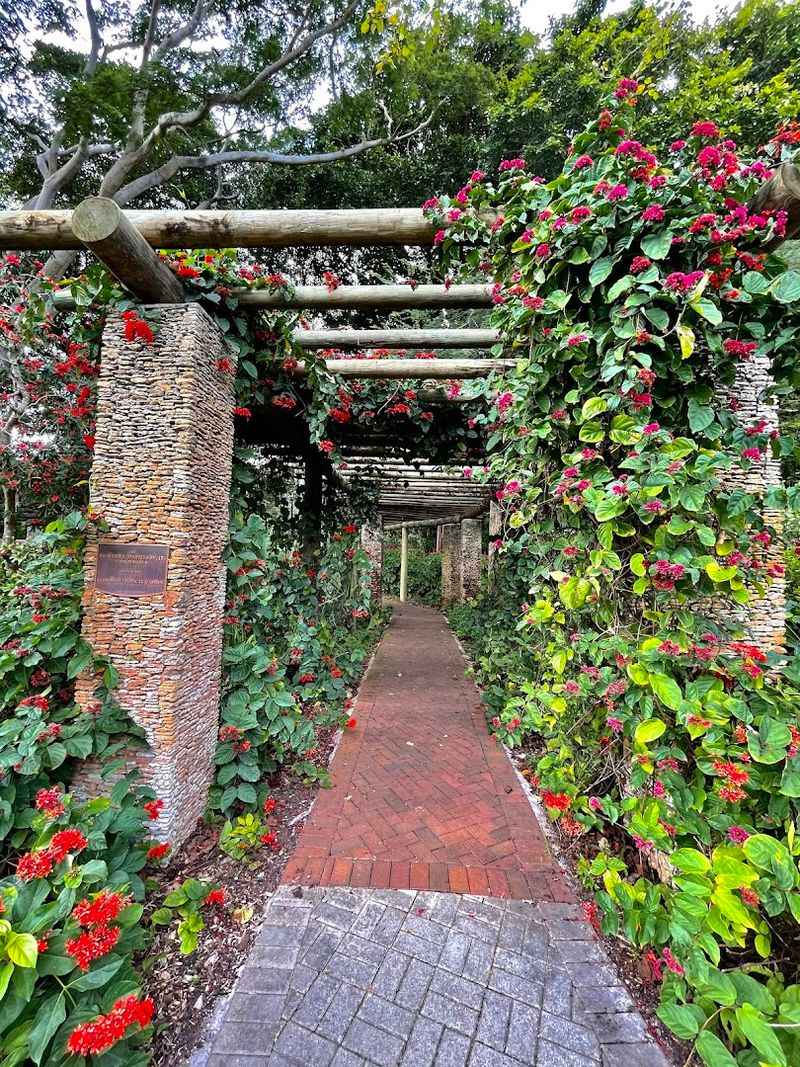
Fairchild is a dream location for photographers, whether you are shooting with a professional camera or just your phone, because every turn offers compositions that practically frame themselves.
I watched a landscape photographer set up a tripod near the sunken garden, waiting patiently for the light to hit the vine pergola just right, and I completely understood the obsession.
The variety of textures, colors, and natural light conditions means you could visit a dozen times and never capture the same image twice, especially as seasons shift and different plants come into bloom.
Many locals invest in annual memberships, which grant unlimited access to the gardens and make it easy to stop by for an hour on a weekend morning or during golden hour for photography sessions.
Members also receive discounts at the gift shop, which features beautifully designed and surprisingly affordable botanical-themed items, from prints to plant care tools.
I met a mother and daughter who visit regularly with their cameras, treating the garden as both a creative studio and a peaceful escape from daily routines.
The annual membership pays for itself quickly if you live nearby and plan to visit more than a few times, and it supports the garden’s conservation and education efforts.
Even as a first-time visitor, I left already planning my return, camera charged and ready.