
This Elevated Walkway In Colorado Gives The Best Views Of Rescued Wildlife
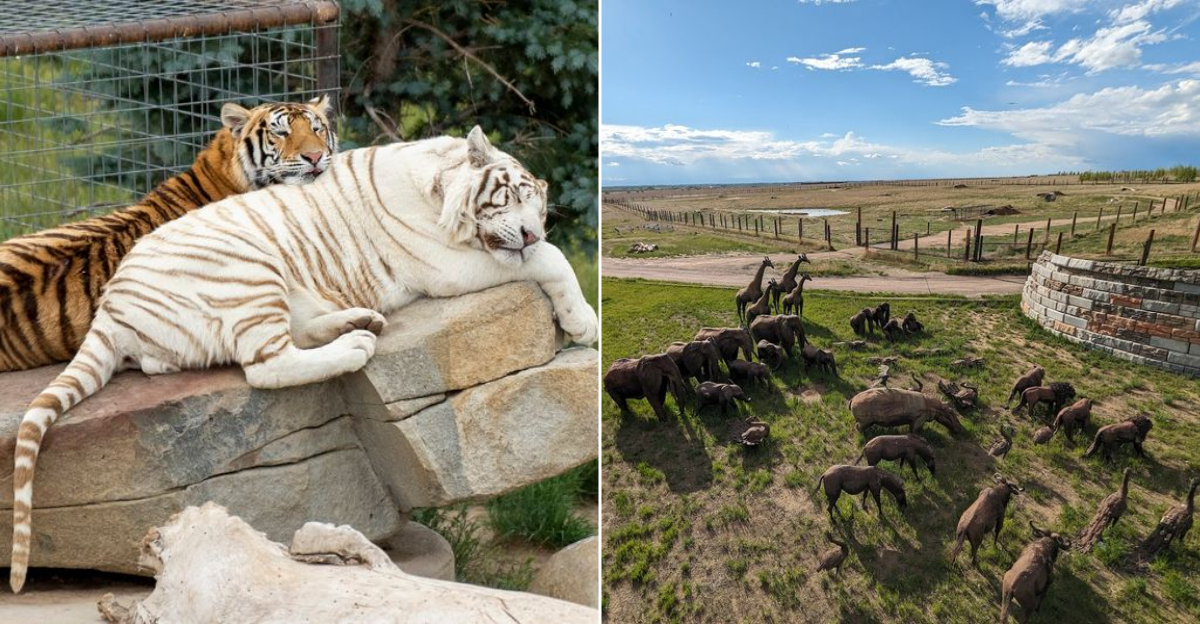
Some weekend adventures practically wave you over before you have even finished your morning coffee, and this one has that irresistible pull from the very start.
In Colorado, it feels almost unreal to stroll above sweeping habitats and spot massive wild residents lounging, prowling, splashing, or simply soaking up the day on their own terms.
The elevated walkway adds a thrilling twist, giving every step a better view and every glance a little jolt of wonder. Instead of cramped enclosures and quick peeks, the whole experience feels thoughtful, spacious, and designed with real respect for the animals.
You are not just visiting, you are stepping into a place where rescue, curiosity, and awe all meet in the most unforgettable way. Colorado’s wild spirit shines here, especially when a lion lifts its head, a wolf glides through the grass, or a bear steals the entire scene and suddenly everything feels bigger.
The Elevated Walkway: A Mile-and-a-Half Above the Action
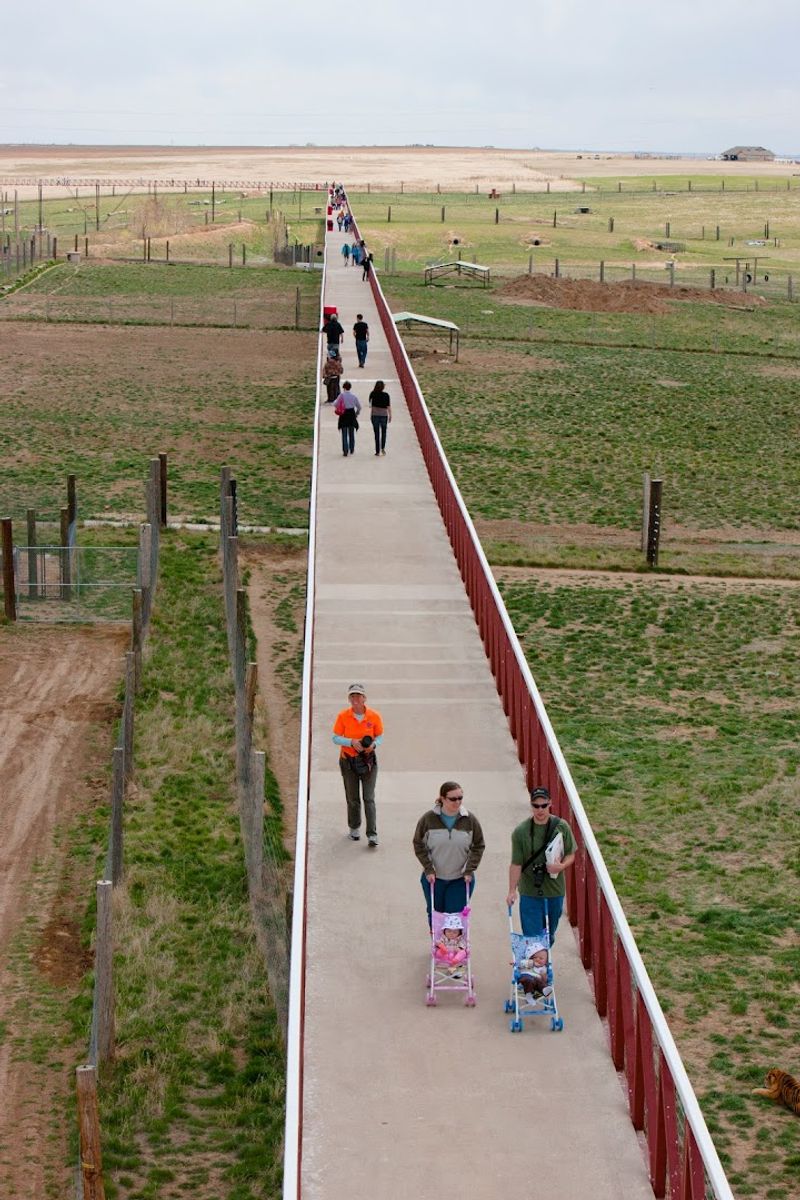
Picture a boardwalk that floats above a landscape where lions pace, tigers sprawl, and bears wander without a single fence blocking your sightline from above. That is exactly what greets you at 2999 Co Rd 53, Keenesburg, Colorado 80643, and it recalibrates your expectations within about thirty seconds of stepping onto it.
The walkway runs 1.5 miles in one direction, making the full round trip a solid three miles of walking. The elevated design is not just a cool architectural choice; it is a deliberate welfare decision.
Animals below do not perceive overhead observers as threats the same way they would a crowd pressing against a fence at eye level.
Visitors consistently describe the feeling as closer to a safari than a zoo visit. The scale of the enclosures is genuinely surprising, giving animals room to behave naturally, rest, play, and move on their own terms.
Pro Tip: Wear comfortable walking shoes and dress for the weather. Three miles outdoors on the Colorado plains means wind is a real factor, not a minor inconvenience.
Total walkway length: 3 miles round trip. Accessible to wheelchair users and strollers.
Restroom stops and snack areas available along the route.
Lions, Tigers, and Bears: The Resident Roster Will Surprise You
You already know the Wizard of Oz line. Visitors to this sanctuary get to live it, and then some.
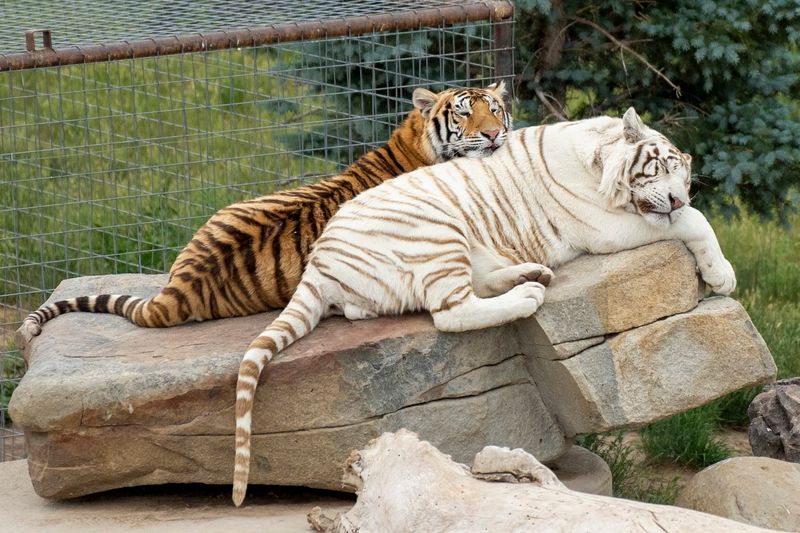
The animal roster here goes well beyond the famous trio, stretching to include jaguars, white tigers, wolves, bobcats, foxes, camels, water buffalo, horses, and a panther.
Every single animal at the sanctuary is a rescue. Many were seized from illegal ownership situations, roadside attractions, or facilities that could no longer care for them.
Some are former entertainment animals. A notable group includes tigers connected to the story behind the Tiger King documentary, which gives them an unexpected cultural footnote.
What makes watching them genuinely different from a zoo visit is that the animals are not performing or reacting to crowds at close range. You observe them living, which means you might catch wolves working through pack dynamics, bears having breakfast, or two big cats simply choosing to cuddle in the sun.
Best For: Animal lovers, families with curious kids, and anyone who finds the behavioral side of wildlife more interesting than a posed photo opportunity.
Species on site: lions, tigers, bears, wolves, jaguars, bobcats, foxes, camels, and more. All animals are rescues unable to be released to the wild.
Behavior watching is a highlight, not just species spotting.
Binoculars Are Not Optional: Here Is What to Bring
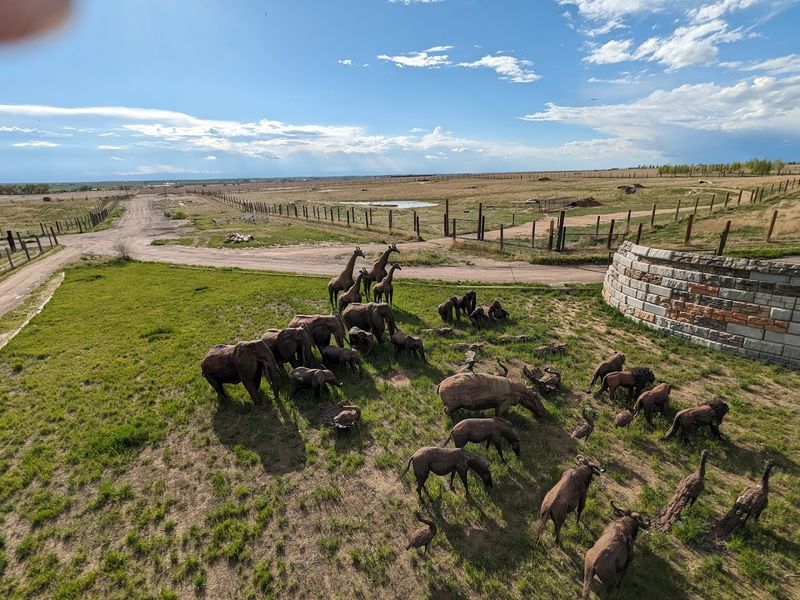
Here is the one piece of advice that separates a good visit from a great one: bring binoculars. The enclosures are large by design, which means animals can be quite far from the walkway at any given moment.
Spotting a wolf pack interacting at a distance without optical help is possible but frustrating.
The sanctuary offers monoculars as a complimentary loan with admission, and binoculars are also available to rent for around ten dollars at the front. Both options work, though visitors who bring their own full binoculars consistently report a richer experience, especially for tracking movement across the wider enclosures.
Beyond optics, a few other items make the three-mile round trip noticeably more comfortable. Colorado plains weather shifts quickly, so layers are smarter than a single heavy jacket.
There are snack stations and restrooms at both ends of the walkway and at points along the route, so you are not rationing water like a desert expedition.
Packing Checklist:
Binoculars or plan to rent monoculars on site. Layered clothing for variable plains weather.
Comfortable walking shoes for three miles. Snacks if you prefer your own over the on-site options.
A camera with decent zoom for memorable shots from the walkway.
How the Sanctuary Actually Works: Rescue, Not Display
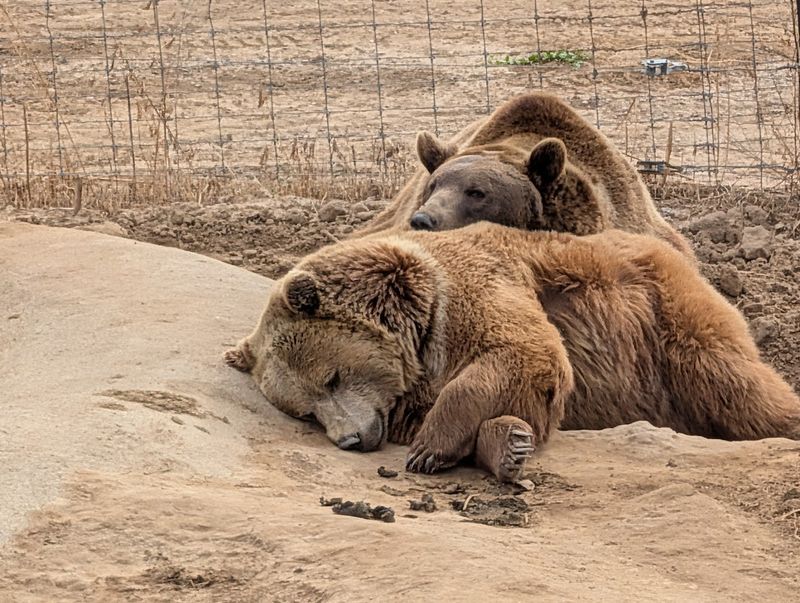
A lot of visitors arrive expecting something zoo-adjacent and leave having absorbed something closer to a conservation lesson they did not know they needed. The Wild Animal Sanctuary operates as a genuine rescue and rehabilitation center for large carnivores and other wild animals that cannot survive in the wild due to their history in captivity.
The organization accepts animals from law enforcement seizures, bankrupt roadside zoos, private owners who got in over their heads, and situations involving neglect or abuse. Once an animal arrives, the focus shifts entirely to long-term welfare rather than public exhibition.
The fact that visitors can observe them is almost a byproduct of the walkway design rather than the primary mission.
Information posts along the walkway tell individual animal stories, which transforms a walk into something more emotionally resonant than a typical attraction visit. Staff and volunteers are consistently described as knowledgeable and genuinely invested, willing to share backstories and point out animals you might otherwise miss.
Why It Matters: Understanding the rescue model before you arrive makes the experience significantly richer. The sanctuary’s website covers the mission in detail and is worth reading before your visit.
Animals are accepted from seizures, failed facilities, and private ownership. Focus is welfare, not exhibition.
Informational posts along the walkway tell individual rescue stories.
Planning Your Visit: Timing, Hours, and What Catches People Off Guard
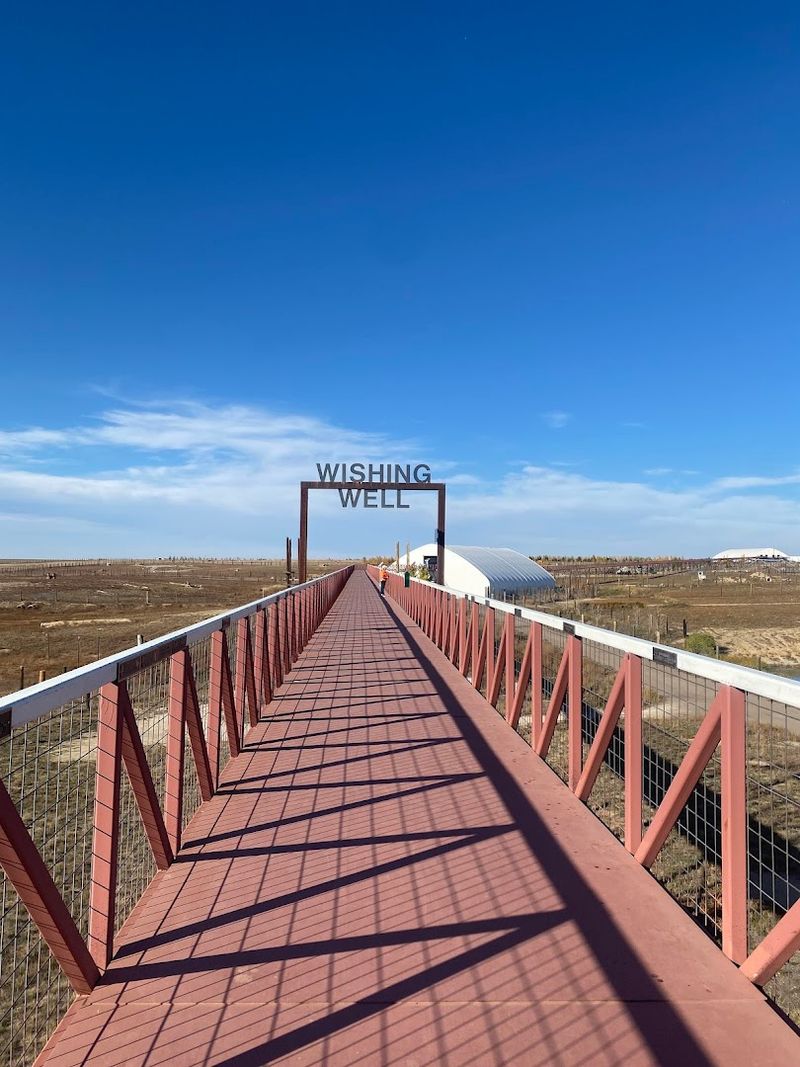
Arriving early is not just conventional advice here; it is genuinely strategic. Visitors who show up right when the gates open often catch feeding time, which means animals are active, visible, and behaving in ways that make the whole walk feel like a front-row seat rather than a nature documentary on a slow day.
Plan for more time than you think you need. The walkway is 1.5 miles each way, and the return trip regularly surprises people because different animals are active, different sightlines open up, and you notice things you missed on the way out.
A comfortable visit runs around two and a half to five hours depending on your pace and how long you linger at each enclosure section.
Winter hours close earlier than summer hours, so checking the website before your trip is a practical move rather than an optional one. Weather also affects animal behavior; big cats tend to be less visible during extreme heat, and some bears hibernate in winter, so seasonal expectations matter.
Planning Advice:
Arrive at opening for the best chance of seeing active animals. Budget at least 2.5 to 3 hours minimum, 5 hours if you want to linger.
Check current hours at wildanimalsanctuary.org before visiting. Seasonal animal activity varies; mornings and cooler days tend to be more active.
Who This Visit Is Really For (And a Few Honest Notes)
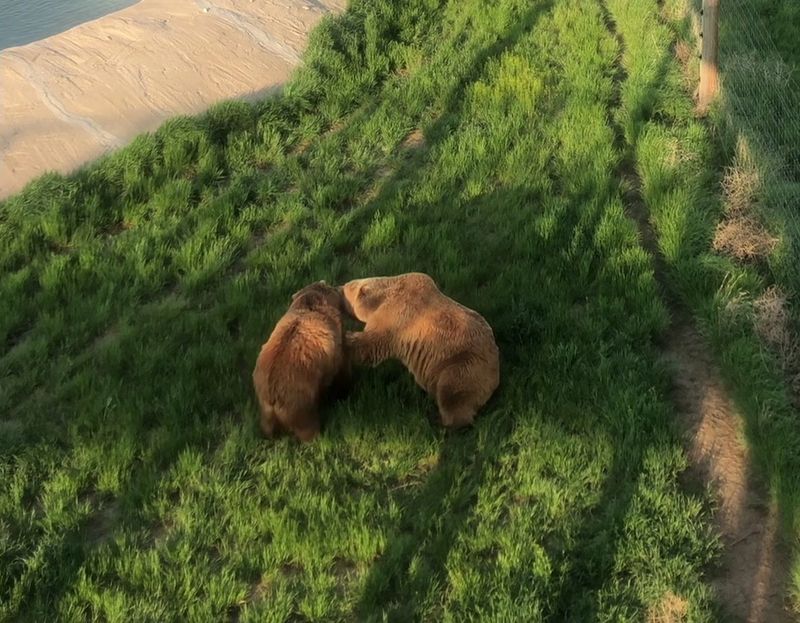
The sanctuary works beautifully for a wide range of visitors, but it works best for people who come in with the right frame. Families with kids who have genuine curiosity about animals rather than a need for constant stimulation will find this deeply rewarding.
The walkway is stroller and wheelchair accessible, which removes a logistical headache that rules out a lot of outdoor attractions for some families.
Couples looking for a low-pressure outing that still feels meaningful tend to leave with something to talk about on the drive home, which is a higher bar than most Saturday options clear. Solo visitors report a meditative quality to the walk, particularly when the plains are quiet and the wolves are doing their thing in the distance.
Who This Is Not For: Visitors expecting a traditional zoo experience where every animal is visible, positioned for photos, and performing on cue will need to recalibrate. Animals here are not on display; they are living.
Some days certain species are resting, hiding, or simply not near the walkway. That unpredictability is part of the point.
Great for: families, couples, solo visitors, animal welfare advocates. Accessible: stroller and wheelchair friendly throughout.
Not ideal for: visitors expecting guaranteed close-up animal sightings at all times.
Final Verdict: Key Takeaways Before You Go
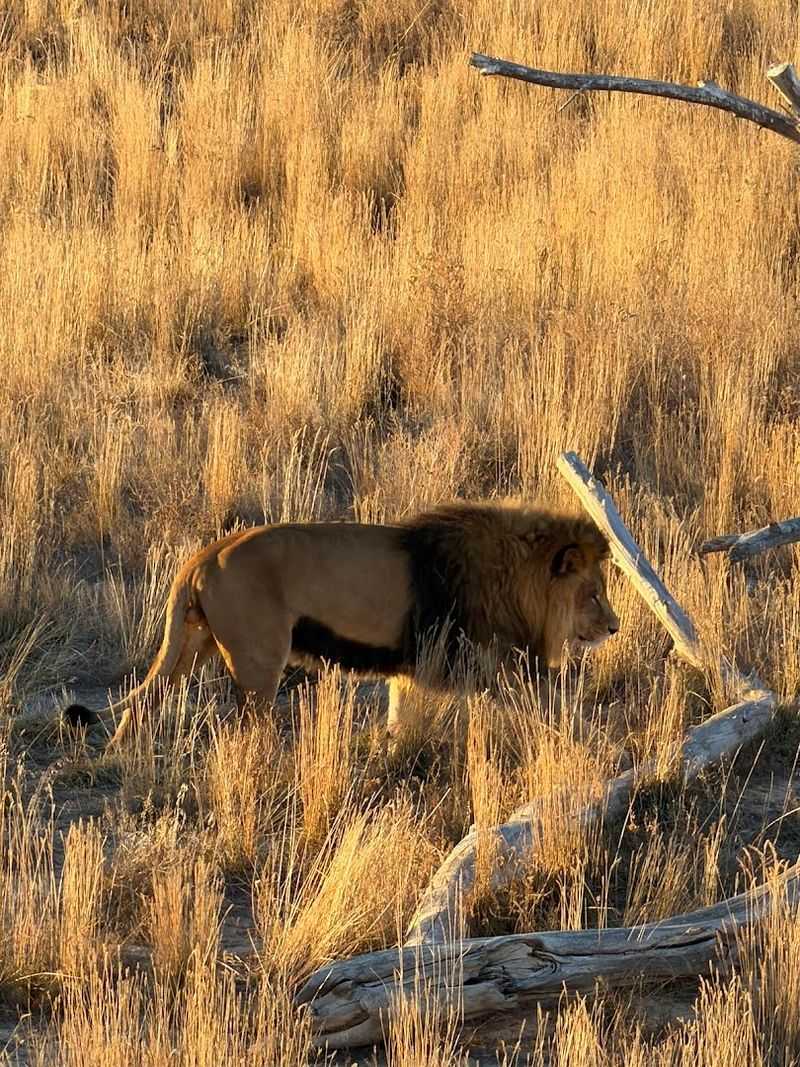
The Wild Animal Sanctuary near Keenesburg is one of those places that earns its reputation without needing to oversell itself. The elevated walkway is a genuinely clever solution to a real animal welfare problem, and it doubles as one of the most unusual and rewarding outdoor walks in Colorado.
Rated 4.6 stars across more than 3,000 visits, the consistency of the experience speaks for itself.
It is not a zoo, it is not a theme park, and it is not a passive thirty-minute drive-through. It is a three-mile walk above landscapes where rescued lions, tigers, bears, wolves, and dozens of other animals live on their own terms.
That distinction matters, and it is what makes the visit stick with people long after they drive back down Co Rd 53.
If you are within a reasonable drive of the Denver area, this belongs on your list ahead of a lot of louder, pricier options. Make it a morning, bring your binoculars, and give yourself enough time to actually stop and watch.
Quick Verdict Checklist:
Bring or rent binoculars; they are essential, not optional. Arrive early for the best animal activity.
Plan for at least 3 hours; 5 is better. Check hours and weather before the trip at wildanimalsanctuary.org.
Phone: (303) 536-0118 for direct questions.