
This Quiet Colorado Museum Has An Epic Visual History Of The American West
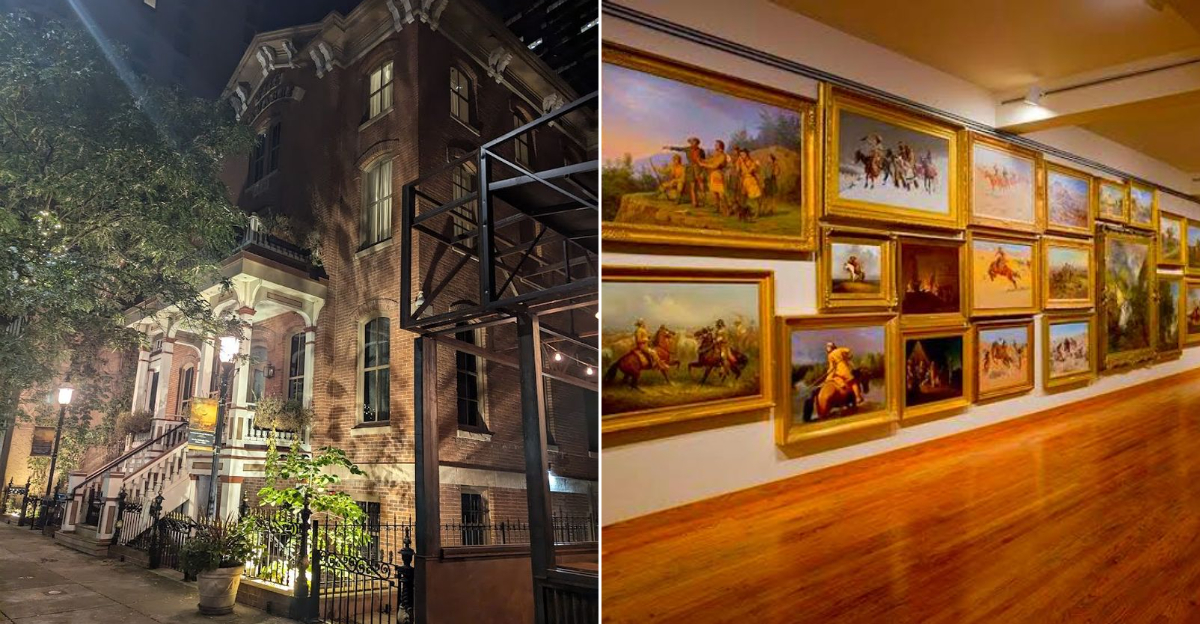
Some museums ask for your attention, but this one grabs it the second you step through the door and refuses to let go.
Inside, every gallery feels like a journey through dust, light, ambition, and myth, with enormous landscapes, vivid portraits, and scenes that make frontier history feel dramatic, messy, and alive all over again.
In Colorado, that kind of experience hits differently, because the story on the walls feels tied to the spirit outside them, bold, restless, and impossible to ignore. The beautifully restored setting adds even more charm, turning a simple visit into something that feels intimate and surprisingly grand at the same time.
Colorado’s love of art and history comes through in every room, especially when the audio guide starts revealing the hidden details behind each masterpiece. For the price of a casual coffee run, you get a rich, unforgettable escape that lingers long after you leave.
A Building With Secrets Built Into Its Walls
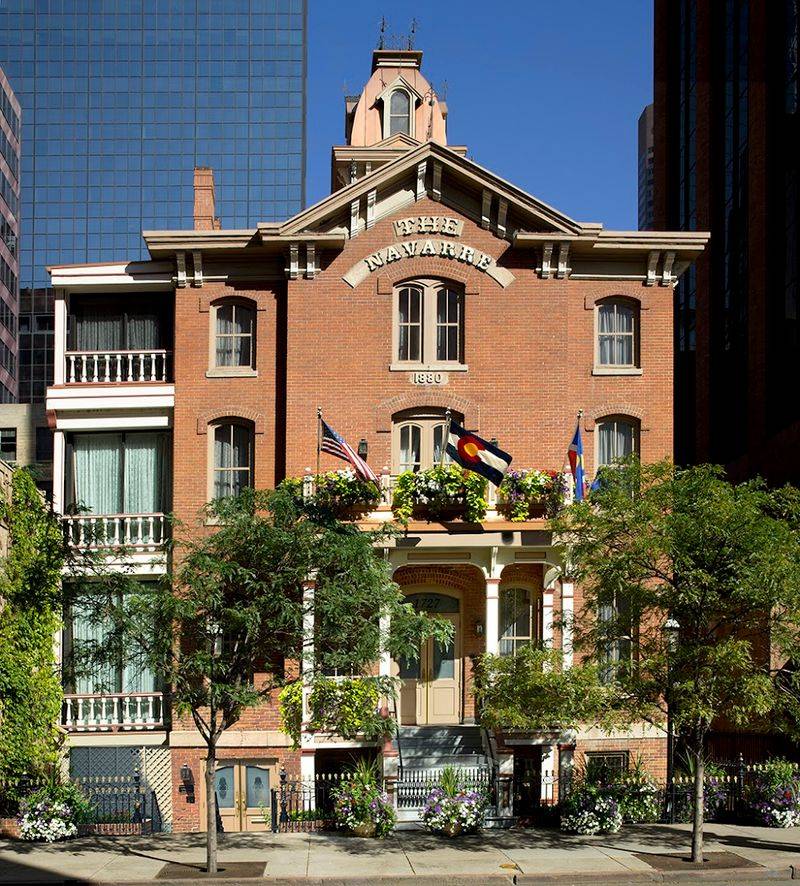
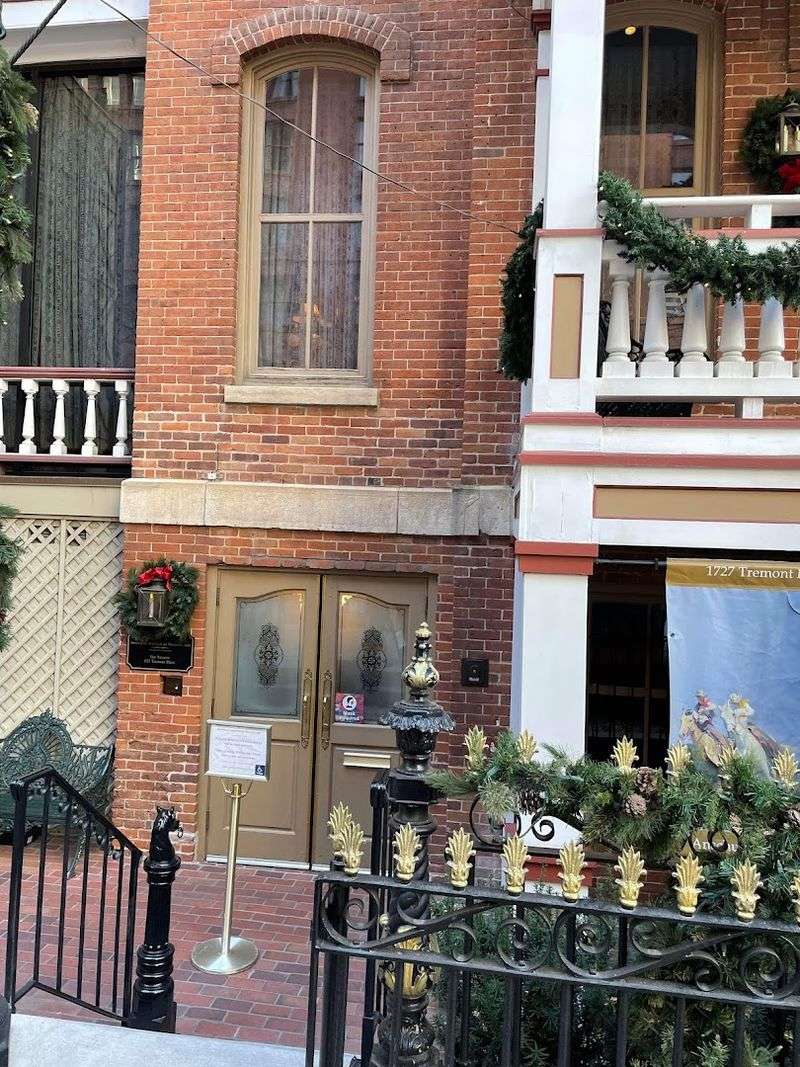
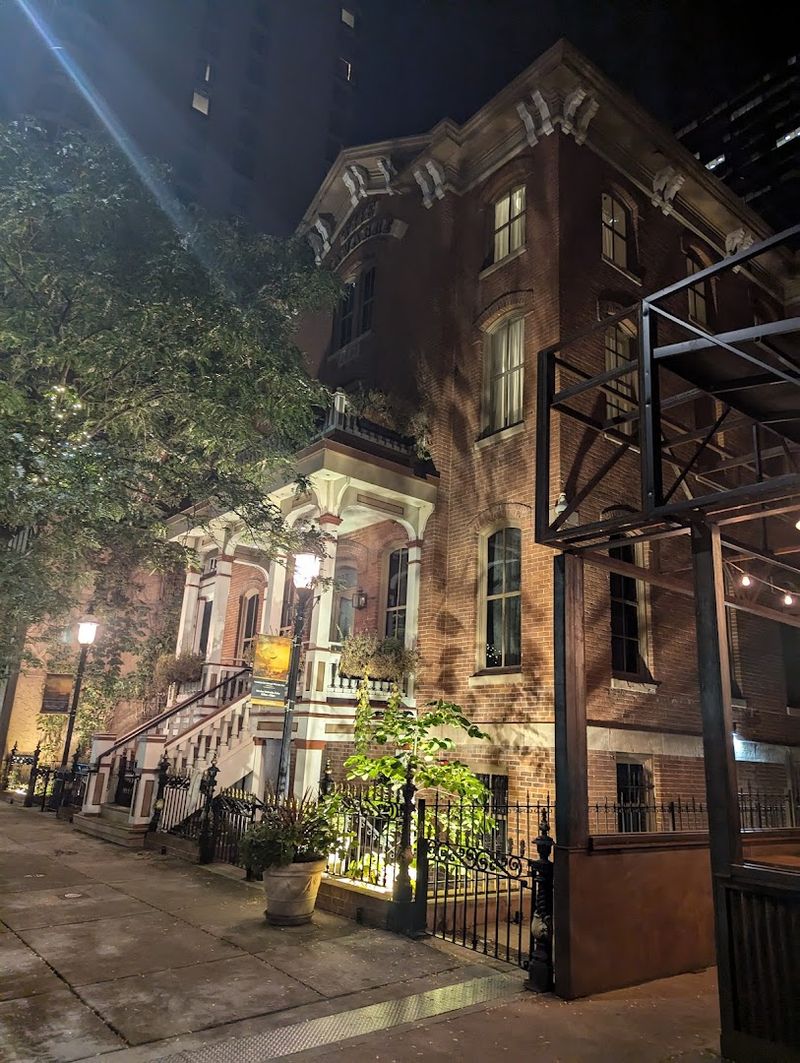
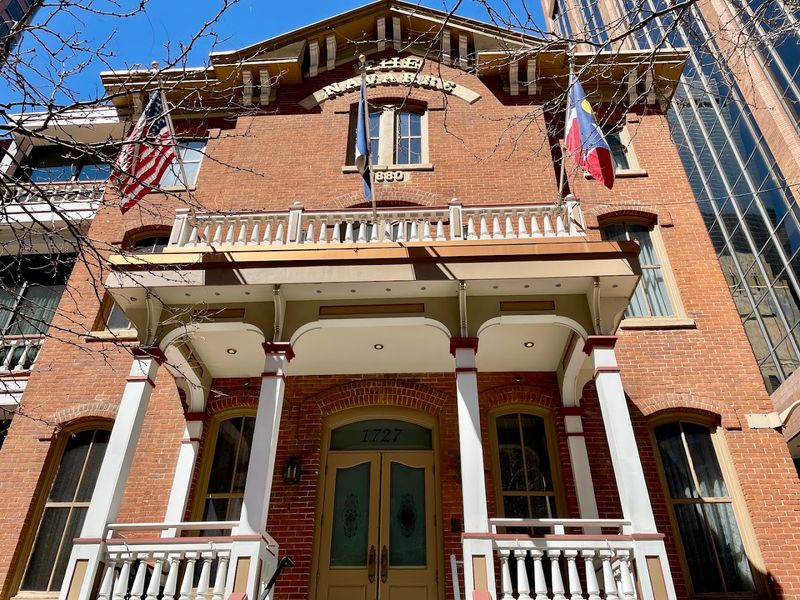
Before you even see a single painting, the building itself earns your attention. This museum occupies a beautifully restored historic structure in downtown Denver, Colorado, that once served as a school and, according to visitors, had a rather colorful past involving a connected hotel and an underground tunnel to what was reportedly a brothel.
That detail alone tends to make people look at the marble floors a little differently.
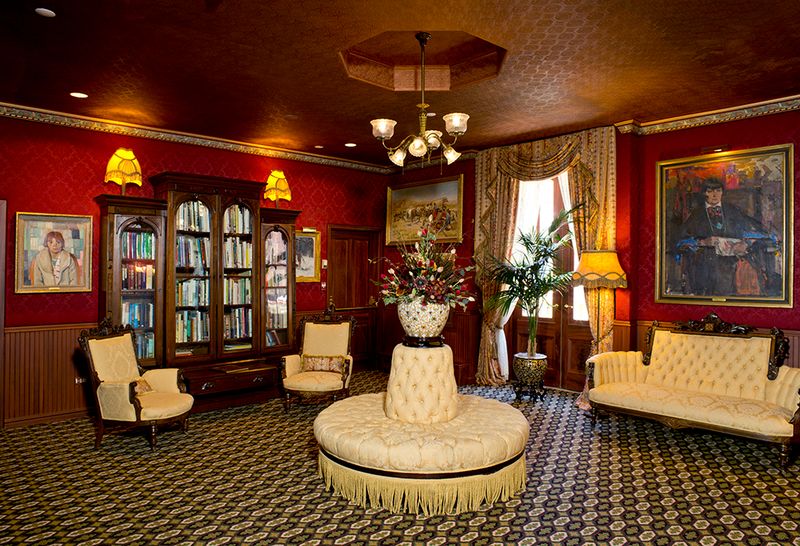
The architecture is layered across multiple floors, with staircases that creak just enough to remind you that this place has been standing through a lot of history. It is the kind of building that has absorbed stories the way old wood absorbs weather.
Insider Tip: The building is compact by design. Do not expect sprawling gallery wings.
Instead, expect walls covered nearly floor to ceiling with paintings, which is either overwhelming or thrilling depending on your tolerance for abundance.
Multiple floors of gallery space. Historically significant structure in the heart of Denver.
Audio tour provided to navigate the layout.
Over 300 Paintings That Rewrite What You Think You Know About Western Art
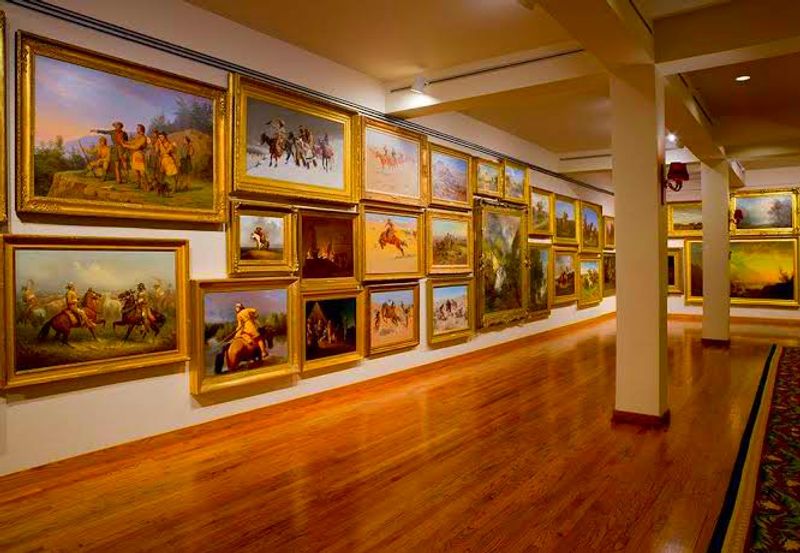
Most people walk in expecting cowboys on horseback and maybe a sunset or two. What they find instead is a collection of over 300 paintings that span more than a century of American artistic history, covering landscapes, portraits, Native American life, frontier scenes, and abstract interpretations of the West that feel entirely modern.
Artists like Albert Bierstadt, Frederic Remington, and Georgia O’Keeffe are represented here alongside dozens of others whose names may be less familiar but whose talent is immediately obvious. Visitors who have spent time at major institutions like the Met in New York have noted that this collection holds its own without apology.
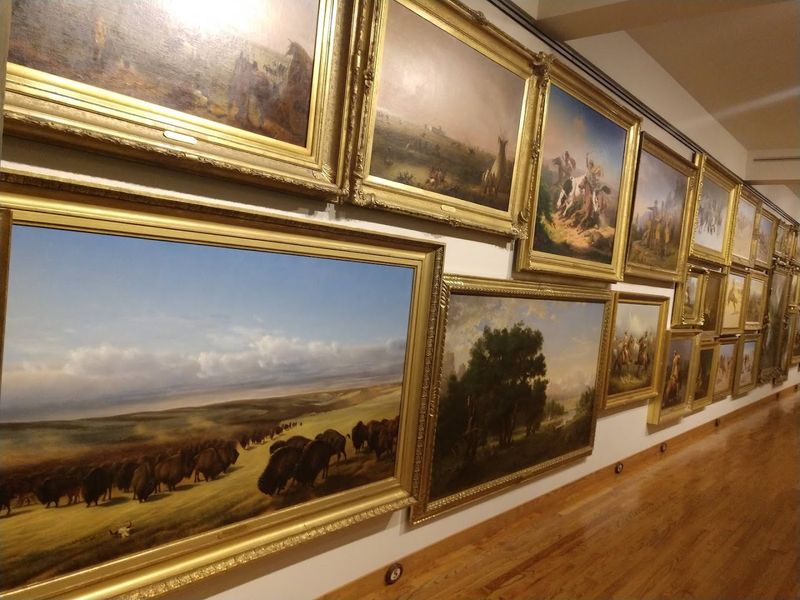
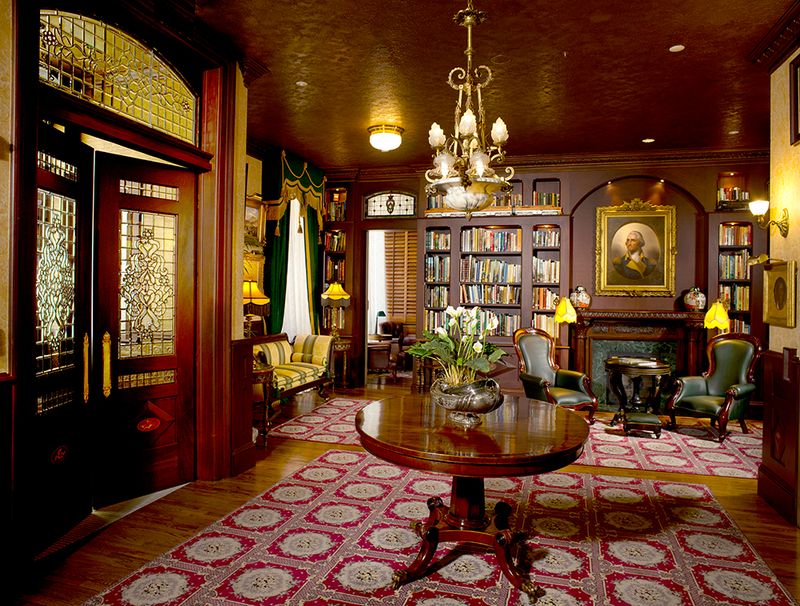
The salon-style hanging, with paintings stacked from low to high on nearly every wall, gives the galleries a density that rewards slow looking. Some pieces near the ceiling require a bit of neck craning, but that is a small price for what you get.
Best For: Art lovers, history enthusiasts, families with older kids, and anyone who wants to understand the visual language of the American West.
The $5 Admission That Quietly Overdelivers
There is a certain satisfaction in paying $5 for something that makes you feel like you underpaid. Admission to the American Museum of Western Art is exactly that kind of transaction.
For the price of a gas station coffee, you get access to one of the most significant private collections of Western art in the United States, plus an audio tour that comes with the ticket.
The audio narration is genuinely well-produced. Visitors consistently mention that it adds meaningful context to each piece without turning the experience into a lecture.
You hold the device, move at your own pace, and spend as much time in front of a Bierstadt as you want without anyone hurrying you along.
A typical self-guided visit runs between one and a half to two hours, though some visitors have happily stretched it to four. Tickets can be purchased online in advance or at the door.
Quick Tip: Check hours before you go. The museum is open Monday, Wednesday, and Friday from 10 AM to 4:30 PM only.
Planning around those three days is the single most important logistical move you can make.
The Audio Tour That Actually Earns Its Keep
Audio tours have a reputation for being either genuinely illuminating or gloriously forgettable. The one at the American Museum of Western Art lands firmly in the first category.
Multiple visitors have called it well-done, interesting, and worth every second, which is not the kind of praise audio tours typically collect.
Because there are no written descriptions posted beside the paintings, the audio guide is your primary source of context. It covers the artists, the historical settings that inspired each work, and the broader arc of how Western art evolved from documentary realism to something far more expressive and personal.
That framing turns a wall of paintings into an actual story.
Guided group tours are also available for schools and organized groups, and visitors who have experienced them describe the docents as knowledgeable, enthusiastic, and genuinely happy to answer questions. One art class reportedly stayed an entire afternoon to sketch their favorite pieces after a guided session.
Pro Tip: Even if you consider yourself a fast museum walker, slow down here. The audio narration is calibrated for looking, not rushing, and the paintings reward the extra time.
Why the No-Photography Rule Actually Works in Your Favor
Photography is not allowed inside the American Museum of Western Art, and the museum enforces that policy consistently. Security staff are present on each floor, and they take the rule seriously.
For some visitors, this feels like a restriction. For others, it turns out to be one of the best things about the visit.
When you cannot photograph a painting, you actually look at it. Not at a screen, not through a viewfinder, just at the work itself.
Visitors who initially bristled at the rule have come around to appreciating it, noting that the experience felt more focused and more personal as a result. One visitor put it plainly: the no-photo policy makes the experience something to savor.
It is worth noting that many major museums worldwide have similar policies for certain collections, and the reasoning here is consistent with protecting works of significant cultural and financial value.
Common Mistakes to Avoid:
Bringing out your phone to photograph a painting, even discreetly. Assuming the rule is loosely enforced.
Treating it as a negative rather than an invitation to be fully present.
Planning Around the Limited Hours Before You Drive Downtown
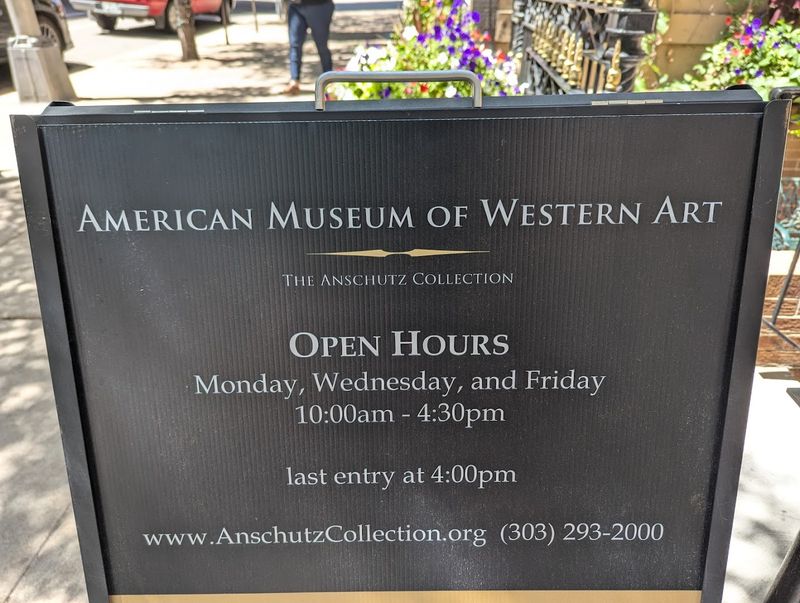
The American Museum of Western Art is open three days a week: Monday, Wednesday, and Friday, from 10 AM to 4:30 PM. That schedule is not a rumor or an outdated listing.
It is the actual operating window, and ignoring it is the most common planning mistake people make before heading downtown.
Parking in the area around 1727 Tremont Place is limited and can be expensive. Visitors who have driven have reported circling multiple lots before finding a workable spot, with some QR-code pay systems adding an extra layer of friction.
Building in extra time for parking is not optional; it is just part of the plan.
Public transit or rideshare drop-off makes the logistics considerably simpler, especially if you are coming from elsewhere in Denver, Colorado. The museum sits in a walkable part of downtown, so arriving on foot from a nearby transit stop is genuinely easy.
Planning Advice:
Confirm hours at anschutzcollection.org before you go. Arrive close to 10 AM to avoid the midday crunch.
Budget extra time for parking if driving. Children under 8 are not admitted.
The Kind of Museum That Works for Families, Couples, and Solo Visitors Equally Well
Not every museum works for every kind of visitor, but this one has a notably wide appeal. Families with older kids, specifically those around seventh grade and up, tend to connect with the collection in a way that surprises parents who expected restlessness.
The audio tour gives younger visitors something to hold and follow, which helps maintain focus across multiple floors.
Couples who enjoy slow, conversation-friendly outings find the pace here genuinely comfortable. The galleries are quiet without being stiff, and the paintings generate the kind of easy back-and-forth discussion that makes a weekday afternoon feel well spent.
Solo visitors, meanwhile, can move at whatever speed suits them, lingering over a Remington or a landscape for as long as they want without negotiation.
Note that children under 8 are not admitted, which is worth knowing before you arrive with a full family in tow. That policy keeps the environment calm and focused for everyone else.
Who This Is For: Art-curious adults, families with tweens and teens, history buffs, couples seeking a low-key cultural outing.
Who This Is Not For: Visitors with children under 8, anyone expecting a large sprawling museum campus.
Making It a Mini Downtown Denver Outing Without Overcomplicating It
The museum sits in a walkable stretch of downtown Denver, Colorado, which makes it easy to fold into a broader weekday or weekend plan without building an elaborate itinerary. A pre-lunch visit on a Monday or Wednesday gives you the morning galleries at their quietest, and by the time you emerge blinking into the Colorado sunlight, you have earned a proper meal with something genuinely interesting to talk about.
A short stroll along Tremont Place after your visit lets you decompress and process what you just saw. The neighborhood has the kind of unhurried midday energy that makes a quick walk feel like a natural extension of the museum experience rather than a detour.
If you are already planning a downtown Denver errand day, dropping the museum into the middle of it requires almost no extra effort. It is the kind of stop that turns a functional Tuesday into something you actually remember.
Best Strategy: Pair a 10 AM museum opening visit with a post-visit lunch nearby. You will be done well before the afternoon crowds settle into the downtown core, and you will have spent less than $10 on one of the most visually rich two hours Denver has to offer.
What Makes the Anschutz Collection Stand Apart From Other Western Art Museums
The Anschutz Collection is not a municipal art department or a rotating exhibition program. It is a single, privately assembled collection made available to the public, and that origin story shapes everything about how it feels to visit.
The works were chosen with a specific vision: to document and celebrate the visual history of the American West from the early 1800s to the present day.
That focus gives the collection a coherence that broader museums sometimes lack. Every painting here is in conversation with every other painting, tracing how artists understood, mythologized, and eventually complicated their relationship with the landscape and people of the West.
Standing in front of a giant Bierstadt and then turning to see a Georgia O’Keeffe just a few feet away is the kind of art-historical dialogue that usually requires a cross-country flight to experience.
Visitors who have compared it to collections at major institutions consistently note that it holds up. The depth is real, not performative.
Why It Matters: This collection serves as one of the most comprehensive visual records of the American West available to the public, at a price point that removes almost every barrier to access.
Final Verdict: The Quiet Museum That Earns Loud Praise
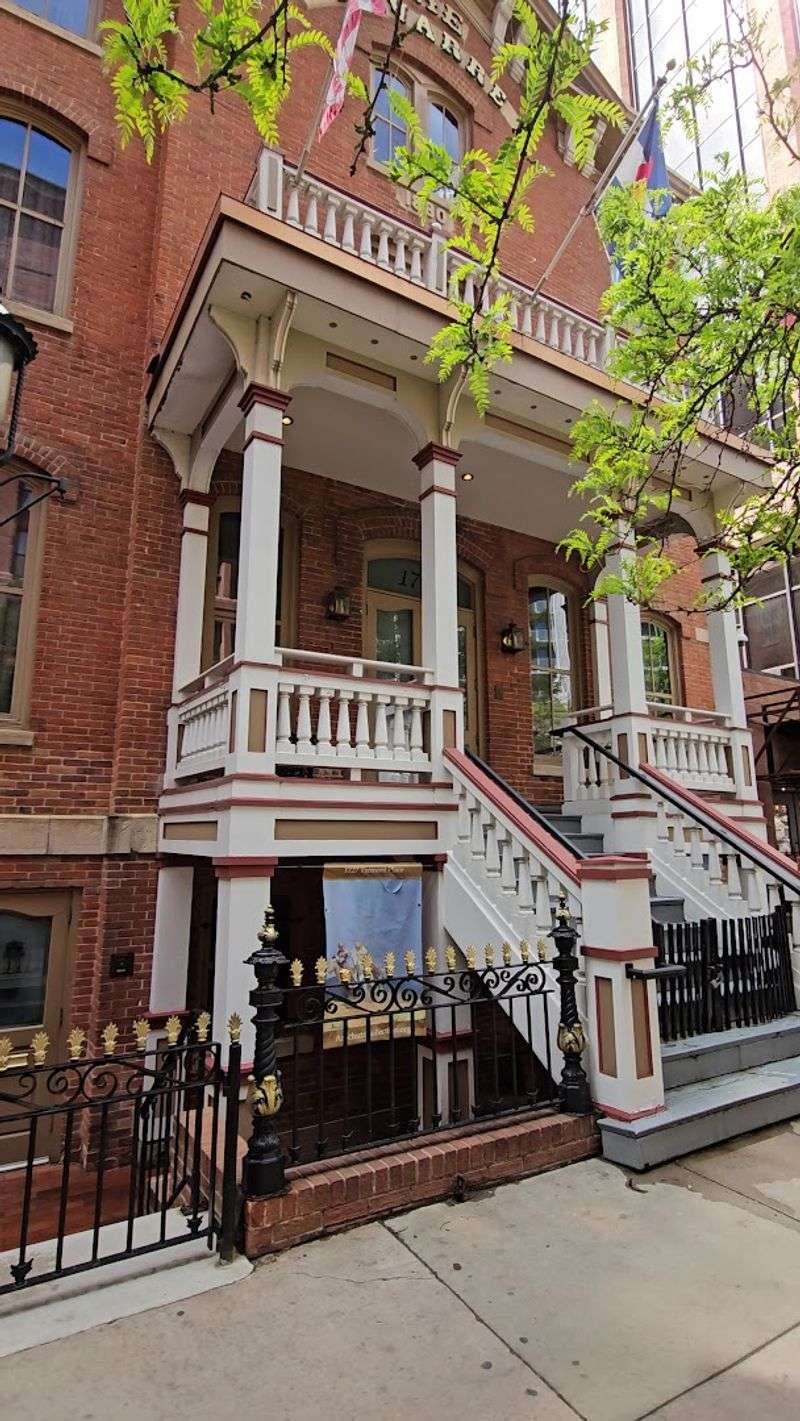
The American Museum of Western Art does not advertise loudly or compete for attention with Denver’s larger cultural institutions. It sits quietly at 1727 Tremont Place, open three days a week, charging $5, and delivering an experience that visitors consistently describe as one of the best things they did in the city.
The collection is the main event, full stop. Over 300 works by artists including Bierstadt, Remington, and O’Keeffe, housed in a historic building with a genuinely interesting past, guided by an audio tour that earns its inclusion rather than just filling silence.
The limited hours and no-photography policy require a small amount of advance planning and a willingness to put the phone away, both of which turn out to be features rather than inconveniences.
If a friend texted you from Denver, Colorado, asking what to do on a free Wednesday morning, this is the answer you would send back with confidence.
Key Takeaways:
Open Monday, Wednesday, and Friday, 10 AM to 4:30 PM only. Admission is $5; audio tour included.
Over 300 paintings spanning early 1800s to present. No photography allowed inside.
Children under 8 not admitted. Plan extra time for downtown parking if driving.