
This Arkansas Mountain Lake Has Some Of The Clearest Blue Water You’ve Ever Seen
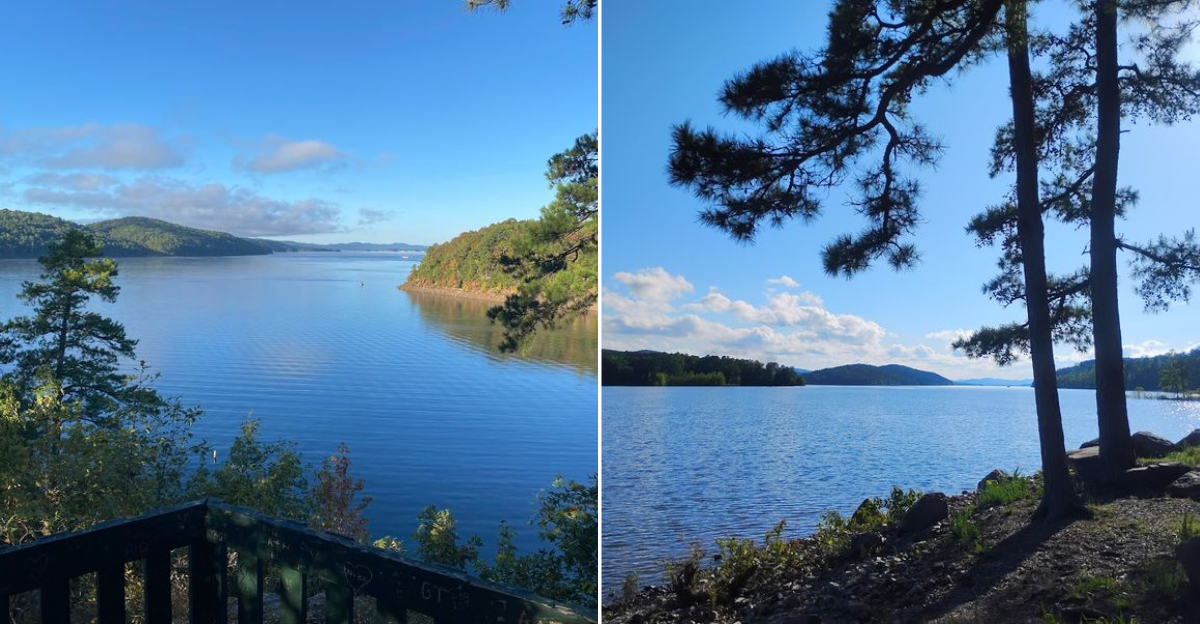
I remember stopping the first time I caught a glimpse of that water. It didn’t look real at all.
The color was almost too blue, like something you’d expect much farther from Arkansas. I was standing on a quiet hillside, pine needles crunching under my feet, with a light breeze moving through the trees.
Below me, the lake stretched out smooth and still, shifting between deep blue and lighter shades depending on the light. No noise, no crowds, just the soft sound of water along the shore.
I’ve explored a lot of Arkansas, but this one never really leaves my mind. The water is so clear it throws you off for a second.
You can actually see down into it in spots where you’d expect it to turn dark. It’s the kind of place where you end up staying longer than you meant to.
A Hidden Ridge Where Blue Water Looks Almost Unreal
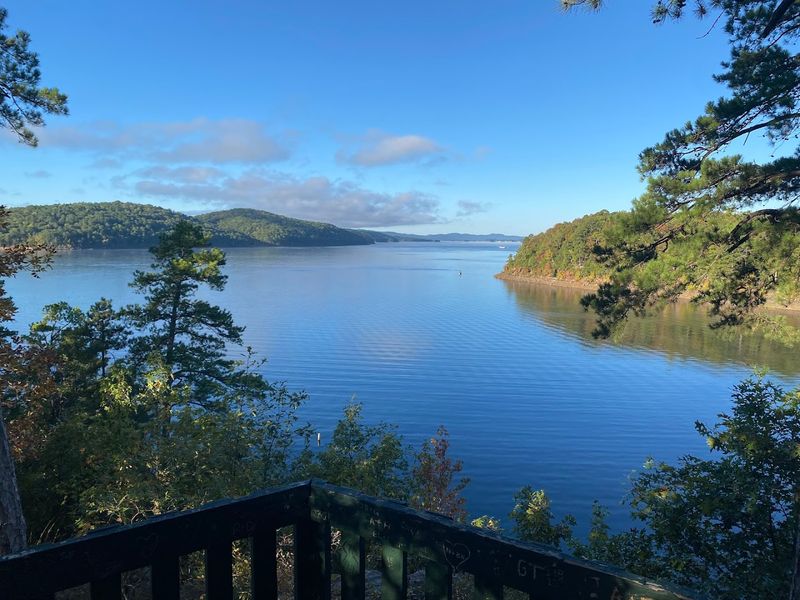
Standing on a ridge above the waterline, I questioned whether I was looking at a photograph someone had edited too aggressively.
The water below stretched out in shades of cobalt and turquoise that most people associate with tropical coastlines, not a landlocked mountain state in the American South.
From this elevated vantage point, you can trace the outline of submerged coves and rocky shelves through the water with almost no effort, which tells you something remarkable about what is happening below the surface.
The ridge itself is accessible by foot along nearby hiking paths that wind through pine and hardwood forest, rewarding anyone patient enough to make the short climb.
Morning light hits the water at a low angle here, turning the surface into something that genuinely looks painted rather than natural.
Local hikers I met along the way told me this particular overlook had been their personal favorite for years, shared mostly with friends and family.
That kind of quiet pride says everything about how special this place feels, and it all centers around Lake Ouachita in the Ouachita Mountains area near Mountain Pine, Arkansas.
Why The Water Appears So Strikingly Clear And Bright
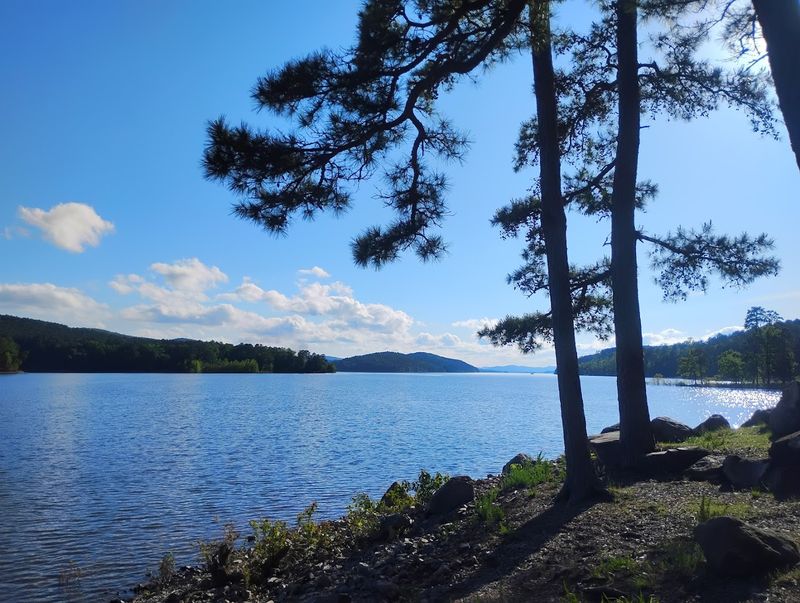
Most lakes carry a greenish or brownish tint caused by algae, sediment, and runoff from surrounding land, but Lake Ouachita operates by a different set of rules entirely.
The watershed feeding the lake drains through some of the least developed land in Arkansas, meaning very little agricultural or industrial pollution ever enters the water system.
Rocky, sandy soils in the Ouachita Mountains do not hold fine clay particles the way flatland soils do, so rainfall that filters through these highlands arrives relatively clean before it ever reaches the lake.
The U.S. Army Corps of Engineers manages the lake and has maintained strict protections around its shoreline for decades, limiting the kind of development that typically degrades water quality over time.
Low phosphorus levels in the water keep algae growth minimal, which is one of the primary reasons visibility can reach depths that would surprise even experienced divers.
On calm days with good sunlight, the bottom of shallow coves appears close enough to touch even when the water is several feet deep.
That combination of geology, land management, and sheer good fortune produces clarity that earns Lake Ouachita a consistent reputation as one of the cleanest lakes in the entire country.
The Quiet Shoreline That Feels Miles Away From Everything
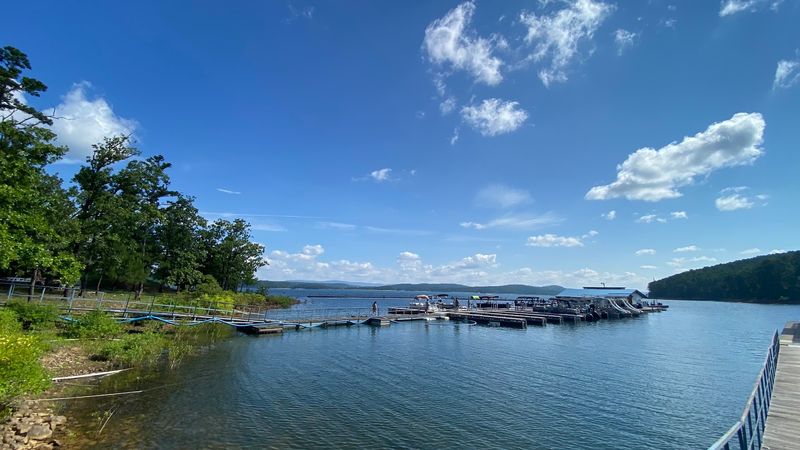
There is a particular kind of silence that only exists in places where roads stop and foot traffic thins out, and the shoreline around this lake has that silence in abundance.
Much of the lakeshore falls within the Ouachita National Forest, which means large stretches of it remain completely undeveloped and accessible only to those willing to walk a bit or arrive by boat.
Rocky outcroppings jut into the water at irregular intervals, creating natural platforms where you can sit and watch the surface shift color as clouds move overhead.
I spent an afternoon on one of these rocks without seeing another person, which felt almost surreal given how close I was to a road.
The treeline comes right down to the water in most places, so the shoreline has a hemmed-in, protected quality that makes the outside world feel genuinely distant.
Birdsong, wind through pine needles, and the soft sound of small waves against stone fill whatever quiet the forest does not already claim.
Visitors who come expecting a busy beach scene often leave having discovered something far more valuable, which is the rare pleasure of a shoreline that asks nothing of you except your full attention.
How The Surrounding Forest Shapes The Entire Experience
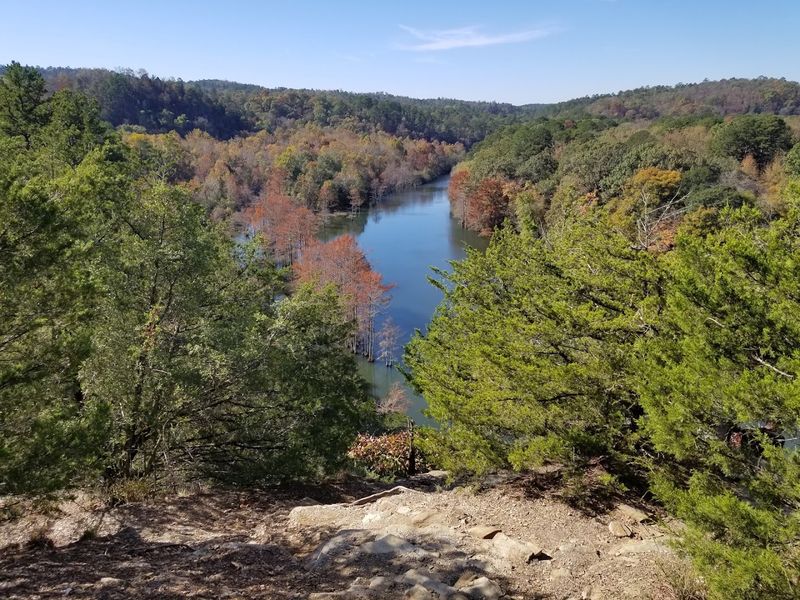
You cannot fully understand Lake Ouachita without understanding the forest that wraps around it on almost every side.
The Ouachita National Forest covers more than 1.8 million acres across Arkansas and Oklahoma, and the section surrounding the lake is dense, varied, and full of the kind of mature forest character that takes generations to develop.
Shortleaf pine dominates the higher ridges, while bottomland hardwoods crowd the lower slopes closer to the water, creating a layered canopy that shifts color dramatically through the seasons.
That forest cover does more than look beautiful; it actively filters runoff, stabilizes the soil, and keeps the water temperature and chemistry in a range that supports exceptional clarity.
Hiking through the trees before reaching the water builds a sense of anticipation that makes the first clear view of the lake feel genuinely earned.
Wildlife moves through these woods with confidence, and I counted three white-tailed deer on a single morning walk without trying particularly hard.
The forest and the lake exist in a relationship so close and interdependent that changing one would fundamentally alter the other, which is exactly why the protections placed on this land matter so much to everyone who loves it.
The Best Times Of Day To See The Water At Its Clearest
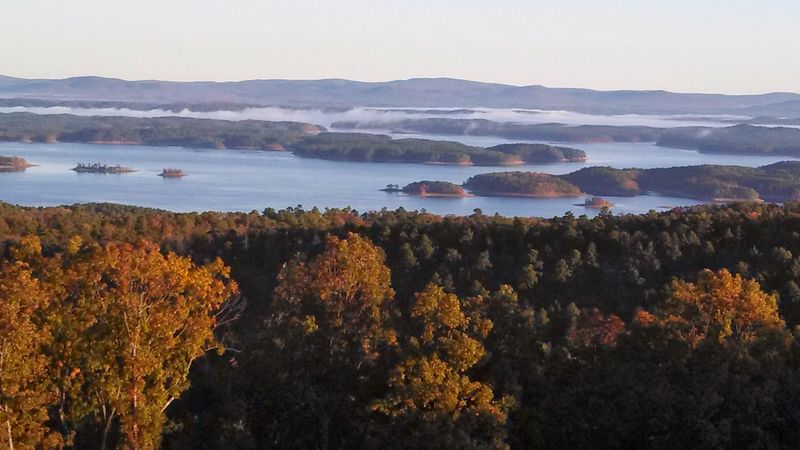
Timing your visit to Lake Ouachita is not complicated, but it does make a real difference in what you actually see when you get there.
Early morning, roughly between sunrise and two hours after, offers the calmest water surface and the best light angle for seeing through to the bottom of shallow areas.
Wind picks up as the day heats, and even gentle surface chop scatters light in ways that reduce underwater visibility from the shore.
Midday sun positioned directly overhead actually helps with deeper water viewing because it drives light straight down rather than skimming across the surface at an angle.
Late afternoon brings warm golden tones to the water that make the blue appear almost amber near the shallows, which is a completely different kind of beautiful from the crisp morning clarity.
Overcast days dull the color contrast but reveal the water’s transparency in a subtler way, stripping away the glare that can sometimes wash out details.
I personally favor arriving just after sunrise with a thermos of coffee and absolutely no agenda, because the lake at that hour has a meditative quality that rewards patience and makes every other time of day feel slightly rushed by comparison.
What Makes This Lakeside Ridge Feel So Undiscovered
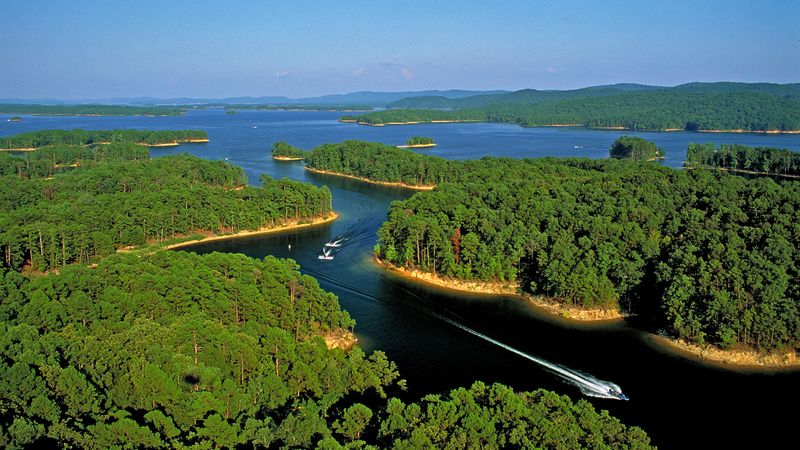
Part of what makes this place feel undiscovered is simply geography; Mountain Pine sits at the edge of the lake with a population under 1,000, and the surrounding area has never attracted the kind of commercial attention that tends to follow spectacular scenery.
There are no waterfront resort strips here, no chain restaurants lining the approach road, and no souvenir shops competing for your attention at every corner.
What exists instead is a campground, a boat ramp, some hiking trails, and an awful lot of open sky and quiet water.
The people I encountered during my visits were almost universally locals or repeat visitors who had been coming for years and had no interest in broadcasting the place to anyone who might change it.
That protective attitude toward a favorite spot is something I respect deeply, and it speaks to how genuinely special this environment feels to those who know it.
Access requires a bit of intention; the best viewpoints are not always right off the main road, which naturally filters out casual or impatient visitors.
That small barrier of effort is, in a very real way, the single best thing protecting the unspoiled character of this lakeside ridge from the pressures that have already changed so many other beautiful places.
Small Details Visitors Notice The Moment They Arrive
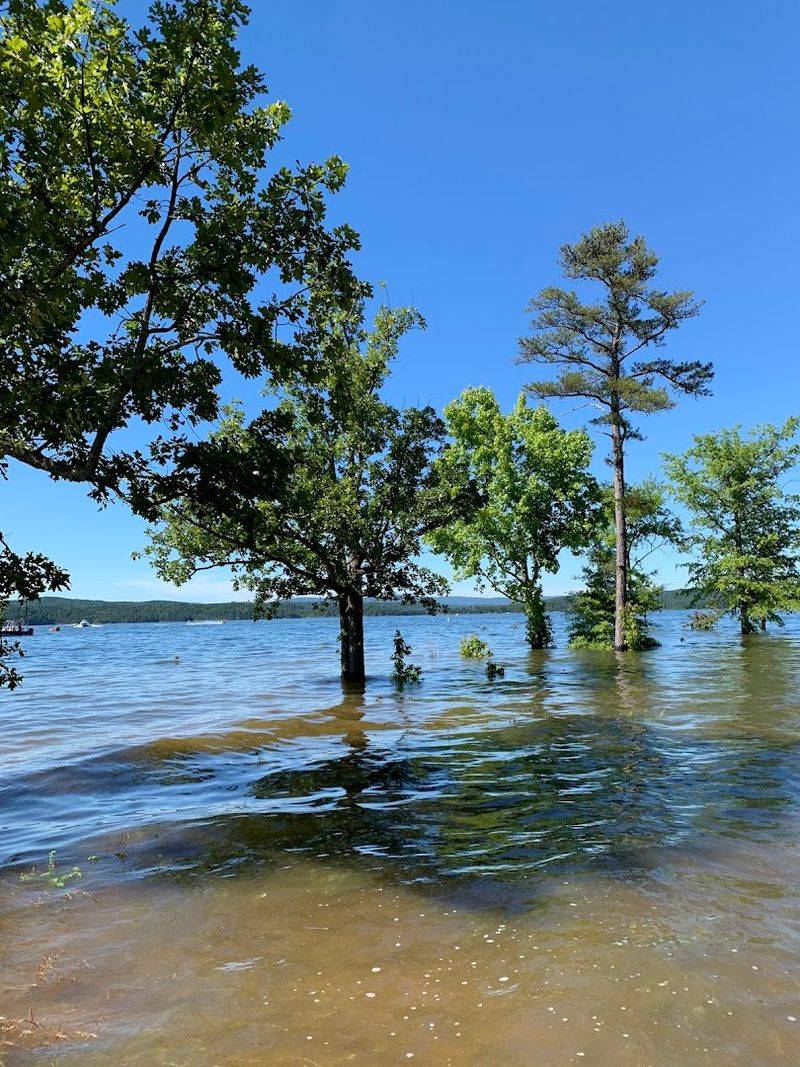
The first thing most people notice is not the water itself but the air, which carries a clean, resinous pine scent that signals immediately that you have left the city far behind.
Then the road begins to drop toward the lake and the treeline opens just enough to deliver that first glimpse of blue, which tends to produce an involuntary pause from even the most composed travelers.
The parking areas near the water are unpretentious and often only partially full, which adds to the feeling that you have arrived somewhere that has not yet been packaged for mass consumption.
Underfoot, the ground shifts between packed earth, pine straw, and smooth rock as you approach the shoreline, each texture offering a small sensory cue about where you are.
The water color changes as you move along the shore, ranging from pale aqua in the shallows to a deep, saturated blue in the open lake, and watching that gradient shift is oddly hypnotic.
Small fish are visible near the rocky edges on calm days, darting through water so clear they appear to be suspended in glass rather than swimming.
All of these details accumulate quickly, building a strong first impression that most visitors describe as feeling like they have been let in on something that the rest of the world somehow missed.
Why This Scenic Spot Leaves Such A Lasting Impression
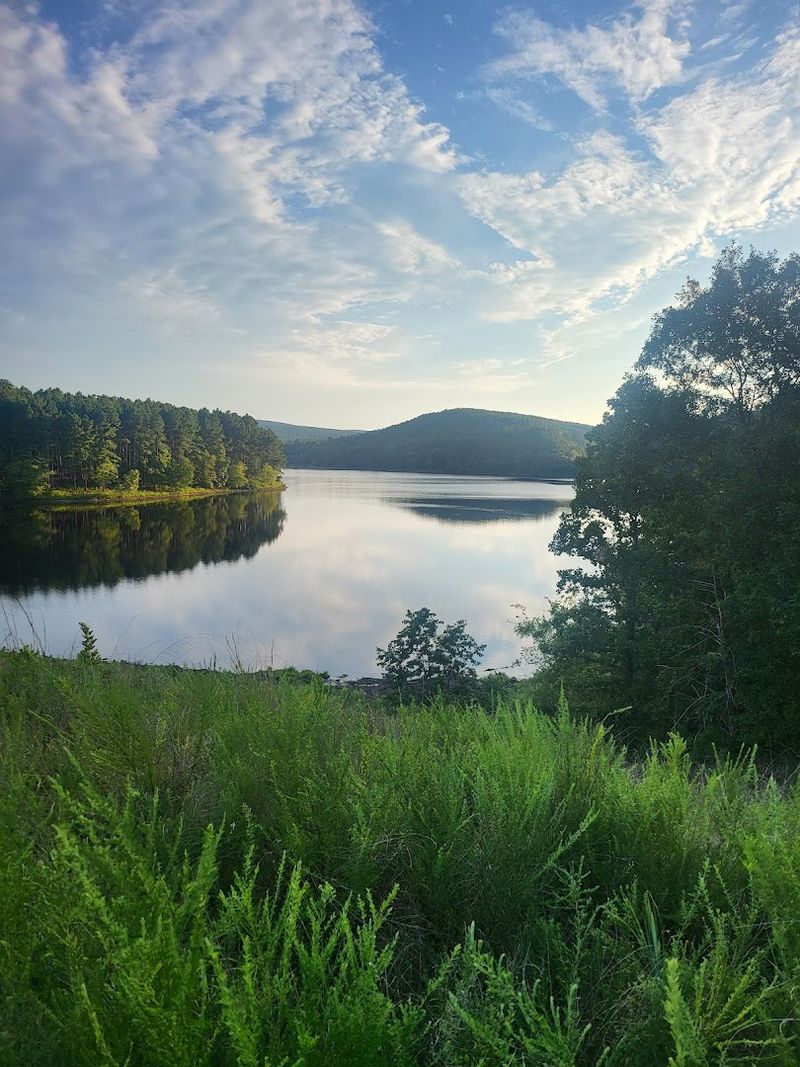
Some places are beautiful in a way that is easy to admire and then move on from, but Lake Ouachita near Mountain Pine has a quality that tends to linger well after you have driven home.
I think it has something to do with the rarity of the experience; genuinely clear water in a forest mountain setting, with minimal crowds and no commercial noise, is harder to find than most people realize.
The combination of visual impact and sensory calm creates a memory that the brain files differently than a typical vacation outing.
Conversations I have had with other visitors consistently return to the same theme, which is a mild disbelief that a place this striking exists without more fanfare or recognition.
There is also something emotionally grounding about a landscape that has not been altered to suit visitors, because it forces you to meet the place on its own terms rather than the other way around.
Repeat visitors describe a pull that brings them back seasonally, as if the lake holds something slightly different for each time of year and each stage of life.
For me, the lasting impression comes down to one simple truth: standing at the edge of that impossibly blue water, surrounded by old forest and mountain silence, I felt genuinely lucky to be exactly where I was.