
This Florida Hiking Trail Feels Like A Fairytale With Wooden Paths Through A Cypress Forest
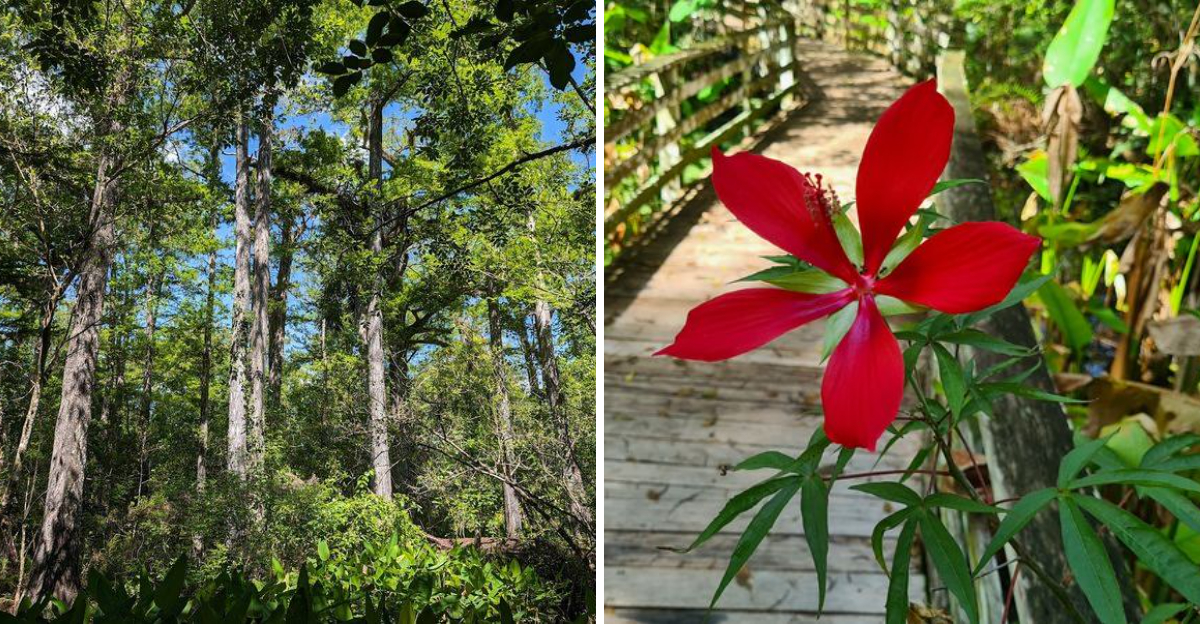
Nature walks can be relaxing, but what if one felt like stepping straight into a living storybook?
In Florida, there is a place where towering cypress trees rise like natural cathedrals and a winding boardwalk pulls you deep into a wetland world that feels untouched by time.
From the very first steps, everything changes. Light filters softly through the canopy, reflections shimmer in still water below, and the sound of birds fills the air in a way that makes the outside world fade almost instantly.
This is not just a trail.
It is a quiet, immersive journey through an ancient landscape that has remained largely unchanged for centuries.
Wooden paths guide you forward, keeping you close enough to experience it all, yet just distant enough to preserve its calm, undisturbed rhythm.
Somewhere along the way, it stops feeling like a walk.
It feels like discovering a hidden world you did not expect to find.
Ancient Cypress Giants Tower Overhead
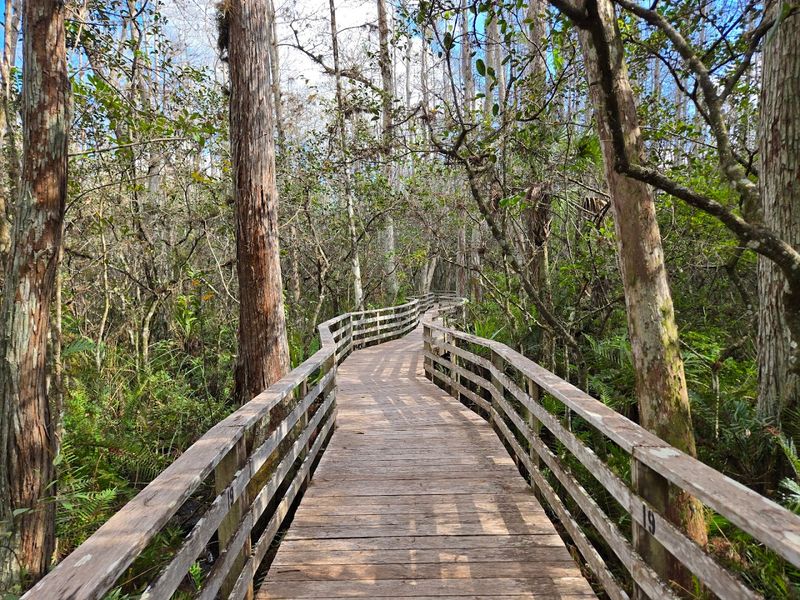
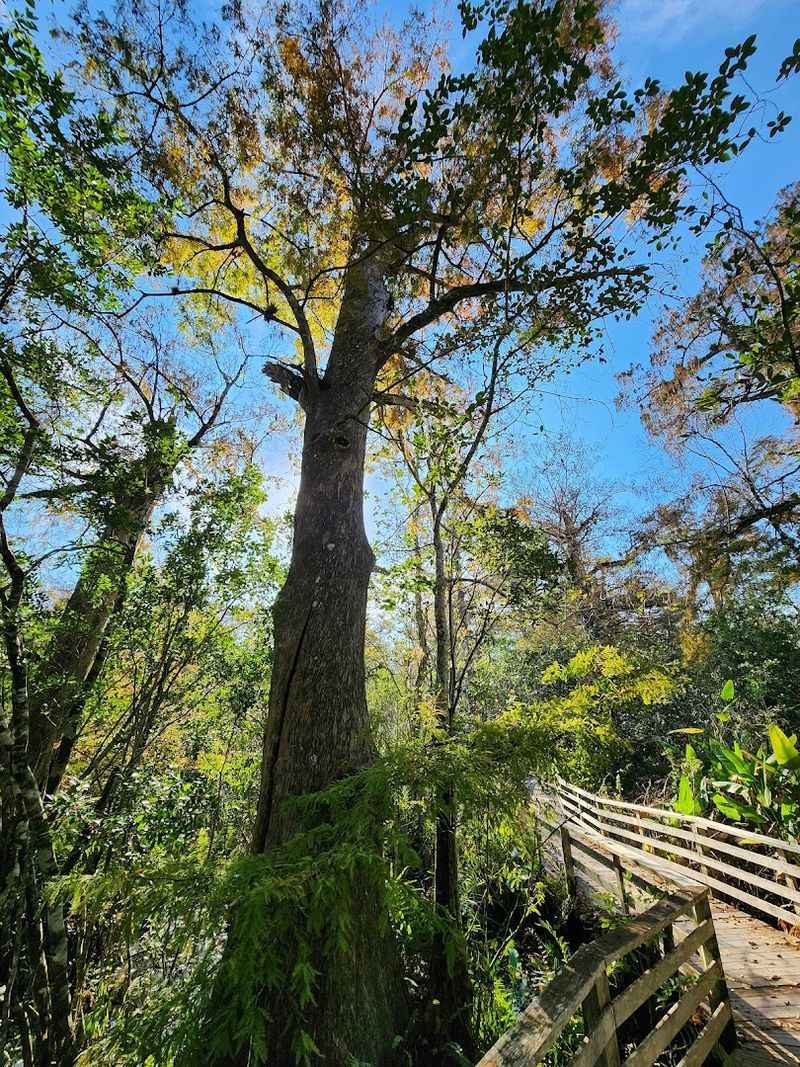
The moment I rounded the first bend at Corkscrew Swamp Sanctuary, I stopped breathing for a second. These cypress trees are not the skinny saplings you see in most parks but genuine ancient giants, some over 500 years old, with trunks so wide that three people linking arms might not encircle them.
Their bark is deeply furrowed and textured like the face of time itself, and their canopy spreads so high above that you have to crane your neck to see where they end. Spanish moss drapes from every branch, creating curtains of silvery-green that sway with the slightest breeze.
I found myself walking slower than usual, not because the path was difficult, but because these trees demanded respect and attention. Each one felt like a living monument to Florida’s wild past.
The shade they provide is almost complete in some sections, creating pockets of cool air even on the hottest days. Standing beneath them, I felt smaller in the best possible way, reminded that nature operates on timescales far beyond our daily concerns.
These trees are the true stars of the sanctuary, and they deliver a sense of wonder that no photograph can fully capture.
Elevated Boardwalk Keeps Adventure Accessible
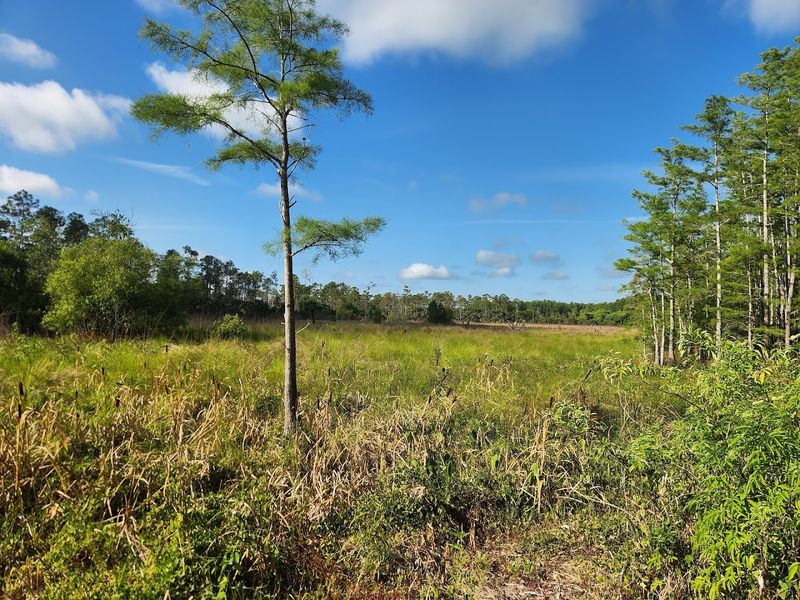
One of my favorite aspects of Corkscrew Swamp Sanctuary is how the entire 2.25-mile trail sits on a sturdy wooden boardwalk that makes the experience available to nearly everyone. I watched parents pushing strollers, visitors navigating wheelchairs, and older guests with canes all enjoying the same magical journey through the swamp.
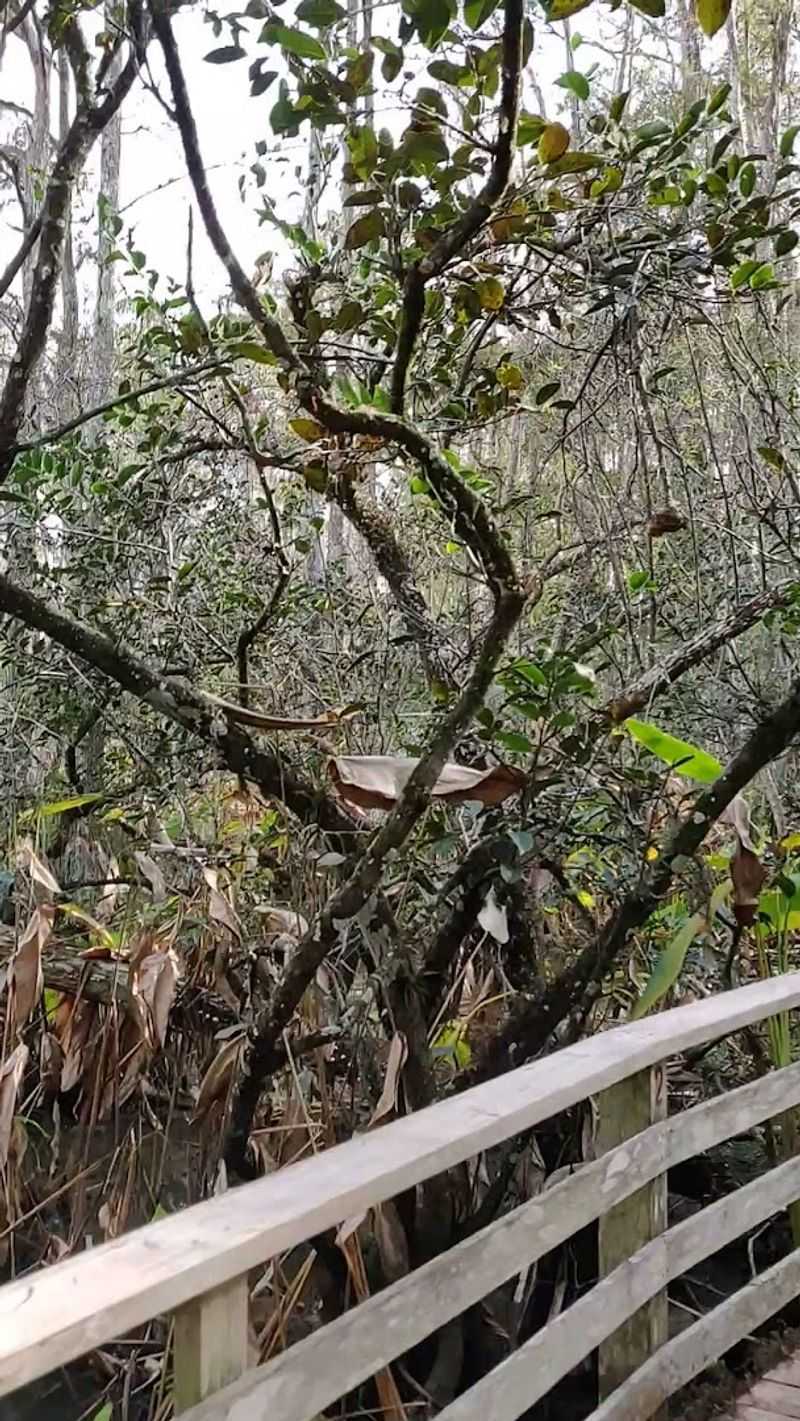
The boardwalk is wide enough for two people to walk side by side comfortably, and it features gentle curves that follow the natural contours of the landscape. There are no steep inclines or tricky steps, just a smooth, continuous path that floats above the wetlands.
I appreciated how the elevated design keeps you dry while offering perfect views of the water below, where turtles sunbathe on logs and fish dart between cypress knees. The railings provide safety without blocking the scenery, and benches appear at regular intervals for those who want to pause and soak in the atmosphere.
During my visit, I noticed how the boardwalk’s construction seems almost invisible after a while, allowing the forest to take center stage. It is maintained impeccably, with no loose boards or concerning wobbles, which let me focus entirely on the wildlife and vegetation rather than watching my step.
Wildlife Encounters Feel Delightfully Unpredictable
Every trip to Corkscrew Swamp Sanctuary brings different animal sightings, which keeps the experience fresh no matter how many times you visit. During my first walk, I spotted a massive alligator lounging so close to the boardwalk that I could see the texture of its prehistoric skin and count the ridges along its tail.
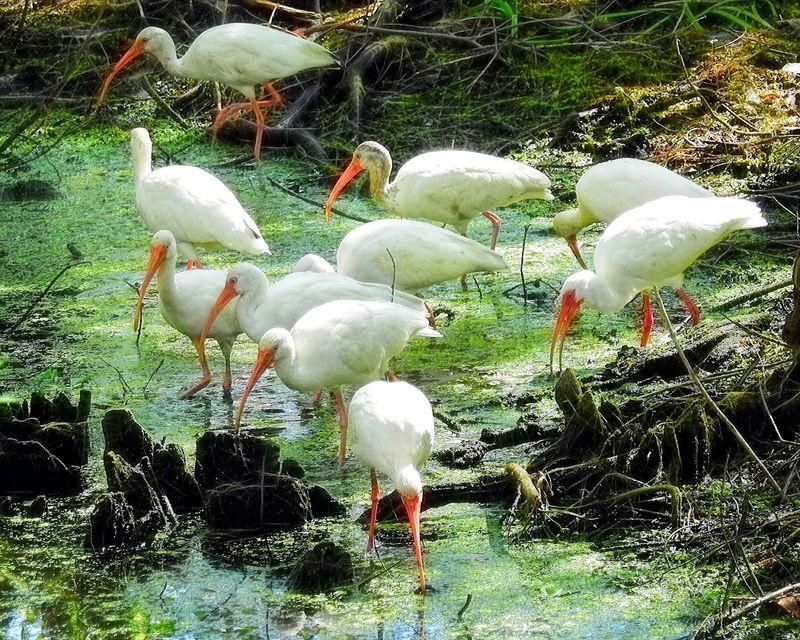
The sanctuary is home to an impressive variety of wading birds, including great egrets, wood storks, anhingas, and roseate spoonbills, depending on the season. I watched an anhinga spread its wings to dry in the sun, looking like a feathered cross against the blue sky.
Raccoons make frequent appearances, often foraging near the water’s edge with an adorable lack of concern for the humans watching from above. I even saw a snake gliding through the water, its movements so smooth it barely disturbed the surface.
The sanctuary keeps a chalkboard near the entrance where staff and visitors record daily sightings, which I found helpful for knowing what to look for. Some days are quieter than others, but patience is always rewarded with at least a few memorable encounters that make you feel like a guest in someone else’s home.
Seasonal Changes Transform The Landscape
Corkscrew Swamp Sanctuary reveals entirely different personalities depending on when you visit, making it a destination worth experiencing multiple times throughout the year. I first went during the wet season when water levels were high, and the swamp felt lush and alive with the sounds of frogs and insects creating a constant background chorus.
The dry season, which runs roughly from November through April, brings the best bird-watching opportunities as wading birds concentrate around shrinking pools of water. During this time, I saw more wildlife activity in a single morning than I had during my summer visit.
Spring brings nesting season, when wood storks and other species raise their young in the treetops, creating a flurry of activity and noise that makes the forest feel like a bustling neighborhood. The cypress trees themselves change from the fresh green of new growth to the russet tones of autumn before their needles drop.
Even the light shifts with the seasons, creating different moods and photographic opportunities. I learned to check the sanctuary’s website before visiting to see what seasonal highlights were currently on display, which helped me plan my trips around specific wildlife or vegetation I wanted to experience.
Educational Signage Enriches Every Step
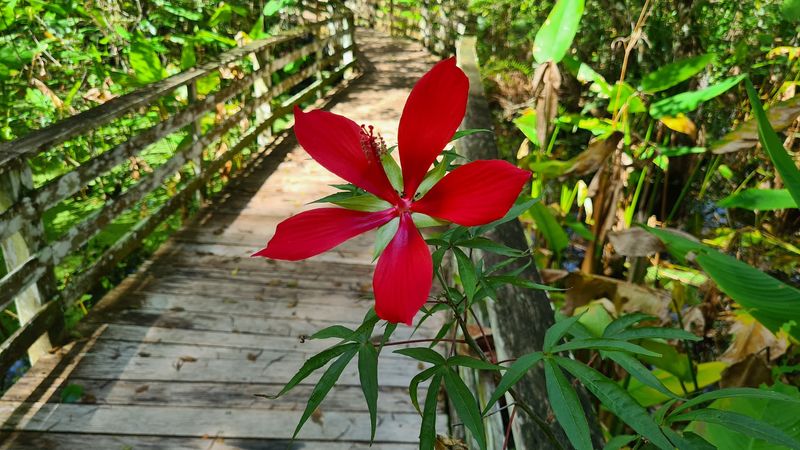
Walking through Corkscrew Swamp Sanctuary feels like taking a guided tour even when you are exploring solo, thanks to the thoughtfully placed interpretive signs that appear throughout the trail. These markers explain everything from the age of specific trees to the feeding habits of various bird species, turning a simple walk into a genuine learning experience.
I found myself stopping at nearly every sign during my first visit, fascinated by details about how cypress knees help the trees breathe and how the swamp ecosystem supports such incredible biodiversity. The information is presented in clear, accessible language that never feels overly technical or boring.
Some signs include illustrations that help identify different species of birds, which proved invaluable when I spotted an unfamiliar wader and wanted to know what I was looking at. Others explain the conservation efforts that protect this old-growth forest, one of the largest remaining in North America.
The sanctuary also provides printed guides at the entrance that correspond with numbered posts along the trail, offering even more detailed information for those who want to dive deeper. I appreciated how the educational elements enhanced my experience without overwhelming the natural beauty or making the walk feel like a classroom assignment.
Perfect Length For Leisurely Exploration
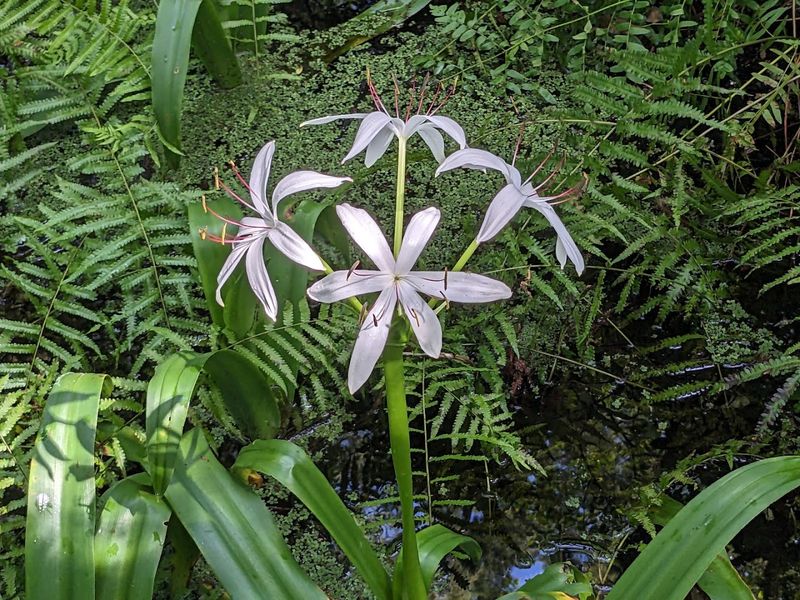
At 2.25 miles, the Corkscrew Swamp Sanctuary trail hits a sweet spot that feels substantial without becoming exhausting, making it ideal for visitors of varying fitness levels and time constraints. I completed the loop in about an hour and a half when walking at a steady pace, but I have also spent nearly three hours on the same trail when stopping frequently to watch wildlife and read every interpretive sign.
The distance allows you to fully immerse yourself in the swamp environment without the trail becoming monotonous or repetitive. Just when one section starts to feel familiar, the landscape shifts to reveal a new ecosystem or vista.
I appreciated that there are no shortcuts or early exits, which might sound limiting but actually encourages visitors to commit to the full experience and discover sections they might have otherwise skipped. The continuous loop design means you never have to backtrack, keeping the journey feeling fresh from start to finish.
For families with children, the length is manageable enough that kids can complete it without excessive complaining, especially when motivated by the prospect of spotting alligators or colorful birds. The presence of benches every few hundred yards provides natural rest points for anyone who needs them.
Visitor Center Adds Comfort And Context
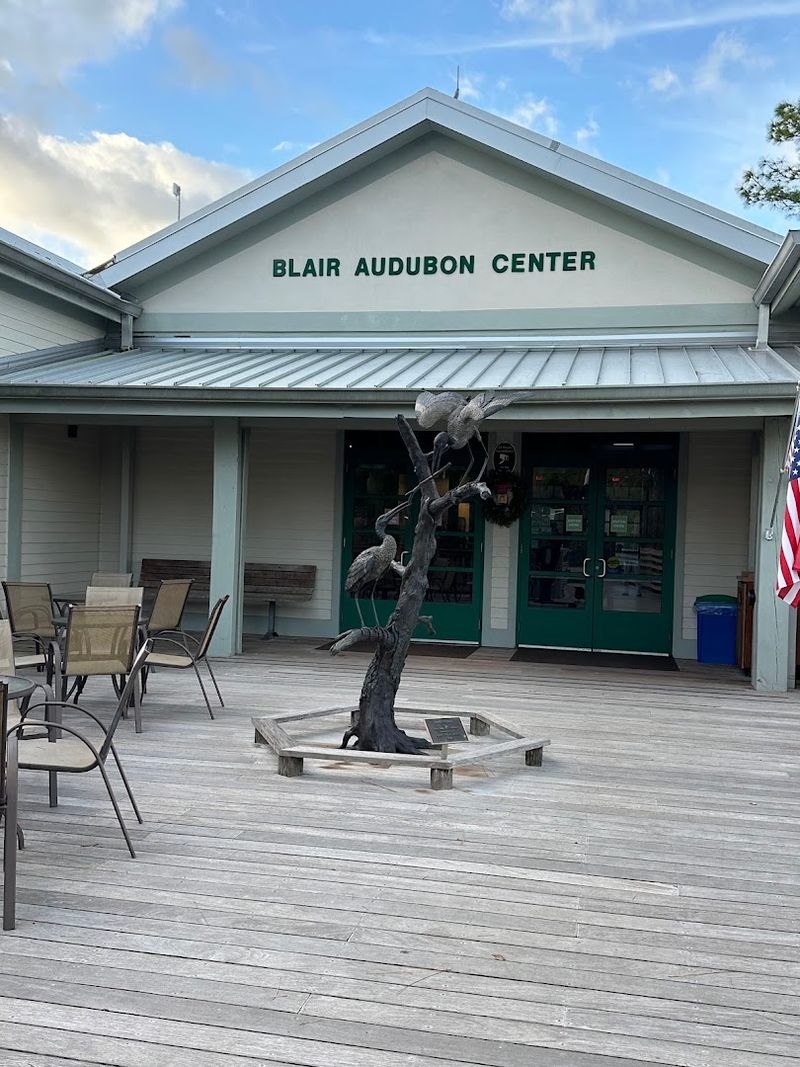
Before hitting the boardwalk, I always spend a few minutes at the visitor center, which serves as both a practical hub and an educational introduction to what lies ahead on the trail. The building houses clean restrooms, which are essential since there are no facilities once you start walking, along with a small cafe offering sandwiches, snacks, and cold drinks.
The gift shop surprised me with its thoughtful selection of field guides, locally made items, and nature-themed gifts that go beyond the typical tourist trinkets. I picked up a bird identification book that became my constant companion on subsequent visits.
Inside, you will find educational displays about the sanctuary’s history, conservation efforts, and the species that call this place home. The staff and volunteers are genuinely knowledgeable and enthusiastic, always ready to answer questions or share recent wildlife sightings to help you know what to look for.
The center also provides binoculars for rent, which I highly recommend if you do not own a pair, as they dramatically improve your ability to spot and identify distant birds. Air conditioning offers a welcome respite before and after your walk, especially during Florida’s warmer months when even the shaded boardwalk can feel steamy.
Photography Opportunities Around Every Bend
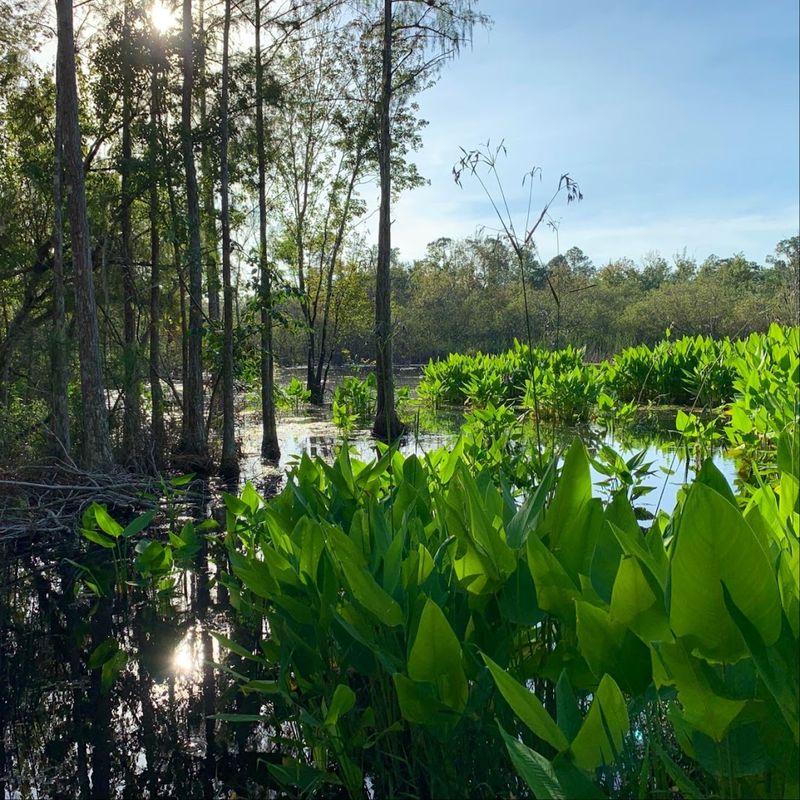
Corkscrew Swamp Sanctuary ranks among the most photogenic locations I have ever visited, offering compositions that range from sweeping landscape vistas to intimate wildlife portraits. The interplay of light filtering through the cypress canopy creates constantly changing conditions that challenge and reward photographers of all skill levels.
Early morning visits provide the best lighting, with golden rays penetrating the forest and illuminating Spanish moss in ways that look almost painted. I have captured some of my favorite images during this time, when the swamp is quietest and wildlife is most active.
The boardwalk’s elevation puts you at perfect eye level with birds perched in mid-story branches, eliminating the neck-craning angles that plague ground-level photography. Reflections in the still water create natural mirror images that double the visual impact of the towering trees.
I learned to move slowly and pause frequently, as the best shots often reveal themselves only to patient observers who give the scene time to unfold. The sanctuary’s protected status means wildlife is relatively habituated to human presence, allowing for closer approaches than you might achieve in less-visited areas.
Every season offers different photographic opportunities, from nesting birds in spring to the russet tones of cypress needles in fall.
Conservation Success Story You Can Walk Through
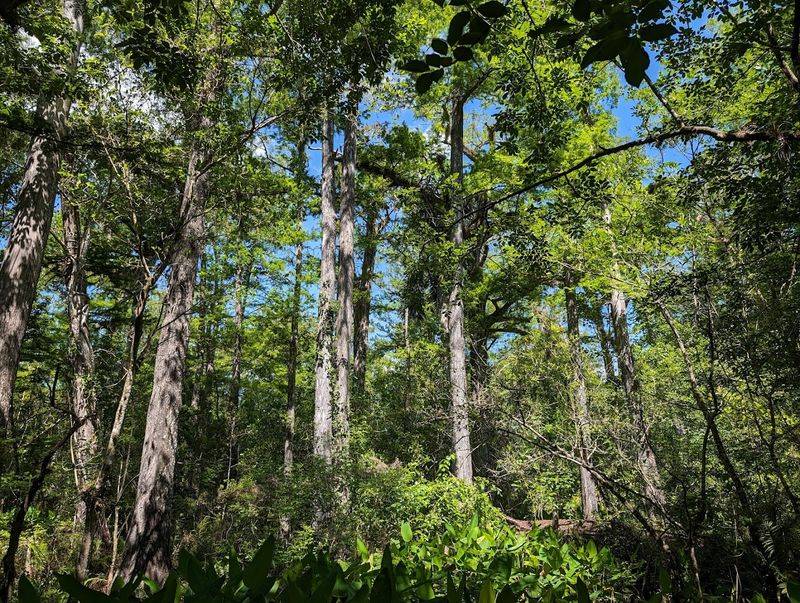
What makes Corkscrew Swamp Sanctuary truly special is not just its beauty but the fact that it represents one of the greatest conservation victories in Florida history. This old-growth cypress forest nearly fell to logging in the early 20th century, when most of Florida’s ancient trees were being harvested for their valuable timber.
The National Audubon Society purchased the land in 1954 specifically to protect the nesting wood storks and preserve the forest, creating a refuge that now spans over 13,000 acres. Walking through this landscape, I felt a profound gratitude for the foresight of those early conservationists who recognized what would be lost if they did not act.
The sanctuary serves as a living laboratory where scientists study wetland ecology, bird populations, and the effects of water management on these fragile ecosystems. Some of the research conducted here has influenced water policy throughout South Florida.
I found it moving to realize that the trees towering above me have survived centuries of hurricanes, droughts, and human threats, and now stand protected for future generations. The sanctuary proves that conservation works when people commit resources and attention to protecting wild places.
Accessible Adventure Close To Naples
Located just a short drive from Naples at 375 Sanctuary Rd W, Naples, FL 34120, Corkscrew Swamp Sanctuary offers an escape into wilderness without requiring hours of travel or backcountry skills. I have visited from both Naples and Fort Myers, and the drive takes less than an hour from either city, making it perfect for a half-day adventure.
The sanctuary is open daily from 8 AM to 3 PM, with the earlier hours providing the best wildlife viewing opportunities before the heat of the day sets in. I learned to arrive right when the gates open, giving me the trail largely to myself for the first hour.
Admission costs $17 per person, which might seem steep at first glance but represents excellent value when you consider the quality of the experience and the conservation work your fee supports. Annual memberships are available for frequent visitors and provide unlimited access plus discounts in the gift shop.
Ample parking means you never have to worry about finding a spot, even on busy weekends. The sanctuary attracts crowds during peak season, but the boardwalk is long enough that people spread out naturally, and I have never felt uncomfortably crowded even on popular days.