
The Scenic 24-Mile Drive In Arizona Is One Of The Southwest’s Most Underrated Adventures
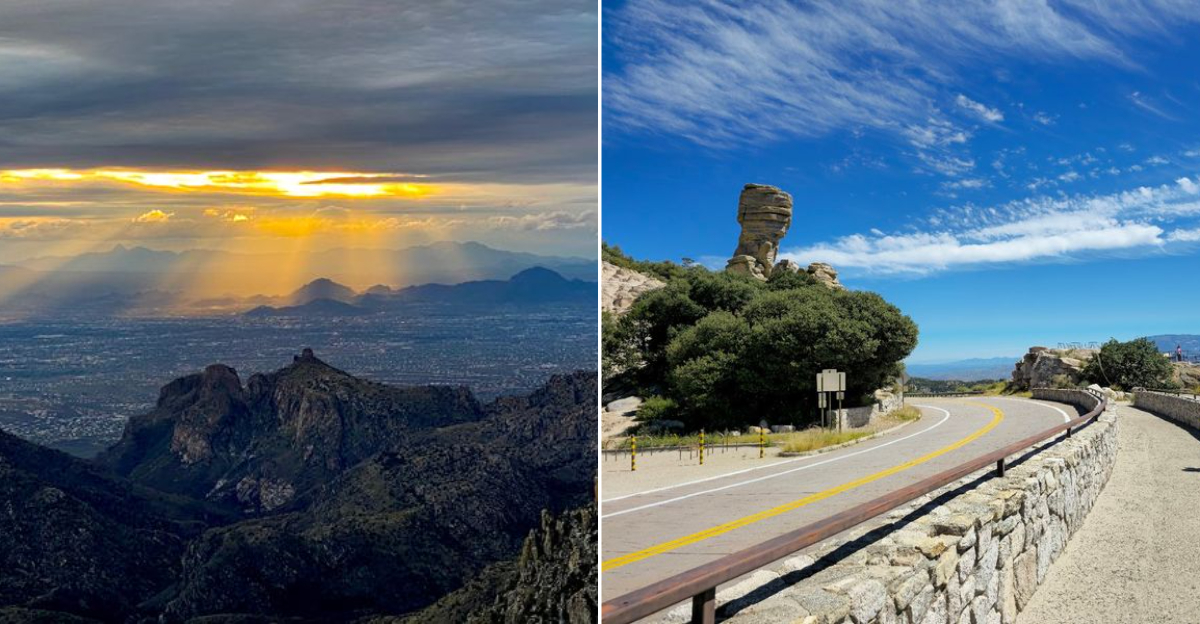
We all know the classic desert road trips, but there’s a specific ribbon of asphalt in Arizona that doesn’t get nearly enough credit for how hard it flexes on the scenery.
Imagine starting your day surrounded by giant cacti and ending it in a pine-scented wonderland where the air actually smells like a fresh mountain morning.
It’s roughly 24 miles of hairpin turns and jaw-dropping overlooks that will make your passengers grip the door handles and reach for their phones at the same time. This winding path through the clouds is the ultimate reminder that Arizona is so much more than just heat and sand.
Grab your favorite snacks and your best playlist, because this is one hidden gem you absolutely have to experience to believe.
The Road Itself: A 24-Mile Journey Through Five Worlds
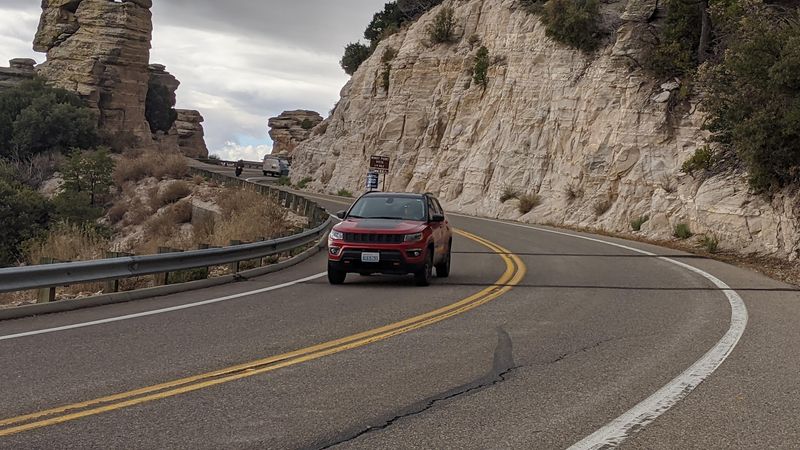
Not many roads on the planet can honestly claim to take you through five completely different ecosystems in under an hour, but the Sky Island Scenic National Byway pulls that off without breaking a sweat. Starting near Tucson, Arizona, the route climbs from the Sonoran Desert floor at roughly 2,800 feet all the way up to the summit of Mount Lemmon at about 9,157 feet above sea level.
As the elevation rises, the scenery transforms in ways that feel almost theatrical. Saguaro cacti give way to scrubby oak woodlands, then ponderosa pines, and eventually spruce and fir trees that would feel right at home in Canada.
Each transition happens gradually, so you catch yourself doing double-takes out the window every few miles.
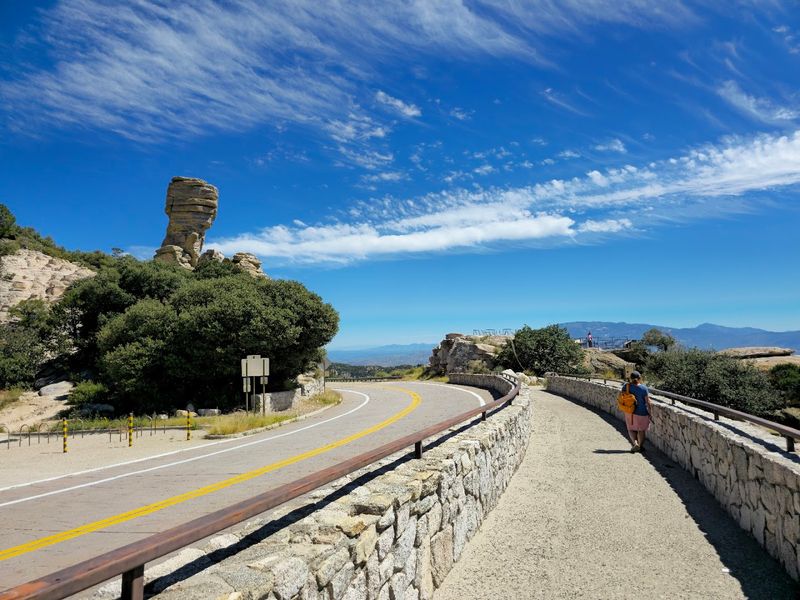
Catalina Highway is the official road that carries you through this byway, and it is well-maintained and accessible to regular passenger vehicles. Pulling over frequently is not just encouraged here, it is practically required to do the drive justice.
Windy Point Vista: The Stop That Steals Every Traveler’s Breath
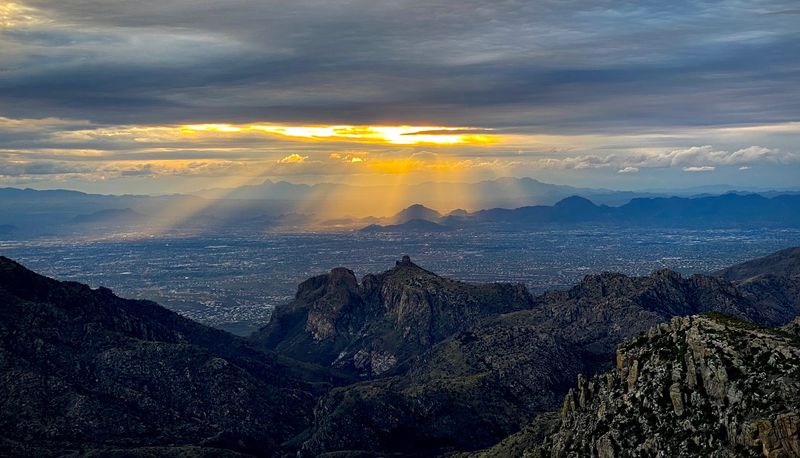
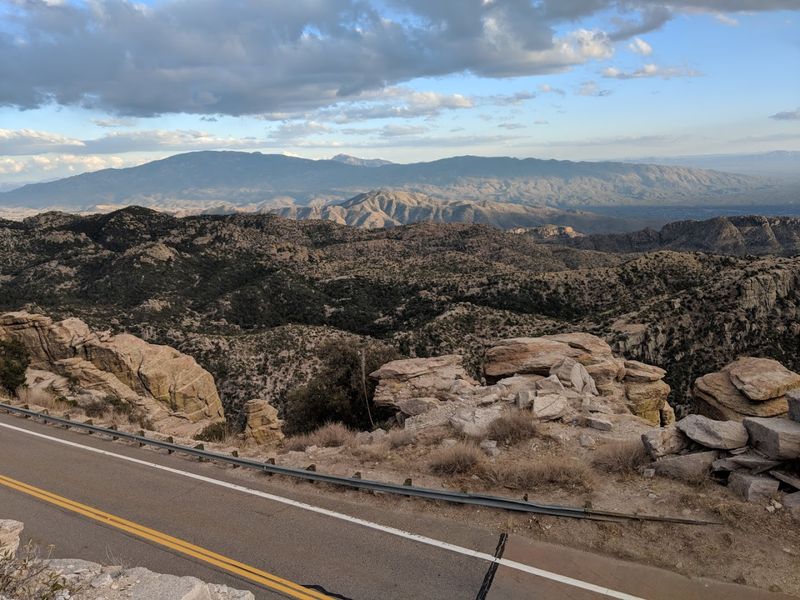
Sitting at about the halfway mark of the drive, Windy Point Vista at 930 Catalina Hwy, Mt Lemmon, AZ 85619, is the kind of overlook that makes you forget you had anywhere else to be.
Rated 4.9 stars from over 3,300 reviews, this scenic spot earns every bit of that praise the moment you step out of your car and see the Tucson valley sprawling below you like a living map.
The granite boulders here are not just for admiring from a distance. Visitors regularly scramble up and around them, finding private little perches where the views get even wider and the wind picks up in the best possible way.
Sunset visits are especially popular, and for good reason, since the sky above the desert turns into a color show that no camera fully captures.
Arriving at least an hour before sunset on weekends is smart planning, since the parking lot fills up fast. Restrooms are available on-site, which is a welcome convenience at this elevation.
The Science Of Sky Islands: Why This Place Is Biologically Remarkable
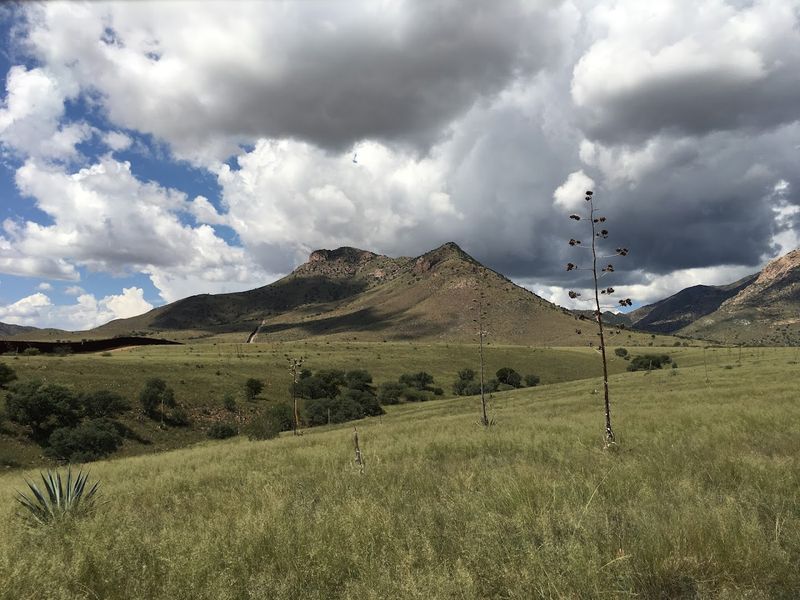
The term sky island refers to a mountain range that rises so dramatically from the surrounding desert that it creates isolated pockets of habitat, almost like actual islands surrounded by a sea of dry lowland. The Santa Catalina Mountains, which the byway climbs, are one of the most studied examples of this phenomenon in North America.
Because these mountain ecosystems are cut off from other forests by miles of desert, the plants and animals living up here evolved in relative isolation.
That process has produced unique species and subspecies found nowhere else on Earth, which is why biologists and nature lovers treat this byway as something close to sacred ground.
Birders especially go wild for this route, since rare species like the elegant trogon and several owl varieties pass through or nest in the area. Even casual visitors who are not particularly into wildlife tend to notice how alive the forest feels compared to the desert they left behind just thirty minutes earlier.
Mount Lemmon Summit: Where Tucson’s Summer Heat Cannot Follow
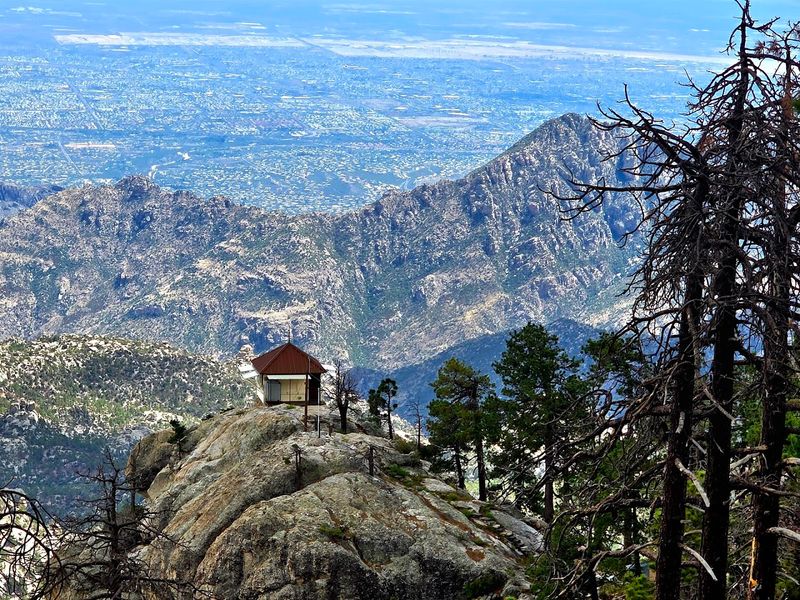
Reaching the top of the byway means arriving at Summerhaven, a small mountain community nestled among the pines at nearly 8,000 feet.
On a day when Tucson is baking at 105 degrees Fahrenheit down below, temperatures up here can sit comfortably in the low 70s, which explains why locals have been making this pilgrimage for generations.
The Mount Lemmon Ski Valley sits just above Summerhaven and holds the distinction of being the southernmost ski area in the continental United States. In winter, it gets enough snowfall to run actual ski runs, which feels delightfully surreal when you remember that saguaro cacti are growing just a few thousand feet below.
A handful of small shops and a beloved pie shop called the Cookie Cabin await visitors at the summit, offering warm food and a cozy atmosphere after the scenic drive up. Spending a few lazy hours up here before heading back down is one of those simple pleasures that turns a good day trip into a genuinely memorable one.
Best Times To Drive And What To Expect Each Season
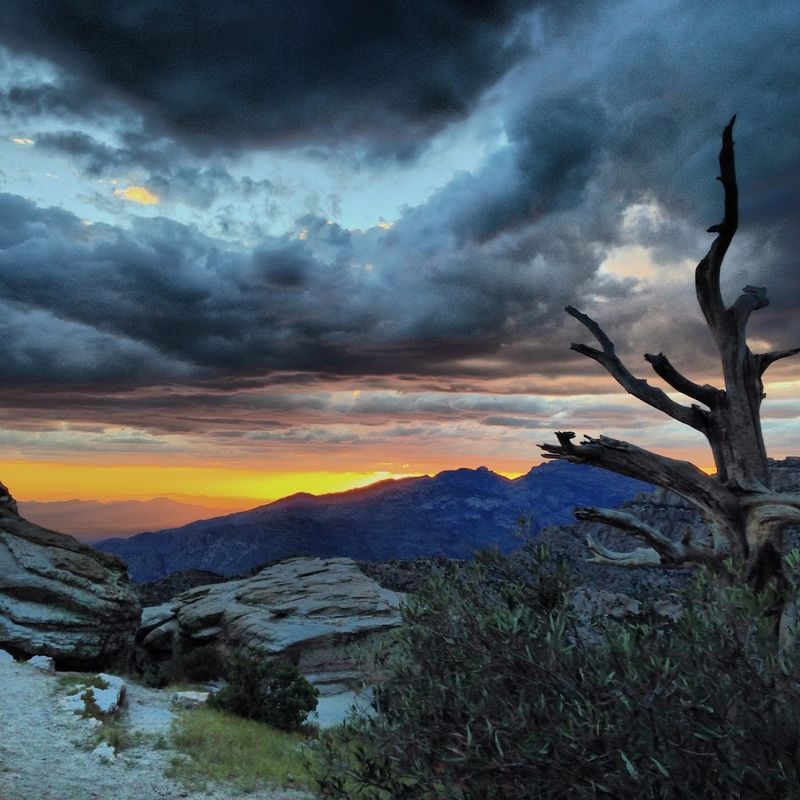
Spring and fall are widely considered the sweet spots for driving this byway, and the reasons are straightforward.
Temperatures are comfortable at all elevations, wildflowers and changing foliage add extra color to the scenery, and crowds are noticeably smaller than during the peak summer months when Tucsonans flock up the mountain to escape the heat.
Summer visits are absolutely worthwhile but come with a few considerations. Monsoon season runs from roughly July through September, bringing afternoon thunderstorms that can roll in quickly and make the road slippery.
Starting the drive in the morning and planning to be back down before early afternoon is a practical strategy during those months.
Winter transforms the upper sections of the byway into a genuinely different experience, with snow dusting the pine trees and occasionally closing the upper road temporarily. An Arizona Highways Recreation Pass or a Coronado National Forest pass is required for the drive, so picking one up before heading out saves hassle at the entrance.
Always check road conditions at the Forest Service website before departing.
Hiking Trails Along The Byway: Getting Off The Road And Into The Wild
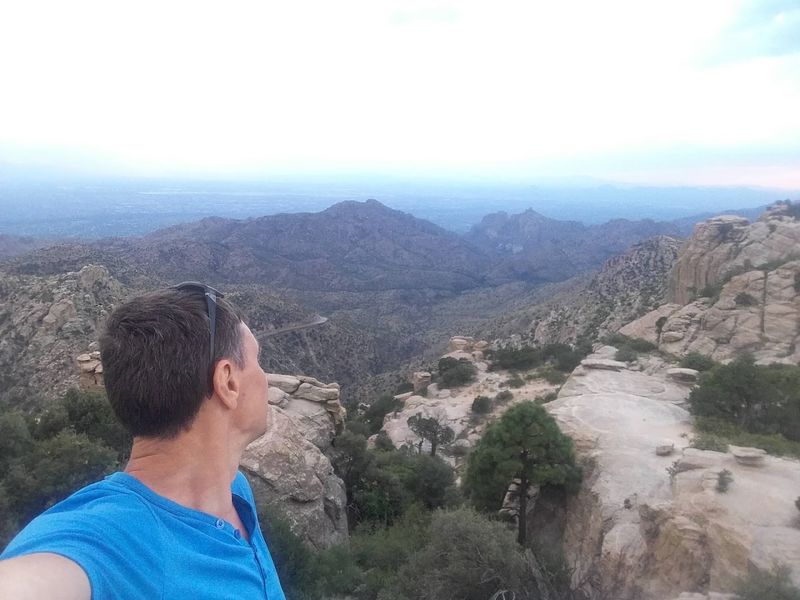
Driving the byway is wonderful, but stepping out of the car and onto a trail is where the experience moves from great to unforgettable. The Coronado National Forest, which surrounds the entire route, offers dozens of trails ranging from short and easy nature walks to serious multi-day backcountry routes.
Romero Pools Trail is a local favorite in the lower elevations, leading hikers through a boulder-filled canyon to a series of natural tinajas, which are rock pools that fill with water during the rainy season.
Higher up, the Wilderness of Rocks area offers miles of trails through open pine meadows and dramatic granite formations that reward anyone willing to put in a bit of effort.
Rock climbing is another popular activity along the byway, and Windy Point Vista in particular draws climbers who want to work on the area’s iconic granite faces.
Dogs are welcome on many trails when kept on a leash, though it is always worth checking individual trail rules before heading out with your four-legged hiking companion.
Practical Tips For Planning Your Sky Island Byway Adventure
A little preparation goes a long way on this drive, and the single most important tip is to dress in layers. The temperature difference between Tucson at the base and the summit can easily reach 25 to 30 degrees Fahrenheit, so what starts as a shorts-and-t-shirt kind of morning at the bottom can turn into jacket weather by the time you reach the top.
Bring plenty of water and snacks, since services along the byway are limited to what you find at the summit in Summerhaven. Gas up in Tucson before you leave, because there are no fuel stops along the route itself.
A full tank and a cooler with drinks and food means you can stop and linger at any overlook without watching the clock.
Cell service becomes spotty as you climb higher, so downloading an offline map beforehand is a smart move.
The byway is open year-round but weather can close sections temporarily in winter, making a quick check of the Coronado National Forest website at fs.usda.gov before departure a habit worth building into every visit.
Wildlife Watching On The Byway: Creatures You Won’t Find Anywhere Else
Few road trips in the American Southwest offer the kind of wildlife encounters that happen almost casually along the Sky Island Scenic National Byway. Black bears, coatis, and white-tailed deer regularly cross the road, especially near dawn and dusk.
Birders go absolutely wild for this route because it hosts species found nowhere else in the United States, including the elegant trogon and the sulphur-bellied flycatcher.
The dramatic elevation change creates layered habitats that support an astonishing variety of animals. Pulling over at a quiet spot and simply listening can reward you with sounds you’ve never heard before.
Binoculars and a field guide are genuinely worth packing for this one.
In the higher stretches, the air cools fast and the landscape shifts from desert scrub to pine forest in a way that feels almost unreal from behind the wheel. One bend might reveal a hawk circling overhead, while the next puts you face to face with a deer standing quietly at the edge of the trees.
Because the scenery changes so quickly, every stretch feels like a new ecosystem with its own rhythm, sounds, and surprises. It is the kind of drive where even a short stop at a turnout can turn into one of the most memorable wildlife moments of the whole trip.