
These Forgotten Colorado Tunnels Are A Haunting Portal Into The State’s Shocking Railroad Past
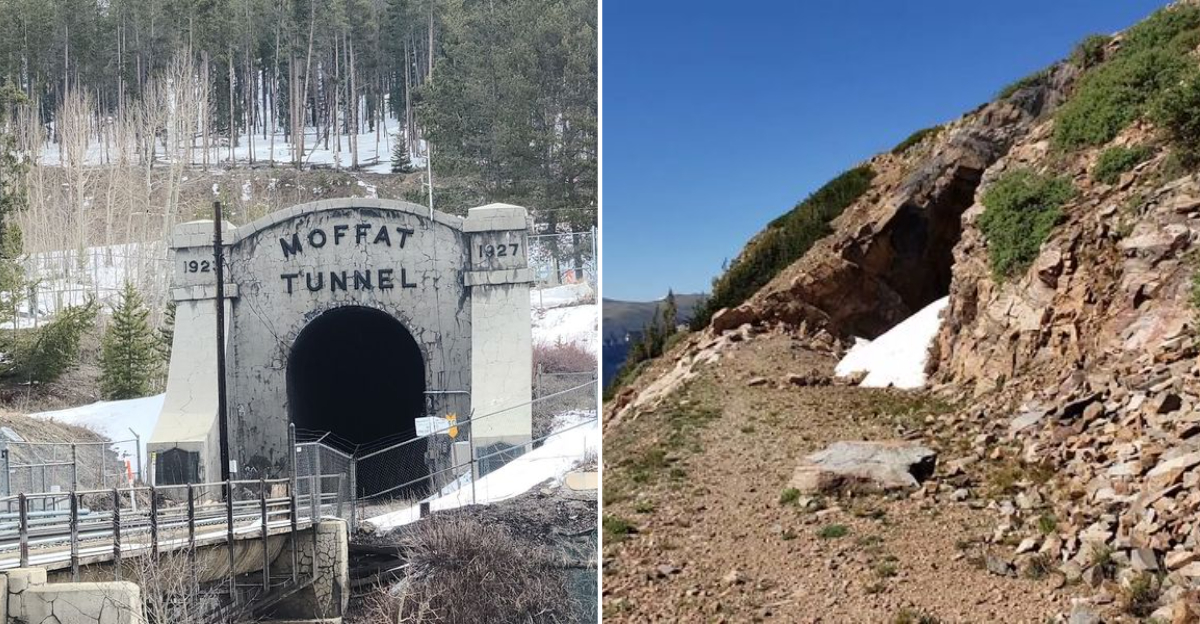
Colorado’s mountains never surrendered their secrets without a fight, and the crews determined to cut through them paid for every foot with grit, danger, and astonishing nerve. In Colorado, carving railroad tunnels into such brutal terrain was less a construction project and more a showdown with rock, weather, and gravity itself.
Explosives thundered, steel rang out, and steam engines pushed into landscapes that seemed almost offended by the idea of being crossed. The result was a network of dark portals that once pulsed with noise, ambition, and the kind of confidence only rail-era dreamers could summon.
Now many of those tunnels sit abandoned, partially collapsed, or quietly fading back into the mountainside as if the earth is reclaiming its own story. Stand in front of one today and the feeling is immediate.
Colorado’s past does not seem distant there. It feels close, heavy, and a little eerie, like history is still breathing just beyond the darkness.
1. Alpine Tunnel East Portal Trail — Near Hancock, Colorado
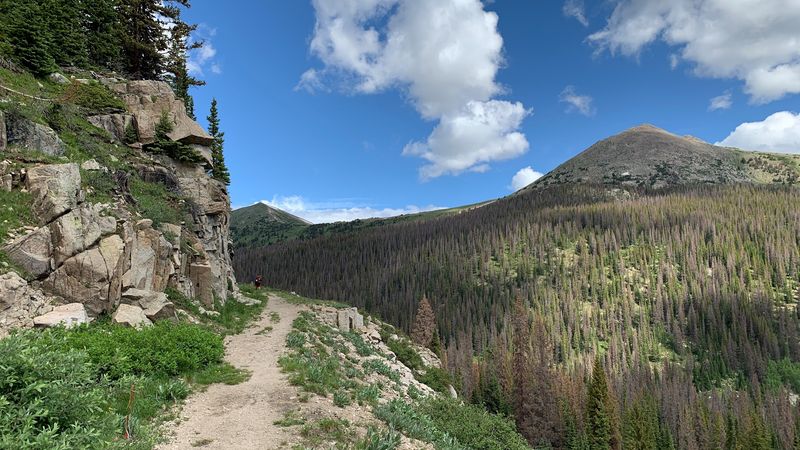
At nearly 11,500 feet above sea level, the Alpine Tunnel was once the highest narrow-gauge railroad tunnel on the entire continent, and standing at its caved-in east portal today feels like stumbling onto a secret the mountain has been keeping for over a century. The hike to get here follows the old Denver, South Park and Pacific Railroad grade, and every step on that packed dirt path carries the echo of something enormous that once moved through this space.
The east portal itself is sealed by collapse, stone and soil pressing inward like the mountain finally decided it had hosted enough. But the surrounding landscape tells the story anyway.
Old timber cribbing, stone masonry remnants, and the unmistakable contour of a railroad bed trace the ambition of engineers who genuinely believed they could tame the Continental Divide.
Reaching this spot requires a drive on rough forest roads and a moderate hike, so plan accordingly and go before mid-September when snow starts showing up uninvited. Bring layers, water, and a healthy appreciation for what it took to build something this audacious at this altitude.
Few places in Colorado hit quite this hard.
2. Alpine Tunnel West Portal Area — Near Pitkin, Colorado
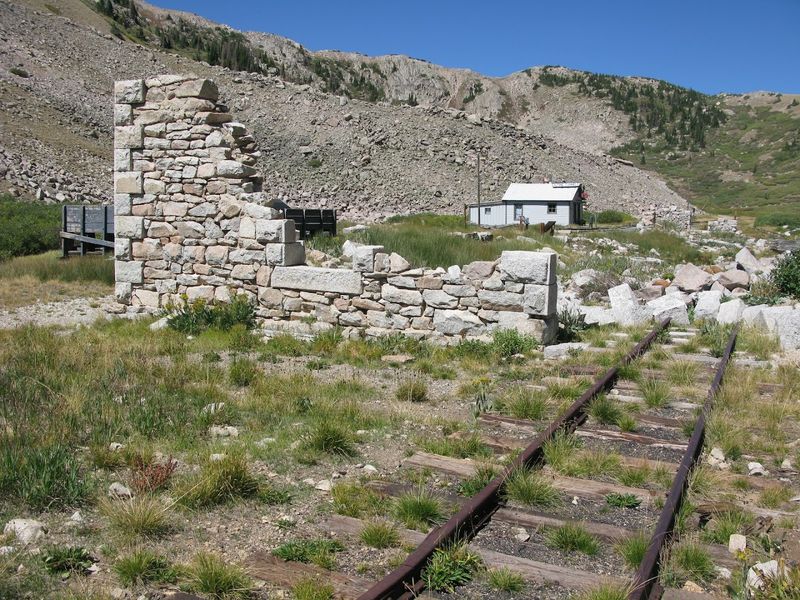
Pitkin is a small, unhurried town, the kind of place where you half-expect to see a stagecoach parked outside the general store. Head west from town toward the Alpine Tunnel Historic District and you’ll start picking up the ghost signals of one of the most ambitious railroad projects in American history.
The west portal area preserves roughly 13 miles of former Denver, South Park and Pacific Railroad grade, and History Colorado considers it significant enough to protect as a formal historic district.
What makes the west side feel different from the east is the surviving infrastructure. Old stone building foundations, telegraph pole remnants, and the unmistakable geometry of a graded railroad bed give this stretch a texture that photographs can’t fully capture.
You’re essentially walking through an open-air museum with no ticket booth and no tour guide – just wind, altitude, and your own imagination.
The drive from Pitkin itself is part of the experience, winding through high meadows that would have been buzzing with railroad activity in the 1880s. Go on a weekday if you can; weekend crowds are growing as word spreads.
Pack a picnic, because once you’re up here, you won’t want to leave in a hurry.
3. Needle’s Eye Tunnel on Rollins Pass — Near Rollinsville, Colorado
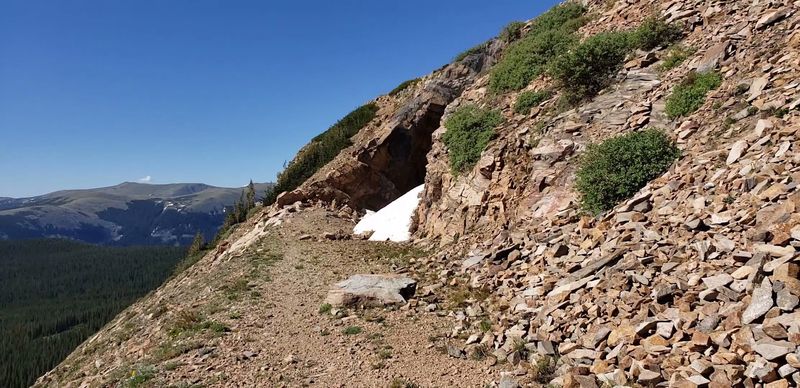
The name alone sounds like something out of a frontier adventure novel, and the reality doesn’t disappoint. Needle’s Eye Tunnel sits along the old Moffat Road route over Rollins Pass, and today it is collapsed — fully, stubbornly, and without apology.
The Forest Service confirms that hikers and cyclists can navigate around it, and that detour around a caved-in railroad tunnel is, somehow, more atmospheric than if the thing were open.
There’s something wonderfully eerie about a tunnel that simply gave up. The Moffat Road line was already a punishing route, threading over the Continental Divide at brutal elevations before the Moffat Tunnel finally offered a saner path under the mountains.
Needle’s Eye is one of the casualties of that transition – bypassed, forgotten, then collapsed, left to become part of the landscape rather than a tool for crossing it.
The trail to Rollins Pass is popular with mountain bikers and hikers alike, and the tunnel remnants add a genuine frisson of history to what would already be a spectacular outing. Start from the Rollinsville side for the classic approach and give yourself a full day.
The scenery rewards patience, and the broken old tunnel rewards curiosity.
4. The Moffat Tunnel West Portal — Near Winter Park, Colorado
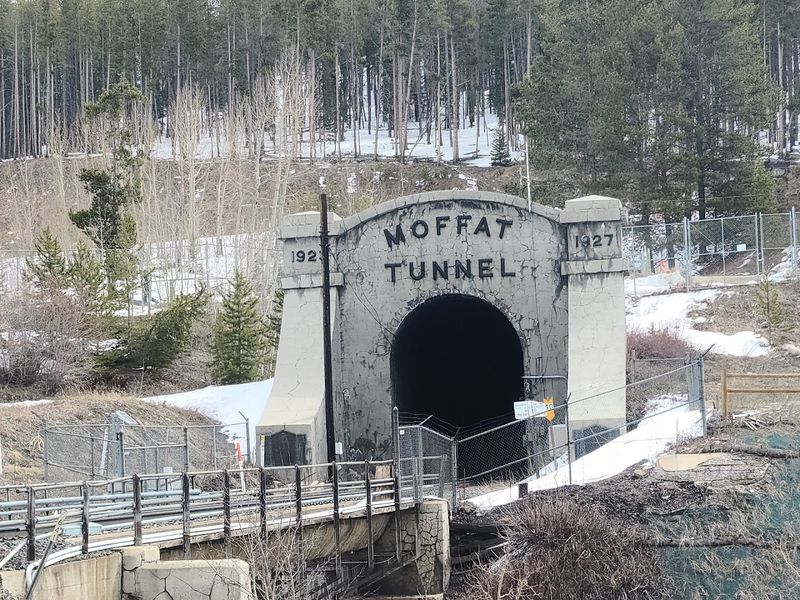
Not every portal into Colorado’s railroad past is forgotten or crumbling. The Moffat Tunnel’s west portal, sitting just outside Winter Park in Grand County, is very much alive – freight and passenger trains still use it today.
But that doesn’t make it any less of a landmark. Colorado Encyclopedia credits this tunnel with finally solving the brutal problem of crossing the Continental Divide, ending the era of the punishing Rollins Pass route and fundamentally reshaping how Colorado connected east to west.
When it opened in 1928, the 6.2-mile bore was the longest railroad tunnel in the Western Hemisphere. Engineers, laborers, and investors had all staked enormous amounts on its success, and the stakes were real – the Denver and Salt Lake Railroad’s survival depended on it.
Standing near the west portal today, watching the mountains rise up around it, you feel the weight of that bet.
Winter Park is a natural base for exploring this area, with food, lodging, and easy access to the broader Rollins Pass corridor. The tunnel itself isn’t open for tourist foot traffic, but the surrounding landscape and the sheer scale of the portal opening make it absolutely worth the detour.
History doesn’t always need a visitor center to make its point.
5. East Portal of the Moffat Tunnel — West of Rollinsville, Colorado
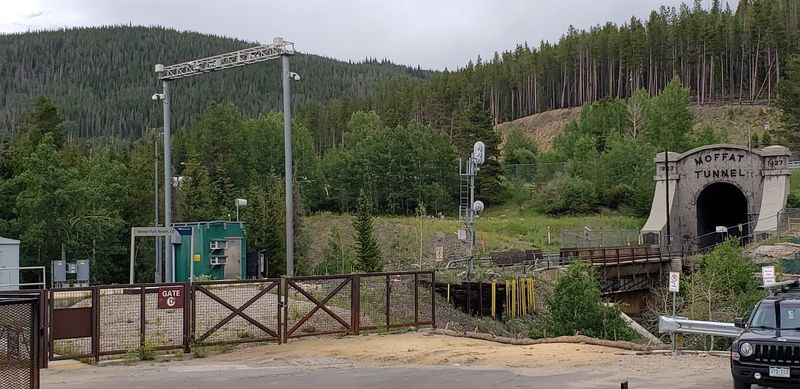
Follow South Boulder Creek west of Rollinsville long enough and you’ll arrive at the east portal of the Moffat Tunnel, tucked into a canyon that feels cut off from the rest of the world in the best possible way. Colorado Encyclopedia identifies this as the eastern entrance to the tunnel, and the setting – creek rushing alongside, canyon walls pressing in, mountains looming overhead – is exactly the kind of dramatic geography that made railroad engineers both thrilled and terrified in equal measure.
Unlike the west portal, the east side has a slightly more intimate, hemmed-in quality. The canyon doesn’t let you step back for a wide-angle view; it keeps you close, almost confrontational.
That intimacy makes the scale of the tunnel portal feel even more audacious. Someone looked at this canyon and decided to drill through the mountain behind it for over six miles.
That’s either genius or madness, and probably both.
The road to the east portal is accessible but worth checking conditions on before you go, especially in early spring or late fall. There’s a small community at East Portal that adds a lived-in quality to the landscape.
Pair this stop with a hike along South Boulder Creek for a genuinely rewarding half-day outing that most Front Range visitors never find.
6. Hall Tunnel at the Georgetown Loop — Georgetown, Colorado
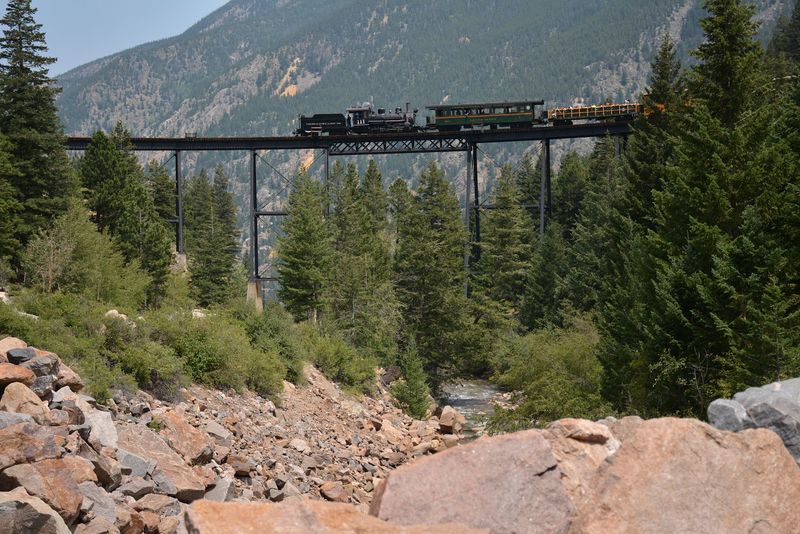
Georgetown is already one of Colorado’s most photogenic historic towns, and the Georgetown Loop Railroad turns the surrounding canyon into something straight out of a sepia-toned adventure story. Hall Tunnel is one of the highlights along the route, a genuine narrow-gauge railroad tunnel that passengers ride through aboard restored historic equipment.
Combined with the famous Devil’s Gate High Bridge, it makes for one of the most accessible and genuinely thrilling railroad history experiences in the entire state.
What I appreciate about the Georgetown Loop is that it doesn’t ask you to hike to elevation or decode a caved-in portal. The history is delivered to you at a comfortable pace, narrated and contextualized, while the canyon scenery does all the heavy lifting.
Families with younger kids will find this the sweet spot – exciting enough to hold attention, educational enough to feel worthwhile, and short enough that nobody melts down before the end.
The railroad runs seasonally, typically from late spring through fall, with some special holiday departures. Booking ahead is smart, especially on weekends in peak summer.
Georgetown itself rewards a longer visit: Victorian storefronts, good food, and the kind of small-town friendliness that makes you want to slow down and stay an extra hour. This one earns its reputation.
7. The Rollins Pass 33-Tunnel Corridor — Between Rollinsville and Winter Park, Colorado
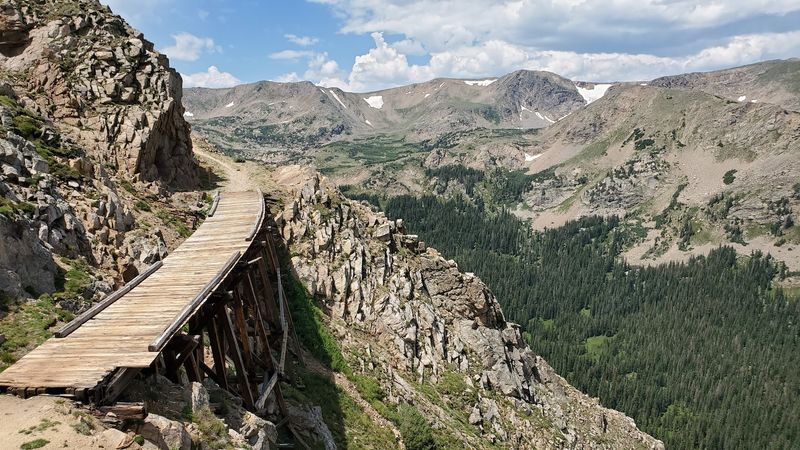
Thirty-three tunnels. Let that number settle for a moment.
When the Denver and Salt Lake Railroad first pushed the Moffat Road over Rollins Pass, engineers threaded the route through thirty-three separate tunnels to manage the terrain. Today, the Forest Service acknowledges this corridor as one of Colorado’s most evocative railroad landscapes, even though many of those tunnels are damaged, bypassed, or only partially intact.
Driving or hiking the Rollins Pass road feels like reading a novel with chunks of pages torn out. You catch fragments – a stone portal here, a collapsed bore there, a suspiciously flat bench cut into a steep slope — and your brain fills in the rest.
The Moffat Road was a genuinely desperate engineering gamble, a line that fought the Continental Divide every single mile and ultimately lost when the Moffat Tunnel opened and rendered the whole punishing route obsolete almost overnight.
The road over Rollins Pass is unpaved and best suited for high-clearance vehicles, particularly on the western side. Mid-summer through early fall is the reliable window for the full crossing.
Go on a clear day and you’ll understand immediately why railroad men were willing to drill thirty-three holes through a mountain to get here. The views are absolutely unreasonable in the best way.
8. Alpine Tunnel Historic District — Spanning Pitkin and Hancock, Colorado
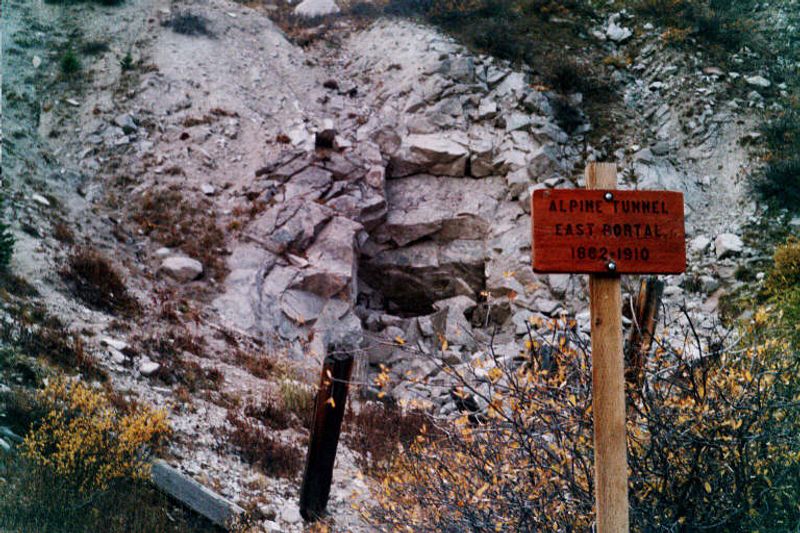
Step back and look at the Alpine Tunnel Historic District as a whole – not just a portal here or a foundation there, but the full 13-mile sweep of former Denver, South Park and Pacific Railroad grade running across the Continental Divide – and what you’re seeing is one of the most remarkably preserved railroad landscapes in the American West. The U.S.
Forest Service manages this area, and History Colorado recognizes it for exactly what it is: an irreplaceable window into the ambition, ingenuity, and sheer stubbornness of 19th-century mountain railroad building.
Surviving structures throughout the district include stone masonry sections, old water tank remnants, and sections of original roadbed that have barely shifted in over a century of freeze-thaw cycles. The landscape itself seems to have decided to preserve the record rather than erase it, which is a rare gift.
Most places this exposed to Colorado winters don’t hold onto their built history this well.
Access requires navigating rough forest roads on both the Pitkin and Hancock sides, and conditions vary significantly by season. Late July through early September is the sweet spot.
Treat the entire district as a full-day destination rather than a quick stop, and bring a topographic map alongside your phone. Cell service is reliably absent, and that, honestly, is part of the appeal.