
11 Eerie 19th-Century Cemeteries In Illinois With Chilling Tales You Won’t Believe
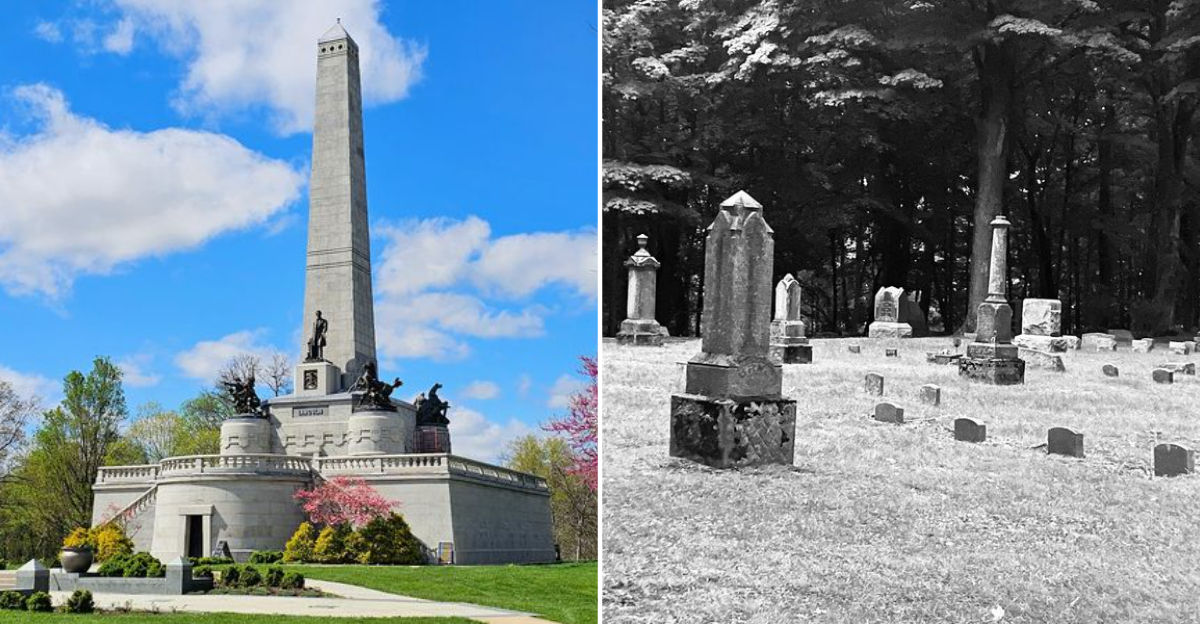
Illinois has a way of keeping its secrets buried just beneath the surface, and nowhere is that more true than in its oldest cemeteries.
Names fade, dates blur, but the stories linger: soldiers who never made it home, families who built new lives and vanished into time, figures remembered for all the wrong reasons.
Some of these places are hauntingly beautiful, with ornate sculptures and ancient trees casting long shadows over weathered headstones. This is history without glass cases or guided scripts.
It sits out in the open, unchanged, waiting. Each of these cemeteries offers something hard to explain and even harder to forget.
1. Graceland Cemetery And Arboretum, Chicago
Few places in Chicago carry as much quiet weight as Graceland Cemetery, located at 4001 N Clark St on Chicago’s North Side near the Uptown area.
Established in 1860, this 119-acre National Historic Landmark doubles as an arboretum, meaning the towering trees here are as much a part of the experience as the graves themselves.
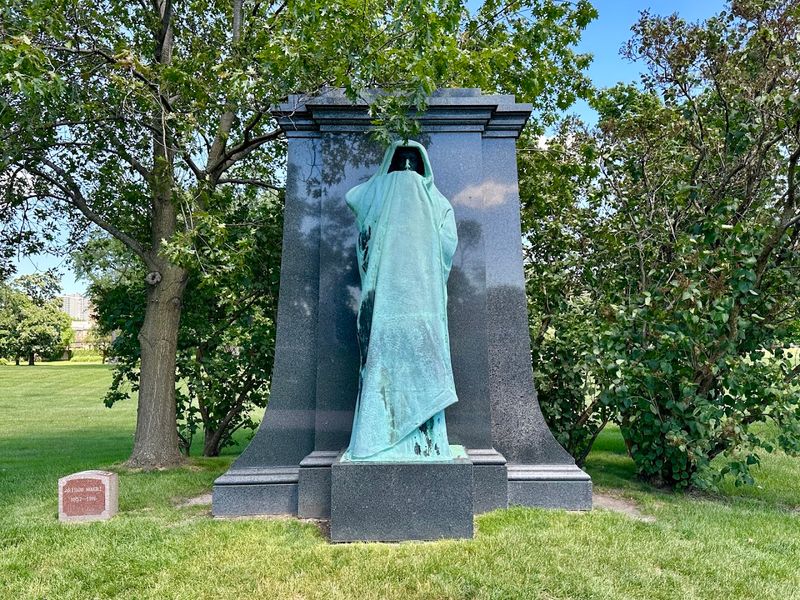
Among the most talked-about features is the haunting bronze statue known as “Eternal Silence,” which marks the grave of hotel magnate Dexter Graves.
The hooded, faceless figure has unsettled visitors for well over a century, and local legend claims that the statue brings an unsettling sense of mortality to those who study its shadowed face.
The cemetery is also the final resting place of architect Louis Sullivan, baseball pioneer William Hulbert, and railroad tycoon George Pullman, whose grave was reportedly encased in concrete and steel rails to prevent angry workers from disturbing it.
Graceland is open daily and welcomes walkers, history lovers, and the simply curious. The combination of stunning Victorian funerary art and deeply layered history makes every visit feel like reading a chapter of Chicago that most people never knew existed.
2. Rosehill Cemetery, Chicago
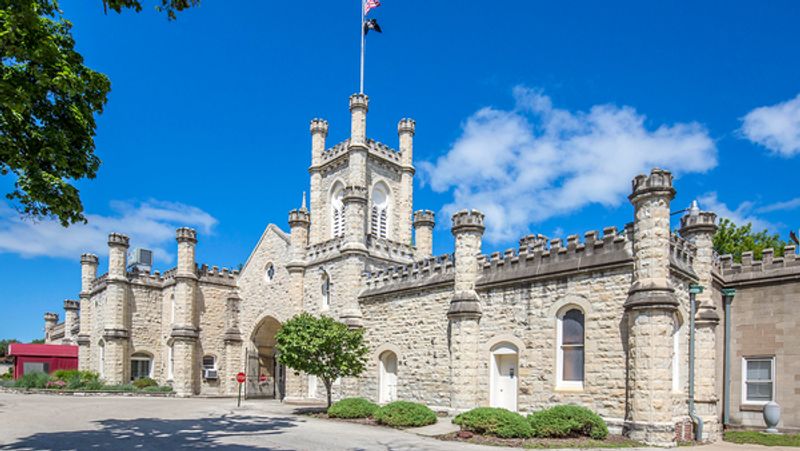
Chicago’s largest historic cemetery sits at 5800 N Ravenswood Ave in the Ravenswood neighborhood, and Rosehill has been holding court over the city’s buried past since 1859. The Gothic Revival entrance gate alone is enough to make your pulse quicken before you even set foot inside.
Rosehill is home to fourteen Chicago mayors, Civil War generals, and business titans whose elaborate mausoleums look more like small cathedrals than burial chambers. Some local stories describe unusual details associated with certain tombs, though these accounts are part of long-standing folklore.
The cemetery spans 350 acres, making it easy to lose yourself among the winding paths and elaborate Victorian sculptures. Seasonal tours are offered by volunteers passionate about Chicago history, and they have a talent for making long-gone personalities feel startlingly present.
Whether you are drawn by the architectural grandeur, the presidential-level roster of residents, or the persistent ghost stories, Rosehill delivers an experience that is equal parts museum and mystery. Plan a visit in autumn when the leaf color transforms the grounds into something almost too beautiful to feel real.
3. Oak Woods Cemetery, Chicago
History took a complicated turn here at Oak Woods Cemetery, located at 1035 E 67th St on Chicago’s South Side near the Greater Grand Crossing area.
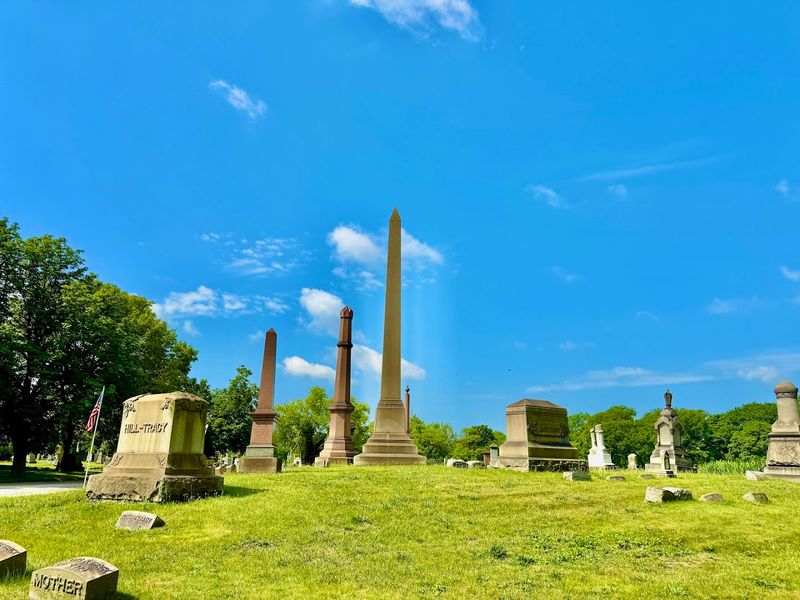
Founded in 1853, the grounds hold one of the most unexpected monuments in the entire Midwest: a towering obelisk marking the graves of more than 4,000 Confederate prisoners of war who perished at nearby Camp Douglas during the Civil War.
The Confederate Mound draws visitors from across the country, many of whom arrive expecting a simple grave site and leave with a much heavier sense of history.
The sheer scale of the mass burial is sobering, and on quiet mornings, the grounds carry an atmosphere that is hard to describe but impossible to ignore.
Oak Woods is also the final resting place of Jesse Owens, the Olympic champion who defied a hateful ideology with four gold medals in 1936 Berlin. Mayor Harold Washington and physicist Enrico Fermi are among the other notable figures buried here.
The cemetery’s mix of profound historical significance, Civil War-era mystery, and quietly powerful monuments makes it one of the most thought-provoking outdoor spaces in Illinois. Admission is free and the grounds are open to the public year-round.
4. Oak Ridge Cemetery, Springfield
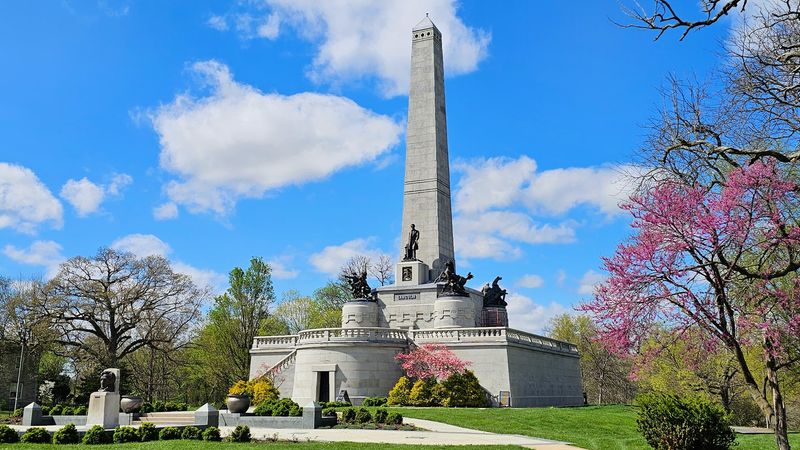
Springfield’s Oak Ridge Cemetery, located along Monument Avenue, holds the distinction of being the second most visited cemetery in the entire United States, trailing only Arlington National Cemetery.
The reason most people make the pilgrimage is obvious: this is where Abraham Lincoln was laid to rest in 1871, inside a grand tomb that draws hundreds of thousands of visitors every year.
What fewer people know is that Lincoln’s body was actually moved seventeen times within the tomb due to fears of grave robbers, and a failed theft attempt in 1876 nearly succeeded in stealing his remains.
The story reads more like a thriller novel than a chapter of presidential history, and it adds a genuinely unsettling layer to an already powerful place.
The cemetery itself was established in 1860 and spreads across 365 acres of rolling, wooded terrain. Beyond the Lincoln Tomb, the grounds are filled with Civil War memorials, ornate Victorian-era grave markers, and peaceful walking paths that feel far removed from the noise of the city.
A bronze reproduction of Lincoln’s face at the tomb entrance is said to bring good luck to those who rub its nose, and the nose’s shine proves that tradition is alive and well.
5. Springdale Cemetery, Peoria
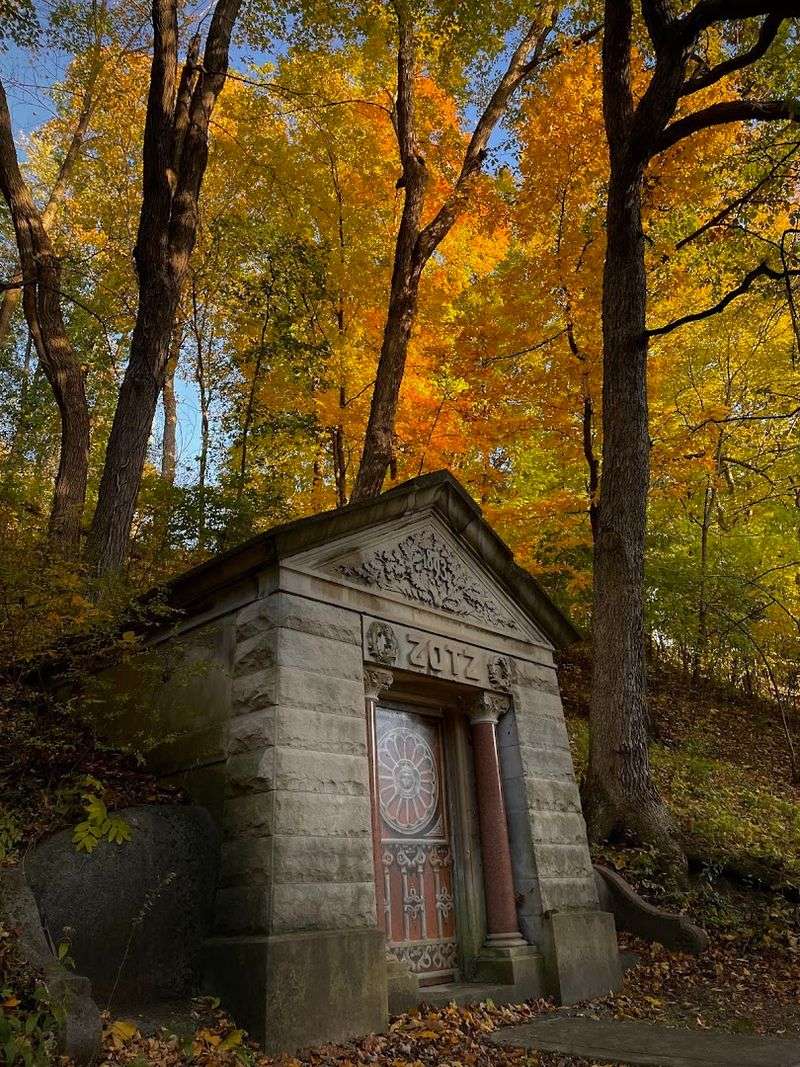
Peoria’s Springdale Cemetery, located at 3014 N Prospect Rd, is the kind of place that rewards a slow, unhurried visit.
Chartered in the mid-1850s as a rural-style cemetery designed to feel like a park rather than a burial ground, Springdale was part of a national movement that believed the living deserved beautiful spaces to grieve and reflect.
The rolling hills and carefully planted trees have matured beautifully over more than 160 years, creating a landscape that feels genuinely removed from the surrounding city.
Elaborate stone monuments, family mausoleums, and hand-carved headstones from the mid-1800s are scattered throughout, each one a small window into the life of someone who shaped Peoria’s early history.
Local folklore has occasionally described unusual lights reported in the cemetery after dark, and the cemetery’s isolated hilltop sections have fueled plenty of campfire stories over the decades.
Robert G. Ingersoll, one of the most famous orators of the 19th century, is buried here, and his freethinking philosophy seems to linger in the air.
The cemetery is open to visitors during daylight hours, and a self-guided walking tour map is available that highlights the most historically significant monuments on the grounds.
6. Evergreen Memorial Cemetery, Bloomington
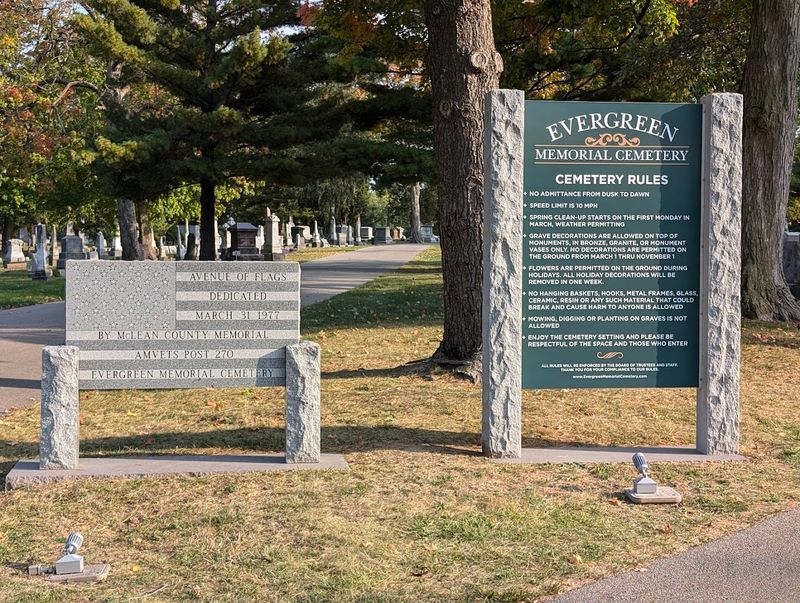
Bloomington’s Evergreen Memorial Cemetery at 302 E Miller St carries a name that feels almost too serene for the stories attached to it. With origins dating back to early burial grounds in the 19th century, the cemetery became a primary resting place for Bloomington’s growing population.
Among the most visited graves are those of Adlai Stevenson I and Adlai Stevenson II, both prominent figures in American political history.
The older sections of the cemetery, dating to the 1860s and 1870s, contain weathered limestone markers that are slowly losing their inscriptions to time, which gives that part of the grounds a particularly melancholy atmosphere.
Ghost tour operators in Bloomington frequently include Evergreen on their routes, citing reports of unexplained shadows near the older grave sections and sounds that have no obvious source on still nights. Whether or not you believe in such things, the cemetery’s genuine age and the density of its history make it a compelling place to spend an afternoon.
The mature evergreen trees that give the cemetery its name create a canopy so thick that even a sunny day feels hushed inside.
7. Forest Home Cemetery, Forest Park
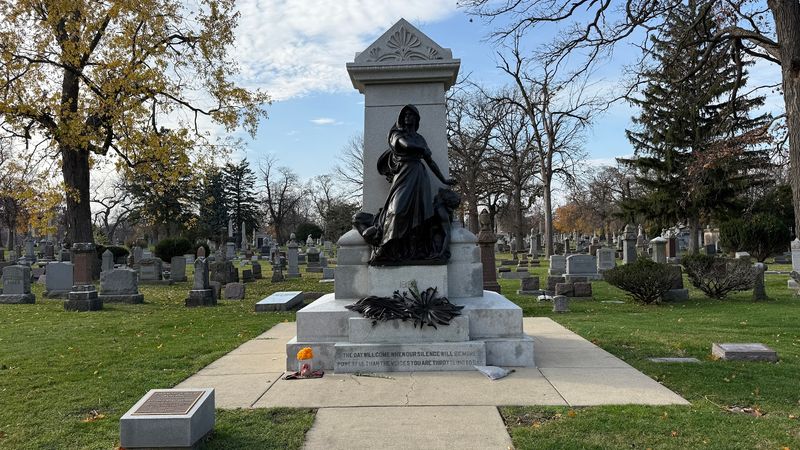
Not every cemetery is a place of quiet retreat, and Forest Home Cemetery, commonly accessed from Des Plaines Avenue in Forest Park, Illinois, carries a political charge that has never really faded.
Established in 1876, the grounds became one of the most symbolically significant burial sites in American labor history when the Haymarket Martyrs Monument was erected here in 1893.
The monument marks the graves of several men executed following the 1886 Haymarket affair in Chicago, a pivotal and deeply contested moment in the history of workers’ rights.
Emma Goldman, the famous anarchist and activist, is also buried here, and labor advocates still gather at the site each May Day to pay their respects. The atmosphere in that corner of the cemetery feels charged with something that goes beyond ordinary history.
Beyond its political significance, Forest Home is a genuinely beautiful Victorian-era cemetery with winding paths, mature trees, and an ornate landscape that rewards slow exploration.
The German Waldheim section of the grounds, which was originally a separate cemetery before merging with Forest Home, adds another layer of cultural history tied to Chicago’s immigrant communities.
Visitors interested in social history, architecture, or simply a peaceful afternoon walk will find Forest Home surprisingly rich in all three.
8. Bohemian National Cemetery, Chicago
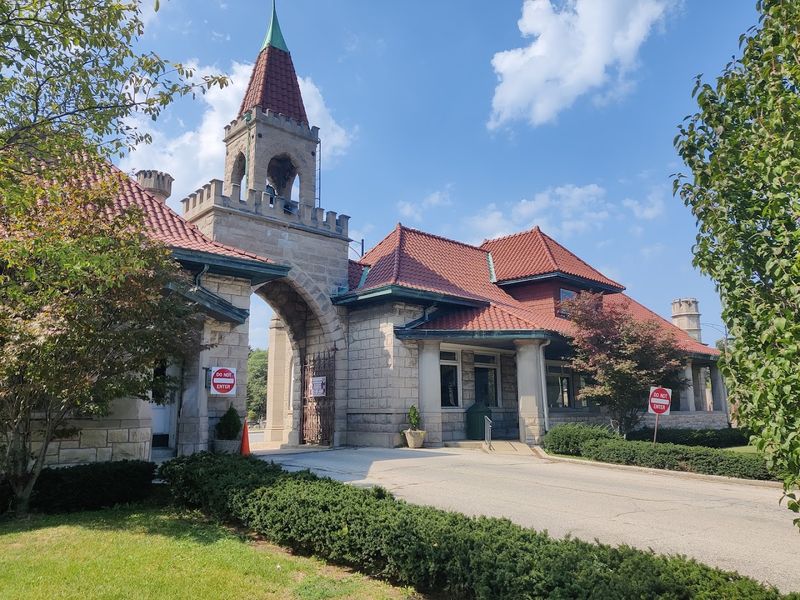
Chicago has always been a city of immigrants, and Bohemian National Cemetery at 5255 N Pulaski Rd on Chicago’s Northwest Side stands as one of the most striking testaments to that truth.
Founded in 1877 by Czech immigrants who wanted a secular burial ground free from religious affiliation, the cemetery reflects the fierce independence and cultural pride of the Bohemian community that built it.
The monuments here are unlike anything you will find in most American cemeteries. Elaborate Czech-language inscriptions, European-style stone carvings, and family plots designed with an almost architectural precision give the grounds a distinctly old-world character.
The cemetery’s founders were determined that this would be a place of beauty and dignity, and they succeeded on both counts.
Anton Cermak, the Chicago mayor who was shot during an assassination attempt on President-elect Franklin D. Roosevelt in 1933, is buried here, and his tomb is one of the most visited spots on the grounds.
The cemetery also holds the graves of thousands of ordinary Czech-American families whose stories are written in stone across more than 130 acres.
Guided tours are available for those who want the full historical context, and the staff takes visible pride in preserving one of Chicago’s most culturally specific landmarks.
9. Greenwood Cemetery, Decatur
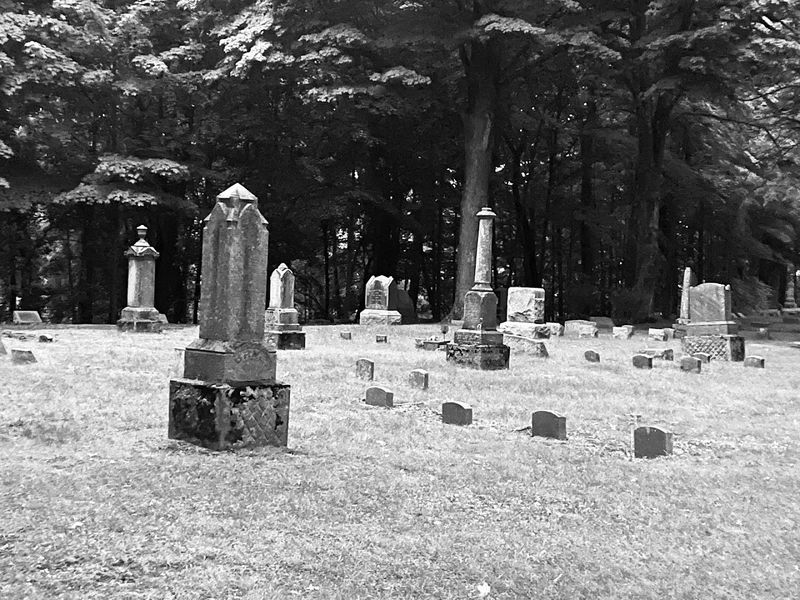
Decatur’s Greenwood Cemetery at 606 S Church St is a place where the line between local history and local legend has blurred so thoroughly that it is nearly impossible to tell where one ends and the other begins.
Established in the mid-19th century, making it one of the older cemeteries in central Illinois, Greenwood has accumulated ghost stories the way old houses accumulate dust, naturally and without much effort.
The most persistent legend involves the spirit of a Confederate soldier said to wander the older sections of the cemetery, visible only at dusk and only to those who are not looking for him.
Whether or not you take that story seriously, the older grave sections genuinely are unsettling, with tilted headstones, barely legible inscriptions, and an atmosphere of deep stillness that feels out of place in the middle of a mid-sized city.
Greenwood is also notable for its Civil War section, where Union soldiers are buried in rows that reflect the military order of their lives. The cemetery has been the subject of multiple paranormal investigations, and local historians have documented dozens of reported strange experiences on the grounds over the years.
A visit here is best “enjoyed” in late afternoon when the light turns golden and every shadow seems to stretch just a little farther than it should.
10. Bachelor’s Grove Cemetery, Midlothian
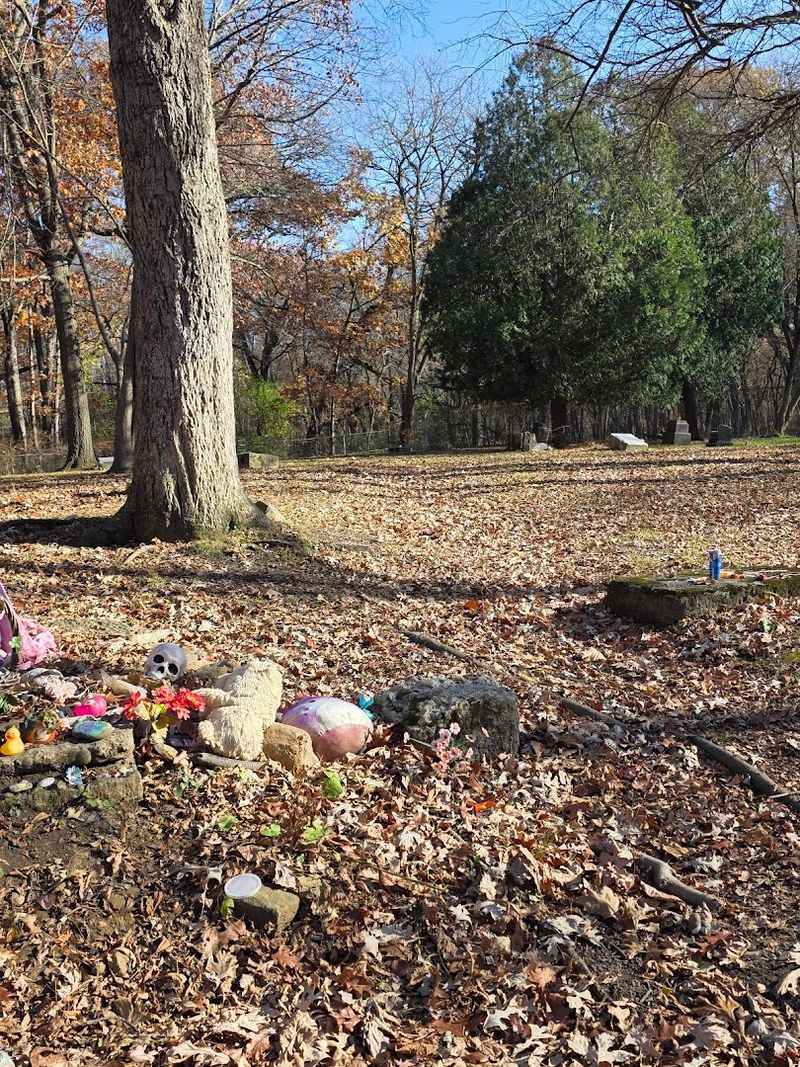
Arguably the most famous haunted cemetery in the entire state of Illinois, Bachelor’s Grove Cemetery, located within the forest preserve near Midlothian has earned a reputation that extends far beyond the Chicago suburbs.
The cemetery dates to the 1830s, making it one of the earliest burial grounds in the region, and it has been largely abandoned since the 1960s, which has only added to its eerie appeal.
Reaching the cemetery requires a short walk through a wooded trail, and the isolation feels immediate the moment the trees close in around you.
Headstones have been vandalized and scattered over the decades, and some have reportedly moved on their own, a claim that has been repeated by so many visitors that it has taken on a life of its own.
Researchers have documented more than 100 alleged paranormal reports from the site, including a famous photograph taken in 1991 that appears to show a translucent woman sitting on a grave.
The cemetery is located within a forest preserve area and is accessible to visitors during daylight hours, though it is no longer an active burial site.
The combination of genuine historical age, documented vandalism, thick forest isolation, and a staggering volume of reported strange activity makes Bachelor’s Grove the kind of place that stays with you long after you have walked back out through the trees.
11. Chippiannock Cemetery, Rock Island
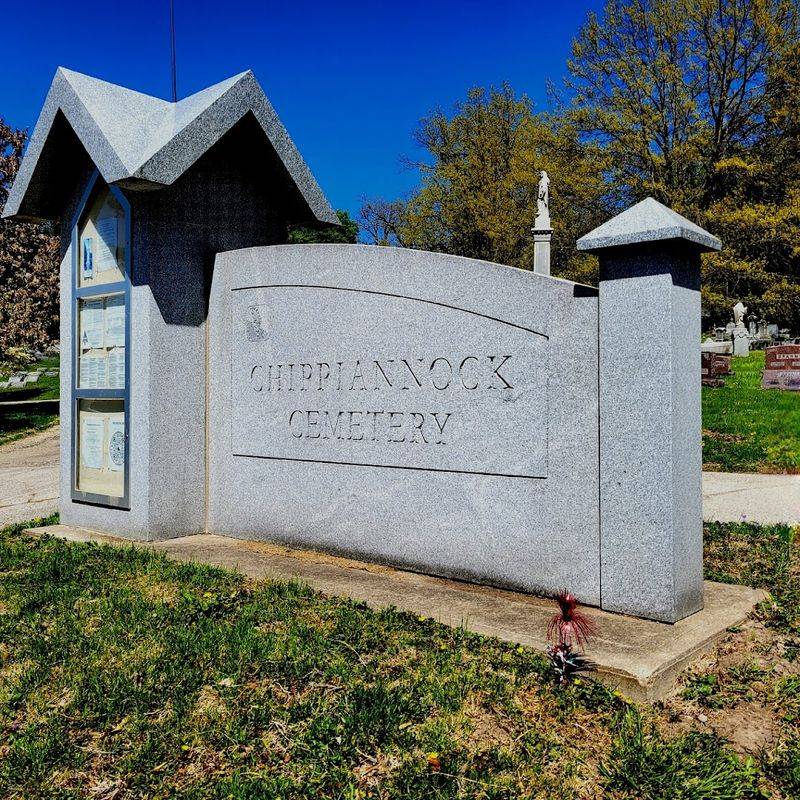
Rock Island’s Chippiannock Cemetery at 2901 12th St is the kind of place that makes you stop mid-step and simply look around in quiet admiration.
Established in 1855, the name Chippiannock comes from a Native American word meaning “village of the dead,” a detail that the cemetery’s founders chose deliberately to honor the land’s deeper history.
The grounds were designed in the rural cemetery tradition, with gently rolling hills, winding carriage paths, and a landscape that was meant to feel like nature perfected rather than nature interrupted.
More than 25,000 people are buried here, and the range of monuments spans from simple limestone markers to towering obelisks and elaborate family mausoleums that would not look out of place in a European capital.
Chippiannock is listed on the National Register of Historic Places, and the cemetery association has worked hard to preserve both the physical grounds and the historical records tied to them.
A self-guided tour brochure highlights the most significant monuments, including graves of Civil War veterans, early Rock Island settlers, and community leaders whose names still appear on local streets and buildings.
The atmosphere here is one of dignified beauty rather than dread, but the sheer age of the place and the weight of its accumulated stories give every visit an undeniable gravity.