
This Tiny Illinois State Park Is Home To One Of The Midwest’s Most Spectacular Natural Wonders
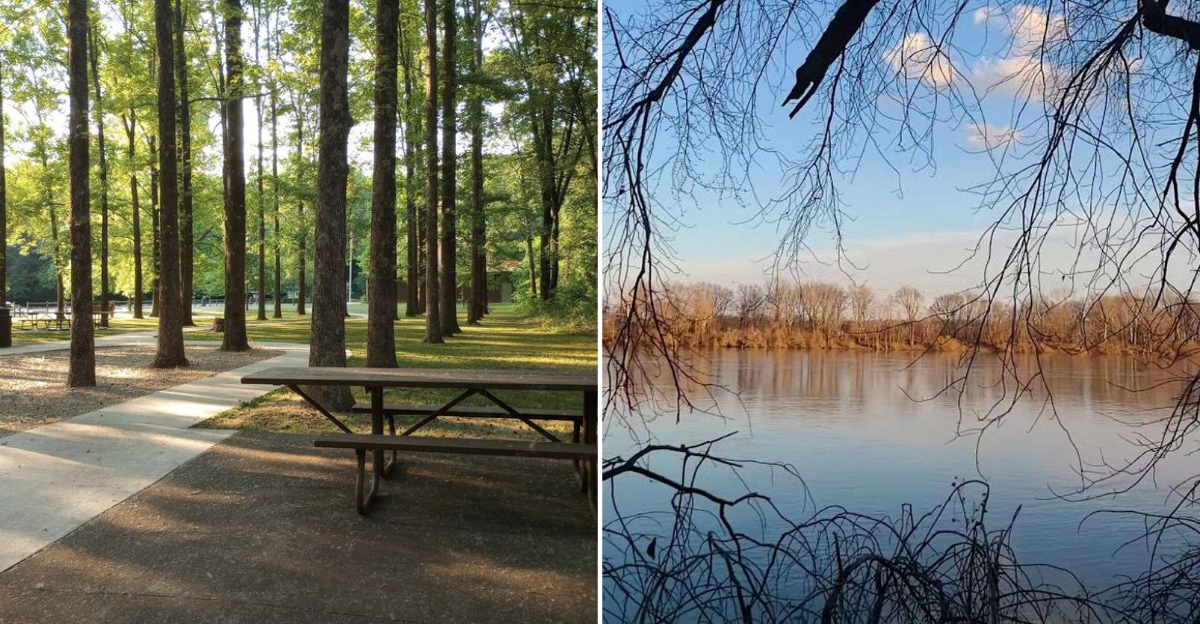
Most drivers pass the I-64 exit without slowing down, focused on the next mile, the next stop, the next deadline. Just beyond that routine, in southern Illinois, an ancient forest still stands where it has for centuries, unchanged in all the ways that matter.
The difference is immediate. The air feels heavier, quieter.
This is not a landscaped park or a patch of regrowth. It is a fragment of the original Midwest, still intact.
Trees rise high enough to make a person feel small in the best way. The Wabash River moves steadily nearby, shaping the edge of it all.
A Forest That Time Forgot
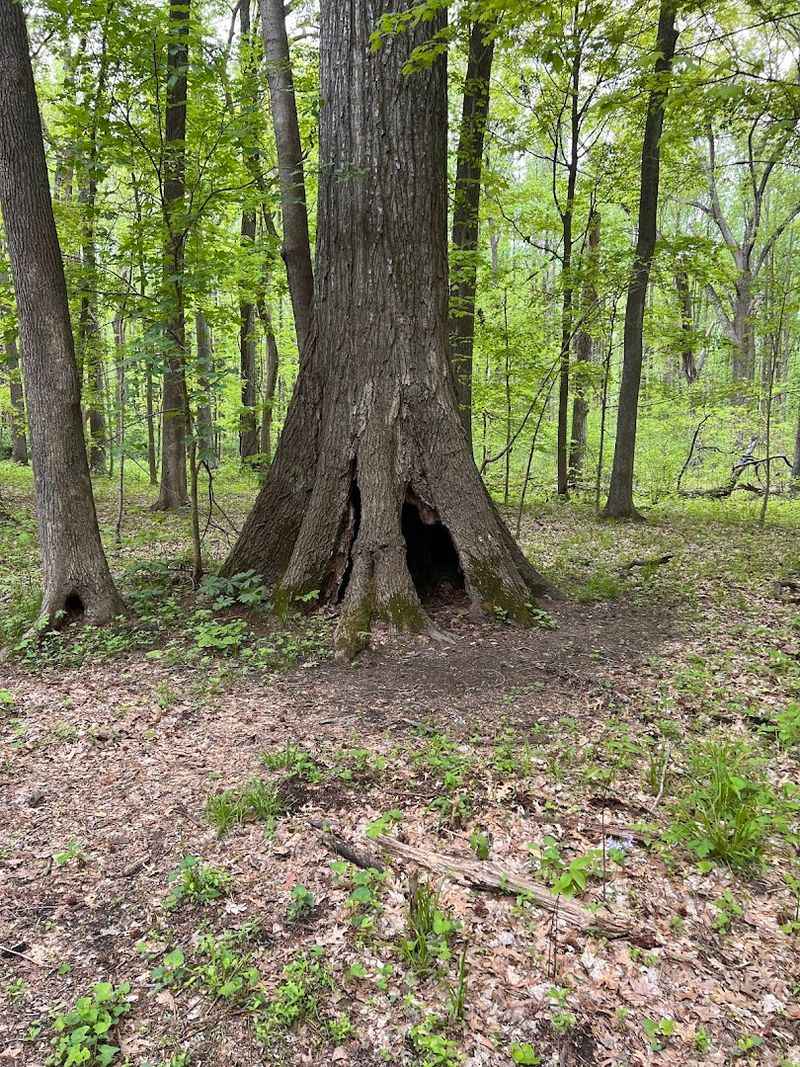
Centuries before the first roads crossed southern Illinois, a forest was already growing here, and remarkably, it never stopped. Beall Woods State Park protects one of the few remaining tracts of old-growth forest in Illinois, a fact that sets it apart from virtually every other state park in Illinois.
The trees here are not young or replanted. any of the hardwoods towering above the trails are exceptionally old, with some dating back several centuries, and some giants reach heights of 120 feet or more.
Walking beneath them feels genuinely humbling in a way that is hard to describe until you are actually standing there, neck tilted back, staring up at a canopy that blocks most of the sky.
Scientists and naturalists have studied this forest for decades because it represents what the entire region once looked like before widespread clearing. For anyone curious about natural history, this place functions as a living, breathing time capsule right in Wabash County.
The Champion Trees Growing Here
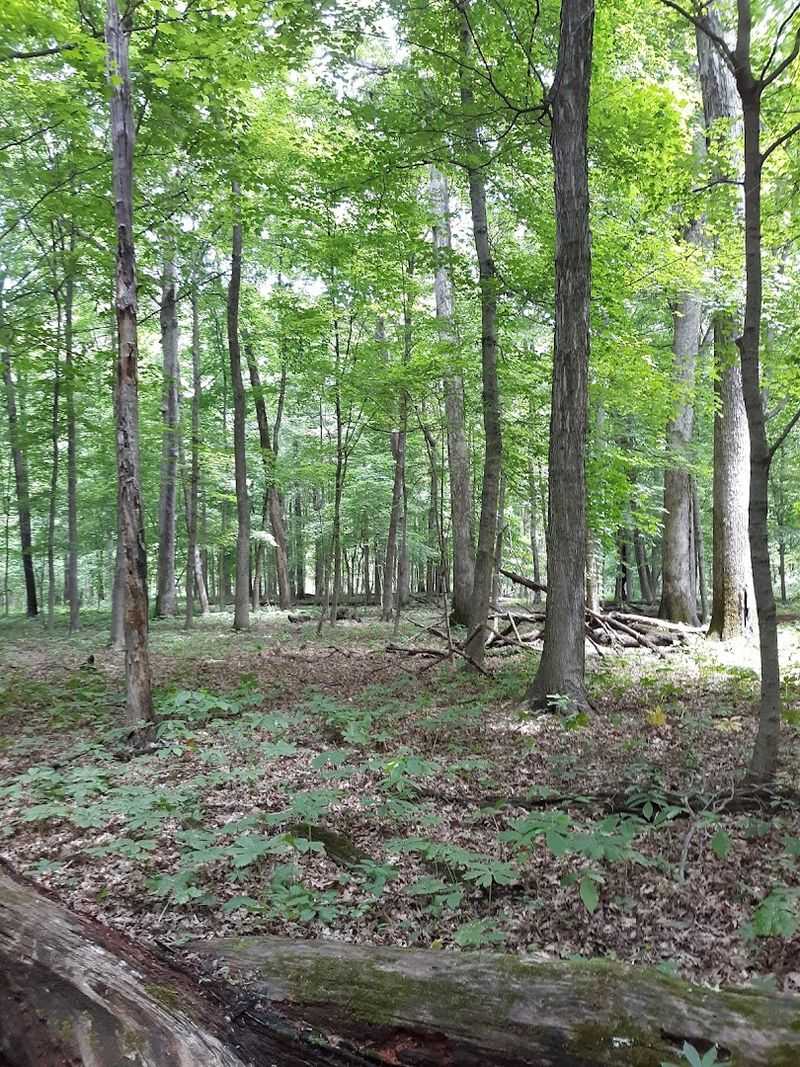
Not every park can claim to host champion trees, and Beall Woods has documented several notable specimens. Over the years, individual trees within the park have been recognized as state or national champions for their species, measured by height, trunk circumference, and crown spread combined.
Species such as sugarberry, mockernut hickory, pecan, and black gum have been recognized as state champion trees within the park. Foresters use a point system to rank trees, and the numbers logged at Beall Woods are genuinely impressive by any standard.
Visiting with a tree identification guide adds a whole new layer to a hike here, because you start noticing the subtle differences between species and appreciating just how old each one must be.
The park’s interpretive visitor center also provides helpful identification materials so you can match names to the giants towering above you. Few places in the country offer this kind of living arboretum experience in a completely natural setting.
Trails Through Virgin Timber
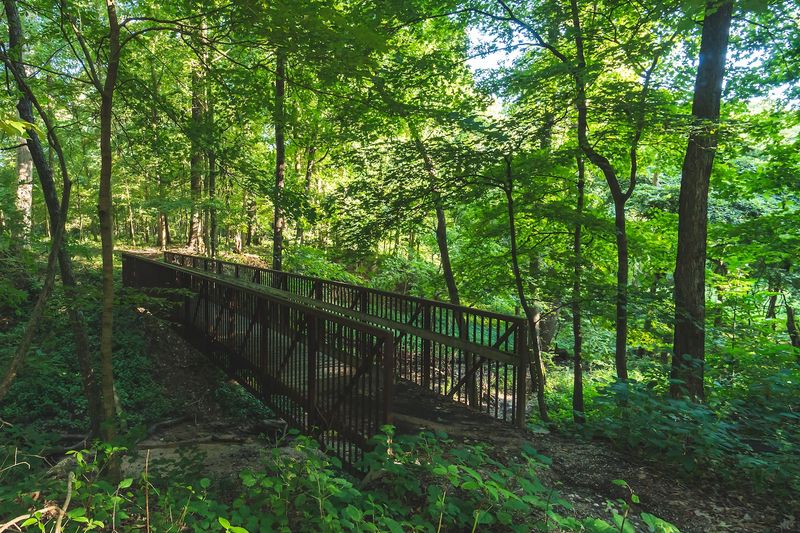
There is something almost meditative about hiking a trail where the forest on either side has never been logged. The White Oak Trail is one of the most popular routes in the park and offers views of the Wabash River along sections of the trail.
Several trail options wind through different sections of the park, ranging from easy loops near the visitor center to longer routes that push deeper into the old-growth stands.
The paths are generally well-maintained, though heavy rainfall can cause sections to flood, so checking conditions before a visit is a smart move.
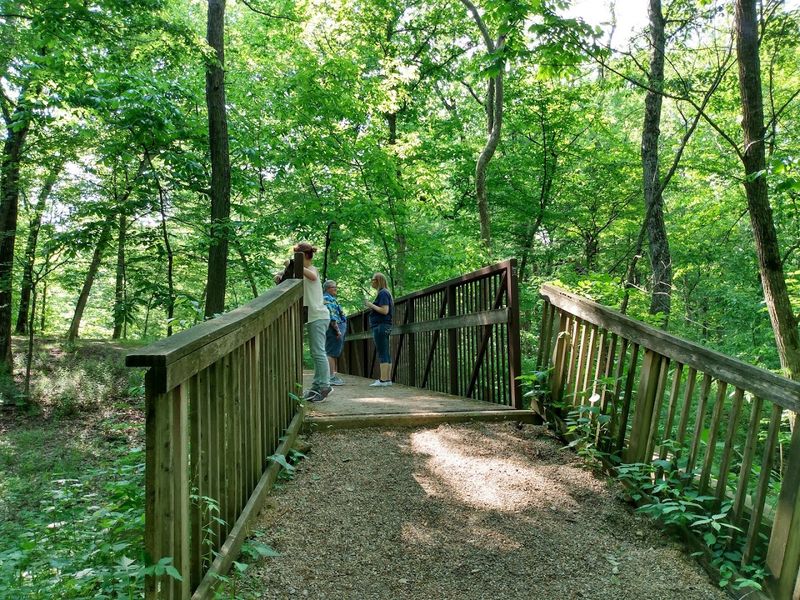
Some trails, including the Tuliptree Trail, include small bridge crossings over Coffee Creek The overall trail network is compact enough for casual hikers but diverse enough to keep experienced walkers engaged across multiple visits throughout the year.
The Wabash River Scenery
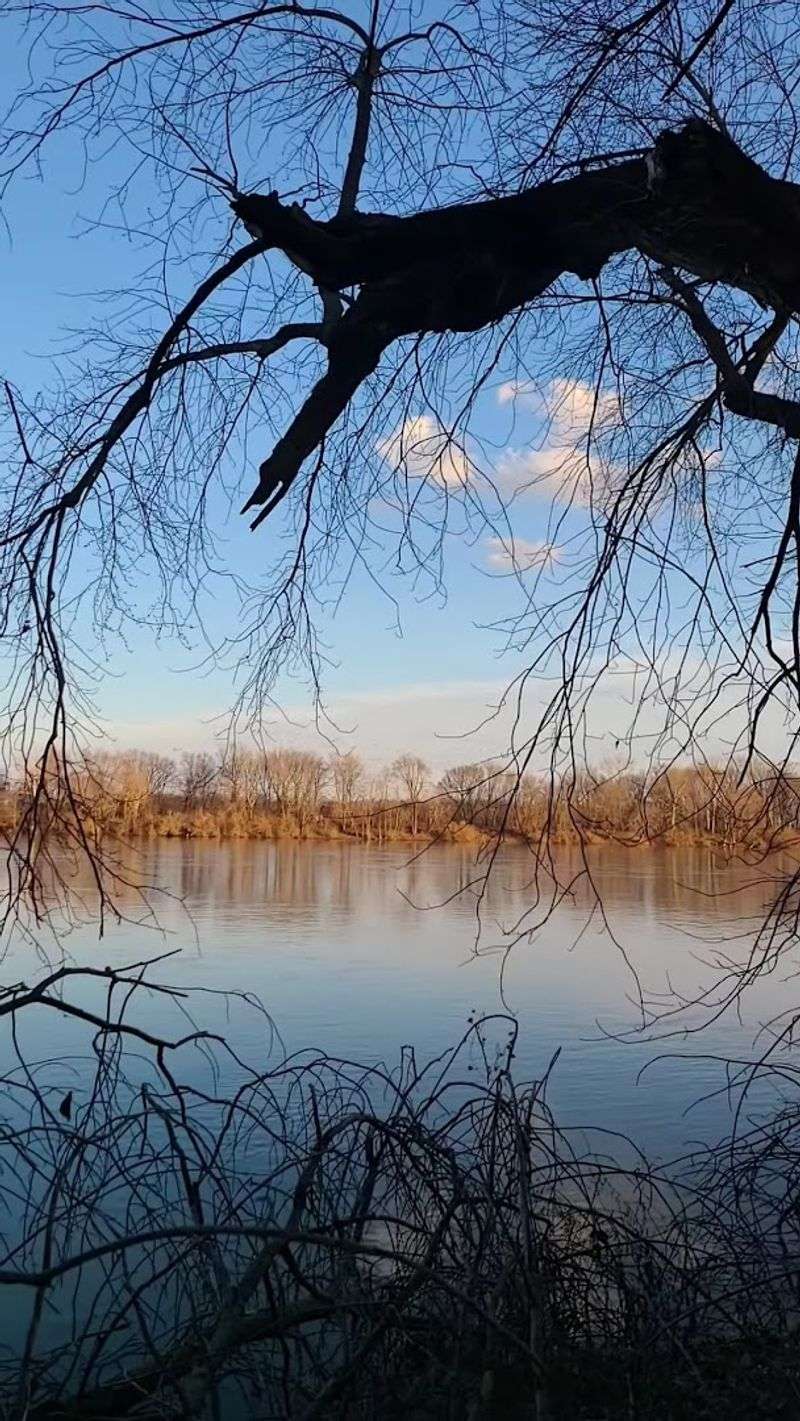
The Wabash River borders much of the park along its eastern edge, and the views along the riverbank are the kind that make you stop walking and just stand there for a minute. The river is wide and slow-moving at this point, reflecting the treeline in a way that looks almost painted during the fall color season.
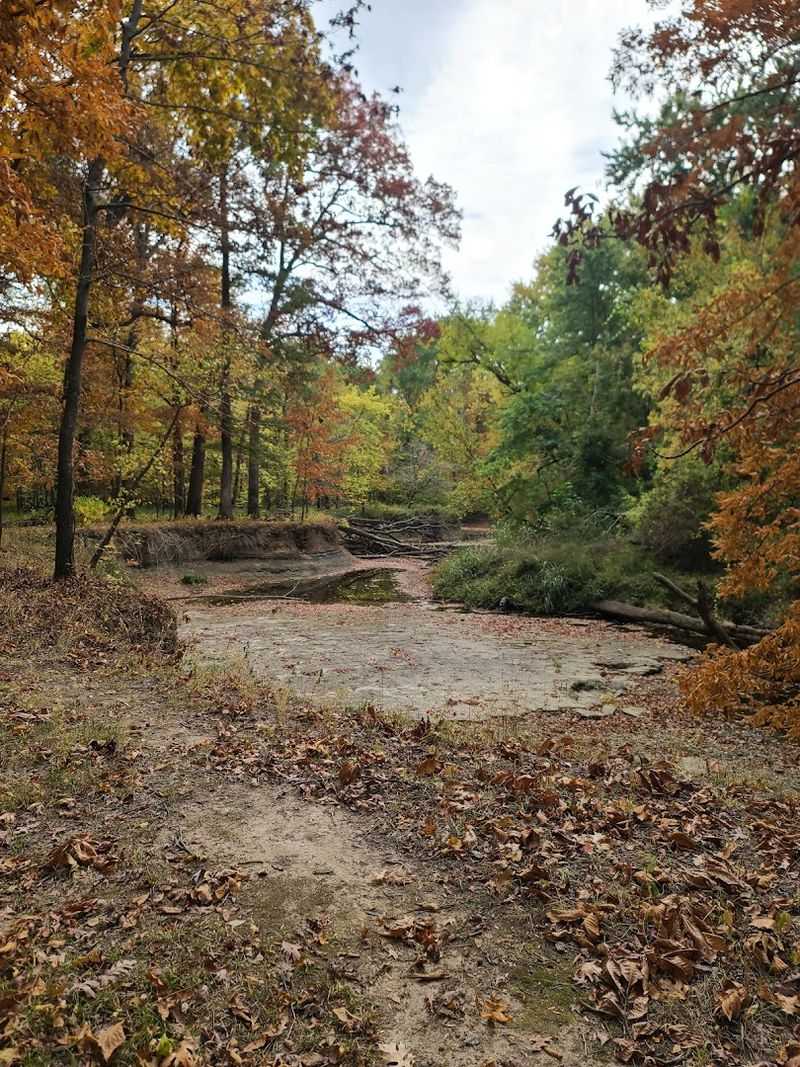
Mid to late October is widely considered the best time to catch the autumn foliage at its peak, and the combination of the old-growth forest colors and the river backdrop creates a visual experience that genuinely earns superlatives.
Photographers make specific trips to this spot each year for that reason alone. The river also marks the Illinois-Indiana border, which means standing on the bank puts you at a genuinely historic edge of two states.
Fishing from the riverbank or nearby lake is a popular activity, and bluegill are commonly caught by visitors who bring a rod along with their hiking boots. The scenery alone justifies the stop.
Wildlife You Might Actually Spot
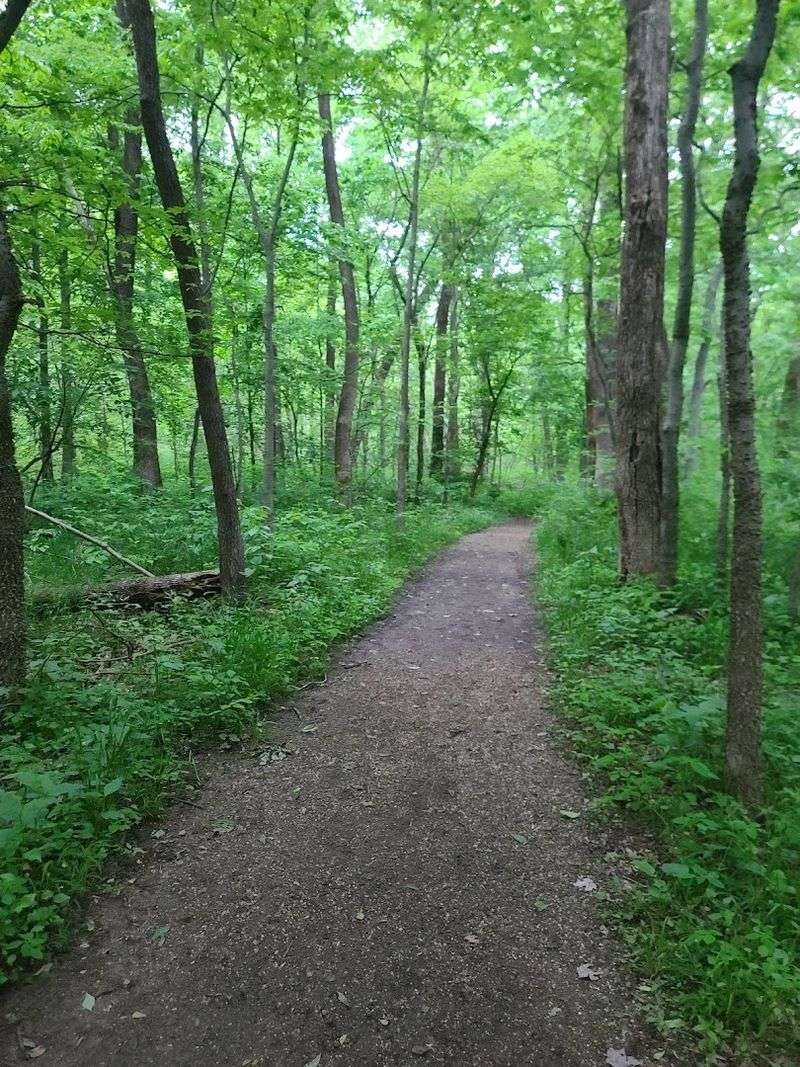
Old-growth forests support a richer web of wildlife than younger, managed woodlands, and Beall Woods is no exception. The dense canopy and undisturbed understory create habitat for a wide variety of birds, mammals, reptiles, and amphibians that depend on mature forest ecosystems to survive.
Birders find the park particularly rewarding during migration season, when species moving along the Wabash River corridor stop to rest and feed in the canopy.
Pileated woodpeckers and a variety of forest bird species, including warblers, can be found in the park making it a worthwhile destination for anyone with binoculars and patience.
White-tailed deer are commonly seen along the trails, especially in the early morning and late evening hours. The park’s visitor center displays information about the species living in and around the forest, which helps visitors understand what they are likely to encounter.
The Interpretive Visitor Center
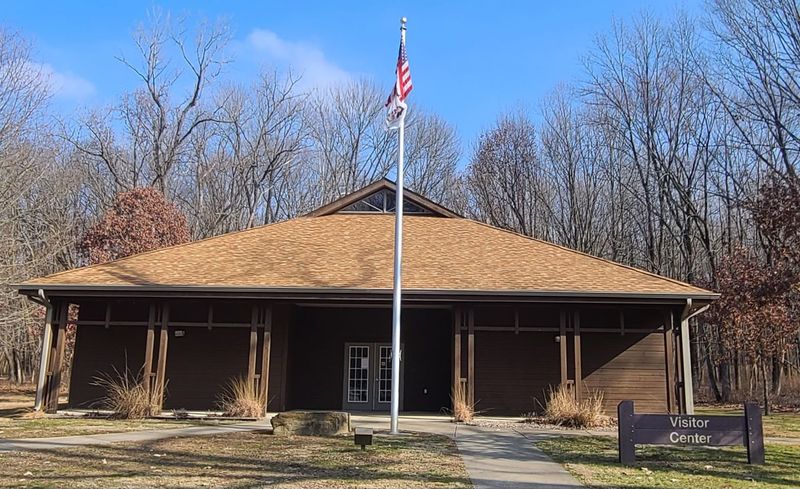
A lot of state parks have a small sign at the entrance and not much else in the way of orientation. Beall Woods takes a different approach with a genuine interpretive visitor center that helps contextualize everything you are about to see on the trails.
The center features exhibits about the plant and animal species living in and around the old-growth forest, along with information about the park’s ecological significance and history. It is a genuinely useful stop before heading out on the trails, especially for families with kids who want to know what they are looking at.
Staff at the center are knowledgeable and reportedly happy to point visitors toward the best trail options based on current conditions and personal interests. The building also functions as a good regrouping spot on hot summer days or if afternoon clouds roll in unexpectedly.
For first-time visitors especially, spending 15 to 20 minutes in the center before hitting the trails makes the whole experience noticeably more rewarding.
Camping Under Ancient Canopy
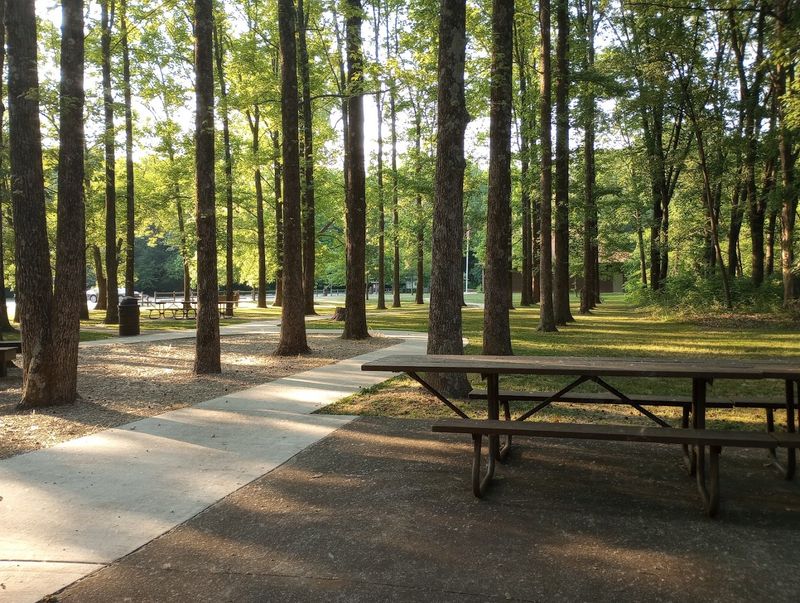
Spending a night inside an old-growth forest is a different experience entirely from daytime hiking, and Beall Woods makes that possible with a campground that includes electric hookup sites.
The sounds of the forest at night, owls, frogs, rustling leaves, replace every distraction of daily life in a way that is almost instantly relaxing.
The campground is equipped with shelter houses and is described as well-maintained, with clean facilities that make extended stays comfortable. Campers who arrive on weekdays tend to find the park noticeably quieter, which enhances the sense of having the ancient forest largely to yourself.
One practical note for anyone planning to tow a camper or trailer: the roads leading into and through the park are narrow, so maneuvering a large rig requires some patience and careful driving.
Cell service is also limited in the campground area, which is either a frustration or a feature depending on your perspective. For those seeking a genuine disconnect, it is absolutely the latter.
Fishing At The Park Lake
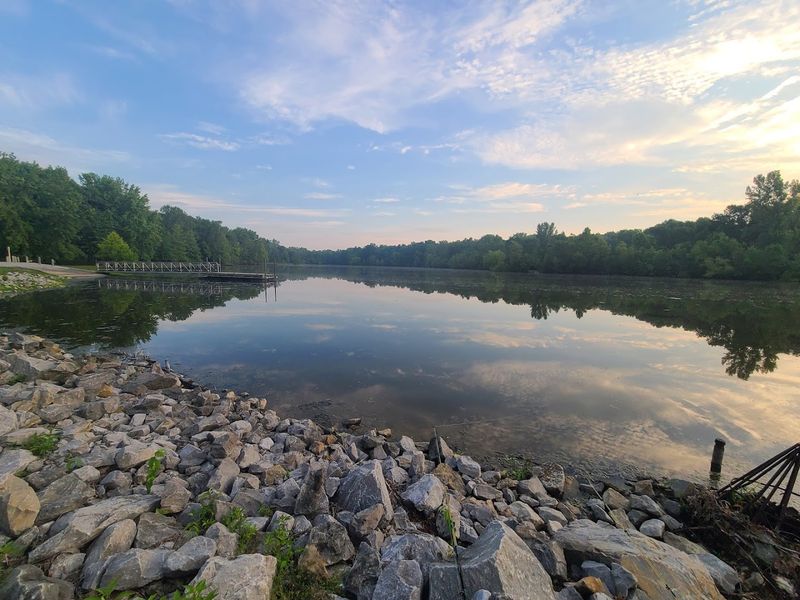
Beyond the forest trails, the park includes a stocked lake that draws anglers looking for a relaxed afternoon on the bank. Bluegill are the most commonly caught species, and the lake’s clear water and accessible banks make it a low-effort, high-reward fishing spot for both beginners and experienced fishers.
Picnic shelters and grills are positioned near the lake, so a fishing trip can easily extend into a full afternoon with food and family time built right in. Playground areas are located near the lake for children, which means parents can fish while kids stay entertained within easy sight.
The lake is regularly maintained, with vegetation managed to keep the banks accessible and the water fishable from the shore without needing a boat.
A boat ramp is available for those who prefer to get out on the water directly. Arriving early on weekend mornings tends to secure the best bank spots before the park fills with families looking for the same relaxed outdoor experience.
Best Times To Visit The Park
Timing a visit to Beall Woods can make a meaningful difference in what you experience. The park is open daily from 8 AM to 10 PM year-round, which gives visitors flexibility across all seasons, each of which offers something genuinely different from the others.
Spring brings wildflowers to the forest floor and migrating birds to the canopy, making April and May particularly rewarding for nature observation.
Summer offers full shade from the dense old-growth canopy, which keeps the trails noticeably cooler than open landscapes nearby, though trails may flood after heavy rains.
Fall is widely considered the peak season, with mid to late October delivering spectacular color from the mix of hardwood species throughout the park. Winter strips the leaves and reveals the dramatic structure of the ancient trees in a way that is surprisingly striking.
Weekday visits in any season tend to be quieter, and the park’s location just off the I-64 corridor makes it a practical stop for travelers passing through southern Illinois.
Practical Tips Before You Go
A little preparation goes a long way toward getting the most out of a visit to this park. The address is 9285 Beall Woods Avenue, Mount Carmel, IL 62863, the park is located a short drive south of Interstate 64, making it an easy addition to a longer road trip through southern Illinois.
Wearing sturdy shoes is strongly recommended, especially if recent rain is in the forecast, since several trails can become muddy or partially flooded after wet weather. Bringing insect repellent during warmer months is also a smart move, as the dense forest and creek areas attract mosquitoes in summer.
Cell service inside the park is limited, so downloading a trail map before arrival is helpful. Pets are not permitted on the trails, though they are allowed in other designated areas if properly controlled.