
A 16-Mile Bike Trail In Florida Follows An Old Railroad Past A Prairie Where Wild Horses And Bison Roam
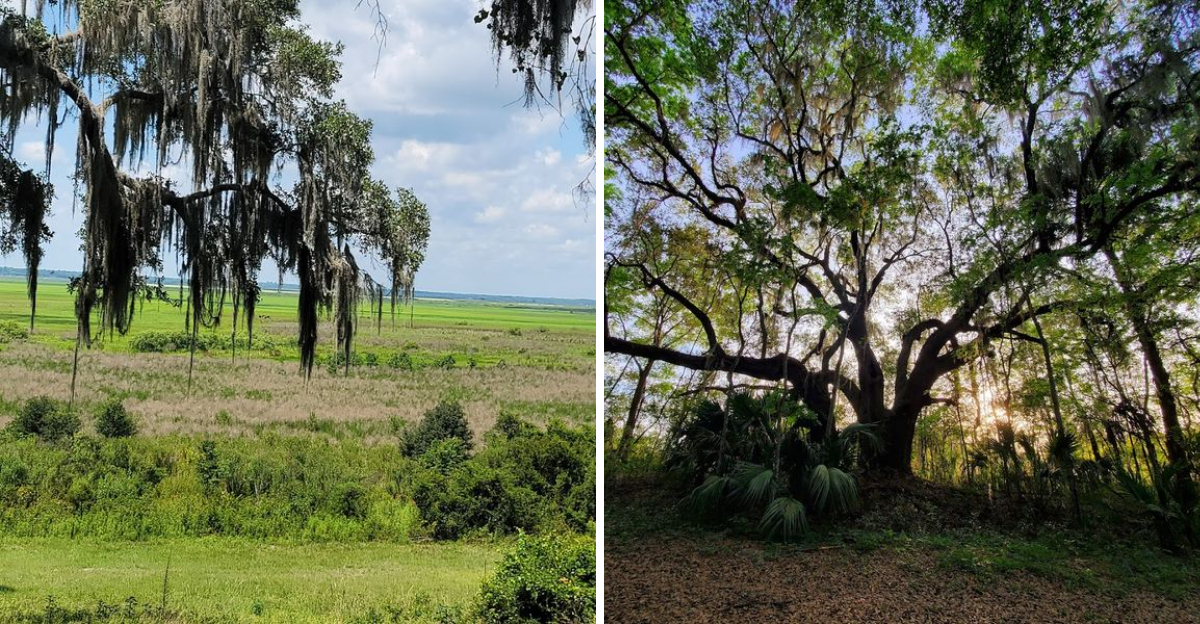
Bike trails are easy to find in Florida, but how many make you feel like you have stepped into a completely different side of the state?
In north-central Florida, there is a path where the scenery shifts with every mile. What starts as a simple ride quickly turns into something far more unexpected, with open landscapes, quiet stretches, and moments that make you stop and look twice.
This is not the Florida most people picture.
Wide grasslands stretch into the distance, wildlife moves freely, and the pace feels slower, almost untouched by the usual crowds and noise.
Somewhere along the ride, it stops feeling like just a trail.
It feels like a window into a wilder, older version of Florida that still exists if you know where to look.
And once you see it, it is hard to believe how many people pass right by without ever knowing it is there.
Wildlife Viewing Opportunities Along The Prairie Edge
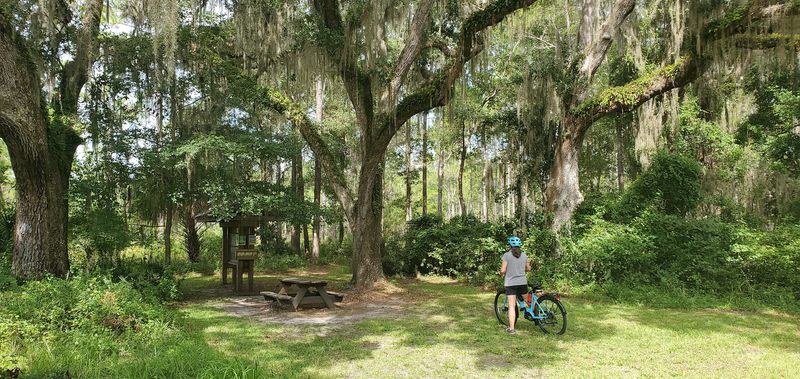
Riding past Paynes Prairie Preserve State Park, I caught my first glimpse of bison through the palmetto scrub, and my front wheel nearly wobbled off the pavement. These massive creatures, reintroduced to restore the prairie’s historical ecosystem, graze peacefully alongside wild horses that have called this landscape home for generations.
The trail runs close enough to the prairie’s edge that you can spot wildlife without binoculars, though I recommend bringing a pair if you want to study the details of their behavior.
Early morning rides offer the best viewing conditions, when mist still clings to the grasslands and animals venture closer to the trail corridor. I’ve watched entire herds of horses moving across the horizon, their manes catching the first light of day.
Bison tend to cluster in family groups, and seeing a calf staying close to its mother reminded me just how wild this place remains despite the paved path cutting through it.
Bird enthusiasts will find equal rewards here, with sandhill cranes, herons, and ibis making regular appearances. The prairie ecosystem supports over 270 bird species throughout the year, turning every ride into an impromptu nature documentary.
Pack a camera with a decent zoom lens, because these encounters happen when you least expect them.
Historic Railroad Heritage And Trail Conversion
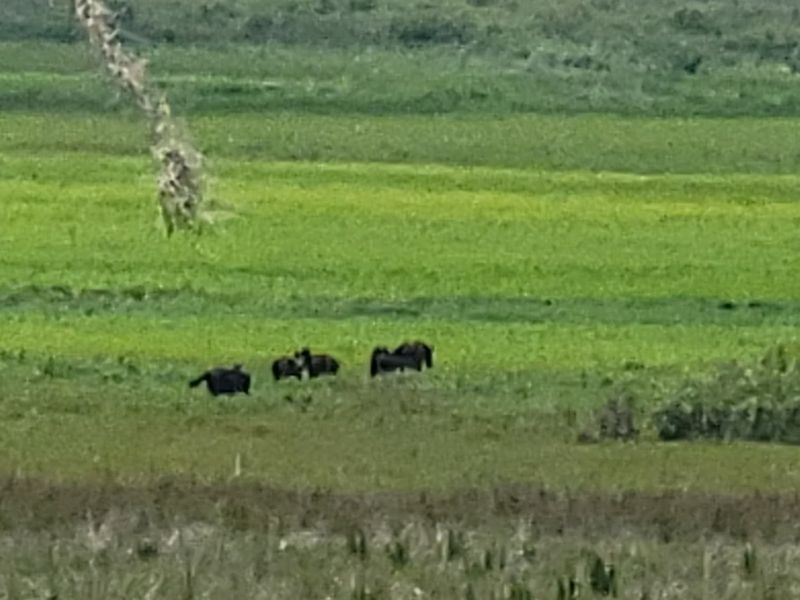
Cycling over what was once the Gainesville-Hawthorne branch of the Florida Southern Railway, I couldn’t help but imagine the steam engines that rumbled along this same route decades ago. The railway operated from the late 1800s until the 1980s, hauling timber, citrus, and passengers between these two communities.
When the tracks were finally removed, forward-thinking planners saw an opportunity to create something that would serve future generations in an entirely different way.
The conversion to a state trail preserved the gentle grades and straight sections that made rail travel efficient, which now make cycling almost effortless. I noticed remnants of the railroad’s past at several points along the route, including old mile markers and occasional railway artifacts that tell the story of Florida’s transportation history.
These small details add depth to what could otherwise be just another paved path through the woods.
Reading the interpretive signs placed along the trail, I learned how this corridor once connected rural communities to larger markets and how its transformation reflects changing priorities in how we use public land. The rail-to-trail movement has created thousands of miles of recreational paths across America, but few offer the combination of history and wildlife that this particular route provides.
Understanding this heritage made every pedal stroke feel like a journey through time.
Smooth Paved Surface Perfect For All Skill Levels
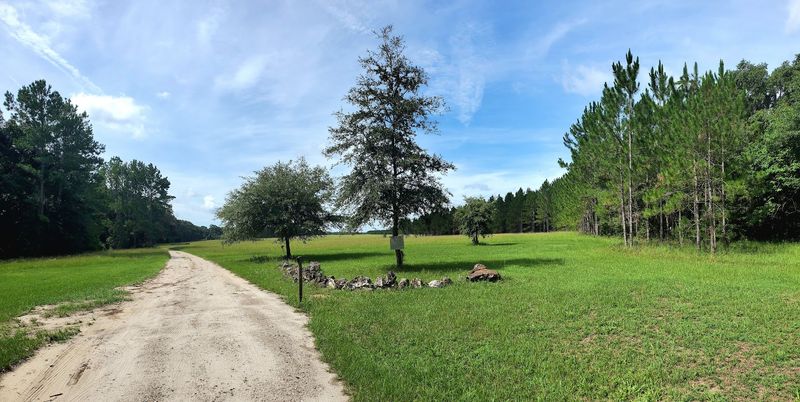
The moment my tires hit the pavement at Depot Park in Gainesville, I appreciated the trail’s smooth, well-maintained surface that makes cycling feel almost effortless. Unlike many recreational paths that suffer from cracks, roots, and uneven patches, this 16-mile stretch receives regular maintenance that keeps it in excellent condition.
The broad width accommodates cyclists, walkers, joggers, and even inline skaters without creating congestion, though weekends near Gainesville can get busy with locals enjoying their favorite outdoor space.
Families with young children will find the flat terrain especially welcoming, as the gentle railroad grades eliminate the challenging hills that often discourage beginning cyclists. I passed several parents teaching kids to ride, taking advantage of the forgiving surface and predictable conditions.
The trail’s design also makes it accessible for people using wheelchairs or adaptive cycles, opening this natural experience to a wider community.
Road cyclists appreciate the consistent pavement quality that allows for sustained speed without constantly watching for hazards. I maintained a comfortable pace for miles without worrying about sudden obstacles or surface changes.
The trail’s engineers clearly understood that good infrastructure enhances the experience, letting riders focus on the scenery and wildlife rather than navigating around potholes. Whether you’re planning a leisurely family outing or a serious training ride, this surface delivers exactly what you need.
Shaded Canopy Sections Provide Relief From Florida Sun
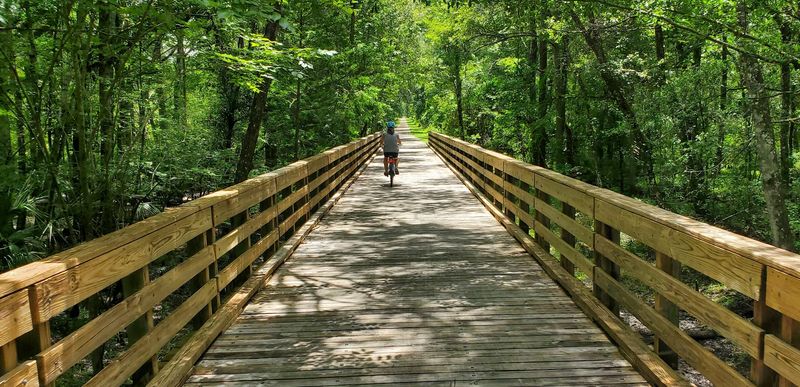
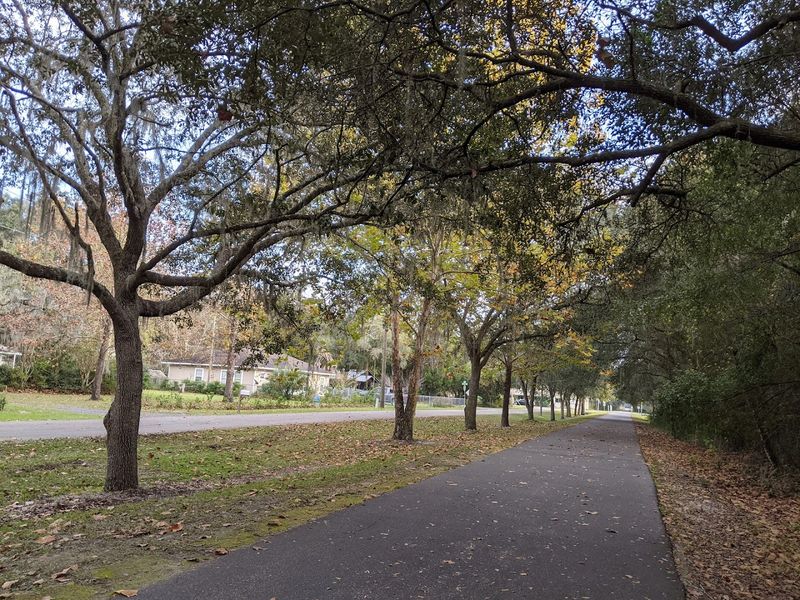
Florida’s summer heat can turn outdoor activities into endurance tests, but significant portions of this trail offer blessed relief under canopies of oak, pine, and other native trees. Riding into these shaded tunnels, I felt the temperature drop noticeably, making the difference between a pleasant ride and a sweaty ordeal.
The sections between Gainesville and the prairie edge feature particularly dense tree cover, where Spanish moss drapes from branches overhead and creates an almost magical atmosphere.
These natural air-conditioned zones appear at strategic intervals along the route, so you’re never too far from shade when you need it. I planned my water breaks around the shadiest spots, finding benches and rest areas positioned where trees offer maximum coverage.
The canopy also protects the pavement itself, preventing the surface from becoming uncomfortably hot under direct sunlight.
Beyond comfort, the shaded sections support different wildlife and plant communities than the open prairie areas, adding variety to the ecological experience. I spotted woodpeckers, squirrels, and various songbirds that prefer forested habitats, creating a soundtrack of chirps and calls that accompanied my ride.
Photographers will find these dappled light conditions create beautiful opportunities for capturing the interplay of sun and shadow. Even on the hottest days, the combination of movement and shade makes this trail surprisingly comfortable for extended rides.
Multiple Access Points And Parking Areas
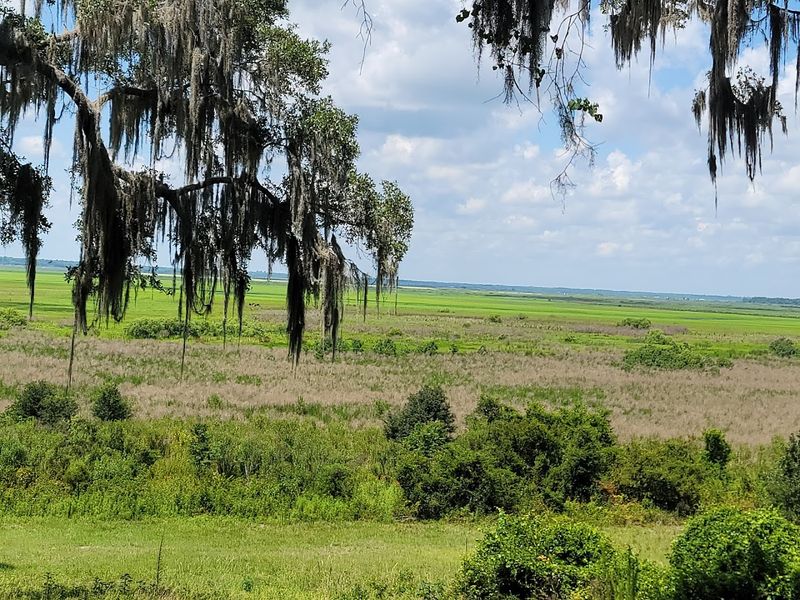
Starting my ride at Boulware Springs Park, I appreciated having several well-developed trailheads to choose from rather than being locked into one entry point. This city park on Gainesville’s southeast side offers ample parking, restrooms, and direct trail access, making it a popular launching spot for both short and long rides.
The park itself deserves exploration, with natural springs and boardwalks that provide a nice warm-up or cool-down activity before or after your cycling adventure.
Depot Park on Gainesville’s north end represents another excellent starting point, particularly if you want to begin your ride with urban amenities nearby. I found the connection between the park’s multi-use paths and the official state trail clearly marked, though using a map app helped me navigate the initial section.
The Hawthorne end of the trail sits near the small downtown area, where the Wrap Shack and other local eateries provide perfect post-ride refueling options.
Having multiple access points means you can customize your ride length based on time, energy, and interest. I’ve done the full 32-mile out-and-back journey on days when I wanted serious mileage, and I’ve also enjoyed shorter segments when I simply wanted a quick nature fix.
The flexibility these trailheads provide makes the trail accessible for quick lunch-hour rides or all-day adventures, accommodating whatever your schedule and ambitions allow.
La Chua Trail Connection For Extended Wildlife Viewing
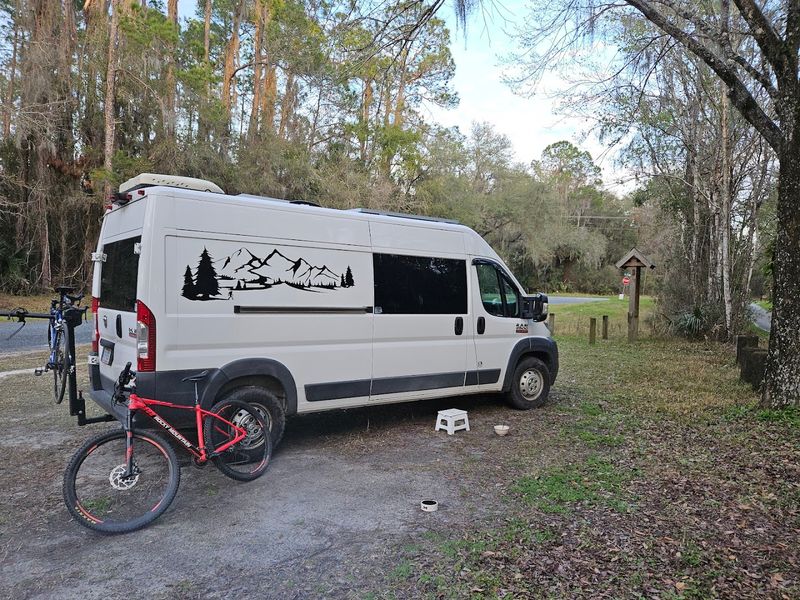
Connecting to the La Chua Trail from the main bike path, I stepped into one of Florida’s most reliable alligator viewing areas, where these prehistoric creatures gather in astonishing numbers. This 1.5-mile walking trail extends into Paynes Prairie’s wetlands, offering an intimate look at the ecosystem that makes this region so ecologically significant.
During my visit following a dry period, I counted dozens of alligators concentrated in the remaining water bodies, creating scenes that looked straight out of a nature documentary.
The observation platform at La Chua provides elevated views across the marsh and prairie, perfect for photography and simply absorbing the wild landscape. I watched wading birds picking through shallow water while alligators sunned themselves on the banks, completely unbothered by human observers.
The boardwalk sections keep visitors safely separated from wildlife while allowing close-enough encounters that feel genuinely thrilling.
Combining a bike ride on the paved trail with a walking exploration of La Chua creates a full day of outdoor adventure that showcases both the historic rail corridor and the living prairie ecosystem. I recommend arriving early when wildlife is most active and temperatures remain tolerable for walking.
Bring plenty of water, sun protection, and a camera with good zoom capabilities, because the wildlife viewing opportunities here rival much more remote locations. This side trip transforms a good bike ride into an exceptional wildlife experience.
Scenic Overlooks Offering Prairie Vistas
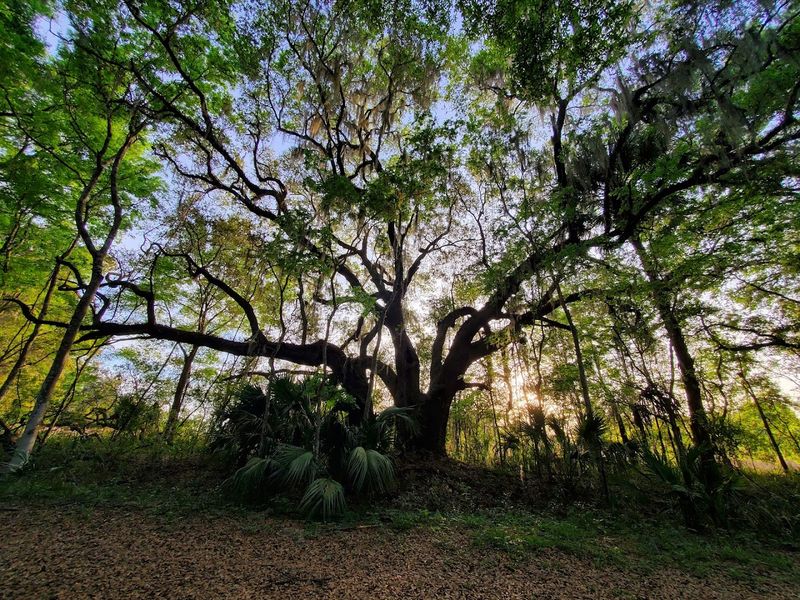
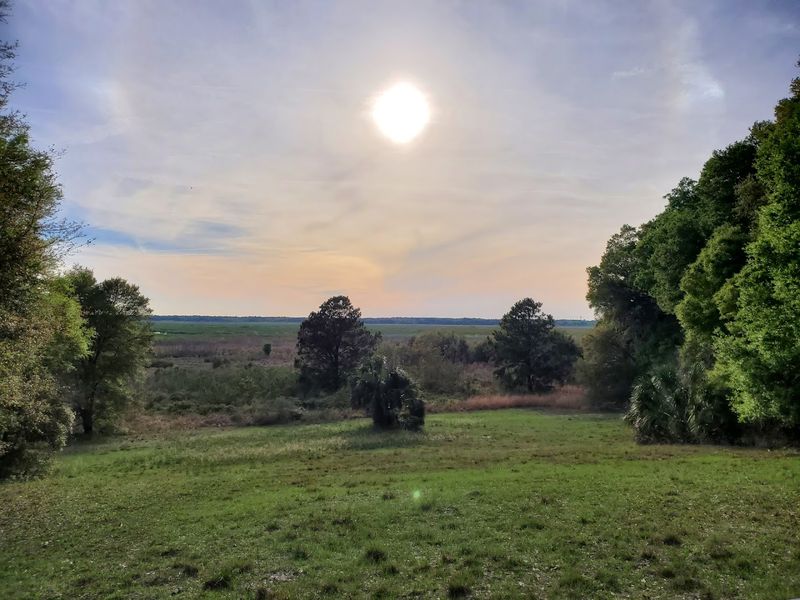
Pulling off at one of the designated overlooks, I stood at the railing and gazed across thousands of acres of open prairie that seemed to stretch endlessly toward the horizon. These viewing platforms appear at strategic points along the trail where the landscape opens up, offering perspectives that help you understand the scale and beauty of Paynes Prairie.
The contrast between the shaded trail sections and these sudden vistas creates dramatic moments that make you stop and simply stare.
Photography enthusiasts will find these overlooks perfect for capturing the prairie’s changing moods throughout the day. I’ve watched sunrise light paint the grasslands gold and seen afternoon thunderstorms build over the distant treeline, creating spectacular cloudscapes.
The overlooks also provide excellent vantage points for scanning the prairie for wildlife, as the elevated position lets you see farther across the flat landscape than you could from trail level.
During my visits, I’ve noticed how the prairie transforms with the seasons, from lush green growth during rainy periods to golden dormant grasses during drier months. Each season brings different bird species and wildlife behaviors, making these overlooks valuable spots for naturalists and casual observers alike.
Taking a few minutes to rest at these viewpoints adds contemplative moments to an otherwise active ride, reminding you that sometimes the best part of any journey is simply stopping to appreciate where you are.
Hawthorne Trailhead And Small Town Charm
Reaching Hawthorne after 16 miles of pedaling, I rolled into a small Florida town that feels genuinely authentic, without the tourist polish of larger destinations. The trail ends near downtown, where local restaurants like the Wrap Shack provide welcome refreshment for hungry cyclists who’ve worked up serious appetites.
This community of fewer than 2,000 residents maintains a quiet, unhurried pace that makes it a perfect turnaround point for trail users seeking both physical rest and a glimpse of rural Florida life.
Walking around Hawthorne’s compact downtown, I found the kind of place where locals still gather at small cafes and everyone seems to know each other. The town’s history as a railway stop shows in its layout and older buildings, creating a tangible connection to the transportation corridor that brought the trail into existence.
Small shops and services cater primarily to residents rather than visitors, giving the area an unvarnished character that I found refreshing.
Planning your ride to include lunch or a snack break in Hawthorne adds a social dimension to what could otherwise be a purely athletic endeavor. I’ve chatted with other cyclists at outdoor tables, comparing notes on trail conditions and wildlife sightings while recovering for the return journey.
The town’s proximity to the trail makes it easy to explore on foot, and the friendliness of local business owners makes you feel welcome rather than like just another passing tourist.
Year-Round Riding Conditions And Best Times To Visit
Florida’s climate allows trail use throughout the year, though I’ve learned that timing your rides strategically makes a substantial difference in comfort and wildlife viewing success. Winter months from November through March offer the most pleasant temperatures, with cool mornings perfect for longer rides and minimal afternoon heat.
I’ve enjoyed some of my best experiences during this season, when humidity drops and the risk of afternoon thunderstorms decreases significantly.
Early morning rides provide advantages regardless of season, with cooler temperatures, active wildlife, and fewer crowds on the trail. I typically start at sunrise during summer months, completing most of my ride before the real heat sets in.
The golden light of early morning also creates beautiful conditions for photography, and the prairie often features dramatic mist rising from wetland areas.
Spring brings wildflowers and migrating bird species, while fall offers relief from summer’s intensity without winter’s occasional cold fronts. Summer riding remains possible but requires serious heat management, including carrying extra water, wearing sun protection, and possibly planning shorter segments rather than the full distance.
I’ve learned to check weather forecasts carefully during summer, as afternoon thunderstorms can develop quickly and create dangerous conditions. Regardless of when you visit, the trail offers rewards, but matching your expectations to seasonal conditions ensures the best possible experience.
Trail Safety And Preparation Tips
Before my first long ride on this trail, I learned that proper preparation makes the difference between an enjoyable adventure and a difficult ordeal. Carrying sufficient water is absolutely essential, as Florida’s heat and humidity can dehydrate you faster than you might expect, even on seemingly mild days.
I pack at least two large water bottles for the full distance, and I’ve never regretted having extra.
Basic bike maintenance supplies can save your ride if mechanical issues arise far from trailheads. I carry a spare tube, tire levers, a multi-tool, and a small pump or CO2 inflator, having learned this lesson after a flat tire left me walking for miles.
While the trail surface is excellent, punctures can still occur, and being self-sufficient means you can fix problems and continue riding rather than calling for rescue.
Sun protection deserves serious attention, as extended exposure on this exposed trail can lead to painful burns and heat exhaustion. I apply sunscreen before starting, wear a helmet with good ventilation, and use sunglasses to protect my eyes from glare.
Bringing snacks for longer rides helps maintain energy levels, and I’ve found that telling someone your planned route and expected return time adds an important safety layer. Cell phone coverage exists along most of the trail, but having a charged phone and knowing your location helps if you need assistance.
These simple preparations transform potential problems into minor inconveniences.