
The Scenic 1.2-Mile Trail In Florida That Leads To This Gorgeous Hidden Swimming Hole
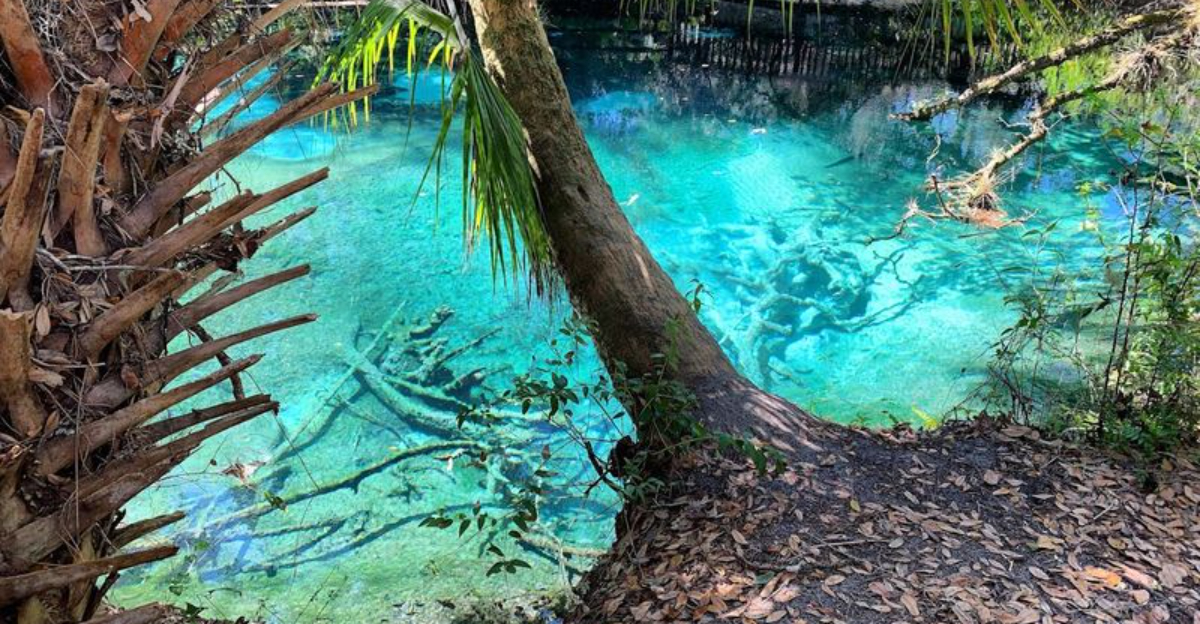
Florida is known for beaches and busy springs, but what if one of its most refreshing spots felt almost hidden from the rest of the world?
Deep within the state’s wild landscapes, there is a place where the scenery shifts from familiar to something far more untouched. A quiet trail winds through thick greenery, the air feels cooler, and every step pulls you deeper into a setting that feels almost tropical.
This is not the kind of place you just arrive at.
It is something you discover.
Then, suddenly, the trees open up.
Crystal-clear water, perfectly still and inviting, appears like a reward at the end of the path, surrounded by nature that feels completely alive.
Somewhere between the walk and that first look at the spring, it becomes clear.
This is not just another swimming spot.
It is one of those rare Florida places that feels like a true hidden escape.
The Trail Starts Right At The Historic Mill House
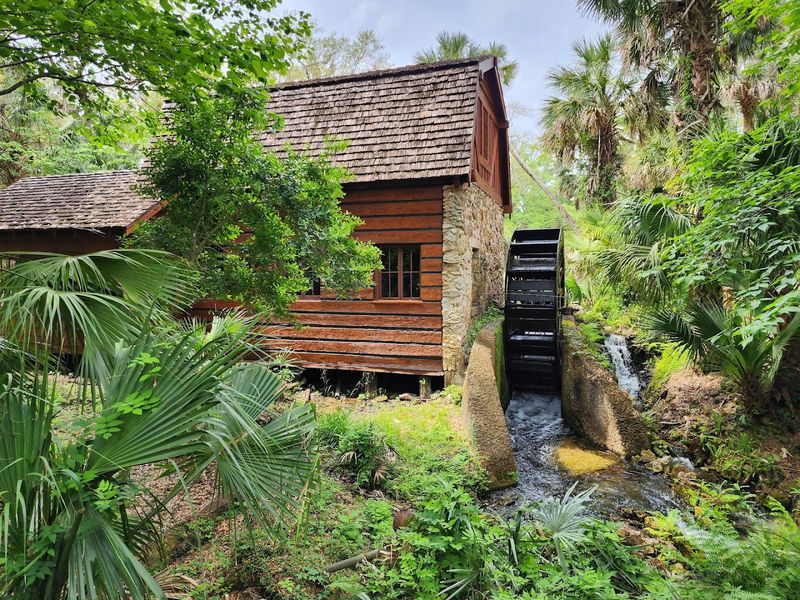
Few trails in Florida begin with as much character as this one, where the path kicks off right beside the beautifully preserved mill house at Juniper Springs Recreation Area. Built in the 1930s by the Civilian Conservation Corps, the mill house is a genuine piece of American history, and standing next to it before you even take your first step on the trail gives the whole adventure a sense of purpose.
The stone construction has held up remarkably well, and visitors often pause here to take photos before heading into the forest canopy ahead. Rangers and staff near the entrance are usually happy to share a quick story about the mill house if you ask, which adds a personal touch to your visit.
Starting a hike next to a building that has watched over this spring for nearly a century sets the tone for everything that follows on the trail, and you will find it at 26701 FL-40, Silver Springs, FL 34488.
The Forest Canopy Makes Every Step Feel Like A Jungle Adventure
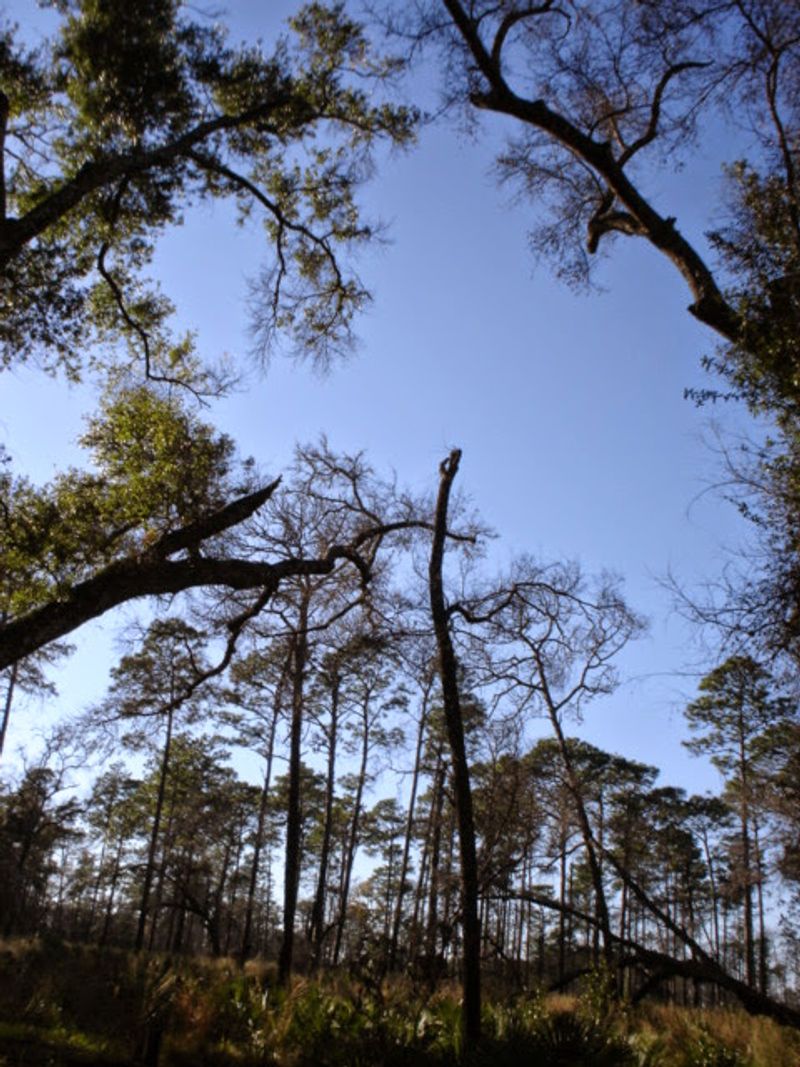
Walking into the forest section of this trail, the trees close in overhead so quickly that it genuinely feels like stepping into a different world altogether.
Tall oaks, palms, and subtropical vegetation create a thick, layered canopy that blocks out a surprising amount of sunlight, keeping the trail shaded and noticeably cooler than the open parking area behind you.
The sounds shift too, with birdsong, rustling leaves, and the occasional splash of water from the nearby spring run replacing the background noise of the road.
One reviewer who paddled the Juniper Spring run described it as “paddling through the jungle,” and the same description honestly applies to hiking this trail on foot.
Ferns, mosses, and low-hanging branches line the path, and the ground stays soft and earthy underfoot for much of the route.
If you enjoy the feeling of being completely surrounded by nature without driving hours into the wilderness, this stretch of trail delivers that experience in a very compact and satisfying package.
Wildlife Sightings Along The Path Are Genuinely Common
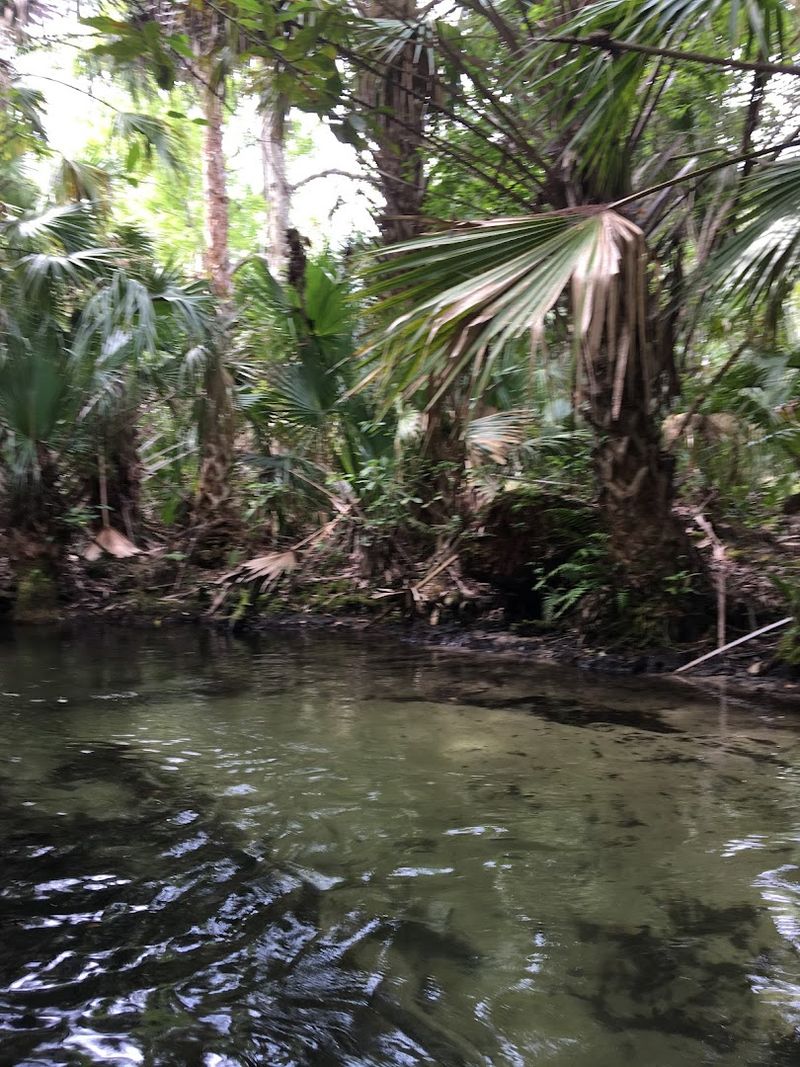
Keeping your eyes open on this trail pays off in ways that most short hikes simply cannot promise, because the biodiversity inside Ocala National Forest is remarkable even by Florida standards.
Turtles, wading birds, and various species of fish are frequently spotted near the spring run that parallels portions of the trail, and the clear water makes it easy to watch them without disturbing anything.
Deer have been reported near the tree line during early morning visits, and the bird activity alone is enough to keep a nature lover entertained for the entire 1.2-mile route.
Bringing a pair of lightweight binoculars is a small effort that pays off significantly when a great blue heron decides to stand completely still just a few feet from the path.
The wildlife here behaves as if they own the place, which, honestly, they do, and that confidence makes the encounters feel natural rather than staged.
Quiet, patient walkers tend to see the most, so slowing your pace near the water edges is always worth it.
The Spring Water Stays At A Constant 72 Degrees Year-Round
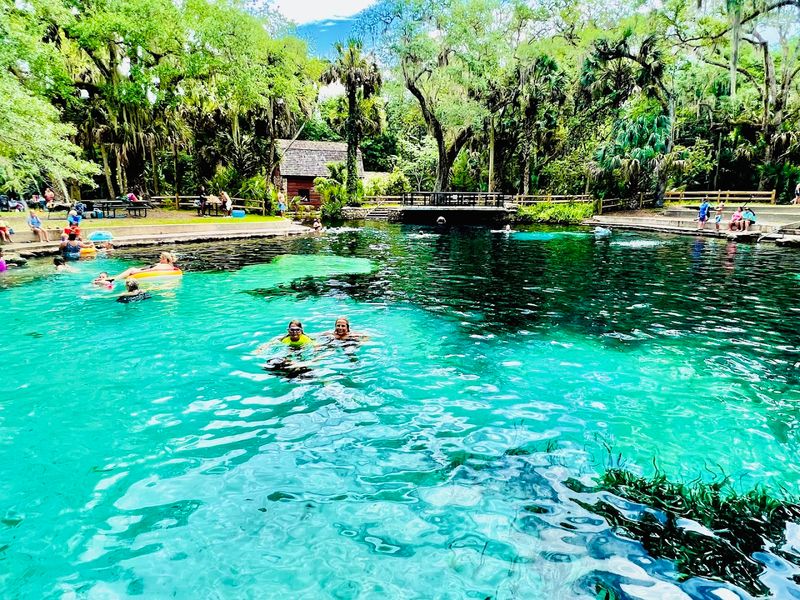
One of the most talked-about features of Juniper Springs is the water temperature, which holds steady at around 72 degrees Fahrenheit no matter what season you visit.
That consistency comes from the underground aquifer system that feeds the spring, pushing millions of gallons of filtered water up through the limestone bedrock every single day without variation.
On a blazing Florida summer afternoon, stepping into 72-degree water feels like the best decision you have made all week, and on a cooler winter morning, that same temperature can feel like a mild shock to the system.
One visitor humorously noted that they went on a chilly 60-degree Florida day and basically froze, but still called it completely worth it, which says a lot about how memorable the experience is regardless of the season.
The clarity of the water is another standout feature, and wearing goggles to peer below the surface reveals fish, aquatic plants, and the sandy spring floor in vivid detail.
Floating in water this clear and this consistently cool is a genuinely unique Florida experience.
The Swimming Area Itself Has A Distinct And Memorable Layout
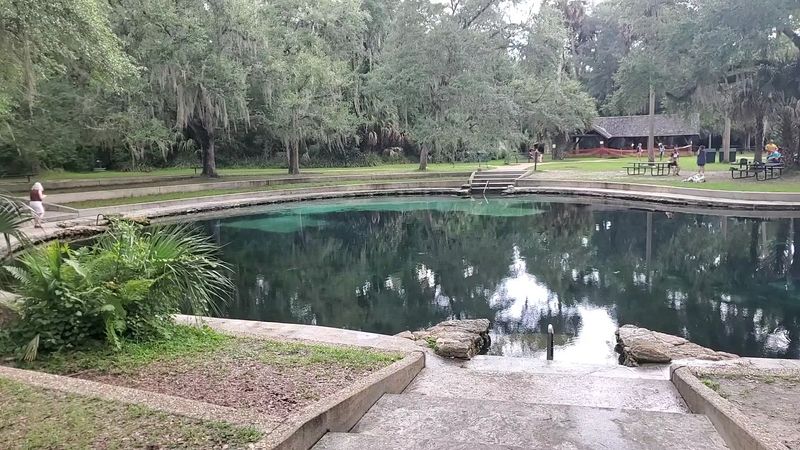
Reaching the end of the trail and seeing the spring for the first time is a moment that tends to stop people in their tracks, because the setup here is unlike a typical swimming hole.
A stone wall built decades ago surrounds much of the spring, creating a defined swimming area with a ledge inside the water where swimmers can stand and rest between floats.
The area around the spring is terraced, meaning there are flat, stable surfaces where you can sit, set down your towel, or watch the water before getting in, which makes the whole space feel organized without losing its natural charm.
Bringing a float or inflatable is genuinely recommended here, since the swimmable area is relatively compact and having something to lounge on makes the experience significantly more comfortable.
Goggles are equally useful, as the underwater visibility is impressive and the fish population under the surface is far more active than you might expect from the surface view.
The spring itself sits at the heart of the recreation area, and everything about its layout invites you to slow down and stay awhile.
Kayaking the 7-Mile Spring Run Is A Trail Bonus Worth Planning For
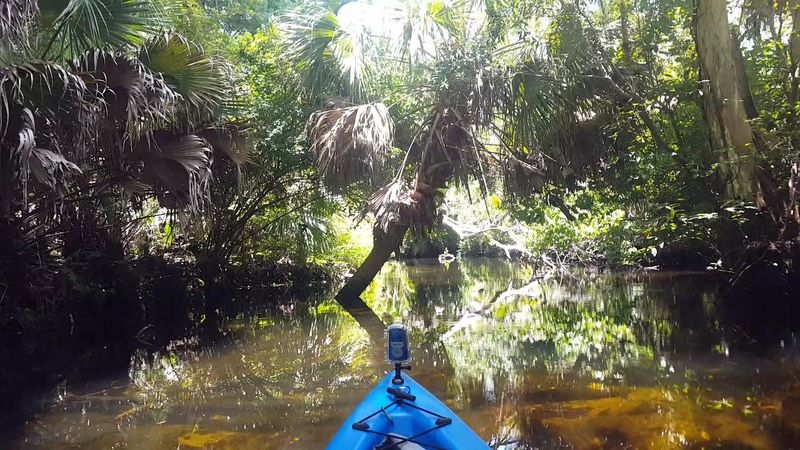
The 1.2-mile trail is the star of the show for hikers, but the 7-mile kayak run that begins at the same recreation area is a full-day adventure that regular visitors plan entire trips around.
Shorter kayaks in the 8-foot range or under are strongly recommended by experienced paddlers because the spring run includes narrow twists, low-hanging trees, and a couple of genuinely exciting rapid sections that longer boats struggle to navigate cleanly.
One paddler described the run as taking about five hours, filled with wildlife sightings and a pace that feels both relaxing and occasionally thrilling when the current picks up near marker 5.
A shuttle service is available to return paddlers to the starting point, but timing matters since the shuttle operates on a schedule and missing it means waiting considerably longer for a return ride.
Parking a second vehicle at the takeout point downstream is a popular workaround that gives groups complete flexibility over their pace and stopping time.
Few water experiences in Florida combine scenery, wildlife, and a mild physical challenge quite as naturally as this run does.
The Recreation Area Has Deep Roots In New Deal History
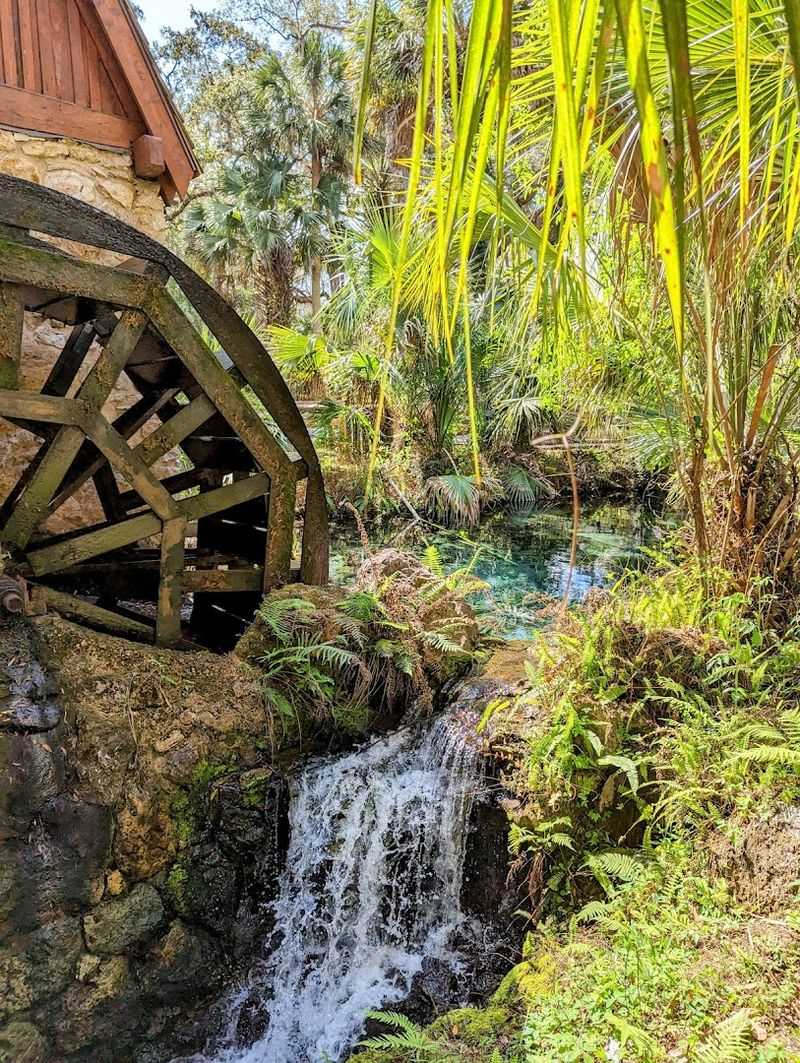
History buffs who walk the trail at Juniper Springs are essentially walking through a living monument to one of America’s most ambitious public works programs.
The Civilian Conservation Corps, which operated during the 1930s under President Franklin Roosevelt’s New Deal, constructed the mill house, the stone walls around the spring, and much of the original infrastructure that still defines the character of the recreation area today.
That kind of durable, hand-crafted stonework is rare in modern parks, and seeing it up close gives the place a texture and permanence that feels genuinely different from newer recreational facilities.
The mill house in particular is considered a landmark within Ocala National Forest, and its condition after nearly ninety years of use is a testament to the quality of the construction.
Learning this history before your visit transforms the trail from a simple nature walk into something with considerably more meaning and context.
Juniper Springs is one of the few places in Florida where you can swim in a natural spring and stand inside a piece of Depression-era American craftsmanship at the same time.
Camping Inside The Recreation Area Puts You Steps From The Trail
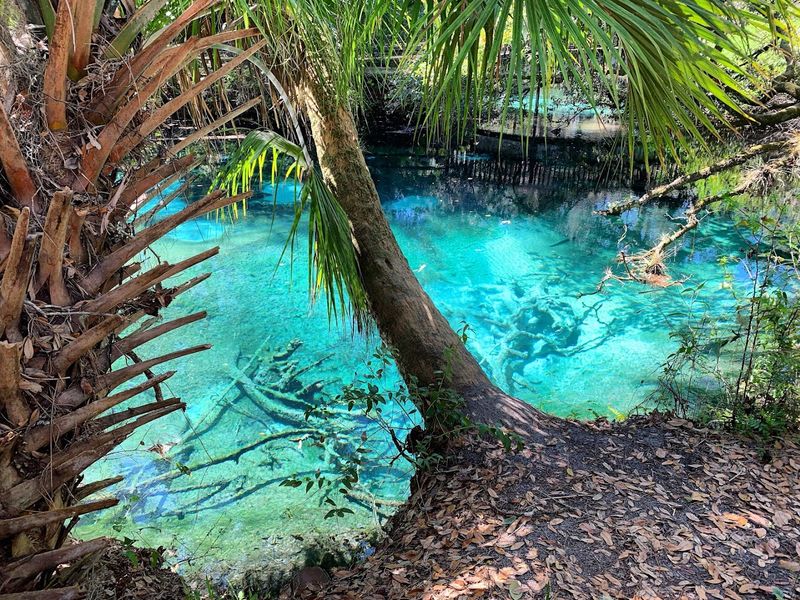
Staying overnight at Juniper Springs Recreation Area means waking up with the trail and the spring just a short walk from your tent, which is a setup that turns a day trip into something far more memorable.
Campsites here include a picnic table, a fire ring, and a bear box for securing food and scented items, which is a practical necessity in a forest that supports a healthy wildlife population.
Many of the sites are pull-through style, which works well for larger vehicles, and the layout of the campground keeps things reasonably spread out so sites do not feel cramped together.
Hot showers are available at the bathhouse, and several reviewers specifically mentioned appreciating that detail after a full day of swimming and paddling in the spring.
The campground enforces quiet hours, which helps maintain the peaceful, forest atmosphere that makes staying here worthwhile in the first place.
Staff near the front gate have been described as genuinely helpful, often pointing guests toward nearby springs and attractions in the Ocala National Forest that do not always appear on the standard tourist maps.
Visiting During The Week Changes The Experience Completely
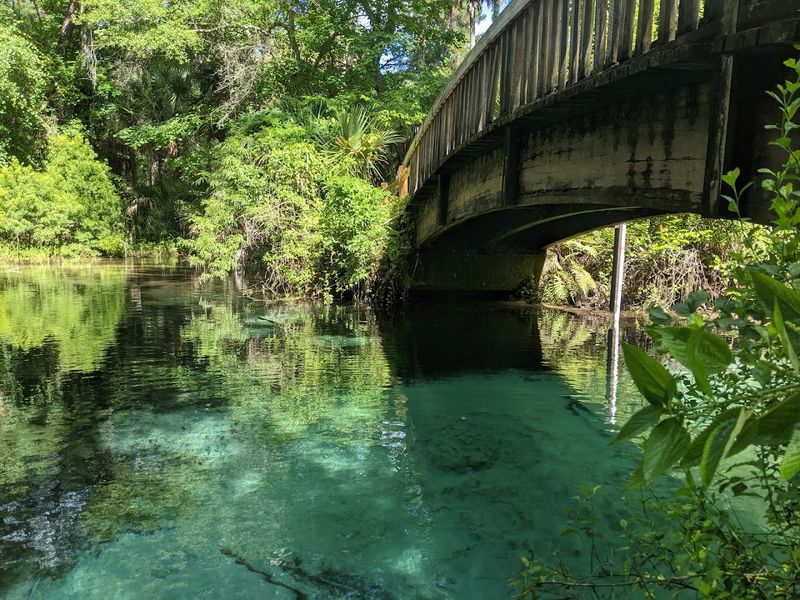
Weekend visits to Juniper Springs can mean a 30-minute wait just to get through the entrance gate, which is a detail that catches a lot of first-time visitors off guard on busy summer Saturdays.
Arriving on a Tuesday or Wednesday morning shifts the entire experience, with fewer people at the spring, shorter lines at the entrance, and a much quieter atmosphere along the trail itself.
The spring feels noticeably more spacious during off-peak visits, and the wildlife along the trail tends to be more visible when foot traffic is lighter and noise levels stay low.
Summer bugs are reportedly not as bad as many people expect, according to visitors who came specifically worried about that, which makes warm-weather weekday visits particularly comfortable.
Fall and early spring weekdays offer a pleasant middle ground where temperatures are mild, crowds are thin, and the forest is at its most visually rich with color and activity.
Planning around the crowd cycle is one of the simplest ways to make sure Juniper Springs delivers the peaceful, immersive experience it is genuinely capable of providing.
Practical Tips That Make Your Visit Run Smoothly
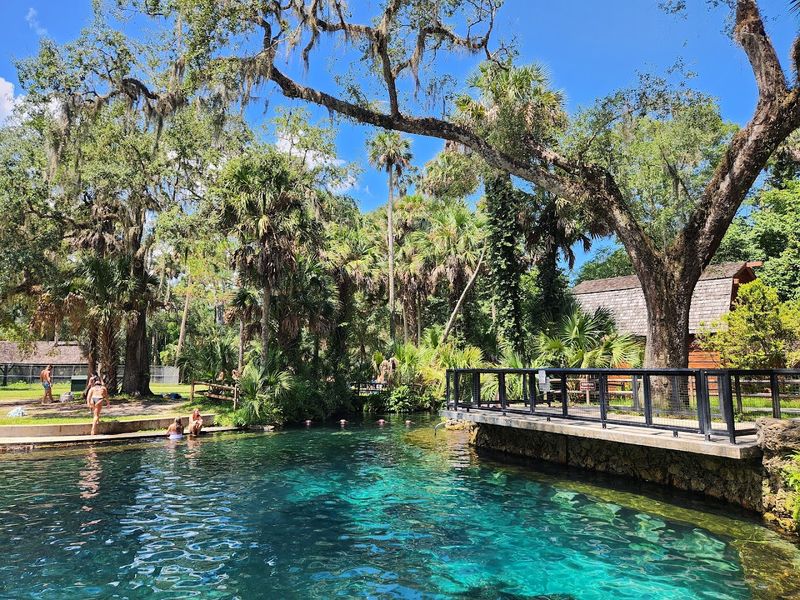
A few straightforward preparations make the difference between a frustrating visit and one that lives up to the trail’s scenic reputation.
The entrance fee runs approximately $15 per person, and the recreation area accepts the standard National Park Pass, though it is worth confirming current pass acceptance policies before arrival since these details have changed in the past.
Glass containers and outside food coolers are subject to inspection at the gate, so packing drinks in plastic or canned options keeps the entry process moving without any surprises.
Water shoes or sandals with a strap are genuinely useful here since the trail surface and the spring entry area both benefit from footwear that handles wet and uneven terrain without slipping.
Arriving early, ideally before 10 a.m., is the single most effective strategy for avoiding long entry lines and securing a comfortable spot near the spring before the midday crowd arrives.
Juniper Springs Recreation Area sits at 26701 FL-40, Silver Springs, FL 34488, and can be reached by calling the park directly at +1 352-625-3147 for updated hours and conditions before you head out.