
2026 Bucket-List Hikes In Colorado With No Permits Required
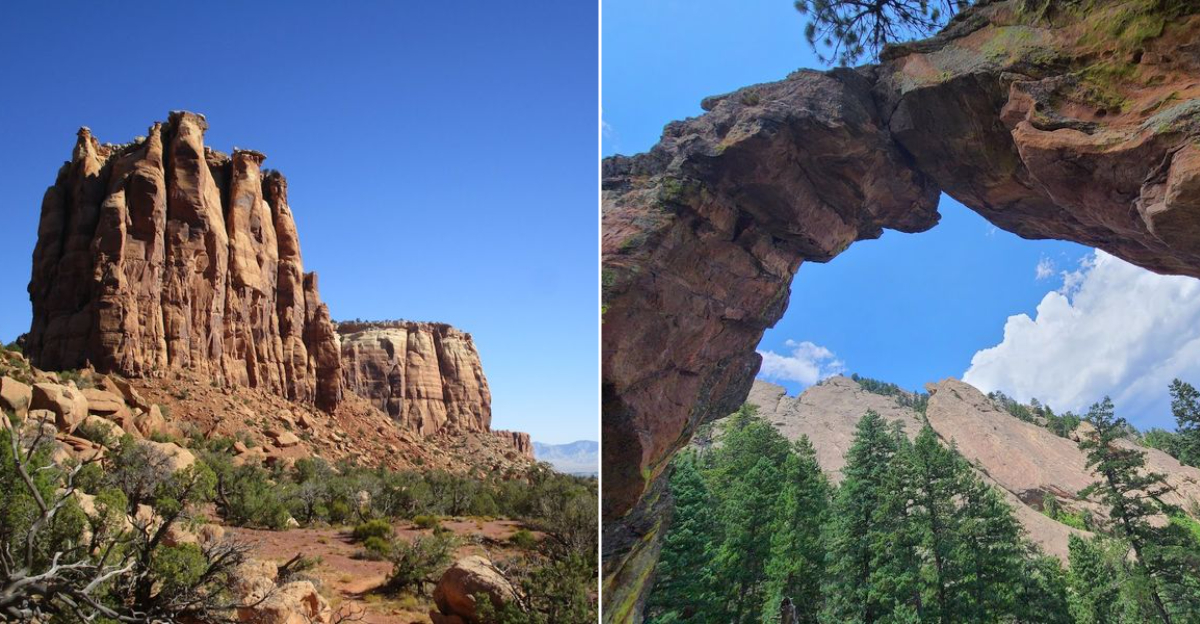
Colorado has a talent for making every hiker feel like they have stumbled into a personal highlight reel. One trail leads you past towering sand dunes that look almost unreal, another winds through ancient canyons carved with the kind of drama only time can create, and then suddenly you are standing beside an alpine lake so bright and glassy it barely looks possible.
The beauty here does not feel subtle, it shows off from the very first step. In Colorado, that is part of the fun because even a single day on the trail can feel huge, wild, and wonderfully earned.
The even better news is that none of these hikes require a permit lottery, a midnight reservation scramble, or the patience of a saint just to get started. Lace up your boots, pack a snack you are fully prepared to protect from an overly confident squirrel, and hit the trail.
Colorado’s scenery is ready to absolutely ruin ordinary hikes for you forever.
1. Perkins Central Garden Trail — Garden of the Gods, Colorado Springs
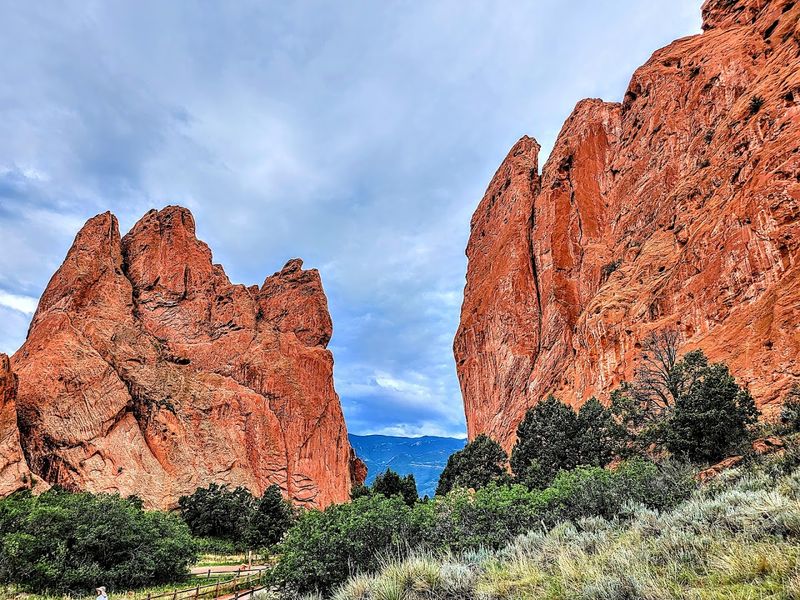
Walking into Garden of the Gods feels like stumbling onto a movie set that nobody bothered to clean up after production — and that’s the highest compliment I can offer. The Perkins Central Garden Trail winds right through the park’s most iconic red sandstone spires, and the whole thing is free, open to the public, and completely permit-free.
That combination is rarer than you’d think in Colorado these days.
The trail is paved, relatively flat, and short enough that you can finish it before your coffee gets cold. Families with young kids, older hikers, and everyone in between can handle it comfortably.
Still, don’t let the easy rating fool you — the scenery is genuinely world-class, and you’ll burn through your phone’s storage faster than your legs.
Colorado Springs sits just minutes from the trailhead, which means you can pair this walk with breakfast in town and still be home by early afternoon. Go early on weekends to beat the crowds, because this place draws serious foot traffic.
Sunrise light on those red rocks is something you won’t forget quickly, and it costs you exactly nothing extra to witness it.
2. Monument Canyon Trail — Colorado National Monument, near Grand Junction
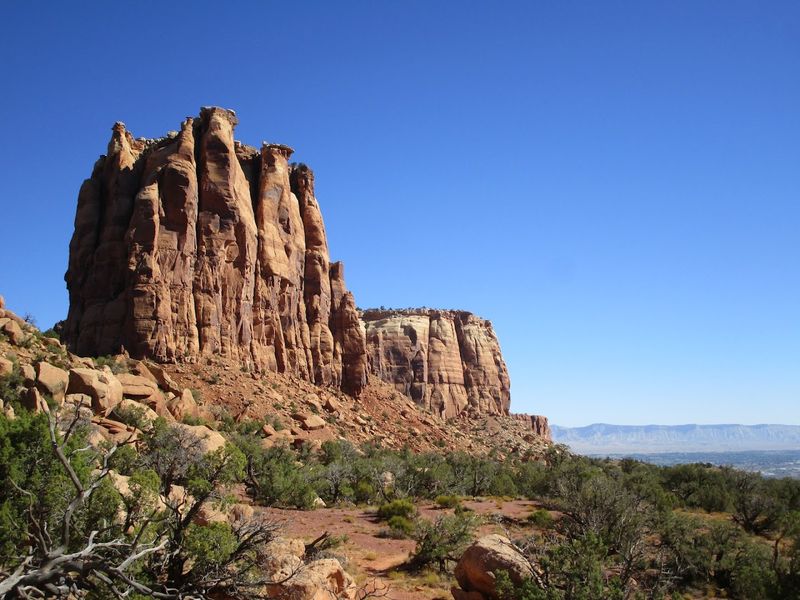
There’s a particular kind of silence inside Monument Canyon that you don’t find on most front-range trails. The canyon walls rise hundreds of feet on either side, the sandstone monoliths look like they’ve been standing since before anyone thought to name them, and the whole experience feels quietly epic without requiring any advance reservation or timed entry.
Colorado National Monument earns its name here.
Monument Canyon Trail is the park’s flagship day hike — a genuine backcountry feel packed into a route that doesn’t demand technical skills or overnight gear. The trail runs several miles into the canyon, so you can go as far as your legs and water supply allow before turning back.
Experienced hikers can push the full route; casual visitors can sample the first mile and still leave impressed.
Grand Junction is close enough to make this a morning stop on a longer road trip through western Colorado. The region doesn’t get the same Instagram traffic as Rocky Mountain National Park, which honestly makes it better.
You’ll share the trail with far fewer people, the views are enormous, and you’ll spend exactly zero minutes fighting an online reservation system. That alone feels like a small victory.
3. High Dune Route — Great Sand Dunes National Park and Preserve
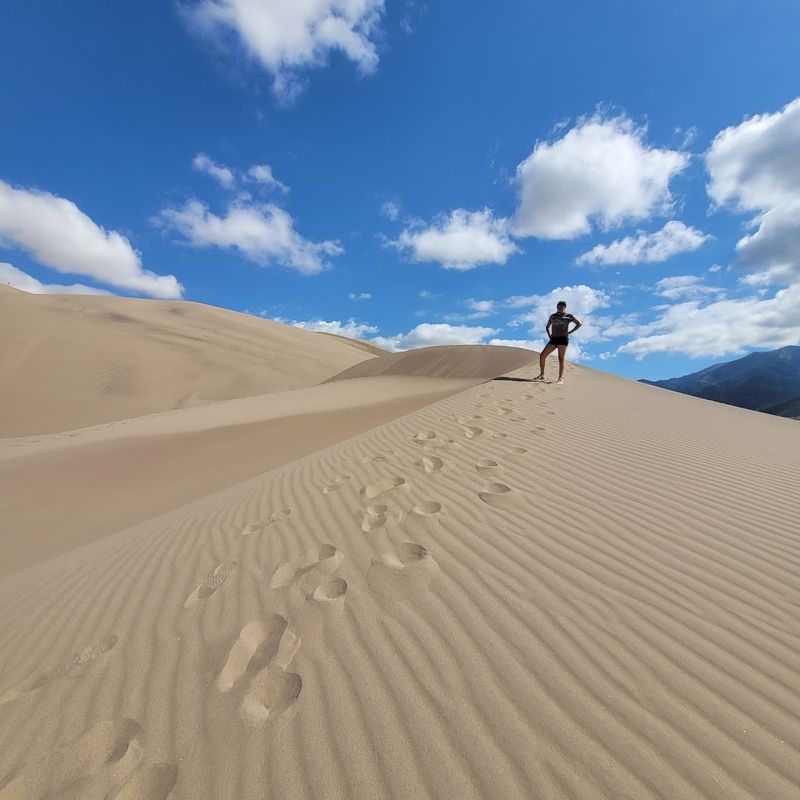
Nowhere else in Colorado will you feel quite as disoriented in the best possible way. Great Sand Dunes National Park drops a 750-foot sand mountain in the middle of the Rockies like some cosmic practical joke, and hiking up those dunes is one of the most surreal physical experiences the state has to offer.
No permits, no reservations, no timed entry — just show up and start climbing.
The High Dune route isn’t a formal trail in the traditional sense. You pick your line up the face of the dune, which sounds easy until the sand starts shifting under every step.
Plan for the ascent to take significantly longer than the distance suggests. The reward at the top is a 360-degree view that includes mountains, grasslands, and more sand than you’ll ever want to carry home in your shoes.
Morning visits are cooler and less windy, which matters more than you’d expect on exposed sand. Sandboarding is also a popular option here if hiking feels too low-key.
The park sits in the San Luis Valley, a beautiful stretch of southern Colorado that deserves more attention than it typically gets from weekend road-trippers. Stay for sunset if your schedule allows — the light on the dunes is genuinely extraordinary.
4. Devil’s Head Trail — Pike National Forest, near Sedalia
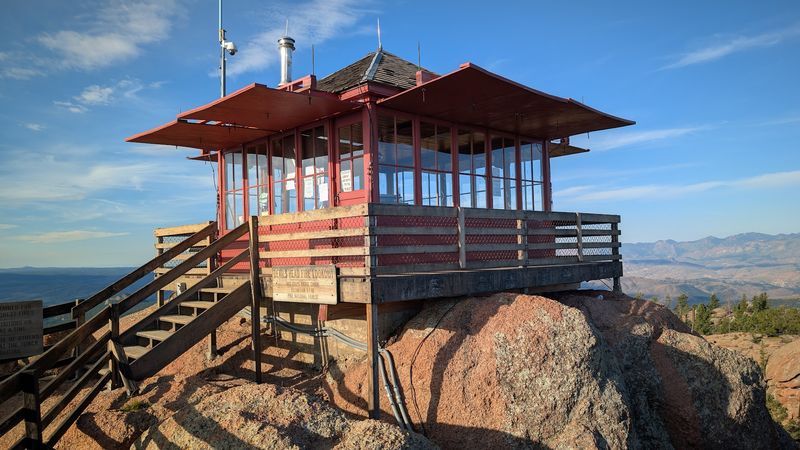
Devil’s Head has the kind of origin story that makes a hike feel earned before you even lace up. At the summit sits one of Colorado’s last staffed fire lookout towers, a historic wooden structure perched on a dramatic rock outcropping that’s been watching over the surrounding forest for decades.
Climbing the tower’s stairs at the end of the trail is one of those small moments that punches well above its weight in satisfaction.
The trail itself runs about 1.4 miles each way through Pike National Forest, gaining around 940 feet in elevation. It’s steep enough to get your heart going but short enough that most reasonably fit hikers finish without drama.
The Forest Service lists it as an open recreation feature with no day-hike permit requirement, which keeps the logistics refreshingly simple.
Sedalia is the nearest town, and the drive through the foothills to get here is scenic enough to count as part of the experience. Weekends bring a steady crowd, so arriving before 9 a.m. is a genuine strategy rather than just polite advice.
Bring layers — the summit can be noticeably cooler and windier than the parking lot suggested when you arrived. This one earns its bucket-list status with character rather than just altitude.
5. Chief Mountain Trail — Arapaho National Forest, near Idaho Springs
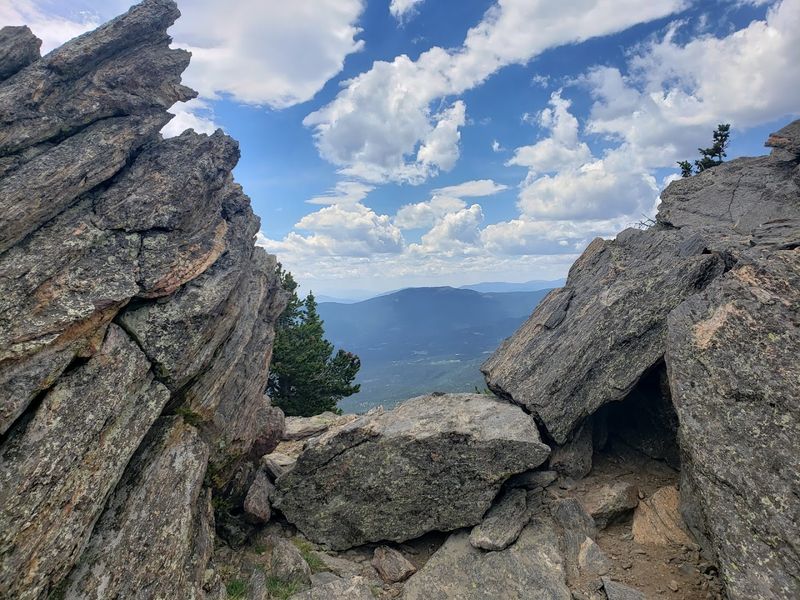
Chief Mountain is what I’d call a bucket-list hike for people who secretly aren’t sure they’re bucket-list hikers yet. The summit sits at 11,709 feet, the views are enormous, and the round trip comes in around 3 miles — short enough that you can accomplish the whole thing before noon and still make it to Idaho Springs for a late lunch.
It’s the kind of hike that makes you feel genuinely accomplished without destroying your knees.
The Forest Service lists the trailhead with standard public access and no day-hike permit requirement, which is exactly the kind of uncomplicated arrangement that makes spontaneous weekend trips possible. The route climbs through forest before breaking out into open alpine terrain near the summit, which means the payoff feels sudden and satisfying.
That transition from trees to sky always gets me.
Idaho Springs is a classic Colorado mountain town with good food options and easy highway access from Denver, making this a strong candidate for a solo day trip or a first alpine hike with older kids. The trailhead can fill up on busy summer weekends, so earlier is always smarter.
Chief Mountain won’t overwhelm you, but it will absolutely remind you why people move to Colorado in the first place.
6. North Mount Elbert Trail — near Leadville
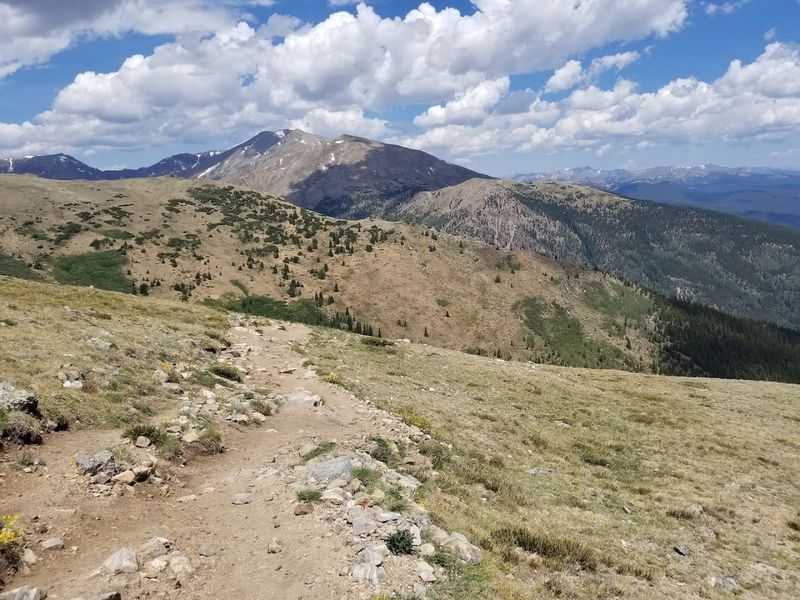
Mount Elbert is the highest point in Colorado and the second highest peak in the contiguous United States. That sentence alone should explain why it belongs on this list.
Standing at 14,440 feet, summiting Elbert via the North Mount Elbert Trail is the kind of thing you’ll describe at dinner parties for years without any exaggeration required. The Forest Service lists the route as an established public hiking trail with no day-use permit requirement for regular hikers.
The North Mount Elbert Trail is considered one of the more approachable routes to the summit, but approachable is relative when you’re talking about a 14er. The round trip covers roughly 9.5 miles with about 4,500 feet of elevation gain.
Start before dawn, move steadily, and get off the summit before early afternoon thunderstorms roll in — that’s the standard Colorado high-country protocol and it applies here more than most places.
Leadville, sitting at over 10,000 feet itself, is the closest town and one of the most historically interesting in the state. Spending a night there before the hike helps with acclimatization and turns the whole outing into a proper adventure rather than a frantic day trip.
Elbert rewards preparation and punishes shortcuts. Respect it, and it’ll hand you one of the finest views in the American West.
7. Ice Lake Trail — San Juan National Forest, near Silverton
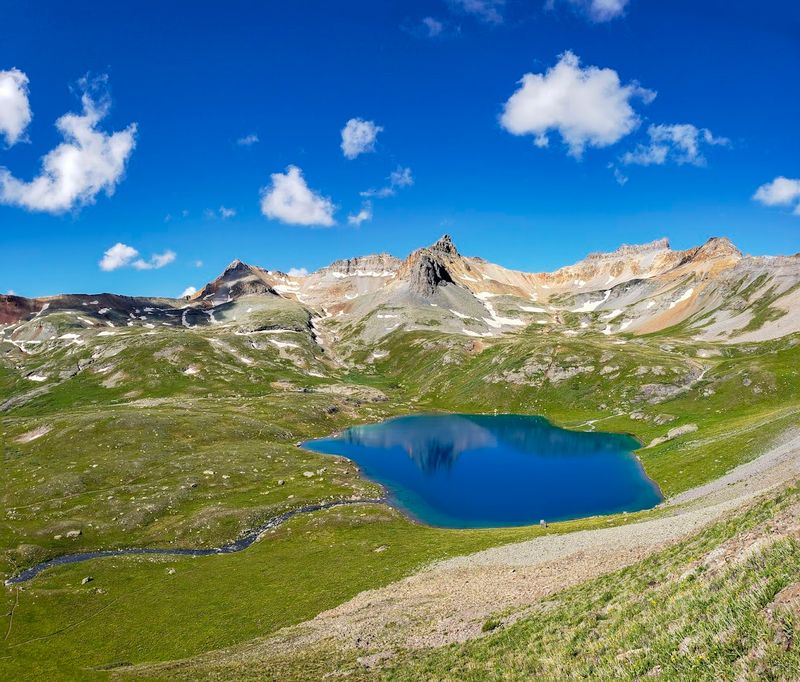
If you’ve ever seen a photo of an impossibly blue alpine lake ringed by wildflowers and thought it must be digitally enhanced, there’s a decent chance you were looking at Ice Lake. Located in the San Juan National Forest near Silverton, this trail delivers the kind of scenery that makes experienced Colorado hikers run out of adjectives.
The Forest Service describes it as a heavily used public trail with no standard day-hiking permit requirement.
The hike runs about 7 miles round trip with roughly 2,600 feet of elevation gain, putting it firmly in the moderate-to-challenging category. The upper basin opens into one of the most dramatic alpine landscapes in the entire state, and the lake itself sits at around 12,250 feet.
Late July and August are peak season for wildflowers, which turns an already stunning hike into something almost absurd in its beauty.
Silverton is a small, wonderfully quirky mountain town that earns a longer visit on its own merits. The drive into the San Juans from any direction is spectacular, and the region as a whole feels less overrun than some of the more famous hiking corridors closer to Denver.
Ice Lake is the kind of place that converts casual hikers into obsessive ones. Fair warning: you may start planning a return trip before you’ve even made it back to the car.
8. Royal Arch — Boulder Open Space and Mountain Parks
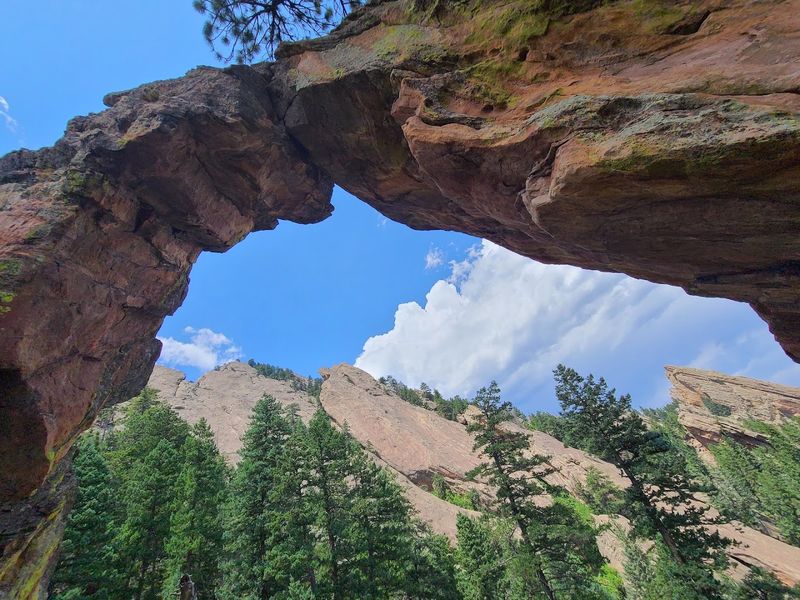
Boulder has a reputation for being the kind of place where everyone is fitter than you and they want you to know it, but Royal Arch is the trail that actually earns that reputation. The hike to this natural stone arch is a genuine workout — steep, rocky, and unrelenting in a way that a certain type of person absolutely loves.
At the top, the arch frames a view of the Flatirons and the Boulder valley that rewards every step of the climb.
The City of Boulder lists Royal Arch as a public trail with pedestrian access from Chautauqua, one of the most beloved open-space areas in the state. Closures happen periodically for raptor nesting season, so checking the city’s trail status page before heading out is a smart five-second habit.
Outside of those windows, the trail is open to the public without a permit requirement for standard day hiking.
Chautauqua Park itself is worth arriving early for — the historic auditorium, the meadow views of the Flatirons, and the general atmosphere of people doing outdoor things with great enthusiasm make it one of Colorado’s most appealing trail hubs. Parking fills up fast on weekends, so treat the early-arrival advice as a firm rule rather than a suggestion.
Royal Arch is one of those hikes that Boulder locals guard like a family recipe.
9. Mount Sanitas Trail — Boulder
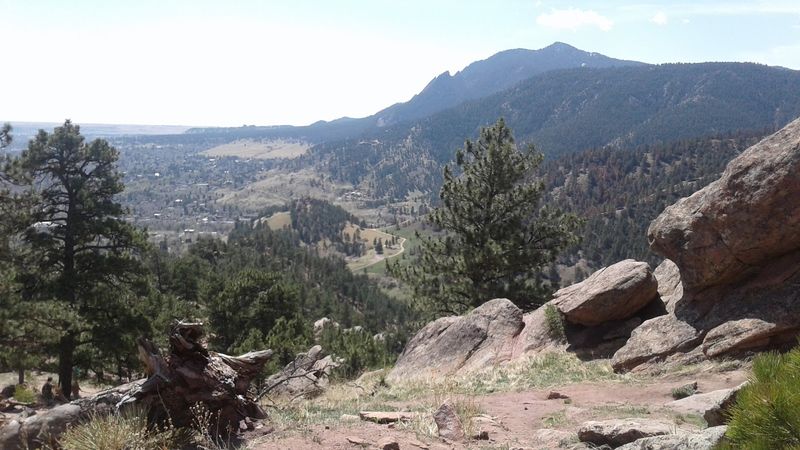
Ask any longtime Boulder resident for their go-to trail and Mount Sanitas comes up with a frequency that borders on civic obligation. The summit views — Boulder spread out below you, the plains stretching east, the higher peaks stacking up to the west — are immediately recognizable and genuinely earned.
This is a trail with local-legend status, and it deserves every bit of it.
The City of Boulder lists Mount Sanitas as a public trail with no permit requirement for normal day hiking, which keeps the access as straightforward as the trail is physically demanding. The main route climbs about 1,300 feet over roughly 1.8 miles, with rocky, uneven terrain that rewards sturdy footwear and punishes flip-flops.
It’s short enough to finish quickly but steep enough to remind you that short doesn’t mean easy.
The trailhead sits close to downtown Boulder, making this a genuinely convenient option whether you’re a local squeezing in a morning workout or a visitor with a few hours between meetings. Dogs are welcome on leash, which explains part of the trail’s consistent popularity.
The loop option adds distance and variety if you want to extend the outing. Sanitas is the kind of hike that feels bucket-list not because of its altitude but because of how completely it captures what makes Boulder special.
10. Horsetooth Rock Loop — Horsetooth Mountain Open Space, near Fort Collins
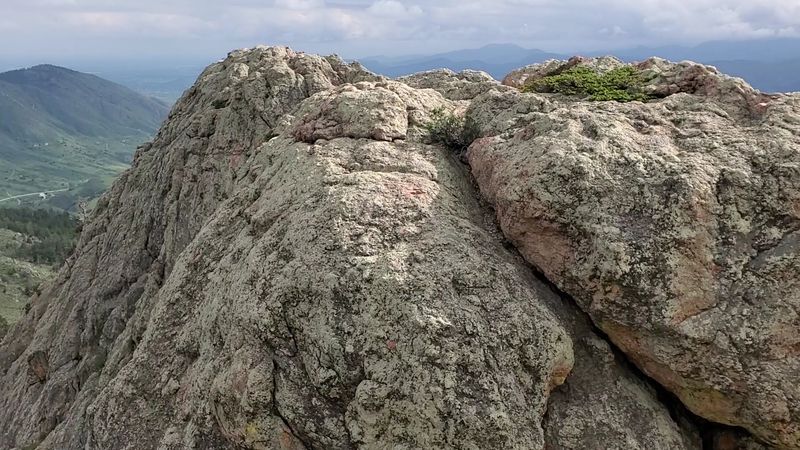
Fort Collins doesn’t always get the hiking credit it deserves, and Horsetooth Rock Loop is the strongest argument for reconsidering that oversight. The trail leads to one of northern Colorado’s most recognizable landmarks — a distinctive double-rock formation that’s visible from town and looks, depending on your imagination, exactly like a horse’s tooth or nothing like one at all.
Either way, reaching it feels satisfying in a very specific, foothills kind of way.
Larimer County manages the open space and lists the Horsetooth Rock Loop as a public trail option with access details and rules but no hike-specific permit requirement. The loop covers roughly 5.4 miles with about 1,600 feet of elevation gain — enough to feel like a real outing without demanding a full-day commitment.
The terrain mixes forested sections with open rocky stretches that offer good views of the reservoir and the plains beyond.
Fort Collins is one of Colorado’s most livable and underrated cities, with a strong food and brewery scene that makes the post-hike portion of the day equally appealing. Horsetooth Mountain Open Space is busy on weekends, but it absorbs crowds better than many front-range areas.
Families with older kids will find this loop manageable and rewarding. Bring water, watch for afternoon wind on the exposed sections, and don’t be surprised if this becomes your new favorite northern Colorado ritual.