
Illinois’ Native Prairie Turns Into A Wildflower Wonderland Every Spring
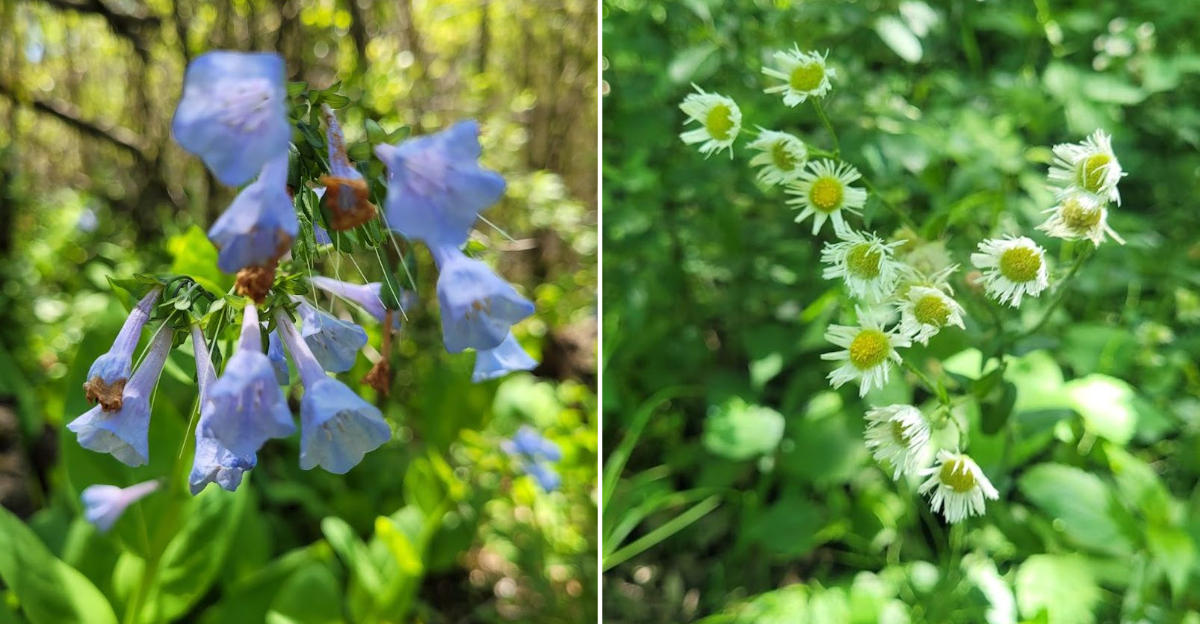
Every spring, something subtle but remarkable unfolds across a stretch of protected land in Illinois. What looks muted and windworn in late winter begins to stir almost overnight.
Color seeps back in, movement returns, and the air itself changes. This is not just prairie.
Sandy ridges, wetlands, and pockets of woodland all wake up at once, each adding a different layer to the season. Early blooms appear low to the ground and bees arrive before most people expect them. The whole landscape feels like it is running slightly ahead of the calendar.
There is also a quiet sense of continuity here. The plants, the soil, even the shape of the land carry a history that predates roads, neighborhoods, and modern borders.
The Prairie Has Deep Roots
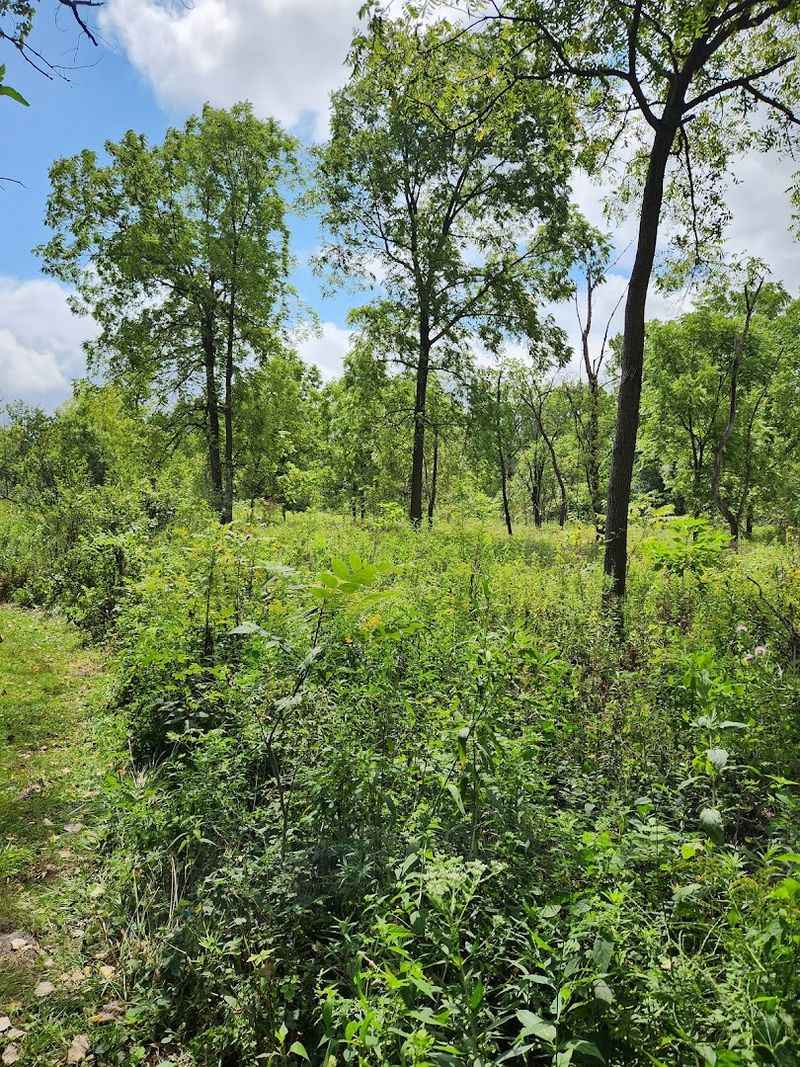
Long before South Holland had streets or neighborhoods, the land that Sand Ridge Nature Center now protects was part of a dynamic mosaic of sand prairie, savanna, and wetland habitats.
This landscape stretches back thousands of years, shaped by fire, grazing animals, and the particular sandy soil left behind by ancient Lake Michigan shorelines.
The prairie here is not a recreation or a garden project. It is a living remnant of what once blanketed much of Illinois, and that history makes every single plant growing in it genuinely significant.
Sand Ridge Nature Center, located at 15891 Paxton Ave, South Holland, IL 60473, sits on this historically rich landscape and works to preserve it for future generations.
The deep-rooted native plants anchor the sandy soil, prevent erosion, and support a web of wildlife that depends entirely on this specific kind of habitat to survive.
Sandy Soil Creates A Rare Wildflower Habitat
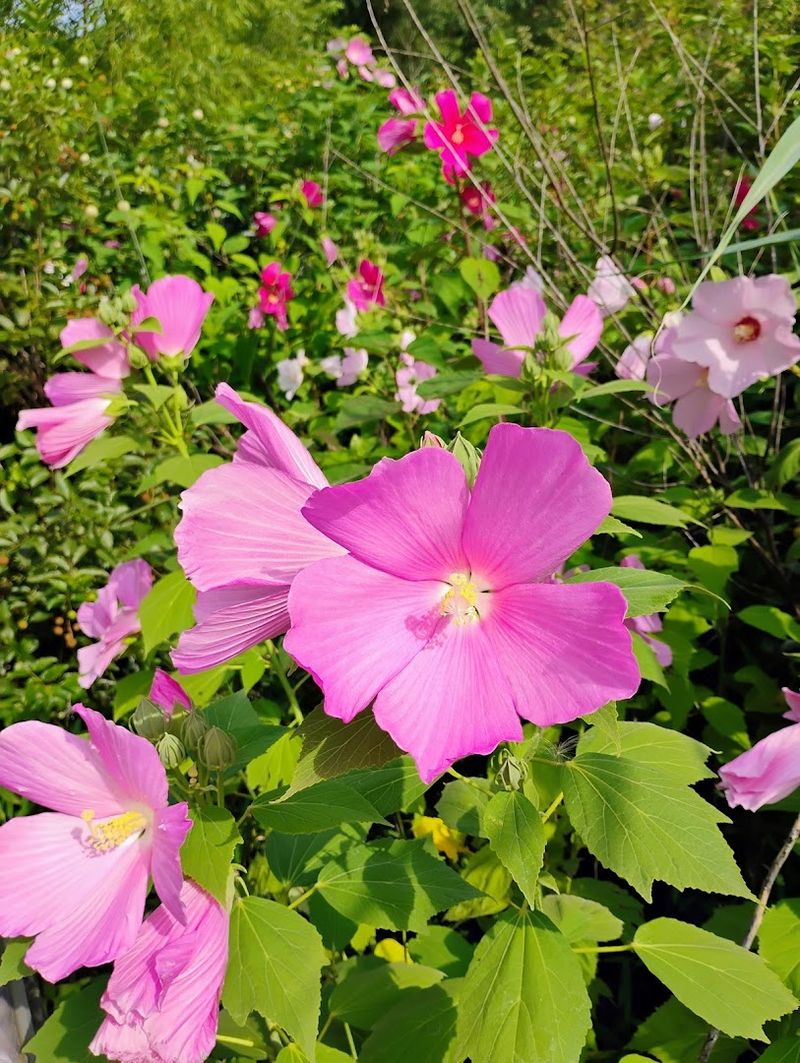
Most people picture rich, dark Illinois farmland when they think about this state’s soil, but Sand Ridge is different.
The sandy, well-drained soil here was shaped by ancient shorelines of glacial Lake Chicago thousands of years ago, and it creates growing conditions that only a very specific group of wildflowers can thrive in.
A specialized group of sand-adapted plants thrives in this dry, nutrient-poor ground, reflecting the unique conditions of this habitat.
These are not species you will find blooming in a typical Midwest meadow, which makes the spring display at Sand Ridge genuinely unusual compared to other nature centers in the Chicago region.
The sandy soil can warm quickly in spring, sometimes encouraging earlier blooming compared to nearby areas with heavier soils. Visiting in late April or early May rewards you with a surprisingly early burst of color that feels almost ahead of schedule, like the prairie is quietly showing off.
Over 300 Native Plant Species
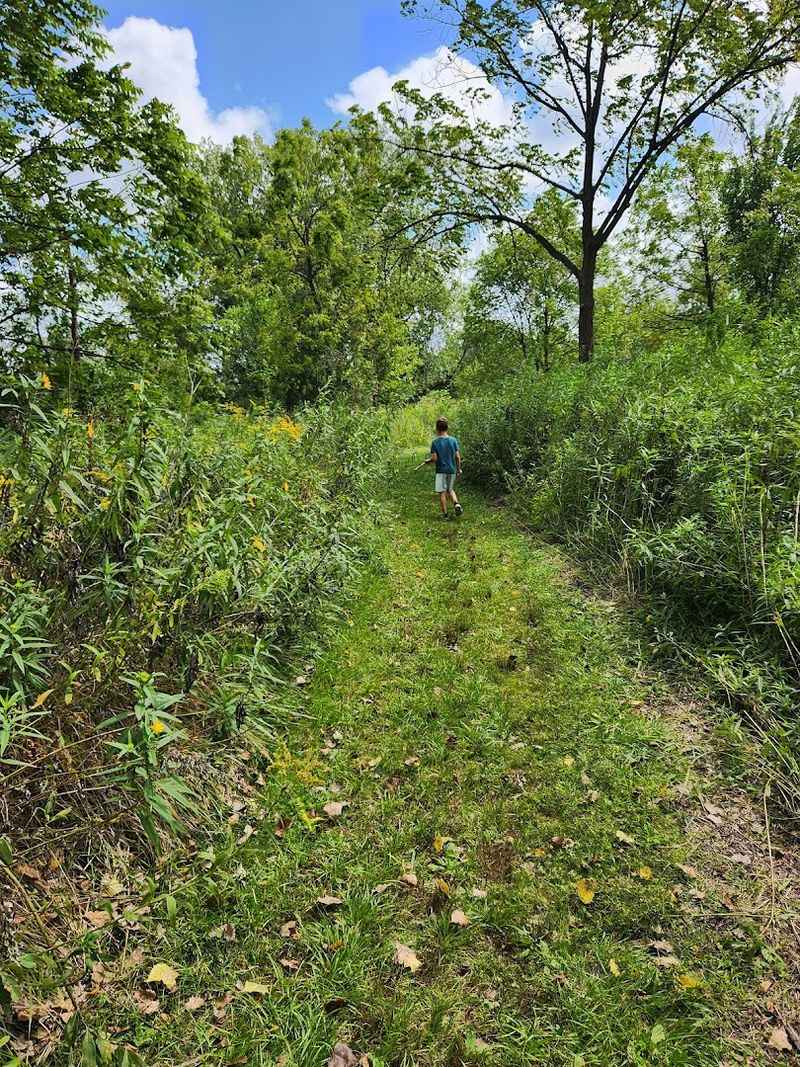
The biodiversity packed into the Sand Ridge prairie is genuinely staggering. More than 300 plant species have been documented across the property, ranging from delicate spring ephemerals that bloom for just a few weeks to sturdy prairie grasses that anchor the landscape through every season.
Spring brings out the showiest of these plants. A wide range of spring wildflowers, including woodland ephemerals and prairie bloomers, transform the trails into something resembling a botanical garden, except entirely wild and entirely unplanned by human hands.
For anyone interested in plant identification, spring at Sand Ridge is practically a classroom with no walls. The staff at the nature center are knowledgeable and genuinely enthusiastic about helping visitors put names to the blooms they encounter.
Picking up a trail guide or joining one of the regular educational programs offered at the center can turn a casual walk into a surprisingly rich learning experience.
Monarch Butterflies Depend On The Prairie’s Milkweed Patches
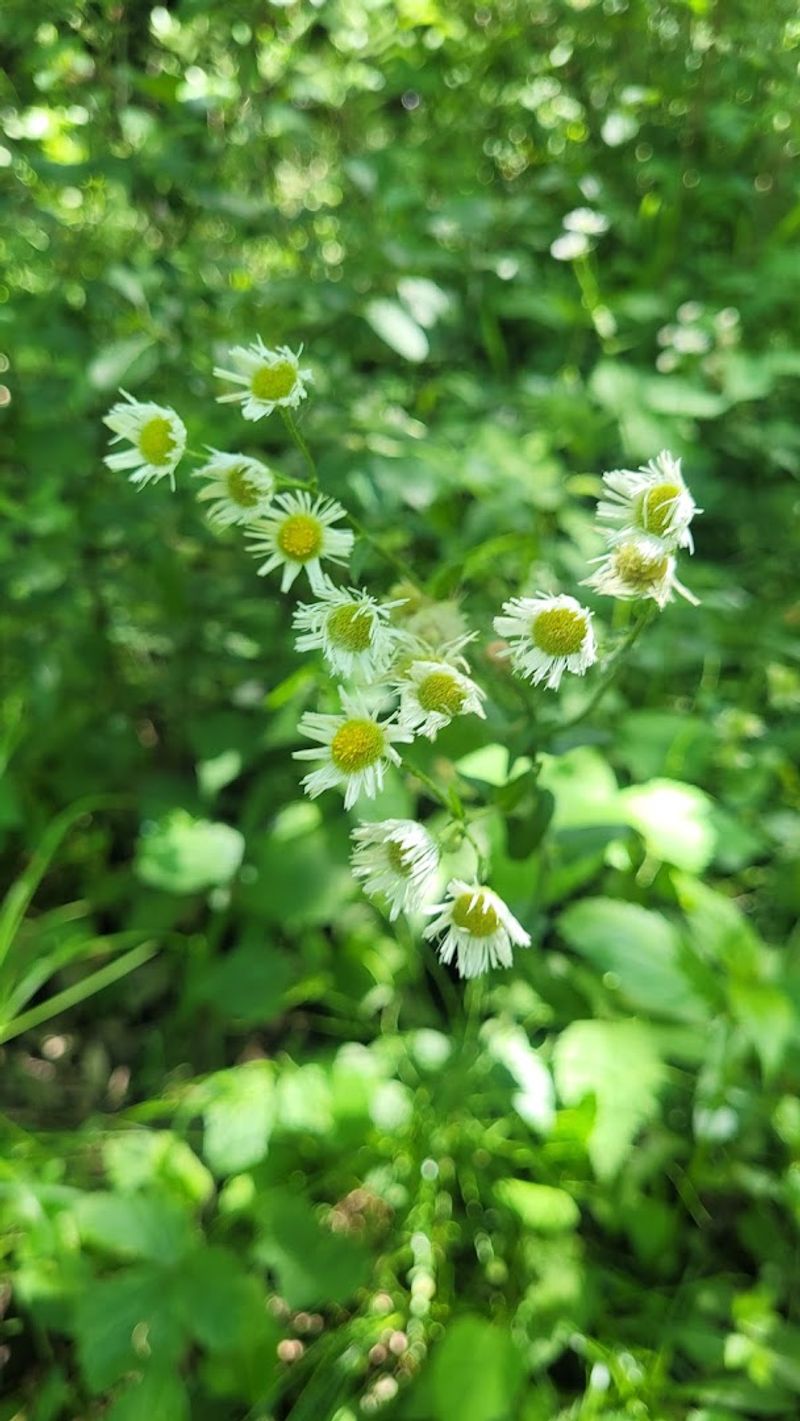
Monarch butterflies are among the many pollinators that rely on habitats like those found at Sand Ridge. The native milkweed plants scattered across the prairie serve as the only food source for monarch caterpillars, making these patches absolutely critical for the species during its northward migration each spring.
Milkweed patches throughout the preserve support monarch caterpillars during the breeding season. Watching a striped caterpillar munch its way across a leaf while knowing it will eventually transform into one of North America’s most recognizable butterflies is the kind of moment that makes a visit here feel genuinely special.
The relationship between monarchs and milkweed is one of the clearest examples of why native prairie preservation matters so much.
Without plants like common milkweed and butterfly weed growing in places like Sand Ridge, migrating monarchs lose critical refueling stops along their journey. Supporting native prairies directly supports the survival of this iconic butterfly species.
Spring Ephemerals Bloom And Vanish Within A Few Weeks
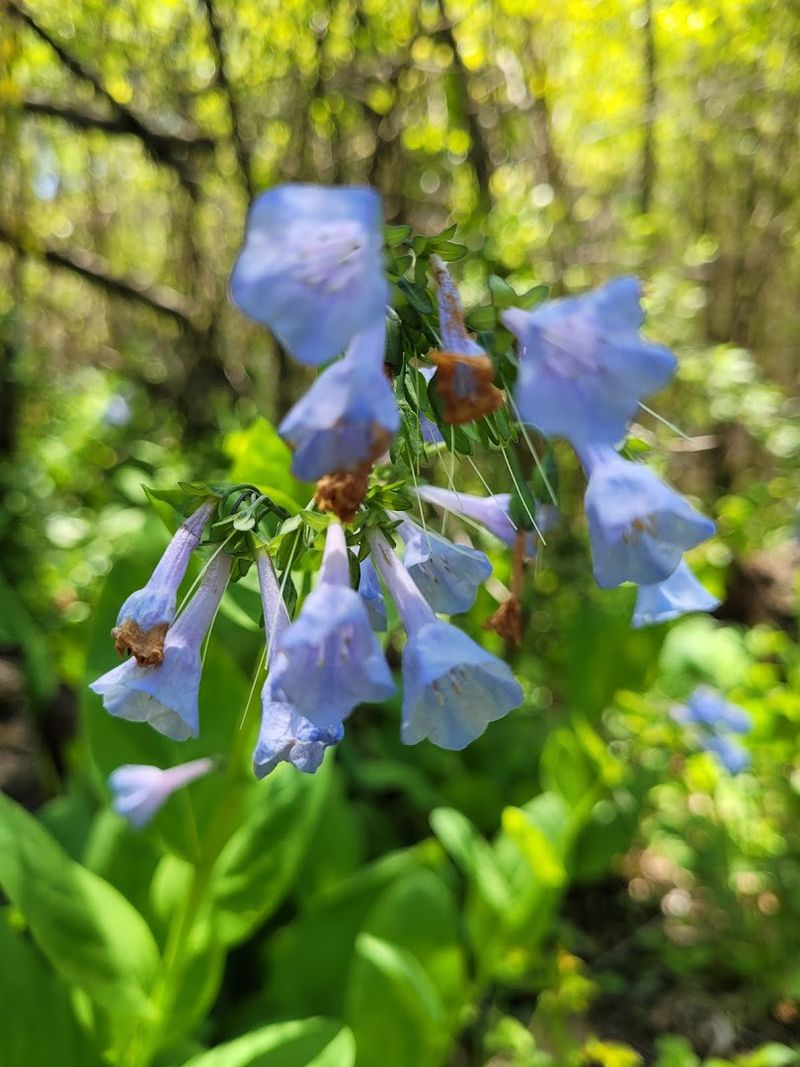
Spring ephemerals are the prairie’s best-kept secret. These are wildflowers that complete their entire above-ground life cycle in just a few weeks, racing to bloom, get pollinated, and set seed before the taller grasses and summer plants shade them out.
Blink and you will genuinely miss them.
At Sand Ridge, species like Dutchman’s breeches, spring beauties, and bloodroot appear along the shadier edges of the trails in early spring.
Their blooms are small and understated compared to summer wildflowers, but there is something quietly thrilling about knowing you caught them at exactly the right moment.
Planning a visit specifically around these early bloomers requires a little timing research, but the nature center staff can usually point visitors toward the best spots and the best weeks to look.
The fleeting nature of these plants actually adds to their appeal, turning each sighting into a small, satisfying reward for showing up at just the right time of year.
The Lost Beach Trail
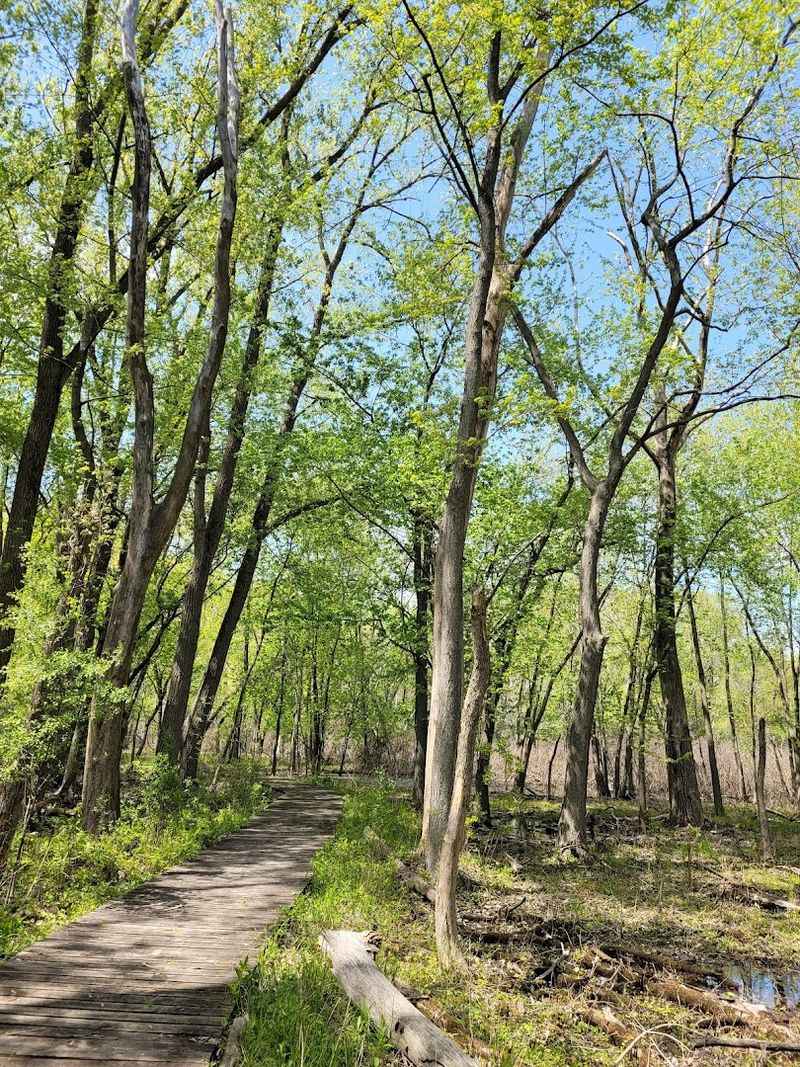
One of the most fascinating trails at Sand Ridge is the Lost Beach Trail, which winds through terrain that was once the sandy shoreline of ancient Lake Michigan.
Spring, when wildflowers are popping up between clumps of prairie grass, gives the landscape a layered quality that is hard to describe but easy to feel.
The sandy ridges along this trail are a direct physical record of where the lake’s waves once reached, thousands of years ago. That geological backstory explains why the soil here is so different from surrounding areas and why the plant communities growing on it are so uniquely specialized.
Plan to spend at least two hours on this trail, especially if you are bringing children along who will want to stop and investigate every caterpillar and bloom they find.
The combination of natural history, spring wildflowers, and genuinely interesting terrain makes the Lost Beach Trail one of the most rewarding walks in the entire South Holland area, full stop.
Native Bees Are The Prairie’s Most Hardworking Pollinators
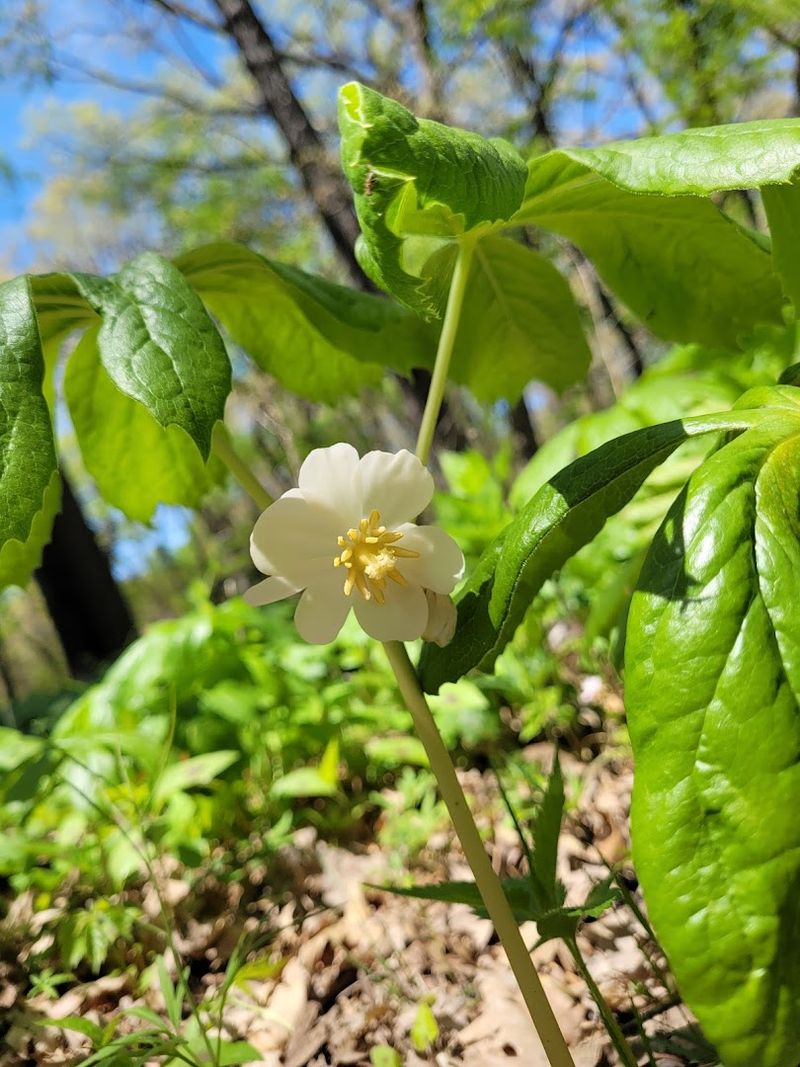
Honeybees get most of the attention, but the real workhorses of the Sand Ridge prairie in spring are native bees. Illinois is home to hundreds of native bee species, and many of them emerge in early spring specifically to feed on the first wildflowers that bloom across the prairie landscape.
Early-emerging pollinators, including bumblebees and solitary native bees, begin visiting the first spring blooms across the preserve. Smaller solitary bees, including mining bees and mason bees, are equally active and often more efficient pollinators than their more famous honeybee cousins.
Watching this pollinator activity up close during a spring visit to Sand Ridge is one of those experiences that quietly reframes how you think about a landscape. The prairie is not just visually beautiful in spring.
It is ecologically alive in a way that hums with purpose, and paying attention to the bees weaving between blooms makes the whole scene feel even more dynamic and interconnected than it first appears.
Wild Turkeys And Deer Sightings
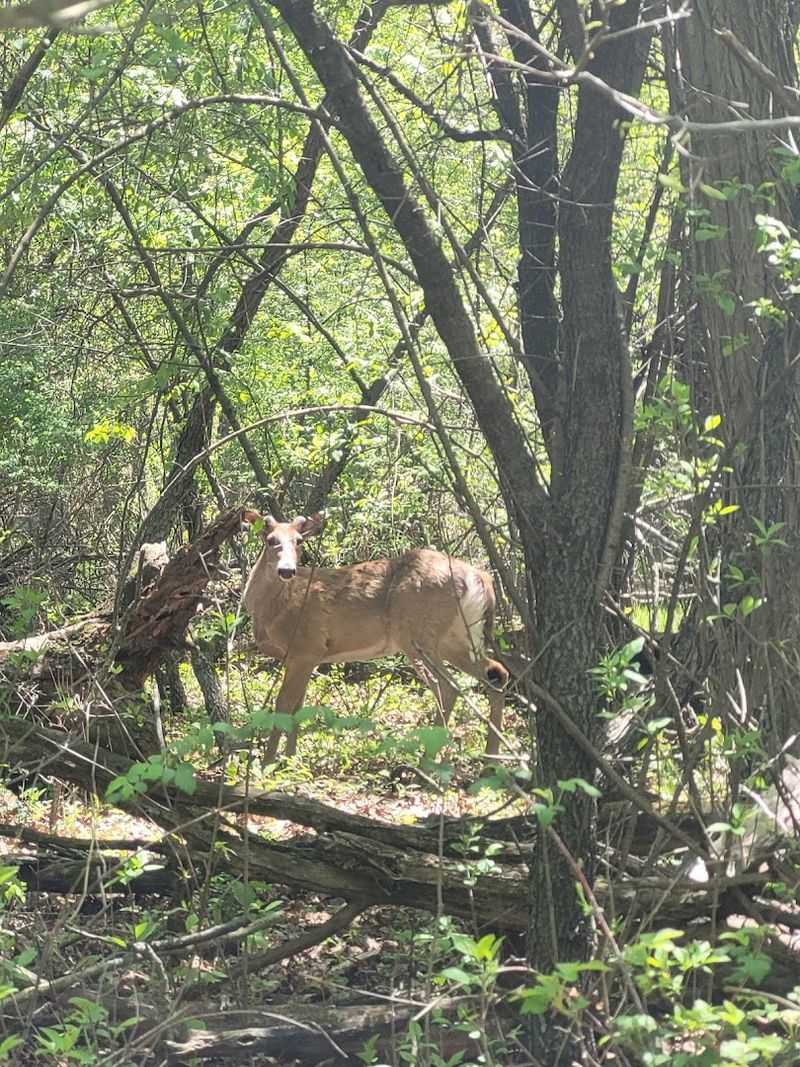
Spring at Sand Ridge is not just about plants. The prairie and surrounding wetlands attract a surprisingly robust cast of wildlife, and two of the most reliably spotted species are white-tailed deer and wild turkeys.
Both are frequently seen moving through the open prairie areas, especially in the early morning hours.
Wildlife sightings may include species such as white-tailed deer and occasional wild turkeys.
Watching them pick their way through the spring wildflowers while making their distinctive calls is one of the more memorable experiences the nature center offers.
Deer, meanwhile, leave tracks in the sandy soil that are easy to spot along the trail edges even if the animals themselves have moved on before you arrive.
Tracking deer prints in the sand along the trails has become a favorite activity for families who visit regularly throughout the seasons.
Spring offers some of the freshest and clearest tracks because the soil is still soft from winter moisture, making it an ideal season for introducing kids to basic wildlife observation skills.
A Front-Row View Of Wetland Wildflowers
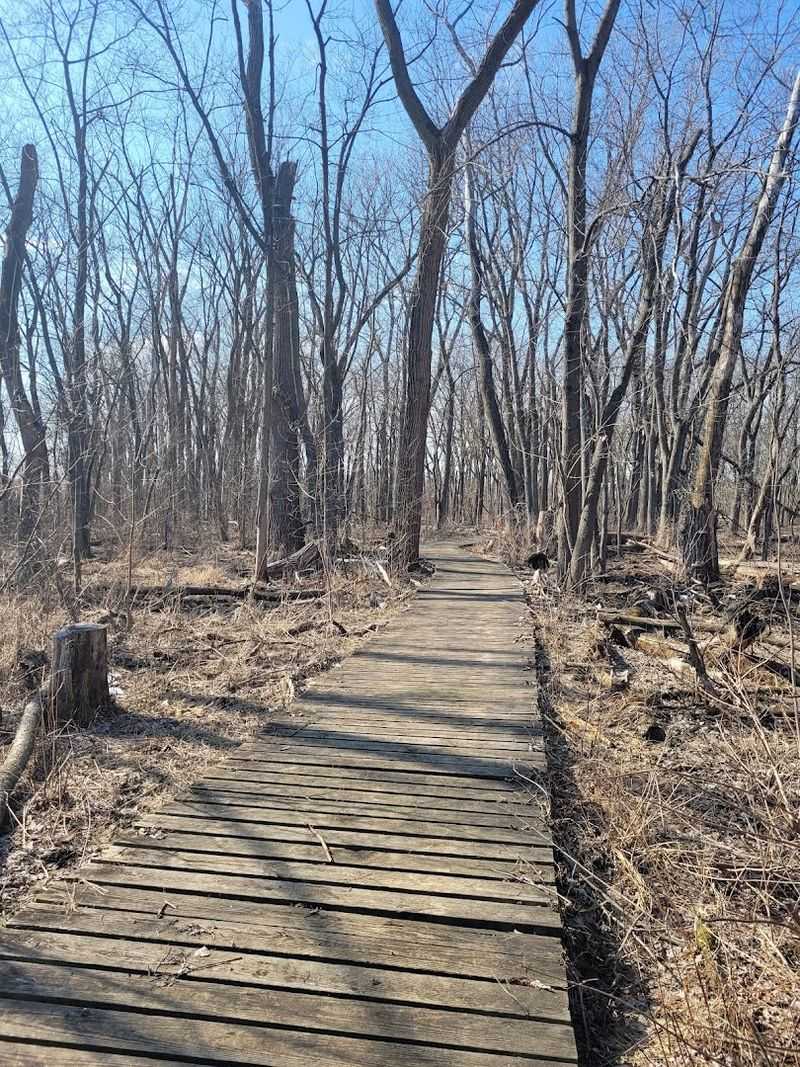
Not all of Sand Ridge’s spring wildflower action happens on dry ground. The property includes wetland areas that are best explored via a well-maintained boardwalk, and this section of the trail system offers a completely different set of bloomers than the upland prairie zones nearby.
Seasonal wetland wildflowers add color to the preserve’s marshy areas each spring from the boardwalk’s vantage point. The combination of still water reflecting the sky and bright yellow or purple blooms emerging from the marsh creates a scene that photographs beautifully under almost any lighting conditions.
The boardwalk also gives visitors a chance to spot dragonflies and damselflies beginning to emerge in late spring, adding another layer of natural activity to the experience.
Standing quietly on the boardwalk for just a few minutes rewards patience with the kind of peaceful, close-up wildlife viewing that is genuinely hard to find this close to the Chicago metropolitan area.
Educational Programs Turn Wildflower Walks Into Learning Moments
Sand Ridge Nature Center does not just preserve the prairie, it actively teaches people how to understand it.
Spring is one of the busiest seasons for educational programming at the center, with guided wildflower walks, plant identification workshops, and youth programs that bring the prairie to life in hands-on, memorable ways.
The staff here have a reputation for being genuinely knowledgeable and warm with visitors of all ages. Programs are designed to meet people where they are, whether you are a curious six-year-old on your first nature walk or an adult who has been hiking trails for decades.
Many of the spring programs are free and open to the public, which makes Sand Ridge one of the most accessible nature education resources in the entire Chicago Southland region.
Checking the Forest Preserves of Cook County event calendar online before your visit is the best way to find programs that match your interests and schedule.