
Discover 11 Historic Underground Railroad Stops Across Illinois
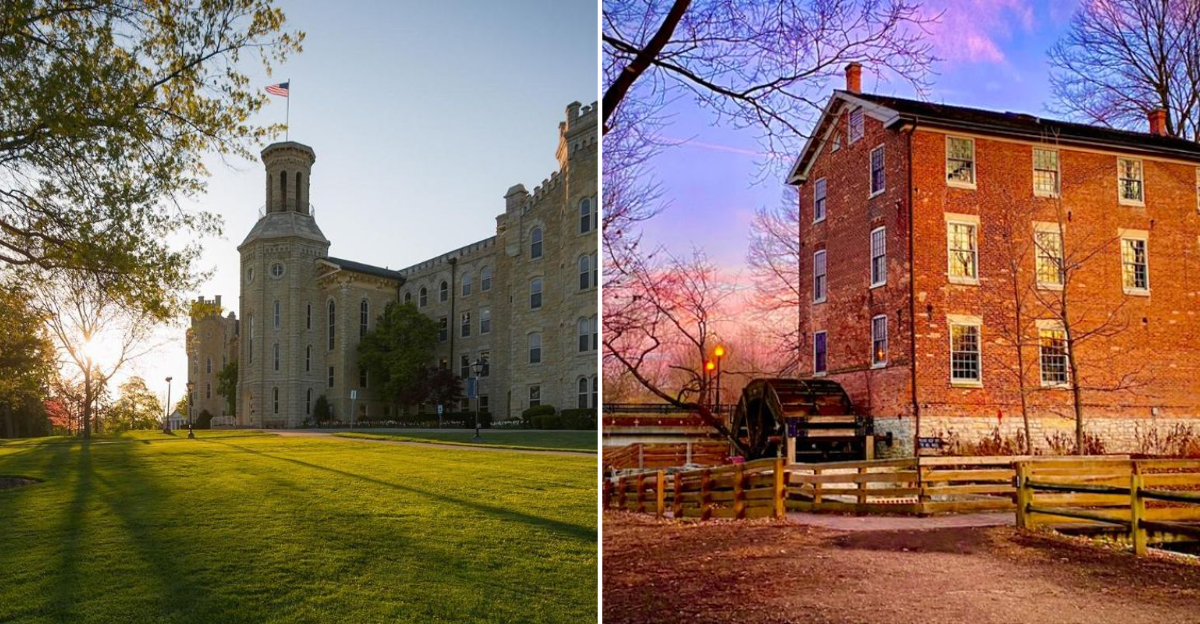
Illinois played a remarkable role in one of the most courageous freedom movements in American history.
Across the state, brave families opened their homes, churches, and college halls to freedom seekers making their way north, risking everything to help others reach safety.
Many of the places connected to this history can still be visited today, each one carrying a story that is both powerful and deeply personal.
This guide takes you through real Illinois sites and landmarks connected to the Underground Railroad, giving you a chance to connect with the past in a way that no textbook ever quite manages.
1. Graue Mill and Museum, Oak Brook
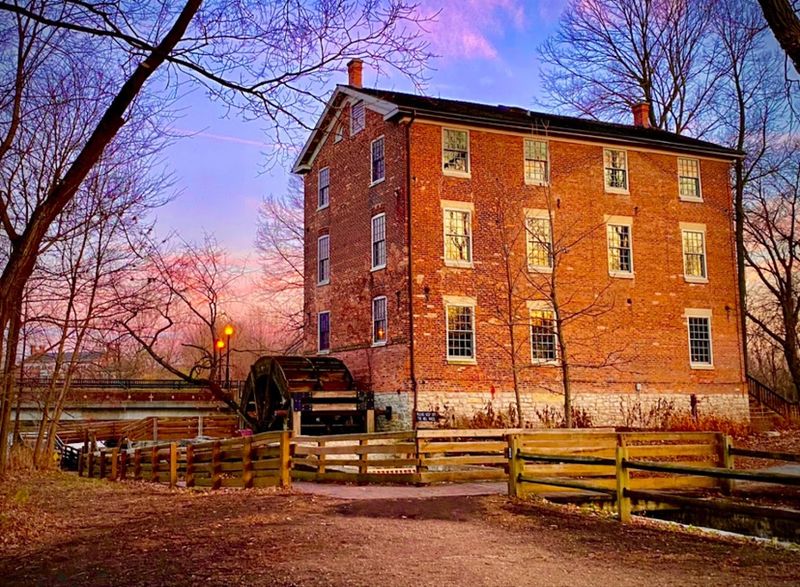
Right beside the calm waters of Salt Creek in Oak Brook, Illinois, Graue Mill is one of the few remaining operating grist mills in Illinois and is a documented Underground Railroad station. Built in 1852 by Frederick Graue, this sturdy three-story stone structure ground grain for local farmers while quietly sheltering freedom seekers in its lower level.
Visitors today can tour the fully restored mill and watch it operate just as it did over 170 years ago. The museum inside tells the story of both the milling trade and the courageous network of people who used this building as a safe haven.
Interpretive exhibits walk you through what daily life looked like for those who passed through.
The surrounding forest preserve adds a peaceful, reflective quality to the visit that feels entirely fitting for a place with such a weighty past. Graue Mill is open seasonally, so checking ahead before you go is a smart move.
It sits at 3800 York Road and is well worth the short drive from Chicago.
2. Sheldon Peck Homestead, Lombard
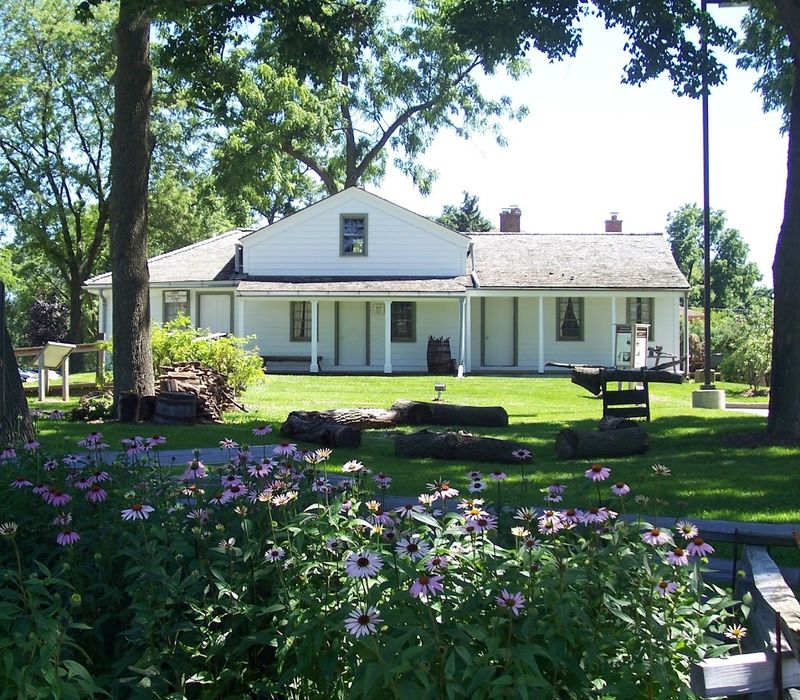
Few buildings in the Chicago suburbs carry as much quiet moral weight as the Sheldon Peck Homestead in Lombard, Illinois. Sheldon Peck was a portrait painter and passionate abolitionist who moved his family to this property around 1837 and almost immediately began using it as a stop on the Underground Railroad.
His commitment to freedom was not just philosophical but deeply practical.
The homestead is a two-story frame house that has been carefully preserved and is now managed by the Lombard Historical Society. Inside, you will find period furnishings, rotating exhibits, and staff who are genuinely enthusiastic about sharing the stories connected to this place.
The house sits at 355 East Parkside Avenue and is open for tours on selected days throughout the year.
What makes a visit here especially memorable is learning about Peck himself. He was not a politician or a preacher but an artist who used his home as an instrument of justice.
That combination of creativity and conviction gives this site a character that sets it apart from many others on this list. Plan ahead and you might even catch one of their special programming events.
3. Ten Mile Freedom House Marker, Maywood
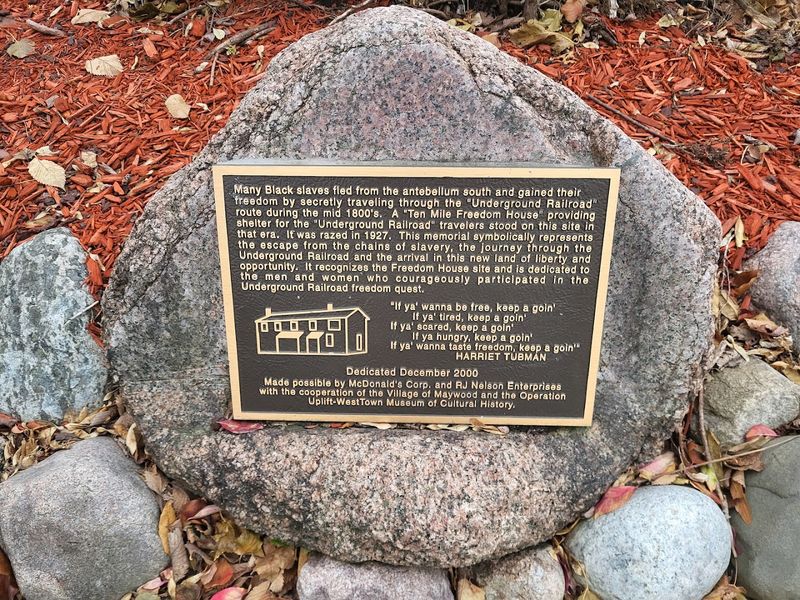
Not every Underground Railroad site survives in physical form, and the Ten Mile Freedom House Marker in Maywood, Illinois, is a powerful reminder of that reality. The marker honors a location that once stood roughly ten miles outside of Chicago, where freedom seekers could find temporary shelter, food, and guidance before continuing their journey north.
The marker itself is modest in size but enormous in meaning. It represents a community that understood the stakes and chose to act anyway.
Maywood is a village in Cook County, and the marker stands as a public acknowledgment that this seemingly ordinary suburb was once a critical waypoint in a life-changing network of courage and compassion.
Visiting the marker is a reflective experience that pairs well with reading about the broader history of the Underground Railroad in northeastern Illinois. Because the original structure no longer exists, the site invites you to use your imagination and think about the people who passed through, what they carried with them, and what they were moving toward.
It is a small stop with an outsized emotional impact, and it belongs on any serious tour of Illinois freedom history.
4. Blanchard Hall at Wheaton College, Wheaton
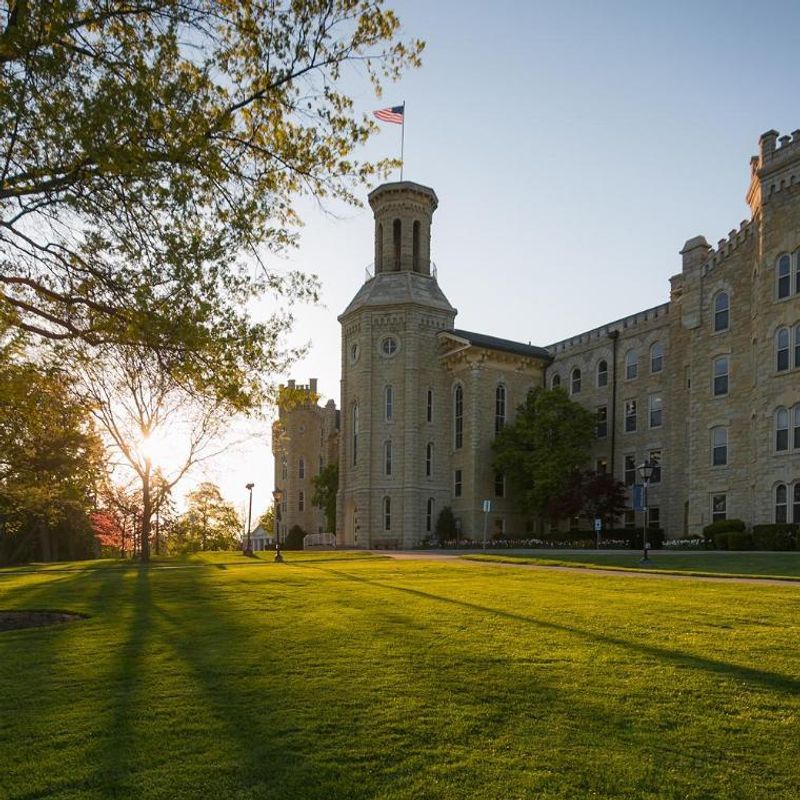
Blanchard Hall is the centerpiece of Wheaton College’s campus and is closely associated with the college’s abolitionist history. Named after Jonathan Blanchard, the college’s founding president and a fierce opponent of slavery, this Gothic Revival structure was completed in 1853 and has anchored the campus ever since.
Blanchard himself made Wheaton College an explicitly anti-slavery institution from its very founding.
The college and its surrounding community served as an active part of the Underground Railroad network, with the Blanchard family and other faculty members providing shelter and support to freedom seekers passing through DuPage County. The building today houses administrative offices and remains a working part of the campus, though its historical significance is well documented and celebrated.
Wheaton College is located in Wheaton, Illinois, about 25 miles west of Chicago, and the campus is open to visitors. Walking around the grounds and standing in front of Blanchard Hall gives you a genuine sense of how institutions, not just individuals, shaped the freedom movement.
The history here is woven into the college’s identity in a way that makes the visit feel both educational and genuinely moving.
5. Owen Lovejoy House, Princeton
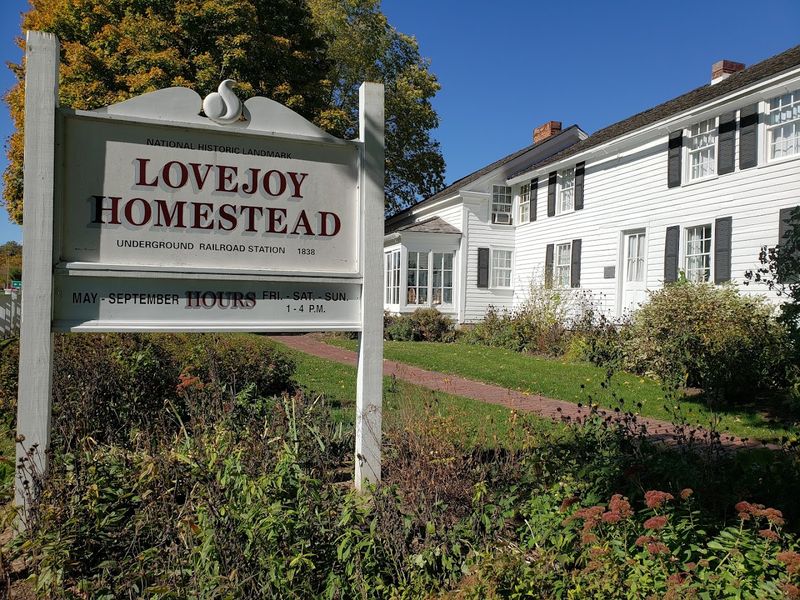
Owen Lovejoy was one of Illinois’ most outspoken abolitionists, a Congregationalist minister who later served in the U.S. Congress and was a close ally of Abraham Lincoln.
His home in Princeton, Bureau County, was an active and well-documented stop on the Underground Railroad, and it still stands today as a National Historic Landmark at 905 East Peru Street.
The house is a handsome two-story structure that has been preserved and is open for tours through the Bureau County Historical Society. Inside, guides share the remarkable story of Lovejoy’s life, his brother Elijah’s influence on him, and the specific ways the house was used to shelter freedom seekers making their way north through central Illinois.
Princeton is about two hours southwest of Chicago, making this a satisfying day trip destination with real historical depth. The Lovejoy House is one of those rare places where a single person’s biography and a nation’s moral struggle intersect in a tangible, walk-through space.
Spending time here leaves you with a clearer picture of how personal conviction translated into organized, community-level action during one of America’s most consequential periods.
6. John Hossack House, Ottawa
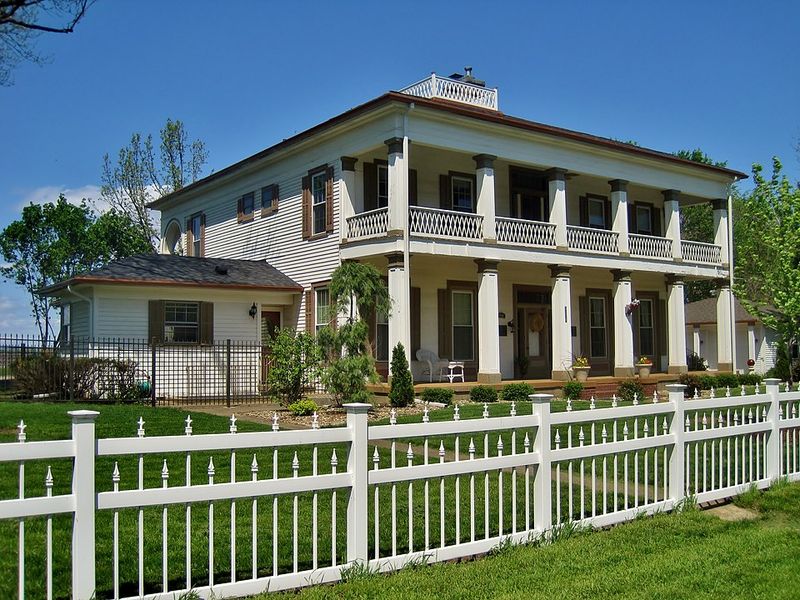
John Hossack was a Scottish-born merchant and abolitionist who settled in Ottawa, LaSalle County, Illinois, and became one of the region’s most committed participants in the Underground Railroad.
His story took a dramatic turn in 1860 when he was actually arrested and tried for helping two enslaved men escape, making him one of the few documented cases of legal prosecution connected to this network in Illinois.
Hossack was ultimately convicted but remained unrepentant, and his trial drew national attention and sympathy from abolitionist communities across the North. His house in Ottawa still stands and is recognized as a significant site in the state’s freedom history.
Ottawa itself is a charming Illinois River town located about 80 miles southwest of Chicago, with enough other historical attractions to fill a comfortable weekend.
Viewing the Hossack House as a historic landmark gives you a window into the real legal and personal risks that participants in the Underground Railroad accepted.
It is one thing to read about those dangers in a book and quite another to stand in front of the house where a man lived who faced a courtroom for his beliefs. That specificity makes the history feel immediate and human in a way that is hard to replicate.
7. Dr. Hiram Rutherford House, Oakland
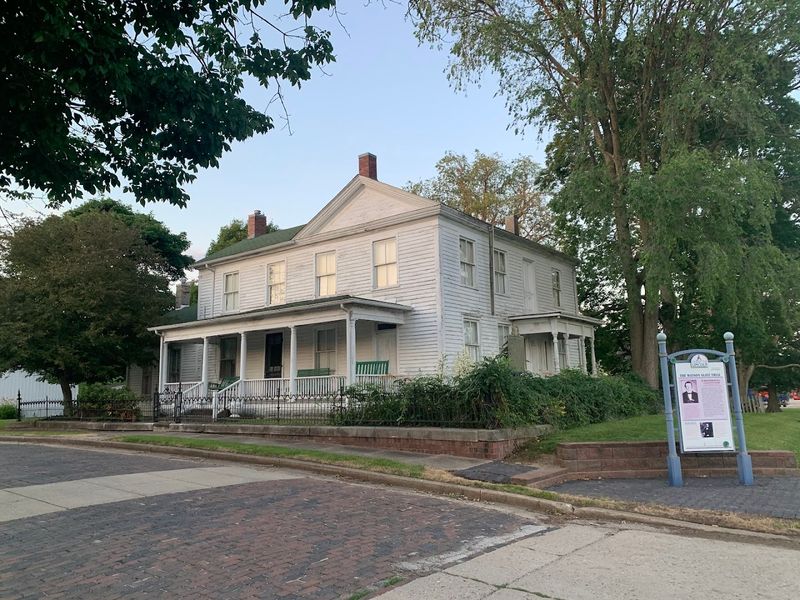
Oakland, Illinois, is a small town in Coles County, and it was home to one of the Underground Railroad’s most determined conductors in the central part of the state.
Dr. Hiram Rutherford was a physician whose house served as a refuge for freedom seekers, and his involvement in the network came with real consequences.
He was actually sued by a slaveholder in the famous Matson Slave Case of 1847, a legal dispute in which a young Abraham Lincoln briefly appeared on the opposing side before withdrawing.
That legal episode adds a layer of complexity to the Rutherford story that makes it especially worth knowing. The doctor’s commitment never wavered despite the pressure, and his home remained a point of safety along the route heading north.
The house is a recognized historical landmark and is preserved as an important part of Illinois’ Underground Railroad history.
Oakland is a peaceful rural community that does not see heavy tourist traffic, which means a visit here feels genuinely off the beaten path.
If you appreciate history that has not been over-packaged or commercialized, this is the kind of stop that rewards the effort of seeking it out. The Rutherford House connects you directly to a pivotal and complicated chapter of Illinois history.
8. Beecher Hall at Illinois College, Jacksonville
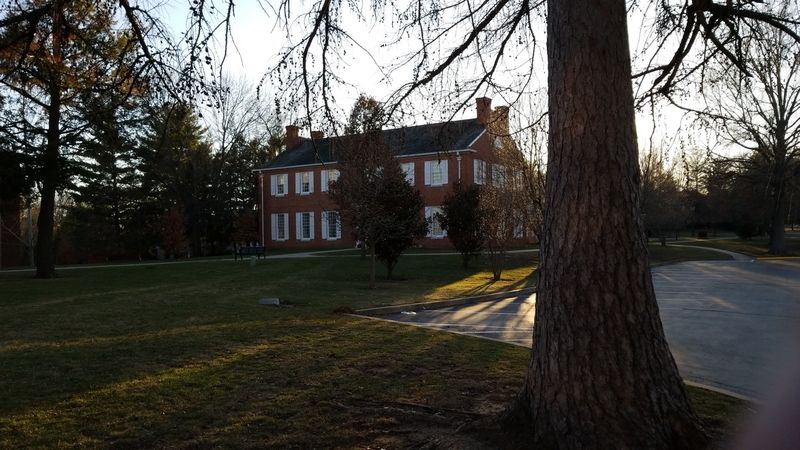
Illinois College in Jacksonville holds a special place in the history of American abolitionism, and Beecher Hall is one of the key buildings associated with that legacy.
The college was founded in 1829 and quickly developed a reputation as a hotbed of anti-slavery sentiment, with students and faculty alike participating in the Underground Railroad network that ran through Morgan County and the surrounding region.
Beecher Hall is named after Edward Beecher, a president of the college and brother of Harriet Beecher Stowe, who wrote Uncle Tom’s Cabin. Edward Beecher was a committed abolitionist whose influence shaped the institution’s culture in lasting ways.
The building itself is one of the oldest college structures still standing in Illinois and carries that sense of layered, accumulated history that older academic buildings often have.
Jacksonville is located in west-central Illinois, about 30 miles west of Springfield, making it an easy add-on to a Lincoln Country tour.
The Illinois College campus is welcoming to visitors, and Beecher Hall is a tangible reminder that higher education institutions were sometimes at the forefront of social justice movements long before that idea became fashionable.
The combination of architecture, biography, and cause makes this stop genuinely compelling.
9. Dr. Richard Eells House, Quincy
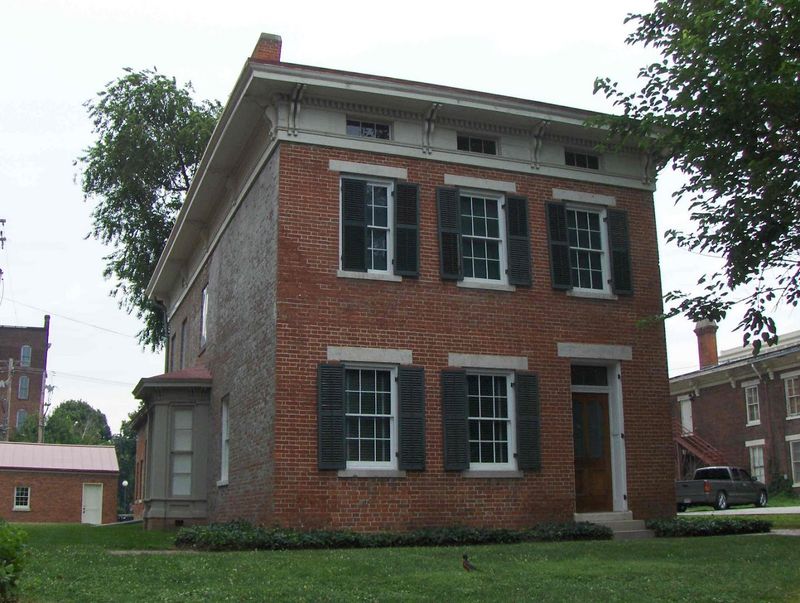
Quincy, Illinois, sits right on the Mississippi River across from Missouri, which made it a critical and dangerous crossing point for freedom seekers heading north.
Dr. Richard Eells was a physician and abolitionist who lived at 415 Jersey Street and used his home as a documented stop on the Underground Railroad.
His location near the river meant that people arriving from Missouri could find shelter almost immediately after making one of the most terrifying crossings of their journey.
Eells was prosecuted in 1843 for harboring an escaped freedom seeker, making him one of the earlier documented cases of legal action against an Underground Railroad participant in Illinois.
Despite that, he continued his work. The house is now a recognized landmark and is listed on the National Register of Historic Places.
Quincy itself is a fascinating river city with a rich 19th-century architectural heritage and a compelling Civil War-era history.
Pairing a visit to the Eells House with a walk through Quincy’s historic districts gives you a full picture of what this Mississippi River town looked and felt like during one of America’s most turbulent eras. It is a stop that rewards curiosity and careful attention.
10. Union Baptist Church, Alton
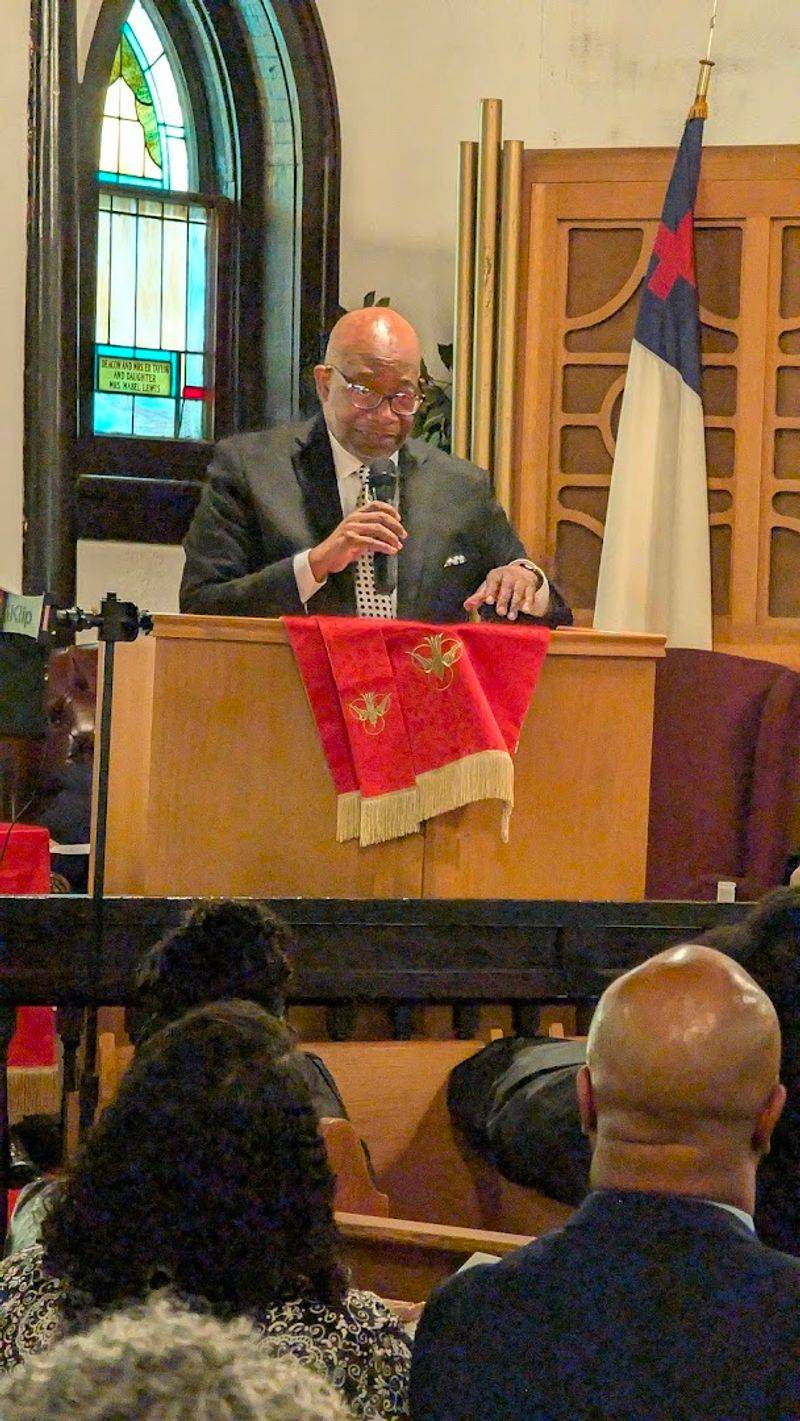
Alton, Illinois, is a city with a complicated and fascinating Civil War-era history, and Union Baptist Church is one of its most significant landmarks.
The church served as a congregation for Alton’s free Black community and was deeply connected to the Underground Railroad network operating along the Mississippi River corridor. As a community institution, it provided not just spiritual support but practical assistance to freedom seekers passing through.
Alton’s location on the river made it both a destination and a transit point, and the church’s role reflected the way religious communities across the region organized themselves around the cause of freedom.
The congregation’s members took real risks, and the church building stands as a testament to their collective resolve. Alton is located about 25 miles north of St. Louis, Missouri, making it accessible from a major metropolitan area.
The city also has strong connections to the abolitionist journalist Elijah Lovejoy, whose printing press was destroyed by a pro-slavery mob in 1837, giving Alton a layered and sometimes painful history that is worth understanding in full.
Visiting Union Baptist Church alongside other Alton historical sites creates a rich, multi-dimensional picture of life on the Illinois side of the Mississippi during the antebellum period.
11. Quinn Chapel A.M.E. Church, Chicago
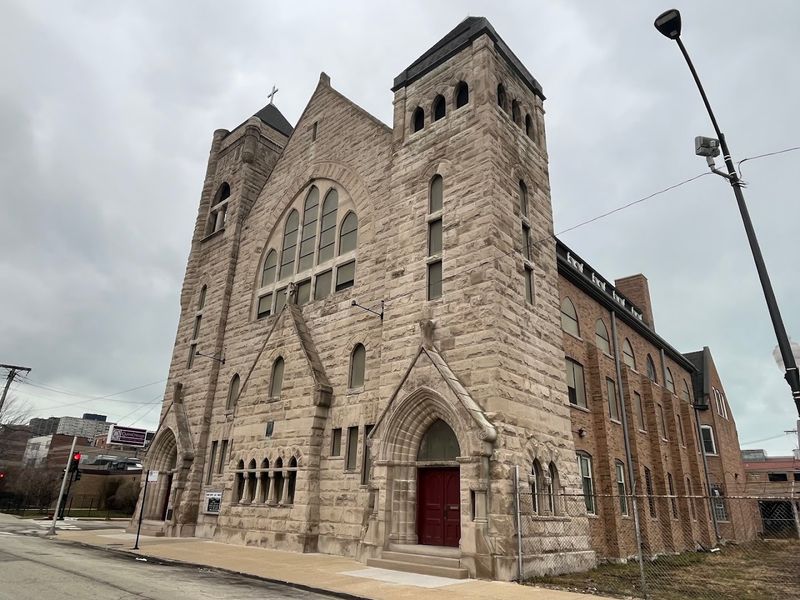
Quinn Chapel African Methodist Episcopal Church is Chicago’s oldest African American congregation, founded in 1844.
Located at 2401 South Wabash Avenue in the Bronzeville neighborhood, the church was a central institution for Chicago’s free Black community and played an active role in the Underground Railroad, providing shelter, resources, and community connections to freedom seekers arriving in the city.
The A.M.E. Church as a denomination had a long tradition of resistance to slavery, and Quinn Chapel embodied that tradition fully.
The congregation sheltered freedom seekers and connected them with community members who could assist them in settling in Chicago or continuing north. The church also hosted prominent abolitionists and civil rights figures over the decades.
Quinn Chapel is still an active congregation today, continuing a legacy that dates back to its role in the Underground Railroad era. The building itself is a Chicago landmark, and the neighborhood around it has its own deep cultural history worth exploring.
Visiting Quinn Chapel closes the loop on the Illinois Underground Railroad story beautifully, bringing you from rural farmhouses and river crossings to the urban heart of a city that became a beacon of freedom for so many people making that extraordinary journey northward.