
This Beautiful Colorado Trail Feels Like Nature’s Grand Reopening In Spring
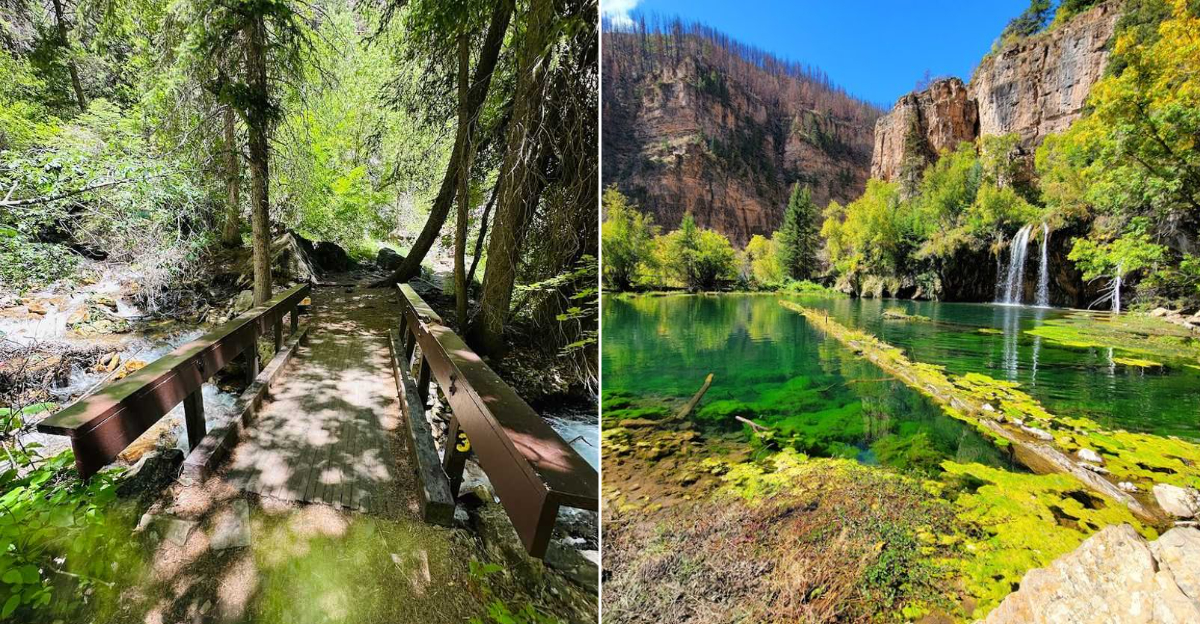
Some trails earn their hype the hard way, and this Colorado adventure absolutely understands the assignment. Just a short detour off the highway, the route packs a serious punch, climbing steadily toward a lake so vividly green it looks almost edited by nature itself.
The best part is how the whole journey keeps revealing new reasons to keep going, from rushing waterfalls and dramatic canyon views to bridges that make every step feel a little more cinematic.
It is the kind of hike that tricks you into forgetting the uphill effort because there is always something stunning waiting around the next bend.
In Colorado, spring gives trails like this an extra jolt of energy, with snowmelt, fresh air, and that just-right feeling of catching the landscape at its most alive. By the time you reach the water, it does not just feel like a hike.
Colorado’s wild beauty makes it feel like you unlocked a secret level of the outdoors.
The Permit System That Actually Protects the Magic
Here is the first thing you need to know before anything else: this spot in Colorado requires a reservation, and that is genuinely a good thing. The permit system keeps the trail from turning into a traffic jam with hiking poles, and it means the emerald lake at the top stays the kind of place worth protecting.
Permits cost around $12 per person with advance purchase, and a ranger checks you in at the trailhead. Slots fill up fast, especially for popular early morning windows, so booking weeks ahead is the move rather than the exception.
Pro Tip: The 7 AM slot is the golden ticket. Fewer crowds, cooler temperatures, and the sunrise hitting the canyon walls is the kind of thing your camera will thank you for later.
Reserve at visitglenwood.com and set a reminder the moment you decide to go.
Who This Is For: Planners, early risers, and anyone who appreciates showing up to a beautiful place without shoulder-to-shoulder competition. If spontaneous road-trip energy is your style, this one asks you to channel it into advance planning instead.
What the 1,200-Foot Climb Actually Feels Like
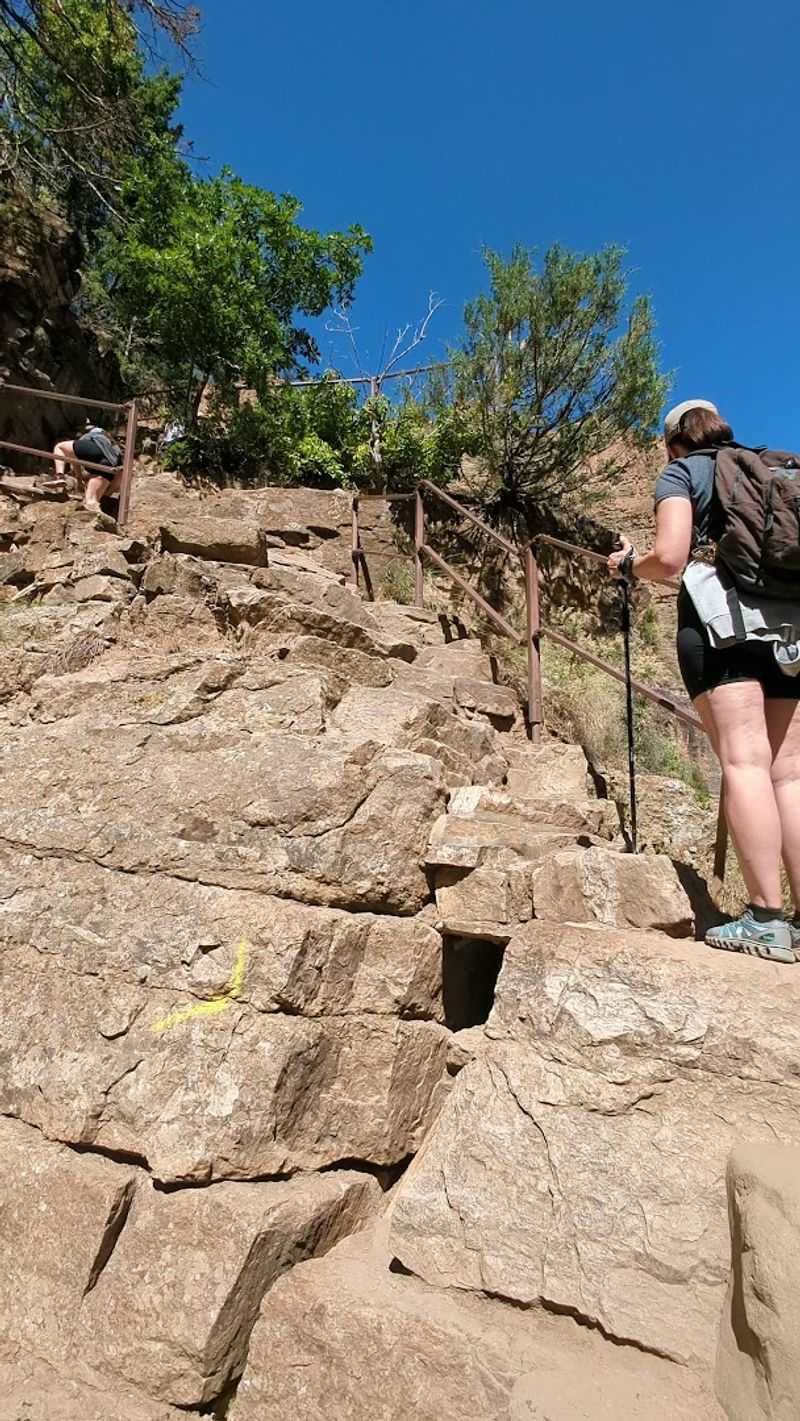
The trail sign at the entrance does not mince words: it says hard trail. That honesty is refreshing.
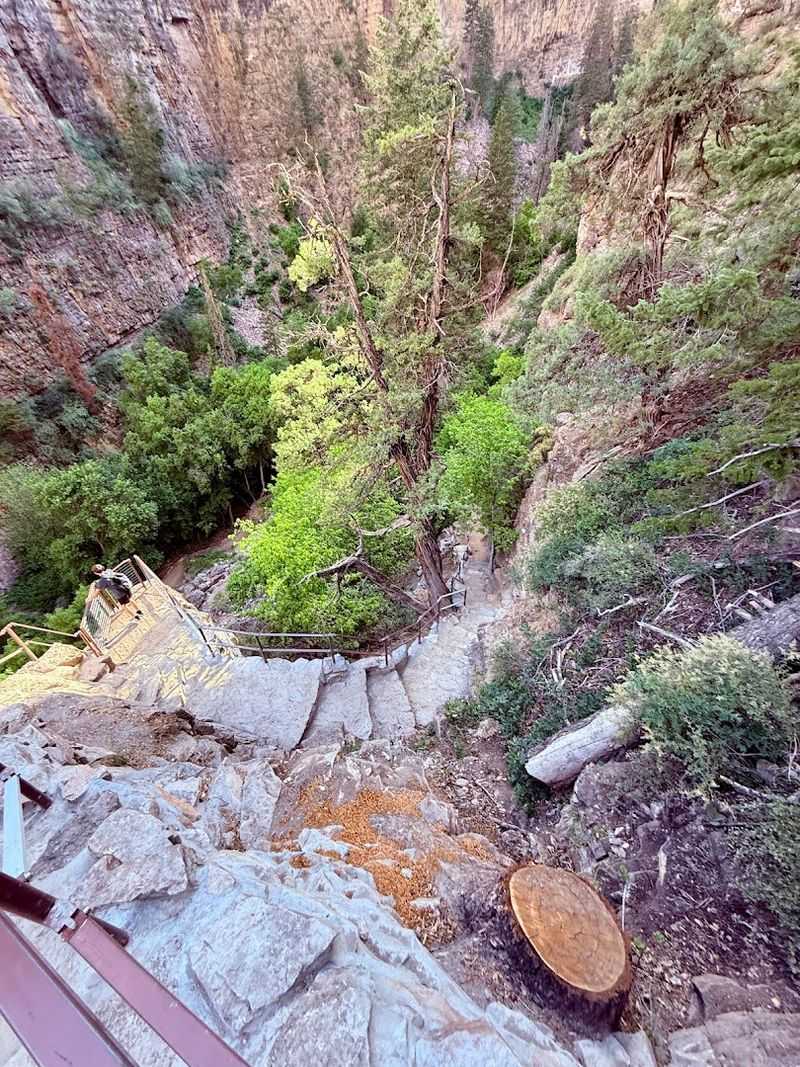
Within the first half mile, you will understand why, as the path stacks elevation quickly over uneven rock steps that demand your full attention and both knees’ cooperation.
The round trip covers 2.7 miles with roughly 1,000 to 1,200 feet of elevation gain, all packed into about 1.5 miles going up. Most fit hikers complete the full loop in under two hours, though stopping ten times on the way up to catch your breath is completely normal and quietly encouraged by the scenery.
Best Strategy: Trekking poles make the descent noticeably easier on your joints. Wear proper hiking shoes because the rock steps are uneven enough that one visitor famously attempted the descent in three-inch heeled boots and reportedly did not look thrilled about it.
Common Mistakes to Avoid: Underestimating the heat on afternoon hikes and skipping hydration are the two most consistent regrets on this trail. Bring more water than you think you need, and then bring a little more on top of that.
Seven Bridges and the Story They Tell
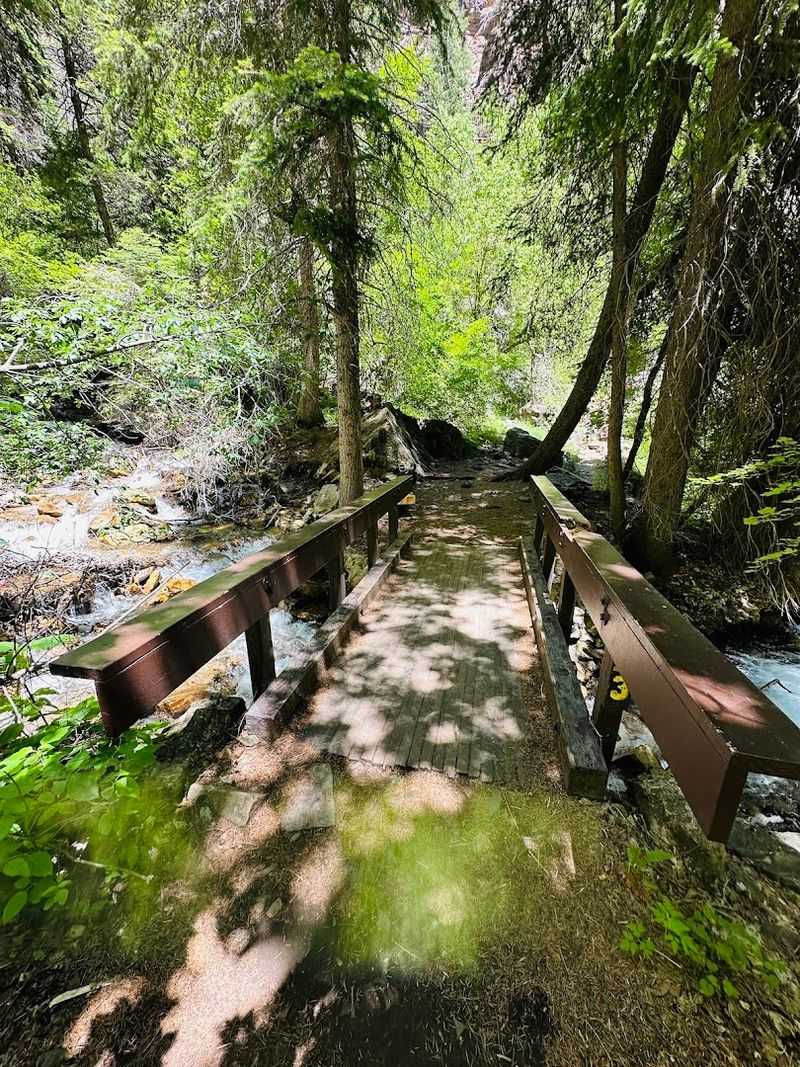
Crossing seven bridges on the way to a lake sounds like the setup to a fairy tale, and honestly, the trail does not entirely disagree. Each bridge spans a rushing stream or sits above a smaller cascade, and the sound of moving water follows you almost the entire way up.
The bridges are notably new, rebuilt as part of an extensive trail restoration effort following fire and flood damage. The work is genuinely impressive, and the craftsmanship shows in how well the structures blend into the canyon environment rather than interrupting it.
Spring is when this detail matters most. Snowmelt feeds the streams with extra volume, making each bridge crossing feel a little more dramatic and a lot more photogenic than it might in late summer.
Why It Matters: The trail restoration represents a serious investment in keeping this place accessible and intact for future visitors. Walking across those bridges is not just a pleasant moment; it is walking through evidence of what dedicated conservation work looks like in practice.
Insider Tip: Pause on the third or fourth bridge and just listen. The layered sound of water from multiple directions at once is one of those small sensory rewards that no trail map can fully prepare you for.
The Lake Itself: Worth Every Single Step
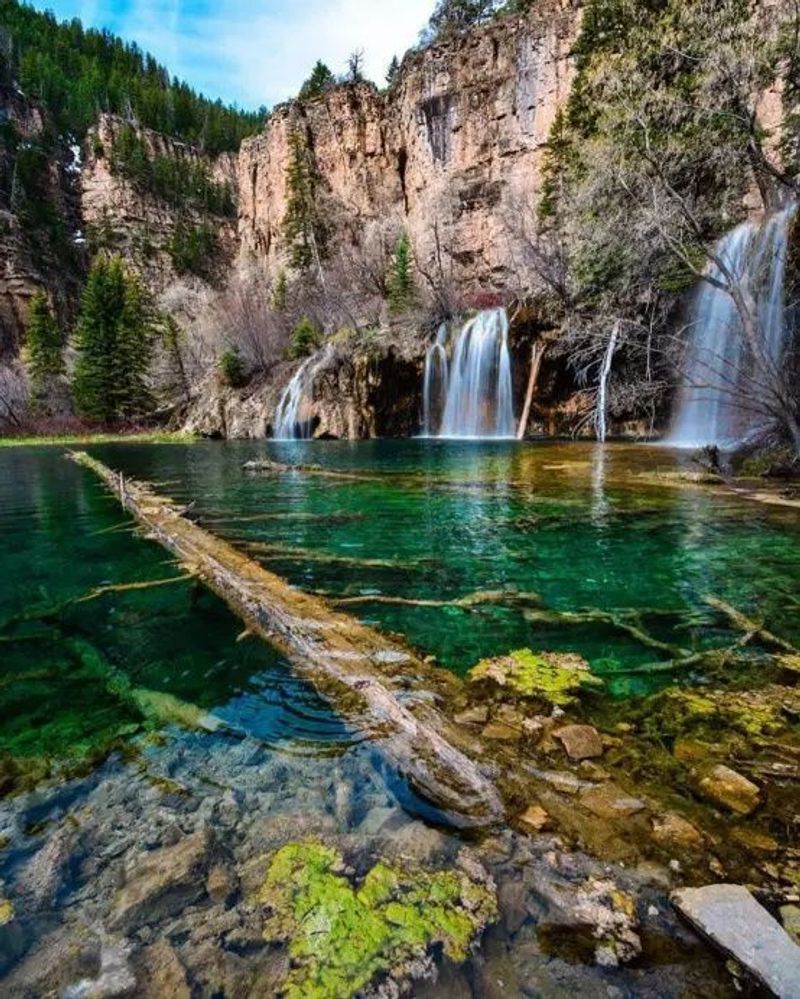
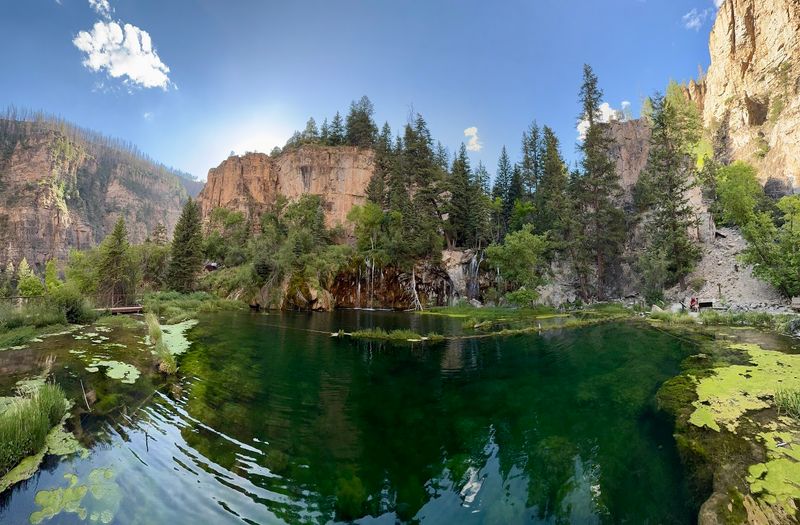
Nothing quite prepares you for the moment the lake comes into view. The water is an almost implausible shade of green, somewhere between turquoise and emerald, fed by mineral-rich springs and framed by sheer limestone cliffs that make the whole scene feel slightly too beautiful to be real.
Hanging Lake in Colorado sits at roughly 7,100 feet elevation, and a waterfall spills into it from above while smaller cascades thread through the rocks around the edges. The lake is a no-swimming, no-wading zone, which is enforced and entirely reasonable given how fragile the ecosystem is.
Sunlight hits the water differently depending on the time of day. Morning visits catch the lake in cool shadow with a soft glow; later arrivals get the full sun treatment, which turns the green even more vivid and makes every photograph look almost edited.
Quick Verdict: This is the destination that justifies the climb, the permit fee, the early alarm, and the slightly sore legs the next morning. It earns every superlative visitors throw at it.
Best For: Anyone who has ever scrolled past a photo of this lake thinking it looked too good to be real. It is not.
Go find out for yourself.
Spring Timing and Why the Canyon Rewards Early-Season Visitors
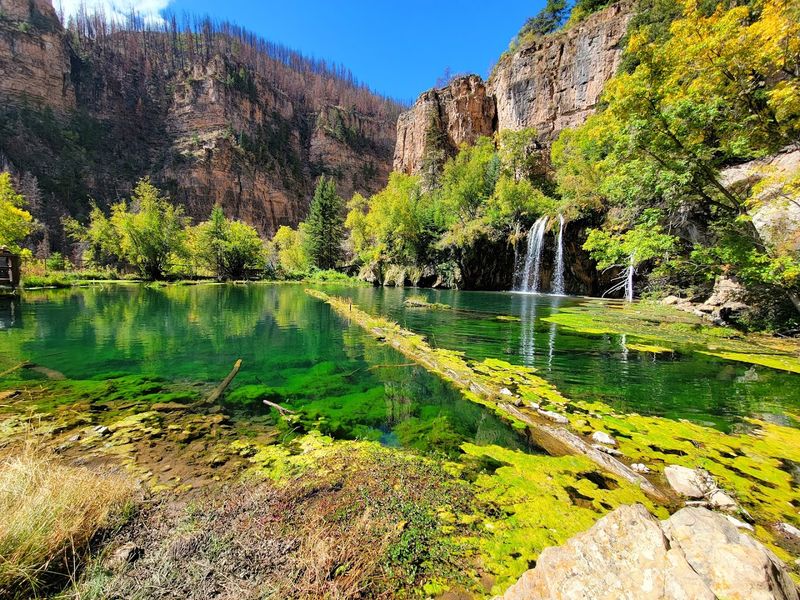
Spring is when Glenwood Canyon shifts from dramatic to genuinely cinematic. The canyon walls go green almost overnight, snowmelt pushes the waterfalls to their loudest and most photogenic state, and the air temperature sits in that sweet zone where hiking feels like a reward rather than a test of endurance.
The trailhead opens at 7 AM daily and closes at 5 PM, which gives spring visitors a solid operating window before afternoon heat builds up in the canyon. Getting there at opening time in spring means cooler temps, lighter crowds, and waterfalls running at full strength.
Winter hikers have noted that crampons are useful on icy sections, but spring visitors generally trade ice for mud and running water, both of which are considerably more manageable with the right footwear.
Planning Advice: Spring reservations still fill quickly, so treat the booking window like a limited-release situation rather than a casual browse. Check the website at visitglenwood.com for current permit availability and any seasonal trail updates before you commit to the drive.
Quick Tip: The 8 AM slot in spring is a strong runner-up to 7 AM. The walk up stays cool, and you will likely reach the lake just as the sun clears the canyon rim.
How Families, Couples, and Solo Hikers All Find Their Rhythm Here
Families carrying toddlers have completed this trail. Couples celebrating anniversaries and honeymoons have done it.
Solo hikers moving at their own pace, stopping whenever the view demands it, have found it deeply satisfying. The trail accommodates a wide range of approaches, which is part of why it holds a 4.8-star rating across hundreds of visits.
That said, the trail sign does say hard, and that label applies to anyone with mobility limitations or joint concerns. The rock steps are uneven enough that the descent requires real attention, and the three-hour permitted window can feel tight if you need a slower pace throughout.
Rest spots appear at regular intervals along the path, and plenty of hikers use them without apology. The trail is wide and well-maintained, which means passing other hikers politely is easy even on busier mornings.
Who This Is Not For: Visitors with significant mobility challenges, anyone in inappropriate footwear, or those expecting a leisurely flat stroll. The trail is honest about its difficulty from the first step.
Best For: Fit families, active couples, and confident solo hikers who want a destination worth the effort and a story worth telling at the next dinner party, family gathering, or Monday morning work conversation.
Final Verdict: The Trail That Makes Colorado Feel Newly Discovered
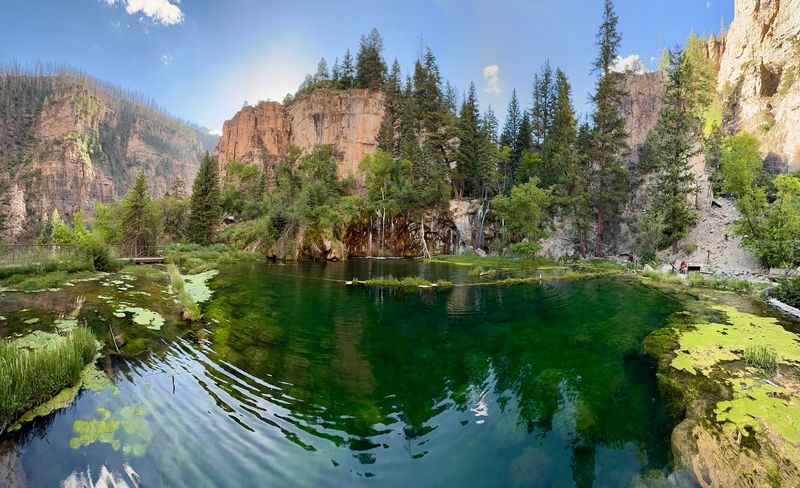
Some places earn a reputation and then quietly coast on it. Hanging Lake is not one of those places.
The trail, the canyon, the bridges, and that lake at the top all deliver exactly what the photographs promise, which in the age of overhyped destinations is genuinely rare.
The logistics ask a little more of you than a casual hike: advance permits, proper footwear, serious hydration, and an early start all matter here. But every one of those small preparations feeds directly into a better experience at the top, and the trail work done after fire and flood damage means the path itself is in excellent shape.
Located off I-70 at Exit 125 in Glenwood Canyon, this is the kind of place that fits naturally into a Colorado road trip or stands alone as the entire reason for the drive. Either way, it delivers.
Key Takeaways: Book your permit early at visitglenwood.com. Arrive at 7 AM if you can.
Bring more water than seems necessary. Wear real hiking shoes.
Expect a hard climb and an extraordinary reward. The lake is every bit as stunning as everyone says, and spring is the season that shows it at its most alive.