
This Museum Gives You A Window Into Michigan’s Native Heritage
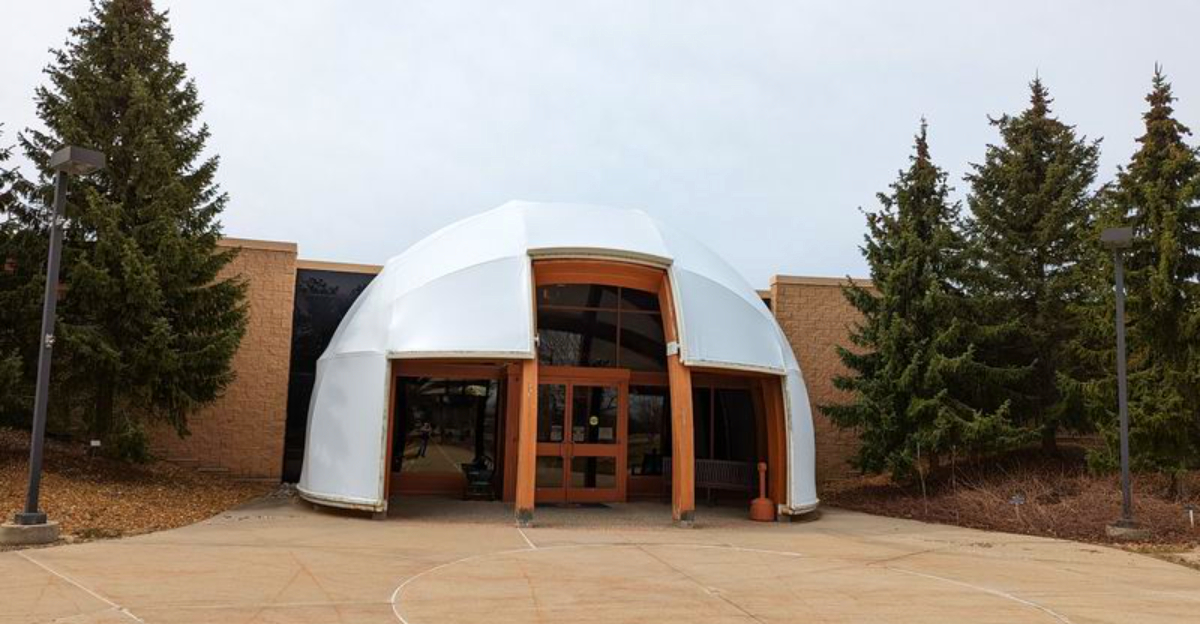
We talk a lot about “history” in Michigan, but we usually start the clock far too late. It wasn’t until I found myself standing in a quiet, light-filled gallery in Mount Pleasant that I realized how much of our true heritage I had been missing.
Walking through the “Telling Our Story” exhibit was a gut-punch and a gift all at once, moving from the vibrant artistry of beadwork to the heavy, essential truths of the boarding school era. For me, it was the first time I felt the deep, rhythmic heartbeat of this land, a history that’s been here for ten thousand years, waiting for us to finally slow down and listen.
Immerse yourself in the authentic heritage of the Saginaw Chippewa Indian Tribe at the Michigan’s premier Native American cultural center, featuring the award-winning Diba Jimooyung permanent exhibit.
If you’ve been looking for a place that prioritizes respect over spectacle, this is your destination.
First Impressions And Flow
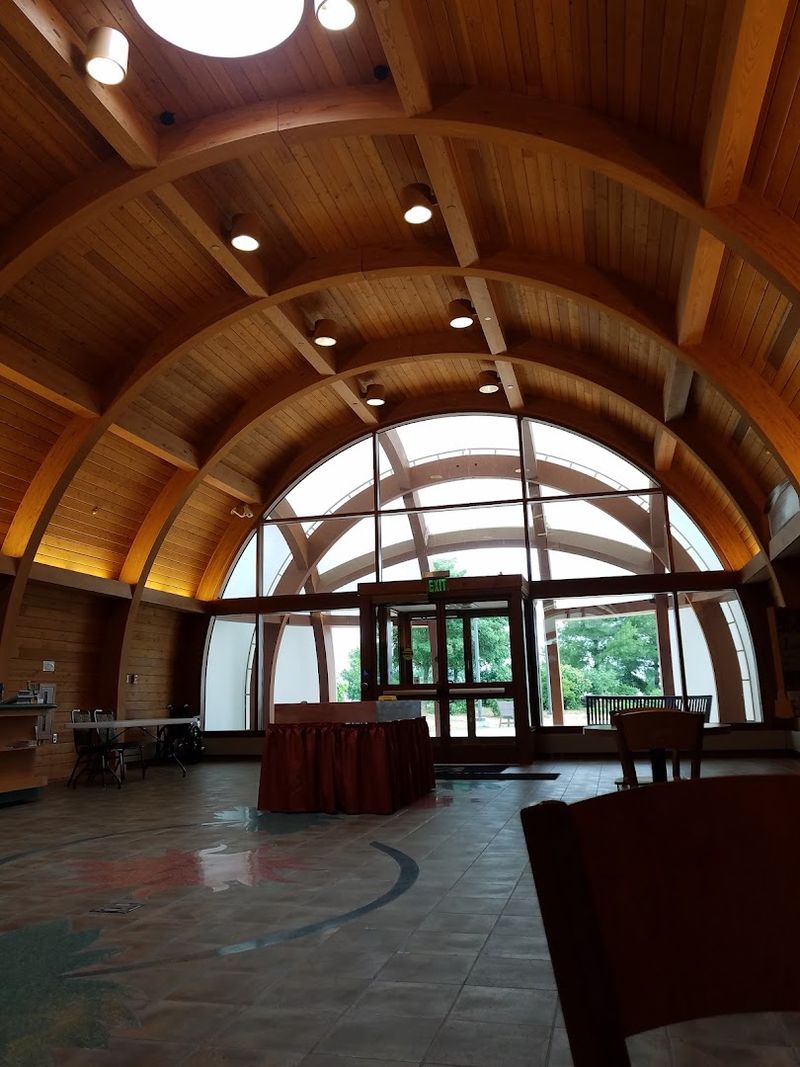
The entrance sets a calm tone with cedar notes and low, even light that feels intentional rather than dim. Paths curve gently, drawing you past maps, language panels, and artifact cases that never feel cluttered. Wayfinding is clear, and the space breathes, encouraging conversations kept at a respectful murmur.
Expect a museum crafted for learning without rush. Exhibits layer timelines with teachings, and seating nooks make it easy to pause.
Visitor tip: plan at least two hours and start at the welcome desk for orientation cards. Staff will share which areas are most interactive, especially helpful if you are bringing kids or have specific interests like beadwork, archaeology, or contemporary stories.
Quick Snapshot
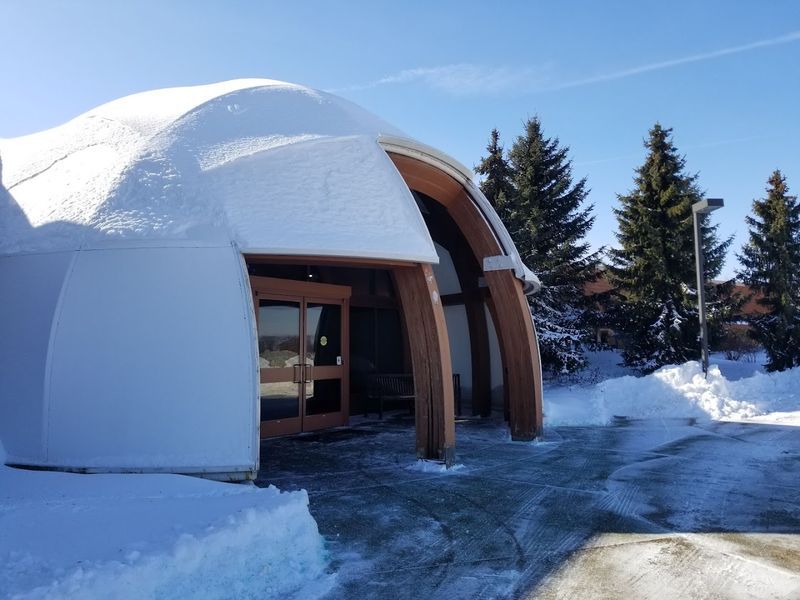
Before you pack the car and head toward the heart of the Mitten, here is the essential breakdown for your visit:
Name: Ziibiwing Center of Anishinabe Culture & Lifeways
Type: Native American Cultural Center and Museum
Setting: Modern, immersive, and deeply respectful galleries
Location: 6650 E Broadway Rd, Mt Pleasant, Michigan 48858 (Saginaw Chippewa Native Tribe)
Arrival: Best on weekday mornings; check for seasonal hours
Time Needed: Budget at least 2 to 3 hours for a full, thoughtful walkthrough
Why This Museum Is Worth The Drive
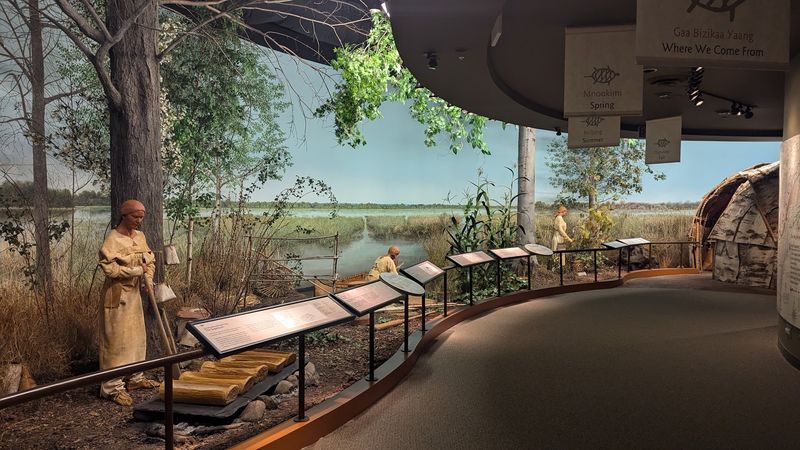
Immerse yourself in the authentic heritage of the Saginaw Chippewa Indian Tribe at Michigan’s premier Native American cultural center, featuring the award-winning Diba Jimooyung permanent exhibit.
If you’ve been looking for a destination that prioritizes respect over spectacle, this is it. It’s a rare place where the “tourist” label fades away and you simply become a witness to a living culture.
Best For: Families looking for a deep, educational Michigan road trip, history buffs tired of “pioneer-only” narratives, and art lovers interested in the evolution of indigenous design.
Language You Can Hear
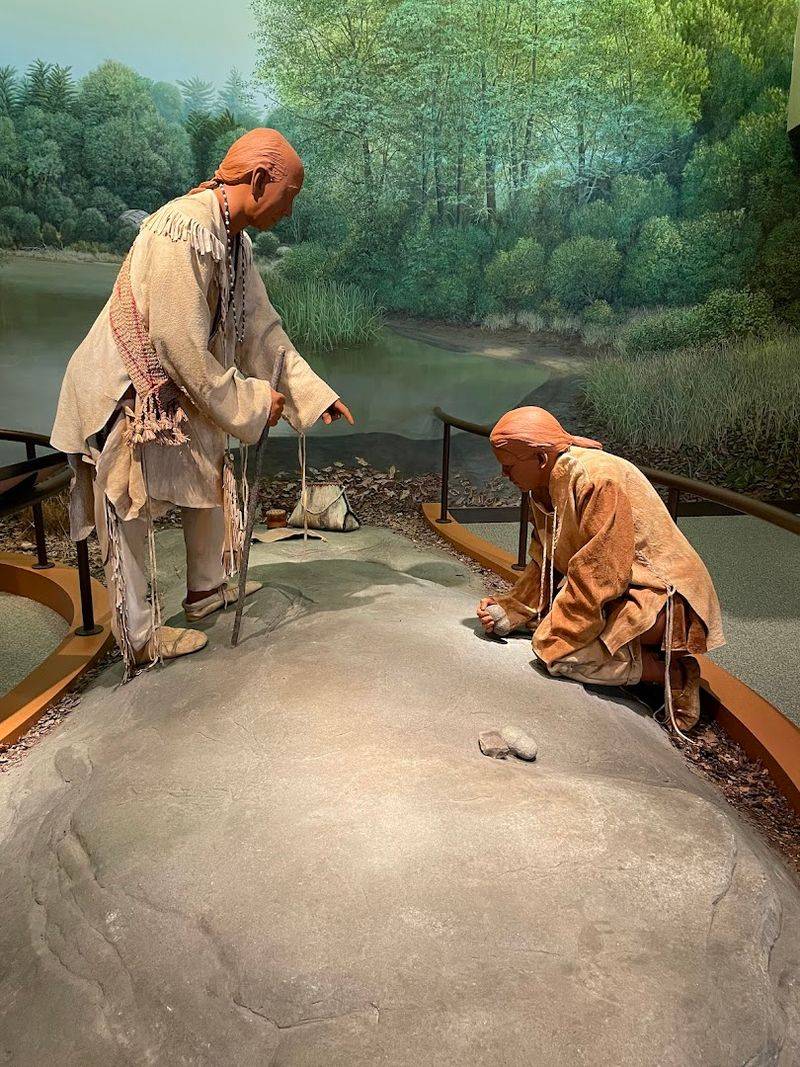
I’ve always found that the soul of a culture lives in its sounds. Here, soft chimes cue the interactive language stations, and suddenly consonants click into place.
The interface is wonderfully simple: press, listen, repeat, and inevitably, smile. The vibe here is playful and reverent at once, mostly because pronunciation becomes a form of music when spoken by culture-bearers.
Panels throughout the gallery explain the vital Anishinabe Language revitalization efforts and why it is so crucial to hear fluent speakers.
It’s practical preservation at its best, using clear audio and phonetic guides to bridge the gap between the past and the present.
Best Strategy: Try to repeat the words as you move through the later galleries. The repetition helps the sounds start to map the building in your mind, turning abstract symbols into a living vocabulary.
Guides Who Set The Pace
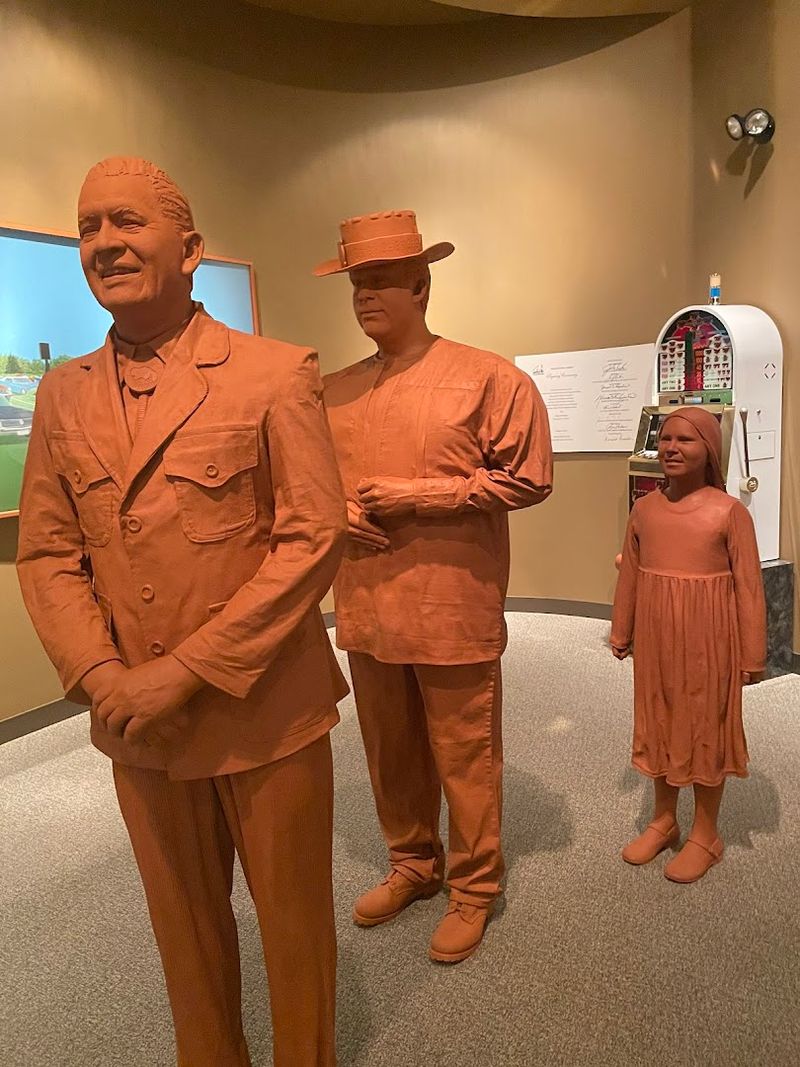
A truly great guide calibrates time the way a master drummer sets a tempo.
During my visit, I noticed that the tours feel more like a conversation than a lecture, with plenty of pauses for questions and enough space to hold the complex emotions the exhibits can stir up.
I recently watched a guide weave personal family knowledge with the formal exhibit text, never rushing the group.
Local culture truly comes forward through stories of Seasonal Foods, tribal governance, and the use of language in daily life.
Pro Tip: If you’re traveling with a larger group, definitely book ahead. You can even ask about tailoring the focus to specific interests like Archaeology, Contemporary Art, or Tribal Sovereignty.
Beadwork Under Glass
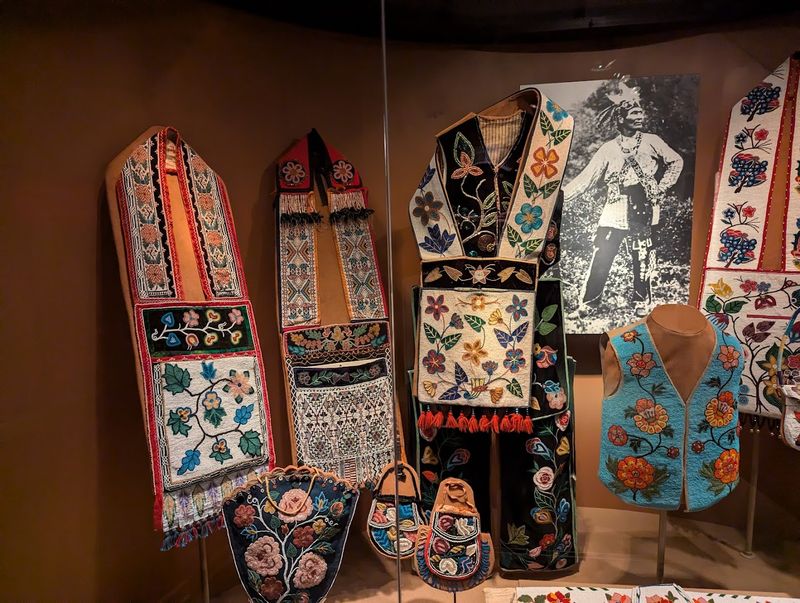
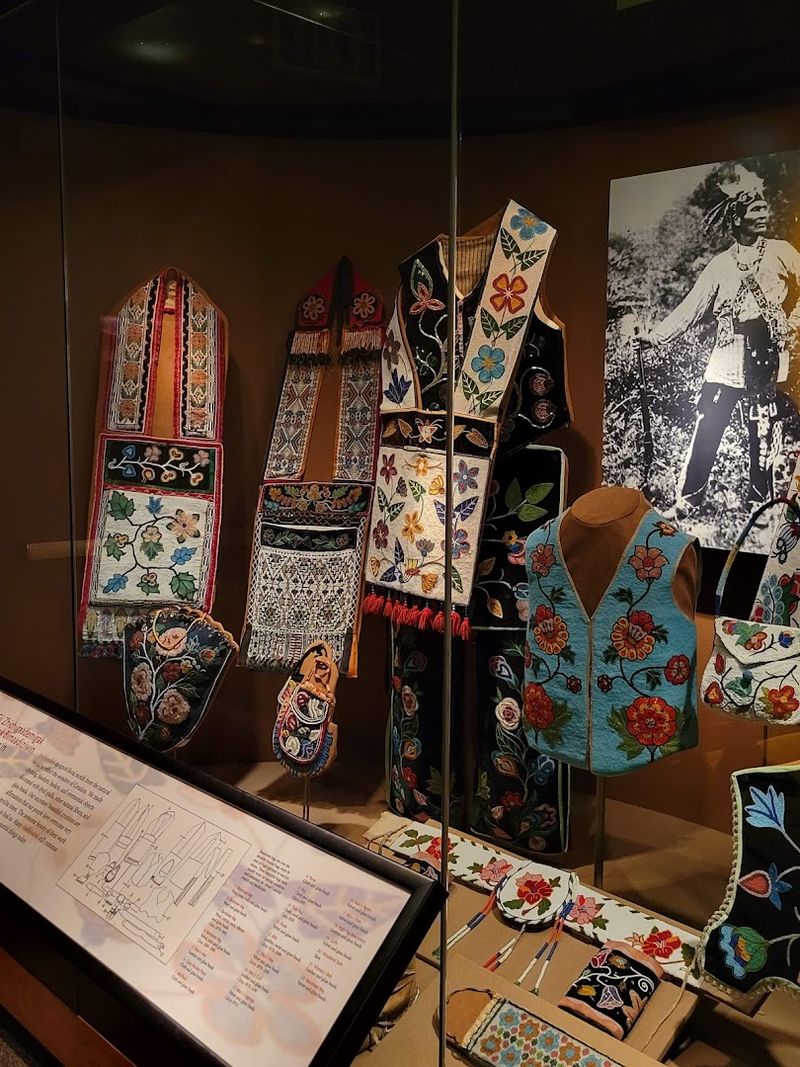
When you reach the textile displays, first you see the explosion of color, and then, slowly, you see the time. Cases are filled with Floral Beadwork constellations where every single stitch is steady and sure.
I found the vibe here to be one of quiet admiration; you realize very quickly that speed would only cheapen the incredible patience on display.
Why It Matters:
Trade History: Labels trace the shift from traditional materials to European trade beads.
Innovation: You can see how ancestral motifs evolved into modern, defiant expressions of identity.
Preservation: The lighting and humidity are strictly controlled to protect these delicate “small planets” of glass and fabric.
Theaters That Breathe
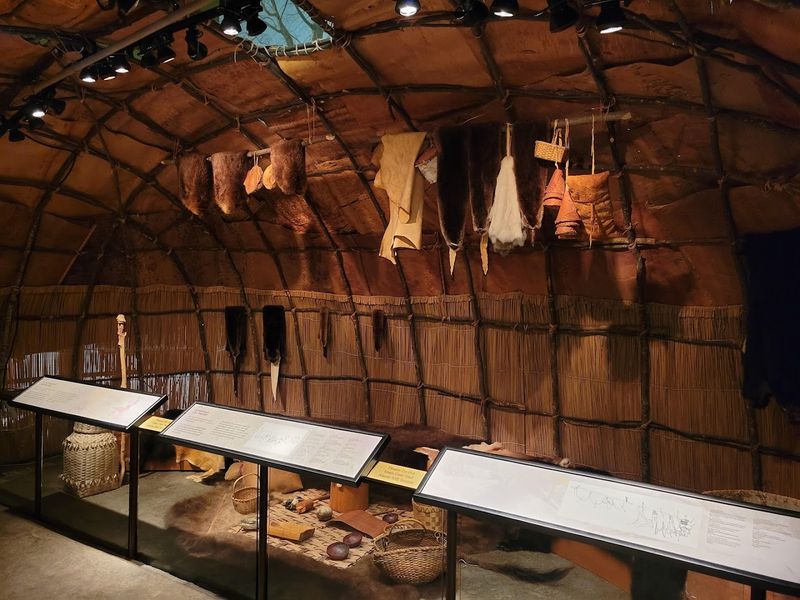
The theater spaces at the Ziibiwing Center are compact and surprisingly restful.
The seats are comfortable enough that you can actually settle in, and the sound mix respects both the narration and the traditional songs equally.
A dim aisle glow keeps your footing sure without breaking the cinematic mood of the room. The short films sketch a massive timeline, from early homelands to the present day, always centering Anishinaabe voices.
It’s a smart technique, archival photos fade into contemporary scenes, making the history feel urgent rather than “ancient.”
Best Strategy: Watch a full cycle of films before you enter the heavier, more historical galleries. This context makes the timelines click into place, especially for younger visitors who might need a “big picture” overview before diving into the details.
Research And Ancestry Resources

In a quieter wing of the building, you’ll find a research area that offers computers, reference materials, and staff guidance for those with Ancestry Questions.
It feels like a high-end study hall where each click of a mouse carries a weight of significance. The atmosphere is focused and professional, with a clear respect for personal privacy.
Planning Advice: If you’re looking to trace family lines, call ahead to confirm staff availability. Bring any names, dates, or locations you already have to help streamline the search.
Even if you aren’t searching for your own family, browsing the reference binders gives you a much more personal “read” on the broader exhibits.
Rotating Exhibits That Reframe
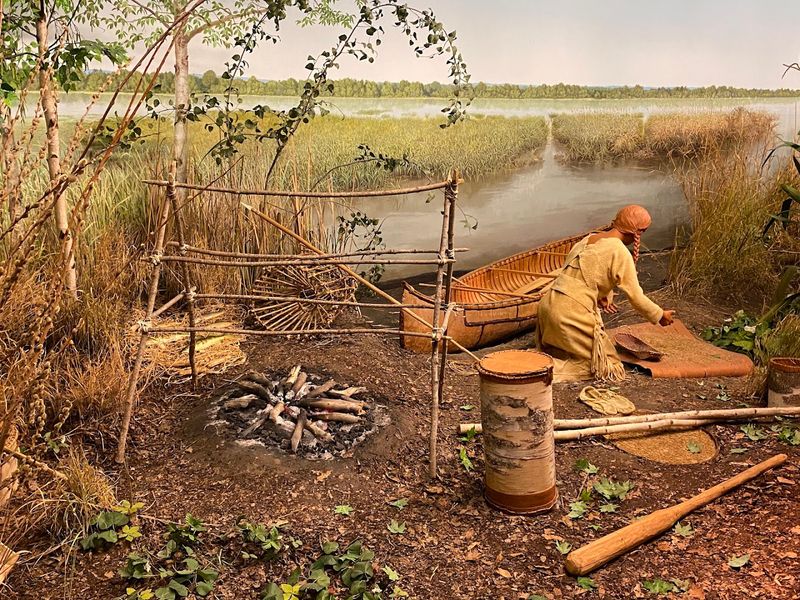
Some rooms in the center shift across the year, and that movement keeps the museum feeling “awake.” These Temporary Exhibits bring in new voices, Contemporary Native Art, or deep dives into specific historical moments.
I caught a rotation that braided Environmental Stewardship with community memory, and the curation was incredibly precise.
Common Mistakes to Avoid: Don’t assume you’ve “seen it all” if you visited a year ago. The rotations reshape the route through the permanent galleries, often making those familiar cases look entirely different on a second or third pass. Always check the website before you drive out to see what’s new.
Hands-On Moments For Kids
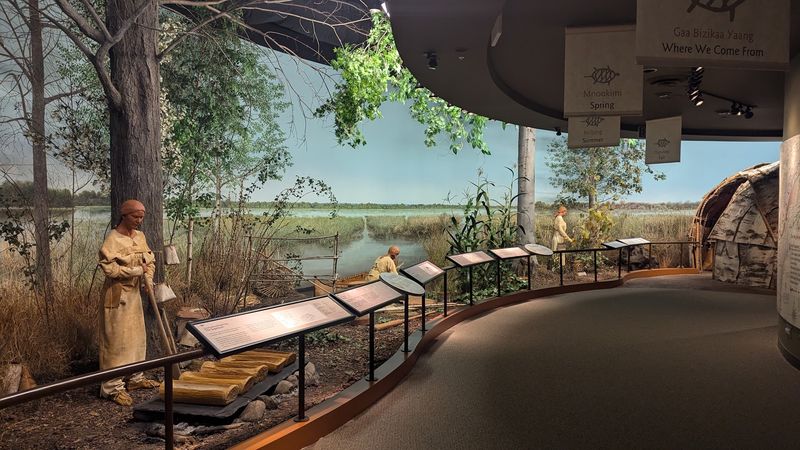
If you’re bringing “small friends” along, their hands will find the buttons long before their eyes find the labels.
The interactive stations are built for curiosity, rewarding kids with quick successes that keep their energy levels steady.
Pro Tip: Follow a family rhythm of “Explore, Sit, Reflect.” Use the benches near the larger cases to ask one meaningful question about what they see, then let the kids lead you to the next stop. This keeps the momentum going without scrambling past the deeper meanings.
Architecture In Service Of Story
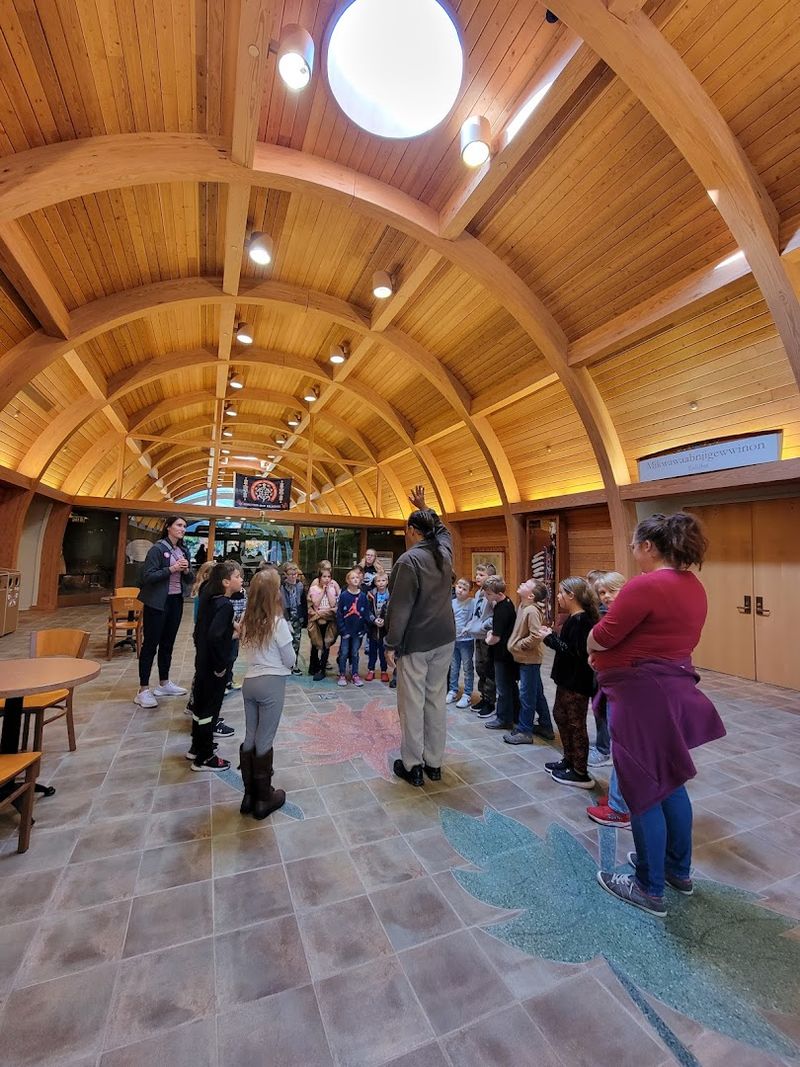
The building itself is a masterpiece of storytelling. Curving gallery lines soften the edges of the space, guiding you through the narrative without making you feel corralled.
The warm wood tones and patterned motifs echo the water and plant forms common in Traditional Anishinaabe Design.
I’ve always felt this building acts like a gracious host, it knows exactly when to speak up and when to step back and let the silence do the work. The architecture isn’t just a backdrop, but an instrument tuned perfectly to the key of the collection.
Practicalities: Hours, Pace, And Timing
Plan for weekdays. The center is typically open Monday to Friday, 9 AM to 4:30 PM, and closed on weekends, so midweek timing is essential. The pace inside rewards unhurried visits, and parking is straightforward near the entrance.
I learned to arrive near opening, catch an early film, then loop back after lunch for a second look.
Insider Tip: Arrive right at opening. You can catch an early film while your mind is fresh, then loop back through the galleries after a quick lunch for a second look at the things that really moved you.
Gift Shop As Learning Space

Past the final panels, the Ziibiwing Center gift shop opens like a beautiful coda to the experience.
This isn’t your average museum shop, the shelves are stocked with Sweetgrass Baskets, books, and authentic beadwork that smell faintly of summer fields.
Who This Is For: Collectors of authentic, locally-made indigenous art, readers looking for tribal-specific histories and children’s books, anyone wanting to carry a small, ethical piece of the story home.
Conclusion
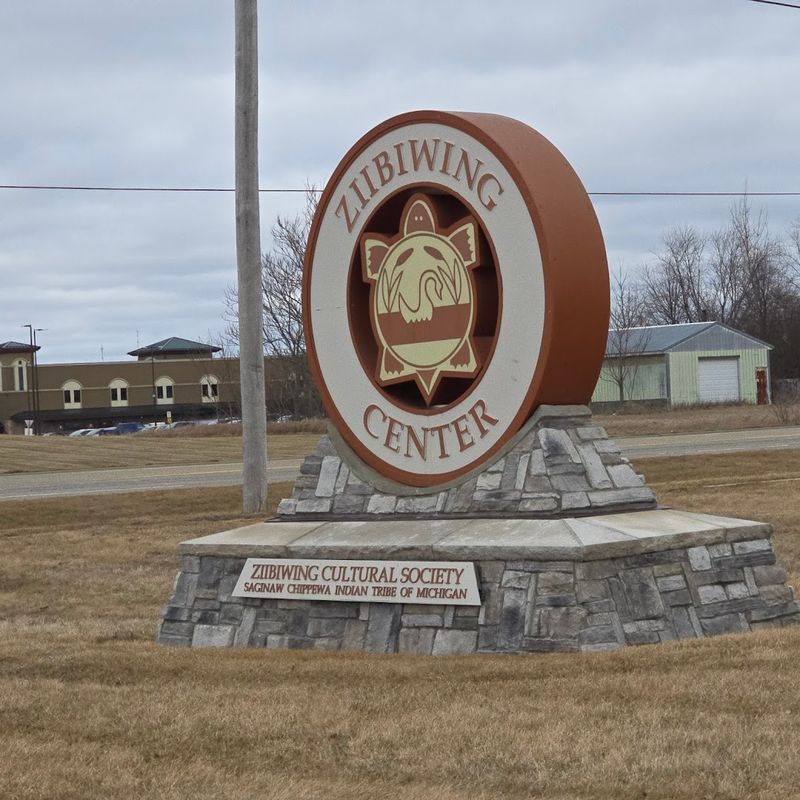
This isn’t just another stop on a Michigan road trip; it’s a necessary recalibration of what we think we know about the Great Lakes. The Ziibiwing Center provides a window into a heritage that is as resilient as it is beautiful.
Quick Verdict: An essential, world-class cultural destination that balances heavy truths with breathtaking artistry.
Pro Tip: Wear comfortable shoes and bring a light sweater, the galleries are kept cool to protect the artifacts, and you’ll want to stay long enough to read every single label.