
This Michigan Bird Sanctuary Draws Photographers From Around The World During Nesting Season Starting In April
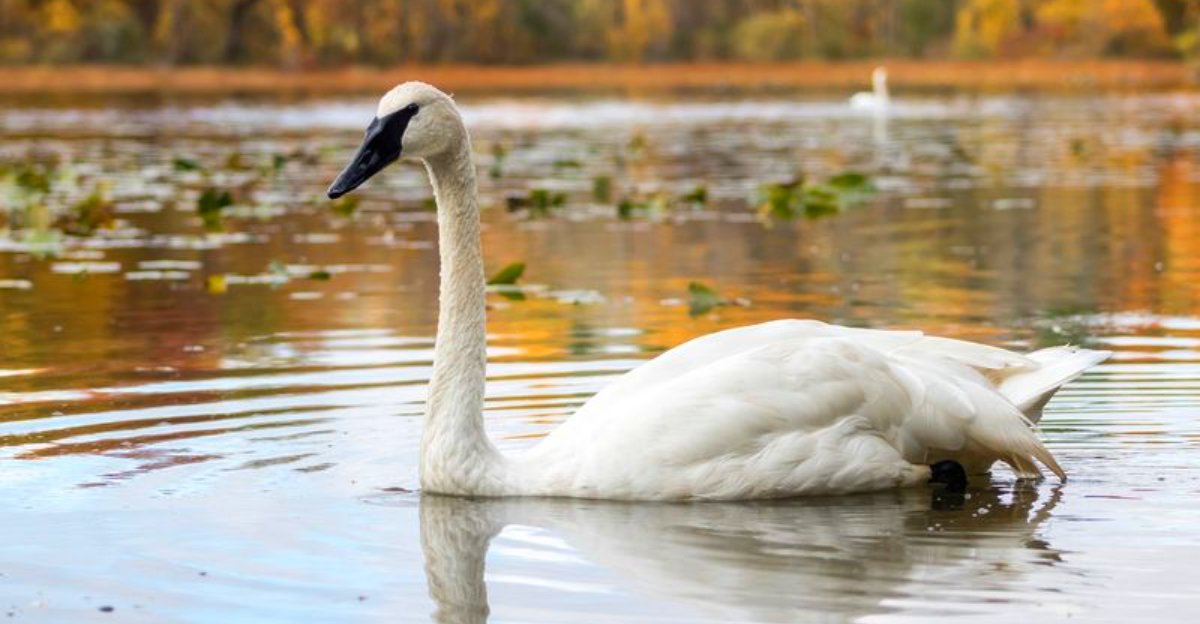
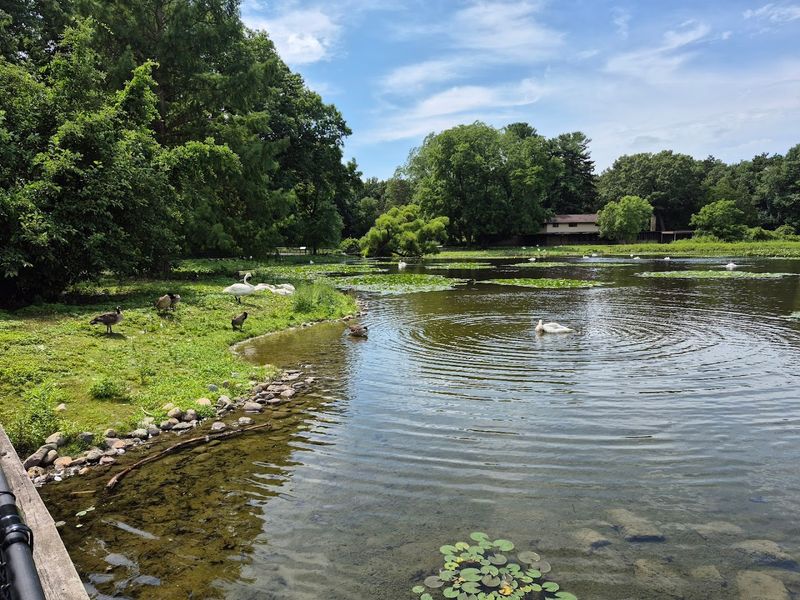
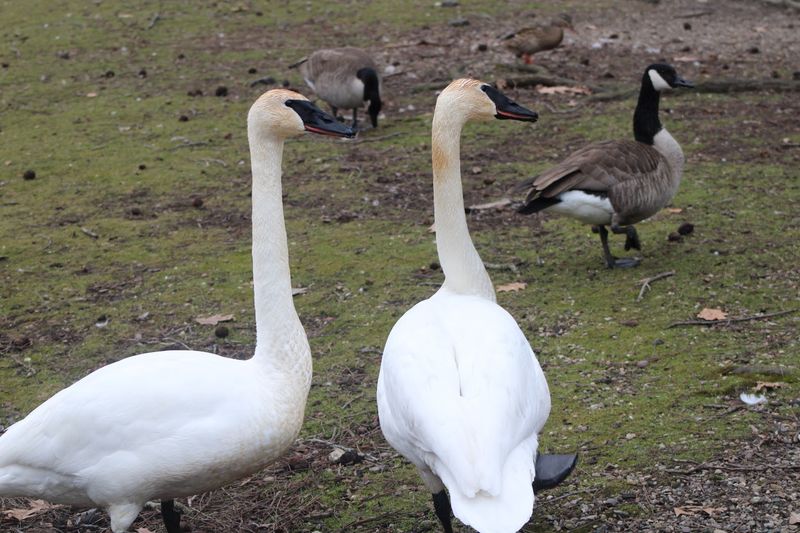
If you’re anything like me, you’re tired of “nature” spots that feel more like petting zoos than actual habitats. That’s why April in Augusta is such a breath of fresh air; it’s when the trumpeter swans reclaim the coves and the light hits the water like a polished lens, all without a single stressed animal in sight.
I’ve spent countless mornings on the Lake Loop, and there’s a profound, ethical beauty in watching red-winged blackbirds scream from the cattails while mallards dive into the silver reflections of the lake.
Standing there with my lens ready, I realized this is how wildlife observation should always feel, quiet, observant, and completely on the animals’ terms.
Michigan’s best bird watching can be experienced this year at this world-renowned sanctuary, featuring trumpeter swans, migratory waterfowl, and stunning lakeside photography trails.
Pack your longest lens and a quiet pair of boots, because the “Lake Loop” is currently a masterclass in soft spring reflections.
Dawn Light Over Wintergreen Lake
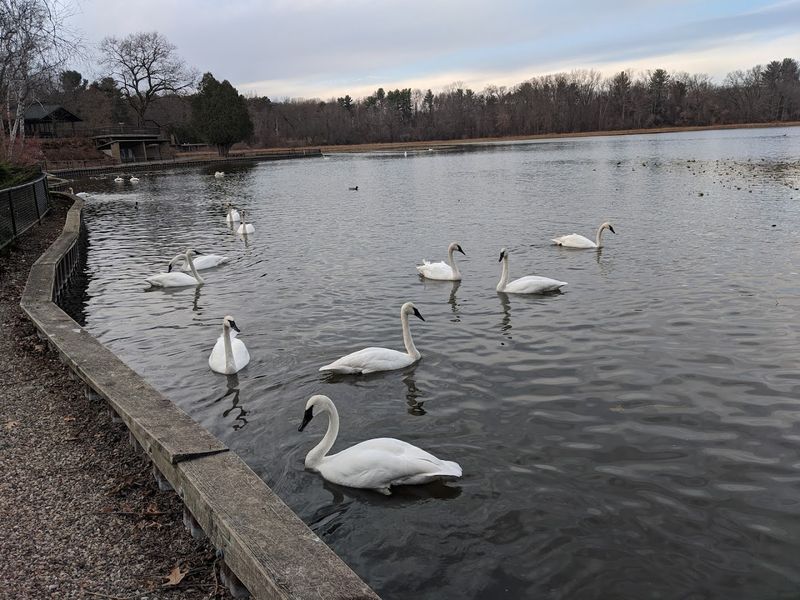
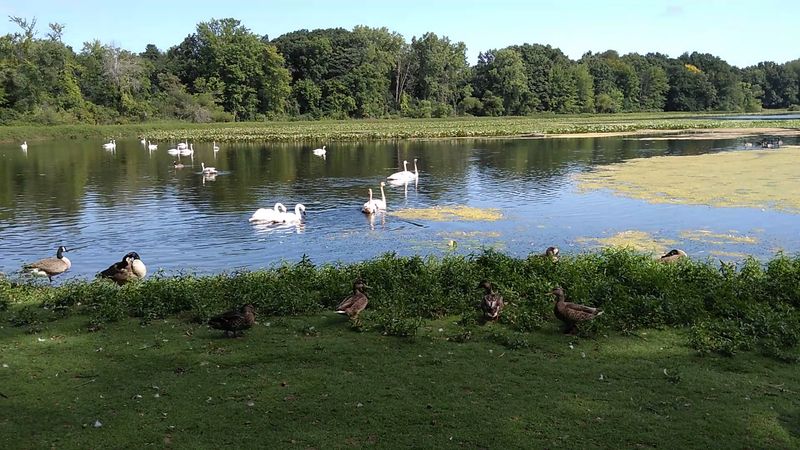
First light here behaves like a patient instructor, revealing shape before color and quiet before calls. Swans write pale signatures across the glassy water while ring-billed gulls drift just outside the main action.
The shoreline path stays wide and smooth, letting tripods settle without fuss, and benches appear exactly when you need a thoughtful pause. History hums in the backdrop, because this sanctuary helped recover trumpeter swans in the Great Lakes region. That legacy lends weight to every shutter click.
Arrive fifteen minutes before official opening to park, prep, and move with purpose when the gate opens. You will earn calm, clean frames, and the softest shadows of the day.
A Lakeside Haven For Wildlife Enthusiasts
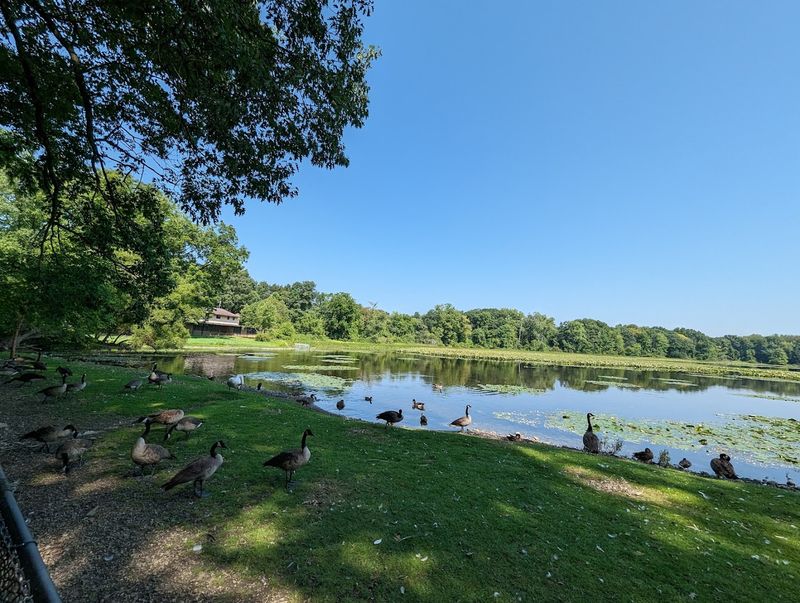
The W.K. Kellogg Bird Sanctuary is a historic and serene destination located within the expansive Kellogg Biological Station. This sanctuary provides a rare opportunity to observe diverse waterfowl and birds of prey in a natural, protected habitat surrounding Wintergreen Lake.
Getting to this avian refuge is a simple drive through the rolling countryside of Kalamazoo County. It is situated on East C Avenue, just north of M-89 and east of Gull Lake. If you are traveling from the Kalamazoo area, head northeast via M-43 or M-89 to reach the Augusta area.
The sanctuary is well-marked with signage, and there is ample paved parking available near the Resource Center, which serves as the starting point for your visit at 12685 E C Ave, Augusta, Michigan 49012.
Raptors Row And Rehabilitation
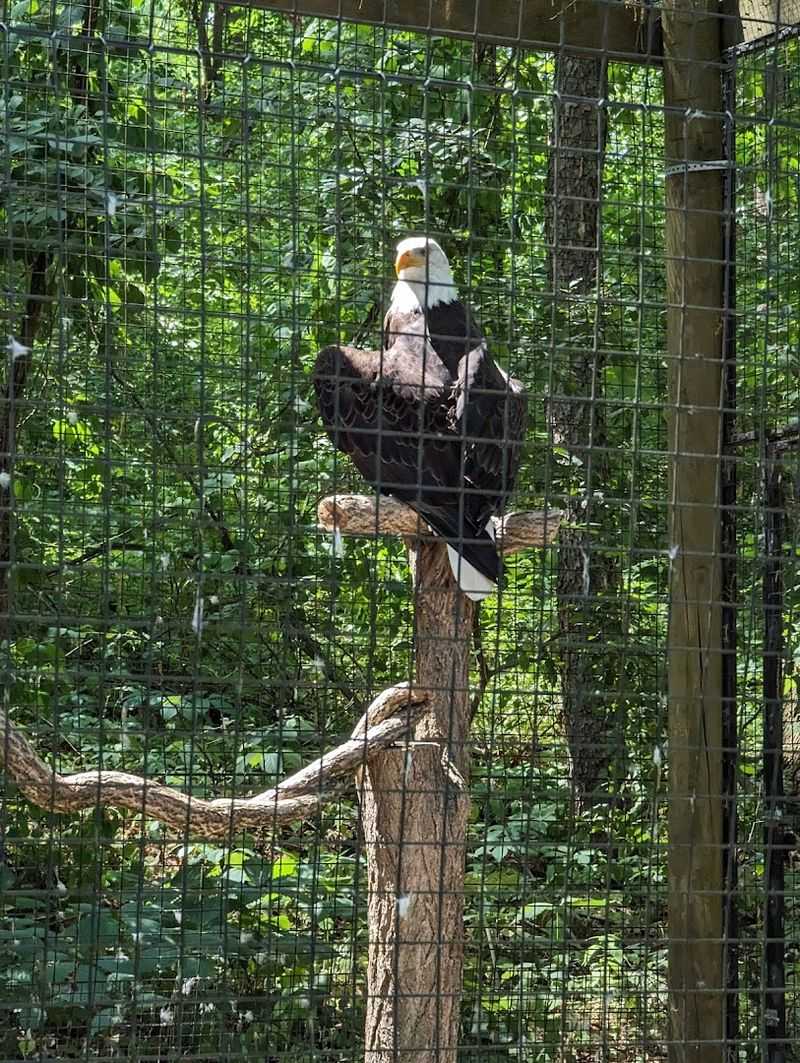
Metal mesh, timber posts, and filtered shade form a sober gallery where owls and hawks live out second chances. The structures are practical, not theatrical, so attention lands on eyes, talons, and posture. That honesty pairs with signs explaining injuries and permanent care, giving context to every glance and photograph.
Historically, these exhibits trace the sanctuary’s educational backbone. You feel a local commitment to stewardship, not spectacle. Avoid flash and stay observant of stress cues like pacing or wing spreads.
Through wire, wide apertures help dissolve patterns, but do not press lenses to the mesh. Step back, align shadows, and let soft backgrounds carry the portrait.
Lake Loop Rhythm And Pacing
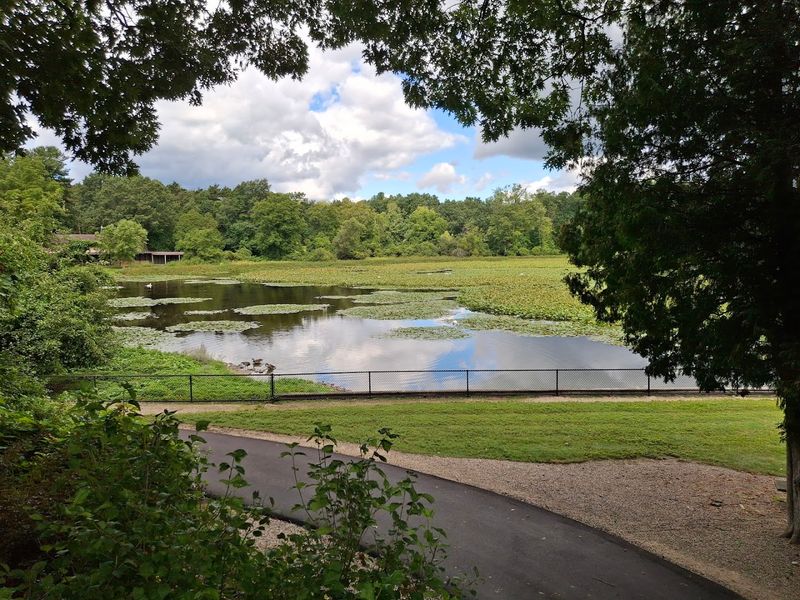
The paved Lake Loop feels like a measured heartbeat circling Wintergreen Lake, steady and kind to feet. Benches tuck into shade, while interpretive panels offer bite-size clarity about plants, water, and birds. Cues for thoughtful behavior are everywhere, so the crowd stays considerate and the mood stays unhurried.
When the path narrows near cattails, give right-of-way to families and step softly to keep birds relaxed. Golden hour is wonderful, yet bright overcast can be an unexpected gift for feather detail.
Tripods are fine off to the side, but keep the lane open. Pack a lens cloth for lake spray, and watch for tree roots along rustic connectors.
Bluebird Trail And The North Country Link
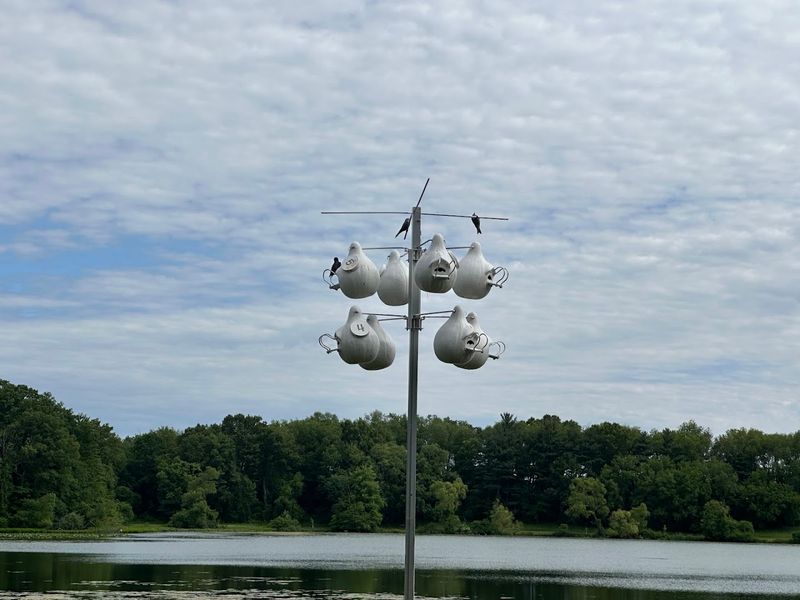
Rustic steps lift you from lakeshore calm into oak and field edges where nest boxes punctuate the grass. The Bluebird Trail threads to the North Country National Scenic Trail, a satisfying surprise if you like gentle wanderings with purpose.
History meets utility here, as monitored boxes support cavity nesters while inviting careful observation. I bring a lighter setup in this section, favoring agility over reach.
Look for perches near boxes and wait for clean backgrounds. Do not linger directly in front of active nests; choose a diagonal angle and keep chatter low. Footing can be uneven after rain, so tread kindly. You will leave with quieter, more intimate frames.
April Nesting Etiquette For Photographers
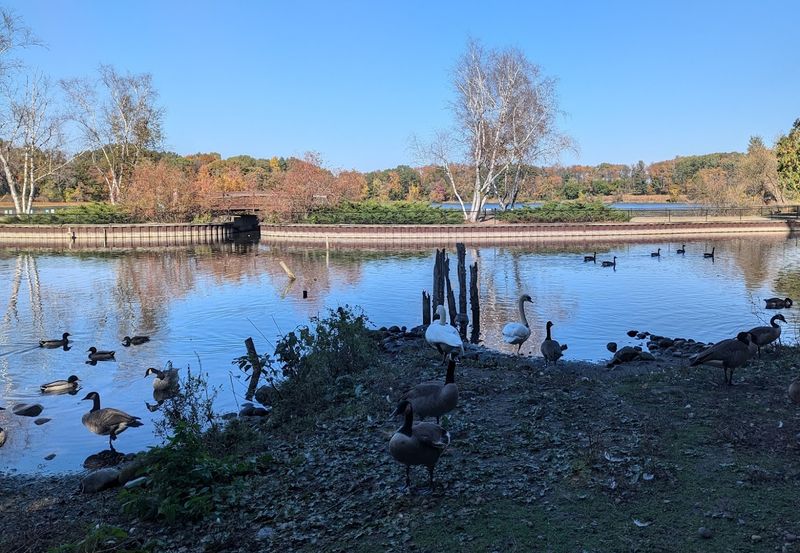
Early nesting makes April both brilliant and delicate. Birds burn energy building, guarding, and feeding, so your distance matters as much as your settings. If a bird shifts, calls sharply, or stares fixedly, you are too close.
Step back, lower your profile, and let normal behavior resume before lifting the camera again.
This sanctuary posts guidance that is clear and friendly, reinforcing a culture of care. Use longer lenses, avoid playback, and keep to paths.
Set continuous autofocus and a modest burst rate to reduce misfires that tempt repositioning. Your best images will show comfort, not alarm. Remember, the shot you skip might be your most ethical choice.
Soundscape And Quiet Focus
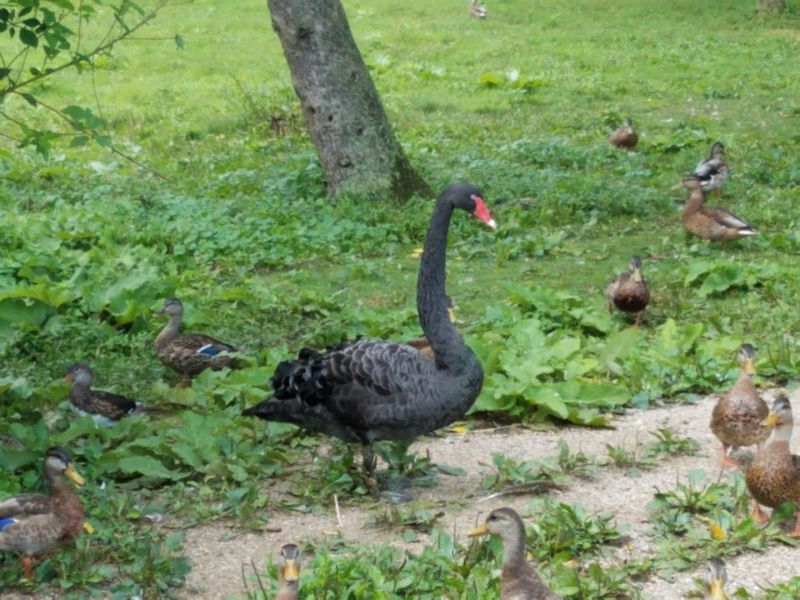
A sanctuary teaches listening before looking. Red-winged blackbirds sketch rhythms over the reeds, while swans mutter low notes that carry farther than expected. That audio map helps you find interactions before they appear.
Pause when the wind eases, and you will notice smaller movements on the surface, like a coot tail-flick or a gull’s pivot.
Local culture favors unhurried pacing here, so conversation slips into whispers without effort. Turn off focus beeps and vibration alerts. Rest elbows on railings, breathe slowly, and time shutters between gusts. Sound management becomes image quality by another name.
When the birds relax, the frames relax too.
Interpreted Signs And Subtle Histories
Panels along the paths condense decades into tidy paragraphs and archival photos. You learn how Wintergreen Lake became both classroom and refuge, and how local partnerships shaped its steady evolution. That context shifts how you aim, pulling frames toward behavior and habitat rather than trophies.
I like to revisit the same sign after a loop, testing what new sounds and sightings changed my reading. The technique circles back: observe, shoot, confirm, then refine.
Photograph the panel details only as notes, not trophies, and pair them with your images of the related habitat. Visitors tend to linger where stories feel personal, so be patient and give space.
Staff Presence, Volunteers, And Gentle Guidance
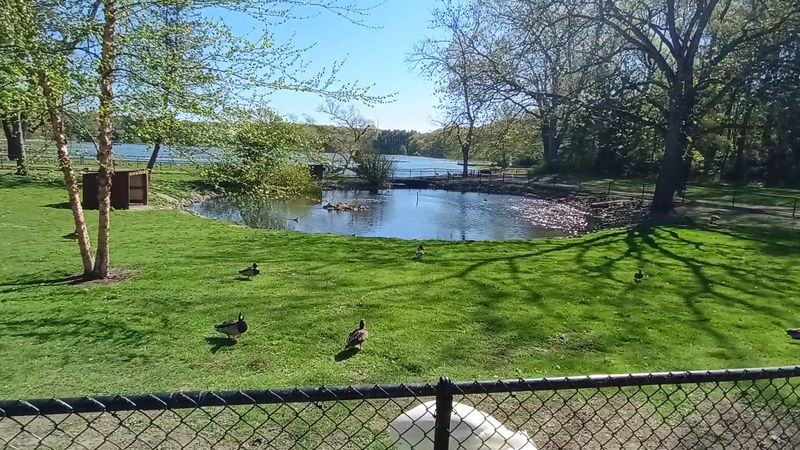
Maps, small talk about recent sightings, and a nod toward the best morning angle often begin at the Visitor Center. Staff and volunteers keep the tone practical and warm, answering questions without overexplaining. Their suggestions tend to be specific, like where geese are staging or which section of shoreline is quieter today.
That local culture rewards curiosity and respect. Ask about program times and any temporary restrictions, particularly around raptor care or feeding schedules.
I carry cash for admission when the window is unstaffed, because an honesty box sometimes stands in. A simple thank you travels far here. You will leave with better images and better timing.
Parking, Fees, And Smooth Timing
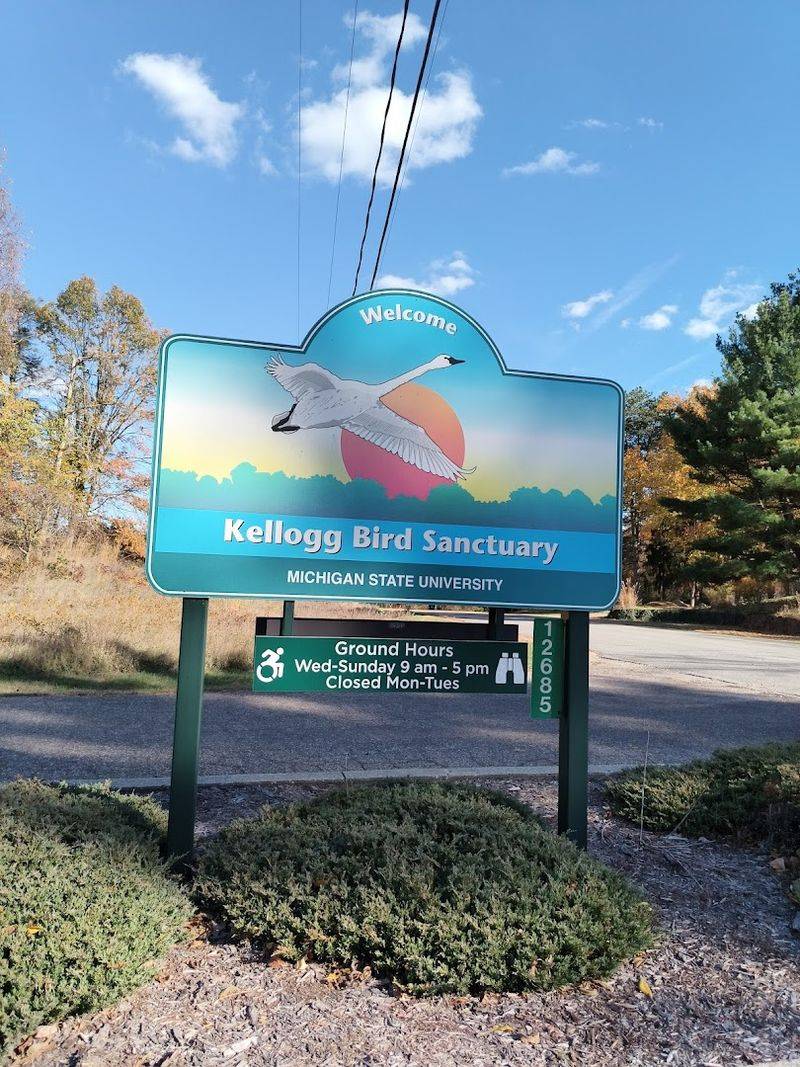
The entrance is straightforward, with parking close enough that you are not juggling gear for long. Hours shift by day, so confirm before driving, and remember that midweek mornings feel especially calm.
Admission is modest, and memberships make sense if you plan repeat visits through spring and fall.
For logistics, prep batteries and cards in the car, then walk in with intention.
The paved sections handle small carts well if your kit is heavy. Keep a weather layer handy because lake breezes play tricks. If corn feeding is scheduled, expect lively waterfowl near the shop and plan your quiet work before the rush.
Weather Swings And Gear Choices
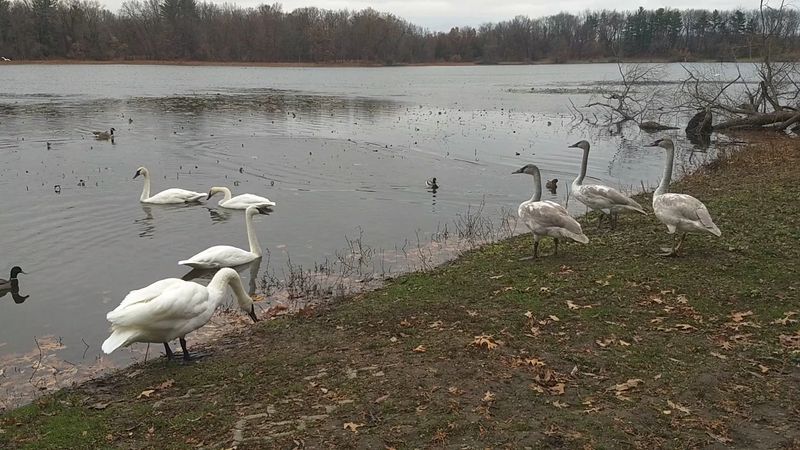
Spring in Augusta moves quickly from bright chill to warm glare. That means layers, a hat, and lens hoods earn their keep. Cloud cover can be merciful for white plumage, trimming hotspots on swans and gulls. When the sun breaks through, angle slightly off-axis to keep detail in highlights.
I trim my kit to one telephoto and a compact prime for habitat scenes. A light tripod or monopod helps on the Lake Loop, but handholding can be faster among reeds.
Keep a microfiber cloth for sudden spray and a dry bag stashed in case drizzle sneaks in. Your shoulders will thank you later.
Ethical Shots And Leave No Trace
Composure shows up in the frame when restraint guides your feet. Stay on paths, let vegetation screen sensitive areas, and choose background over proximity. If a nest is visible, resist the urge to optimize it. The best portrait feels like a secret the bird offered freely, not a prize taken.
Preservation here is daily practice, supported by clear rules and a community that respects them. Use quiet shutters when possible, and keep groups small to limit disturbance.
I step aside for families and keep my bag off benches to leave room. The keepers of this place make conservation feel normal, and that is the point.
Seasonal Programs, Small Joys, And Returning Often
Programs come and go with the calendar, but the sanctuary’s steady pleasures anchor every visit. Educational exhibits refresh perspective, and the loop’s small variations in wind and light keep scenes new. You notice different things when leaves thicken, when goslings wobble, when the lake sits utterly still.
Local tradition is simple: come back, look closer, and respect the work being done. Ask staff about current offerings before you set out, so you can time shots around gatherings.
I like keeping a running list of missed moments to chase next time. Returning is the real tip, because familiarity sharpens vision and softens your footprint.