
This Historic Colorado Town Feels Like Stepping Into the Old West With The Best Cup Of Coffee
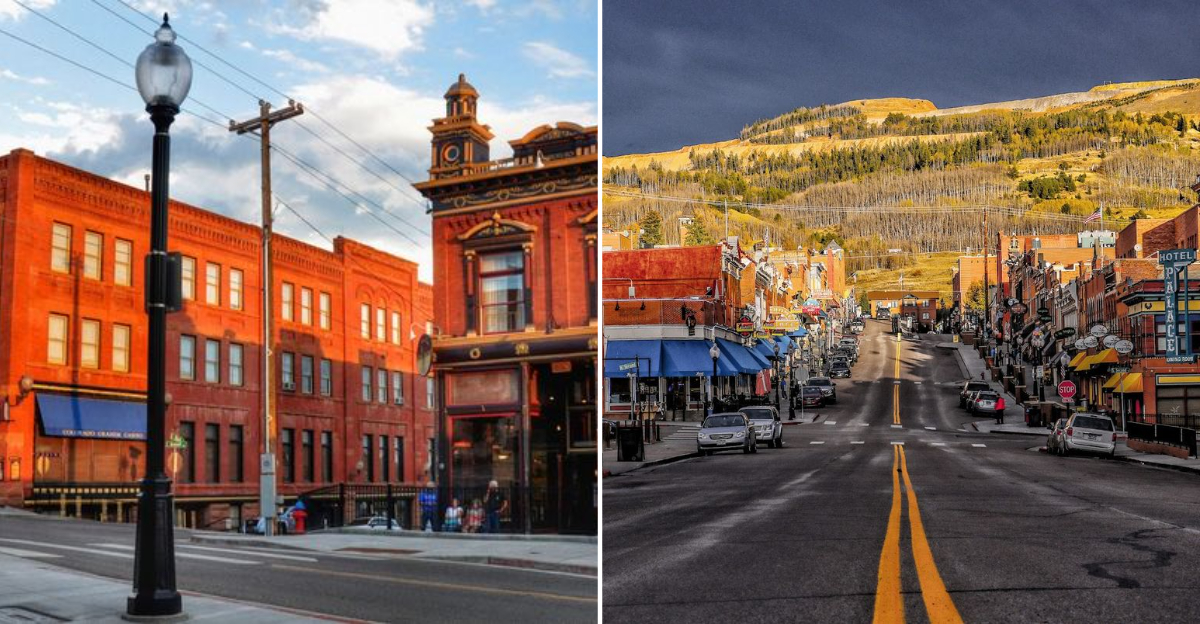
Some towns feel real, and some feel like they were dreamed up by a screenwriter who wanted extra charm, extra history, and a little mountain magic. In Colorado, this tiny former gold rush camp has exactly that kind of energy.
It sits tucked against dramatic peaks with old-time character in every corner, the sort of place where weathered buildings, steep streets, and mountain views instantly make your camera work overtime. One minute you are soaking up stories from its mining past, and the next you are wandering past cozy storefronts wondering how a place this small manages to have such a big personality.
The pace is slower, the air feels sharper, and the whole setting has that rare ability to make an ordinary afternoon feel strangely cinematic. Colorado’s talent for turning small towns into unforgettable escapes is on full display here.
With barely over a thousand residents, this little mountain hideaway delivers way more charm, history, and character than towns ten times its size.
Where the Gold Rush Left Its Mark on Every Street Corner
Some towns wear their history like a faded bumper sticker. The town wears it like a tailored coat.
As the county seat of Teller County, this compact city sits at roughly 9,500 feet above sea level, and the altitude is not the only thing that takes your breath away.
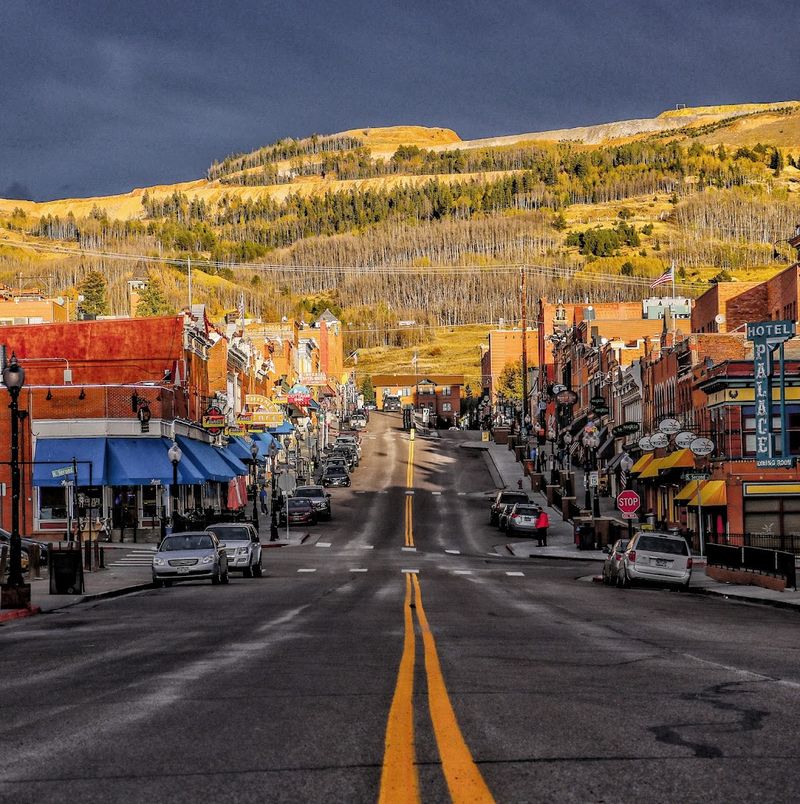
The streets here are lined with buildings that date back to the late 1800s gold rush era, when the district produced more gold than any other mining camp in Colorado history. Walking the main drag feels less like a tourist stroll and more like an honest conversation with the past.
Every storefront, every worn sidewalk, every creaking wooden sign tells a story that no museum exhibit could fully replicate. The town became a registered historic district, which means the architecture has been preserved with genuine care rather than cosmetic nostalgia.
Pro Tip: Start your visit on Bennett Avenue, the main commercial street, where the historic buildings are most concentrated and the views toward the surrounding mountains are genuinely worth stopping for.
The Coffee Scene That Absolutely No One Saw Coming
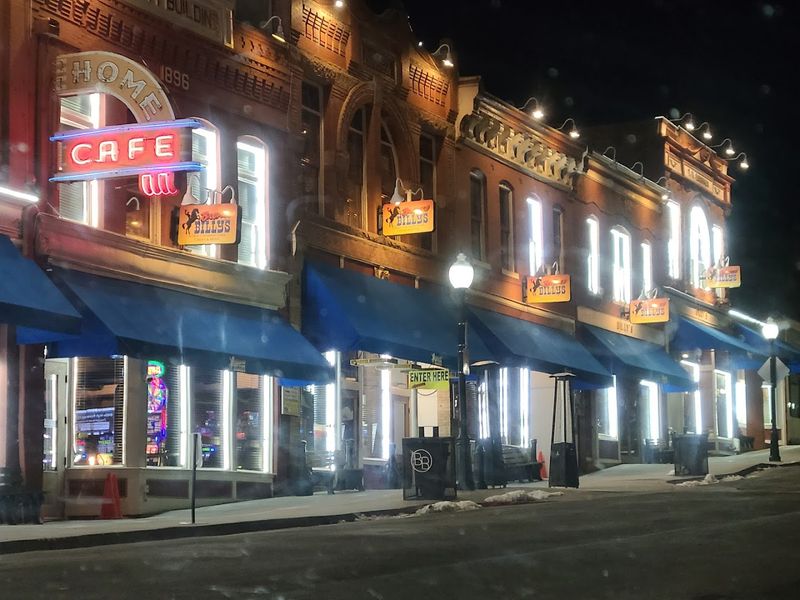
Nobody travels to a former gold mining camp expecting to find a genuinely outstanding cup of coffee. That pleasant surprise is exactly what makes Cripple Creek worth the winding mountain drive.
The coffee culture here has grown quietly and confidently alongside the town’s renewed energy.
Small independent coffee spots have taken root inside historic storefronts, serving carefully prepared drinks in spaces that still carry the bones of the 1800s. There is something almost absurdly satisfying about wrapping your hands around a well-made latte while staring out a century-old window at Pikes Peak.
The experience is unhurried in the best possible way. Nobody is rushing you out, and the locals treat a good cup of coffee with the same seriousness they give the town’s gold mining legacy.
Quick Tip: Morning visits tend to reward the early riser with quieter streets, fresher pastries, and the kind of unhurried mountain morning that reminds you why you left the city in the first place. Pair your coffee order with something baked locally and consider yourself officially ahead of schedule for the day.
A Gold Mining Past That Still Shapes the Town Today
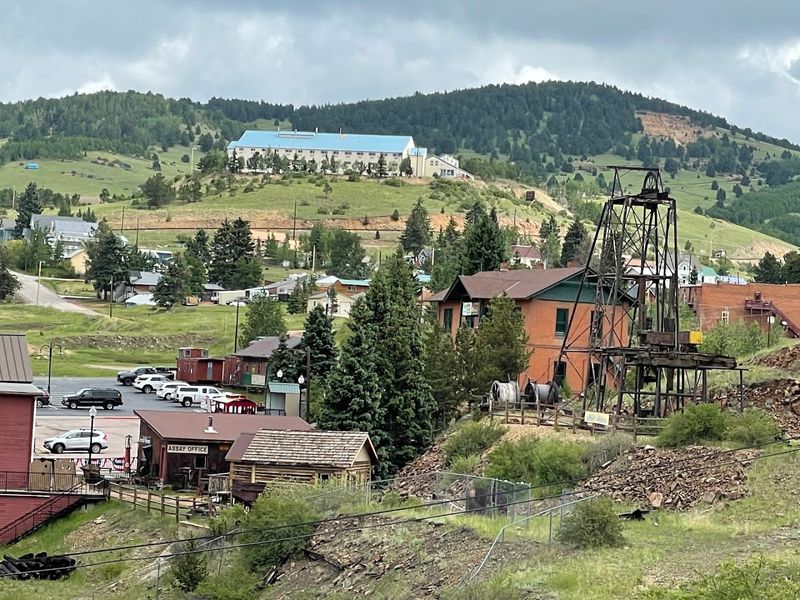
The Cripple Creek Mining District was once one of the most productive gold mining regions in the entire United States. At its peak in the late 1800s and early 1900s, the district drew thousands of fortune seekers, built a city practically overnight, and produced wealth that funded buildings still standing today.
That legacy is not just a footnote here. It shapes the personality of the place in ways that feel organic rather than performed.
The Mollie Kathleen Gold Mine offers tours that take visitors underground to experience what mining life actually looked like, which is genuinely more fascinating than it might sound on paper.
Understanding where a town came from changes how you see it in the present. Cripple Creek does not pretend its history was glamorous or simple.
It presents it honestly, with the kind of straightforward pride that small towns earn through survival rather than marketing. Why It Matters: Knowing the mining history before you arrive transforms a casual visit into something that actually stays with you long after the drive home, making the whole trip feel more intentional and memorable.
Pikes Peak as Your Permanent Backdrop
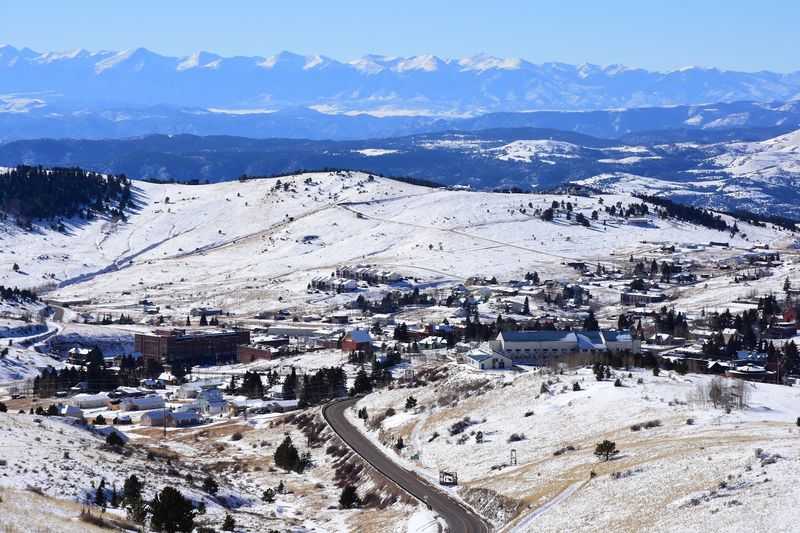
Having Pikes Peak as your backdrop is the kind of geographic flex most towns can only dream about. At 14,115 feet, Pikes Peak is one of Colorado’s most recognized fourteeners, and from Cripple Creek’s position near its base on the southwest side, the views are genuinely arresting in a way that makes you stop mid-sentence.
The mountain does not just sit there looking impressive. It frames every photo, anchors every street view, and gives the entire town a sense of scale that reminds you how small and wonderfully insignificant daily stress really is.
On clear days, which are plentiful at this elevation, the peak seems close enough to reach by lunchtime.
Families traveling with kids will find that even the most screen-absorbed child tends to look up when the mountain comes into view. Couples planning a weekend escape will find it provides a natural anchor for the day without requiring any particular athletic commitment.
Best For: Photography enthusiasts, families wanting a low-effort nature moment, and anyone who needs a visual reminder that the world is much larger and more interesting than their inbox suggests.
Small Town Scale With Surprisingly Real Character
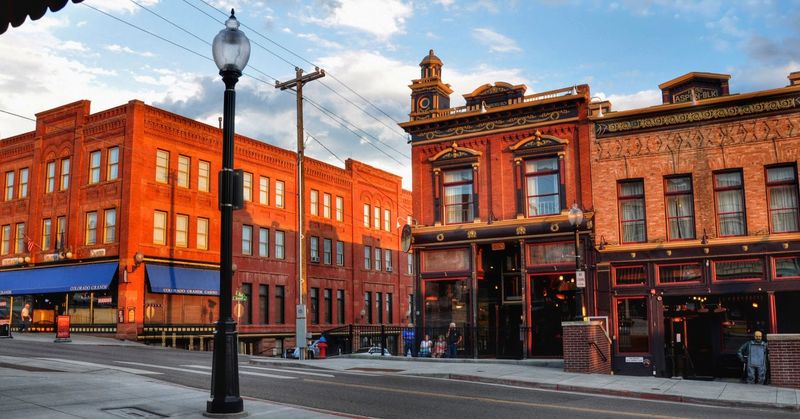
With just over 1,100 residents, Cripple Creek operates at a human scale that most American towns quietly abandoned decades ago. You can walk the entire downtown in under twenty minutes, which sounds like a limitation until you realize it means you are never more than a short stroll from anything worth seeing.
That compactness creates a specific kind of social atmosphere. Locals actually know each other here.
The person behind the coffee counter probably grew up in Teller County. The shop owner two doors down likely has an opinion about the best hiking trail within driving distance and will share it without being asked.
There is a particular rhythm to small mountain towns that operates on its own clock, and Cripple Creek runs on that rhythm without apology. Nobody is performing busyness.
Nobody is rushing past you without making eye contact. Insider Tip: If you ask a local for a recommendation, be prepared to actually receive one.
People here give honest answers rather than rehearsed tourist-friendly ones, which is both refreshing and occasionally humbling if you have been doing something the obvious wrong way all morning.
Planning Your Visit Without Overcomplicating the Whole Thing
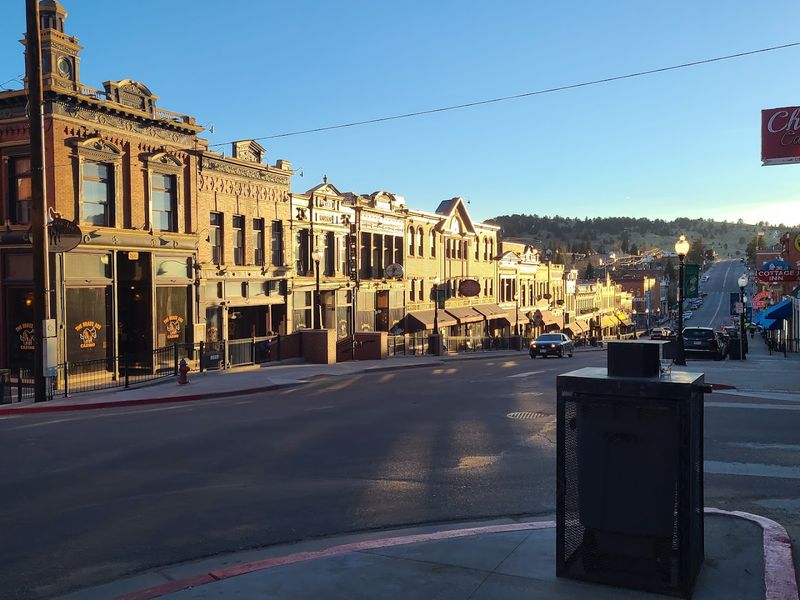
One of the more underrated pleasures of visiting Cripple Creek is how little advance planning it actually requires. The town is about an hour from Colorado Springs, making it a genuinely reasonable day trip without the guilt spiral of a longer commitment.
Pack a jacket regardless of the season, because the elevation makes its own weather decisions independent of whatever your phone app promised.
Families will find the pace manageable and the setting naturally engaging without requiring an itinerary that reads like a corporate project plan. Couples looking for a low-key getaway will appreciate that the town rewards wandering over scheduling.
Solo visitors can cover the highlights in a relaxed morning and still have time for a second coffee before heading back down the mountain.
Common Mistakes to Avoid: Do not arrive expecting a packed entertainment calendar or a sprawling resort town infrastructure. Cripple Creek rewards visitors who come looking for atmosphere, history, and a genuinely good cup of coffee rather than those chasing a checklist of manufactured experiences.
Adjust expectations accordingly and the town will almost certainly exceed them in the most satisfying way possible.
Final Verdict: The Old West Town That Earns a Second Visit
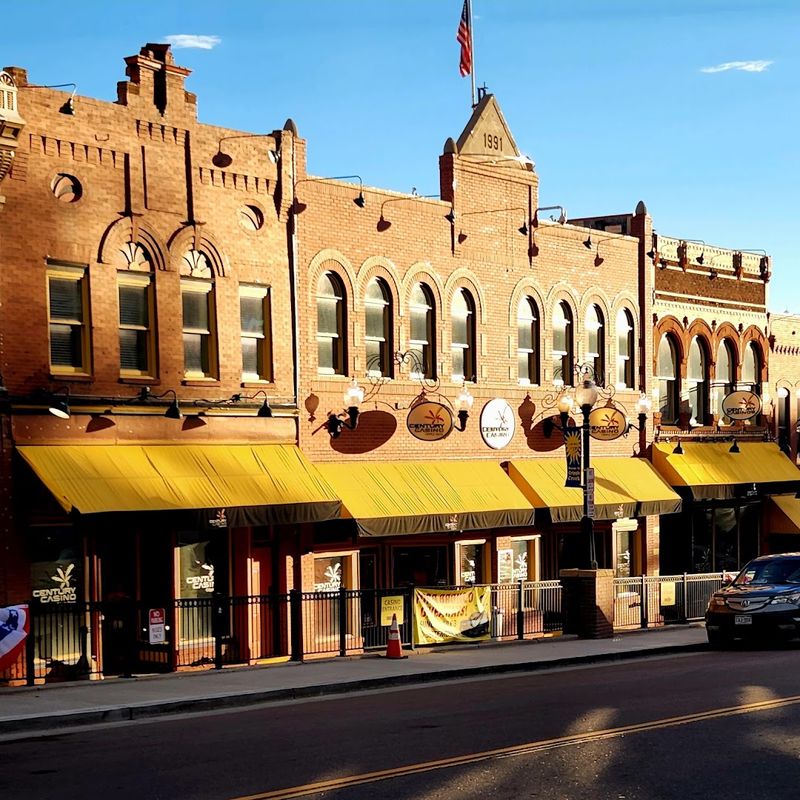
Here is the honest summary: Cripple Creek, Colorado is not trying to be something it is not. It is a former gold mining camp that became a real town, kept its historic bones intact, developed an unexpectedly solid coffee culture, and positioned itself within view of one of the most recognizable mountains in America.
That combination is harder to pull off than it sounds.
The town sits at the intersection of genuine history and accessible adventure without demanding that you earn either through physical suffering or extensive research. You can show up, walk the streets, drink excellent coffee, absorb 150 years of mining history, and be back in Colorado Springs in time for dinner.
Key Takeaways: Go for the history, stay for the coffee, and leave with the kind of quiet satisfaction that only a well-chosen day trip delivers. Cripple Creek is the rare place that feels both discovered and unhurried, which in the current era of over-documented travel destinations is genuinely worth something.
If a friend texts asking for a Colorado weekend recommendation, this is the one you send back without having to think twice about it.