
The Blueprint For Disneyland’s Main Street Can Be Found In This Stunning Colorado Town
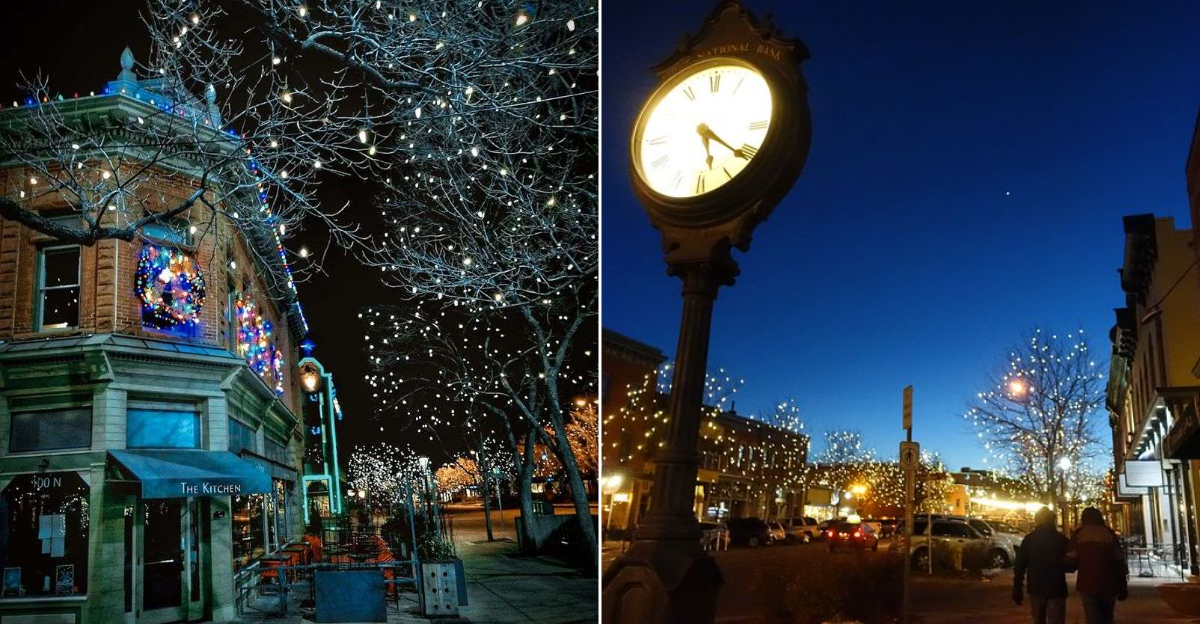
Most people assume this picture-perfect main street came from pure imagination, but the truth is way more fun. The inspiration was real, walkable, and packed with old-school charm, the kind of downtown where brick buildings glow in afternoon light and every storefront looks like it belongs in a nostalgic movie montage.
In Colorado, this historic district feels like a time capsule in the best way, with inviting sidewalks, classic architecture, and an atmosphere that makes you slow down without realizing it. You can almost hear the echo of an earlier era in the lively corners and open squares, before convenience and giant parking lots changed everyday life.
What makes it better is knowing its look helped shape one of the most recognizable small-town visions in American pop culture. Colorado’s gift for preserving places with personality is on display here, and once you see it, the resemblance is impossible to forget.
The Brick Buildings That Started It All
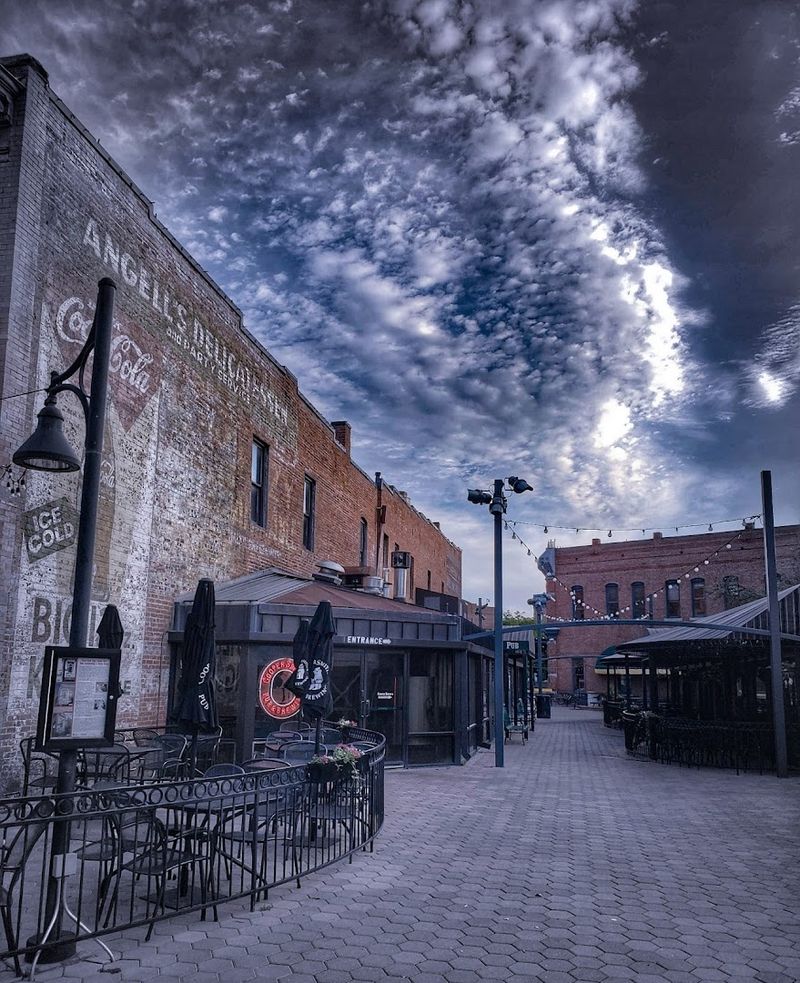
There is something almost theatrical about the way Old Town Fort Collins announces itself. The moment you step onto College Avenue, the late 19th and early 20th-century brick facades rise up on both sides like a stage set that someone forgot to take down, except it was never a set to begin with.
These buildings are the real deal, constructed during Fort Collins’s early boom years and preserved with enough care that the mortar feels like it has opinions about modern architecture. The scale is human-sized, the kind where you can actually see the detail carved above the windows without craning your neck.
Walt Disney’s designers reportedly studied streetscapes exactly like this one when developing the look of Disneyland’s Main Street, U.S.A. The proportions, the rhythm of storefronts, the way the street draws your eye forward, all of it echoes what you find right here in northern Colorado.
Pro Tip: Walk the full length of College Avenue before ducking into any shops. Getting the full streetscape view first gives you a much stronger sense of why this place left such a lasting impression on American design history.
Old Town Square: The Heart of the District
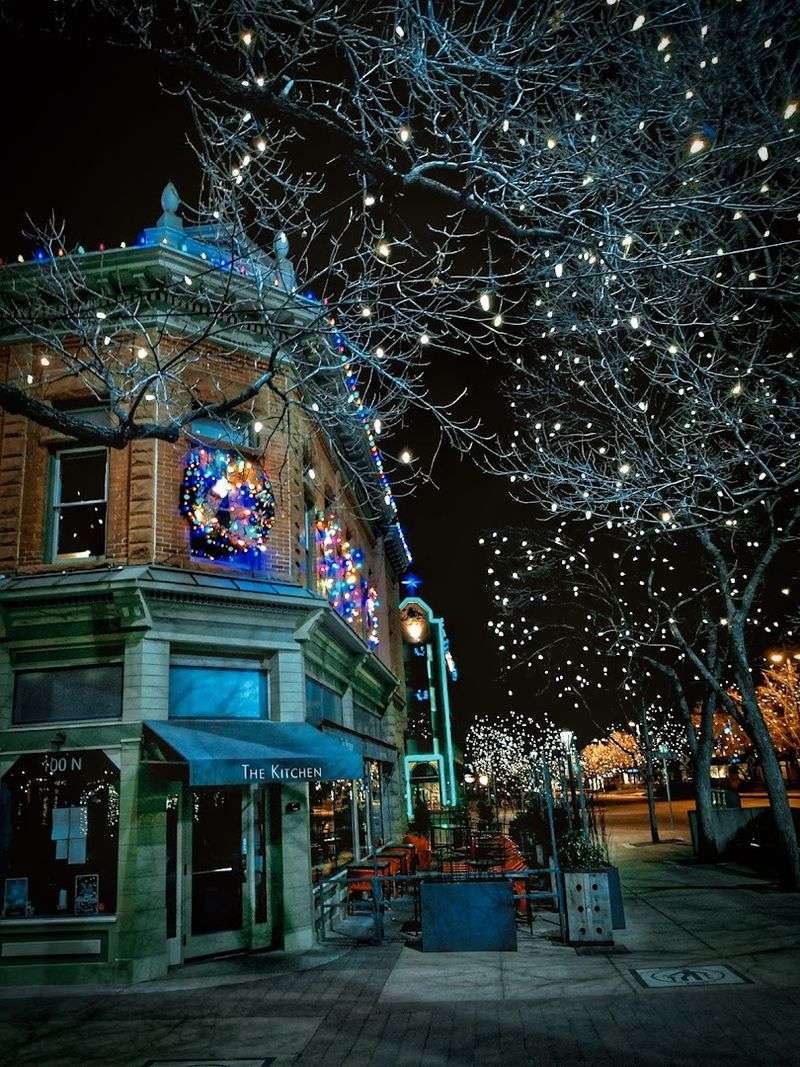
Old Town Square sits at the center of the district like a town’s living room, which is essentially what it is. Surrounded by shops and restaurants, the square features water features and sculptures that give it a sense of permanence without taking itself too seriously.
On any given afternoon, you will find people doing exactly what public squares were designed for: sitting, talking, watching the world move at a pace that does not require a calendar notification. Families spread out near the fountains while couples grab outdoor seating at nearby spots.
The square functions as Fort Collins’s natural gathering point, the kind of place where a spontaneous ten-minute stop reliably turns into an hour. It rewards lingering, which is genuinely rare in an era when most public spaces feel optimized for throughput rather than enjoyment.
Best For: Families with young kids who need room to roam, couples looking for a low-pressure afternoon, and solo visitors who want a front-row seat to small-town Colorado life without buying a ticket to anything.
The Armstrong Hotel: A Restored Classic
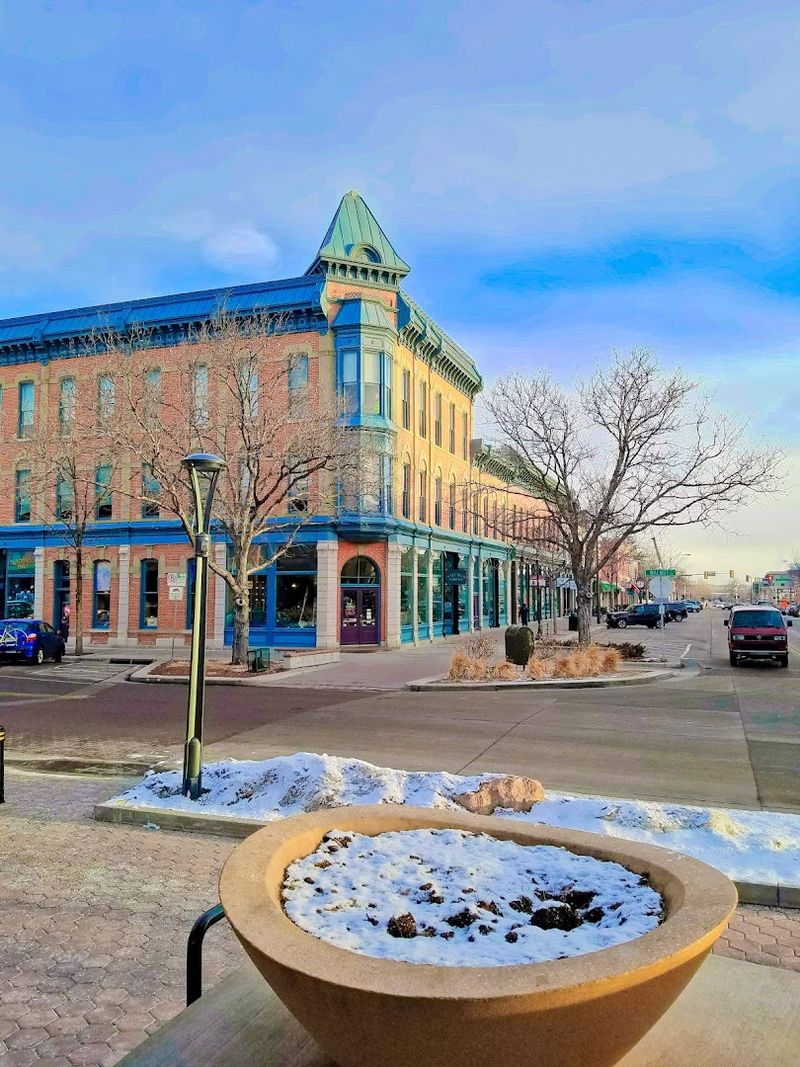
The Armstrong Hotel has been standing on College Avenue long enough to have watched Fort Collins grow from a frontier outpost into a thriving university city, and it has the bones to prove it. Fully restored, it sits along the main drag as one of the district’s most recognizable landmarks, a reminder that not everything old needs to be replaced to stay relevant.
Historic hotels like this one carry a particular kind of weight. The lobby alone tends to deliver more atmosphere per square foot than most new-build properties manage across their entire footprint.
Guests who stay here get the rare experience of sleeping inside a piece of the town’s actual timeline.
Even if you are not staying overnight, the Armstrong is worth a slow walk past. The restored exterior fits seamlessly into the streetscape that inspired Disney’s designers, making it easy to understand why this block felt like a working blueprint for something much larger.
Insider Tip: Stop and look up at the upper-floor architectural details on the Armstrong facade. The decorative brickwork and window proportions are exactly the kind of design elements that made Old Town Fort Collins a reference point for mid-century American nostalgia.
Town Pump Bar: Open Since 1909
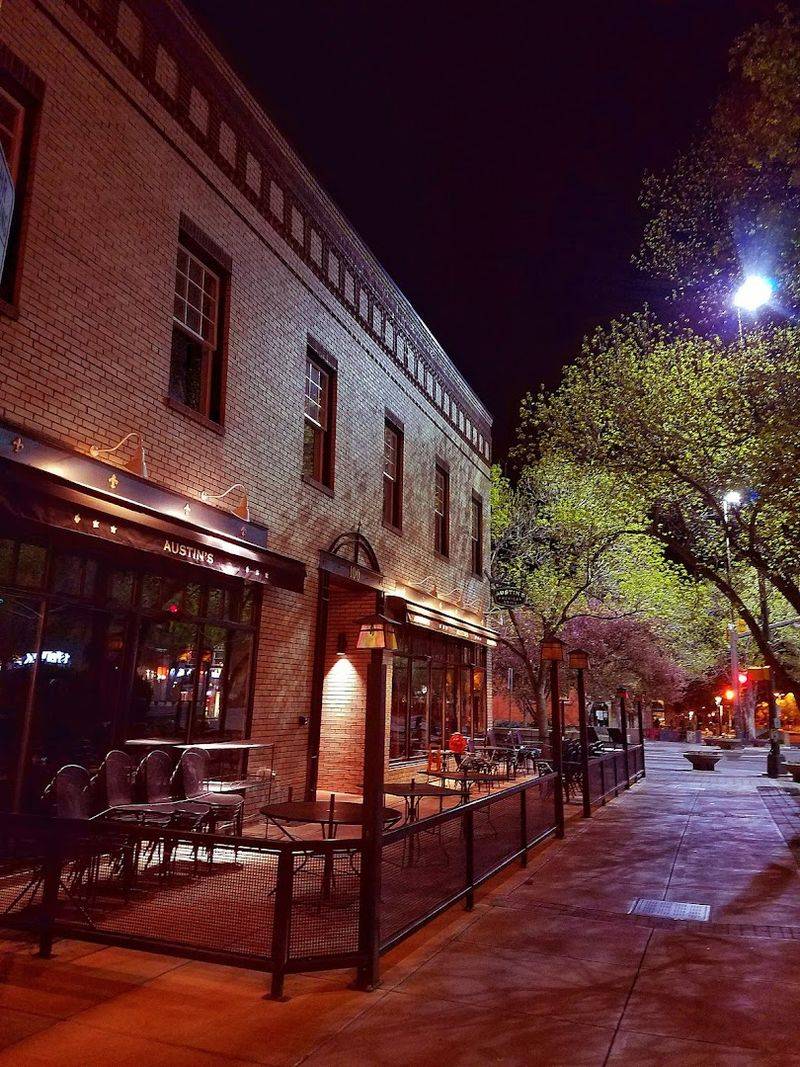
If a building could have tenure, the Town Pump would have earned it decades ago. Operating since 1909, it holds the kind of institutional status in Old Town Fort Collins that most establishments only dream about.
It is not a novelty or a themed recreation of something old. It is simply old, and still running.
Places with that kind of longevity tend to become community anchors whether they try to or not. The Town Pump has outlasted trends, recessions, and at least three generations of regulars, which is its own form of quiet credibility in a neighborhood already packed with history.
Walking past it on College Avenue, you get a sense of how the district has managed to hold onto its character through decades of change. The storefront fits the block as naturally as the brick beneath your feet, which is exactly the kind of continuity that makes Old Town feel less like a preserved relic and more like a living neighborhood.
Why It Matters: Establishments like the Town Pump are why Old Town Fort Collins still feels authentic rather than curated. Over a century of continuous operation is not something you can manufacture with a renovation budget and good intentions.
Aggie Theatre: Live Music Near Library Park

Tucked near Library Park, the Aggie Theatre has built a reputation as one of Fort Collins’s go-to venues for live music, particularly for local and regional artists who need a room with real atmosphere rather than just a stage and a PA system. The building fits the Old Town aesthetic without apology, brick exterior and all.
Live music venues of this scale occupy a specific and increasingly rare niche. They are large enough to create genuine energy in the room but small enough that you never feel like you are watching something on a screen from the back of an airplane hangar.
The Aggie sits comfortably in that middle ground.
For visitors exploring Old Town on a weekend, checking what is on at the Aggie adds a natural evening anchor to what might otherwise be a daytime-only trip. The proximity to Library Park also makes it an easy addition to a longer afternoon walk through the district’s southern end.
Planning Advice: Check the Aggie Theatre’s schedule before you finalize your Fort Collins trip. Pairing a live show with an afternoon spent exploring College Avenue and Old Town Square turns a casual day visit into a genuinely complete outing worth the drive.
College Avenue: The Main Street That Inspired Main Street
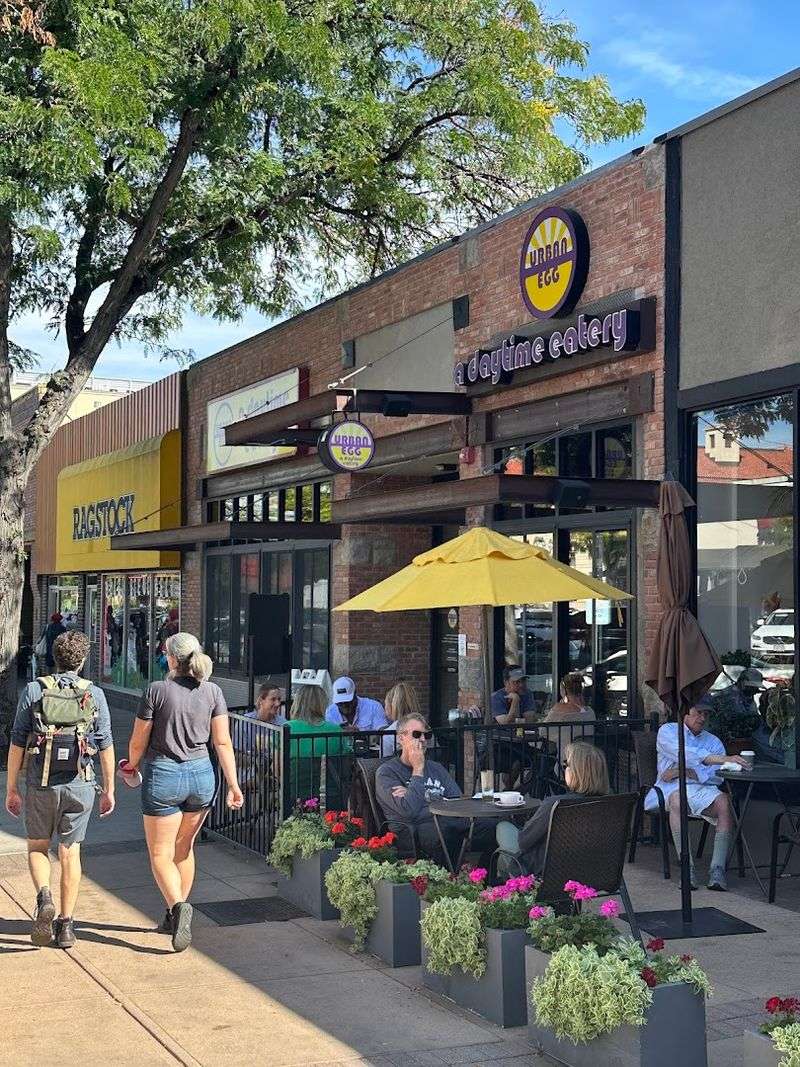
College Avenue is the spine of Old Town Fort Collins, and it earns that designation without any help from marketing language. The street runs through the historic district with the kind of confident, unhurried energy that most American main streets lost somewhere between 1975 and the invention of the big-box store.
Disney’s Imagineers are widely credited with drawing inspiration from Fort Collins when designing the scale and feel of Main Street, U.S.A. at Disneyland. Standing on College Avenue, that connection is not hard to see.
The proportions feel calibrated for people rather than cars, and the storefronts maintain a visual rhythm that pulls you forward without rushing you.
What makes College Avenue particularly interesting is that it functions as both a tourist destination and an actual working street. Locals run errands here.
Students cut through on bikes. The place has not been freeze-dried for visitors, which is precisely what keeps it from feeling like a theme park in its own right.
Quick Verdict: College Avenue is the single best argument for why Old Town Fort Collins deserves the Disney origin story it has earned. Walk it slowly, look up often, and try not to feel slightly smug about knowing the reference.
Library Park: Green Space with Old Town Character
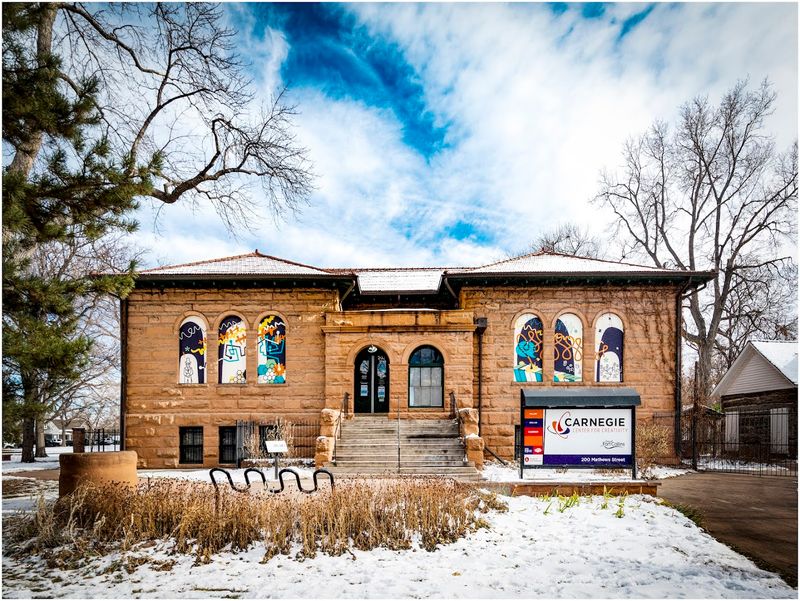
Library Park sits near the Aggie Theatre and offers one of those unassuming green spaces that quietly improves every neighborhood it touches. It is the kind of park that does not shout for attention but rewards anyone who wanders over with mature trees, open lawn, and a welcome break from the stimulation of the surrounding streets.
Parks adjacent to historic districts tend to absorb the character of their surroundings, and Library Park is no exception. The combination of old-growth trees and the nearby brick architecture gives it a grounded, unhurried quality that fits perfectly with the broader Old Town atmosphere.
For families, it functions as a natural pit stop between the square and the theatre district. Kids can run off energy while adults get a few minutes of actual stillness, which, if you have ever traveled with children under ten, you will recognize as the single most valuable amenity any destination can offer.
Best For: Families needing a reset between stops, solo visitors wanting a quiet bench and a decent view, and anyone whose feet have started to register an opinion about the amount of walking they have been asked to do on College Avenue.
The Disneyland Connection: More Than Just a Rumor
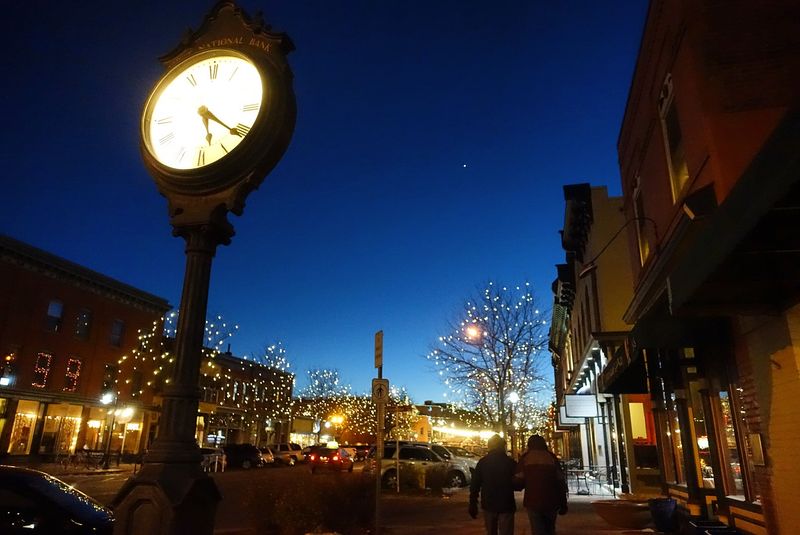
The story connecting Old Town Fort Collins to Disneyland’s Main Street, U.S.A. is one of those facts that sounds like a local tall tale until you actually stand on College Avenue and feel the evidence stacking up around you. Harper Goff, one of the lead designers on Disneyland’s Main Street, grew up in Fort Collins and drew heavily on his hometown memories when helping shape the park’s most famous thoroughfare.
That detail reframes the entire Old Town experience. You are not just walking through a well-preserved historic district.
You are walking through the source material for one of the most visited streets on the planet, which is a genuinely strange and wonderful thing to hold in your head while browsing a shop window.
The connection is also a reminder that the best design often comes from memory rather than invention. Goff did not need to fabricate a nostalgic American streetscape because he had already lived inside one.
Fort Collins handed him the blueprint, and he scaled it up for the world.
Fun Fact: Harper Goff was born in Fort Collins in 1911. His childhood memories of the town’s streets are considered a primary influence on the visual identity of Disneyland’s opening-day Main Street, U.S.A., which debuted in 1955.
Shopping and Browsing the Old Town Way
Shopping in Old Town Fort Collins operates on a different frequency than a mall. The stores here tend toward independent, specific, and occasionally surprising, the kind of places that carry things you did not know you wanted until you walked past the window and stopped involuntarily.
Old Town Square and the surrounding blocks host a mix of boutiques, specialty shops, and local businesses that give the district its retail personality. Nothing here feels mass-produced in the way that strip mall shopping inevitably does, which makes browsing feel more like exploration than obligation.
For visitors, the shopping experience doubles as a way to slow down and actually absorb the streetscape. You cannot rush through Old Town the way you rush through a parking lot.
The architecture demands a certain pace, and the shops reward it. That is not an accident.
It is what happens when a commercial district grows organically over more than a century rather than being planned in a single afternoon by a developer with a spreadsheet.
Common Mistakes to Avoid: Do not try to cover Old Town’s shops in a single hour. Block out at least a half-day, and leave room in your schedule for the stops you did not plan, because those tend to be the ones you remember longest.
Dining Around Old Town Square
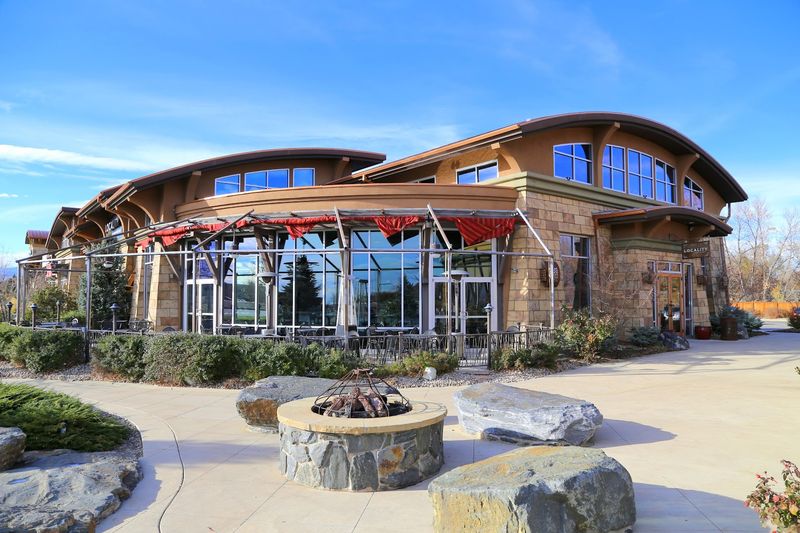
Restaurants in Old Town Fort Collins cluster around the square and along College Avenue with the density of a neighborhood that takes eating seriously. The variety runs from casual to sit-down, and the settings consistently benefit from the surrounding architecture in ways that newer dining districts simply cannot replicate.
Outdoor seating near the square is particularly worth targeting on a good weather day. There is a specific pleasure in eating lunch while watching people navigate a genuinely walkable American town, especially one that has managed to stay walkable without turning into a pedestrian mall caricature.
The dining scene here is also refreshingly local in character. Chain restaurants exist on the fringes, but the square and its immediate surroundings tilt heavily toward independent operators, which means the menus tend to reflect actual decisions rather than corporate standardization.
Quick Tip: Arrive for lunch slightly before the peak noon window if you want outdoor seating near the square. Old Town draws consistent foot traffic on weekends, and the best sidewalk tables fill up faster than they look like they should from half a block away.
A Weekend Itinerary That Actually Works

Fort Collins sits about an hour north of Denver, which puts it squarely in the range of a day trip that does not require an overnight bag but absolutely justifies one if you want to slow down properly. The drive up I-25 is straightforward, and arriving in Old Town requires no particular navigation heroics once you are in the city.
A working weekend itinerary might start with a morning walk down College Avenue before the late-morning crowd arrives, move into Old Town Square for a mid-morning stop, loop past the Armstrong Hotel and the Town Pump, and end up near Library Park and the Aggie Theatre by afternoon. That sequence covers the district’s main points without feeling like a forced march.
The beauty of Old Town is that it resists over-planning. The best moments here tend to arrive sideways, a shop you wander into, a square you sit in longer than intended, a building detail you stop to photograph.
Treat the itinerary as a loose suggestion rather than a contract with yourself.
Best Strategy: Park once near Old Town Square and walk everything from there. The district is compact enough that a car becomes a liability rather than an asset once you have arrived, and the streets reward pedestrian exploration at every turn.
Final Verdict: Why Old Town Fort Collins Deserves the Drive
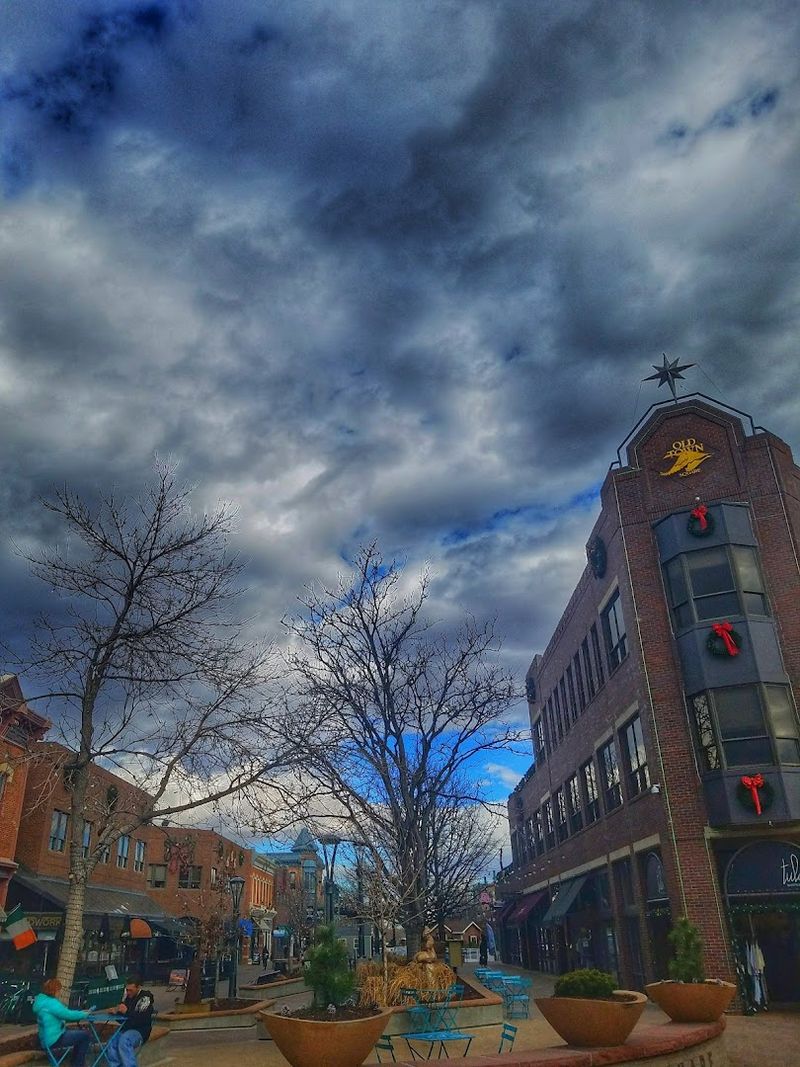
Old Town Fort Collins is the rare American destination that delivers on its reputation without requiring you to squint past any inconvenient reality. The historic district is genuinely well-preserved, the streets are genuinely walkable, and the Disney connection is genuinely true rather than a Chamber of Commerce stretch.
What makes it worth the drive is the combination of authenticity and accessibility. This is not a place that has been hollowed out and refilled with tourist infrastructure.
It is a functioning neighborhood that happens to also be beautiful, historically significant, and easy to spend a full day inside without once checking your phone out of boredom.
Whether you come for the Harper Goff connection, the live music at the Aggie, the brick architecture, or simply the pleasure of walking a main street that has not been bulldozed and rebuilt since the Eisenhower administration, Old Town Fort Collins rewards the trip with the kind of quiet confidence that only genuinely good places manage to project.
Key Takeaways: Come for the Disneyland backstory, stay for the walkable streets, the independent shops, the historic hotels, and the rare feeling that some American towns got something right the first time and had the good sense not to fix it.