
This Illinois Nature Preserve Attracts Photographers From Around The Region During Nesting Season
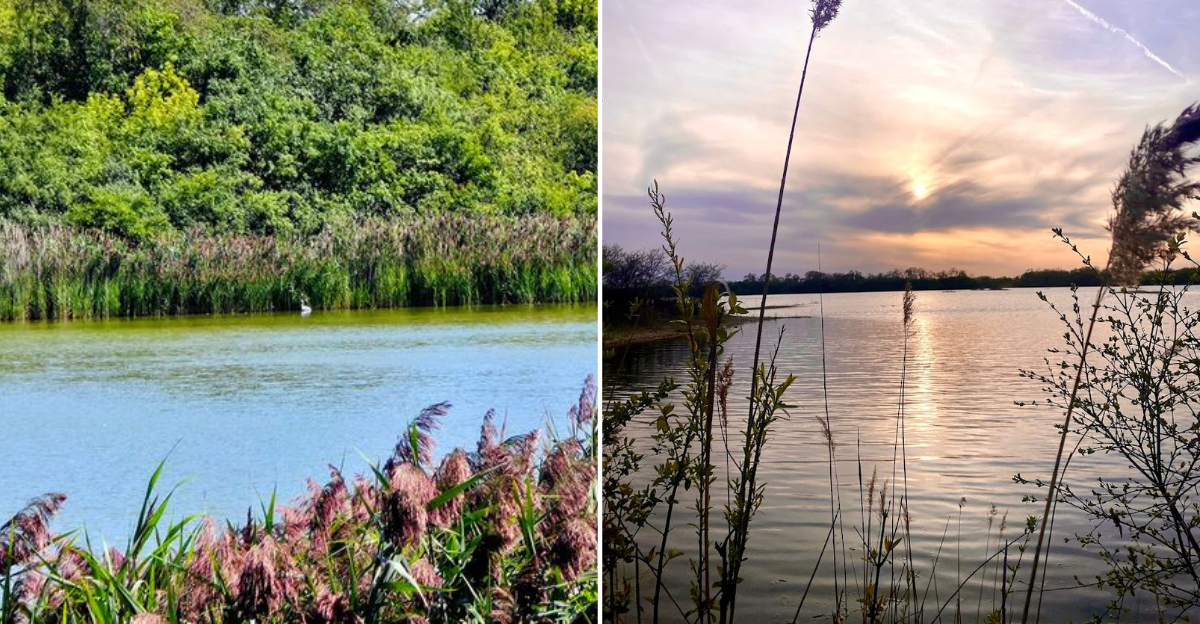
I pulled into a gravel lot off Renwick Road one spring morning, camera bag over my shoulder, not entirely sure what to expect. What I found was one of the most quietly spectacular wildlife experiences in all of northeastern Illinois.
Hundreds of great blue herons and egrets were perched in treetops, calling out, building nests, and putting on a show that would make any nature lover stop in their tracks.
This place draws people who are willing to wake up early and drive farther than planned, just to stand still and watch.
It earns that kind of effort without trying.
A Rookery Of Remarkable Scale
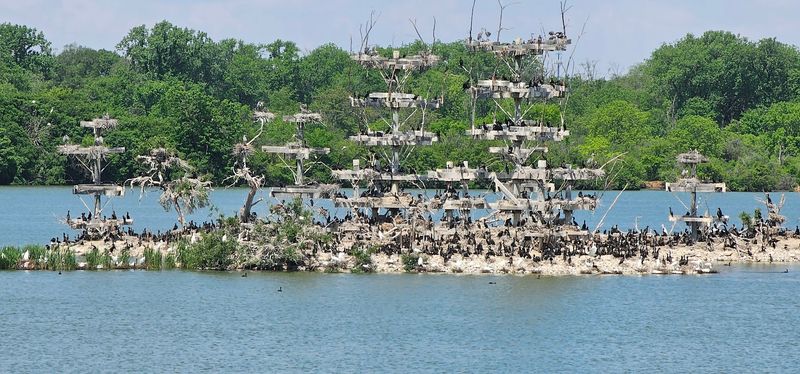
When people hear the word “rookery,” they might picture a handful of birds in a single tree. At Lake Renwick, the reality is on a completely different level.
This preserve hosts one of the largest rookeries in Illinois, with hundreds of nesting waterbirds including great blue herons, great egrets, and cormorants returning year after year to nest on islands and structures within the lake.
The sheer volume of activity during nesting season is almost hard to process. Nests are stacked in clusters, adults are constantly flying in and out, and the noise is a surprisingly rich soundtrack of croaks, wing beats, and splashing water.
The preserve itself covers 839 acres, giving the birds plenty of undisturbed habitat to raise their young. For photographers especially, this scale means there is always something happening in the frame, no matter where you point your lens.
Why Photographers Make The Drive
There is a reason photographers drive from across the Chicago region, and even from neighboring states, to set up their tripods here. The combination of a large nesting colony and designated viewing opportunities creates ideal shooting conditions, especially during scheduled public viewing programs in nesting season.
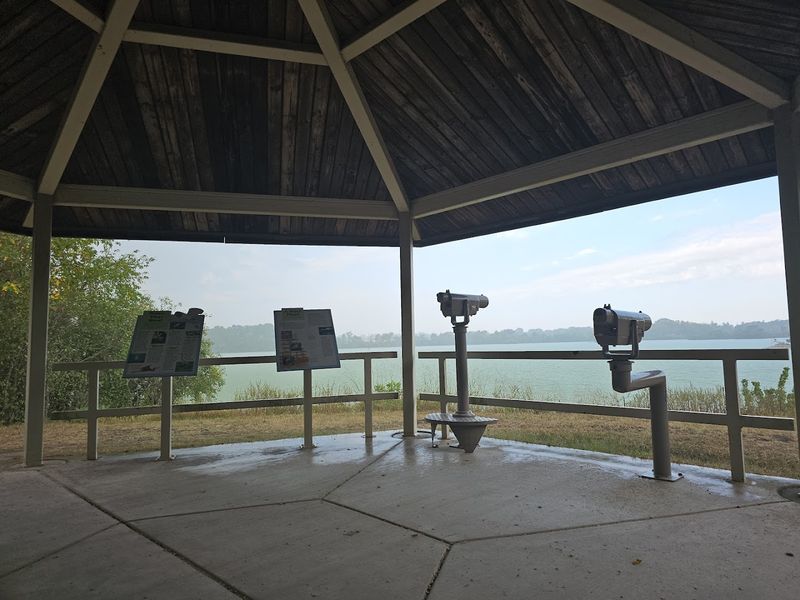
The preserve includes designated viewing areas with mounted spotting scopes and guided viewing opportunities that allow visitors to observe nesting activity without disturbing the birds.
The mostly flat crushed limestone trails at the rookery, along with nearby paved paths in other parts of the preserve, make it relatively easy to carry gear.
Morning light hits the lake and treetops in a way that makes golden-hour shots almost effortless. Experienced wildlife photographers know that predictable subjects in good light with reliable access is a combination worth a long drive.
Lake Renwick Heron Rookery Nature Preserve at 23202 W Renwick Rd, Plainfield, IL 60544 delivers all three in one location.
The Seasonal Rhythm Of The Preserve
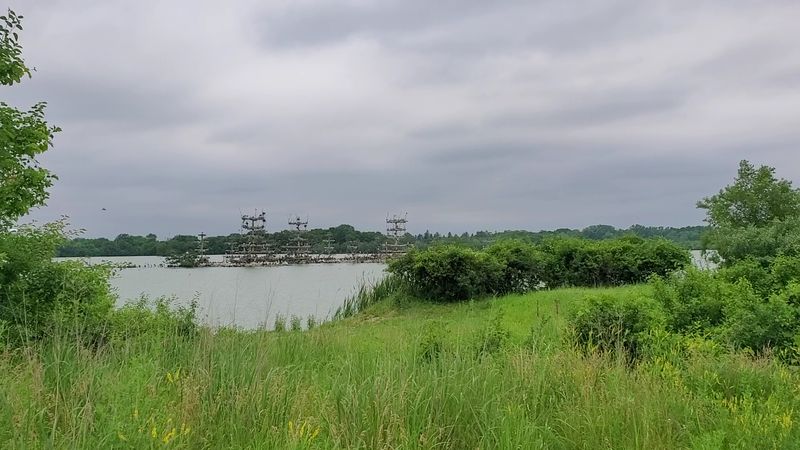
Timing your visit to Lake Renwick is everything. The rookery comes alive in late winter and early spring, when the herons begin returning to claim their nesting spots before the trees even leaf out.
This bare-branch window is actually a photographer’s dream, because the birds are completely visible against the open sky.
Nesting season runs roughly from late February through early summer, and during that peak period, the energy at the preserve is electric. Adults are constantly ferrying sticks to reinforce nests, chicks eventually appear at the nest edges, and the whole colony operates like a busy, chaotic neighborhood.
By late summer, the birds begin dispersing, and the preserve transitions into a quieter mode perfect for peaceful walks and fall foliage appreciation. Each season offers something distinct, which is why so many visitors make multiple trips throughout the year rather than treating it as a one-time stop.
Great Blue Herons Up Close
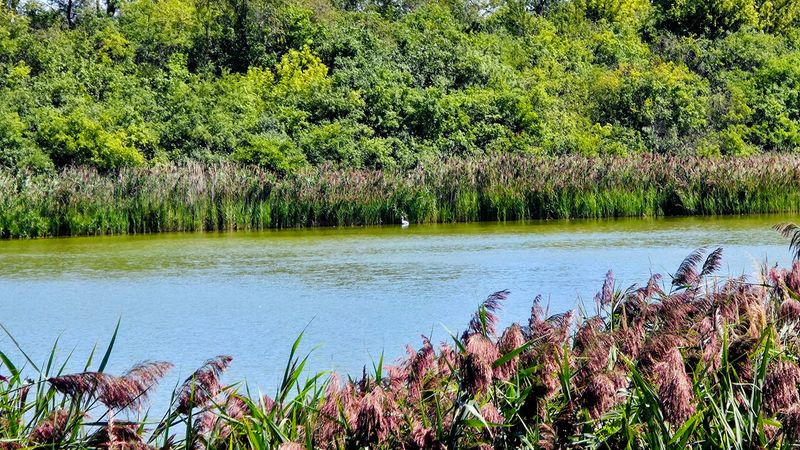
Great blue herons are genuinely impressive birds, and seeing them at close range changes the way you think about Illinois wildlife. Standing nearly four feet tall with a wingspan that can stretch close to six feet, they carry themselves with a slow, deliberate confidence that makes them magnetic to watch.
At Lake Renwick, the herons are accustomed to the presence of quiet visitors, which means they often go about their business without much concern for the humans watching from the trails and platforms. That calm tolerance is what makes observation and photography here so rewarding.
Their pale gray-blue feathers, long black head plumes, and dagger-like yellow bills give them a prehistoric quality that feels right at home over a wetland lake. Watching one lift off from the water with slow, powerful wingbeats is one of those small moments that has a way of staying with you long after you leave.
Egrets And Other Resident Birds
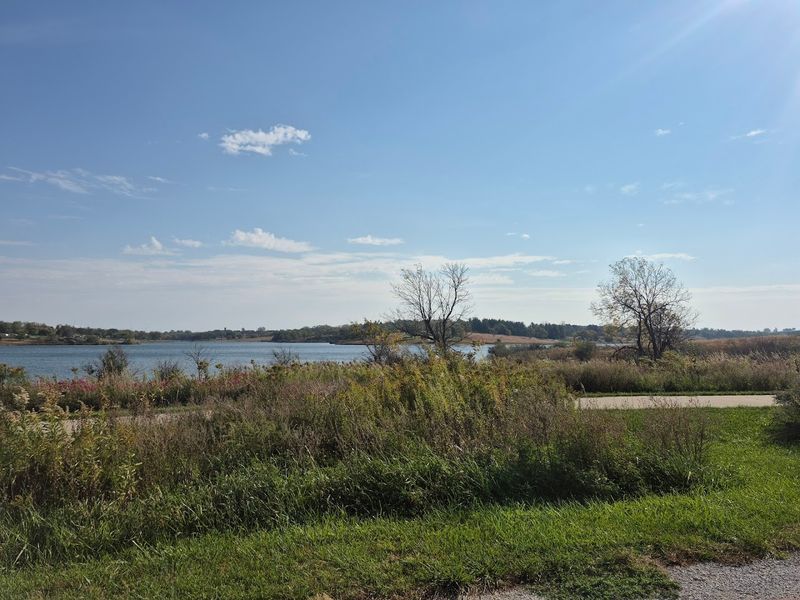
The herons get most of the attention, but they share the preserve with a supporting cast of birds that is worth paying close attention to. Great egrets nest alongside the herons in impressive numbers, their brilliant white plumage standing out sharply against the green and gray of the treetops.
Snowy egrets, double-crested cormorants, and various waterfowl also call the lake home during different parts of the year. During spring migration, the preserve can feel like a layover lounge for dozens of species passing through the region, which keeps serious birders coming back with their checklists ready.
On one of my visits, I spotted what appeared to be a bald eagle perched on a nesting platform structure, completely unbothered by the herons nearby.
That kind of unexpected encounter is part of what makes a visit here feel less like a scheduled activity and more like a genuine adventure with a genuinely unpredictable cast of characters.
The Trails And Walking Experience
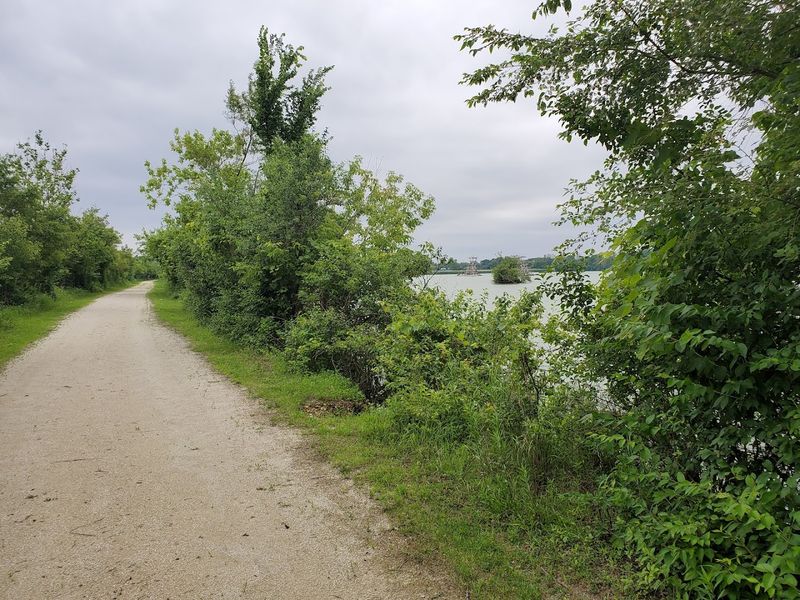
One of the things that surprised me most about Lake Renwick was how genuinely pleasant the trails are for casual visitors, not just hardcore birders.
The paths are mostly flat and well-maintained, with sections of asphalt that make the walk comfortable even for families with young kids or visitors who prefer easy terrain.
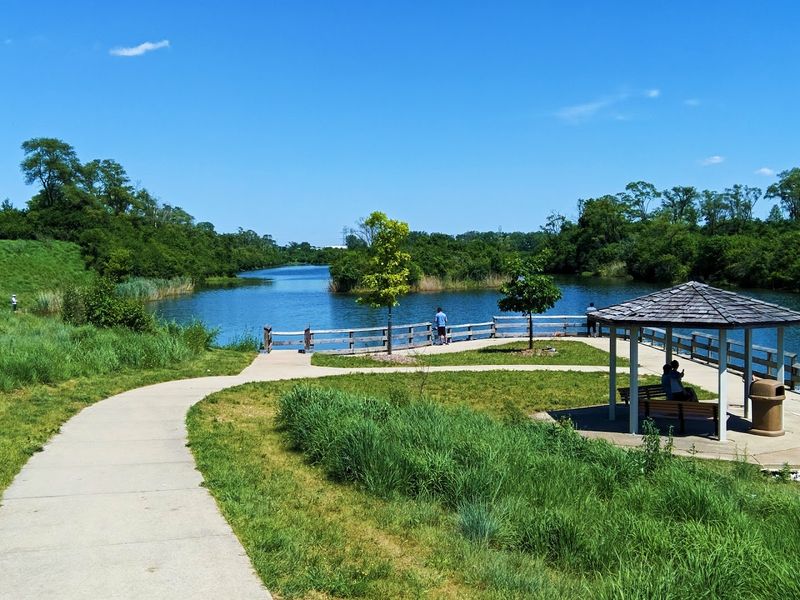
The trail network winds around the lake and through wetland areas, offering changing views and multiple points where you can pause at benches or overlooks to take in the scenery. Two gazebos on the grounds provide shaded spots to sit, unpack a lunch, and watch the birds without rushing.
The gravel sections of the trail add a satisfying crunch underfoot and blend naturally into the surrounding landscape. The whole loop does not take very long to complete, but most people end up lingering far longer than planned, because there is always something new happening just a little further down the path.
Important Rules That Protect The Birds
Before planning a trip, there are a few preserve rules that are worth knowing upfront, because they exist for very good reasons. Dogs are not permitted on the trails at Lake Renwick, and bikes are also prohibited in the preserve, which surprises some first-time visitors who are used to multi-use paths at other parks.
The most significant seasonal restriction is that the bird viewing area near the rookery is closed to the public from March 1 through August 15 each year. This protects the herons and egrets during their most vulnerable nesting period and helps ensure the colony remains healthy and undisturbed year after year.
The other trails remain open during this period, so a visit is still worthwhile even when the rookery area is off-limits.
Checking with the Forest Preserve District of Will County or reviewing the official event calendar before a dedicated photography trip is a smart way to confirm current access conditions and scheduled viewing opportunities.
The Wetland Ecosystem That Makes It All Work
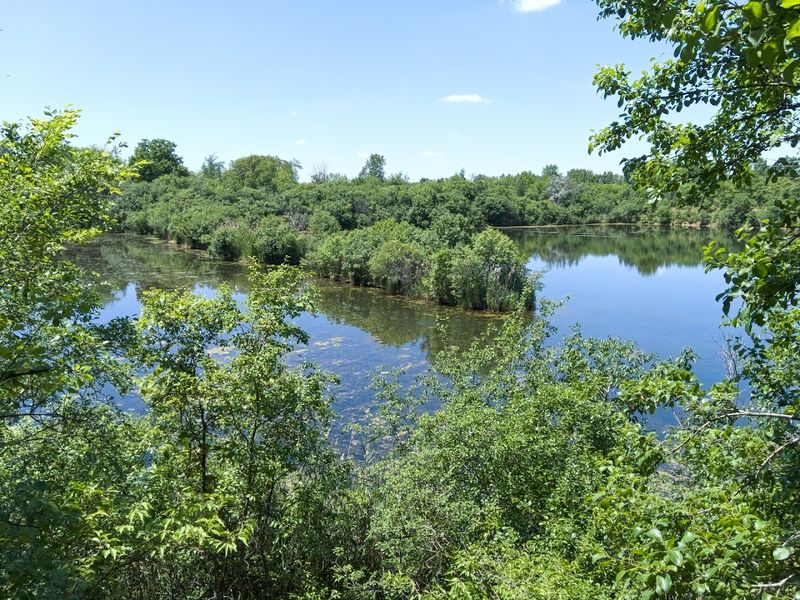
The birds do not show up at Lake Renwick by accident. The 839-acre preserve has been protected and managed specifically to support the kind of wetland habitat that colonial nesting waterbirds need to thrive.
The lake itself is large and shallow in key areas, which makes it ideal feeding territory for herons and egrets hunting fish and frogs.
Wetland margins with emergent vegetation provide cover for smaller birds and amphibians, while the mature trees surrounding the water offer the elevated nesting platforms the herons prefer. This layered ecosystem supports a food web that keeps the whole colony fed and productive season after season.
Will County has invested in preserving and restoring this landscape over many decades, and the results are visible in the health and size of the rookery.
Managed by the Forest Preserve District of Will County, the preserve is a model for how protecting wetland habitats can yield wildlife experiences that attract visitors from well beyond the immediate region.
Best Times To Visit For Stunning Photos
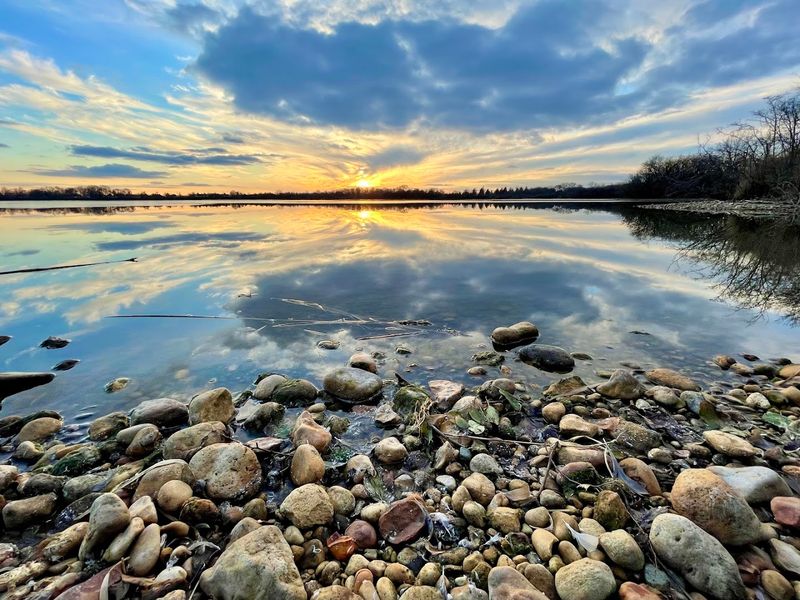
If photography is your main reason for visiting, a few timing strategies can make a real difference in what you come home with. Early morning visits during late February and March offer the best combination of active birds, soft light, and minimal crowds on the trails.
Arriving around sunrise gives you the chance to catch herons returning to nests, adults performing courtship displays, and the occasional dramatic takeoff silhouetted against a pale sky. Mist often rises off the lake in cool mornings, adding atmosphere to any shot almost automatically.
Weekday visits tend to be quieter than weekends, which matters when you want to move slowly and wait patiently for the right moment without feeling like you are blocking the path.
Fall visits, while the rookery area may be winding down, offer spectacular foliage color reflected in the lake surface. No matter when you go, bringing binoculars alongside your camera ensures you catch details that a lens alone might miss.
What To Bring And How To Prepare
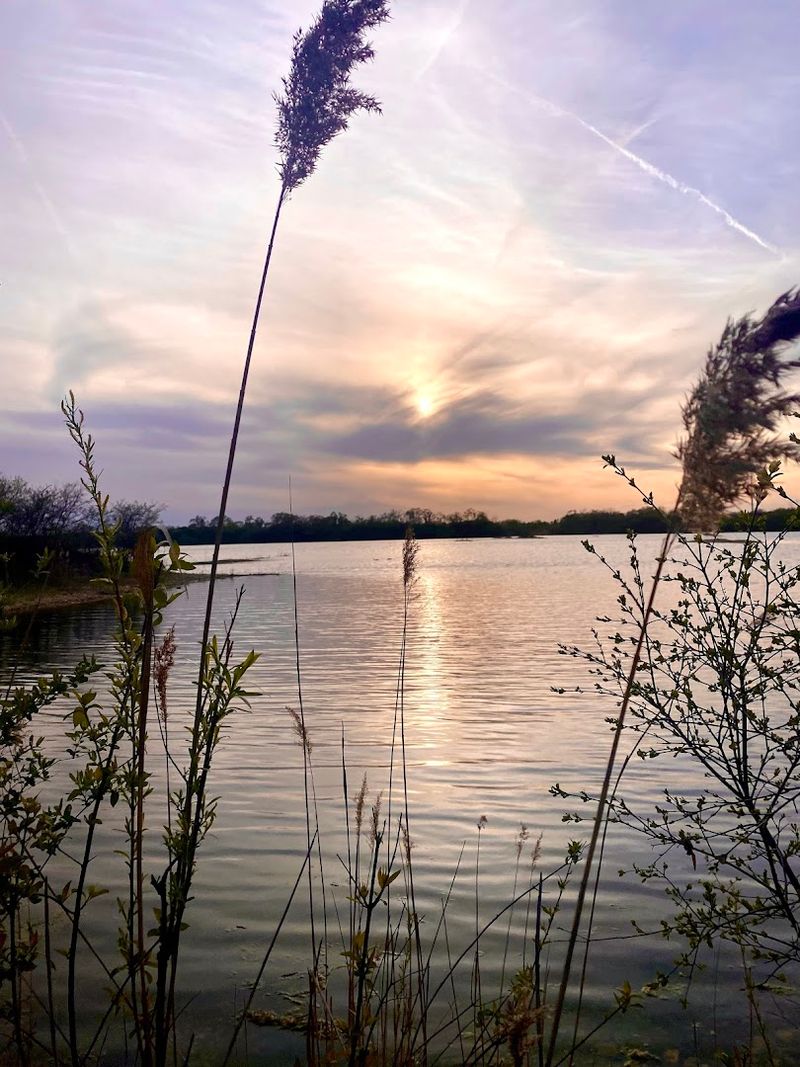
A little preparation goes a long way toward making a visit to Lake Renwick genuinely enjoyable rather than just adequate. Comfortable walking shoes are a must, even though the trails are flat, because you will want to be on your feet for an extended stretch without thinking about your footwear.
Binoculars are arguably more important than a camera for first-time visitors, since they let you appreciate the full detail of the birds without needing to close the distance.
A long telephoto lens, ideally 400mm or longer, is the standard recommendation for anyone serious about bird photography at this preserve.
Insect repellent is a smart addition to your bag from late spring onward, since wetland environments are hospitable to mosquitoes in warm weather.
The preserve has restroom facilities on site, and there are picnic areas with benches and a manicured lawn for a relaxed midday break. Packing a lunch means you can spend an unhurried day without needing to leave for food.