
11 Massive Flea Markets In Michigan That Feel Better Than Costco To Bargain Hunters
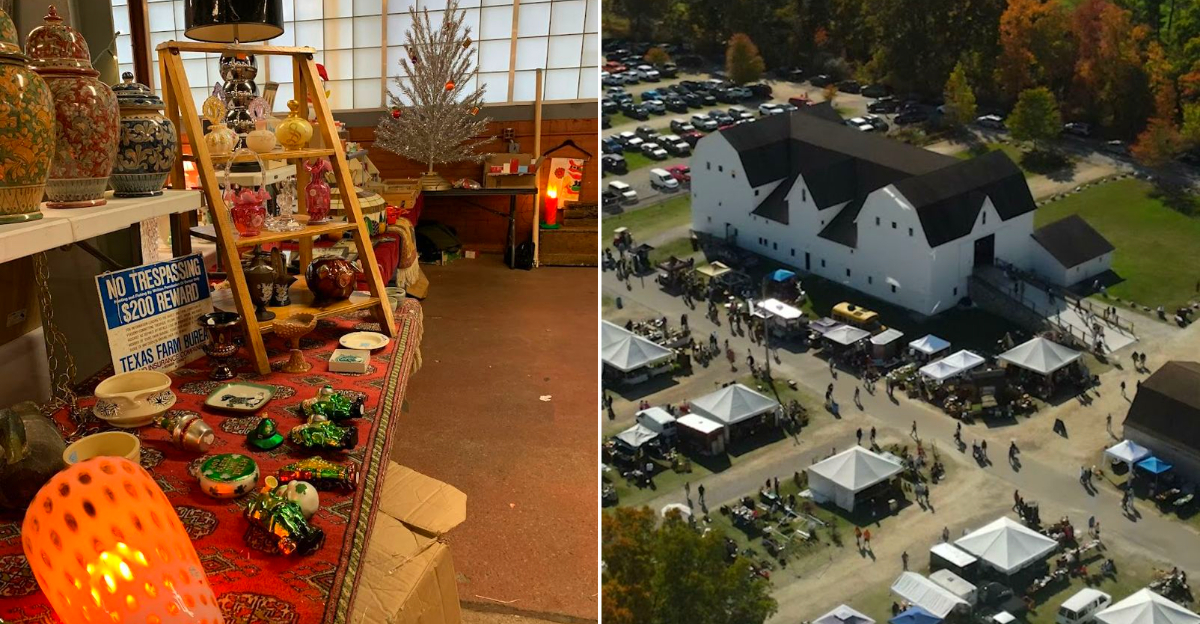
If you’re still scrolling through overpriced, “hand-picked” digital marketplaces for a piece of history, you’re missing the soul of the hunt. I’m talking about that caffeinated, 7:00 AM rush onto a Michigan fairground where the air smells like wet grass and vintage oil.
There’s a raw, beautiful honesty in a squeaky cart rattling over concrete, and frankly, if you aren’t willing to dig through a bin of rusted midcentury silhouettes to find that one unrepeatable treasure, you probably don’t deserve the find.
Michigan’s industrial relics and sun-bleached lakeshore barns hold the kind of unrepeatable vintage scores that make modern furniture look like disposable trash.
Let’s be real: if you aren’t haggling, you’re just a tourist. I’ve seen people pay full sticker price for a cast iron skillet that’s seen better days, and it physically pains me. Is a little dust and a firm “is that your best price?” really too much for the modern collector, or have we just lost our edge?
1. Michigan Antique Festival, Midland
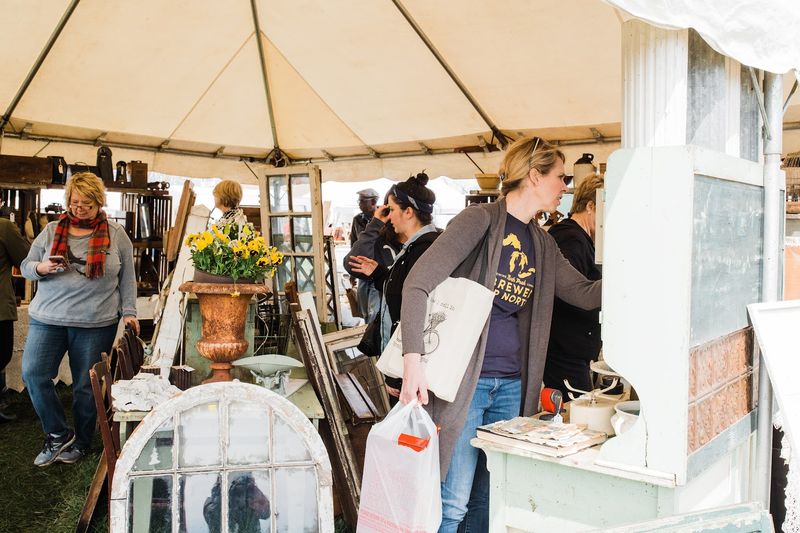
Saturday smells like kettle corn and cold-cut grass at the Midland County Fairgrounds, where Michigan Antique Festival fills multiple barns and outdoor rows. Dealers haul in farm primitives, advertising thermometers, enamelware, and the kind of industrial lights that make lofts glow.
Old signs lean against rough tables, and weathered trunks sit open like stage props from another era. Midcentury teak rubs shoulders with Depression glass, while crate-diggers flip through LPs beside bins of hardware. This festival’s history stretches back decades, and the scale keeps it friendly to wanderers who like getting lost.
You can drift from polished collectibles to dusty oddities without ever feeling pushed along too fast by the crowd. Start early, because the best farmhouse stools and sleds disappear with the morning fog. Park once, loop the barns, then circle outside again after lunch for fresh restocks.
Cash speeds haggling, and a small tape measure earns quiet respect. Wear comfortable shoes, because the gravel paths and long rows can quietly turn a casual browse into an all-day hunt.
2. Michigan Antique Festival, Davisburg
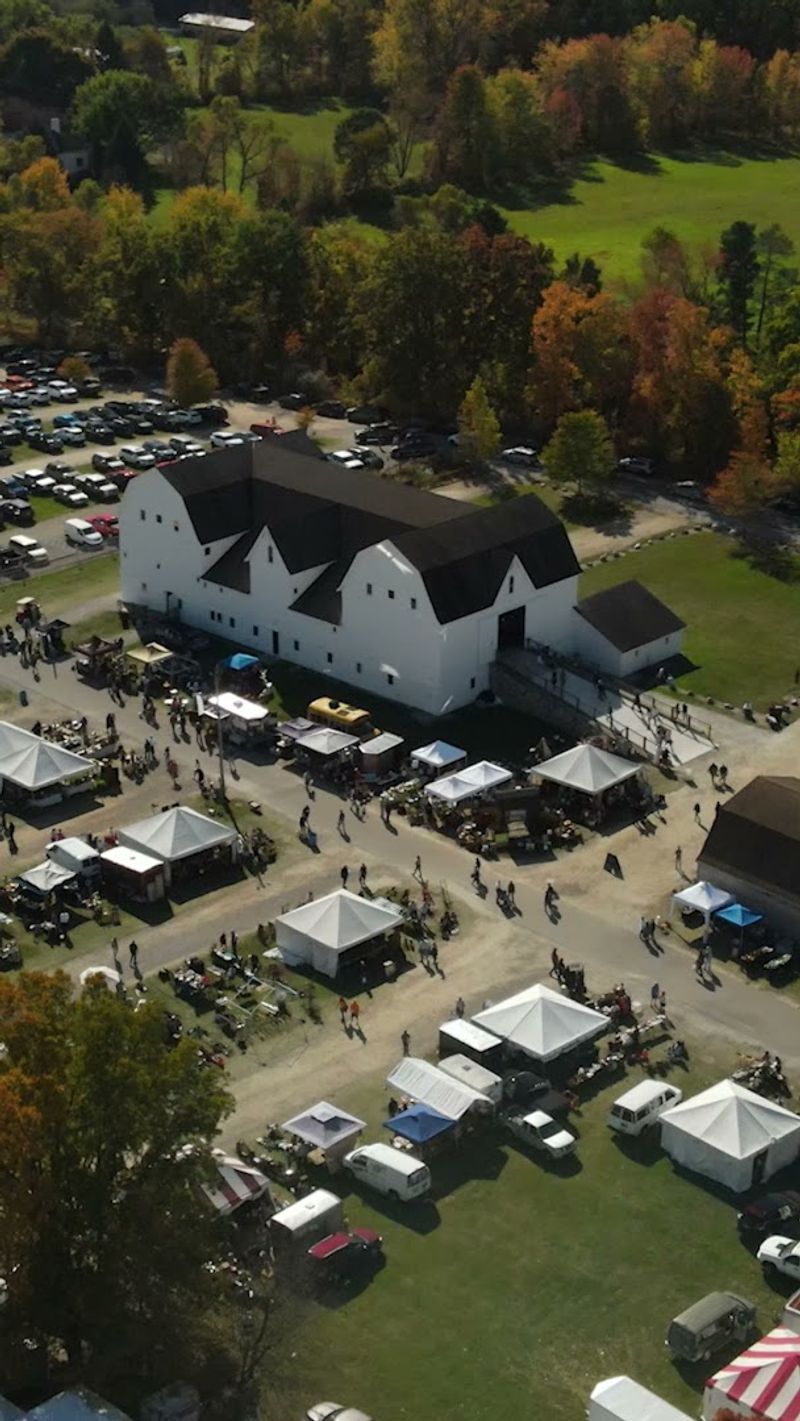
Springfield Oaks County Park turns into a moving encyclopedia of stuff during the Davisburg edition. Barns hold fine glass and oil paintings, while outside rows lean toward barn finds, garden iron, and reclaimed lumber.
Old doors, weathered benches, and rusted tools seem to appear around each corner like footnotes from another century. You hear tape measures snap shut and the clink of hardware as dealers talk provenance without fuss. The site’s historic fair buildings give the hunt a lived-in backdrop, preserved wood beams arching over tables of ephemera.
That setting makes even small discoveries feel grounded, as though every object arrived carrying its own quiet regional history. I plan a two-pass strategy here, first for big pieces, then for smalls I missed while gawking. Wear layers, because breezes funnel between sheds, and bring a wagon.
If you collect signage, ask about backstock in trucks parked just beyond the main alleys. Late morning is especially good for second looks, when dealers have settled in and are more open to practical conversation.
3. Dixieland Flea Market, Waterford
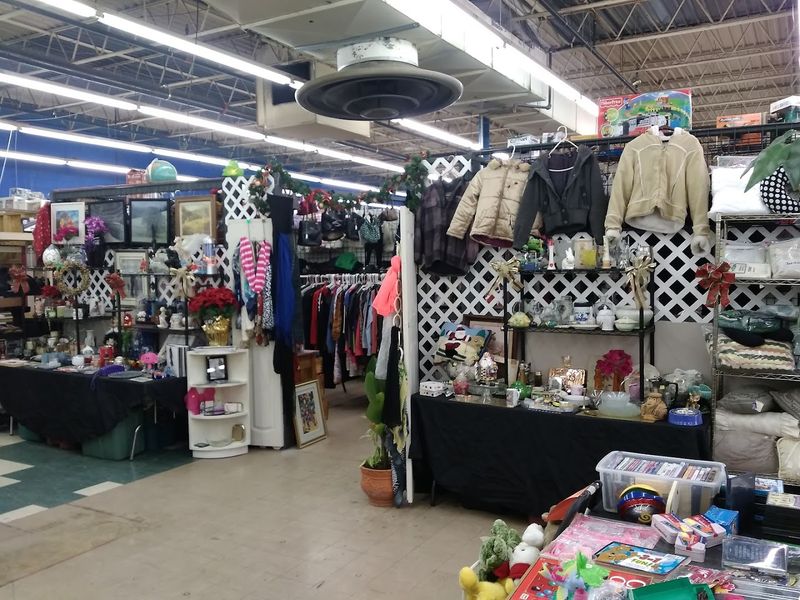
Under bright lights and long aisles, Waterford’s legendary Dixieland cultivated that everything-under-one-roof energy. Think record bins, coin cases, tools, toys, and oddball electronics, with snack counters fueling loops through the maze.
The atmosphere skewed friendly and fast, where bargaining felt like a handshake conversation rather than theater. For decades, weekends set the rhythm, with rotating vendors keeping shelves from going stale. Check current status and hours before you go, as ownership and tenant shifts occasionally reshape the layout.
If open, arrive near start time, skim high-traffic booths, then duck into niche corners for overlooked gems. Bring small bills, confirm power-on tests for electronics, and carry a padded tote if vintage glass tempts you.
4. Greenlawn Grove Flea Market, Romulus
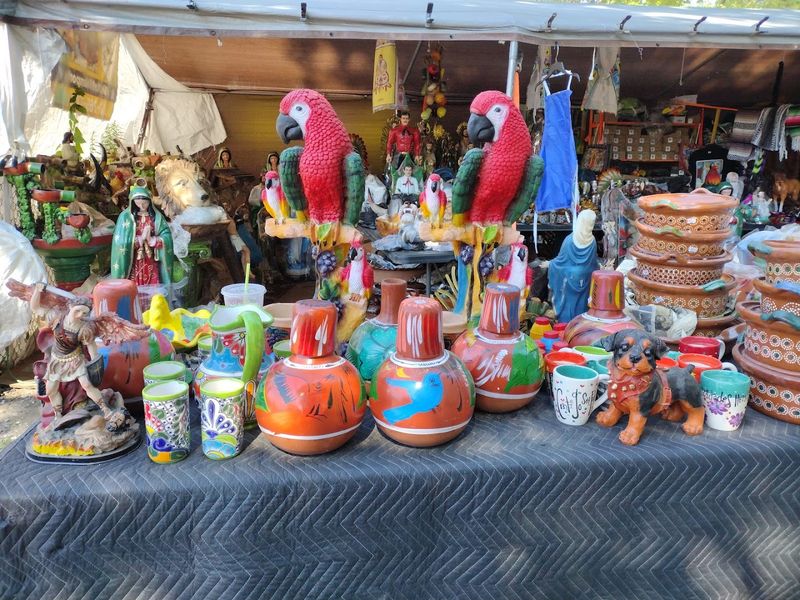
Sunday mornings rise with coffee steam and early-bird chatter at Greenlawn Grove. Rows of canopies stretch across gravel, where tool buckets sit beside costume jewelry and boxes of Detroit sports swag. The soundtrack is simple: hangers clacking, price whispers, and a plane in the distance.
The whole place settles into its own rhythm quickly, neither polished nor chaotic, just busy enough to make every table feel like it might still hold something worthwhile. Romulus has hosted this market for years, leaning locals-only in the best way. I bring a pocket magnet here for quick metal tests and scoop vintage sockets before mechanics clock in.
That small bit of preparation helps, because the best practical finds often disappear early, while decorative items usually give you a little more time to think. Parking is straightforward, but shade is precious, so toss sunscreen and water into your bag.
Skip the last-minute dash; instead, make a mid-morning lap after vendors unearth second boxes. Cash talks, and exact change keeps negotiations smooth. A slower second pass often pays off, especially when sellers start rearranging tables and the hidden items finally make their way into view.
5. Royal Oak Antiques & Collectibles Flea Market, Royal Oak
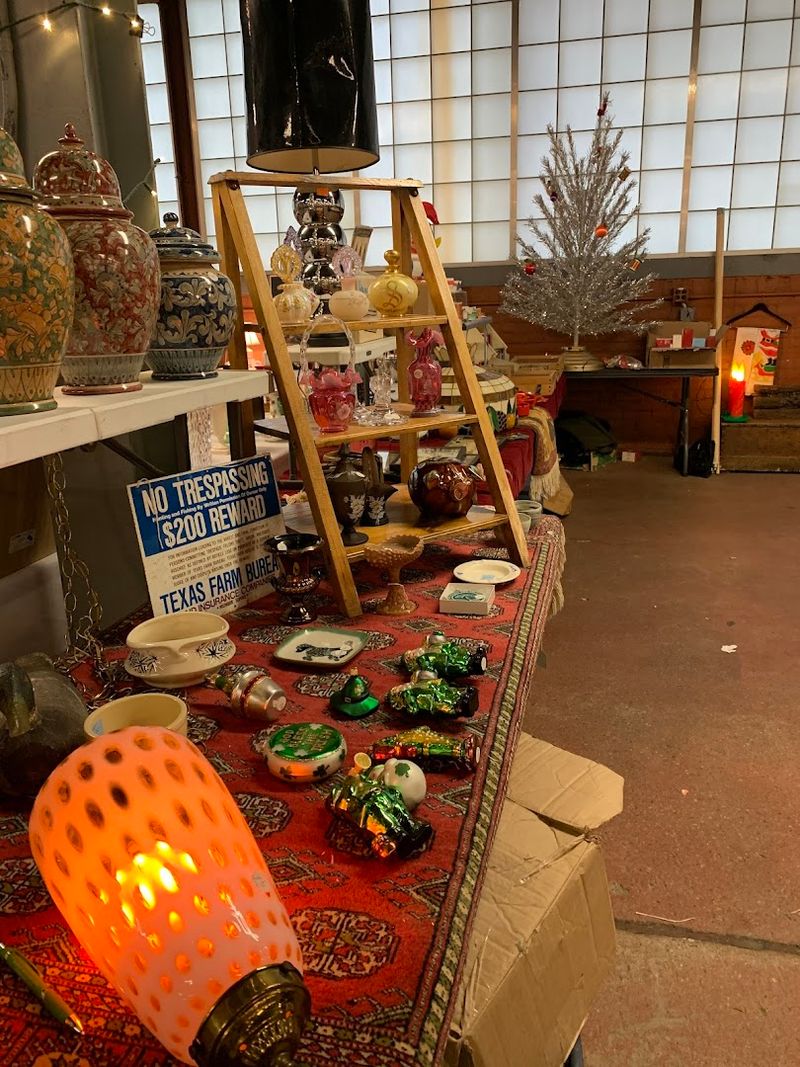
Quiet light pours through the Royal Oak Farmers Market hall, today reset for antiques and collectibles. Tables bloom with Bakelite, Pyrex, art books, and small furniture that actually fits apartment elevators. The crowd is focused but unhurried, a city market cadence with room for real conversations.
That balance is part of the appeal, because the floor feels active enough to stay interesting without becoming so crowded that you stop noticing the details. The market’s roots run deep in the community, and the building’s midcentury bones feel respectfully maintained. Ask dealers about restoration techniques; many can explain finishes and rewiring choices in plain English.
Those short conversations often add real value, especially when you are deciding whether a piece is charmingly worn or heading toward more repair than it is worth. Arrive with dimensions for that credenza you keep imagining against the brick wall.
Street parking rotates quickly, and ATMs are close, but cash sweetens your leverage. Bubble wrap is sold inside, though a folded blanket doubles nicely. A second lap usually pays off here too, because one overlooked piece can start making much more sense after you have seen the rest of the room.
6. Michigan Flywheelers Flea Market, South Haven
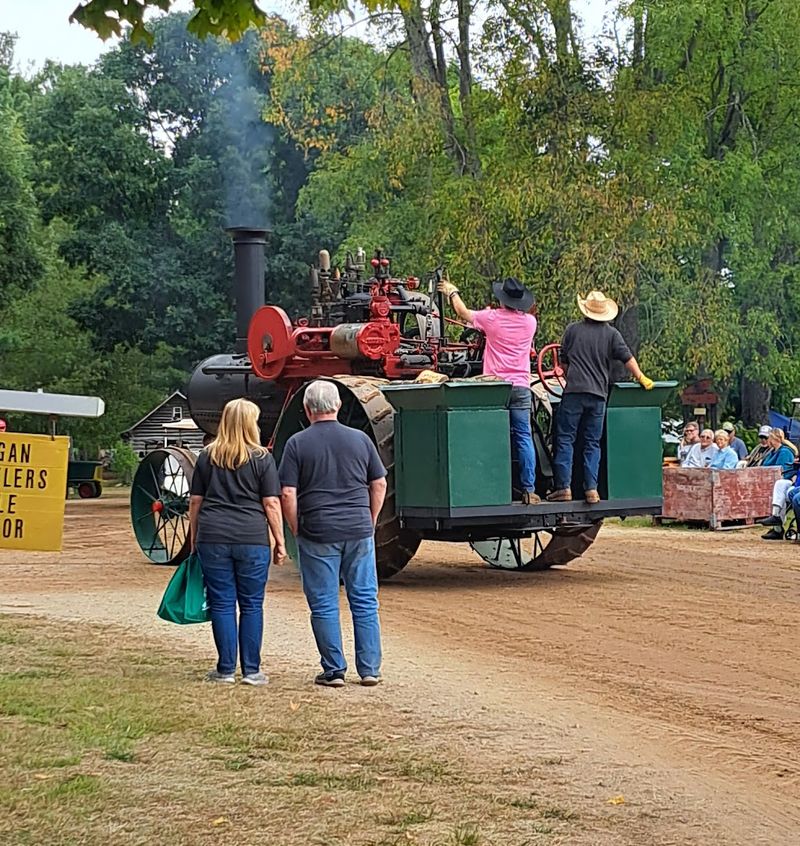
Here the smell is part gasoline, part hot donuts, and wholly irresistible. The Flywheelers grounds buzz with antique engines chuffing as vendors lay out farm tools, cast iron, and boxes of barn hinges. You browse while engines puff rhythm, learning terminology by osmosis.
This organization preserves agricultural history with hands-on demonstrations and a working sawmill, so the flea feels inseparable from the museum spirit. Plan your visit during major shows, when vendor counts surge and parts hunts turn serious.
Wear boots, because fields can go soft after rain. Ask about provenance on forged pieces, and bring measurements for stove lids or pulleys. Even non-collectors leave with enamel numbers or a perfect orchard basket.
7. Armada Flea Market, Armada
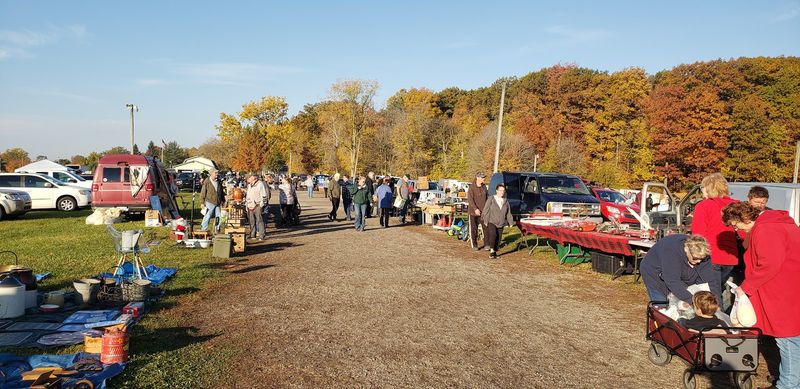
Sunrise brings pickup trucks to the Michigan Armada Fairgrounds, tailgates dropping to reveal produce crates, rusty tackle boxes, and Grandpa’s socket sets. The mix is blue-collar practical and unexpectedly sentimental, with quilts and postcards bridging eras.
Conversations carry across the track while birds work the infield. The whole place feels like a rolling archive of useful objects, family leftovers, and small surprises waiting under folding tables. The fairgrounds’ seasonal rhythm shapes habits here, and regulars know which barns open earliest.
I start by the tools, then loop for ceramics after the first wave thins. Parking is simple but spread out, so mark your row with a photo.
Bring cash, a flashlight for peering into boxes, and patience for delightful tangents. A late pass can be rewarding, especially when sellers bundle near pack-up time. That final stretch often turns browsing into bargaining, with the best stories sometimes attached to the cheapest finds.
8. Shed 5 Flea, Detroit
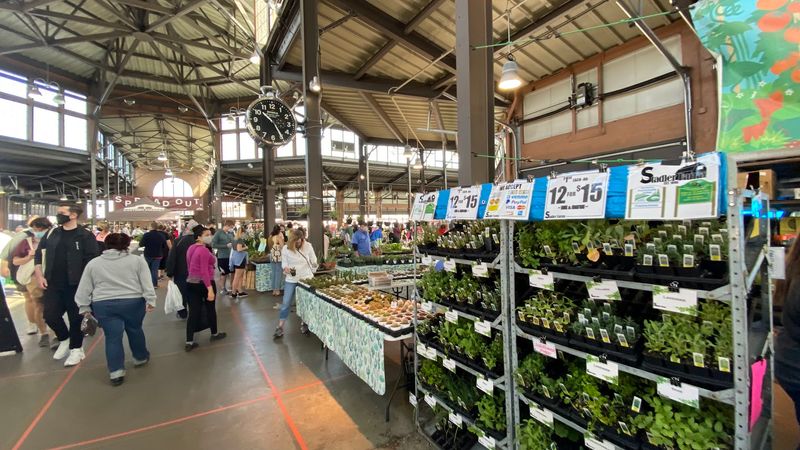
Detroit’s Eastern Market district adds murals, roasted coffee, and that brick-and-steel hush to Shed 5 Flea. Vendors skew curated: vintage denim, plants, small-batch candles, and well-selected furniture pieces that travel easily.
The vibe is design-forward without losing the thrill of chance. It feels edited, not random, which helps the browsing stay exciting without tipping into the kind of overload that makes everything start to blur together.
This pop-up runs on select dates, borrowing the historic shed’s industrial bones, a preservation story you can feel underfoot. Check announcements and go early, because lines form and parking fills around the market sheds. Card readers are common, but cash still nudges prices.
Grab a pastry first, then circle back for the chair you could not stop imagining. If in doubt, measure twice; Detroit apartments have sneaky stairwells. A second lap usually helps too, because good pieces tend to look even better once you have seen the rest of the floor.
9. The Mega Mall, Lansing
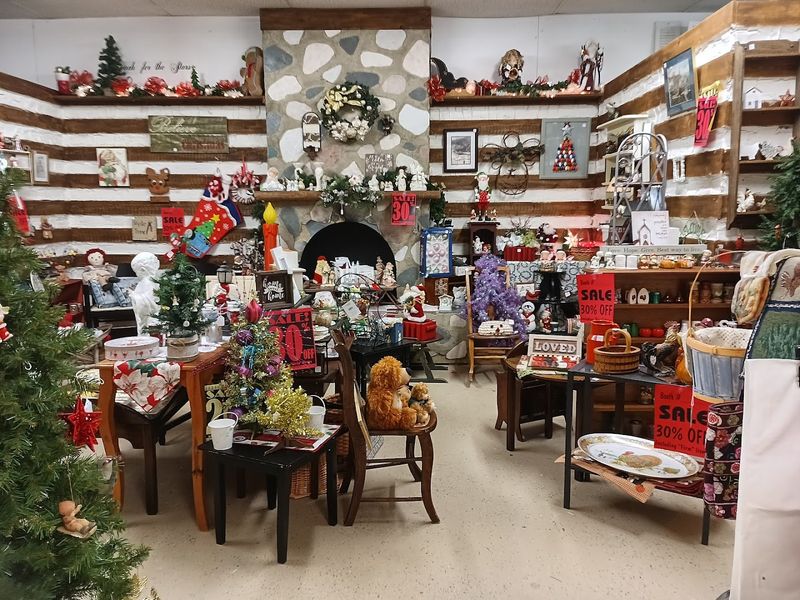
Climate control changes the game at The Mega Mall, where Lansing’s four-season weather never interrupts a browse. Aisles run long with glass cases of comics and toys, while booths stage furniture vignettes that help you picture things at home.
The indoor setup makes the whole outing feel steadier and more productive, especially when rain, wind, or snow would normally shorten your patience for a longer hunt. The pace is unhurried and pleasantly meticulous.
Operating year-round, this place functions more like a constellation of small shops under one roof. I keep a running wishlist on my phone and compare booth discounts posted at the desk. That strategy helps more than you might think, because the mall is large enough for good intentions to blur if you are not keeping track of prices and booth numbers.
Ask about layaway for larger pieces and request to test drawers or lights. Parking is easy, and returns follow posted policies, so read signs. If you collect vinyl, bring title lists to avoid repeats. A little structure turns the visit from casual wandering into a much better chance of leaving with something you will actually be glad to own.
10. Farmgirl Flea, Hudsonville
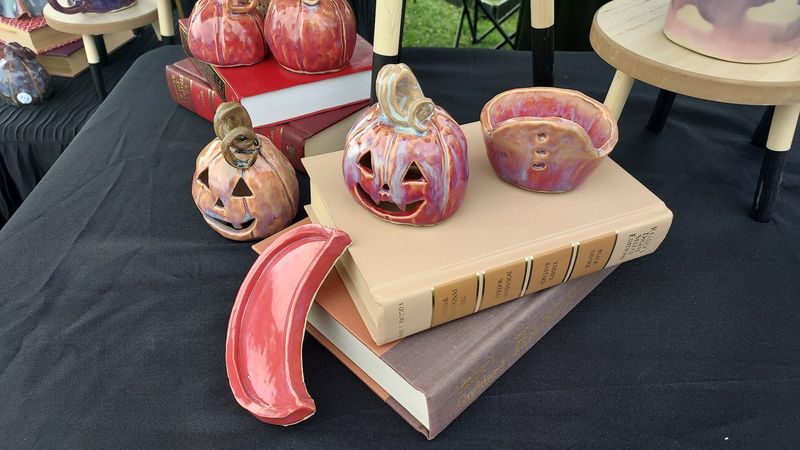
You catch lavender and sawdust drifting between white tents at the Hudsonville Fairgrounds. Farmgirl Flea blends vintage with handmade, so chippy paint nightstands mingle with linen banners and fresh greenery. Acoustic music floats, and shoppers tote canvas bags that slowly bloom with finds.
The whole scene feels gently styled without becoming precious, which keeps the hunt lively and the atmosphere easy to settle into for a long browse. The event runs seasonally with a carefully juried vendor list, emphasizing quality over sheer volume. Bring dimensions if you are eyeing larger farmhouse pieces, and check loading zones before committing.
Many booths accept cards, but cash charms on bundled buys. Hydrate, photograph tags, and loop back after lunch for restocks.
If you love styling ideas, ask sellers how they stabilized that layered patina without losing character. Their tips are gold. A second pass often pays off here, because something that looked nice at first can start to look essential once the rest of the market has had its say.
11. The Vintage Market, Dearborn
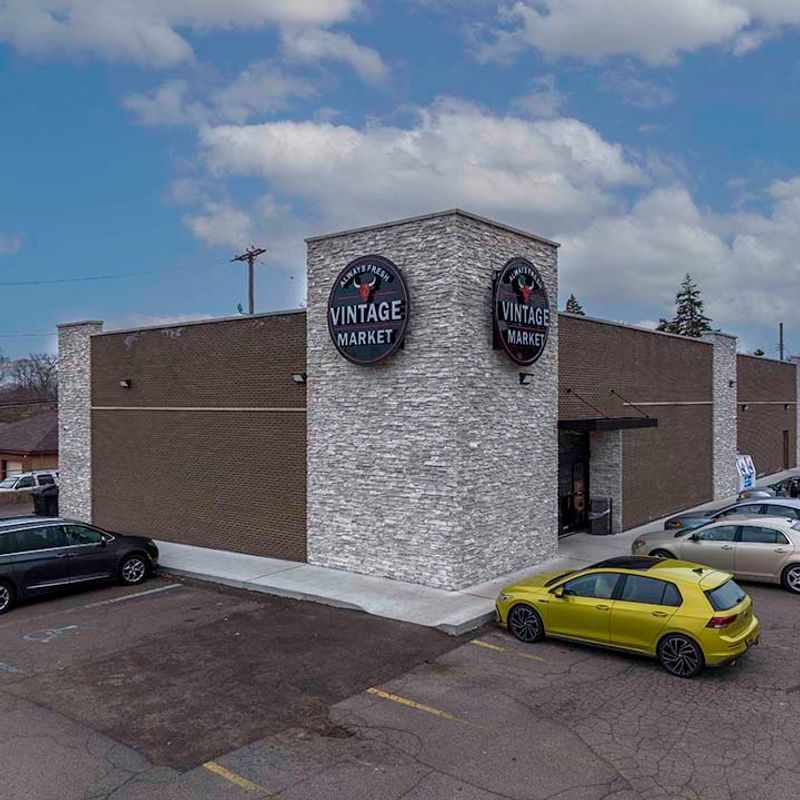
Dearborn hosts stylish pop-up editions of The Vintage Market, where textiles, boho rugs, and era-mixing vignettes meet friendly vendor storytelling. Expect curated racks of clothing, jewelry with a past life, and decor that earns compliments without shouting.
The setting feels like a neighborhood party with strong sourcing. What stands out most is the balance, because the market feels polished enough to inspire ideas, yet relaxed enough that browsing still feels playful rather than pressured.
Events rotate through the calendar, often landing in parks or civic spaces that are easy to navigate. Follow social channels for dates and early vendor previews to map your route. Pack a tape measure and a blanket in case you claim porch furniture.
Street parking requires patience; carpool if you can. Politely ask about care instructions on textiles, since handwashing can preserve color and weave. You will thank yourself later. A little planning goes far here, especially when the best finds tend to disappear while you are still deciding whether they can fit at home.