
This Ancient Colorado Lava Field Is A Hidden Natural Wonder Everyone Should See
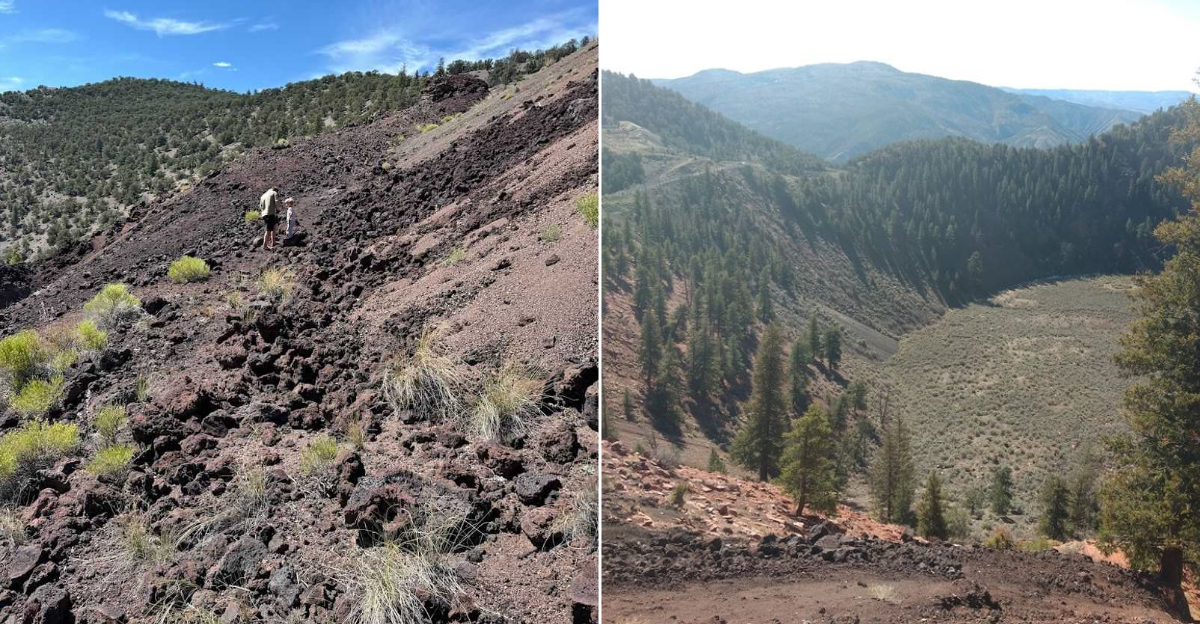
Some roadside surprises barely deserve a second glance, and then there is this fiery oddball, sitting out in the open like nature pulled off a prank and never explained it.
In Colorado, it feels almost impossible that a place this wild can be hiding in plain sight, waiting for curious travelers to trade highway speed for a jaw dropped moment.
The landscape looks rugged, ancient, and wonderfully out of character, with dark lava rock, giant views, and a crater that makes the whole scene feel slightly unreal. One minute you are expecting another ordinary stretch of land, and the next you are standing where the earth once exploded with attitude.
It is dramatic, weird, and ridiculously cool in the best possible way.
Colorado’s adventurous spirit shines brightest in places like this, where every dusty step feels like a backstage pass to the planet’s most chaotic and fascinating stories ever dreamed up.
Colorado’s Only Active Volcano Hiding in Plain Sight
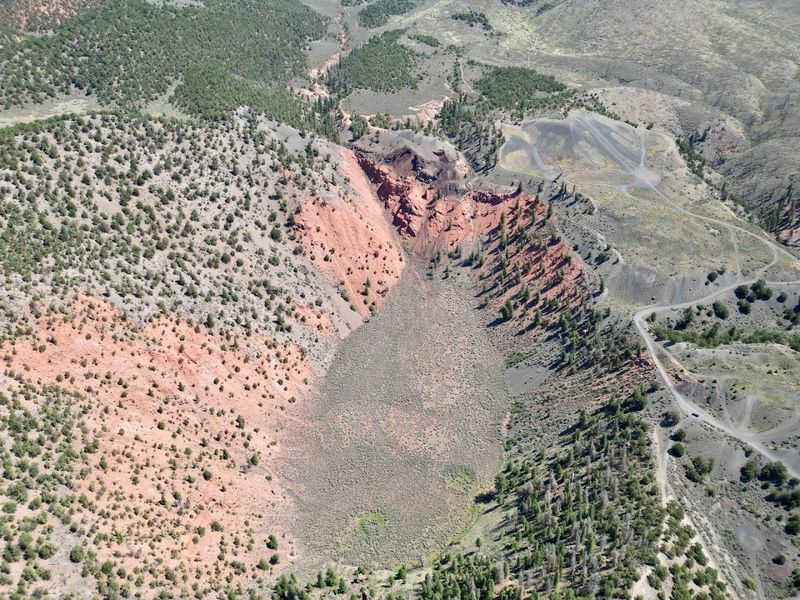
Most people barrel down I-70 at highway speed without a second glance at the brownish cone rising off the canyon wall near Dotsero, Colorado 81637. That is genuinely their loss, because what they are passing is the state’s only active volcano, a geologic feature so rare in Colorado that geologists have spent considerable time studying exactly what keeps it ticking.
This spot formed through a violent volcanic explosion that left behind a crater roughly one mile wide. The surrounding lava field stretches out in a dark, otherworldly expanse that feels more like Iceland than the Rocky Mountain West.
Quick Tip: Program the GPS coordinates before you leave the highway. The turn is easy to miss, and the gravel access road begins almost immediately after you exit.
Who This Is For: Geology fans, curious road-trippers, and anyone who enjoys bragging rights. Who This Is Not For: Visitors expecting paved trails and interpretive signs at every step.
The approach alone signals you are entering something genuinely unusual. The crater does not announce itself with a gift shop or a parking attendant.
It simply exists, patient and indifferent, waiting for people curious enough to show up.
The Road Up Is Half the Adventure

Here is where the outing earns its credibility. The access road to Dotsero Crater is steep, rocky, and unambiguously gravel, the kind of road that makes your sedan quietly question your decision-making.
Visitors consistently report that a 4×4 vehicle is the smart call, and lower-clearance vehicles risk bottoming out on the rougher sections.
A capable SUV, a truck, or at minimum a vehicle with decent ground clearance like a Subaru Outback or Honda CR-V will handle the climb with far less drama. Conditions also vary by season, so what feels manageable in dry summer weather can shift considerably after rain.
Pro Tip: Check road conditions before heading out. A quick search for recent visitor reports can save you the awkward experience of reversing down a steep gravel hill.
Best For: Drivers with 4×4 trucks, capable crossovers, or high-clearance vehicles. The payoff at the top makes the climb feel entirely worthwhile.
Think of the road as a low-key filter. Not difficult enough to be genuinely dangerous with the right vehicle, but demanding enough to keep the crowds thin.
The visitors who make it up tend to appreciate exactly what they find, which is a place that has not been smoothed out for mass consumption.
A Lava Field That Does Not Look Like Colorado
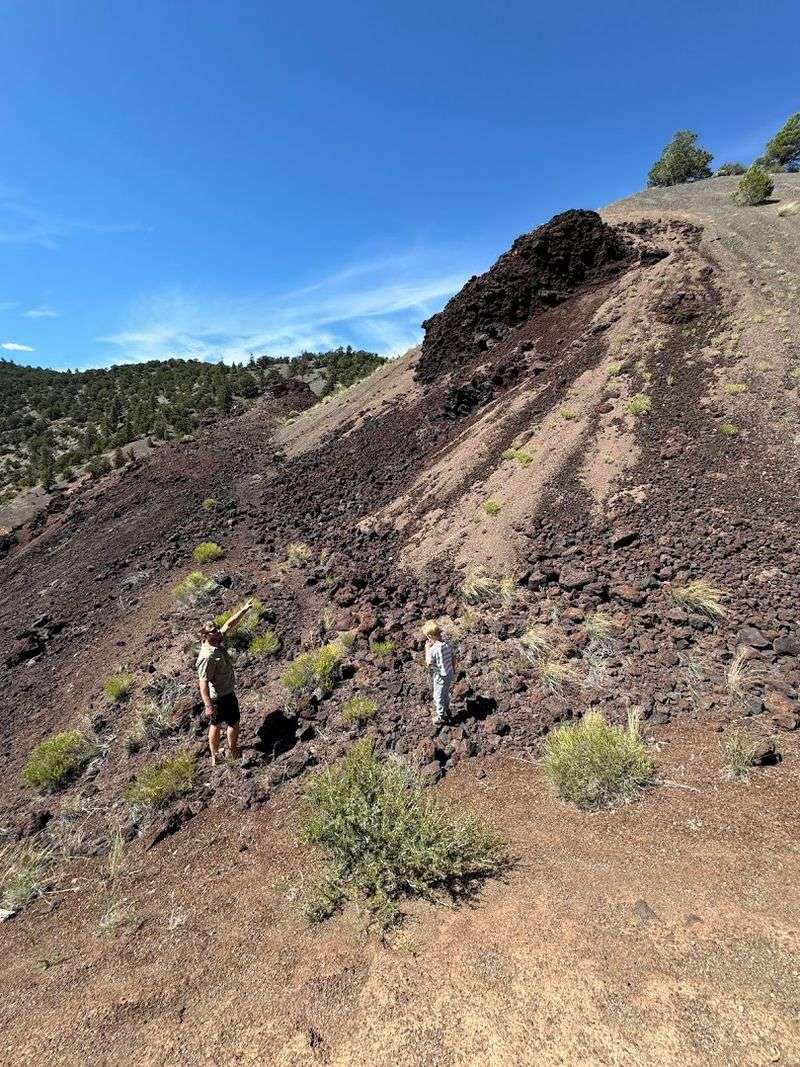
Standing in the middle of Dotsero’s lava field produces a specific kind of cognitive dissonance. Your brain knows you are in Colorado, land of ski resorts and pine forests, and yet the ground beneath your boots is jet-black volcanic rock that cooled from molten lava at some point in the geological past.
The lava field is roughly a 45-minute round-trip hike from where most visitors park near the crater rim. The trail is not marked with helpful arrows or motivational signage.
You navigate by sight, following the natural path the terrain suggests, which is part of what makes the experience feel genuinely exploratory rather than guided.
Why It Matters: Lava fields of this character are extraordinarily rare in Colorado. Most of the state’s dramatic geology involves sedimentary rock and glacial carving, not volcanic output.
This one stands apart.
Insider Tip: Wear sturdy boots with ankle support. The lava rock is uneven, and sandals or trail runners with thin soles will make the walk genuinely uncomfortable.
Visitors who have made the hike describe the views from the field as well worth the effort. The surrounding canyon landscape opens up in a way that feels almost disproportionately generous for a hike of this modest length.
Diamonds in the Rough, Literally
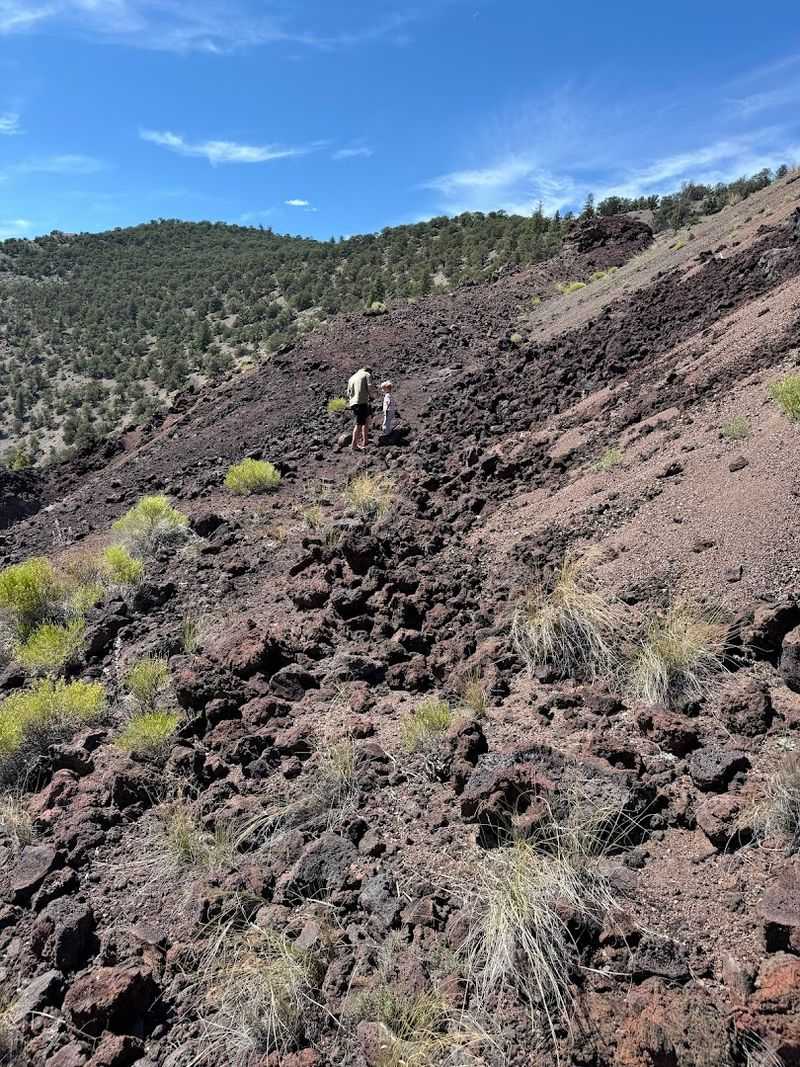
This is the detail that tends to make people stop scrolling. Visitors have reported finding small diamonds in the volcanic material around Dotsero Crater.
One visitor described their son locating a notably large specimen during a single afternoon visit, which is the kind of sentence that turns a casual road trip stop into a dedicated family expedition.
Volcanic geology can indeed produce diamond-bearing material under specific conditions, and Dotsero’s geological profile is consistent with that possibility. Whether you find anything depends entirely on patience, timing, and luck, but the prospect alone adds a treasure-hunt dimension to the outing that children find genuinely motivating.
Planning Advice: Bring a small bag and take your time scanning the ground carefully. There is no guarantee of finding anything, but the search itself keeps younger visitors engaged throughout the hike.
Common Mistakes to Avoid: Do not expect to find gems immediately or in large quantities. This is a casual geological curiosity, not a certified mining operation.
The same volcanic processes that created the crater also connect to the nearby Glenwood Springs hot springs system, according to visitors familiar with the area’s geology. That underground connection gives the site a sense of scale that extends well beyond what you can see on the surface.
Why the Views Alone Justify the Drive
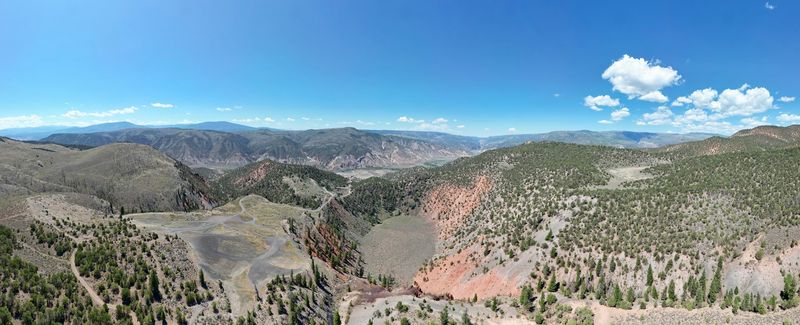
Even if the volcanic geology leaves you cold, the views from the crater rim have a way of adjusting your priorities. Western Colorado’s canyon country spreads out below in a palette of ochre, rust, and sage, with the Colorado River tracing its familiar path through the valley floor.
The elevation gain from the access road means you arrive at a vantage point that most highway travelers never experience. Visitors consistently describe the panoramic views as a genuine surprise, the kind that prompts the involuntary pause where everyone in your group stops talking simultaneously.
Best Strategy: Visit on a clear day, ideally in the morning before afternoon cloud buildup. The light in early to mid-morning is particularly favorable for photography and general visibility across the canyon.
Quick Verdict: The views alone would make this worth the detour. The volcanic geology and lava field are bonuses that push the experience into genuinely memorable territory.
Wildflowers have been spotted blooming on the hillsides during the right season, adding unexpected color to a landscape that might otherwise read as purely austere. The combination of geological drama and natural beauty creates the kind of scene that feels almost implausibly photogenic for a site that so few people know about.
How This Fits Into a Real Road Trip Plan
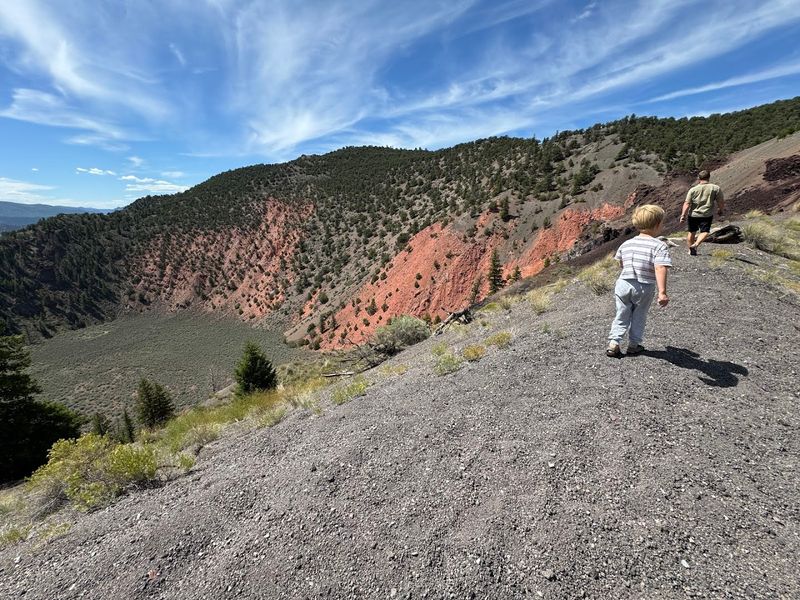
Dotsero Crater sits directly off I-70, which is one of the most heavily traveled corridors in the American West. Travelers moving between Denver and Grand Junction pass within a short distance of the site without most of them realizing what they are bypassing.
Adding the stop requires minimal rerouting and rewards the detour with something genuinely unlike anything else on that stretch of highway.
Families with older children who can handle uneven terrain will find the hike appropriately challenging without being exhausting. Couples looking for something more interesting than another overlook pullout will appreciate the sense of discovery the crater provides.
Solo visitors tend to find the quietness of the site particularly appealing.
Who This Is For: Road-trippers on I-70, families with kids aged eight and up, geology enthusiasts, and anyone who enjoys low-crowd natural sites with real visual payoff.
Mid-Trip Re-Engagement Hook: If you thought the approach road was the interesting part, wait until you actually stand on the crater rim and see what the lava field looks like from above.
Glenwood Springs sits nearby, making Dotsero a natural first or last stop on a broader western Colorado loop. A quick stop at the crater, followed by time in Glenwood Canyon, creates a satisfying half-day sequence that does not require elaborate planning.
Final Verdict: The Hidden Natural Wonder That Rewards the Curious
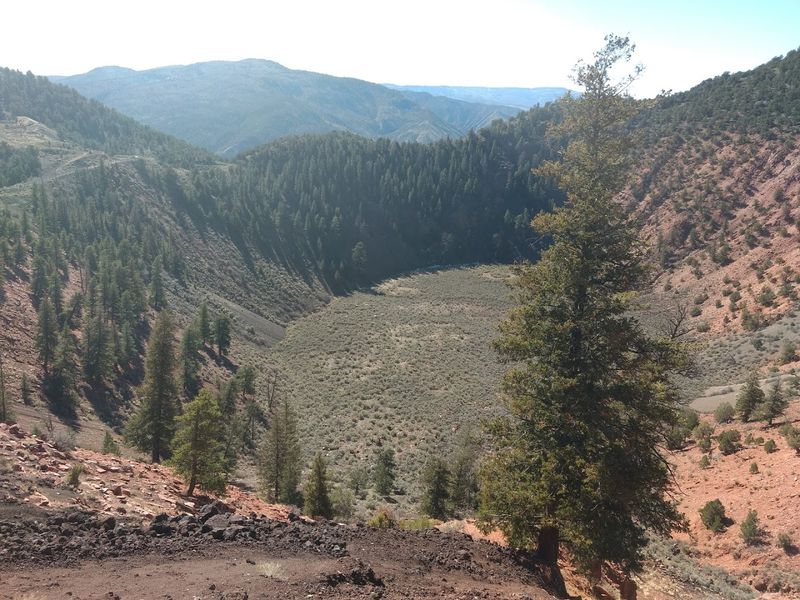
Colorado has no shortage of spectacular natural places, but most of them come with crowds, permit systems, and parking lots that fill by 7 a.m. on summer weekends. Dotsero Crater operates on a different frequency entirely.
The rough access road keeps casual visitors away, and the lack of formal infrastructure means the people who show up tend to be genuinely interested in what they came to see.
The crater holds a 4.3-star rating from visitors who made the trip, with the majority describing it as a cool, worthwhile, and genuinely unusual stop. The site is free to visit, accessible directly off I-70, and requires nothing more than a capable vehicle, sturdy footwear, and a willingness to cover some uneven ground.
Key Takeaways: Bring a 4×4 or high-clearance vehicle. Plan for a 45-minute round-trip hike to the lava field.
Check conditions before visiting. Arrive with curiosity and leave with a story worth telling.
Best For: Anyone who wants to say they stood inside Colorado’s only active volcano and actually means it.
Think of Dotsero as the place you tell people about after you visit, not before. That is exactly the kind of recommendation that sticks, and exactly the kind of place worth protecting by keeping the crowds just thin enough to preserve what makes it special.