
Thousands Of Sandhill Cranes Return To Illinois Every Spring And Here’s Where To See Them
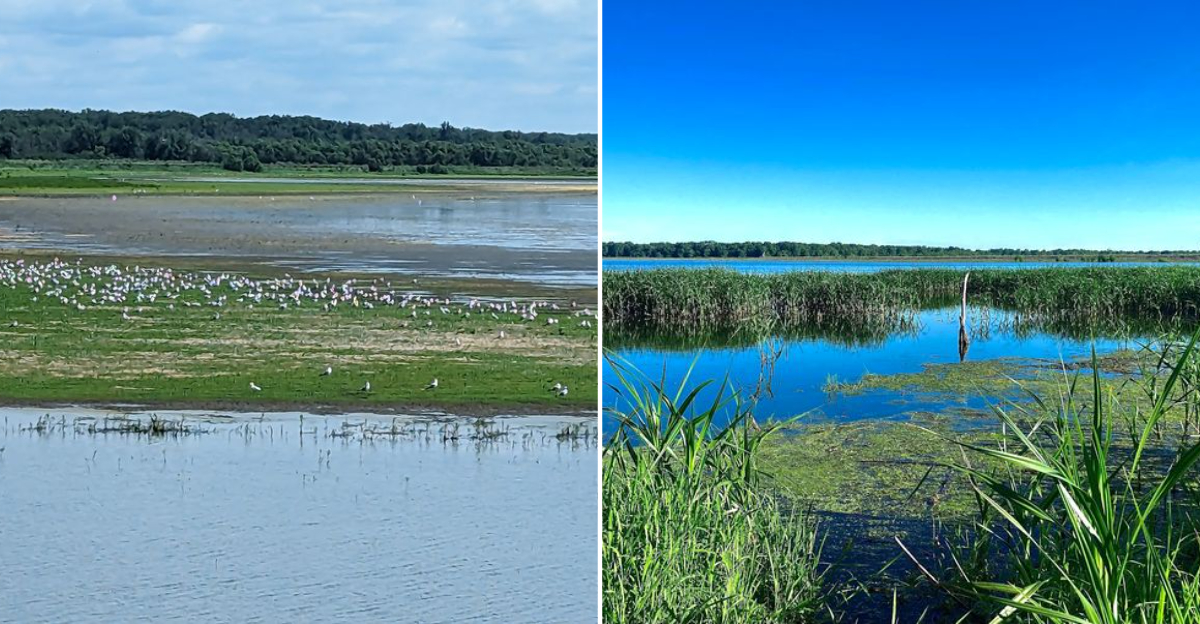
Every spring, central Illinois gets a little louder in the best possible way. Sandhill cranes pass through on their northbound migration, and their rattling, bugling calls drift over wetlands and open sky long before the birds come into view.
Near Havana, a quiet stretch of the Illinois River valley turns into a front-row seat for one of the season’s most striking moments. The light is beautiful, sure, but the sound is what stays with a person.
It feels wild, old, and strangely moving. Watching flock after flock circle down toward the marsh at sunset is the kind of sight that can stop a person cold.
One visit is often all it takes to understand why birders keep coming back.
Sandhill Cranes Are Ancient Migratory Birds
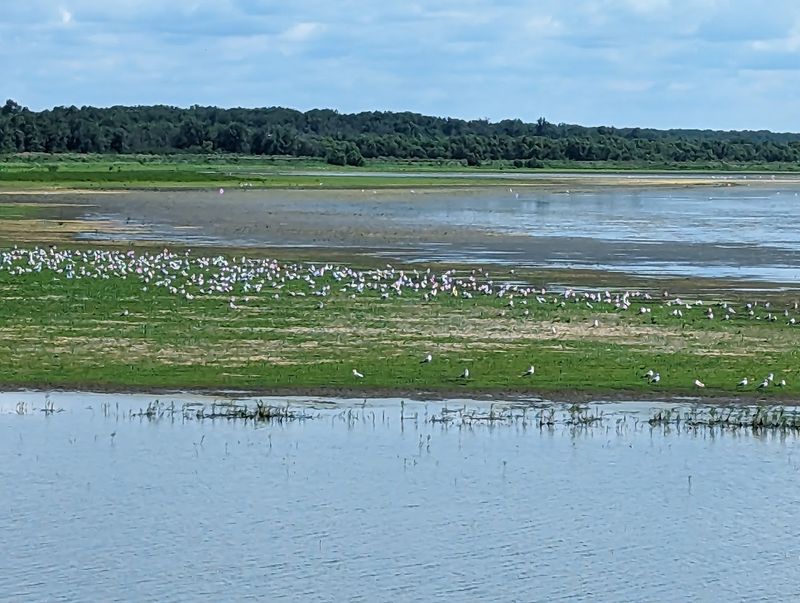
Few birds carry the kind of history that sandhill cranes do. These birds have been around for roughly 2.5 million years, making them one of the oldest living bird species on the planet.
Watching them feels a little like witnessing something prehistoric come to life right in front of you.
Every spring, sandhill cranes travel thousands of miles from their southern wintering grounds toward their northern breeding territories. Illinois sits right along this ancient flight corridor, which means the state gets a spectacular front-row seat to one of nature’s most impressive annual events.
Their wingspan can reach up to six feet, and their loud, rolling calls carry across open water for long distances.
At Chautauqua National Wildlife Refuge, located at 19031 E County Road 2110N, Havana, IL 62644, shallow wetlands, open water, and managed habitat support a wide range of migratory birds throughout the year.
Chautauqua National Wildlife Refuge As Prime Viewing Spot
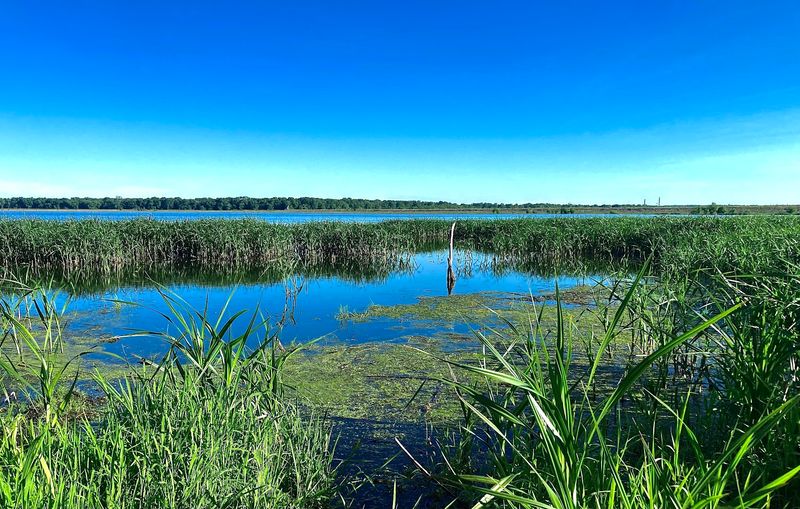
Not every wildlife refuge earns the kind of reputation that keeps birdwatchers coming back season after season, but Chautauqua National Wildlife Refuge has done exactly that.
Managed by the U.S. Fish and Wildlife Service, this refuge sits along the Illinois River valley and covers a significant stretch of floodplain habitat that migrating birds absolutely love.
The refuge manages its water levels carefully throughout the year, raising and lowering pool depths to create ideal feeding conditions for different species at different times.
During spring migration, those shallow wetland pools become crowded with sandhill cranes, ducks, geese, and shorebirds all sharing the same space.
The refuge office is open Monday through Friday from 7:30 AM to 4 PM, and the staff are genuinely helpful when it comes to pointing visitors toward the best current viewing spots.
Calling ahead at +1 309-535-2290 before your visit is a smart move, since conditions can change quickly depending on water levels and weather.
Spring Migration Timing Makes All The Difference
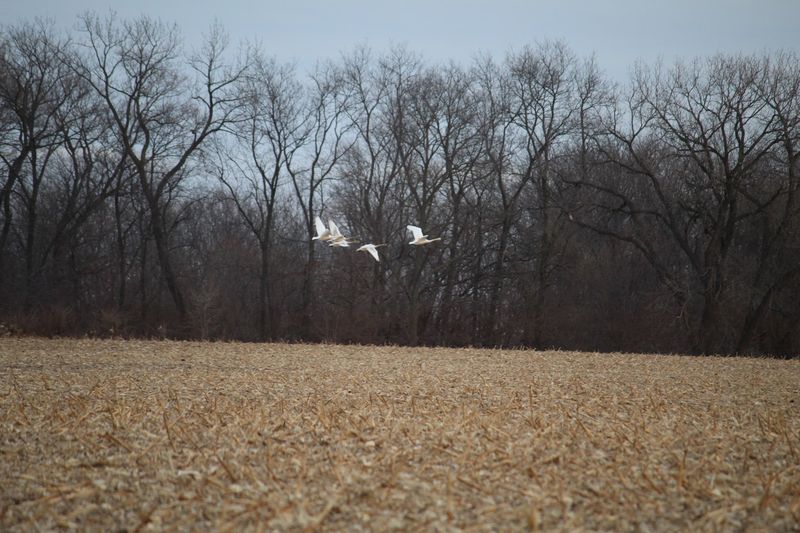
Showing up at the right moment is everything when it comes to seeing sandhill cranes at their peak. The main spring migration window in Illinois typically runs from late February through early April, with March often delivering the most dramatic concentrations of birds along the Illinois River corridor.
Weather patterns play a big role in exactly when the cranes move through. A warm front pushing north can trigger a massive overnight movement, meaning you might arrive one morning to find the wetlands absolutely packed with birds that were not there the day before.
That kind of surprise is part of what makes spring birding so addictive.
Early morning visits tend to be the most rewarding. Cranes that roosted overnight on the water begin lifting off in large, noisy groups shortly after sunrise, filling the sky in swirling formations that are genuinely hard to describe to someone who has never seen them.
Plan to arrive before 7 AM for the best show.
The Refuge Hosts An Impressive Variety Of Bird Species
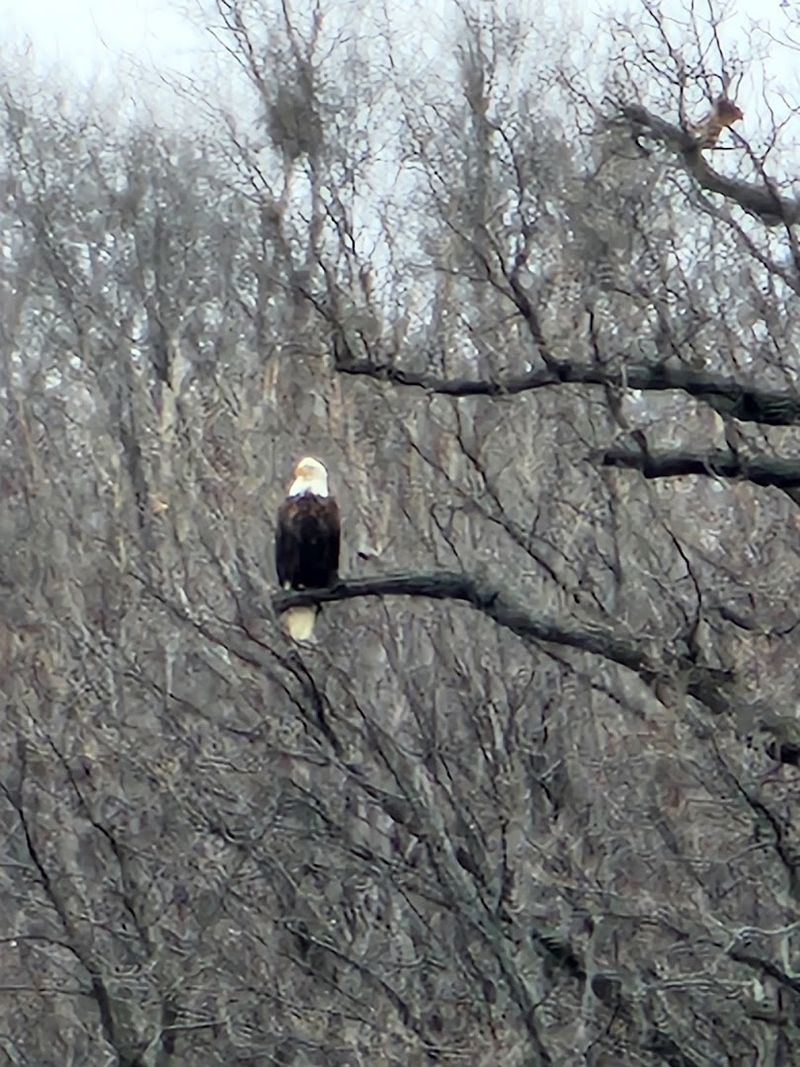
Sandhill cranes grab most of the headlines during spring migration, but they are far from the only birds worth watching at Chautauqua. The refuge serves as an important stopover and wintering habitat for an impressive list of species that keeps serious birders busy with their field guides.
Bald eagles are a consistent highlight throughout the colder months. On a good winter day, it is possible to spot dozens of them perched in trees along the water’s edge or circling overhead in search of fish.
Monarch butterflies also pass through during late summer, adding a surprising burst of orange to the landscape.
Shorebirds, wading birds, and various duck species fill the pools during migration seasons, while woodland trails offer chances to spot songbirds moving through the treetops.
Water Management Is The Secret Behind The Refuge’s Success
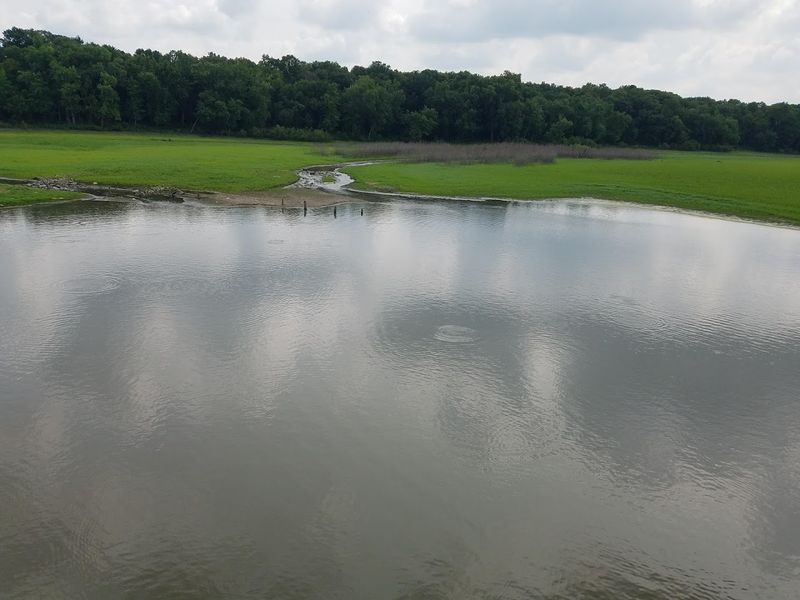
Behind every great wildlife refuge is a team of people quietly doing the unglamorous work that makes spectacular nature moments possible. At Chautauqua, water management is the core tool that refuge managers use to attract and support migrating birds throughout the year.
By controlling the depth and timing of water in different pools, staff can create ideal feeding conditions for specific groups of birds during their peak migration windows.
Shallow mudflats attract shorebirds probing for invertebrates, while deeper open water draws diving ducks and roosting cranes. It is a carefully timed system that requires constant monitoring and adjustment.
The Illinois River floodplain has been dramatically altered over the past century by agriculture and development, which makes actively managed refuges like Chautauqua even more critical for migratory birds.
The refuge essentially recreates the kind of wetland habitat that once covered enormous stretches of the region, giving birds the resources they need to complete their long journeys successfully.
Hiking Trails Offer Close-Up Wildlife Encounters
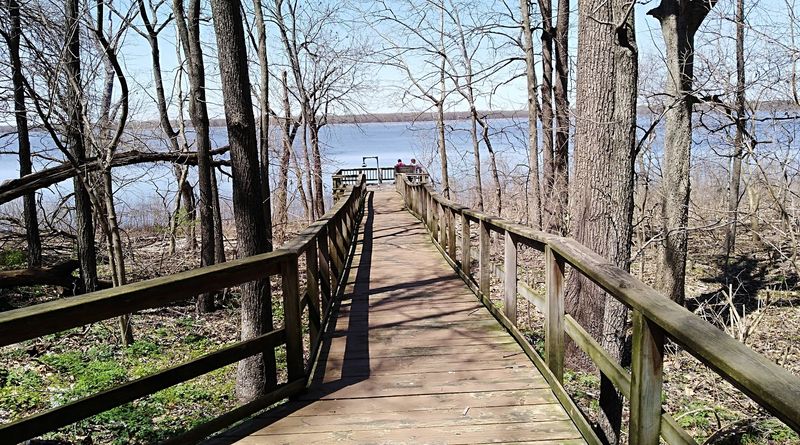
Getting out of the car and onto the trails at Chautauqua transforms the visit from a passive experience into something genuinely immersive.
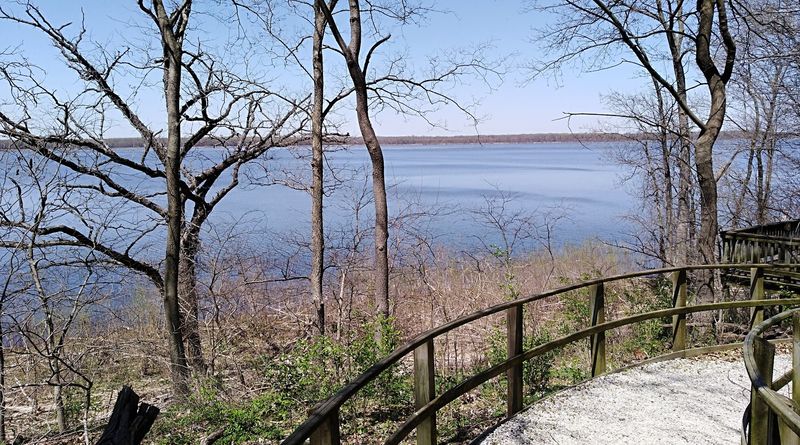
The refuge offers a short gravel trail that winds through a wooded area before opening up to views of the main lake, giving hikers a satisfying mix of forest and open water scenery.
Wildlife sightings along the trail can be surprisingly varied. Opossums have been spotted in the wooded sections, raccoon tracks show up in fresh mud or snow near the water, and the sounds of the forest alone are worth pausing for.
Several benches and stopping points along the trail invite visitors to slow down and simply listen.
One trail section near the lake features sandy, plant-covered ground that makes walking a bit more challenging, so sturdy footwear is genuinely useful here. The Eagle Bluffs area has more parking than the headquarters lot, and both locations have restroom facilities available for visitors.
One Of Nature’s Most Memorable Sounds
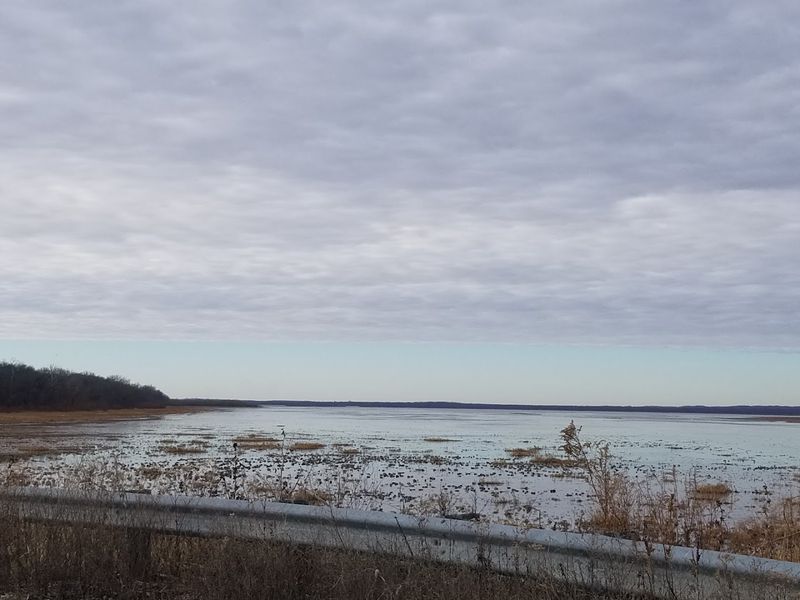
There is something about the sound of sandhill cranes that stops people in their tracks. Their call is not a simple chirp or whistle.
It is a deep, rattling, bugling sound that carries for miles and seems to vibrate in your chest when a large flock is calling all at once nearby.
The scientific term for this type of vocalization is a unison call, and mated pairs often perform it together as a bonding behavior.
When thousands of cranes are gathered in one place, the collective noise builds into a wall of sound that is genuinely hard to forget. Early morning at Chautauqua during peak migration can feel almost overwhelming in the best possible way.
This distinctive sound is one reason birdwatchers often say that sandhill cranes create a full sensory experience rather than just a visual one.
Bring your ears as well as your binoculars, because the audio component of a crane migration is just as powerful as the sight of all those wings.
What To Bring For A Successful Refuge Visit
A little preparation goes a long way when visiting Chautauqua National Wildlife Refuge, especially during spring migration when conditions can range from chilly and misty to surprisingly warm within the same morning. Layering your clothing is a reliable strategy for staying comfortable as the temperature shifts.
Binoculars are probably the single most important piece of gear to bring. Many of the best bird activity happens out on the open water where the birds feel safe, which means naked-eye viewing can be frustrating.
A pair of 8×42 binoculars will bring distant cranes and eagles into clear, satisfying focus without weighing down your bag.
Sunscreen and water are essential during summer and late spring visits when there is little shade along the open water sections of the trails.
A small snack or packed lunch makes a longer stay much more enjoyable, since the nearest town services require a drive into Havana. Comfortable, closed-toe shoes handle the varied trail surfaces well.
The Illinois River Valley Landscape
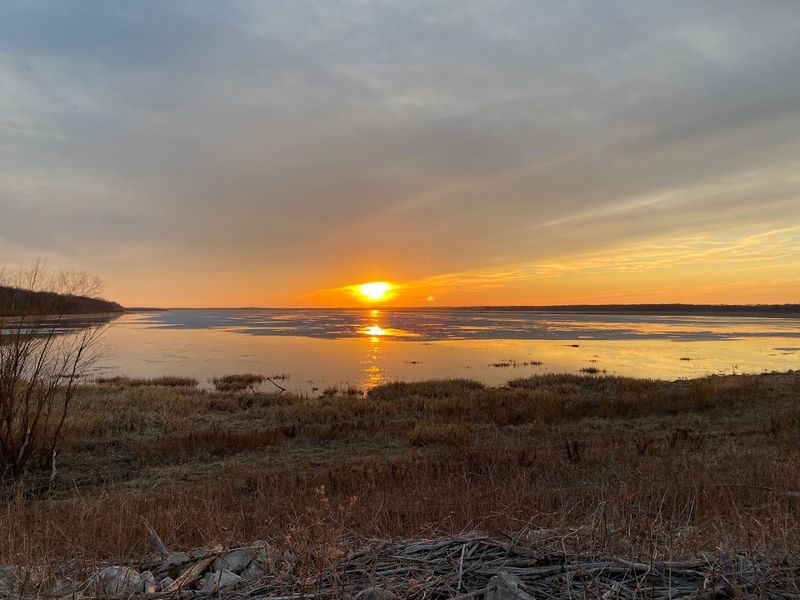
The setting around Chautauqua is part of what makes the whole experience feel so different from a typical park visit. The Illinois River valley stretches out in broad, flat expanses of water, marsh, and bottomland forest that give the landscape a wide-open, almost cinematic quality, especially on clear days.
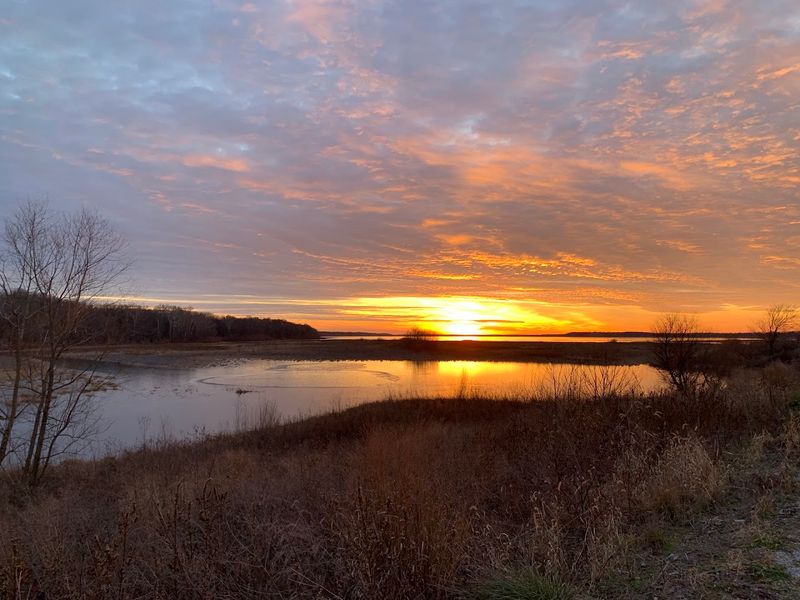
Sunsets over the wetlands here are genuinely stunning. The combination of open sky, reflective water, and silhouettes of cranes or geese moving across the horizon creates the kind of scene that makes photographers reach for their cameras instinctively.
Even casual visitors tend to linger longer than planned once the evening light starts changing color.
The surrounding area also has a quiet, rural character that feels removed from the pace of city life. Driving the county roads near the refuge, with fields and woodlands on either side and occasional glimpses of the river, is itself a pleasant part of the outing that many visitors find unexpectedly calming.
Planning Your Visit To See The Cranes At Their Best
A well-planned visit to Chautauqua during spring migration can easily become one of the most memorable wildlife experiences in the Midwest.
Calling the refuge directly at +1 309-535-2290 during office hours, currently listed as Monday through Friday from 7:30 AM to 4 PM, is one of the smartest things you can do before making the trip.
Staff can often share helpful information about current conditions, access, and recent wildlife activity, which can make a visit more rewarding.
Arriving at dawn, moving quietly, and spending time at multiple viewing spots around the refuge will maximize your chances of seeing cranes up close.
Patience is genuinely rewarded here. The more time you give yourself, the more the refuge reveals, and the cranes have a way of making every quiet moment feel completely worth it.