
This Former Illinois Coal Mine Is Full Of Ancient Fossils Waiting To Be Discovered
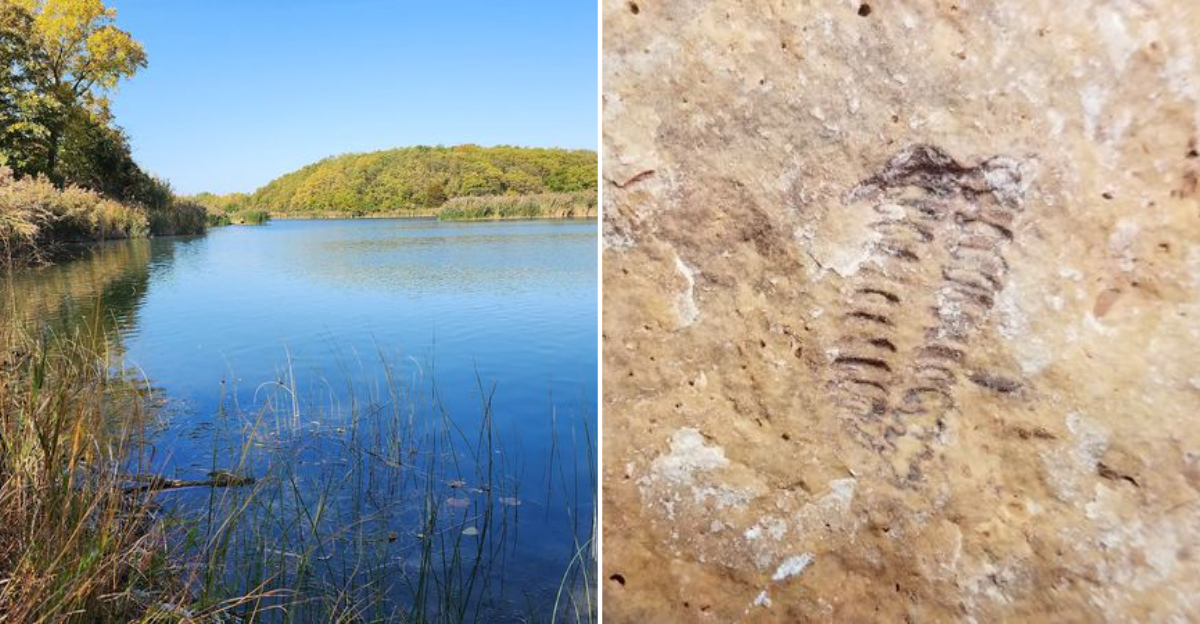
Somewhere in Grundy County, Illinois, a quiet stretch of land hides one of the most surprising geological time capsules in the entire Midwest.
What looks like a peaceful wildlife area filled with lakes and grasslands was once an active coal mining region, and the layers exposed by that work left behind fossils dating back roughly 300 million years.
Visitors can obtain a free fossil permit and search designated areas during the official collecting season from March 1 through September 30. This place is unlike anything most people expect to find in Illinois, and it deserves a spot on your must-visit list.
A Coal Mine Turned Conservation Treasure
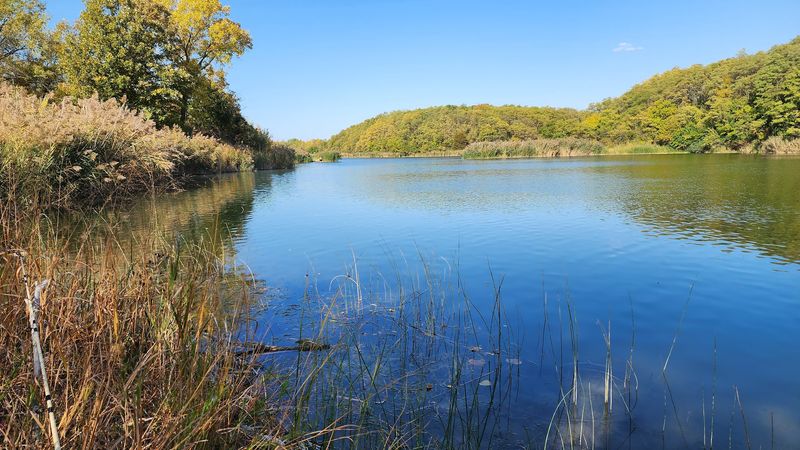
Long before this land became a beloved outdoor destination, it served a very different purpose. The Mazonia-Braidwood area sits on top of what geologists call the Illinois Basin, a region that was heavily mined for coal throughout the late 1800s and much of the 1900s.
Strip mining operations essentially peeled back layers of earth, and when they stopped, the land was left pockmarked with pits that eventually filled with water.
The state of Illinois later reclaimed part of this industrial landscape as the 1,017-acre Mazonia State Fish and Wildlife Area, now managed by the Illinois Department of Natural Resources. Today, those former mining pits are productive fishing lakes surrounded by restored grassland habitat.
It is a remarkable turnaround story that proves nature can reclaim even the most worked-over land given enough time and care.
The official address is IL Route 53 and Huston Road, Braceville, IL 60407, and visitors should confirm current access hours and conditions with the Illinois Department of Natural Resources before making the trip.
The Ancient Sea That Left Its Mark
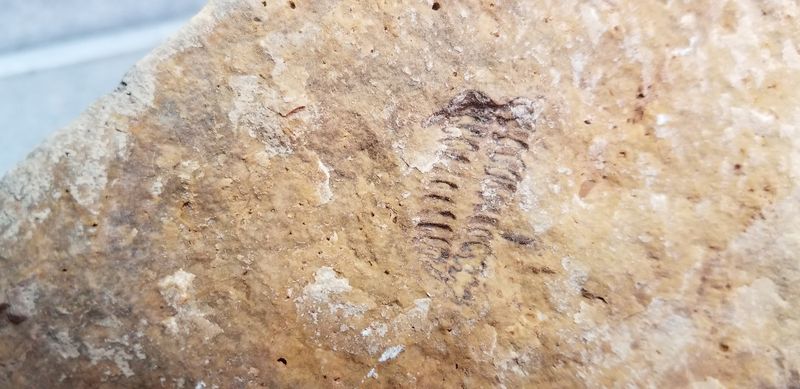
About 300 million years ago, Illinois was not the flat farming state we know today. During the Pennsylvanian Period, this region lay near the equator and included a shifting mix of tropical swamps, river deltas, shallow bays, and coastal marine environments that supported both plant life and a wide variety of aquatic animals.
When those creatures perished, their remains sank into the muddy seafloor and were slowly compressed over millions of years into the rock layers beneath Illinois.
The coal seams that miners once extracted formed from the dense swamp forests that bordered that ancient sea. As mining operations cut through rock to reach the coal, they exposed those fossil-rich layers to the surface.
That is one reason the Mazonia-Braidwood area became such an important fossil locality, because strip mining exposed fossil-bearing layers and concretions that might otherwise have remained buried.
The fossils found here belong to the Pennsylvanian Period, a time so geologically distant that it predates the age of dinosaurs by tens of millions of years, making every find here genuinely extraordinary.
Free Fossil Permits Are Available On-Site
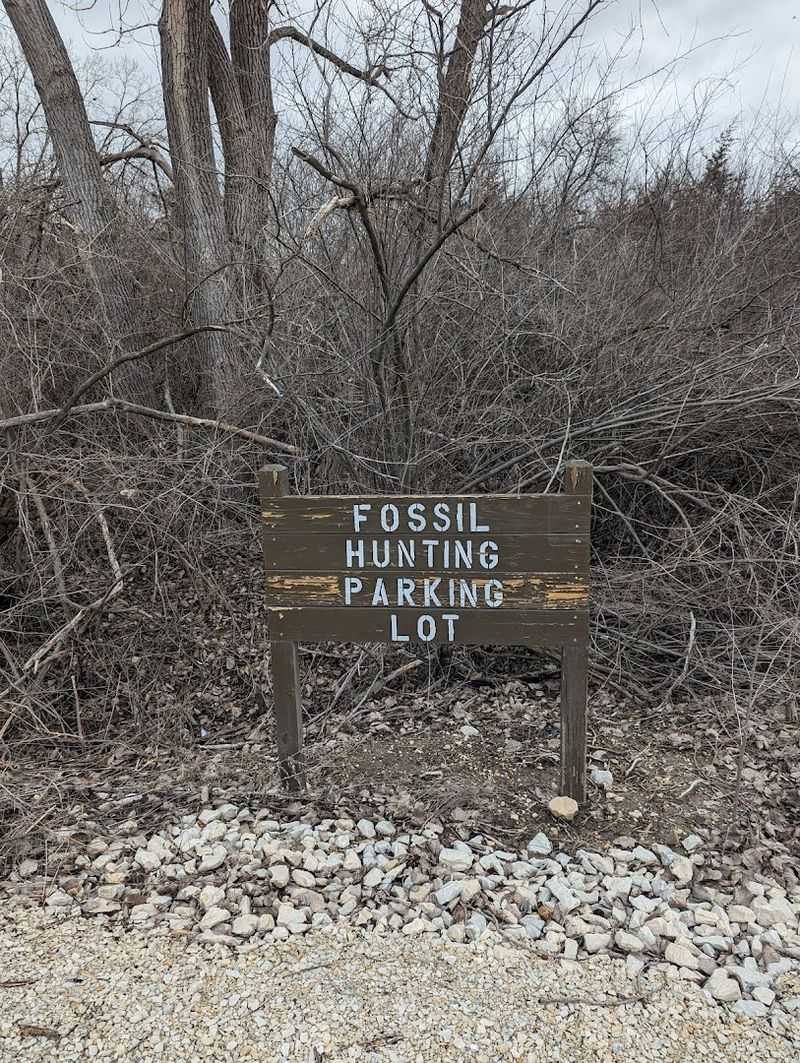
One of the most practical and appealing things about fossil hunting at this preserve is that permits are completely free. Visitors can obtain a free permit through the park office or from official Illinois Department of Natural Resources resources, and should check with staff for the most current pickup instructions.
The permit grants legal permission to collect fossils for personal, non-commercial use within designated areas of the park.
It is worth knowing, however, that the written information included with the permit has not been updated in quite some time. Because access conditions, vegetation, and closures can change over time, visitors should not rely solely on older permit maps and should confirm current conditions before heading out.
Experienced fossil hunters recommend supplementing the permit map with online resources and community guides dedicated specifically to Mazonia-Braidwood.
Trilobites And Other Rare Finds Await
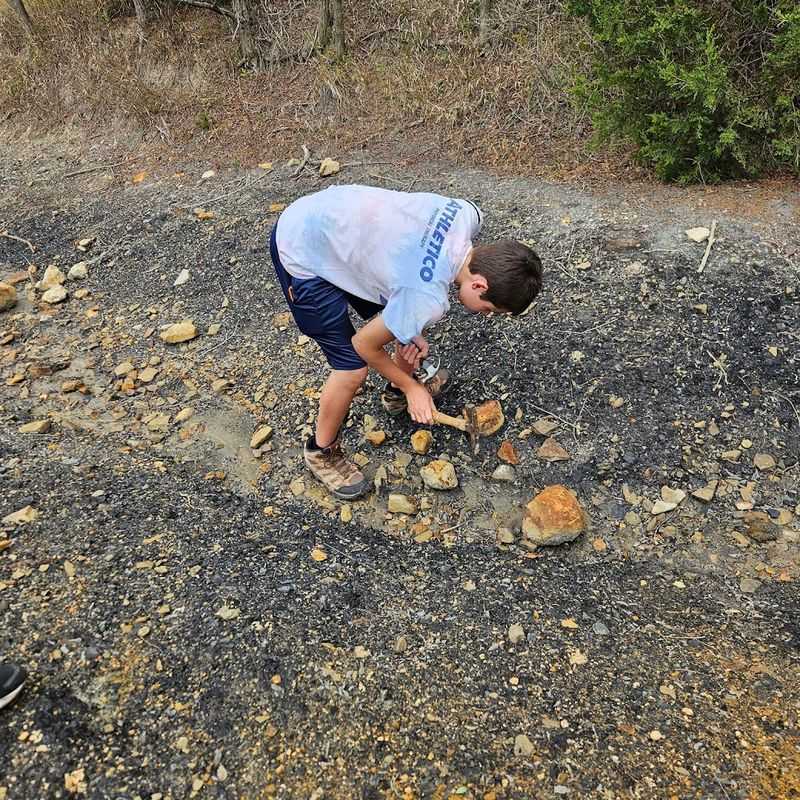
Trilobites are among the most iconic prehistoric creatures on the planet, and finding one in the wild is the kind of experience that stays with you for a lifetime.
Mazonia-Braidwood is best known for Mazon Creek fossils preserved in concretions, and while unusual finds are possible, most collectors are more likely to encounter plant material and other common Pennsylvanian fossils than trilobites.
These ancient arthropods crawled across the seafloor hundreds of millions of years ago, and their hard exoskeletons preserved surprisingly well in the rock layers here.
Beyond trilobites, the site is known for producing plant fossils, shell fossils, concretions, and occasional fish remains.
Concretions are particularly interesting because they sometimes contain organic material preserved inside, meaning a rock that looks plain on the outside might hold a fossil secret within. Cracking one open carefully with a rock hammer can feel like unwrapping a gift from deep time.
The variety of fossil types found here reflects the rich, layered ecosystem that existed during the Pennsylvanian Period, making each visit feel like a new chapter in an ongoing scientific story written in stone.
The Shorelines Are Prime Fossil Hunting Spots
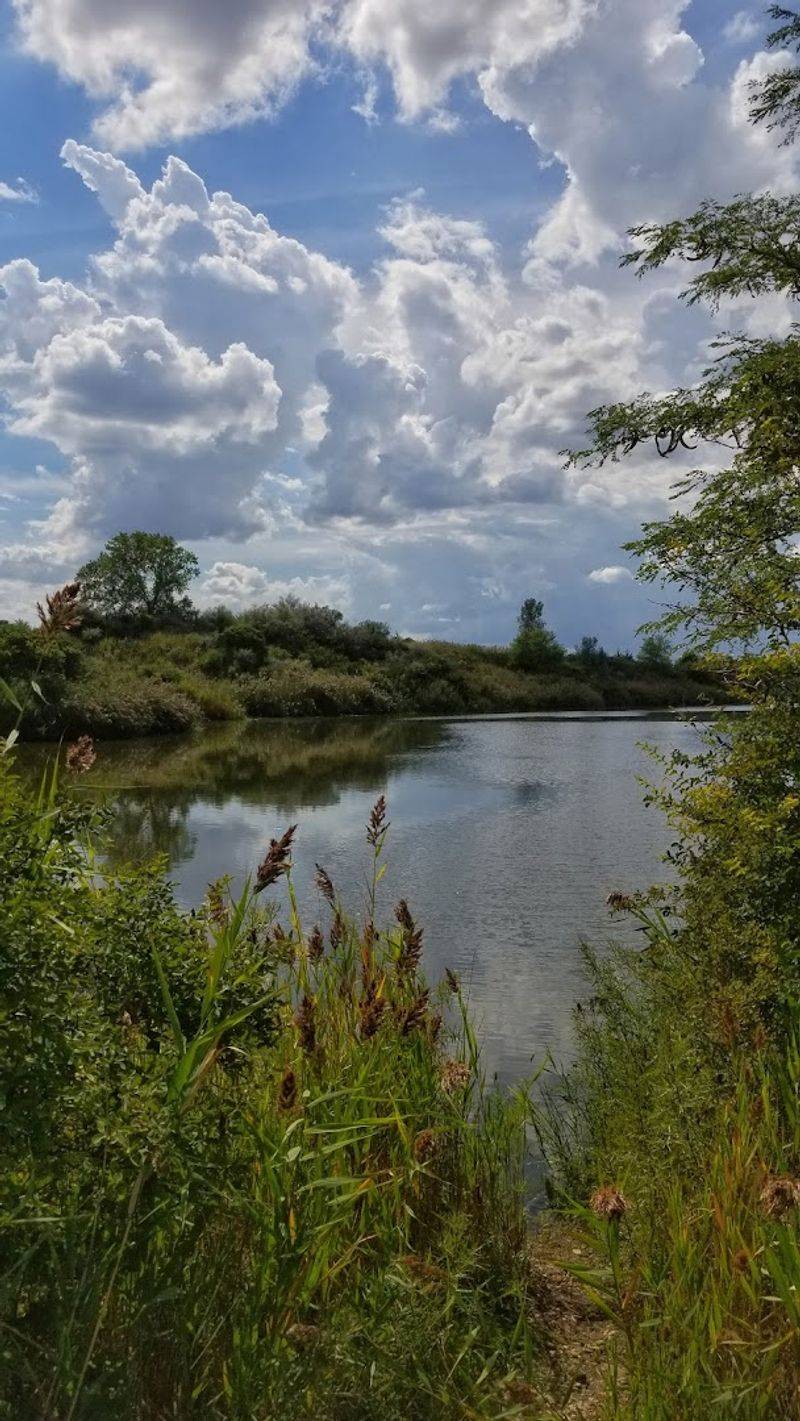
Many visitors discover that the most productive fossil hunting happens right at the water’s edge rather than deep in the overgrown trails. Wave action and water movement naturally erode the shale and limestone, exposing fresh fossil surfaces that might otherwise stay buried.
Walking slowly along the shoreline with your eyes down and your patience up is a genuinely effective strategy at this preserve.
The lakes scattered throughout the property were created by those old mining pits, and their banks often consist of the same fossil-bearing rock layers that made this region famous among collectors.
After rainfall, new material washes down and fresh surfaces appear, so visiting shortly after a good rain can improve your odds considerably.
Wearing sturdy waterproof footwear is highly recommended since the shoreline terrain can be slippery and uneven.
Bringing a small bag or bucket to carry your finds makes the experience much more comfortable, and a hand lens or magnifying glass helps you spot smaller specimens that are easy to overlook at first glance.
Overgrown Trails Demand Preparation
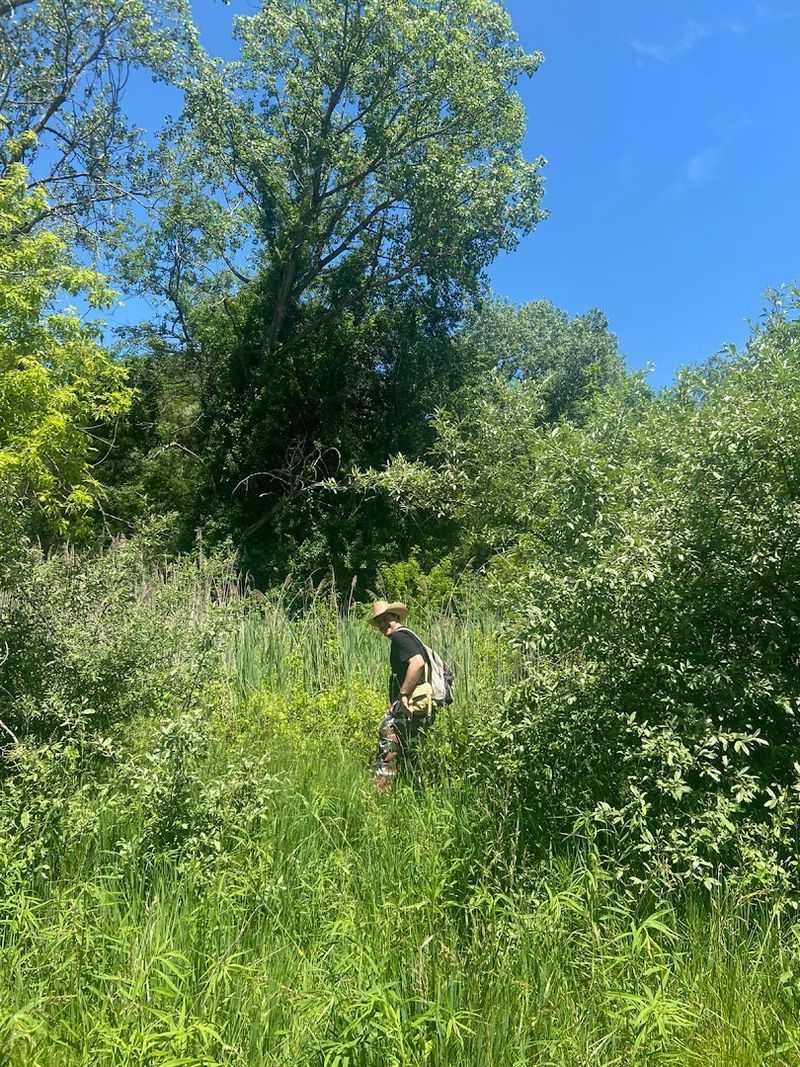
If you have ever hiked a perfectly manicured nature trail with paved paths and color-coded signs, Mazonia-Braidwood will offer a very different kind of adventure.
The trails here are notoriously overgrown, and the signage is minimal at best. Route-finding can be challenging in some sections, especially where vegetation is dense or old access descriptions no longer match current conditions.
This is not a place to explore casually without some preparation. Downloading a GPS app on your phone before you arrive is a genuinely helpful move, and sharing your planned route with someone who is not joining you adds an extra layer of safety.
Tall grass and dense brush also mean that ticks are a real concern, so wearing long pants tucked into socks and applying insect repellent before you set out is strongly advised.
The rugged, unpolished character of the trails is part of what keeps the crowds away, and for those who come prepared, the sense of genuine exploration makes every muddy, scratchy step completely worth the effort.
Fishing Across Multiple Lakes
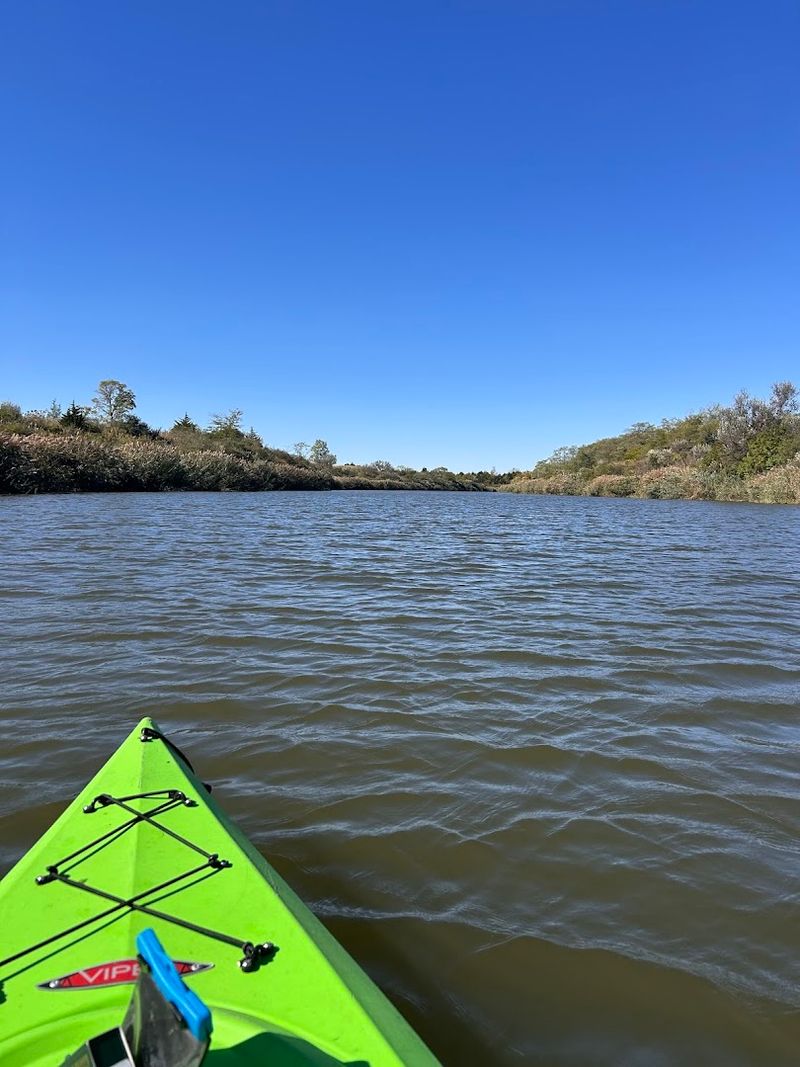
Fossil hunting is only one reason people make the drive out to Braceville. The preserve contains numerous lakes spread across its 1,017 acres, and fishing is one of the most popular activities the site offers.
The water is calm, the shoreline access is generous, and the relative lack of crowds means you can often find a peaceful spot without competing for space with other anglers.
The lakes support a variety of freshwater species, and the multiple boat launches around the property make it easy to get out on the water with a kayak, canoe, or small motorized vessel.
Kayaking here is particularly enjoyable because the lakes are quiet and the surrounding grassland creates a wide-open, scenic backdrop that feels surprisingly remote for a location within reasonable driving distance of the Chicago metropolitan area.
Early morning and late evening tend to offer the best fishing conditions, and the park stays open until 10 PM daily, which means there is plenty of time to enjoy a long, unhurried session on the water as the sun dips toward the horizon.
Wildlife And Birdwatching Opportunities Abound
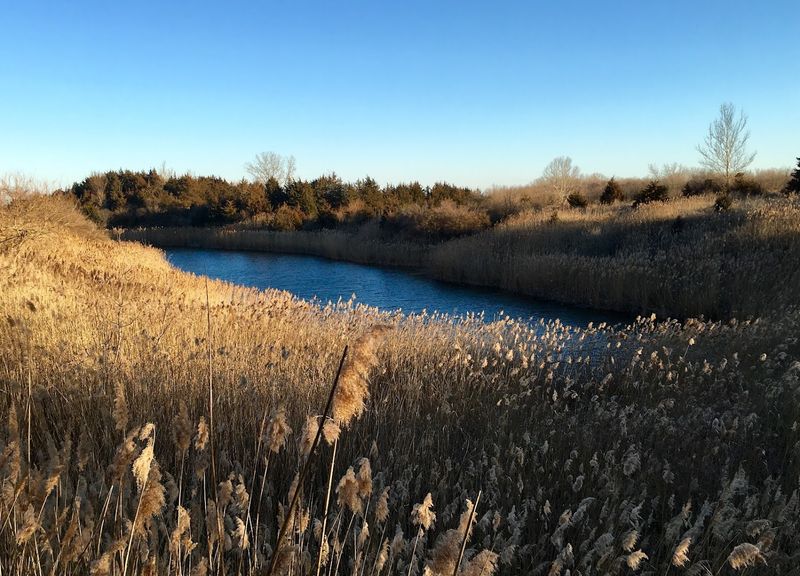
The restored grasslands and scattered wetlands at this preserve create ideal habitat for a wide range of bird species.
Great blue herons, red-tailed hawks, and various migratory waterfowl pass through or nest in the area throughout the year, making it a rewarding destination for birdwatchers who bring binoculars and a field guide.
The open skies above the grassland give birds of prey plenty of room to hunt, and watching a hawk circle overhead against a backdrop of quiet lakes is a genuinely memorable sight.
White-tailed deer, foxes, and other mammals also move through the property regularly, especially in the early morning and late evening hours when human activity is at its lowest.
The combination of open grassland and water-rich habitat supports a food web that keeps the wildlife population diverse and active throughout all four seasons.
For anyone who enjoys nature photography, the dawn and dusk light over the lakes creates striking conditions that reward patience and a willingness to show up before the rest of the world wakes up.
Hunting Is A Major Part Of The Preserve’s Purpose
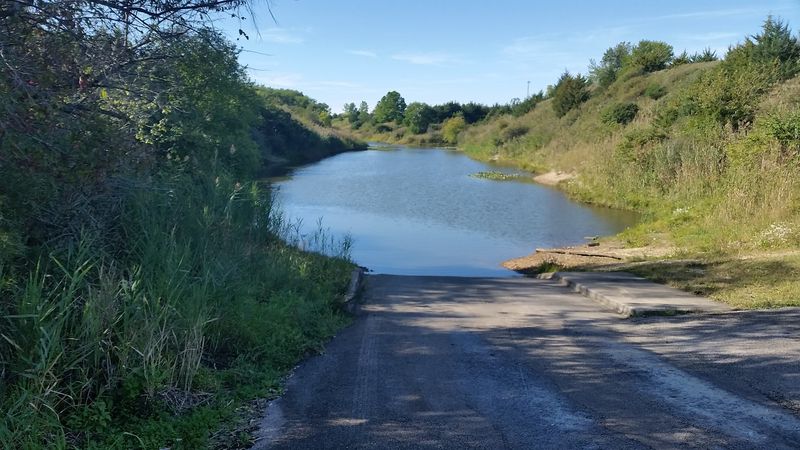
The name says it all, and hunting is very much a core activity at this preserve. The Illinois Department of Natural Resources manages the grassland habitat here specifically to support game species, and hunters pursuing pheasant, waterfowl, and deer will find the property well-suited to their needs.
The mix of open grassland, wetland edges, and wooded patches creates the kind of varied terrain that attracts multiple species throughout the hunting seasons.
Because hunting is a permitted and regulated activity here, visitors who are not hunting should be mindful of season dates and wear appropriate blaze orange when walking through the area during active hunting periods.
Checking current Illinois Department of Natural Resources hunting information before your visit will help you identify open seasons, active restrictions, and any area-specific access rules.
The coexistence of hunting, fishing, fossil collecting, and wildlife observation within a single preserve is actually quite unusual and speaks to the remarkably versatile character of Mazonia-Braidwood as a managed natural resource.
Practical Tips For A Successful Visit
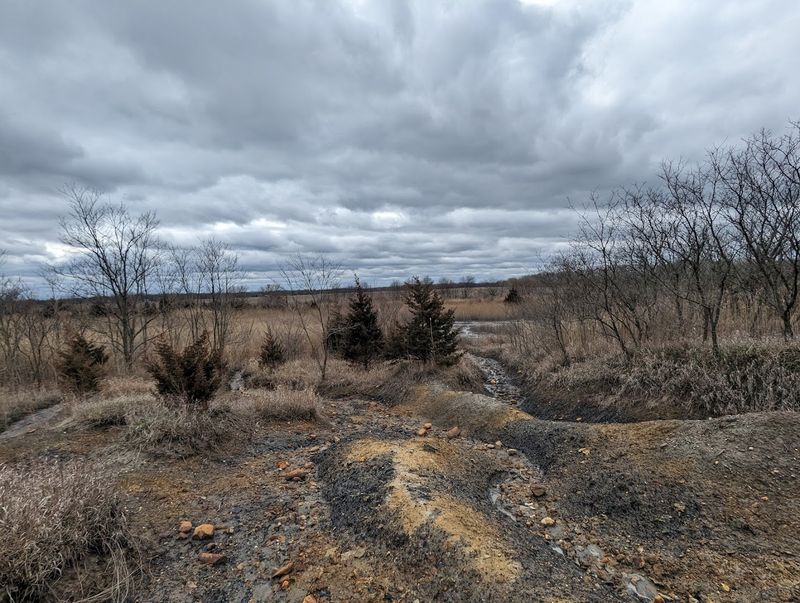
Getting the most out of a trip to Mazonia-Braidwood requires a little homework and the right gear.Obtaining the official fossil permit before searching is an important first step, and pairing it with current official guidance can help you navigate changing access conditions more effectively than relying on an older map alone. The Illinois Department of Natural Resources park and activity pages are the best starting points for current information on access, fossil permits, closures, and site rules.
Bug spray is absolutely non-negotiable, especially from late spring through early fall when mosquitoes and ticks are at their peak. Packing plenty of water, a first aid kit, a rock hammer for splitting concretions, and a sturdy bucket for your finds will cover most of what you need for a productive day.
The park is open every day from 6 AM to 10 PM, so arriving early gives you the coolest temperatures, the best wildlife activity, and a full day of unhurried exploration in one of Illinois’s most genuinely surprising outdoor destinations.