
This Hidden Garden In Arizona Feels Like Something From A Storybook
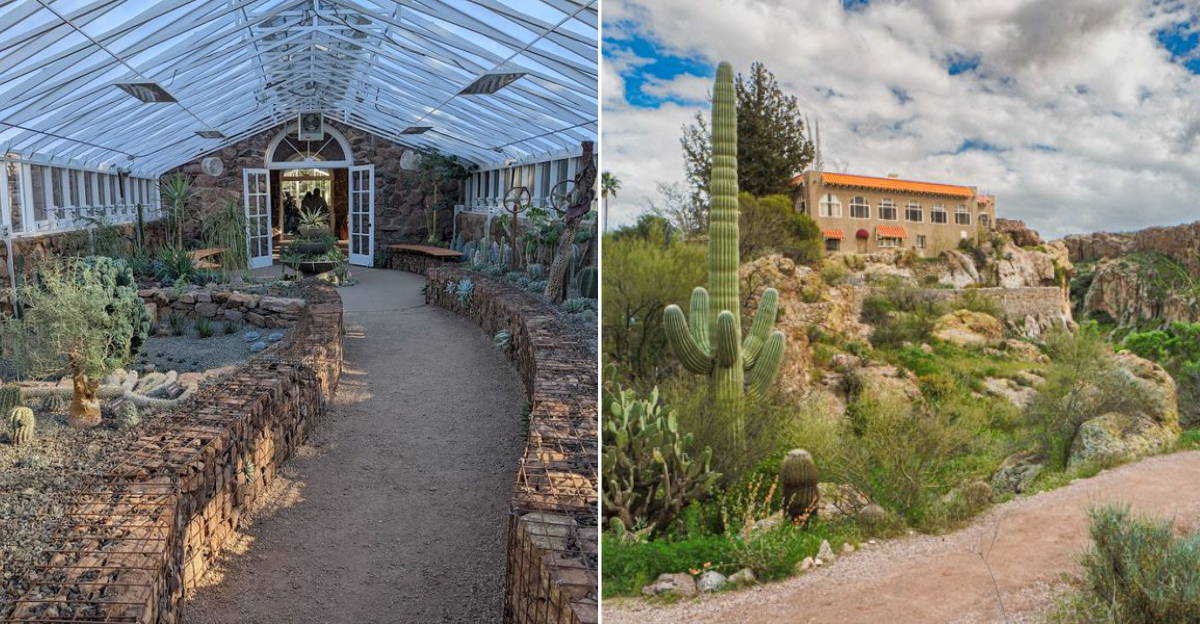
I’m starting to think that someone took a giant storybook, shook out all the most beautiful illustrations, and let them settle right here in the heart of Arizona.
This stunning retreat feels far too enchanting to be real, with soaring canopies and hidden botanical nooks that make you forget you’re anywhere near a dry desert. It’s a little bit dramatic, a whole lot of gorgeous, and exactly what happens when nature decides to show off its softer, more whimsical side.
If you’re tired of the same old brown scenery, trust me, you need to see this place for yourself. Wandering through these gardens is like getting a giant, green hug from Mother Nature, and it’s easily one of the most dreamlike corners of Arizona you’ll ever find.
The Founding Vision Of William Boyce Thompson
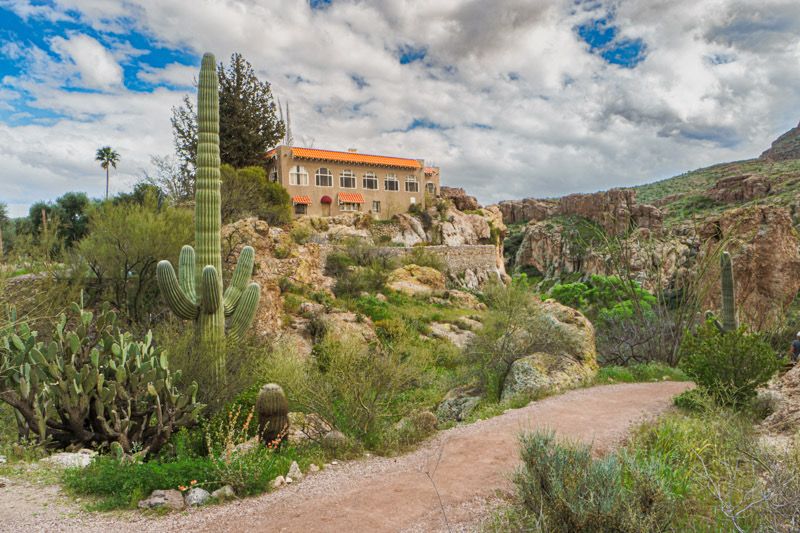
Not every botanical garden begins with a mining fortune and a global plant-collecting mission, but this one did. William Boyce Thompson was a copper magnate who, after witnessing famine during a Red Cross mission to Russia in 1921, became convinced that plants held the key to human survival in harsh environments.
He poured his resources into creating a living laboratory in the Arizona desert. Back in Superior, Arizona, he chose a dramatic stretch of Sonoran Desert land beneath volcanic cliffs and established the arboretum in 1924. His goal was never just beauty.
He wanted scientists, students, and everyday people to understand how desert plants sustain life under extreme conditions.
That original mission still shapes every trail and exhibit today. Walking through the grounds, you can feel the weight of that early ambition.
Thompson built something that outlasted his own lifetime, and the garden keeps honoring his belief that understanding plants is understanding how to survive on this planet.
Five Miles Of Trails Through A Desert World
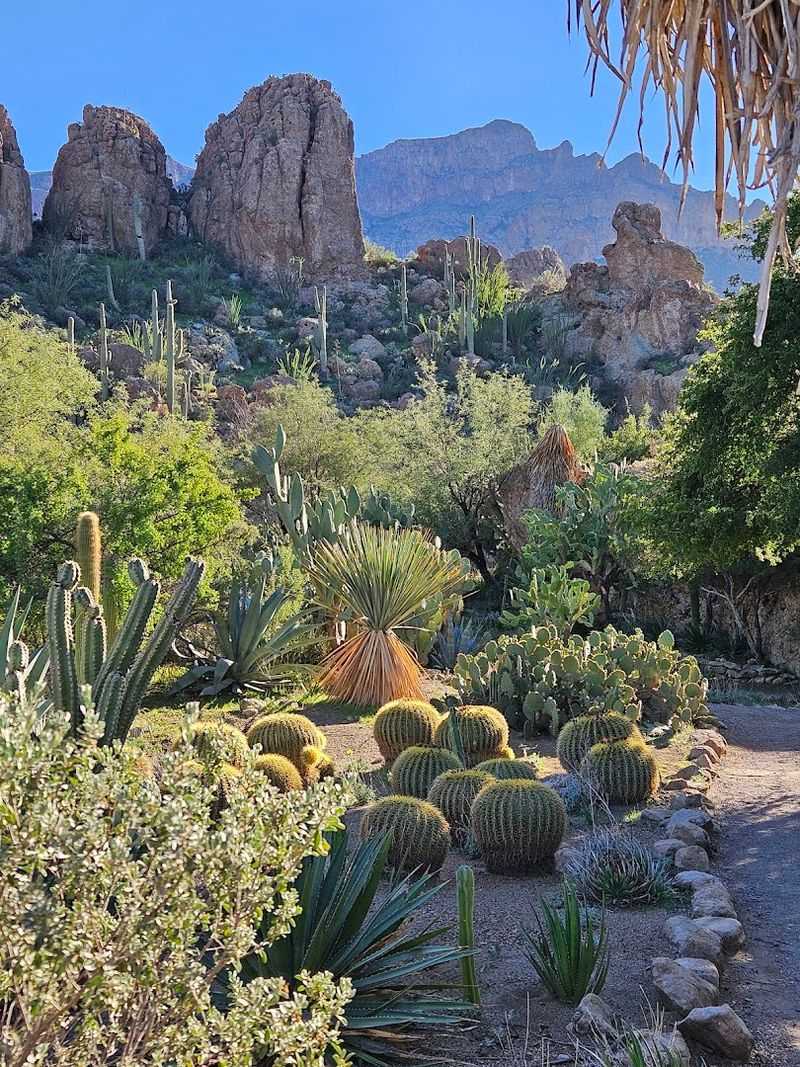
Lacing up your shoes here means committing to one of the most varied walks in the entire state. The arboretum offers five miles of well-maintained trails that move through dramatically different landscapes within just a short distance of each other.
One moment you are surrounded by towering saguaros, and the next you are stepping beneath a canopy of eucalyptus.
I found the trail system surprisingly easy to navigate, with clear signage pointing toward themed sections like the Australian Garden and the South American Garden.
The paths are mostly flat and packed, making them accessible for most fitness levels, though some rocky stretches reward the curious with better views.
Birders especially love the early morning hours here, when the trails are quiet and the desert birds are most active. Photographers tend to linger near the cactus collections, where the light plays beautifully against the spines and blooms.
No matter your pace, the trails have a way of making an hour feel like five minutes.
Over 3,900 Plant Species From Around The Globe
The sheer variety here stopped me in my tracks more than once. Boyce Thompson Arboretum is home to over 3,900 plant species drawn from arid regions across the world, including Australia, southern Africa, South America, and the American Southwest.
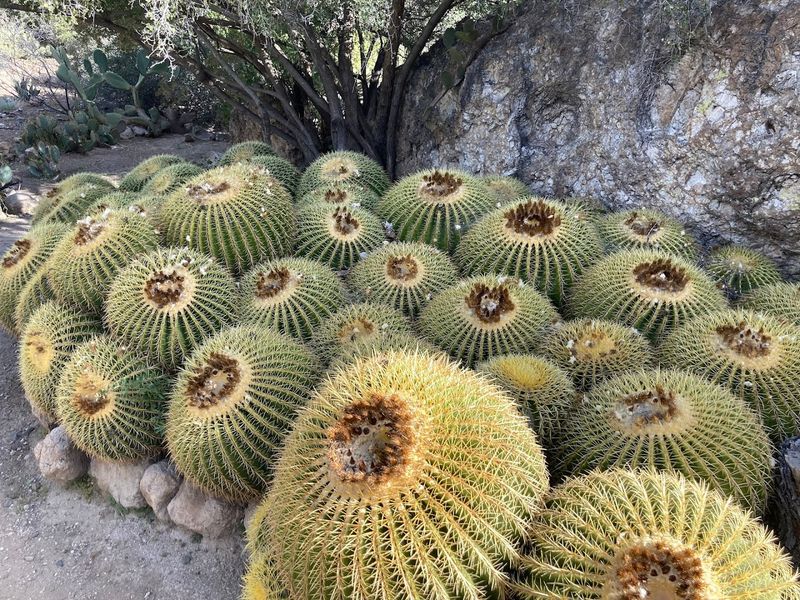
Walking the grounds feels less like a single garden visit and more like a slow tour of the planet’s driest corners. The cactus collection alone is worth the trip.
You will find everything from small, coin-sized specimens to enormous columnar cacti that tower overhead and cast long afternoon shadows across the path.
Nearby, aloes from South Africa bloom in vivid orange and red, creating a color contrast that photographers practically sprint toward. What surprised me most was how thoughtfully each collection is arranged.
Plants from similar climates are grouped together, giving each section its own distinct personality and texture. The arboretum feels less like a museum display and more like a series of living neighborhoods, each with its own rhythm and character waiting to be explored.
The Wallace Desert Garden Along Queen Creek
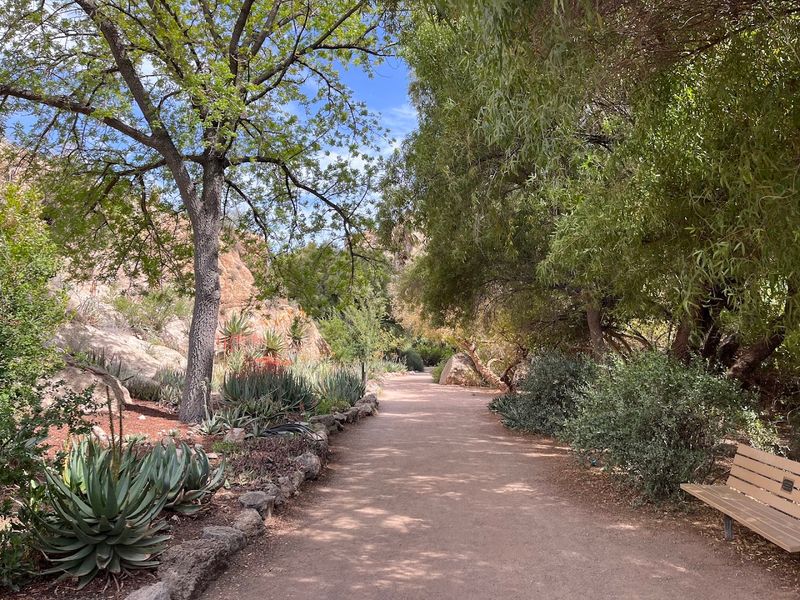
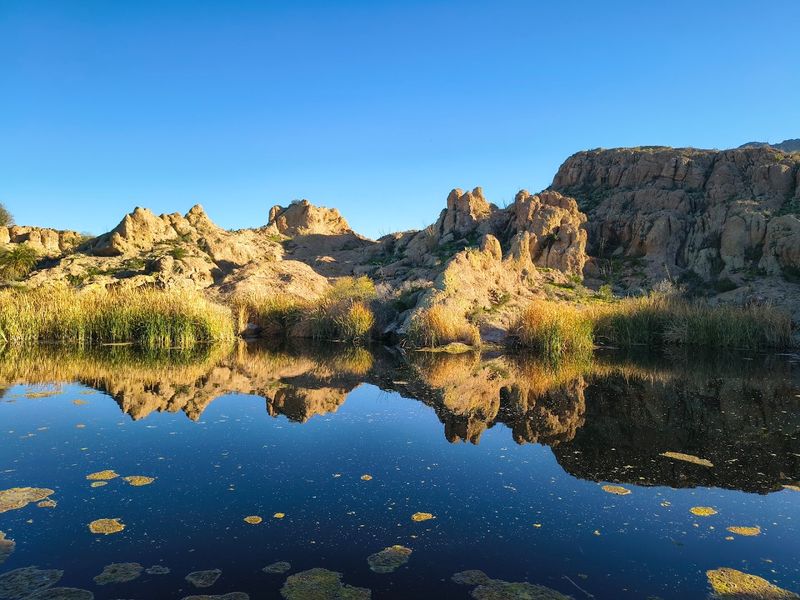
Few spots in the entire arboretum carry the same quiet power as the Wallace Desert Garden. This 13-acre addition stretches along Queen Creek and delivers some of the most striking views in the park, with Picketpost Mountain rising boldly in the background and the Superstition Mountains fading into the hazy distance.
I sat on a flat rock near the creek and genuinely forgot I had a schedule. The garden was designed to showcase native desert plants in a naturalistic setting, meaning nothing here feels forced or overly manicured.
Plants grow close to the water, creating a riparian edge that attracts wildlife, including herons, hawks, and a surprising number of butterflies during spring months.
Queen Creek itself adds a gentle soundtrack to the experience, moving quietly over smooth stones and reflecting the sky in pools between the boulders. If you only have time for one section of the arboretum, the Wallace Desert Garden is the one that will stay with you longest after you leave.
The Best Times To Visit And What To Expect
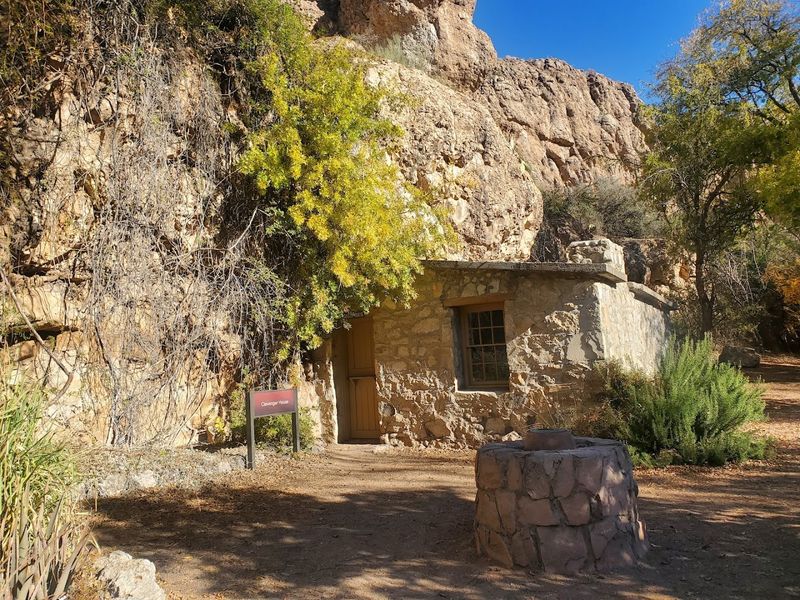
Timing your visit here makes a real difference. The arboretum is open year-round from 8:00 AM to 5:00 PM, but the experience changes dramatically depending on the season.
Spring, from February through April, is widely considered the best time to visit, when wildflowers carpet the ground and the temperatures sit comfortably in the 60s and 70s Fahrenheit.
Summer visits are possible but require an early start. By mid-morning, the desert heat becomes intense, and the trails feel very different without shade.
Fall brings cooler air and softer light, making it a favorite season for photographers and birdwatchers who appreciate the quieter crowds.
Admission is $24.95 for adults, $10 for youth aged 13 to 17, and $5 for children aged 5 to 12. Children under 5 enter free, and members always get free admission. The arboretum is located at 37615 U.S.
Route 60 in Superior, Arizona, about an hour east of Phoenix, making it an easy day trip from the city.
Wildlife, Birds, And The Living Desert Around You
The plants are the stars, but the wildlife here quietly steals scenes throughout the day. Boyce Thompson Arboretum supports a rich ecosystem, and birders regularly add impressive species to their life lists during a single morning visit.
Gila woodpeckers hammer away at saguaro trunks, curve-billed thrashers dart between shrubs, and vermilion flycatchers flash like small flames against the pale desert sky. Reptiles are also part of the experience, though they tend to keep low profiles during cooler months.
Lizards skitter across sun-warmed rocks, and if you are patient and quiet near the creek, you might catch a glimpse of a garter snake moving through the reeds. Javelinas sometimes wander through the outer edges of the property in the early morning hours.
The arboretum does not just preserve plants. It creates a functioning habitat where animals, insects, and plants all depend on each other, and observing that web of connection up close is one of the most rewarding parts of spending a full day here.
Photography, Families, And Making The Most Of Your Day
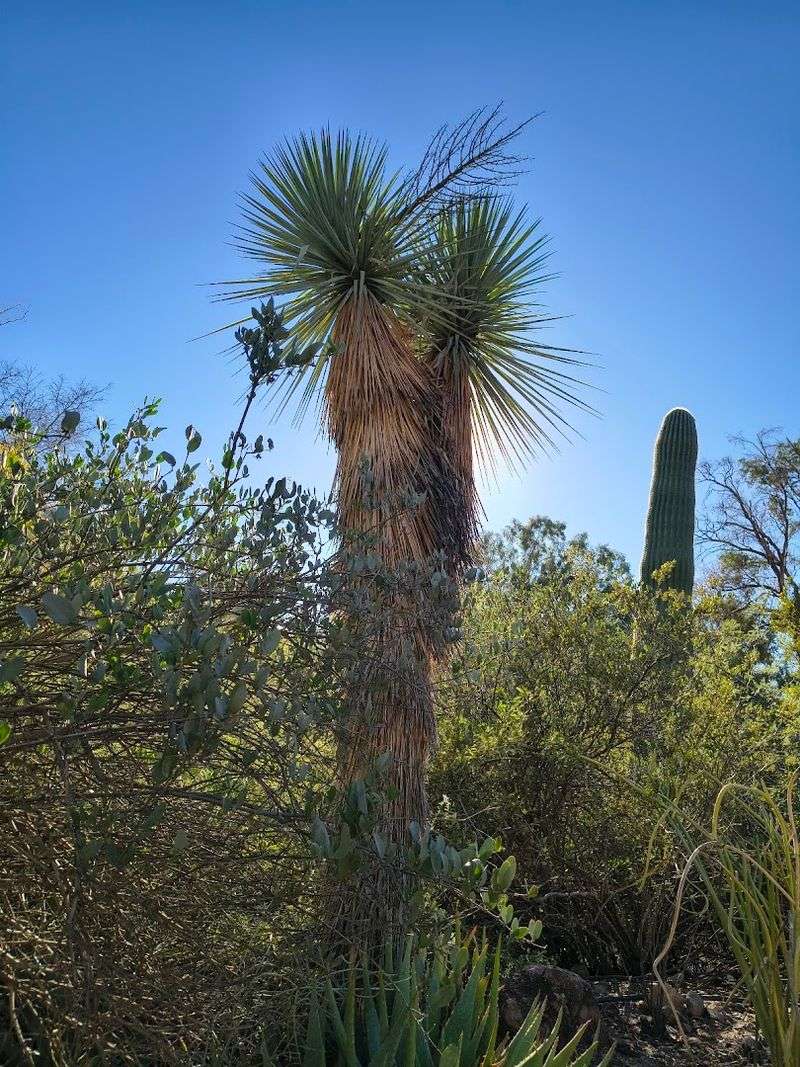
Photographers have been coming to this arboretum for decades, and the reasons are obvious the moment you lift your lens. The combination of dramatic rock formations, exotic plant textures, and constantly shifting desert light creates compositions that feel effortless.
Golden hour, roughly the hour before sunset, turns the cactus gardens into something that looks almost painted. Families with children find the arboretum surprisingly engaging, partly because the plant diversity keeps curiosity alive around every bend.
The arboretum also offers educational programs and guided tours on select days, which are especially useful for school groups or parents who want to give context to what their kids are seeing.
Pack water, wear sunscreen, and bring a hat regardless of the season. The gift shop near the entrance carries field guides, native seeds, and locally made goods worth browsing before you leave.
A full visit takes between two and four hours, and most people I spoke with on the trails said they wished they had planned for longer. That feeling is probably the best review any place can earn.
The Gift Shop, Nursery, And Taking A Piece Of The Desert Home
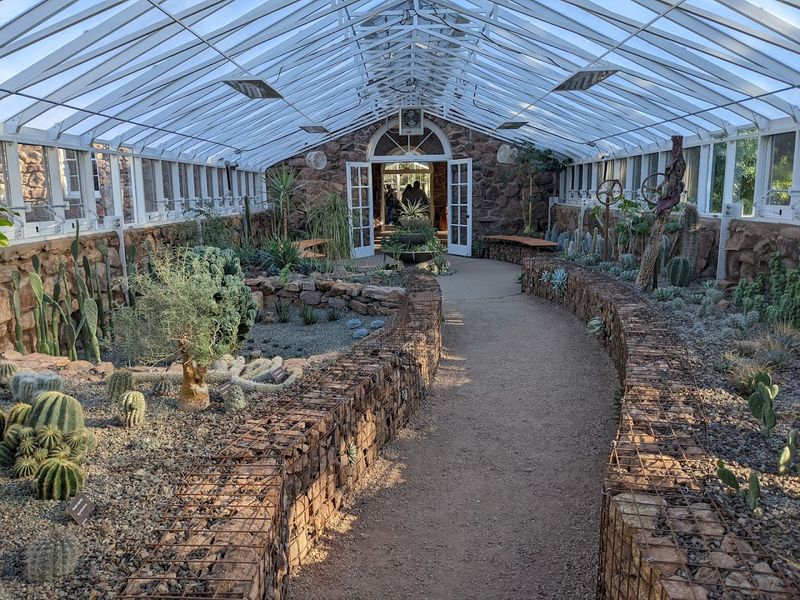
Few botanical gardens let you leave with a living souvenir, but Boyce Thompson Arboretum makes that possible through its well-stocked nursery. Right near the entrance, you will find native plants, drought-tolerant shrubs, and rare desert specimens available for purchase at reasonable prices.
The gift shop nearby carries books on desert ecology, locally made goods, and botanical-themed keepsakes that make meaningful mementos. Staff members are genuinely knowledgeable and happy to help you pick plants suited to your yard and climate.
Walking out with a small saguaro seedling or a prickly pear cutting feels like carrying a piece of the Sonoran Desert home with you.
The nursery adds an extra layer of fun to the visit because it lets the experience continue long after you have left the trails behind. It is also a smart stop for anyone who wants to bring home something far more personal than a standard souvenir.
For plant lovers, that final browse near the entrance can end up feeling just as exciting as the garden itself.