
17 Small-Town Arizona Hidden Gems Worth Adding To Your 2026 List
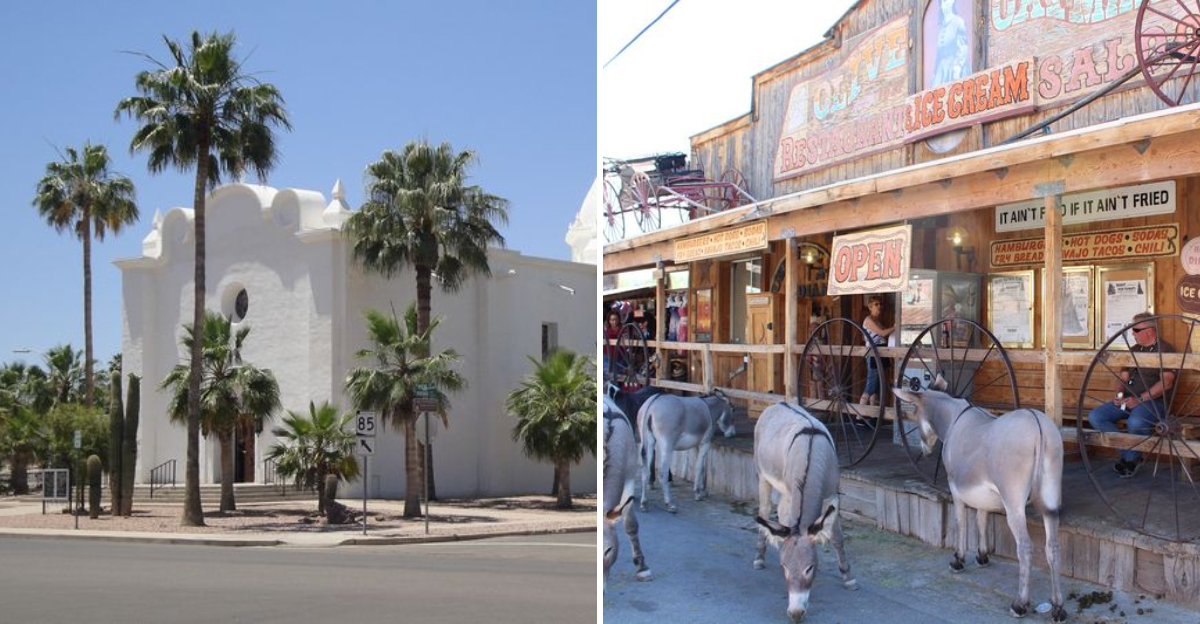
If I have to spend one more minute staring at a glowing screen or navigating a sea of city concrete, I might actually lose my mind. We all need a little escape sometimes, don’t we?
Arizona has this magical way of hiding the most charming, quiet spots right under our noses-places where the pace slows down and the local coffee shop actually feels like home.
I’m already dreaming of 2026 because my soul needs a break that involves more sun-drenched streets and way fewer “urgent” notifications. These little Arizona gems are the perfect prescription for anyone who needs to swap the noise for some fresh air and incredibly friendly faces.
Let’s start planning our great escape.
1. Bisbee, Arizona
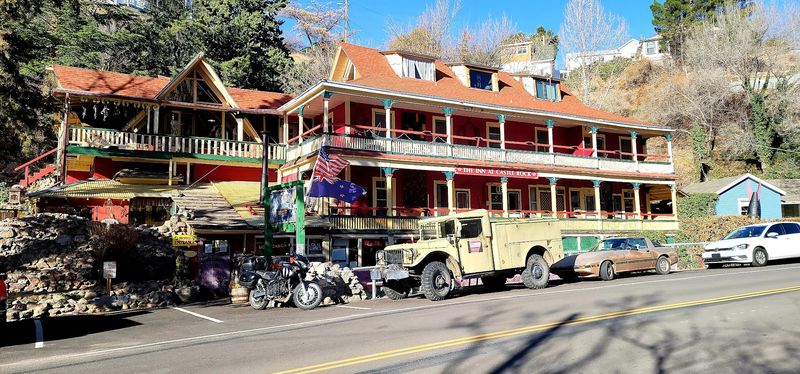
Perched dramatically on the slopes of the Mule Mountains in southeastern Arizona, Bisbee is the kind of town that makes you slow down and look twice. It started as a copper mining boomtown in the late 1800s and somehow transformed into one of the most vibrant artsy communities in the entire Southwest.
Walking the stairs and winding lanes of Old Bisbee feels a little like stepping into a European hillside village, except with cacti and turquoise jewelry shops. The Queen Mine Tour takes you underground into the actual tunnels where miners once worked, and it is genuinely fascinating for all ages.
The local food scene punches well above its weight for such a small town. Plan to spend at least one night here so you can soak in the quirky energy after the day-trippers leave.
2. Jerome, Arizona
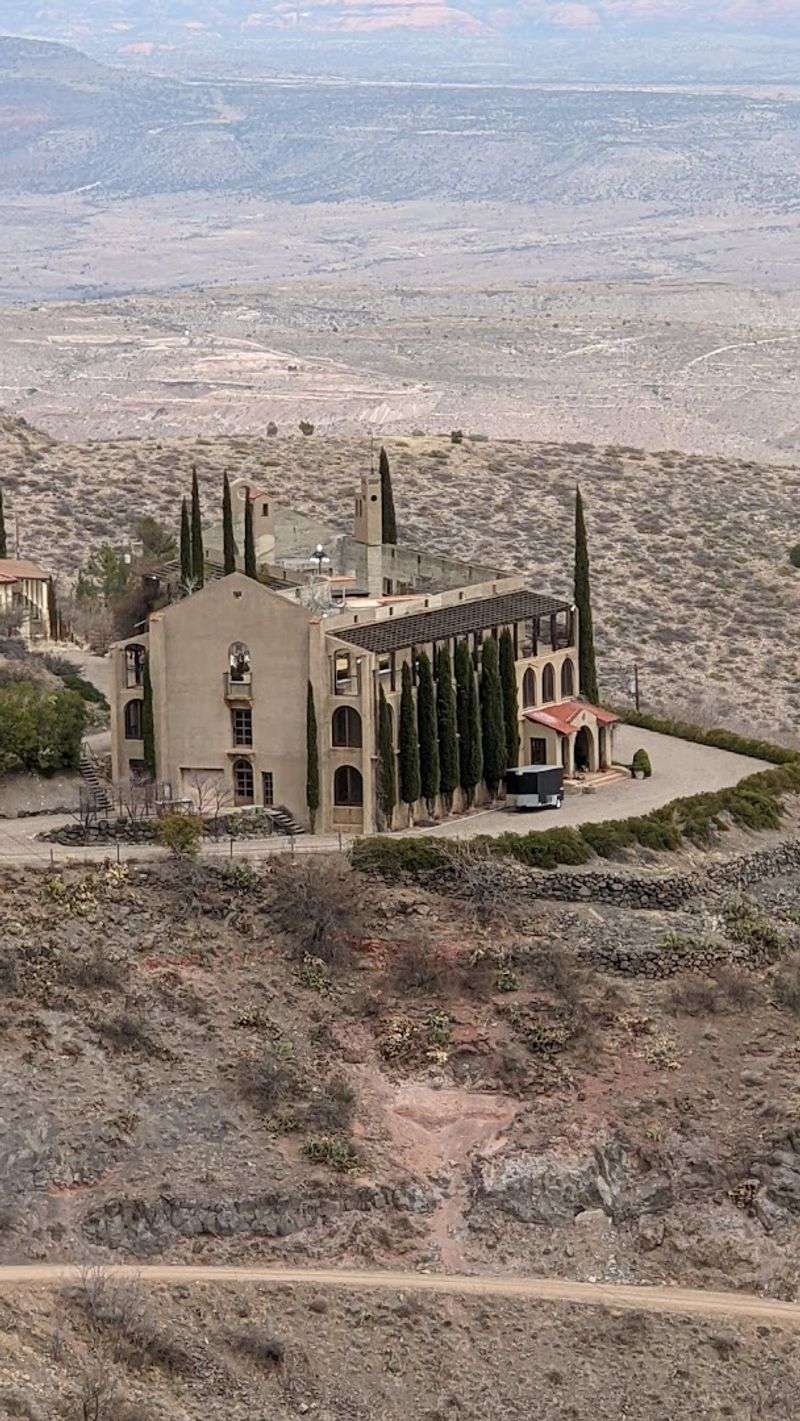
Few places in Arizona make a first impression quite like Jerome. Built into the steep face of Cleopatra Hill above the Verde Valley, this former copper mining settlement once housed nearly 15,000 residents before being largely abandoned mid-20th century and earning the nickname “The Largest Ghost Town in America.”
These days, Jerome is very much alive, filled with galleries, boutique shops, and restaurants that attract curious visitors from across the country. The views from up here are absolutely stunning, stretching across the Verde Valley toward Sedona and the red rocks beyond.
The Jerome State Historic Park and the Gold King Mine Museum both offer solid history without feeling like a textbook. Go on a weekday if you can, because weekends can get surprisingly crowded on those narrow streets. The drive up alone is worth the trip.
3. Tubac, Arizona
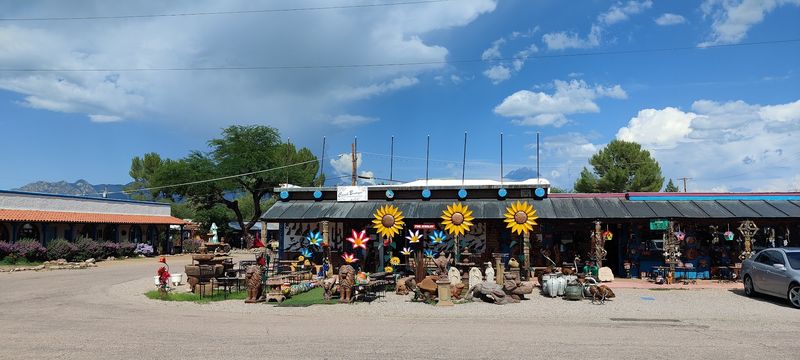
About 45 miles south of Tucson, Tubac sits quietly along the Santa Cruz River and holds the distinction of being Arizona’s oldest European settlement, established by the Spanish in 1752. That layered history gives the town a depth that you do not always find in places this small.
Today, Tubac is best known as an art colony, with more than 100 studios and galleries clustered in a walkable village setting. You can spend a few genuinely pleasant hours browsing paintings, ceramics, handwoven textiles, and jewelry without ever feeling rushed.
Tubac Presidio State Historic Park sits right in the middle of town and lets you explore the original Spanish fort foundations. The nearby Tumacacori National Historical Park is just a short drive south and adds even more cultural weight to a day trip here. Pair both stops for a full and rewarding afternoon.
4. Patagonia, Arizona
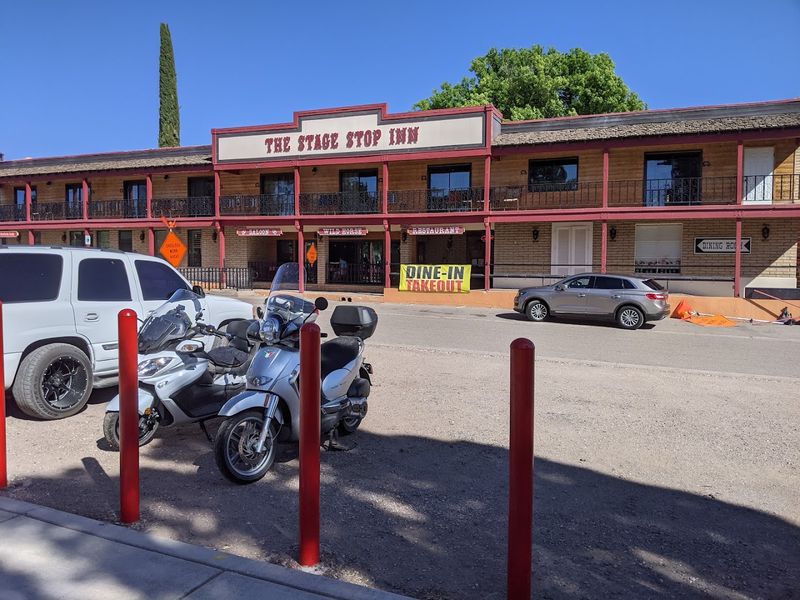
Surrounded by rolling grasslands and sky island mountain ranges, this small southern Arizona town rests in a quiet valley near the Mexican border. It has an easygoing beauty that feels real rather than polished.
Birders absolutely love this area. Patagonia Lake State Park and the Patagonia-Sonoita Creek Preserve are both recognized as world-class birding destinations, attracting rare and migratory species that you simply cannot find elsewhere in the United States.
Even if you have never picked up a pair of binoculars in your life, the wildlife here is hard to ignore.
The surrounding Sonoita wine country adds another reason to linger, with several family-owned vineyards within easy driving distance. The town itself is tiny but has a warm community feel and a few excellent spots for a relaxed meal after a morning on the trails.
5. Ajo, Arizona
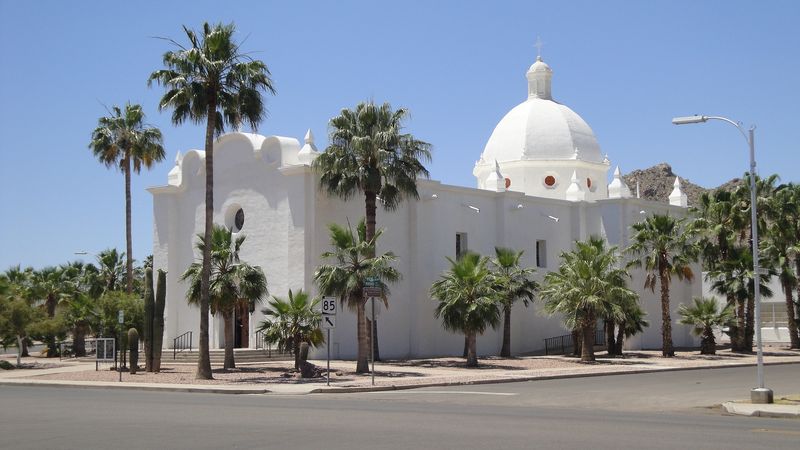
Out in the remote Sonoran Desert about 120 miles west of Tucson, this little Arizona town has become a quiet favorite among travel writers who almost seem reluctant to share it too widely. At its heart is a beautiful Spanish Colonial plaza that feels more like a Mexican colonial town than anything you would expect in rural Arizona.
The town has a fascinating copper mining history, and the massive open-pit mine just outside of town is still one of the largest ever dug in Arizona.
The nearby Organ Pipe Cactus National Monument is a stunning landscape that most Americans have never visited, featuring a rare cactus species found almost nowhere else in the country.
A growing community of artists and remote workers has been quietly revitalizing Ajo in recent years. The International Sonoran Desert Alliance has done remarkable work restoring historic buildings and supporting local culture here.
6. Oracle, Arizona
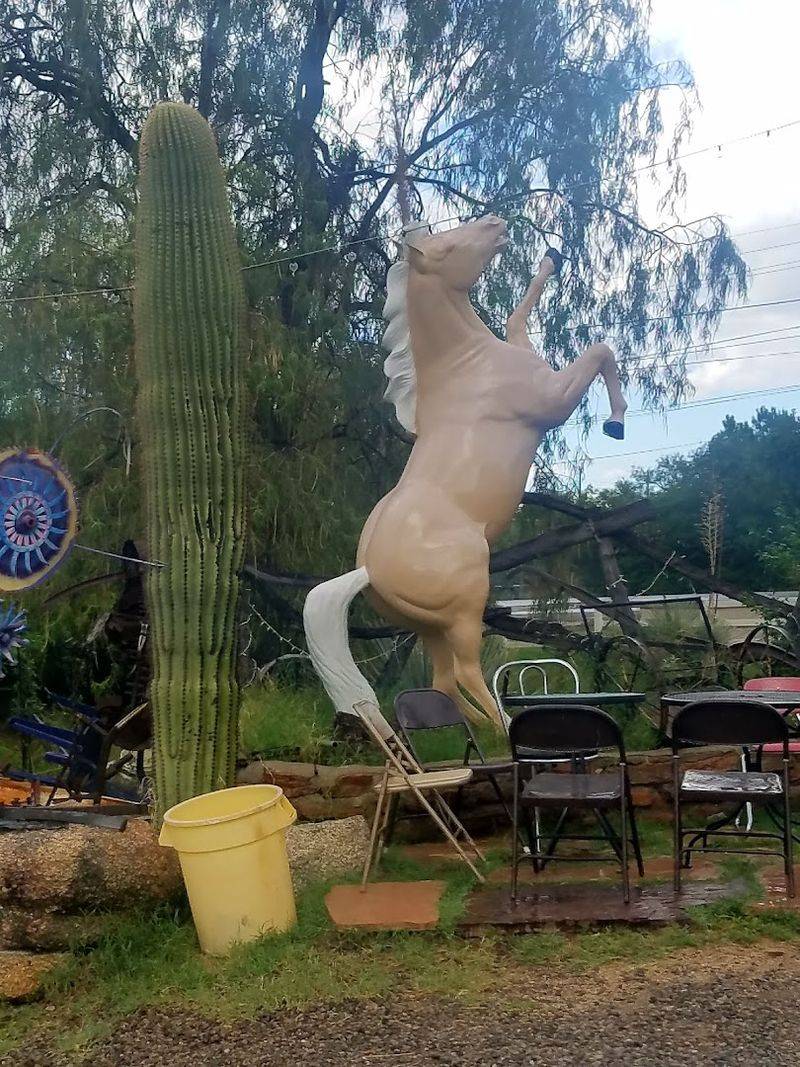
Sitting at around 4,500 feet elevation in the foothills of the Santa Catalina Mountains, Oracle offers a noticeably cooler and greener experience than the desert floor towns nearby. It is a refreshing surprise if you are coming up from Tucson on a hot summer day.
The terrain around Oracle is a fascinating mix of Sonoran Desert, grasslands, and oak woodlands, which means the hiking and wildlife watching here are genuinely varied.
Biosphere 2, one of the most unusual science facilities in the world, is located just down the road and offers fascinating public tours that kids and adults alike find captivating.
Oracle State Park protects over 4,000 acres of beautiful high desert grassland and is wonderfully uncrowded most of the year. The town itself has a laid-back, slightly bohemian character that makes a half-day visit stretch naturally into a full one.
7. Cottonwood, Arizona
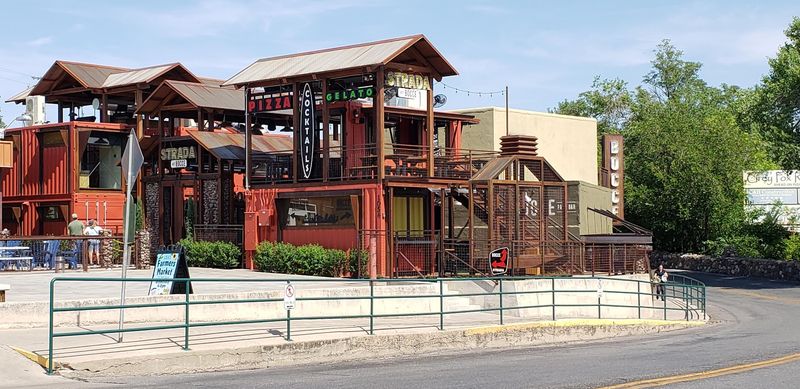
Cottonwood has figured out a nice balance that many small towns chase but rarely achieve. It has a lively, well-preserved Old Town district with genuine character, and it also sits right in the heart of Verde Valley wine country, which gives it a draw beyond just history and scenery.
Main Street in Old Town Cottonwood is lined with locally owned shops, tasting rooms, and restaurants that feel rooted in the community rather than manufactured for tourists. The energy here is warm without being overwhelming, and the pace is just right for a slow weekend.
Dead Horse Ranch State Park is right on the edge of town and offers excellent river access, camping, and birding along the Verde River. Cottonwood also makes a smart base for day trips to Jerome, Tuzigoot National Monument, and Sedona without the premium price tag of staying in any of those places.
8. Clarkdale, Arizona
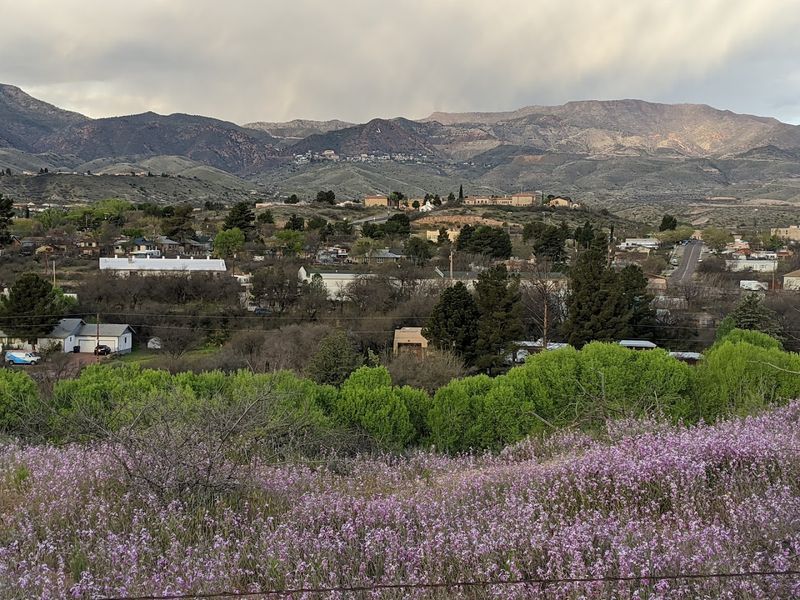
Often overlooked because Jerome and Sedona are so close by, this small Verde Valley town has a charm that feels even stronger because of it. It also has a fascinating history as a planned company town built in 1912 to support the United Verde Copper Company smelter, and much of its original layout and architecture still remains intact.
The biggest draw for most visitors is the Verde Canyon Railroad, which departs from Clarkdale and travels through a spectacular and otherwise inaccessible stretch of red rock canyon along the Verde River.
It is one of the most scenic train rides in the American Southwest and a genuinely memorable experience for families.
Tuzigoot National Monument, an ancient Sinaguan hilltop pueblo with commanding views over the Verde Valley, sits just outside of town. Clarkdale rewards the curious traveler who is willing to look past the more famous neighbors on either side of it.
9. Williams, Arizona
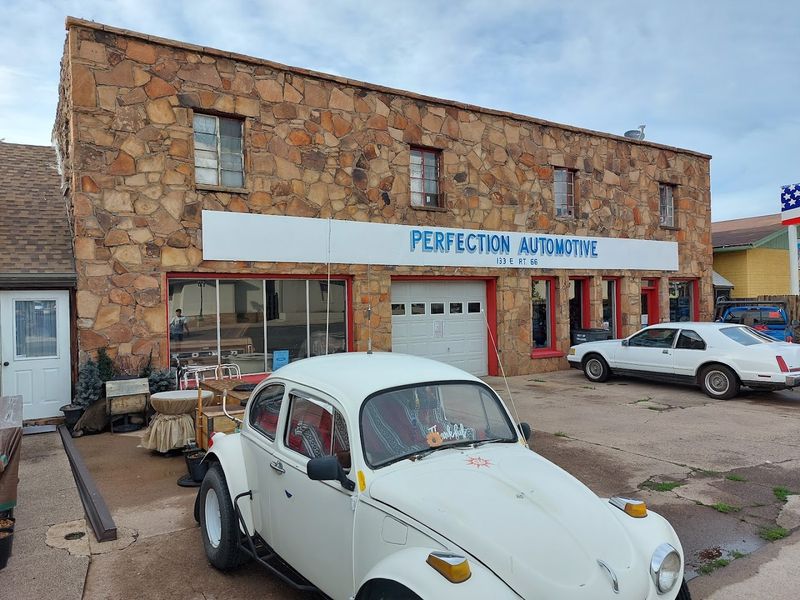
Williams wears its Route 66 identity with genuine pride rather than as a tired gimmick. Sitting at over 6,700 feet elevation on the Colorado Plateau, it is surrounded by ponderosa pine forest and has a mountain-town atmosphere that sets it apart from the desert highway stops further west on the famous road.
The Grand Canyon Railway departs from the historic Williams Depot and offers a classic and surprisingly fun way to reach the South Rim without dealing with canyon parking.
The vintage steam and diesel locomotives, onboard entertainment, and scenic route make the journey itself a highlight of any Grand Canyon trip.
Downtown Williams has excellent neon signage, a handful of solid diners, and a Route 66 Museum worth a quick stop. The town fills up in summer but maintains its small-town feel better than most Grand Canyon gateway communities. Fall is a particularly lovely time to visit.
10. Winslow, Arizona
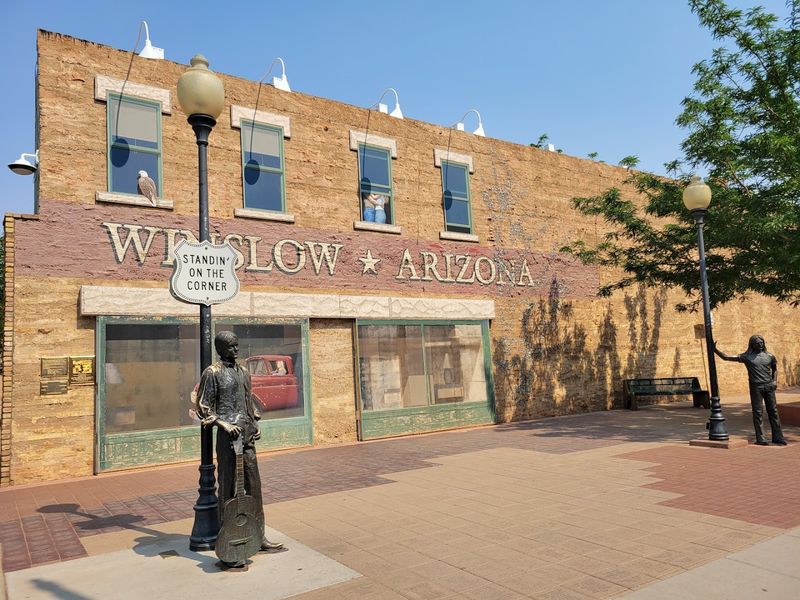
Yes, there is the corner. The famous “Standin on the Corner” park from the Eagles song “Take It Easy” is real, complete with a mural, a bronze statue, and a flatbed Ford parked right where you would expect it. It is fun, it is photogenic, and it takes about ten minutes.
But Winslow has more going on than a song lyric.
The La Posada Hotel is one of the finest historic hotels in the entire Southwest, a beautifully restored 1930 Harvey House designed by Mary Colter that deserves a stay or at least a meal in its outstanding restaurant. The building and grounds are genuinely stunning.
Homolovi State Park just outside of town protects significant ancestral Hopi archaeological sites with trails and a good interpretive center. Winslow sits near the edge of the Painted Desert and makes a smart overnight stop for anyone driving across northern Arizona on I-40.
11. Oatman, Arizona
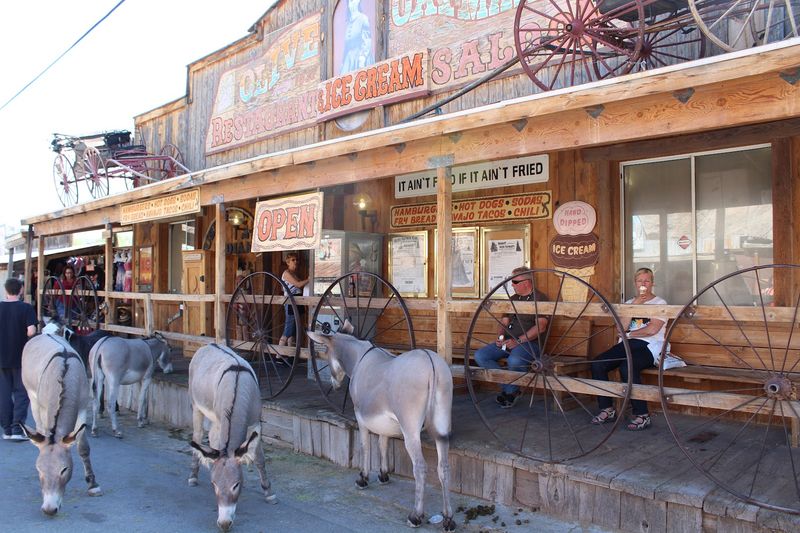
There are not many places in the United States where you can walk down the main street and get nudged by a wild burro looking for a handout, but Oatman is one of them. These free-roaming descendants of old pack animals have become the unofficial mascots of this remote Mohave County mining town on historic Route 66.
Oatman sits in the Black Mountains near the California border and has a wonderfully raw, unpolished quality that more developed tourist towns have long since lost.
The wooden storefronts, old hotel, and occasional mock gunfight performances on the street give it a flavor that feels genuinely preserved rather than reconstructed.
Gold was discovered here in 1915, and the town boomed quickly before fading just as fast. Driving the original Route 66 switchbacks through Sitgreaves Pass to reach Oatman is itself an adventure that most GPS systems will try to talk you out of.
12. Wickenburg, Arizona
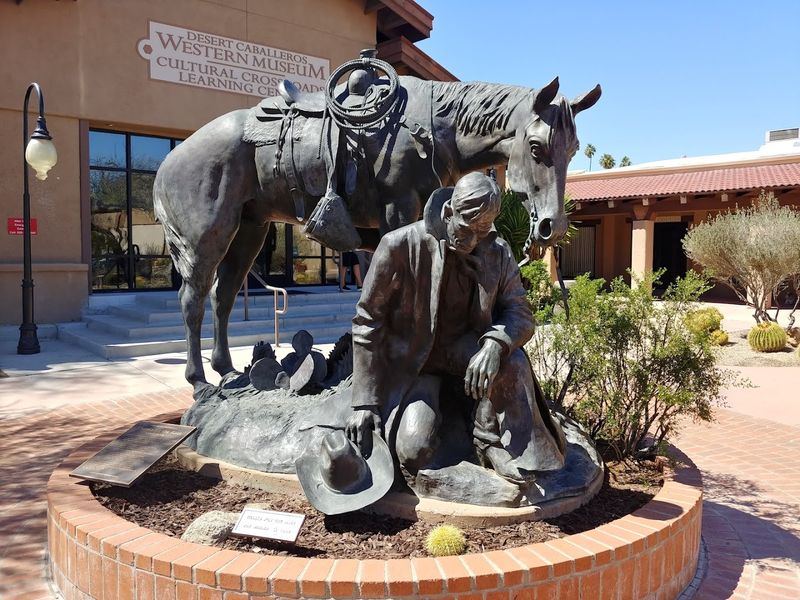
About 60 miles northwest of Phoenix, Wickenburg holds onto its Western ranch-town identity with impressive conviction. It calls itself the “Dude Ranch Capital of the World,” and while that title might raise an eyebrow, the concentration of working guest ranches in the area is genuinely remarkable and still very much active.
The Desert Caballeros Western Museum in downtown Wickenburg is far better than its modest exterior suggests, with a strong collection of Western art, Native American artifacts, and regional history displays that could easily hold your attention for two hours. It is consistently underrated on national museum lists.
The Hassayampa River Preserve, managed by The Nature Conservancy, protects a rare perennial desert stream with lush riparian habitat and excellent birding just minutes from downtown.
Wickenburg has enough personality and enough to do that it works as a destination rather than just a drive-through stop.
13. Tuba City, Arizona
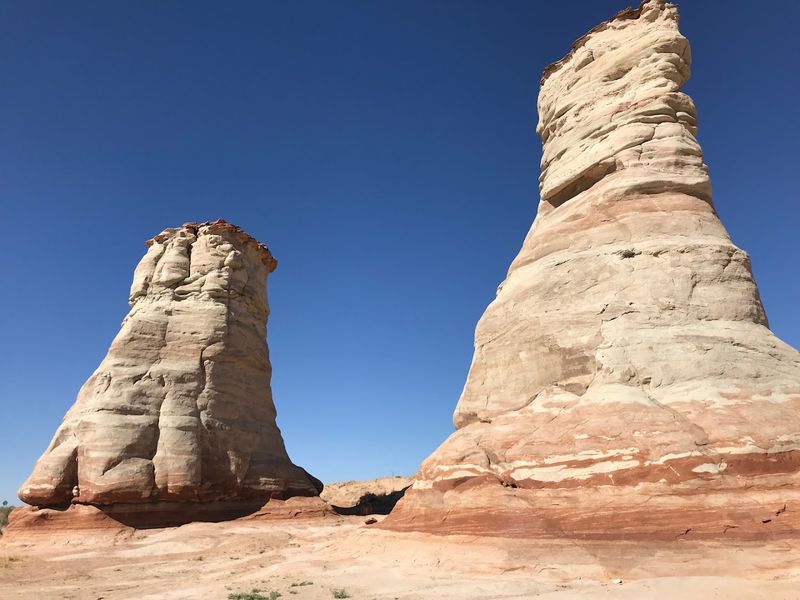
Tuba City is the largest community on the Navajo Nation and serves as a gateway to landscapes that look like they belong on another planet. Located in northern Arizona near the junction of US-160 and US-89, it sits at the edge of the Painted Desert.
The town has a strong Navajo and Hopi cultural presence, and the Explore Navajo Interactive Museum offers a thoughtful introduction to Navajo history, the Long Walk, and the Code Talkers program.
A short drive away, you can find dinosaur tracks preserved in sandstone that are genuinely impressive and largely unguarded by crowds.
Monument Valley, Canyon de Chelly, and Antelope Canyon are all within reasonable driving distance, making Tuba City a practical hub for exploring the Colorado Plateau. The landscape here looks nothing like the rest of Arizona, and that contrast alone makes it worth the drive.
14. Pine, Arizona
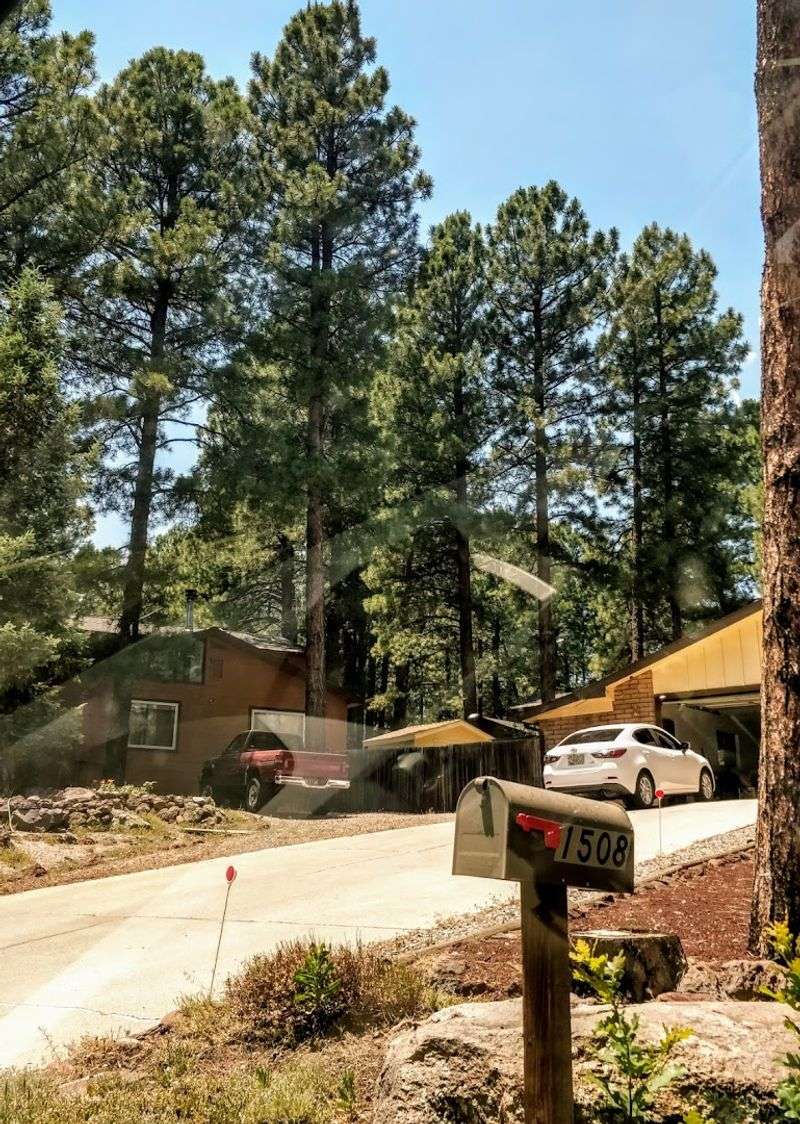
When the desert heat becomes too much, Pine is one of the most satisfying escapes in the entire state.
Tucked into the Tonto Natural Bridge area along the Mogollon Rim at about 5,400 feet elevation, this small community offers a genuinely cool, forested Arizona that surprises visitors who only know the state as a hot, dry place.
Tonto Natural Bridge State Park, just a few miles from the center of Pine, protects what is considered the largest natural travertine bridge in the world. The hike down to the bridge and the turquoise pool beneath it is short but memorable.
Pine itself has a handful of good local shops, a community feel that is warm and unpretentious, and easy access to hiking trails along the Rim. Recent Arizona tourism coverage has specifically highlighted the Pine-Strawberry corridor as one of the state’s most appealing mountain-town areas.
15. Strawberry, Arizona
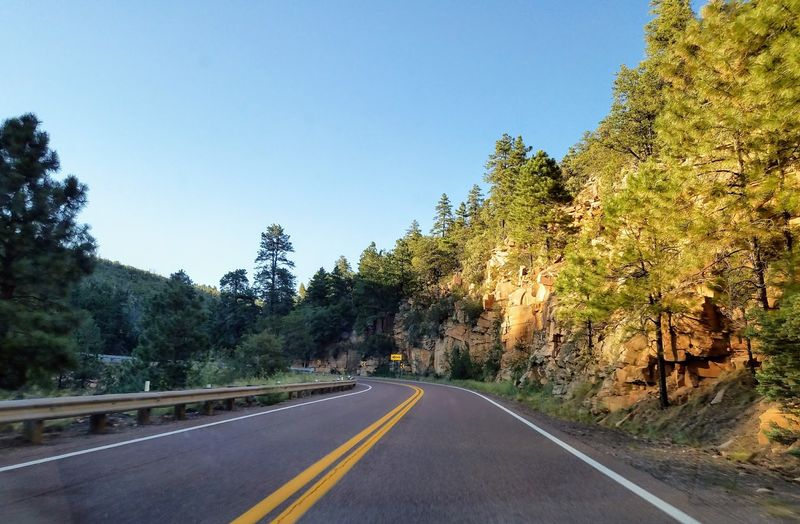
Just a few miles north of Pine along State Route 87, Strawberry is even smaller and even quieter, which is saying something. The two towns are almost always mentioned together, and for good reason, but Strawberry has its own distinct character that rewards a separate look.
The Strawberry Schoolhouse, built in 1885, is the oldest standing schoolhouse in Arizona and sits in remarkably good condition given its age. It is open for tours on certain days and gives a genuinely touching glimpse into early pioneer life on the Rim.
The surrounding forest is excellent for hiking, and the area feels refreshingly free of the commercial development that has crept into many other Arizona mountain communities.
If your ideal small-town escape involves a porch, pine trees, and the sound of absolutely nothing in particular, Strawberry is ready to deliver exactly that without any fuss.
16. Holbrook, Arizona

Holbrook is the kind of northern Arizona town that Route 66 travelers have been stopping at for decades, and it holds onto that roadside Americana energy with an unself-conscious confidence.
The Wigwam Motel, where guests sleep in concrete teepee-shaped rooms, is a genuine piece of American roadside history and one of only two surviving locations of the original chain.
Petrified Forest National Park and the Painted Desert are both right on the edge of town, making Holbrook an obvious and practical overnight base for exploring one of Arizona’s most underrated national parks. The fossilized logs scattered across the desert floor there are 225 million years old.
Downtown Holbrook has the old Navajo County Courthouse and a handful of shops selling petrified wood and Navajo crafts. It is not a polished destination, but its honest, unpretentious Route 66 character is exactly what makes it worth a stop.
17. Prescott, Arizona
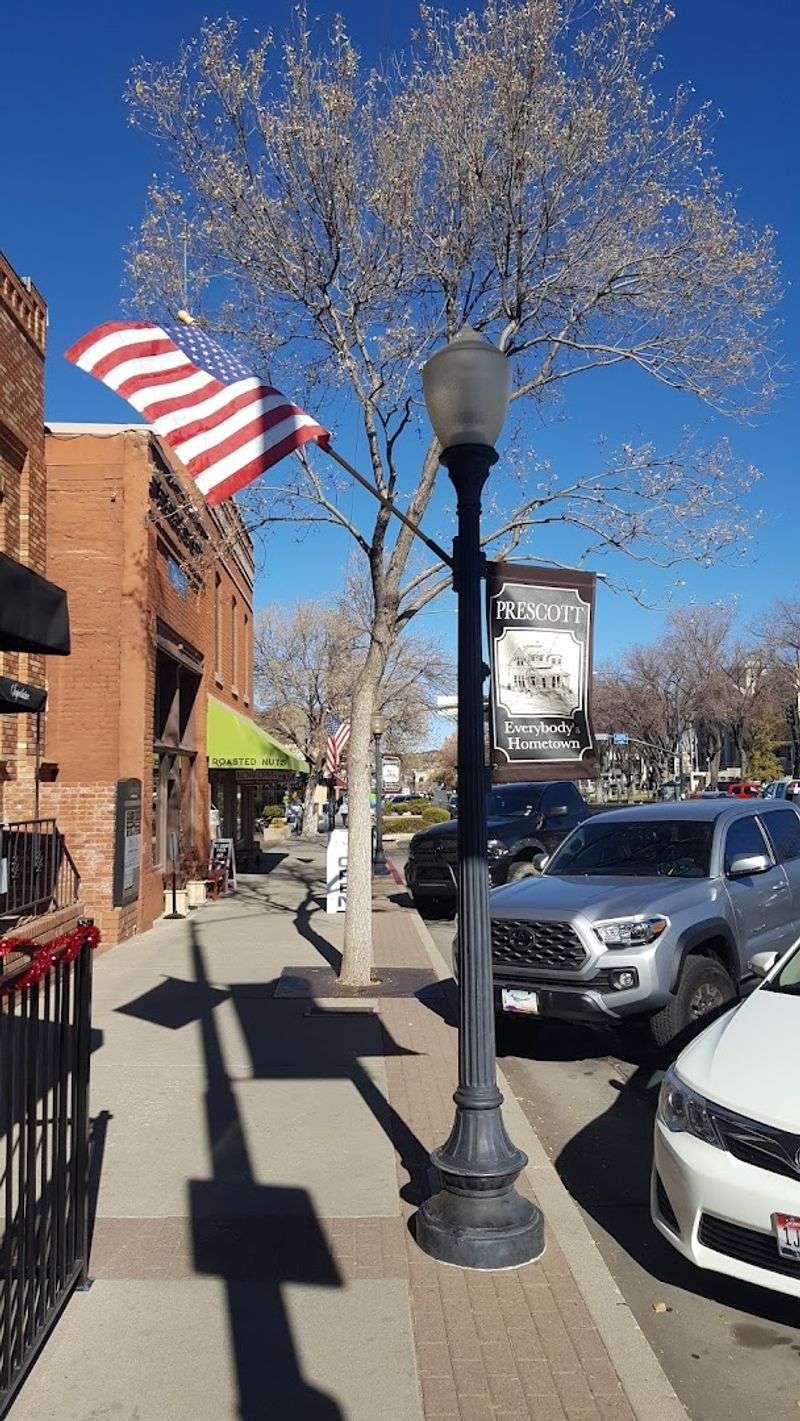
Prescott sits at about 5,400 feet in the Bradshaw Mountains and has been charming visitors since it served as Arizona’s first territorial capital in 1864. The downtown Courthouse Plaza is one of the most genuinely pleasant town squares in the American West.
Whiskey Row, the historic block of buildings along Montezuma Street, has a storied past and a lively present with shops and eateries that attract both locals and visitors year-round.
The Sharlot Hall Museum complex nearby offers an excellent and surprisingly deep look at Arizona territorial history spread across several beautifully preserved historic buildings.
Granite Dells, a remarkable formation of rounded pink granite boulders just north of town, is perfect for hiking and photography and feels like a world apart from the rest of the Prescott basin.
With cooler temperatures, a walkable downtown, and real history behind every corner, Prescott earns its spot on any Arizona small-town list.