
This Classic Arcade Bar In Michigan Is A Must-Visit For Retro Gamers
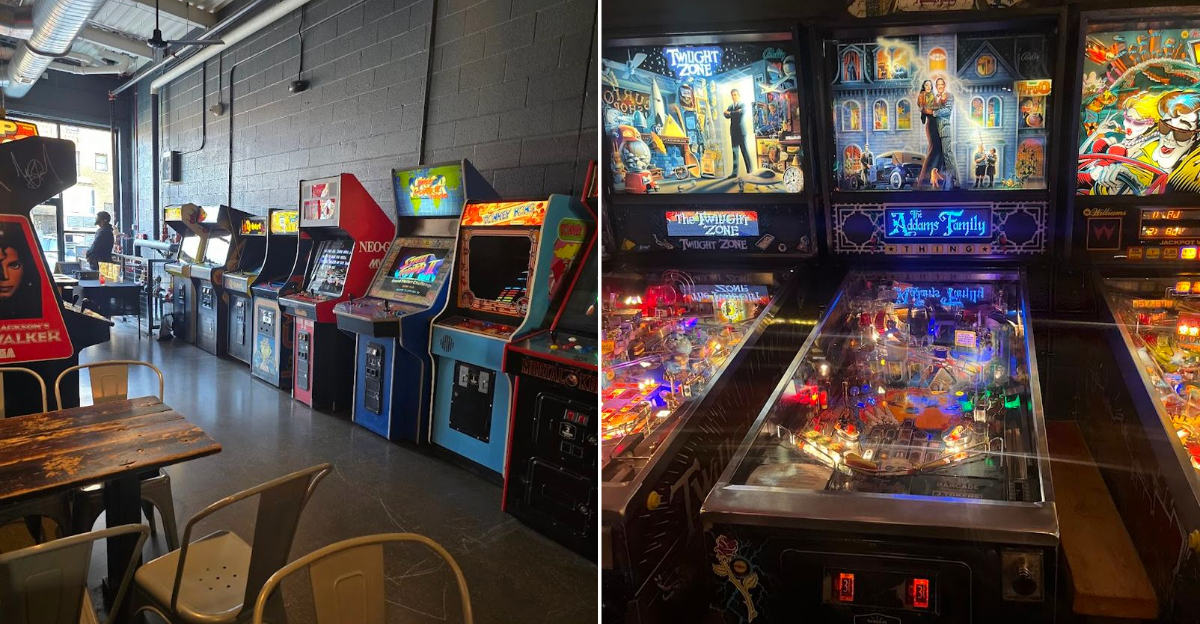
Midtown Detroit usually hides its best secrets in plain sight, but pushing through the doors on Selden Street feels like I’ve finally found a glitch in the modern world that lets me travel back to 1994.
The second that heavy door shut behind me, the cold, sterile glow of my smartphone felt like an insult compared to the warm, humming radiation of those beautiful CRT screens.
I honestly miss the days when “going viral” meant having the top three initials on a high-score board, and this place treats that specific brand of nostalgia with the industrial, gritty respect it deserves.
I love the way the rows of sprites beckon me to test my reflexes, offering a tactile, button-mashing reality that feels so much more honest than a touchscreen.
Vintage arcade cabinets and a massive drinks selection make this Michigan barcade a premier destination for retro gaming and local nightlife.
Finding Your Way To Selden Street
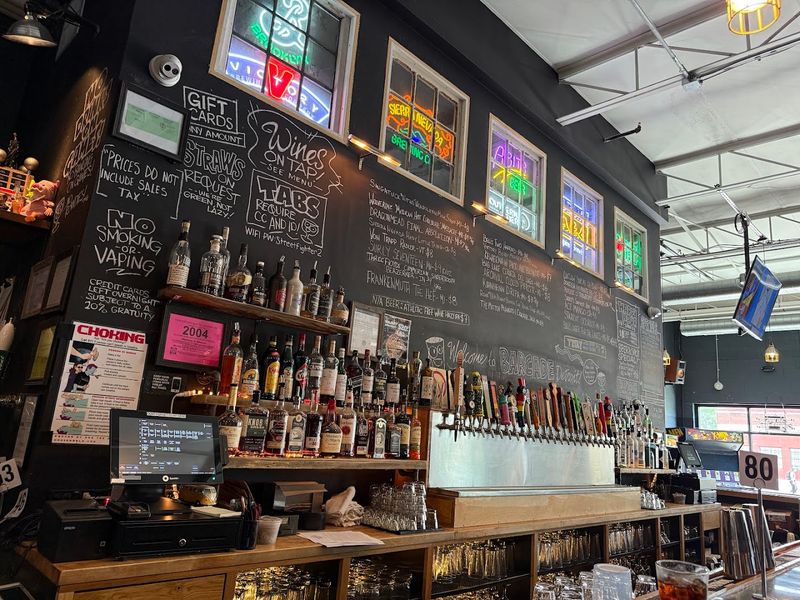
Midtown hums softly as you turn onto Selden Street near Second Avenue. Barcade sits at 666 Selden St, a brick box with industrial hints and low light. The sign is modest, but the glow leaking from cabinets guides you like runway lights.
Parking is mostly metered on Selden and Third, with an unpaved lot across the way that can get muddy. Arrive before evening rush to grab a close spot and skip circling.
Doors open at 4 pm most weekdays, earlier on weekends, and Sundays welcome families from noon to 5. I like stepping in right at open, when tokens clink and the room still feels like possibility. Staff at the door keep it smooth with ID checks after 8.
Discover The Time Capsule
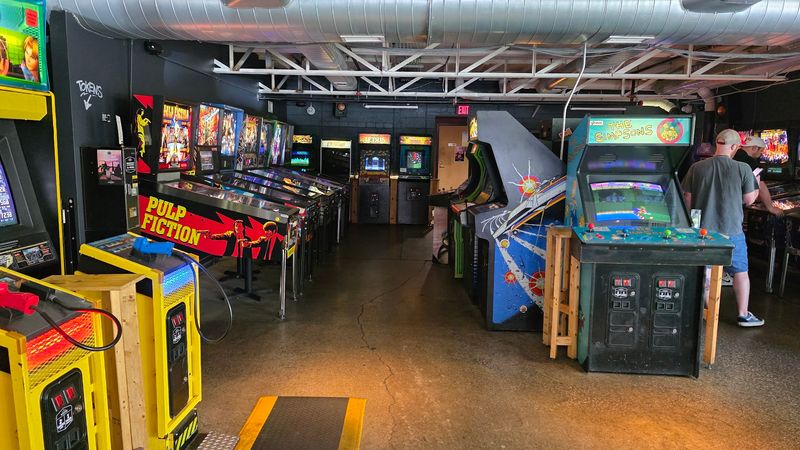
The flashing cabinets of Barcade anchor the corner of 666 Selden St, Detroit, Michigan 48201, where the historic brick of Midtown meets a high-voltage surge of nostalgia. This outpost trades the standard quiet pub atmosphere for a sprawling, neon-lit playground that feels like a cross between a classic 1980s hangout and a modern drink hall.
Getting to the Detroit location is a straightforward cruise down Woodward Avenue, followed by a quick turn into the heart of the Selden corridor. The drive takes you past soaring murals and some of the city’s most celebrated new eateries, signaling a neighborhood that has become a primary destination for nightlife.
Once you arrive at the Detroit address, you can usually find street parking along Selden or tucked into the nearby surface lots that dot the Midtown grid. The transition from the sidewalk to the glowing rows of machines is immediate, letting you swap your keys for a handful of tokens within seconds of walking through the door.
Token Logic And Budgeting
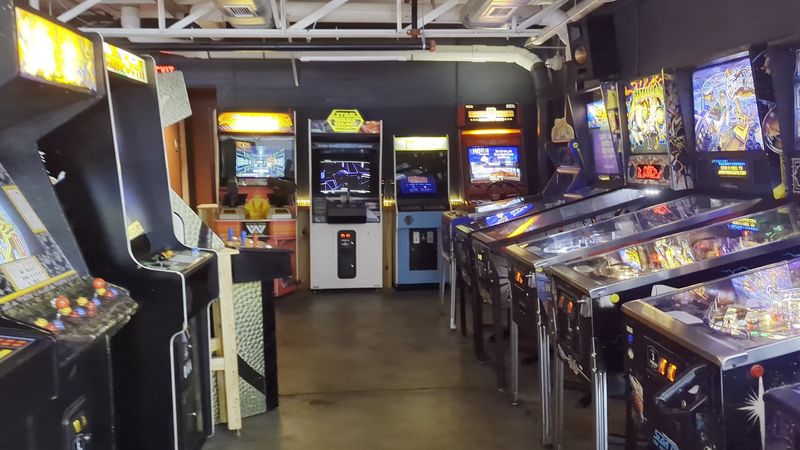
Tokens at Barcade are simple and satisfying, stamped metal that drops with a classic clink. Most cabinets cost 1 to 3 tokens, while many pinball machines run about 3 tokens per play. A change machine near the entrance keeps the flow moving, so you are never stuck waiting.
Plan a modest roll and pace yourself: start with five dollars, sample three machines, then decide what earns repeat plays.
Because tokens are specific to Barcade, cash out only what you intend to use. Keep a separate pocket for unspent tokens to avoid accidental dumps. Groups do well buying in small batches so no one hoards the stash. The little economies make each clear credit press feel deserved.
Choosing Your First Game
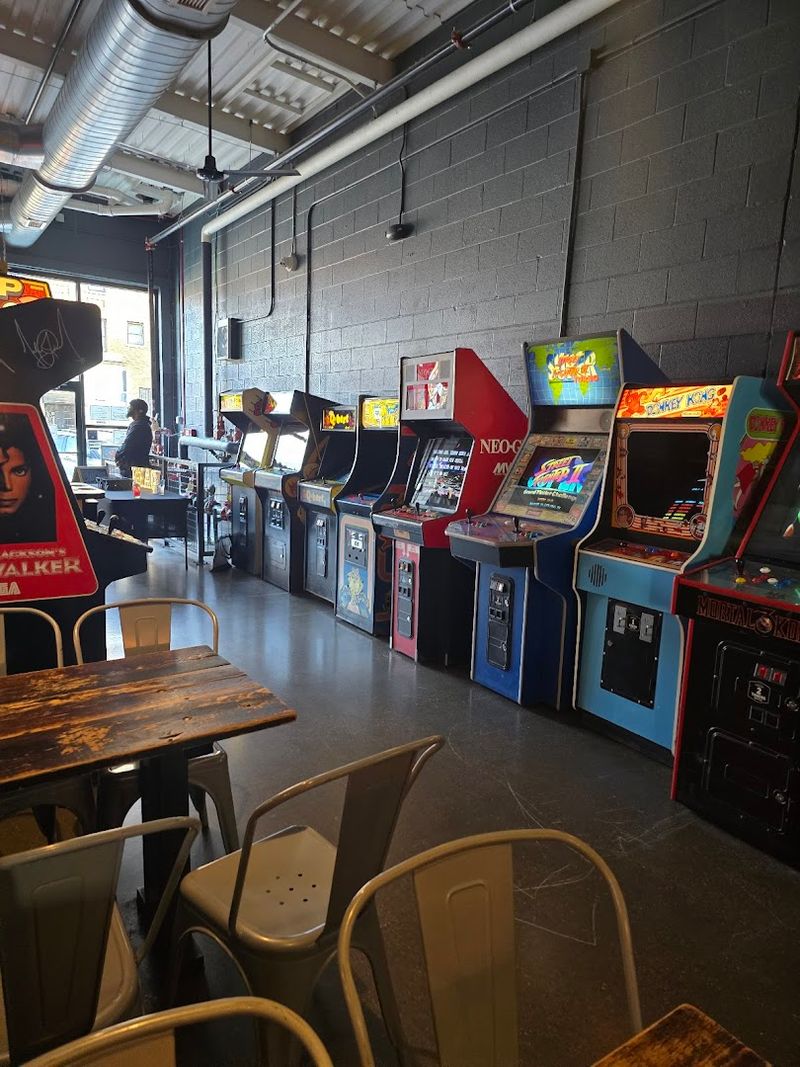
Starting strong matters, and the front row makes a persuasive case. Ms. Pac-Man hums with friendly menace, Galaga teases with its swooping choreography, and Frogger waits patiently by the curb. Mortal Kombat’s cabinet, all angles and attitude, promises a different tempo if you need a jolt.
I usually warm up with a fixed-screen title, then graduate to something twitchier. That rhythm helps reset timing without burning tokens on early stumbles.
If lines form, pivot to a quieter corner cabinet and circle back later. Keep an eye on screen burn and joysticks to gauge cabinet health. There is no wrong answer here, only the one that steadies your hands and tunes your ears.
Upstairs Pinball Strategy
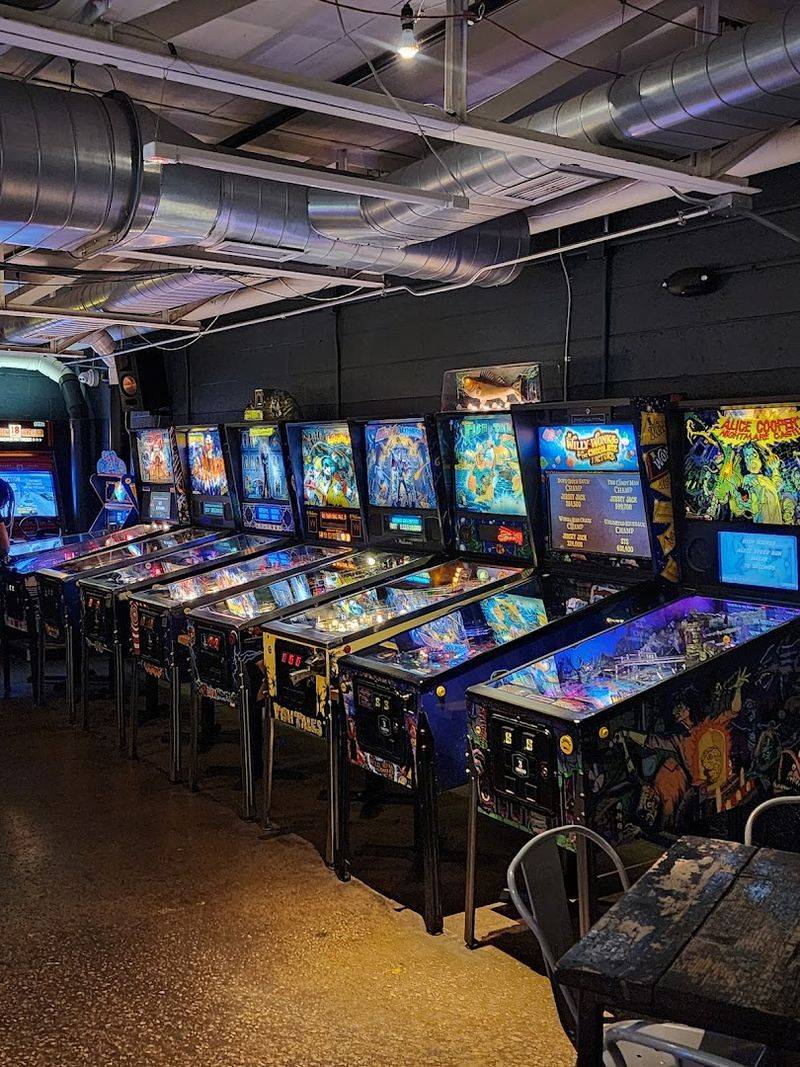
Climb to the upper level and the sound shifts from bleeps to bell chimes and coil snaps. Pinball here rewards attention: glance at the playfield card, learn the skill shot, and treat ball one as reconnaissance. Many tables run three tokens, a fair price for deep rulesets.
To improve fast, nudge with purpose and keep the cradle alive while you breathe. Watch one full game by a strong player, then mirror their shot order.
The aisle is wide enough to step back between balls and reset. If a switch misfires or a ball gets stuck, flag staff kindly. They have tools and good timing, and your progress will thank you.
Food As Mid-Game Fuel
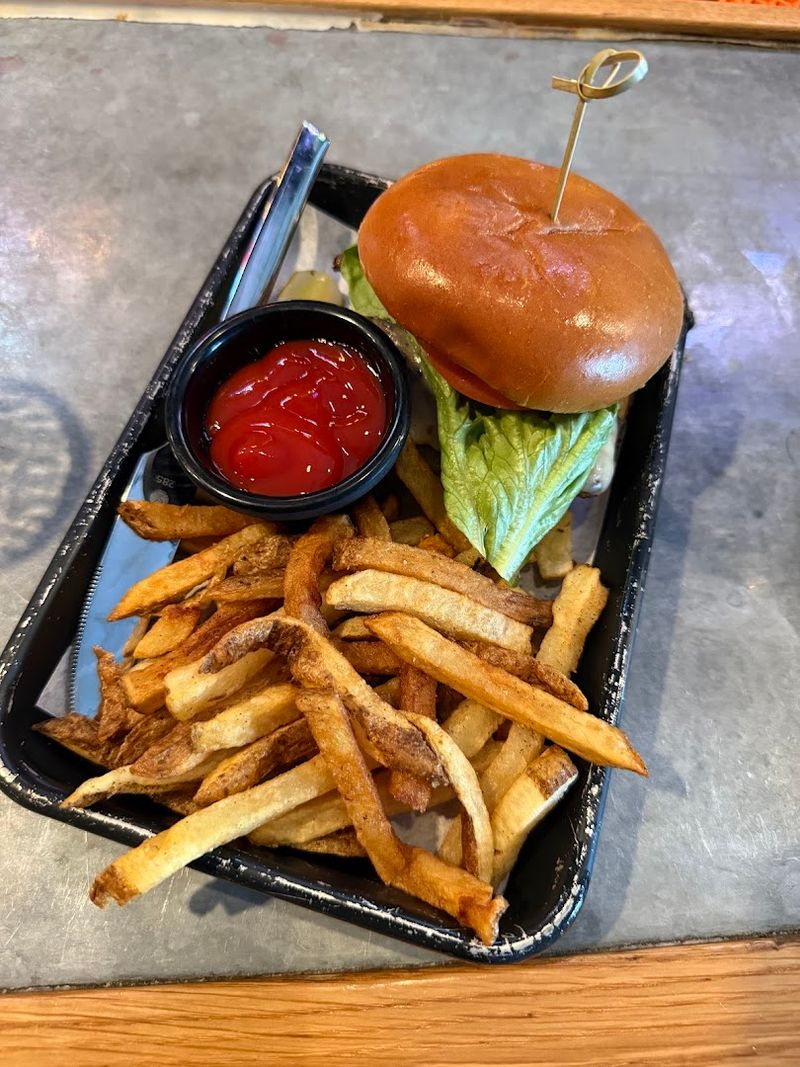
Menus lean toward sturdy, shareable plates that travel well from counter to cabinet. Fries, mozzarella sticks, and handhelds make sense when you are trading turns. The short rib grilled cheese with au jus earns a loyal following because it balances richness with clean edges.
Order between rushes to avoid waits, then stage your bite breaks near an open cocktail table. Napkins are essential insurance against slippery buttons, and hand wipes keep flippers happy.
Portions land in the satisfying zone, freeing you to focus on patterns and combos. When the scoreboard calls, wrap leftovers neatly and return later. Good fuel keeps nerves calm and thumbs steady through long chases.
Crowd Patterns And Timing
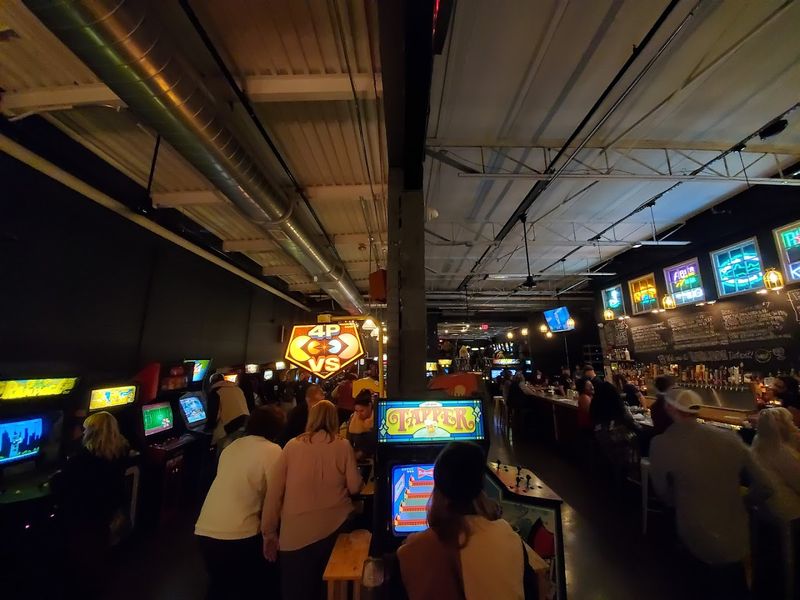
Weeknights build slowly after 6, cresting around 9, while Saturdays start lively and stay that way. Sundays from noon to 5 bring a family-friendly window, lighter on late-night bustle and heavy on cooperative play. Lines gather at headliners first, leaving deep cuts surprisingly open.
I plan an arc: warm up at open, tour the rarities, then rejoin the hits before close. If a favorite has a queue, count two full games before your turn and use that buffer to scout.
Keep backpacks slim so aisles stay smooth. When a cabinet hiccups or eats tokens, staff respond quickly with replacements. A little flexibility turns crowded minutes into discovery time.
Architecture And Layout Clues
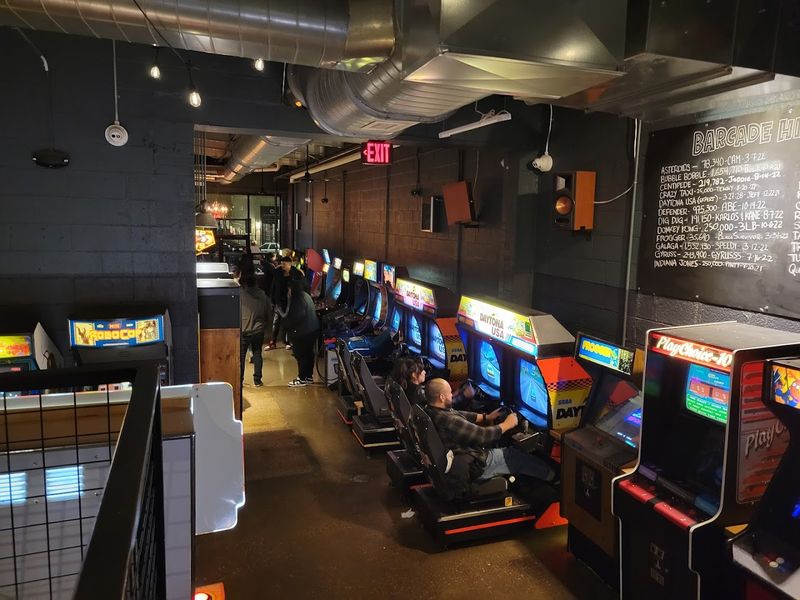
Exposed brick, dark ceilings, and simple fixtures create a frame that keeps the focus on screens. Sightlines matter: long rows point you toward anchor cabinets, while perpendicular clusters hide sleepers worth finding. Stairs split the space into two tempos, fast downstairs and deliberate upstairs.
Notice power strips tucked behind cabinets and discreet cable runs that reduce trip hazards. Ventilation hums steadily, keeping heat from the machines manageable.
Use wall edges as meeting points to regroup without blocking plays. If you are with a larger party, claim a corner ledge early and rotate out so gear stays parked. The layout rewards gentle flow, not camping, and that design choice keeps the night nimble.
Local Culture, Global Nostalgia
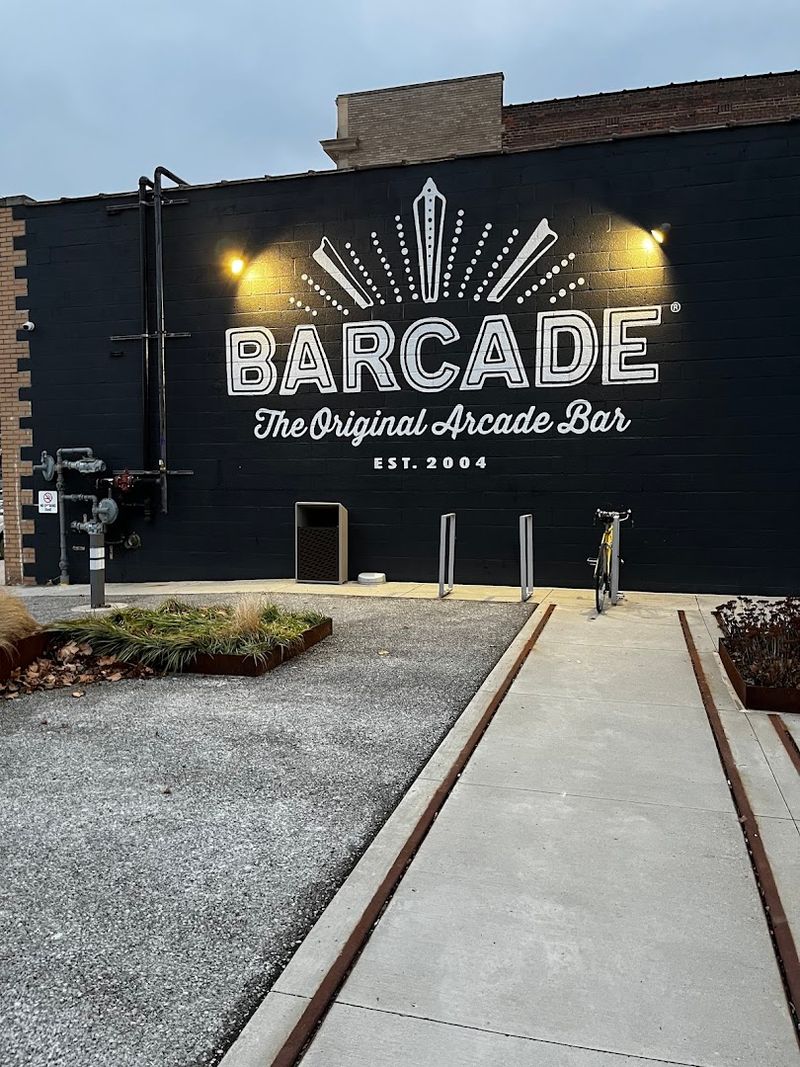
Detroit pride shows up in quiet ways: jackets with old English D’s, talk about games after a matinee, and nods to neighborhood spots. The cabinets connect people who learned on different corners of the same map. Nostalgia here is active, less a museum and more a playground.
Conversations drift from high school arcades to current speedrun tricks, and first timers get welcomed quickly at co-op cabinets. Keep earbuds away and let the room’s soundtrack do the mixing. If you share a machine, offer the next credit or spot and spirits stay friendly. That small courtesy earns coaching, laughs, and sometimes a new rival for the night.
Seasonal Quirks To Plan Around
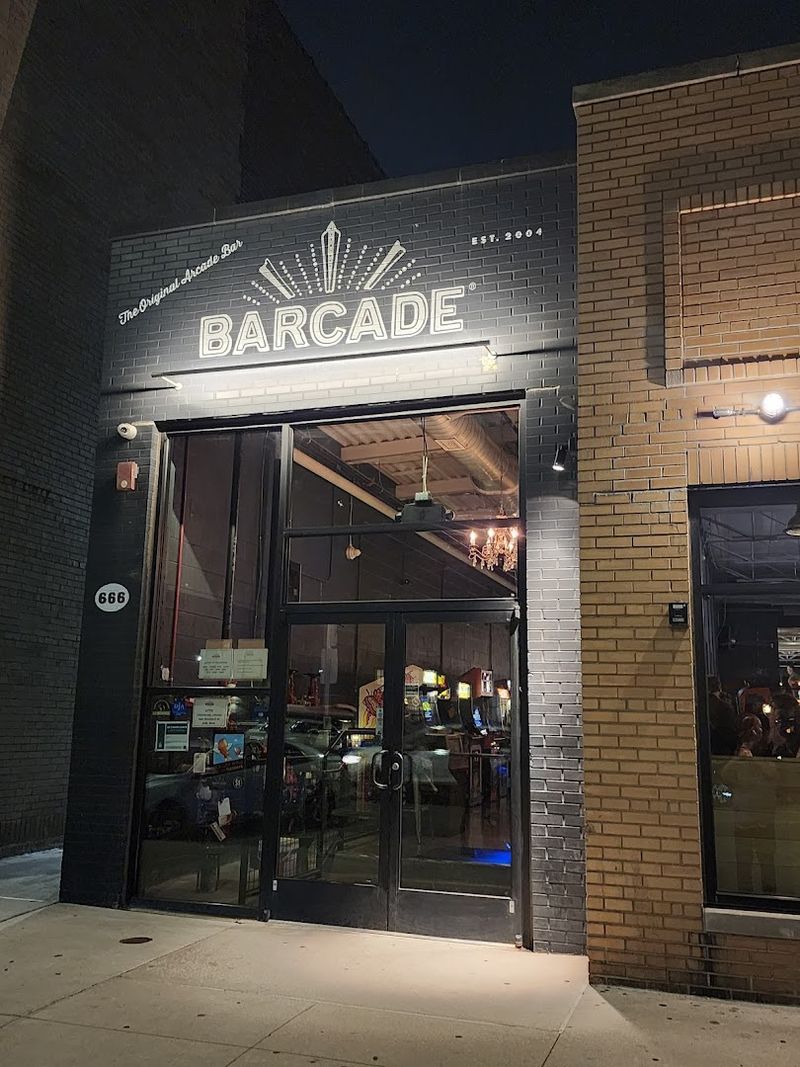
Winter adds a dash of theater, with snow flurries catching the neon spill from the windows. Coats pile up fast, so travel light and claim a hook early if you spot one. Wet boots and concrete floors make for sneaky slides, which means patient steps on busy nights.
Summer flips the script as doors open more often and the air softens. Hydration matters when the floor heats up, and breaks by the entrance feel refreshing.
In any season, check hours before you roll, since opening varies by day. I pack a tiny towel to keep hands dry so inputs stay crisp. Small adjustments keep play consistent no matter the forecast.
Respecting The Machines
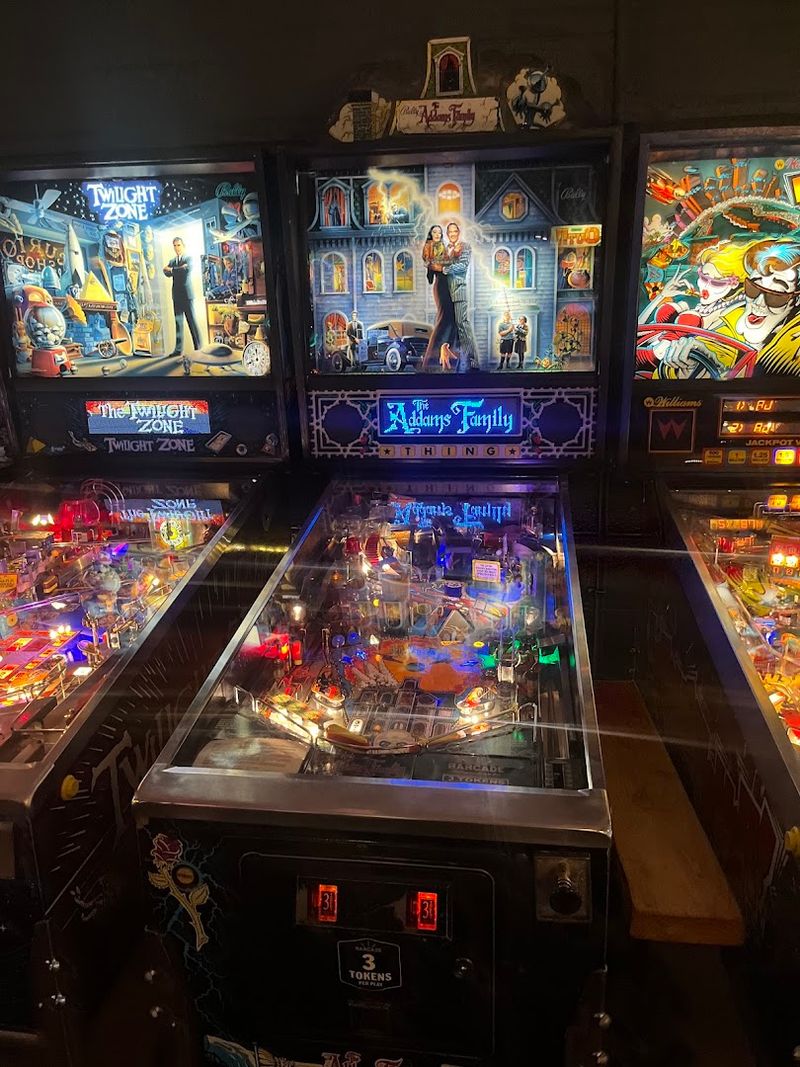
These cabinets are working history, and small habits protect them. Clean hands preserve buttons, gentle palms spare leaf switches, and properly seated stools keep cabinet edges scuff free. Avoid slamming start buttons, especially on older control panels with brittle overlays.
If a joystick feels loose or a coin return jams, flag staff immediately rather than forcing a fix. They have parts, keys, and the knowledge to keep sessions rolling.
Read the rule cards before you mash, since many titles hide quirks that explain odd behavior. Regulars often keep a microfiber cloth for quick dust, a simple kindness that makes every machine look ready. Treat the floor like a shared workshop and the scoreboards reward you.
Making A Night Flow Smoothly
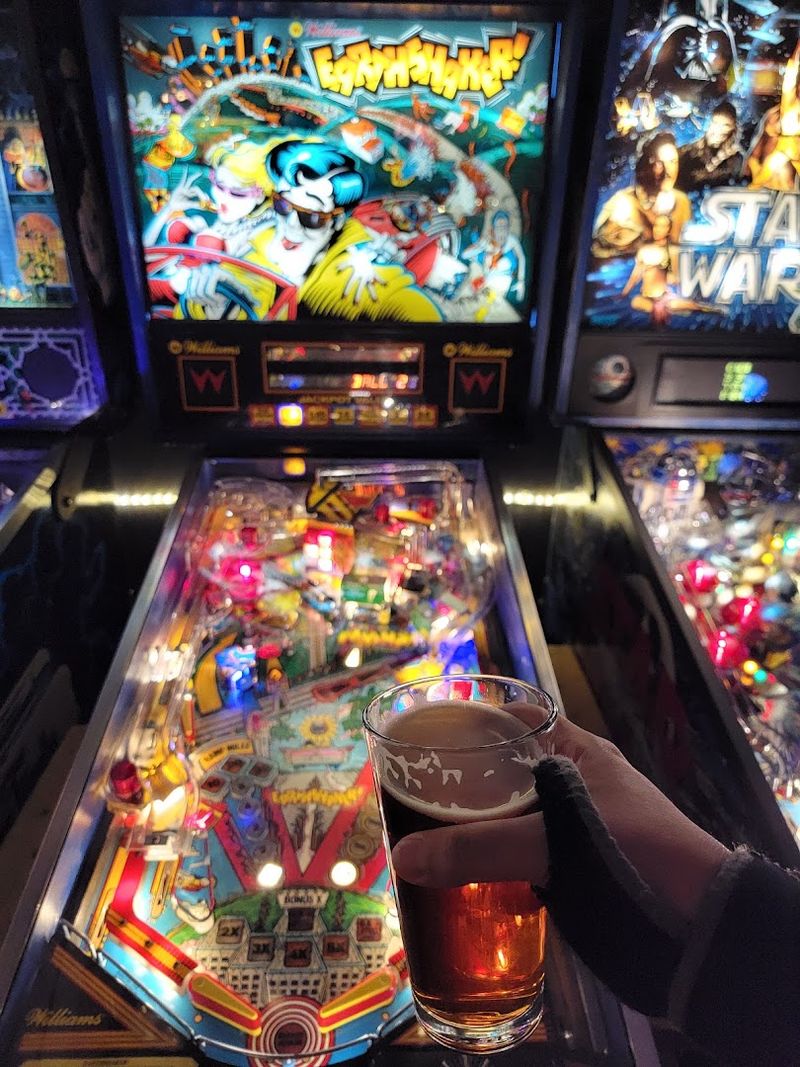
Good nights run on light structure. Pick a base spot, decide on a token cadence, and list three must-play titles before you wander. Rotating partners keeps energy fresh and prevents huddles that block screens. Screenshots of high scores create tiny quests that pull you across the room.
When hunger hits, stagger orders so one person guards the ledge while others play. Keep chargers tidy and bags tucked to the side.
If you need focus, slip upstairs to pinball for ten quiet minutes, then rejoin the main floor. I save a final token to challenge an earlier score, a clean loop that feels satisfying. Walking out, the city’s night sounds suddenly resemble attract mode.