
17 Underrated Arizona Small-Town Spots That Feel Like 2026 Best-Kept Secrets
What I love most about finding places like these is that little rush of realizing you have stumbled onto something special before the rest of the world catches on.
These seventeen Arizona spots have that exact feeling, where the experience still feels personal, a little hidden, and wonderfully untouched by the usual buzz. I would take a quiet Main Street café or a sunset view that feels almost private over a packed, overhyped stop any day.
There is something about Arizona’s small towns that draws me in every time, the way they feel unpolished, deeply local, and confident without trying to impress anyone. Visiting them feels less like checking places off a list and more like being let in on something the locals have understood all along.
That is what makes these hidden gems so memorable, and why now feels like the perfect time to see them while they still feel so personal.
1. Bisbee’s Quirky Cafe Scene
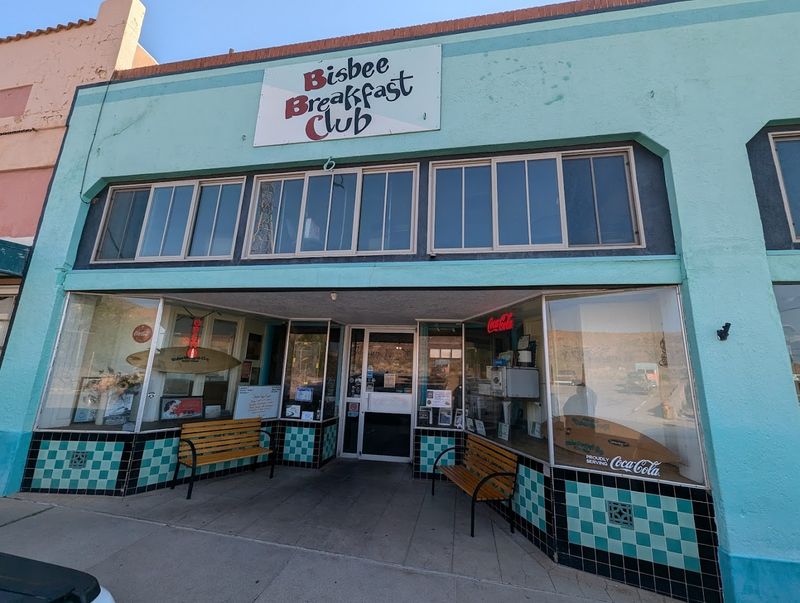
Bisbee transformed from a copper mining hub into an artistic haven that feels frozen in time. Walking through its steep streets lined with Victorian buildings painted in wild colors makes you wonder how this place stayed off most tourist radars for so long.
Le Cornucopia Cafe dishes out French-inspired breakfast that’ll make you question why you ever settled for chain restaurants. Warren Peace Cafe serves comfort food with a side of local charm, while Bisbee Coffee Company Cafe & Roasters keeps the caffeine flowing with beans roasted right on site.
The town’s elevation at 5,538 feet means perfect weather when Phoenix bakes.
Artists, retirees, and free spirits call this place home, creating a vibe that’s equal parts bohemian and welcoming. Every corner reveals another gallery, vintage shop, or friendly local ready to share stories about the town’s colorful past.
2. Patagonia’s Farm-To-Table Revolution
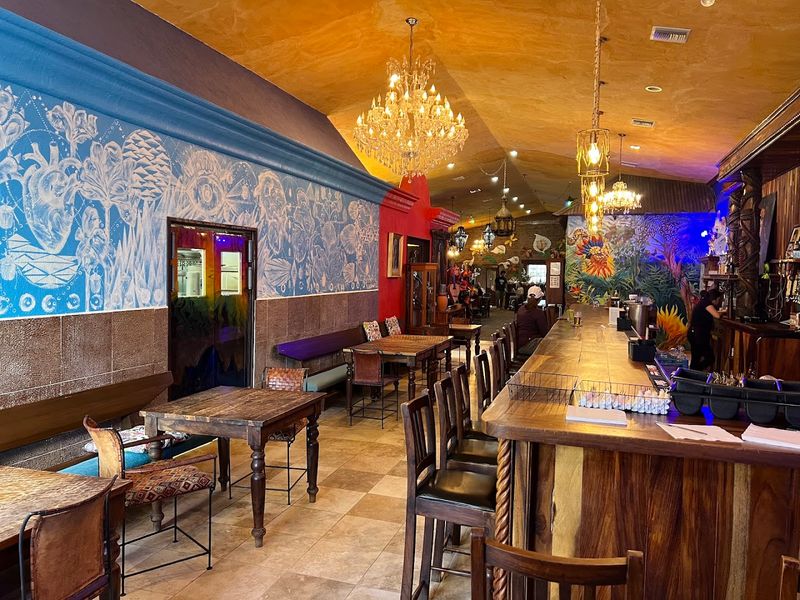
Population 913 might sound tiny, but Patagonia punches way above its weight when it comes to food quality. This grassland community near the Mexican border has become a magnet for folks seeking authentic flavors without the pretension.
Velvet Elvis Pizza Co. at La Mision serves pies that would make Naples jealous, using ingredients sourced from nearby farms and ranches. The crust has that perfect char, and toppings celebrate the region’s agricultural bounty.
Sitting on the patio while mountains frame your view makes every bite taste even better.
Bird watchers flock here for the Nature Conservancy’s preserve, but foodies are catching on fast. The town sits at 4,044 feet elevation where cooler temperatures create ideal growing conditions. Local ranchers raise grass-fed cattle that supply restaurants throughout southern Arizona.
3. Superior’s Smoky Surprises
Superior sits along the Apache Trail with a mining heritage written into every building and hillside. Most people speed through on their way to bigger destinations, missing out on some seriously good grub.
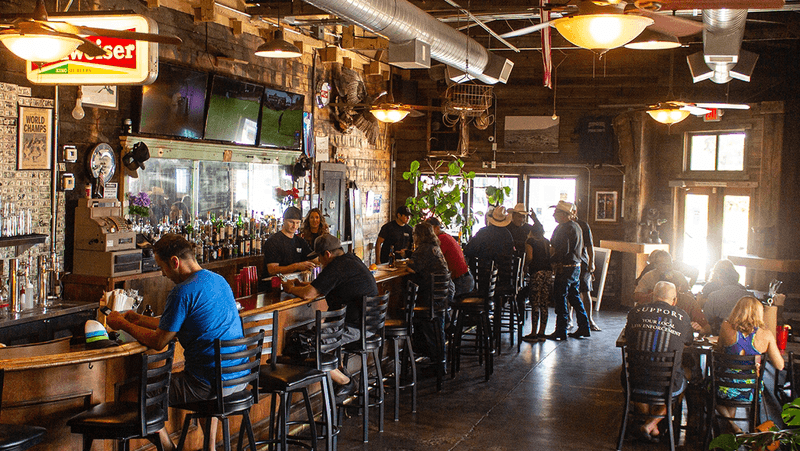
Silver King Smokehouse & Saloon fires up meats that fall apart at the touch of a fork. The smell of mesquite smoke drifts down Main Street, pulling in hungry travelers who stumble upon this gem by accident. Brisket gets the low-and-slow treatment it deserves, while ribs arrive glazed and tender.
I stopped here last spring after hiking nearby and ordered way too much food because everything sounded incredible. Zero regrets. The town’s elevation at 2,892 feet keeps things comfortable year-round.
Boyce Thompson Arboretum sits just minutes away, making Superior the perfect lunch spot after exploring desert plants.
Mining operations still dot the landscape, reminding visitors of the town’s gritty roots that shaped its character and resilience over decades.
4. Globe’s Unexpected Culinary Gems
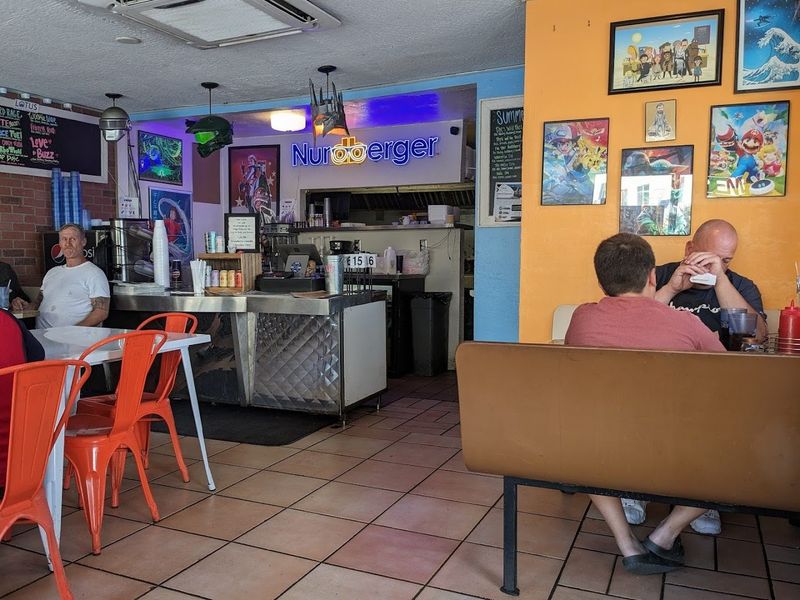
Globe doesn’t look like much from the highway, but locals know better than to judge this town by its modest exterior. Founded in 1875 during the silver rush, it’s maintained an authentic working-class vibe that bigger cities lost decades ago.
Copper Bistro elevates dining beyond typical small-town fare with dishes that showcase chef creativity and fresh ingredients. Nurd Berger Cafe flips the script on burger joints with inventive combinations and hand-cut fries that achieve crispy perfection.
Both spots prove that talented cooks can thrive anywhere when they focus on quality over hype.
The historic downtown district features buildings from the 1800s that house antique shops and local businesses. Besh-Ba-Gowah Archaeological Park sits on the eastern edge, preserving Salado culture ruins from 700 years ago. Globe’s elevation at 3,510 feet creates mild winters that attract snowbirds seeking comfort without the crowds of southern Arizona’s retirement communities.
5. Camp Verde’s Verde Valley Flavors
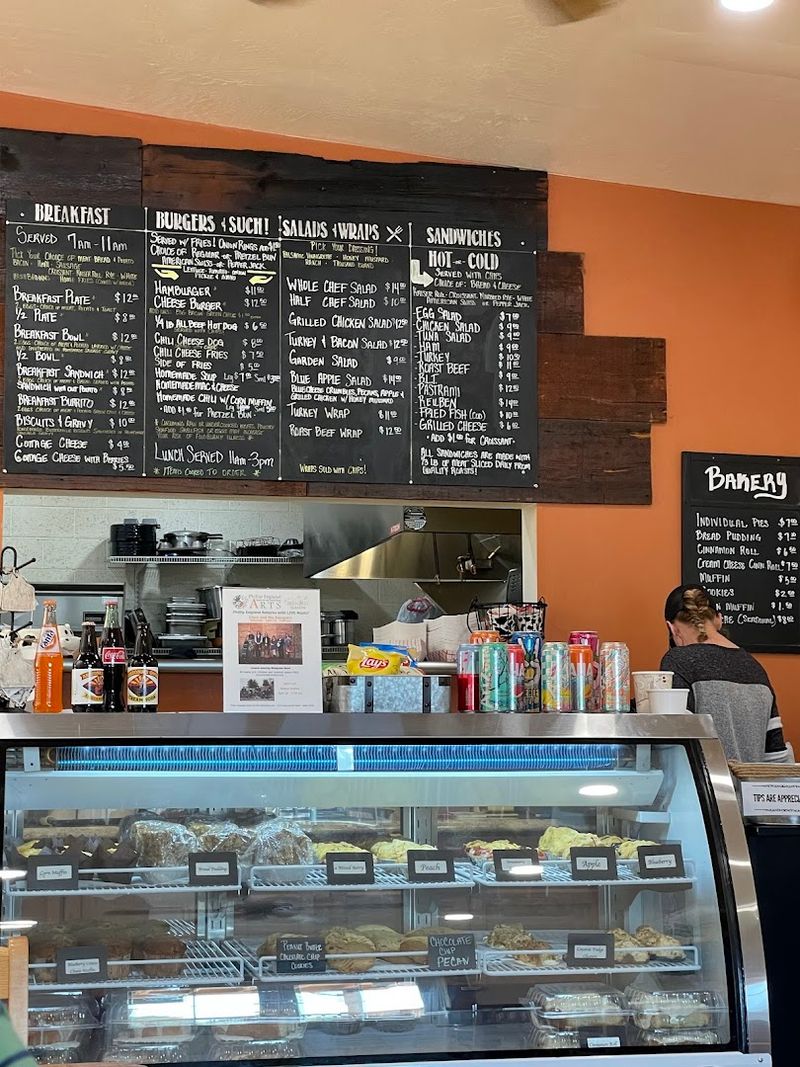
Positioned between Sedona’s red rocks and Prescott’s pine forests, Camp Verde offers a middle ground that most travelers overlook completely. The Verde River flows through, creating a green corridor through otherwise arid landscape.
Moscato brings sophisticated dining to this agricultural community, serving dishes that highlight regional ingredients with Italian inspiration. The menu changes seasonally because freshness matters more than consistency for consistency’s sake.
Outdoor seating lets diners soak up views while savoring carefully prepared plates. Montezuma Castle National Monument sits just minutes away, showcasing cliff dwellings that boggle the mind with their construction and preservation.
The town’s elevation at 3,147 feet creates four distinct seasons without extreme temperatures. Local farms produce pecans, grapes, and vegetables that supply restaurants throughout central Arizona.
Camp Verde represents the Verde Valley’s agricultural heart, where ranching and farming traditions continue despite development pressures pushing in from all directions around them.
6. Oracle’s Mountain Retreat Dining
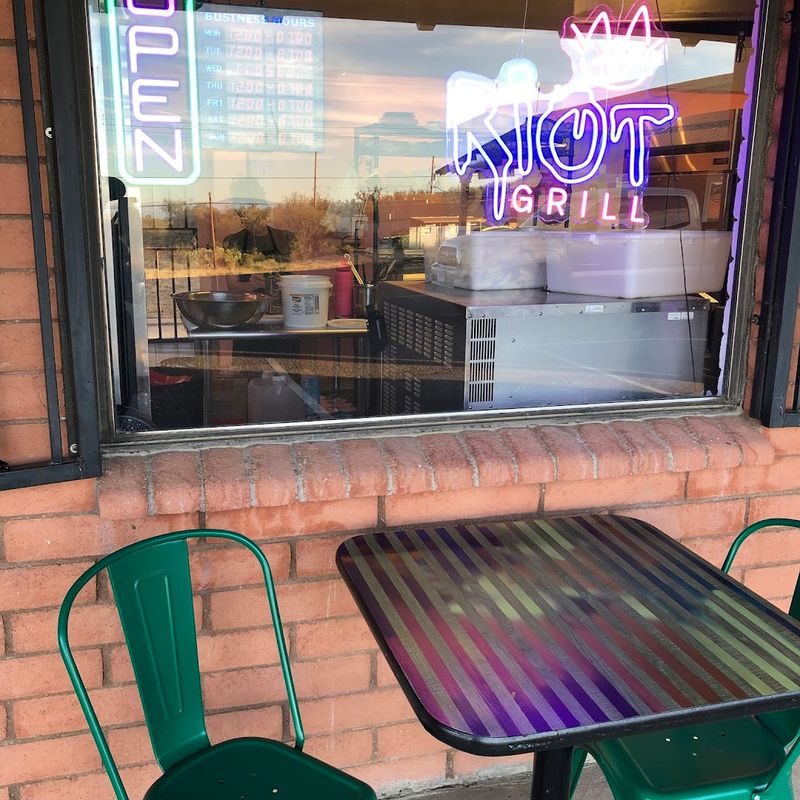
Climbing into the Santa Catalina Mountains north of Tucson, Oracle feels worlds away from desert heat and urban sprawl. This community of around 3,500 residents treasures its peaceful mountain setting at 4,514 feet elevation.
Oracle Patio Cafe serves breakfast and lunch that tastes like home cooking should when someone actually cares about the outcome. Eggs come cooked exactly right, toast arrives golden, and coffee flows hot and strong.
The patio seating delivers mountain breezes and views that make lingering over a second cup irresistible. My cousin moved here five years ago and swears she’ll never leave because the pace of life finally matches what she always wanted.
Biosphere 2 sits nearby, that massive experimental facility that attempted to create a self-sustaining ecosystem. Oracle attracts artists, retirees, and anyone seeking altitude without sacrificing convenience.
The cooler temperatures mean gardens thrive and residents escape the scorching summers that define lower elevations across Arizona’s landscape.
7. Sonoita’s Country Eats
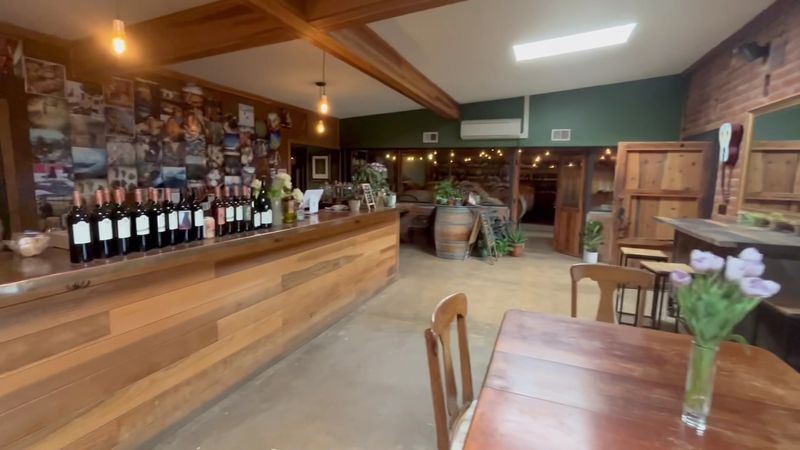
Rolling grasslands stretch in every direction around Sonoita, creating scenery that looks more like Montana than typical Arizona landscapes. Vineyards thrive in this high desert climate at 4,900 feet elevation.
The Cafe dishes out breakfast and lunch that fuels drink tasting adventures, with portions generous enough to satisfy ranchers and tourists alike. The Steak Out lives up to its name with beef that showcases local ranching heritage, cooked over mesquite for that authentic Southwestern flavor.
Both spots understand that good food doesn’t need fancy presentation when quality speaks for itself.
The area’s elevation and limestone soils create conditions similar to Spain’s regions. Sonoita remains refreshingly unpretentious despite growing recognition, with more cattle than people and a community that values wide-open spaces over development.
8. Safford’s Authentic Mexican Flavors
Safford sits in the Gila Valley where agriculture dominates the economy and landscape. Cotton fields and pecan orchards surround this town of about 10,000 residents who appreciate straight talk and honest work.
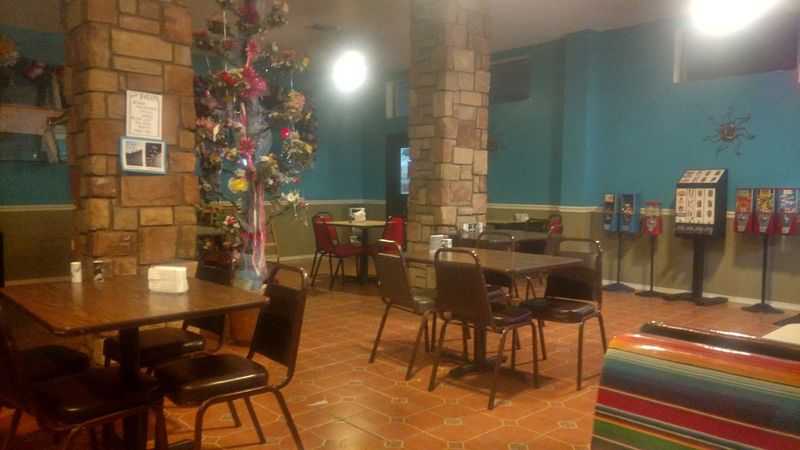
Mechy’s Mexican Food serves the kind of authentic dishes that make you realize most Mexican restaurants elsewhere are serving watered-down versions. Recipes passed down through generations create flavors that transport taste buds south of the border.
Portions arrive generous, prices stay reasonable, and the salsa has enough kick to remind you that bland food is a choice, not a requirement. Mount Graham towers above town, reaching 10,720 feet and hosting astronomical observatories that take advantage of dark skies.
The valley’s elevation at 2,920 feet creates hot summers perfect for growing crops. Safford represents working Arizona, where people earn livings from the land rather than tourism.
That authenticity extends to the food, where shortcuts and fusion experiments get rejected in favor of traditional preparation methods.
9. Winslow’s Route 66 Revival
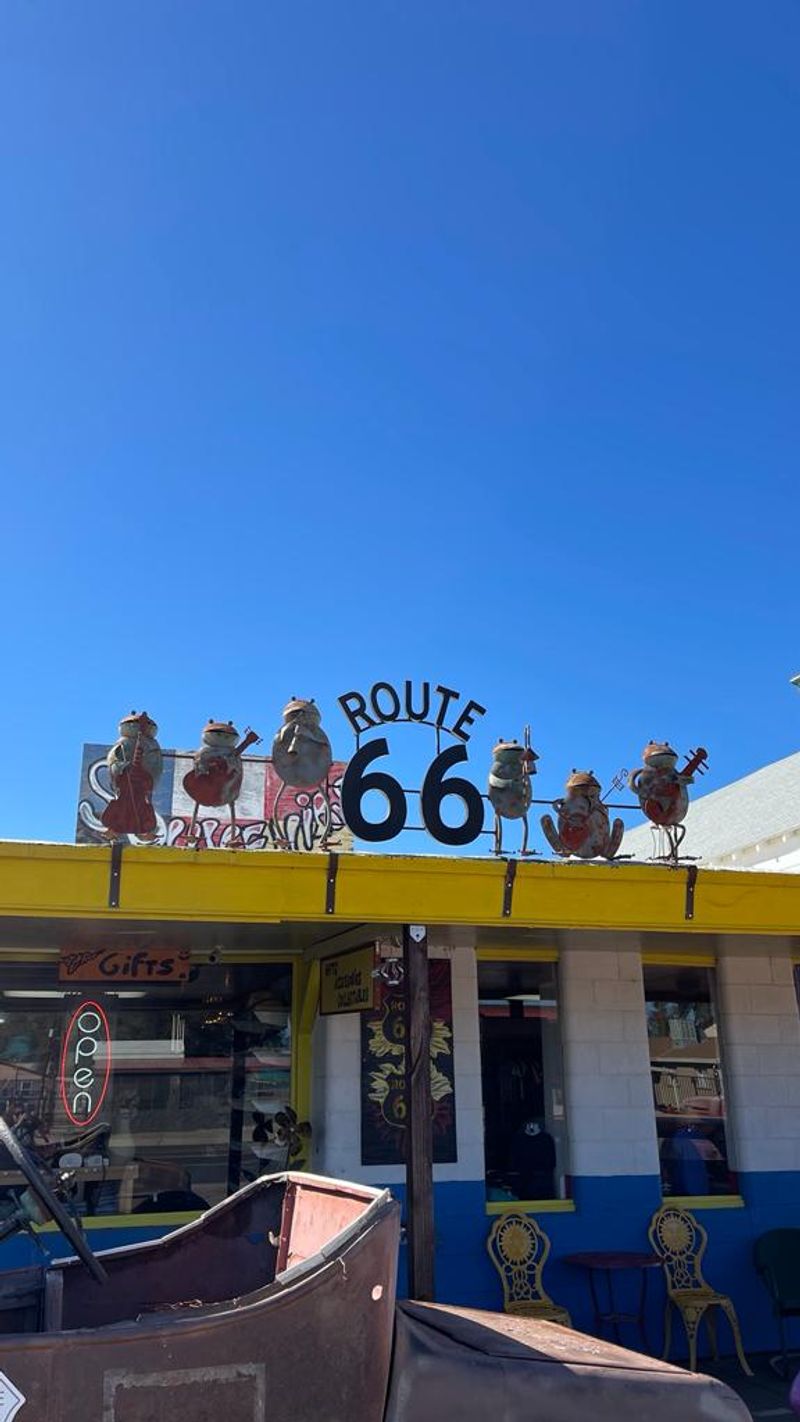
Standing on that corner in Winslow made famous by the Eagles song brings tourists, but locals know the town offers more than a photo opportunity. Route 66 runs right through the historic downtown that’s been revitalized in recent years.
Bojo’s Grill & Sports Club combines casual dining with enough screens to catch any game, serving burgers, wings, and comfort food that hits the spot after exploring the area. The atmosphere stays relaxed and welcoming, where strangers become friends over shared plates and sports debates.
Portions come sized for appetites built by desert air and open roads. La Posada Hotel stands as one of the Southwest’s most beautiful railroad hotels, designed by Mary Colter and restored to stunning condition.
Meteor Crater sits just 20 miles west, that massive impact site that draws science enthusiasts from around the world. Winslow’s elevation at 4,850 feet provides relief from lower desert heat while maintaining that classic Arizona sunshine that makes road trips memorable.
10. Tubac’s Artistic Appetite
Arizona’s oldest European settlement has transformed into an artist colony where galleries outnumber gas stations. Tubac’s walkable village atmosphere attracts creative types and visitors seeking handmade treasures instead of mass-produced souvenirs.
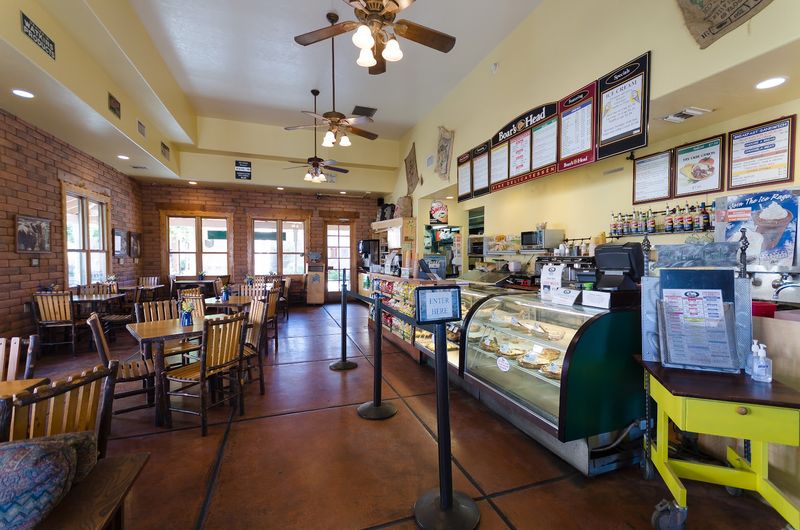
Tubac Deli & Coffee Co. fuels gallery hopping with sandwiches stacked high and coffee strong enough to keep you browsing for hours. The deli case displays fresh ingredients that go into every order, while the coffee bar serves drinks made by folks who actually care about the result.
Grab a seat on the patio and watch artists, shoppers, and locals drift past. I spent a weekend here last fall and bought way too much pottery because every shop had something irresistible.
Over 100 galleries and studios fill the village, showcasing everything from paintings to metalwork to jewelry. Tubac Presidio State Historic Park preserves the original Spanish fort from 1752.
The Santa Cruz River flows nearby, creating a riparian corridor that supports cottonwoods and wildlife in this southern Arizona location.
11. Pinetop-Lakeside’s Mountain Comfort
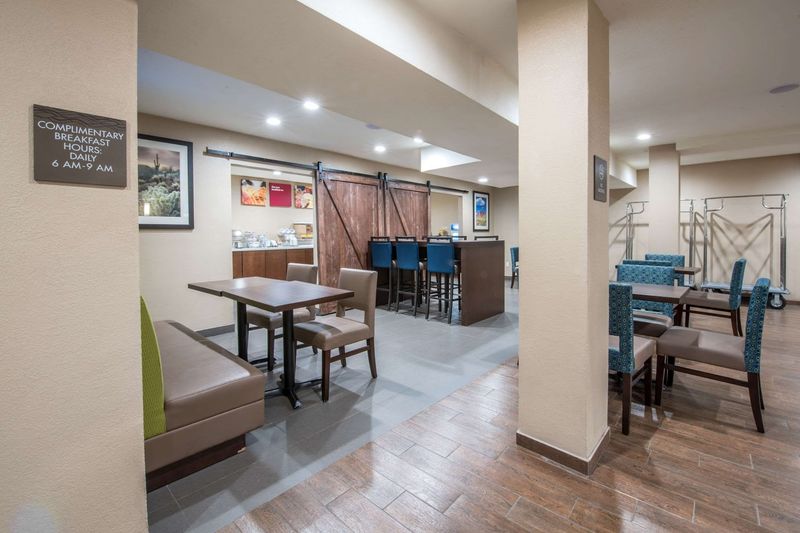
Ponderosa pines tower overhead in this White Mountains community where summer temperatures stay blissfully cool. Pinetop-Lakeside sits at 6,800 feet elevation, making it a favorite escape for Phoenix residents fleeing triple-digit heat.
Italian Lady Of Pinetop serves pasta, pizza, and Italian classics that warm the soul on cool mountain evenings. The recipes bring authentic Italian flavors to this forest setting, with sauces simmered properly and ingredients chosen carefully.
Portions satisfy appetites built by hiking, fishing, or simply breathing the thin mountain air that makes everything taste better. Woodland Lake Park offers fishing and trails within walking distance of downtown.
The area receives actual snow in winter, transforming into a completely different landscape that attracts skiers and snowboarders. Summer brings monsoon thunderstorms that rumble through the pines, dropping rain that keeps forests green.
Pinetop-Lakeside represents mountain Arizona, where pine scent replaces creosote and temperatures allow four genuine seasons instead of hot and less hot.
12. Willcox’s Agricultural Abundance

Surrounded by working ranches and farms, Willcox sits in Sulphur Springs Valley where agriculture drives the economy. This town of about 3,500 residents supplies produce to much of the Southwest while maintaining its small-town character.
R&R Pizza Express proves that great pizza can emerge from unexpected places, serving pies topped with fresh vegetables grown within miles of the restaurant. The crust achieves that perfect balance between crispy and chewy, while toppings celebrate local bounty.
Family-owned operations like this keep communities connected to their food sources. Willcox serves as the gateway to Chiricahua National Monument, where rock formations create a wonderland of stone columns and balanced rocks.
The Rex Allen Museum honors the singing cowboy who grew up here and became a Hollywood star. Apple Annie’s Orchard invites visitors to pick their own fruit when seasons align.
Elevation at 4,167 feet creates ideal growing conditions for apples, peaches, and vegetables that thrive in the valley’s rich soil.
13. Cornville’s Verde Valley Charm
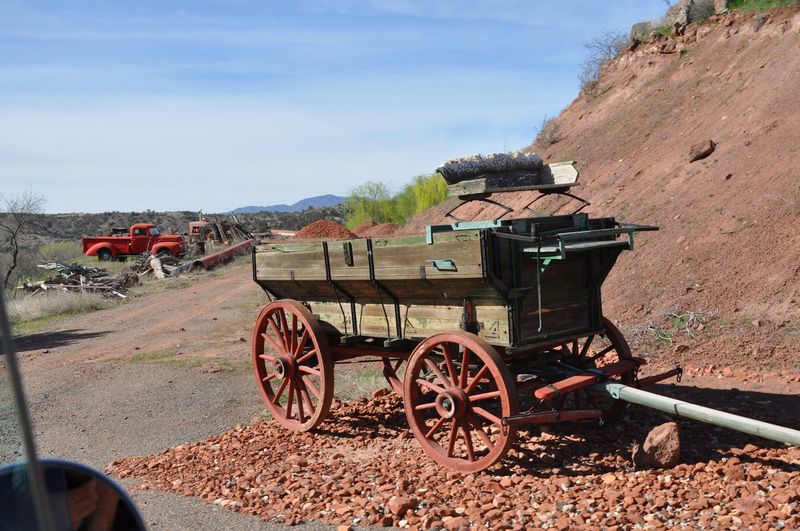
Nestled in the Verde Valley between Sedona and Jerome, Cornville offers a laid-back alternative to its more famous neighbors. This unincorporated community values its rural character and agricultural roots despite development pressures.
Brewha brings craft culture to this farming community, serving up quality food alongside carefully selected beverages in a relaxed atmosphere. The menu focuses on fresh ingredients and creative combinations that surprise visitors expecting typical small-town fare.
Locals gather here to catch up with neighbors and decompress after long days working the land or commuting to nearby towns.
My friend’s family owns property here and they constantly rave about the community spirit that keeps the area special. Oak Creek flows nearby, creating lush riparian habitat that contrasts sharply with surrounding desert.
Cornville sits at 3,330 feet, providing a middle ground between Sedona’s red rocks and Prescott’s pine forests while maintaining its own distinct Verde Valley identity.
14. Jerome’s Cliffside Character
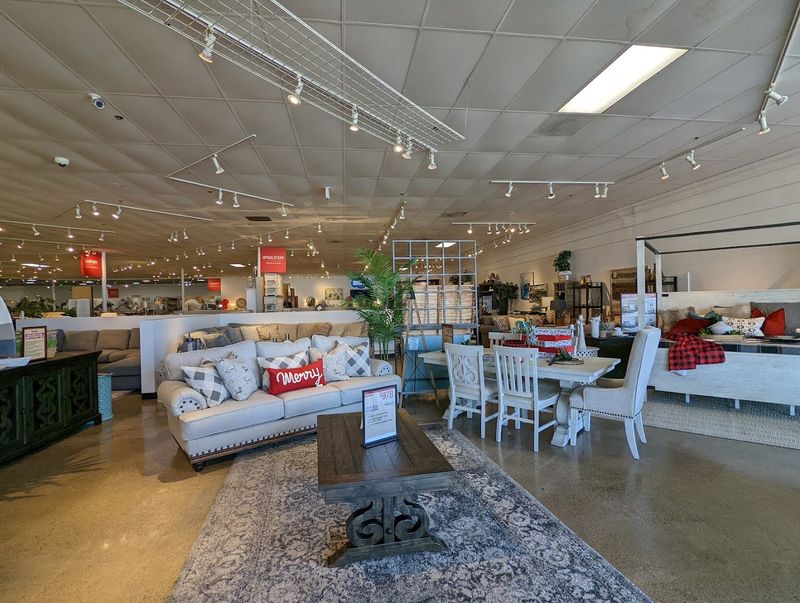
Clinging to Cleopatra Hill at 5,200 feet elevation, Jerome defied gravity and economic collapse to reinvent itself as an artist community. Once known as the wickedest town in the West, it now attracts visitors seeking history, art, and spectacular views.
Walking the steep streets feels like stepping back in time, with buildings from the copper boom days now housing galleries, shops, and restaurants. The town’s population peaked at 15,000 during mining days but dropped to 50 by the 1950s before artists discovered cheap rent and incredible scenery.
Now around 450 residents call this vertical village home. Verde Valley spreads out below, offering views that stretch for miles across vineyards, farms, and red rock formations. Jerome State Historic Park preserves the Douglas Mansion and tells stories of mining operations that extracted over one billion dollars worth of copper.
The town’s dramatic setting and bohemian vibe make it unforgettable, proving that communities can transform themselves when residents embrace change while honoring history.
15. Ajo’s Desert Oasis
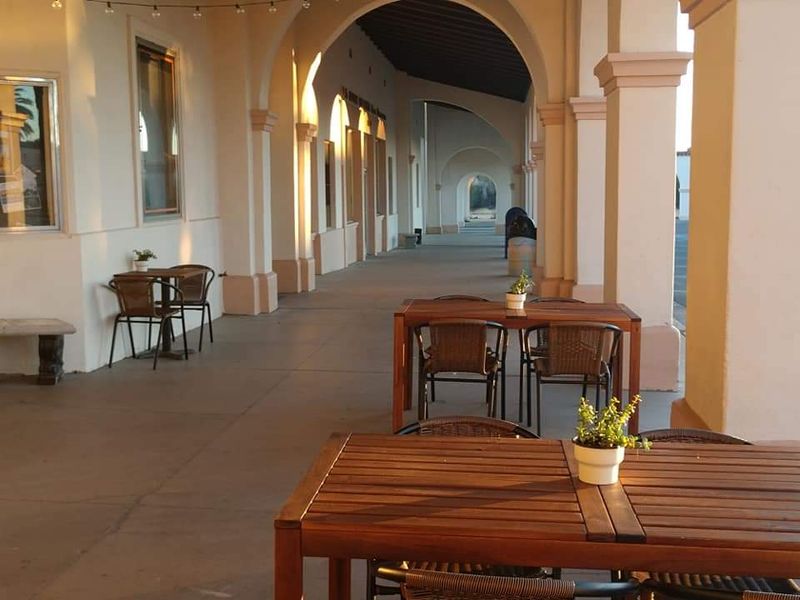
Organ Pipe Cactus National Monument surrounds Ajo, this remote desert community that feels like the end of the earth in the best possible way. The town plaza features Spanish colonial architecture that reflects the area’s mining heritage and Mexican influences.
Population hovers around 3,000 souls who appreciate solitude, star-filled skies, and landscapes that stretch forever without interruption. The Sonoran Desert reaches peak beauty here, with saguaros, ocotillos, and organ pipe cacti creating gardens more impressive than anything humans could design.
Copper mining built the town, but now retirees and artists keep it alive. Driving to Ajo requires commitment since it sits 115 miles southwest of Phoenix with nothing but desert in between.
That remoteness preserves the town’s character and keeps crowds away. Winter months bring perfect temperatures for exploring the national monument and surrounding wilderness.
Ajo proves that beauty thrives in unexpected places when you’re willing to venture off the beaten path and embrace isolation as a feature rather than a flaw.
16. Clifton’s Copper Canyon
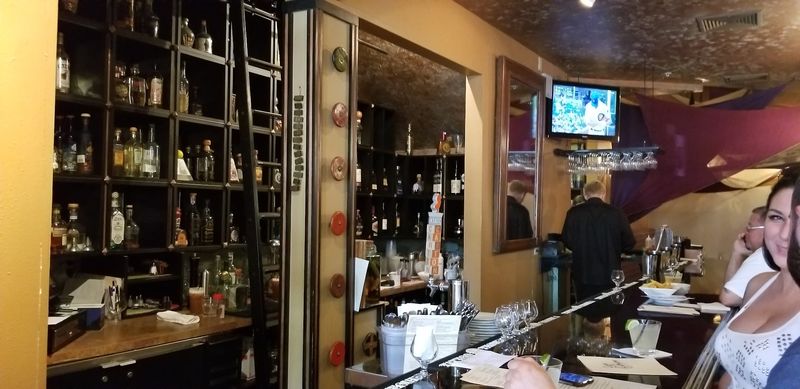
Clifton clings to the sides of a narrow canyon carved by the San Francisco River, with buildings stacked up steep slopes in ways that seem to defy common sense. This town of about 3,700 residents maintains its mining heritage while adapting to modern realities.
Copper mining continues in the area, with Morenci Mine operating just north and employing many residents. The dramatic canyon setting creates a town layout unlike anywhere else in Arizona, with houses perched on hillsides and streets climbing at angles that test brakes and engines.
Elevation at 3,465 feet keeps temperatures moderate compared to lower desert areas. Historic buildings from the early 1900s line the main street, survivors of floods and fires that periodically swept through the narrow canyon.
The Greenlee County Historical Museum preserves artifacts and stories from mining days when copper prices determined the town’s fortunes.
Clifton represents working Arizona, where people earn livings from the earth and appreciate the raw beauty of landscapes shaped by geology, rivers, and human determination over more than a century.
17. Springerville’s Alpine Escape
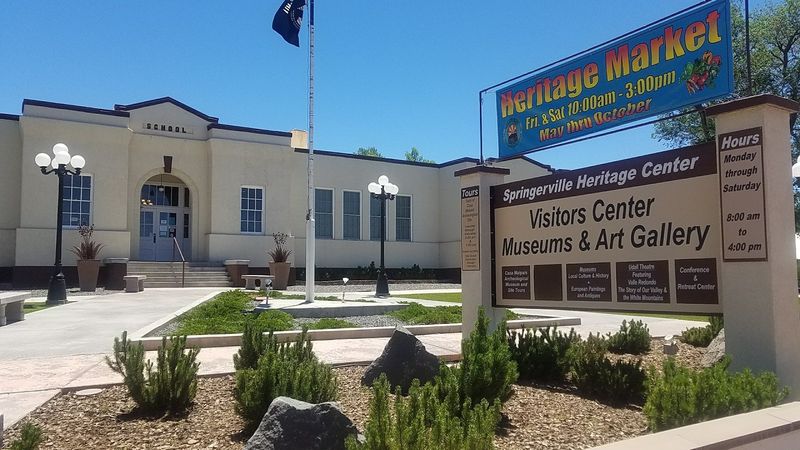
Volcanic fields surround Springerville in the White Mountains, creating landscapes that look more like the Pacific Northwest than typical Arizona scenery. This town of about 2,000 residents sits at 6,974 feet elevation where summers stay cool and winters bring serious snow.
Casa Malpais Archaeological Park preserves ancient pueblo ruins and provides insights into cultures that thrived here centuries ago. The Springerville Volcanic Field contains over 400 volcanic vents, making it one of the largest fields in the continental United States.
Lush meadows and ponderosa forests replace cacti and creosote, creating habitats for elk, deer, and wild turkeys. Fishing enthusiasts flock to nearby lakes and streams where trout thrive in cold mountain waters.
The town serves as a basecamp for exploring the Apache-Sitgreaves National Forests and surrounding wilderness areas. Springerville maintains a genuine Western character without tourist trappiness, where ranching and forestry remain important to the local economy.
This corner of Arizona surprises visitors expecting desert landscapes, delivering alpine beauty and four distinct seasons instead of endless sunshine and heat.