
This Massive Thrift Store In Michigan Lets Treasure Hunters Fill A Cart For Less Than Twenty Dollars
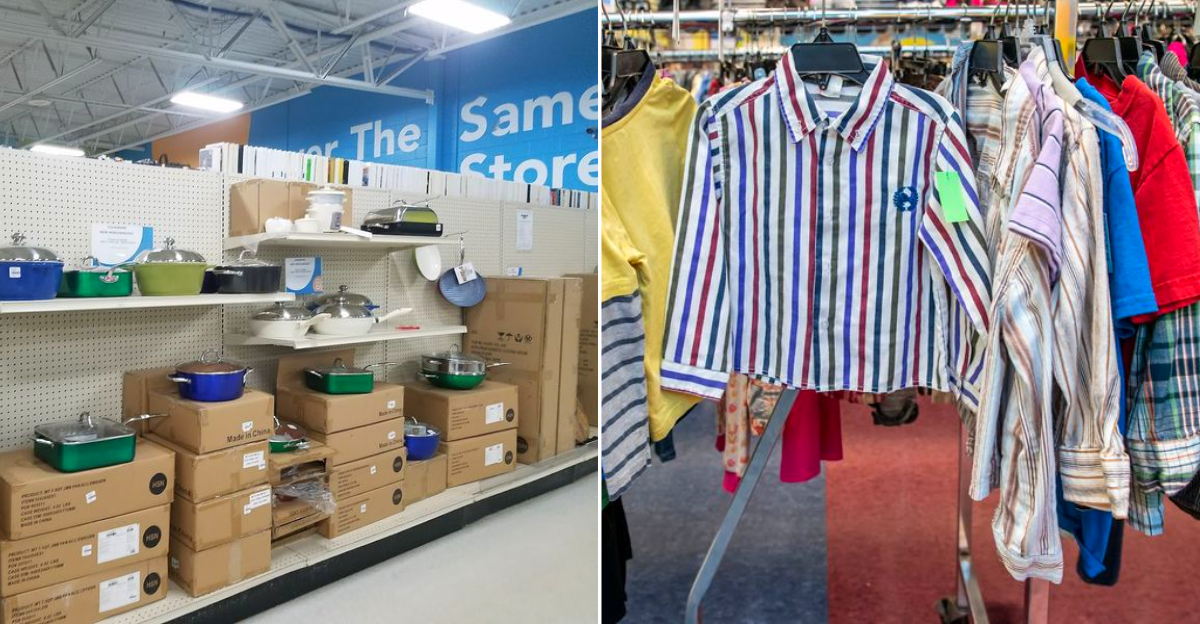
I always said that if you want to see a room physically tilt with pure, unadulterated adrenaline, you have to be standing there when those blue bins roll onto the floor on South Airport Road.
I live for that specific, high-stakes thrill where the “treasure hunter” in me wakes up, gloves on and eyes scanning the chaos for a vintage denim jacket or that one impossible cast-iron skillet I’ve spent months hunting for.
Thrifting by the pound and expert bin diving at this Northern Michigan outlet mall create a premier destination for vintage clothing and affordable home decor.
I’m telling you, you need a serious game plan and a massive amount of patience to respect the pace of the hunt without losing your mind. You really need my personal field-tested guide to the “bin rotation” schedule and the three essential items I never enter the building without.
First Bins Strategy
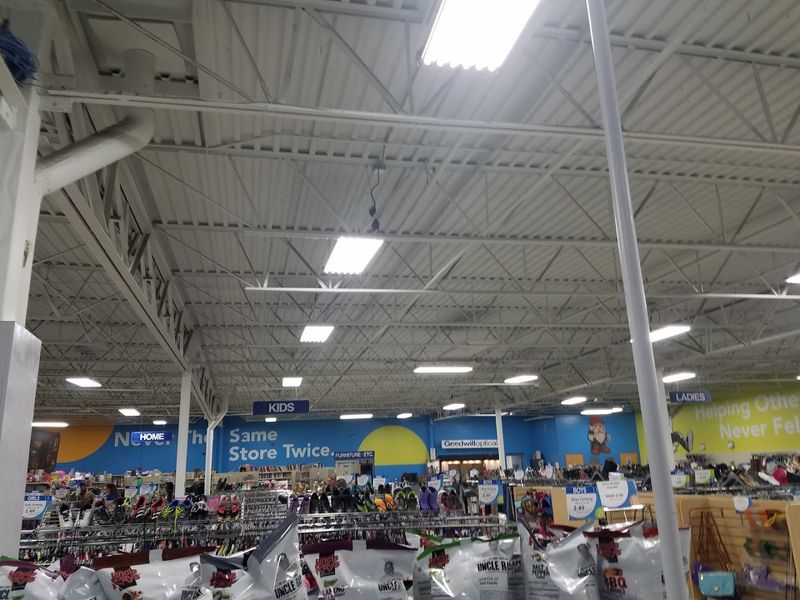
The air hums before a rotation, carts lining up like patient tugboats as staff wheel in fresh blue bins. The crowd quiets, then loosens, murmuring strategies. Gloves tap the bin rims, a light drumroll that makes your pulse sync to the room.
Weight matters here, so bulky does not always mean pricey, and linens can be sneaky heavy. Eyes track textures first, not brands, because a flash of selvedge or cast iron handle telegraphs value faster than a tag. Breathe, steady your hands, and remember that everything will keep moving.
When staff release the line, work one bin top to bottom, sweeping sections instead of stirring the whole pile. Angle your cart close to block spillage and save steps today.
Finding It

Getting to the Goodwill Outlet is a straightforward drive along South Airport Road, one of the busiest commercial veins in Traverse City. You’ll head toward the western edge of the retail corridor, passing through the high-energy landscape of big-box stores and local strip malls.
The final approach takes you to the 2279 South Airport Rd W address, which is the site of the main Goodwill retail store. To find the outlet bins, you’ll want to swing around to the back of the building, where the atmosphere shifts from a traditional thrift shop to a bustling, high-volume warehouse.
Parking is handled in the large shared lot surrounding the facility, offering plenty of space for those planning to haul away a heavy cart. The transition from the pavement to the bins is quick, putting you right in the middle of the action as soon as you step through the warehouse door.
Gloves, Masks, And Shoes
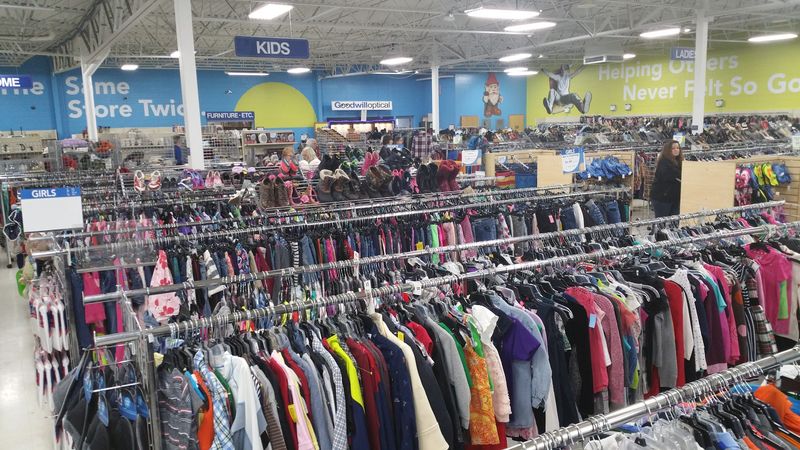
Odd smells mingle with old wood, detergent, and hot dust from rolling wheels, which is part of the charm. Safety gear matters more than style in the bins. I bring nitrile gloves for grip, a light mask when the lint clouds rise, and closed toed shoes that can pivot without slipping.
Thin gloves let fingertips read fabric and spot flaws, while boots protect against surprise shards. The point is to move confidently without getting precious.
Keep a small hand sanitizer in your pocket and a reusable bag clipped to the cart. You will leave cleaner, calmer, and ready for another pass. Tuck a tape measure and mini flashlight beside it for quick checks on furniture joints and zipper teeth later.
Reading Fabrics Fast
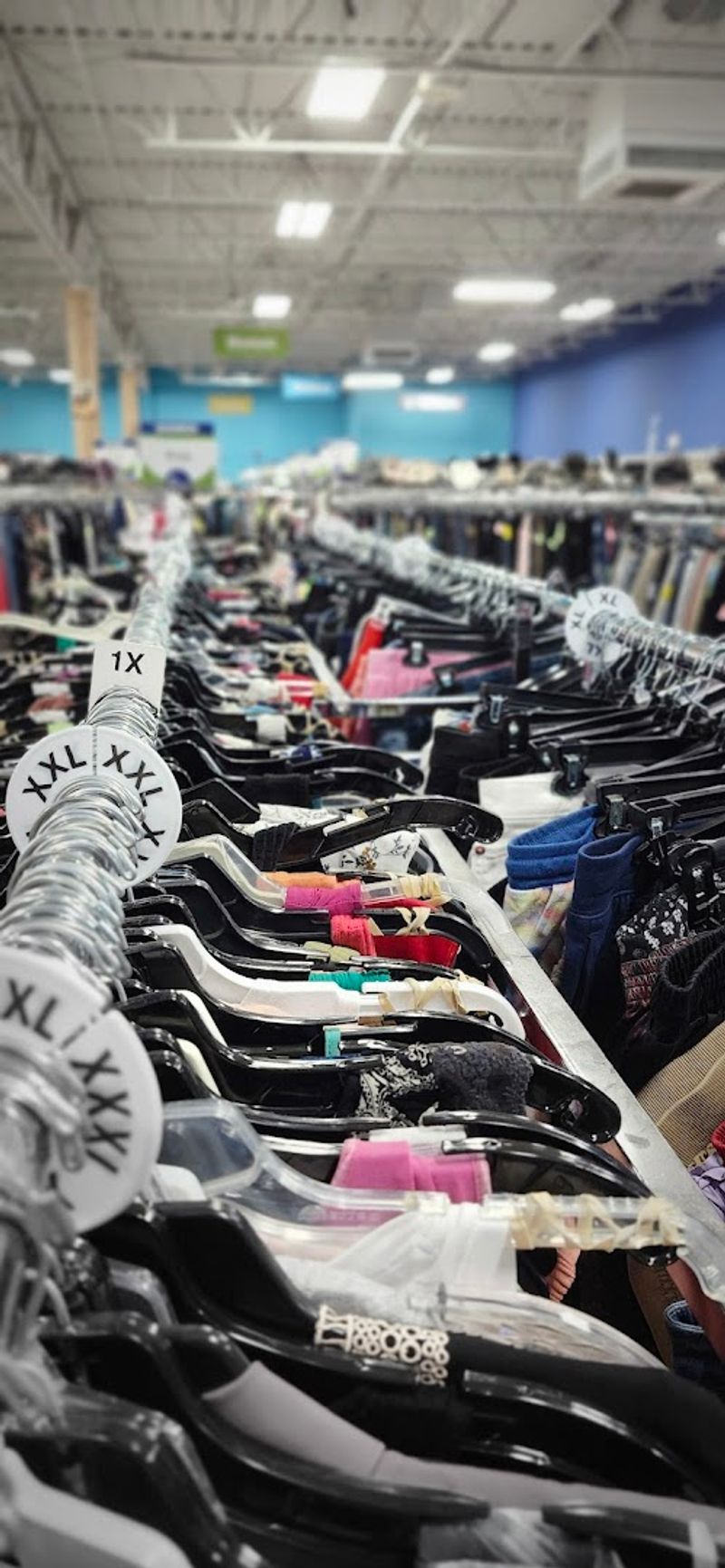
Start with fingertips, not labels, because your hands will outpace your eyes in chaotic light. Wool whispers with bounce, linen creases and holds, and rayon slides cool like water. Denim reveals itself by the selvedge edge or a heavy twill line, while cheap blends feel sticky.
Sorting by touch keeps momentum, sparing you the slower work of flipping every tag. After a sweep, check seams for strain and armpits for stains, then scan hems for wear.
Stack by category in your cart to weigh smarter later. Natural fiber pieces clean up better, mend reliably, and resell predictably, so they justify a place in your limited weight budget when the scale decides the bill on busy days at the Outlet floor.
Timing The Rotations
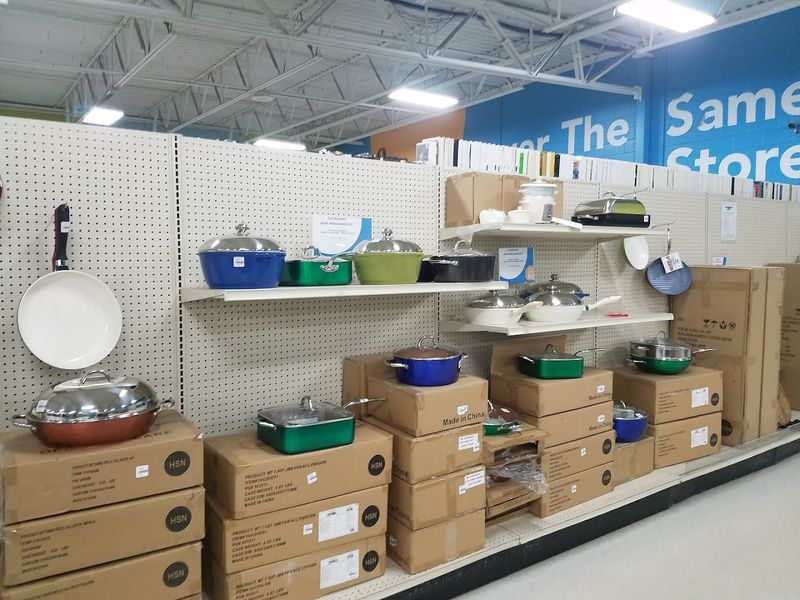
Quiet mornings drift slower, but mid afternoon often snaps awake when a fresh set rolls out. Staff routines vary, yet you can spot the tells: cones move, aisles clear, and a low reminder ripples through the room. The best approach is courteous patience that still holds a front row angle.
Rotations keep the floor democratic, and everyone wins a fair swing. I use rotation lulls to sort my cart, discarding duplicates and checking seams. That housekeeping trims weight and frees brain space before the next wave lands.
If you arrive near opening, give yourself time to learn the cadence, because predictable rhythms help you anticipate placement and avoid crowding during those first exciting minutes without sacrificing kindness to fellow thrifters.
Furniture And Hard Goods
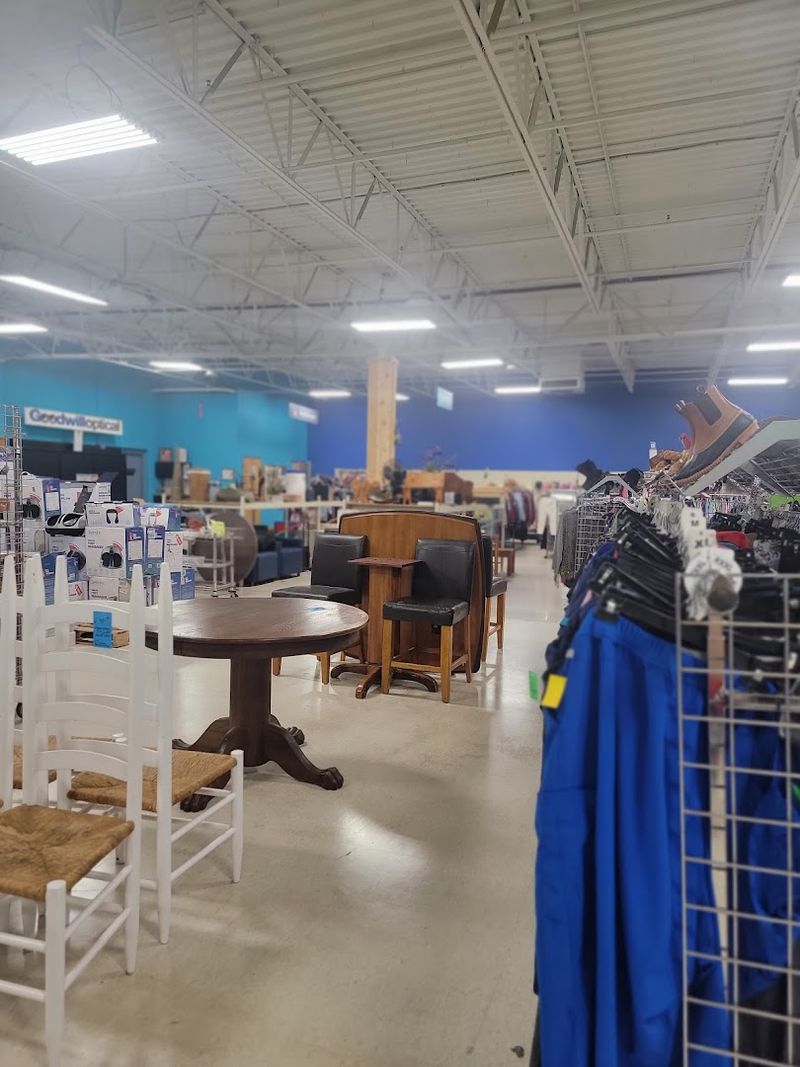
The big stuff lives along walls or arrives in special bins, and it moves differently than shirts. Joints tell the truth, so press and wiggle legs, then flip pieces to read screw heads and corner blocks. Solid wood carries weight and warmth, while veneer shows seams and chips.
Hardware can be rehoused, making a broken dresser a parts goldmine. Ask staff before testing electronics, and keep power bricks, shelves, and bolts together in a bag.
Bundle wisely so the weigh in counts pieces as one manageable unit. Scratch plates on an unseen edge to confirm they are ceramic, not plastic, and tap glassware lightly to hear a clean ring before you commit precious cart space during the busy sort period.
Books, Media, And Maps
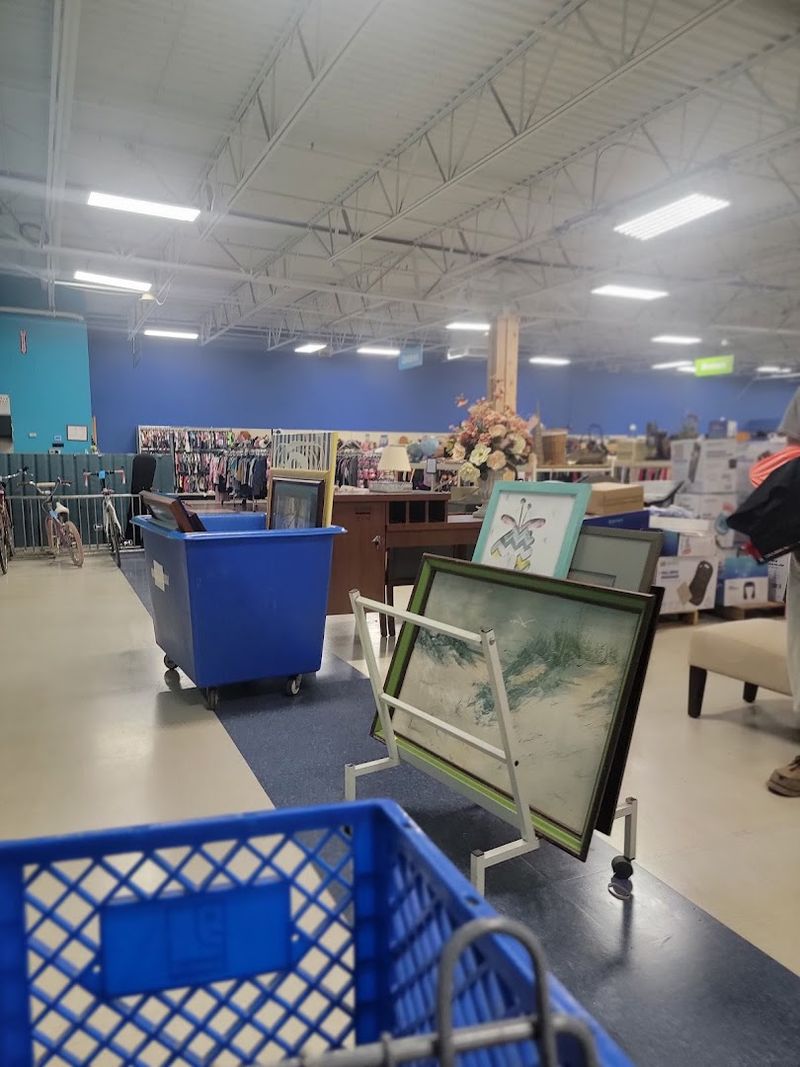
Spines give themselves away through typography, paper tone, and the quiet scuff of library jackets. Vintage field guides and Michigan maps surface often, their covers softened from gloveboxes and backpacks. Box sets can hide a missing disc, so flip and count, then check for scratches against the overhead lights.
Children’s hardcovers clean easily and ride light for the scale. I stack by subject to audit weight, sliding out textbooks unless they are current editions. Slip a thin archival bag around delicate dust jackets right after weighing.
Local history pamphlets can be sleepers, especially those printed by historical societies, because small runs mean scarcity and strong hometown interest at flea markets and gift shops later in northern Michigan reseller circles today.
Kid Gear And Textiles
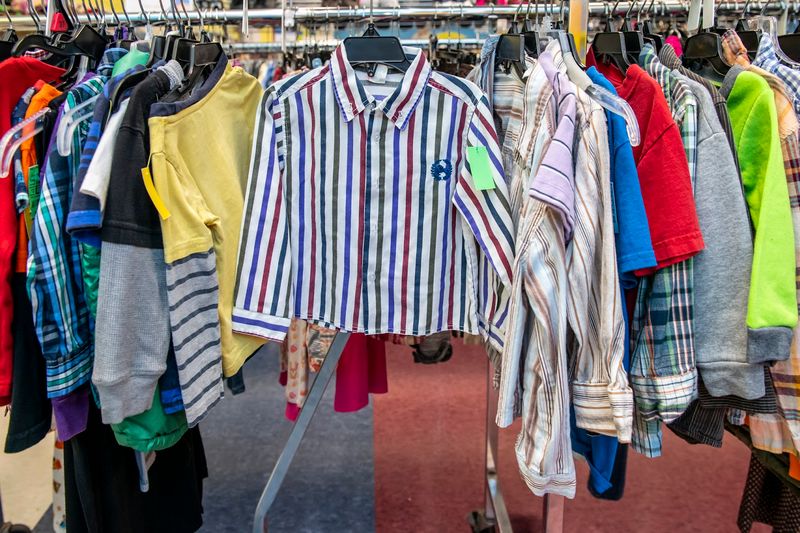
Tiny zippers and snaps are the failure points, so run them once before they hit your cart. Baby carriers hide stress seams under padding, which you can feel by pinching along the frame. Blankets compress beautifully for the scale and launder well, making them ideal to stock cabins or cars. Costumes and team gear appear in streaks after seasonal cleanouts.
Keep sets together with a rubber band and tuck instructions in a bag. Quick triage saves weight and keeps you from chasing single socks across the aisle.
Natural fibers like cotton and wool salvage better than shiny poly blends, so prioritize them when you are close to your budget and want durability after multiple washes in shared laundry rooms. One.
Courtesy In The Chaos
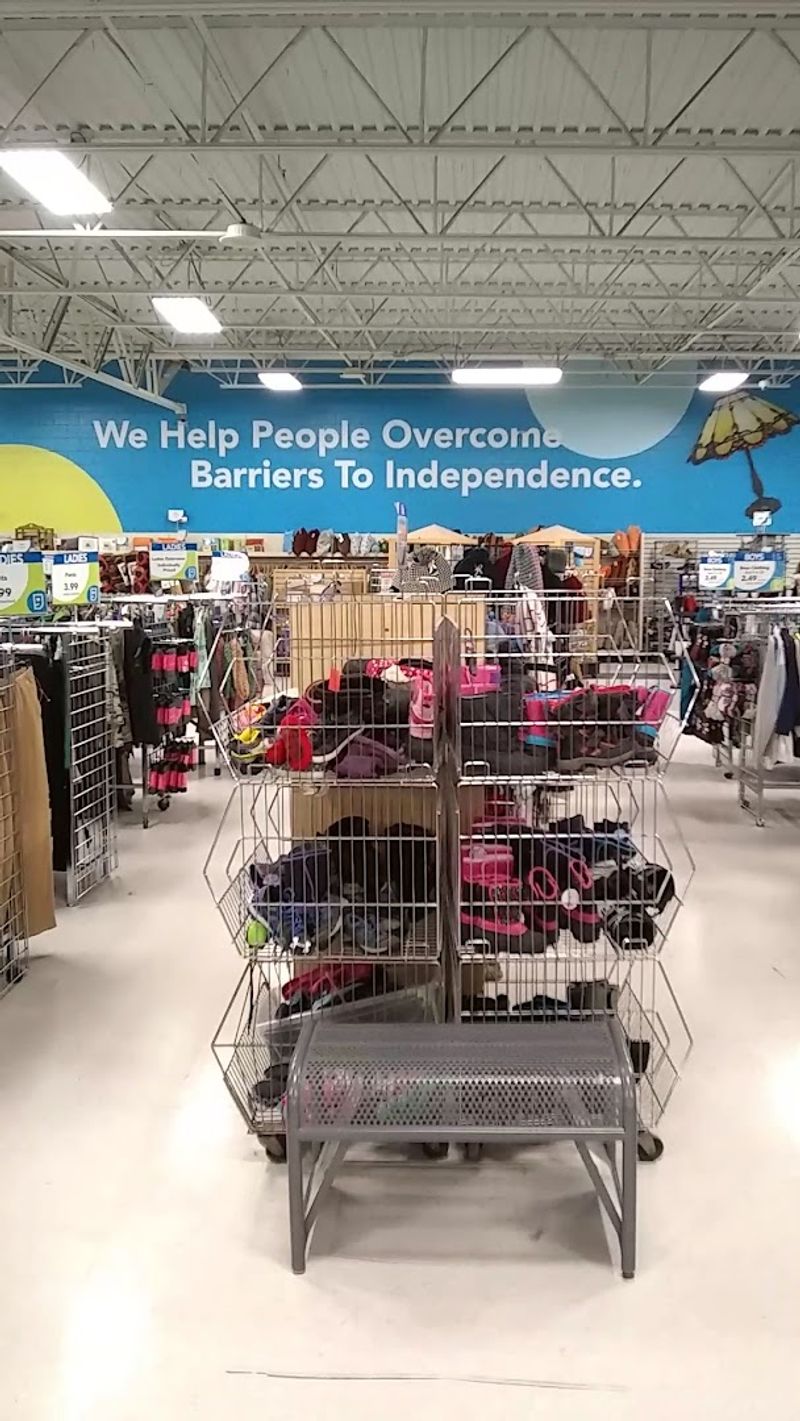
A good bins day hums because people read the room. Staff set rules for safety, and following them keeps rotations brisk and fair. Hold your cart near you, avoid bin hopping during countdowns, and give neighbors a beat to finish a grab. Names get remembered here, and kindness buys you helpful tips later.
I make eye contact, share space, and step aside for strollers. That rhythm lowers tempers and lets everyone focus on the fun part: the find.
Offer a spare rubber band or bag when someone looks overwhelmed, and you will often see the favor returned when a part surfaces that matches your earlier discard. It keeps the aisle calm during rushes and protects fragile finds from accidents.
Cleaning And Repair Triage
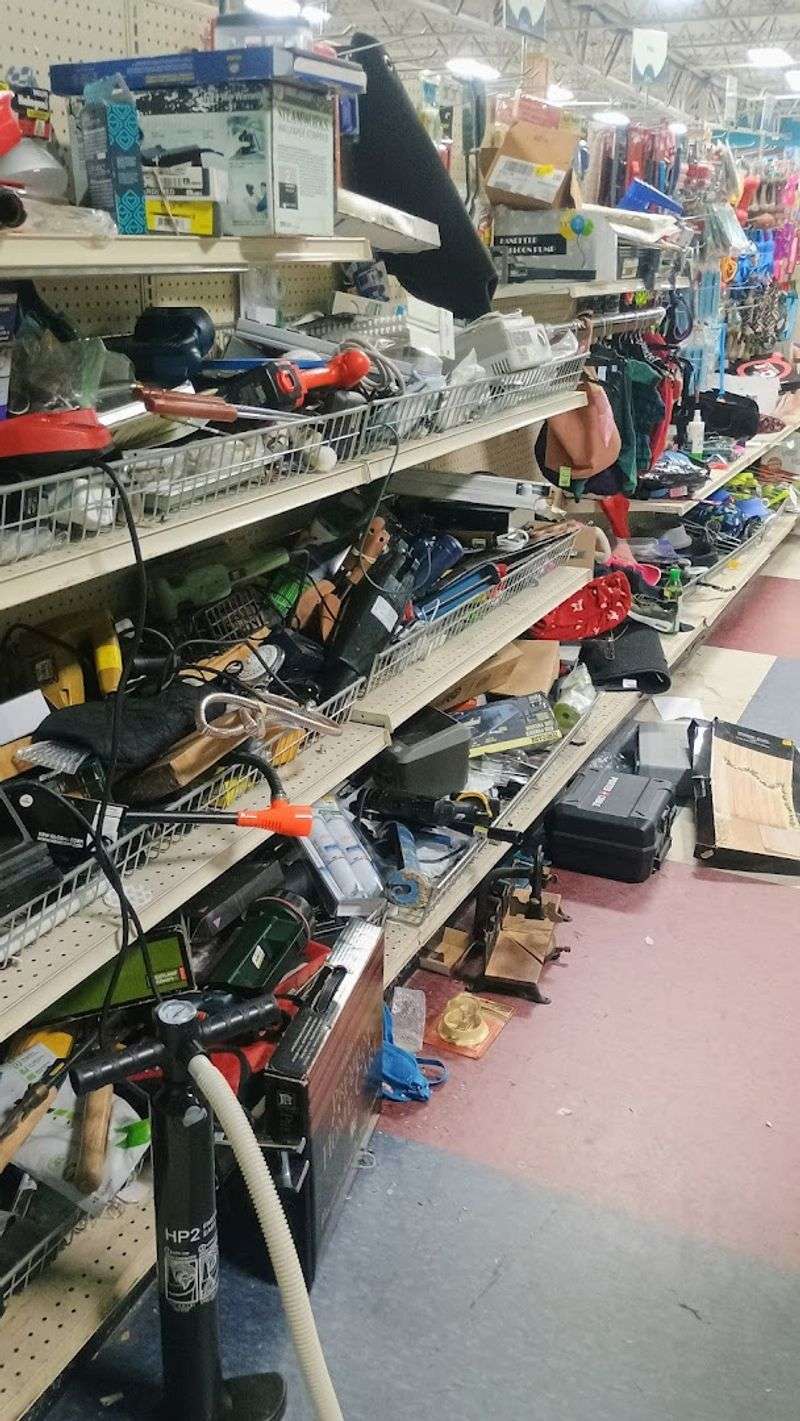
Decide what you can fix before the scale decides for you. Missing buttons, light stains, and loose hems are quick wins, while cracked plastic and warped pans seldom recover. Keep a mental price for notions, zippers, and specialty cleaners so your total stays honest.
A gentle soak and sun dry will rescue more textiles than harsh detergents ever could. Practice one mending skill hard until it is automatic, then move on. That habit turns scruffy pieces into keepers and turns keepers into gifts.
Keep a small kit in your car with thread, patches, magic eraser, super glue, and Goo Gone, so new acquisitions do not linger unuseful and you maintain momentum between outlet hauls and the next purposeful closet edit.
When To Walk Away
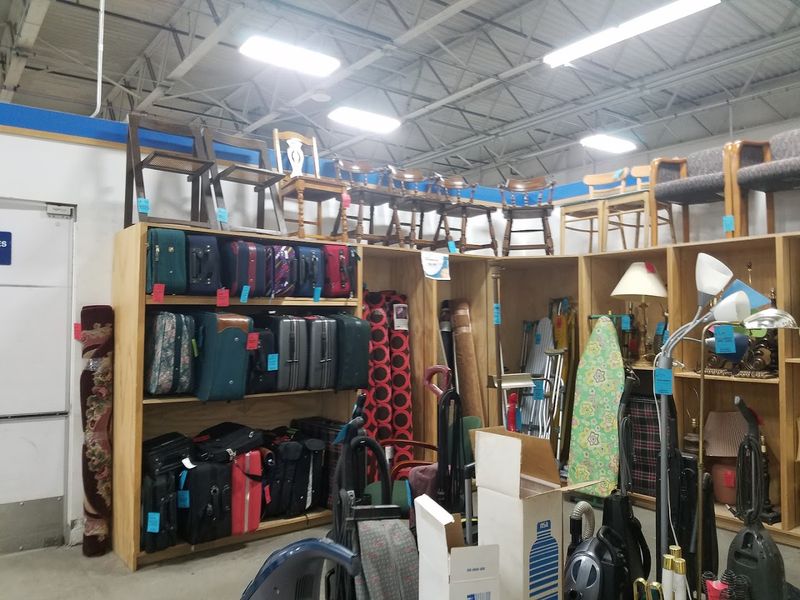
The cart test is simple: if three items do not spark a clear plan, step back. Outlet shopping rewards focus more than volume, and dragging maybes across bins burns time. Check weight again, imagine laundry and storage, and ask whether a friend truly needs the thing.
Your future self appreciates space more than duplicates. Leaving room in the cart invites better finds during the next rotation. A selective exit keeps your budget low and your stories high on usefulness.
Set a personal threshold for defects and stick with it, because discipline protects you from hauling home projects that eat weekends and never quite cross the finish line, even when the price whispers yes in the noisy, tempting aisle every time.