
This Historic Arkansas Bridge Leads To A Town Steeped In Ghost Stories
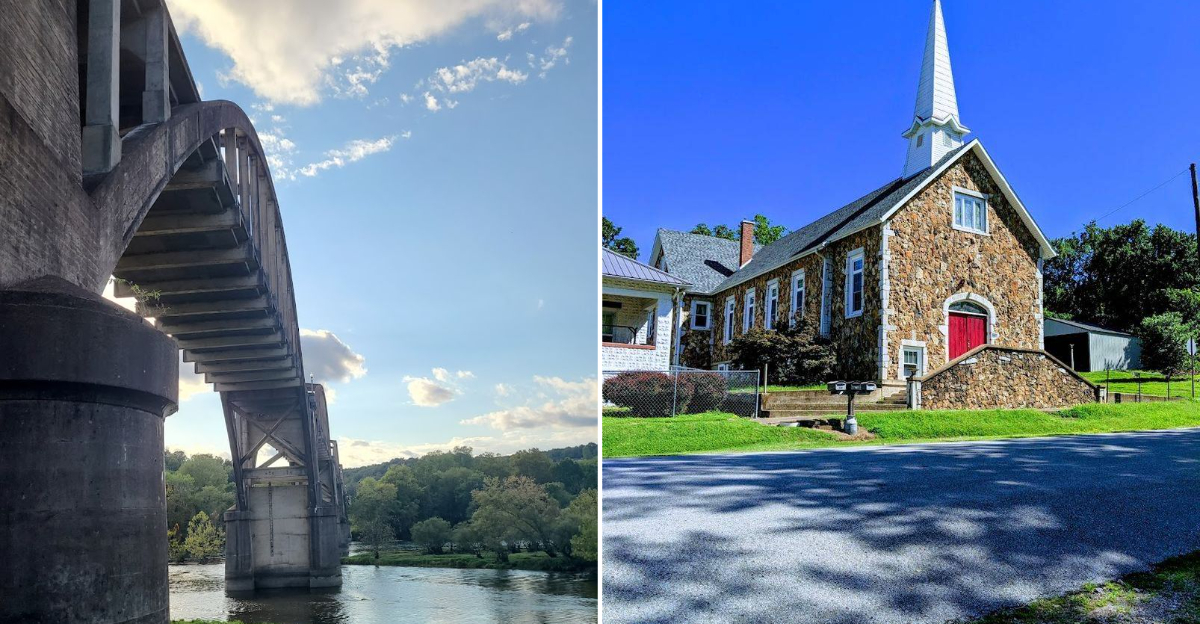
There is a bridge in the Arkansas Ozarks that has been standing since 1930, and it looks like something out of another time. That rainbow arch catches your eye immediately.
You slow down without meaning to. I crossed it one October morning, expecting nothing more than a quiet moment and a few photos.
That plan didn’t last long. Halfway across, something shifted. The air felt heavier. The silence felt louder.
By the time I reached the far side, I already felt uneasy. The town waiting there doesn’t announce itself. It just sits, still and watchful. Locals move through it like it’s ordinary.
Visitors tend to notice things they can’t explain, especially after dark. I didn’t expect much when I arrived.
I left with more questions than answers. Keep reading, because this place doesn’t leave your mind easily.
1. A Bridge That Feels Frozen In Time
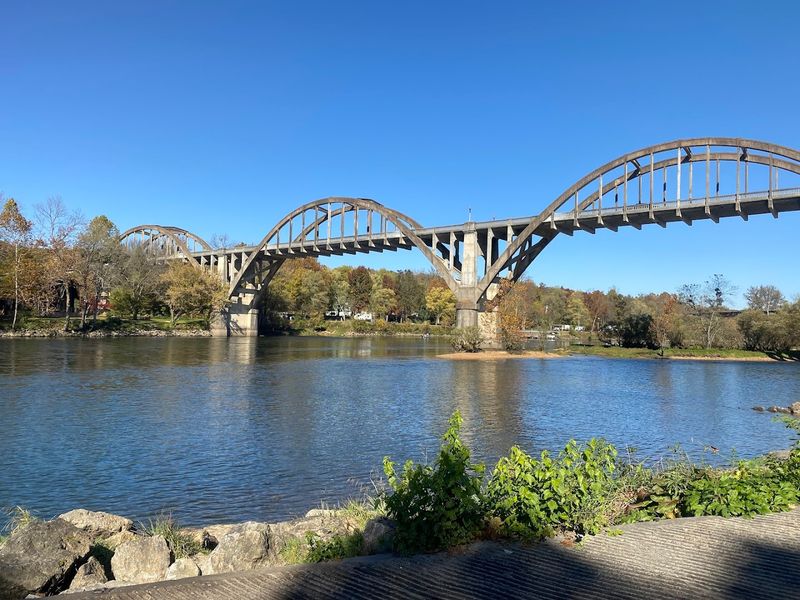
Standing at the edge of that arch for the first time, I genuinely forgot what decade I was in.
Completed in 1930, the structure was designed by the Marsh Engineering Company of Des Moines, Iowa, using their patented Rainbow Arch style, a sweeping, graceful curve of reinforced concrete that still looks bold nearly a century later.
Construction was handled by the Bateman Contracting Company of Nashville, Tennessee, and the result felt less like infrastructure and more like a statement.
It spans the waterway with a quiet kind of authority, and the pale morning light I experienced that day made the structure glow in a way that felt almost theatrical.
In 1986, the American Society of Civil Engineers recognized it as Arkansas’s first National Historic Civil Engineering Landmark, and in 1990 it was added to the National Register of Historic Places.
A major restoration project between 2002 and 2004 preserved every original detail with remarkable care.
All of this history belongs to the R.M. Ruthven Bridge in Cotter, Arkansas.
2. The Quiet Crossing Above A Mysterious River
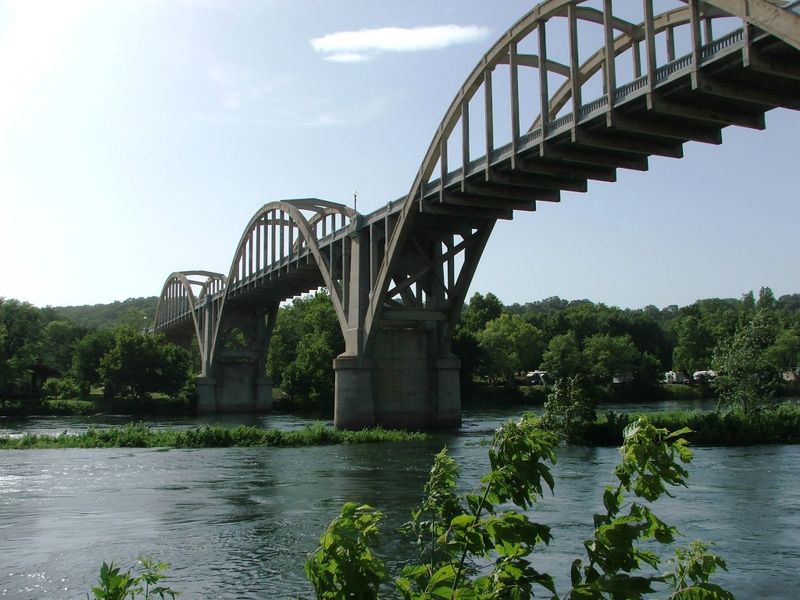
The White River below the Cotter Bridge moves with a calm that feels almost deliberate, like it knows exactly what it is doing and has no intention of explaining itself to anyone watching from above.
I leaned over the railing one morning and stared down at the clear, green-tinted water, and the stillness of it was genuinely unsettling in the best possible way.
The White River is famous across Arkansas for its trout fishing, drawing anglers from across the country who set up along its banks with early-morning patience and serious tackle.
From the bridge deck, you can see the riverbed through the water in certain spots, and the rocky bottom gives the whole scene a clean, almost glassy quality that contrasts sharply with the old iron above you.
Local fishermen told me the river has its own personality, running fast after heavy rain and pulling back to a mirror-like surface on dry weeks.
There is something about crossing water on a structure this old that slows your pace without you realizing it.
The river seems to hold its breath right along with you until you reach the other side.
3. First Glimpse Of A Town With A Strange Reputation
Crossing that bridge and rolling into town felt like pressing play on a movie that had been paused for about forty years.
Cotter is a small city in Baxter County, Arkansas, with a population of just 886 according to the 2020 census, and that number somehow fits perfectly with the unhurried, slightly mysterious energy the place radiates.
The streets near the bridge are lined with older buildings that wear their age openly, and the handful of locals I passed on foot moved with the easy confidence of people who have heard stories about their town and simply stopped being surprised.
A shop owner near the river told me, with a completely straight face, that odd things have been reported here from time to time and that most residents take it in stride.
The town sits in the Arkansas Ozarks, surrounded by hills and river valley scenery that is genuinely beautiful, which makes the subtle sense of unease feel even more unexpected.
Cotter is not trying to present itself as anything unusual for visitors, and that lack of performance is exactly what makes the stories feel more grounded.
Something about the place sticks to you long after the bridge disappears from your rearview mirror.
4. Streets That Seem Stuck Between Past And Present
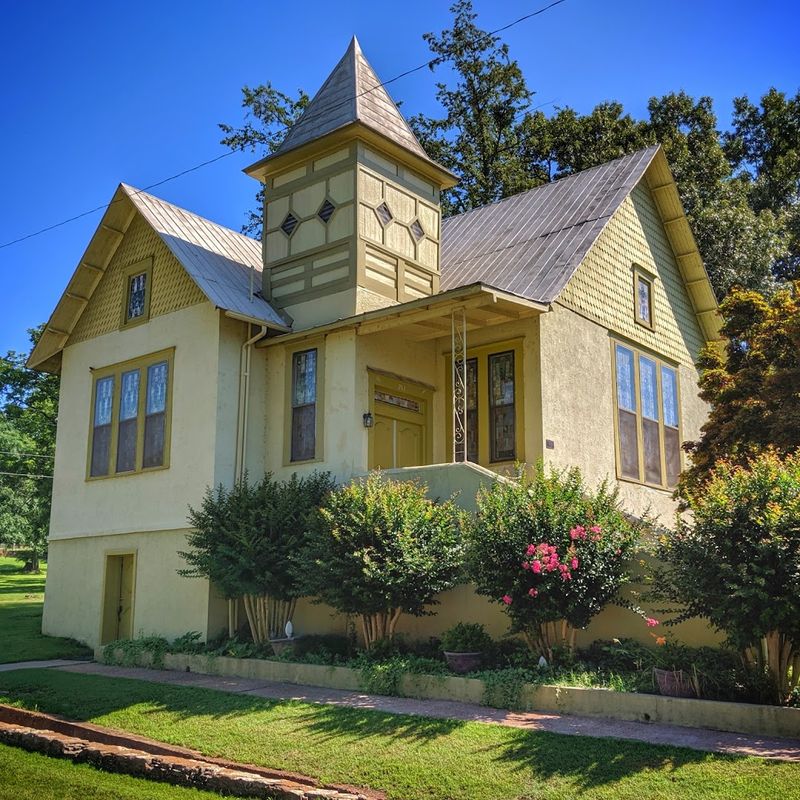
Walking the streets of Cotter is a genuinely disorienting pleasure, and I mean that in the most affectionate way possible.
The architecture shifts between eras without any apparent plan, so a well-maintained older home with a wide wooden porch sits comfortably next to a building that has been updated with modern materials, and somehow neither one looks out of place.
The town was originally established as a railroad community, and that origin story shows in the layout, with streets that follow a practical grid that feels more industrial than ornamental.
A few blocks from the bridge, I found a stretch of older commercial buildings that still carried the bones of early twentieth-century storefronts, with wide windows and brick facades that had absorbed decades of Ozark weather without complaint.
Residents seemed genuinely unbothered by the time-warp quality of their surroundings, going about errands and conversations with the relaxed rhythm of a community that does not need to perform nostalgia because it simply lives inside it.
The railroad history is still visible in the landscape, with old track lines and infrastructure reminders scattered through the area.
Every block felt like a sentence from a story that nobody had quite finished writing.
5. Stories Whispered By Locals After Dark
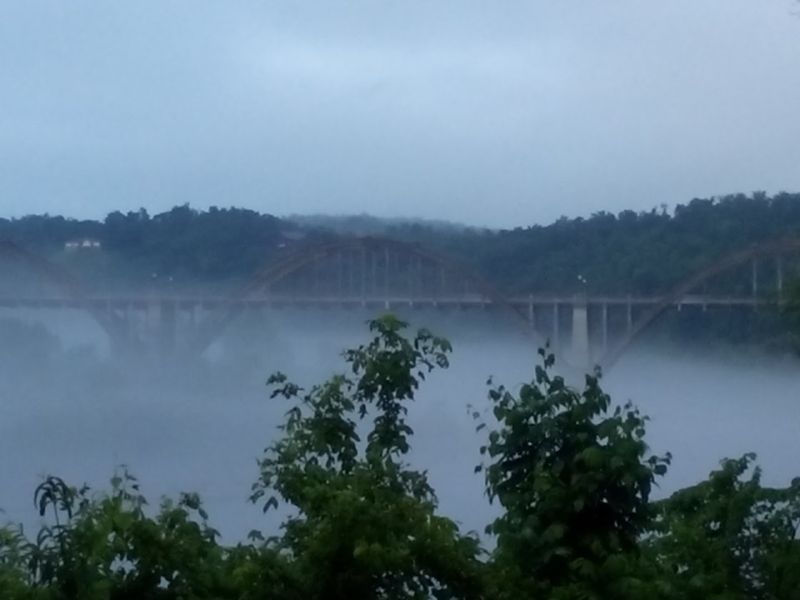
The ghost stories in Cotter do not come from tourist brochures or roadside signs, they come from people who grew up here and share them the way others discuss weather patterns.
Some visitors and longtime residents have described unusual sounds near the water, including what they interpret as distant cries, footsteps on the bridge deck, or a lingering feeling of being watched from the riverbank below.
What stood out to me was how similar certain themes felt across different conversations, even when the people sharing them had no connection to each other.
Nobody I spoke with was trying to sell anything or create a reputation, they simply answered questions with the calm tone of people passing along stories they had heard or experienced.
These accounts tend to come up more often in conversations about nighttime visits to the bridge, which has made late-evening walks there a quiet tradition for the curious.
I stayed until well after dark on my second night, and I will simply say that the silence there can feel heavier than expected.
6. The Unsettling Legends Tied To The Old Bridge
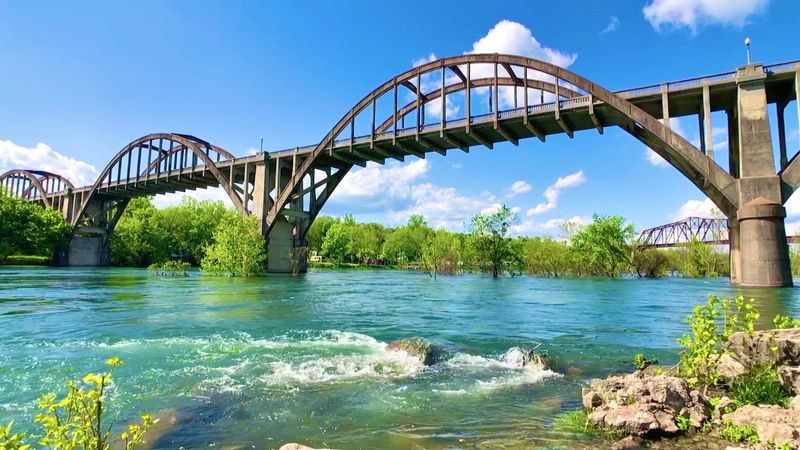
Few pieces of local storytelling are as detailed and persistent as the accounts connected to the Cotter Bridge. That level of detail often reflects how strongly the stories have been remembered over time.
One of the more commonly repeated stories describes a woman seen running across or near the bridge, sometimes accompanied by the distant sound of hounds, a scene that different people have recalled with similar imagery over the years.
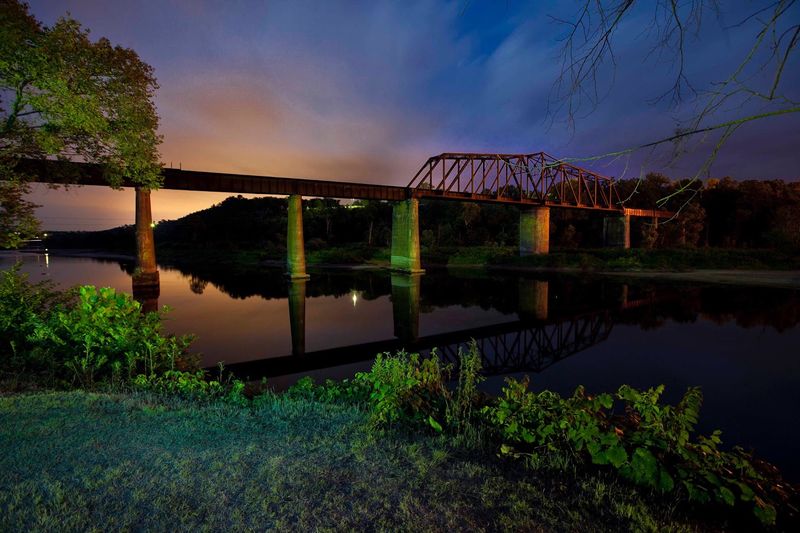
Another story involves figures that some claim to see near the old railroad tracks beneath the bridge, visible from above but gone when anyone goes closer to investigate.
Sudden cold spots are also mentioned in some nighttime accounts, with visitors describing a drop in temperature that seems to shift rather than stay in one place.
Paranormal enthusiasts have visited the site and shared recordings they believe capture unusual sounds, though there is no scientific confirmation of these claims.
What is clear is that the bridge carries a sense of history that people interpret in different ways, shaped as much by imagination as by memory.
The stories feel less like fixed facts and more like something that evolves over time, always changing slightly depending on who is telling them.
7. Why Visitors Leave With More Questions Than Answers
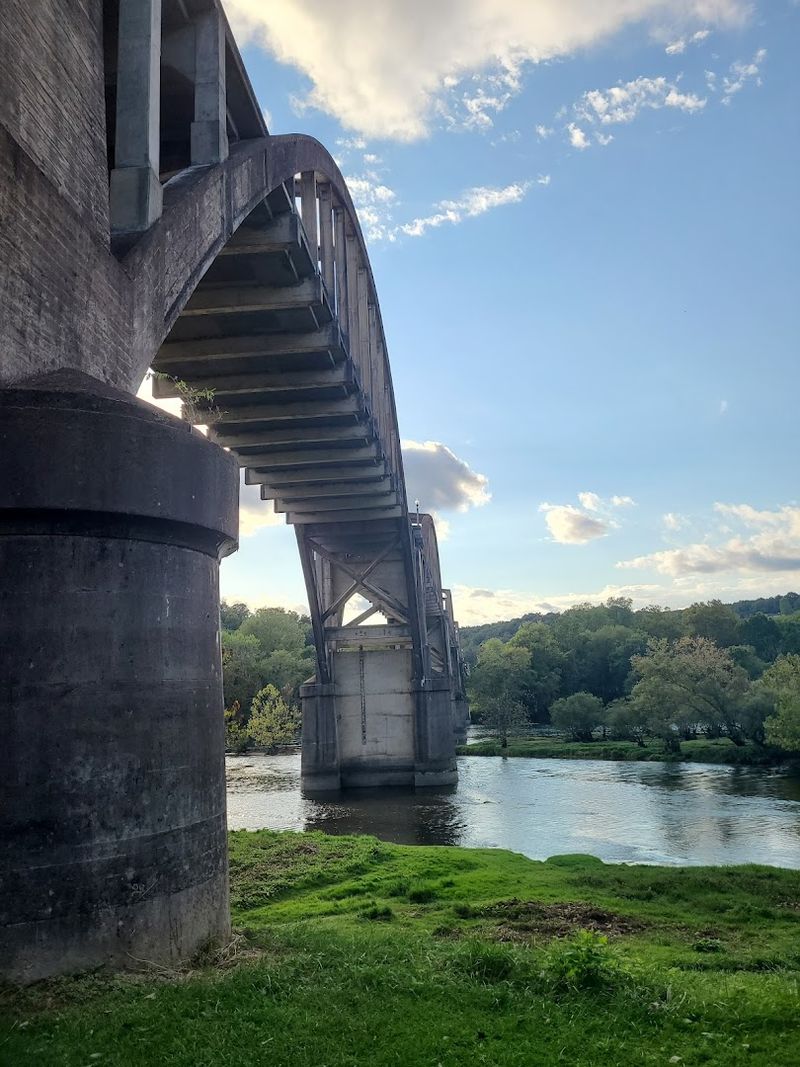
Many people I spoke with who arrived in Cotter with a skeptical mindset left with at least one moment they could not fully explain, and that pattern stood out to me as I listened to their experiences.
A couple from Missouri told me they had come specifically to question the stories and spent two nights near the bridge with recording equipment, only to drive home with audio files they were still discussing months later.
The bridge itself offers no answers, standing above the White River with the same composed silence it has maintained since 1930, letting visitors form their own interpretations.
I noticed that the questions people leave with are not always about the paranormal, some are about history, about the engineering decisions made nearly a century ago, and about the lives of the workers who built something this enduring.
Others leave wondering about the town itself, and how a community this small carries so many layered stories without being defined entirely by them.
Cotter seems entirely at ease with that ambiguity, which can feel either comforting or slightly unsettling depending on your perspective.
The bridge does not wave goodbye when you leave, but somehow it still feels like it noticed you were there.
8. The Quiet Arkansas Town Few Dare To Forget
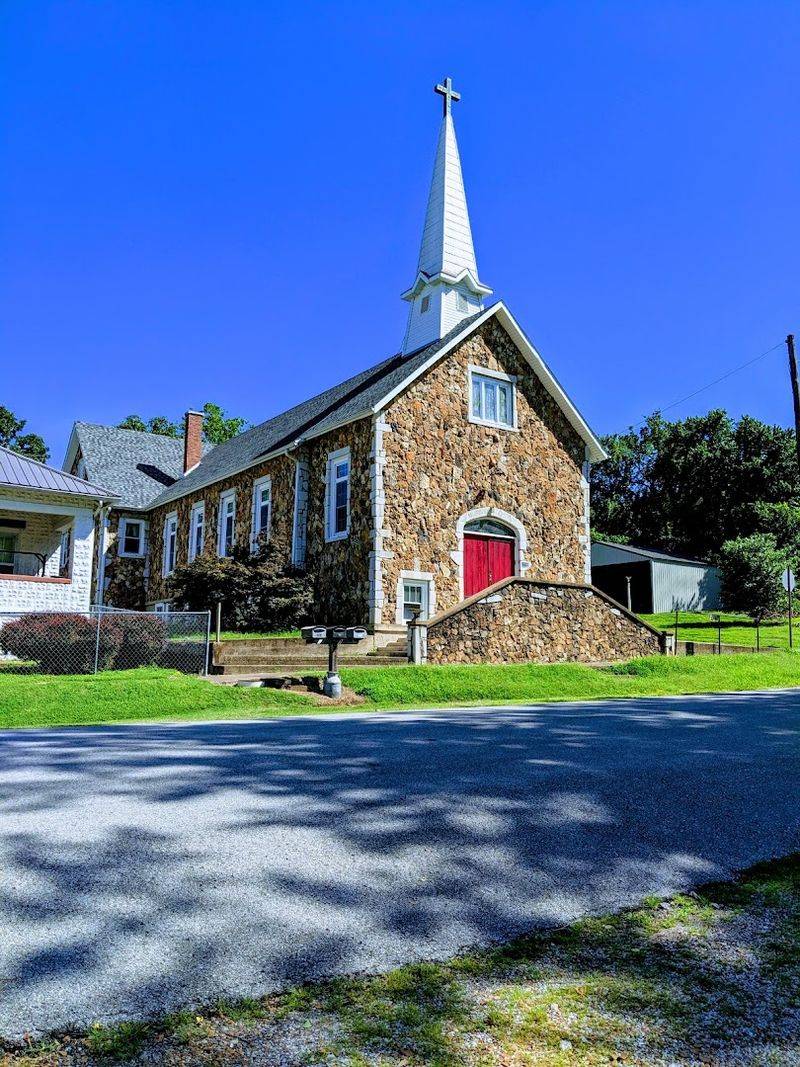
Some places earn their reputation through marketing, and some earn it through the kind of steady, unshakeable character that no campaign could manufacture or improve upon.
Cotter falls firmly into the second category, sitting quietly in the Arkansas Ozarks while the rest of the world rushes past on busier roads toward louder destinations.
The town’s connection to its bridge is not just historical or architectural, it is emotional, with residents speaking about the R.M. Ruthven Bridge the way families speak about an older relative who has seen everything and still shows up every morning without complaint.
Trout fishing on the White River draws visitors who come for the sport and leave with something harder to define, a sense of place that the Ozark landscape delivers through texture and quiet rather than spectacle.
The surrounding hills frame the town in a way that makes it feel both protected and slightly isolated, which is exactly the kind of setting where stories tend to linger over time.
I left Cotter on a gray afternoon with a full notebook, a slightly elevated heart rate from my late-night bridge visit, and a genuine respect for a community that carries its history with ease.
If you are the kind of traveler who prefers questions over easy answers, the road to Cotter, Arkansas is already calling your name.