
This Tennessee Car Museum Is Packed With Rare Classics You Can’t Miss
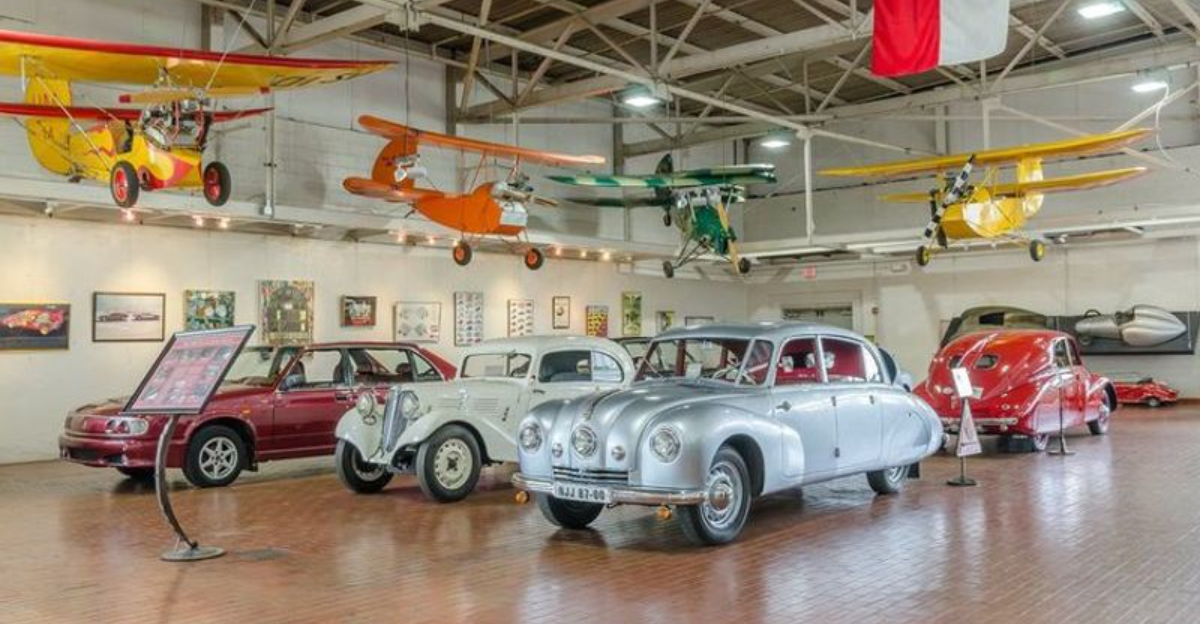
Ever seen a car that looks like it belongs in a sci‑fi movie? I hadn’t, until I wandered into a Tennessee museum that made my jaw hit the floor.
Tiny microcars that seemed too cute to be real, amphibious oddballs like they’d just rolled off a secret James Bond set, and European classics so rare I half‑expected them to start talking.
Each room felt like stepping into someone’s private treasure trove, where every turn promised another “no way” moment.
I snapped photos, whispered in disbelief, and wondered how the heck these gems even exist. Trust me, if you think car museums are all shiny, predictable metal, this one will rewrite everything you thought you knew.
The Eclectic Collection That Covers Every Corner Of Automotive History
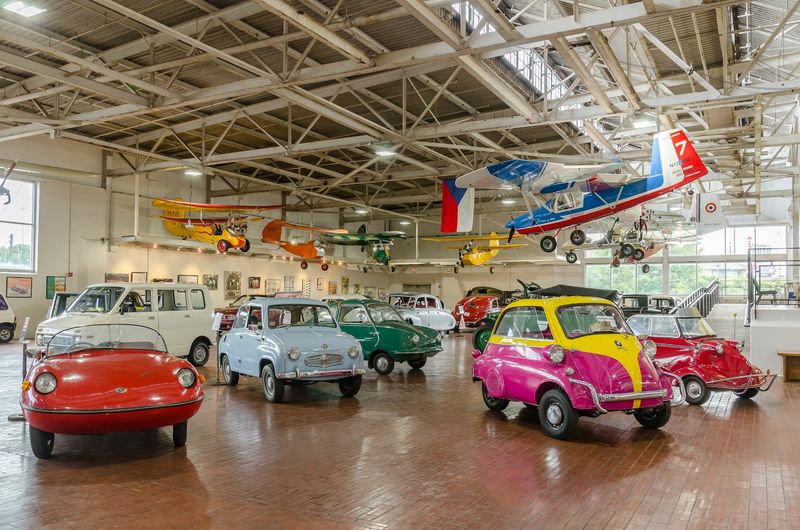
Walking into the main floor of the Lane Motor Museum felt like someone had taken every car dream I ever had and lined them all up in one room. The sheer variety on display was the first thing that hit me, and it hit hard.
There were microcars barely big enough for a grocery run sitting right next to military-grade vehicles that looked like they rolled off a battlefield.
The collection spans continents and decades in a way that feels almost impossible to wrap your head around at first.
One moment I was standing in front of a quirky little Isetta bubble car, and the next I was looking at an amphibious vehicle that seemed more at home in a river than on a highway. The museum intentionally avoids the typical American muscle car formula, which makes the whole experience feel refreshingly unexpected.
Jeff Lane started collecting these vehicles with a clear mission: preserve the unusual, the overlooked, and the genuinely weird corners of automotive history.
With over 500 vehicles in the total collection and around 150 rotating through the display floor, no two visits are ever exactly the same. I overheard someone say they had visited four times and still spotted something new, and after my own experience, I completely believe it.
This museum does not just show you cars, it reframes everything you thought you knew about them.
The European Automotive Collection That Holds A National Record
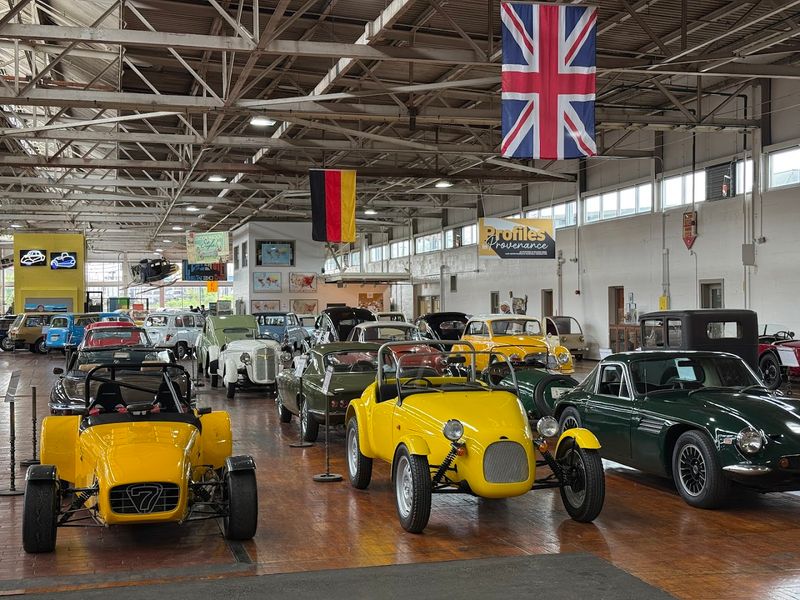
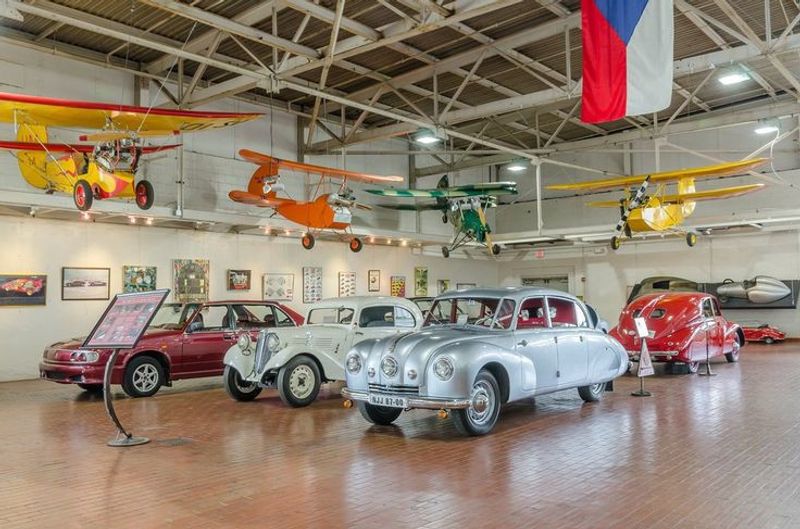
Somewhere between staring at a Tatra with its rear-mounted air-cooled engine and trying to figure out how a Citroen 2CV managed to become a cultural icon, it hit me that I was standing inside the largest European automotive collection in the United States.
That title belongs exclusively to the Lane Motor Museum, located at 702 Murfreesboro Pike in Nashville, Tennessee, and it earns every bit of that distinction.
The European section of the museum reads like a passport full of stamps from places most American car enthusiasts have never explored.
Brands like Tatra, Panhard, Goggomobil, and Lloyd sit alongside more recognizable names like BMW and Citroen, and each one tells a completely different story about how Europe approached engineering and design. Some of these cars were built for efficiency, others for speed, and a few seem like they were built purely to prove a point.
What made this section especially memorable for me was how the vehicles reflected the political and economic climates of their home countries.
A Tatra from Czechoslovakia carries a completely different energy than a sleek French roadster, yet they exist just feet apart in the same space. Seeing that contrast in person was genuinely moving in a way I did not expect from a car museum.
Europe built some wildly creative machines, and Nashville is somehow the best place in America to see them all together.
The Microcar Exhibit That Proves Good Things Come In Tiny Packages
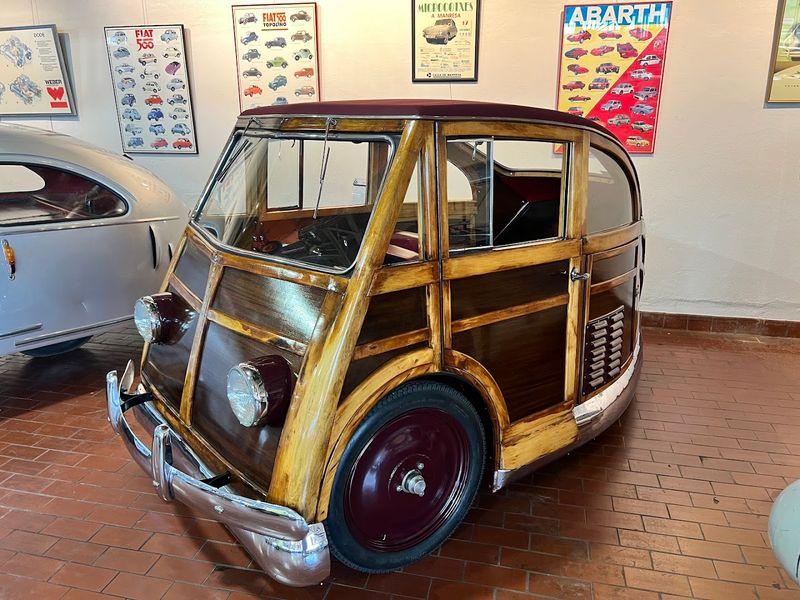
I will be honest, I walked up to the microcar section expecting to laugh a little, and I left with a genuine appreciation for some of the most cleverly engineered vehicles I have ever seen up close. These tiny machines, some of them barely wider than a bicycle, were not jokes.
They were serious responses to serious problems, built during post-war Europe when fuel and materials were scarce and people still needed to get around.
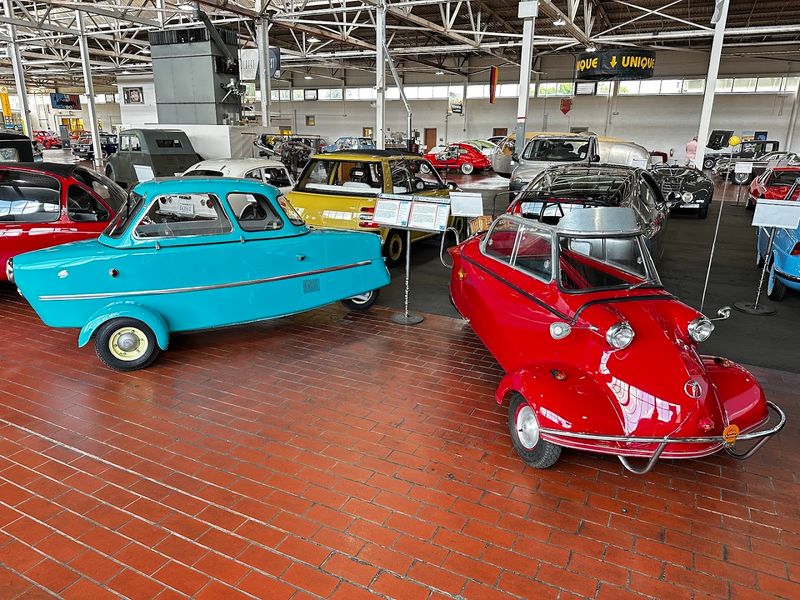
The BMW Isetta is probably the most recognizable of the bunch, with its front-opening door and motorcycle engine that somehow made it a bestseller in the 1950s. But the Lane collection goes so much deeper than that.
There were models I had never heard of before, brands that existed for just a few years and left behind only a handful of surviving examples, and the museum has them. Seeing a Messerschmitt KR200 in person, a vehicle built by the same company that made World War II fighter planes, was a surreal and fascinating experience.
What I loved most about this section was how it completely dismantled the idea that bigger always means better.
These cars solved real transportation problems with creativity and restraint, and they did it with a style that modern compact cars rarely match. The microcar exhibit alone is worth the price of admission, and that is not a small statement to make.
The Military Vehicles That Carry The Weight Of Real History
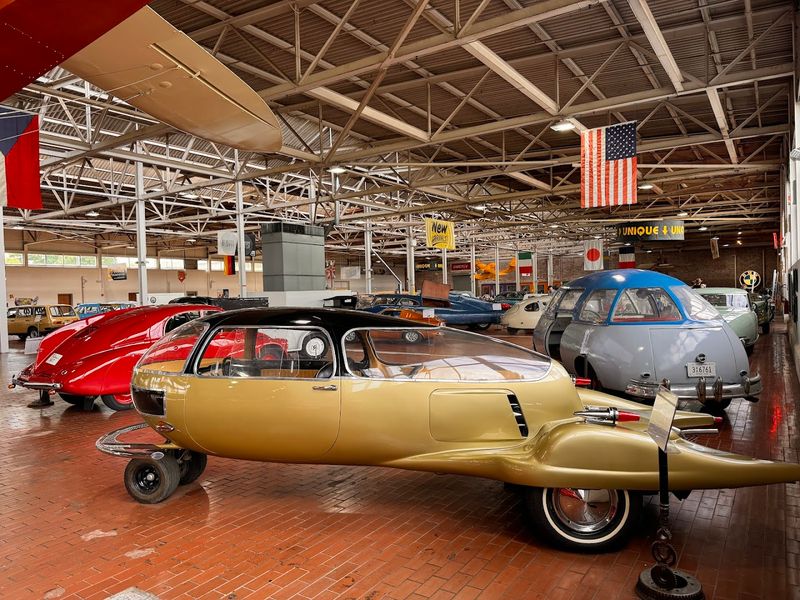
Standing next to a vehicle that was actually used in wartime feels very different from looking at a photograph. The Lane Motor Museum’s military vehicle section carries a quiet but powerful energy.
I found myself reading every placard there with a level of focus I did not bring to every other part of the museum.
The collection includes vehicles from multiple conflicts and countries. Because of that, the section feels like a compressed military history lesson told through machines.
There are utility vehicles, reconnaissance cars, and transport trucks. Each one represents a specific moment when engineering served a purpose far greater than getting someone to work on time.
The variety also reflects the museum’s broader philosophy that every vehicle has a story worth telling.
What struck me most was how worn and real some of these vehicles looked compared to the polished civilian cars elsewhere in the building. They were not restored to showroom condition, and that felt intentional and respectful.
You could see the history written into the metal. That authenticity made the experience hit differently.
Car museums can sometimes feel focused on aesthetics, but the military section at Lane is clearly about meaning.
These machines carried people through extraordinary circumstances, and the museum makes sure you do not forget it.
The Competition Classics Racing Exhibit
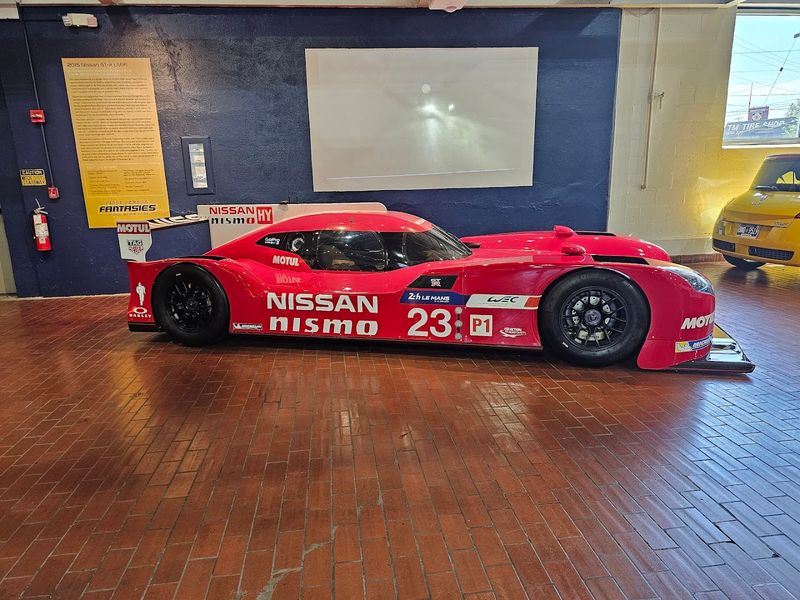
The Competition Classics exhibit is exactly what it sounds like, and somehow much more.
You might walk in expecting a row of race cars and end up spending far longer reading about the drivers, the circuits, and the mechanical breakthroughs that made these machines legendary. Racing history is surprisingly easy to get lost in when the actual cars are right in front of you.
The exhibit spans multiple eras of motorsport. The vehicles range from early endurance racers with open cockpits and minimal safety features to more refined competition machines shaped by decades of engineering progress.
Seeing that evolution in person makes it feel tangible. You can spot where engineers began making different choices and trace that thinking through the shapes of the cars themselves.
What stands out most is the balance between technical detail and human storytelling. Racing is not just about machines.
It is also about the people who pushed them to their limits.
The Competition Classics section gives visitors a whole new appreciation for motorsport history. Speed, it turns out, has a long and compelling backstory.
The Video Game Cars Exhibit That Bridges Pixels And Pavement
I did not expect the video game cars exhibit to be the section that made me feel like a ten-year-old again, but here we are. First Person Fantasies is one of the most genuinely fun and creative exhibits I have ever walked through in any museum, and the fact that it exists inside a serious automotive institution makes it even better.
The exhibit connects real vehicles to their virtual counterparts in games that shaped entire generations of players.
Seeing a car that you spent hundreds of hours driving in a video game sitting right there in front of you, real and tangible and three-dimensional, creates a kind of cognitive dissonance that quickly turns into pure joy.
The Lane Museum clearly understood that car culture and gaming culture have been intertwined for decades, and this exhibit celebrates that relationship with genuine enthusiasm.
The curation here feels thoughtful rather than simply nostalgic. The exhibit makes a strong case for why video games matter to car culture.
It shows how they introduced millions of young people to brands and models they might never have known otherwise, and how that influence shaped real-world enthusiasm for cars.
Games like Gran Turismo and Need for Speed did not just entertain people, they educated them. Walking out of this exhibit, I felt like the museum had made a genuinely smart cultural statement wrapped inside a really, really fun experience.
The Redefining Remnants Art Of Parts Exhibit
By the time I reached the Redefining Remnants exhibit, it felt like the museum had already shown me everything it had to offer. Then I stepped into a room where automotive parts had been turned into art, and realized it still had one more surprise waiting.
The idea is simple but powerful. What happens to car parts when the car itself is gone?
Instead of treating them like scrap, the artists here give them new meaning, beauty, and purpose.
Gears, pistons, body panels, and engine parts become sculptures and installations that made me see automotive materials in a completely different way.
There is something quietly philosophical about it all. It feels like a meditation on transformation and the way objects can outlive their original purpose.
I am not usually someone who lingers in art exhibits, but this one pulled me in. It felt like the perfect final stop in a museum that had already expanded my idea of what cars can mean beyond transportation.
Lane Motor Museum in Tennessee is not just a place to see vehicles. It is a place to think about them, and that is what made it so memorable.