
This Spine-Tingling Michigan Road Trip Leads To 11 Creepy Historical Sites
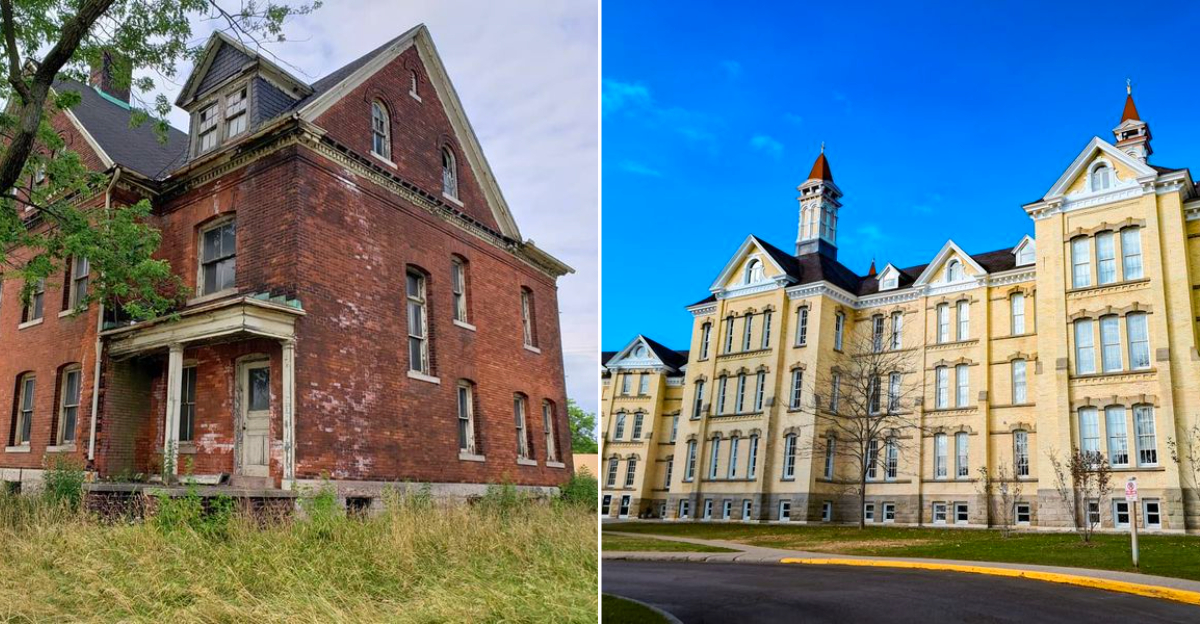
The air in Michigan has a way of thickening when you step off the main drag, especially when the wind hits those old brick corridors and they start to breathe like something with a pulse.
I’m completely obsessed with the way the Great Lakes turn ordinary architecture into these massive, damp echo chambers for memory, where every tight stairwell and crumbling parade ground feels like it’s holding its breath just for me.
Michigan’s historic haunted lighthouses and abandoned asylum tours offer an ideal destination for dark tourism and paranormal investigators seeking authentic ghost stories.
I live for that specific, unsettling moment when the facts are firm, the dates are clear, and yet something inexplicable brushes past the second I exhale. You really need to pack your calmest voice and a heavy-duty flashlight, because these quiet murmurs of history are far more persuasive than any cheap jump scare.
1. Eloise Asylum, Westland
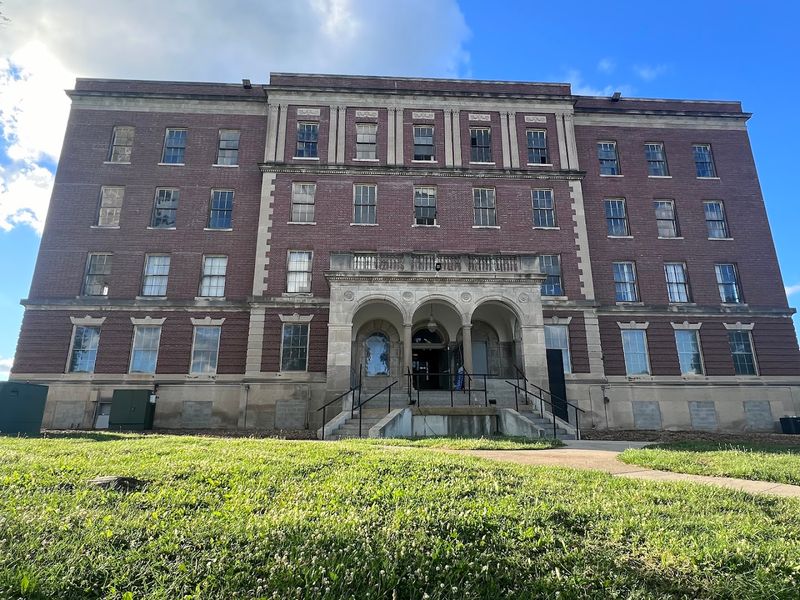
The hulking brick complex rises by the railroad tracks, its smokestack a pointer in Westland’s horizon. Eloise began as a poorhouse in the 1830s, grew into a vast psychiatric and medical campus, and today survives in fragments, including the former infirmary.
Hallways host experiences and attractions that lean into the site’s reputation. Fluorescent buzz, peeling paint, and temperature pockets set the mood without theatrics.
History is the real chill here, with cemetery plots numbered rather than named reminding visitors of anonymity. Book official tours to access spaces and hear vetted context from staff. Photography rules change, so check ahead.
If you linger outside at sunset, freight trains and wind create a strange chorus that trails you back to the car.
2. Historic Asylum Tours at the former Traverse City State Hospital, Traverse City
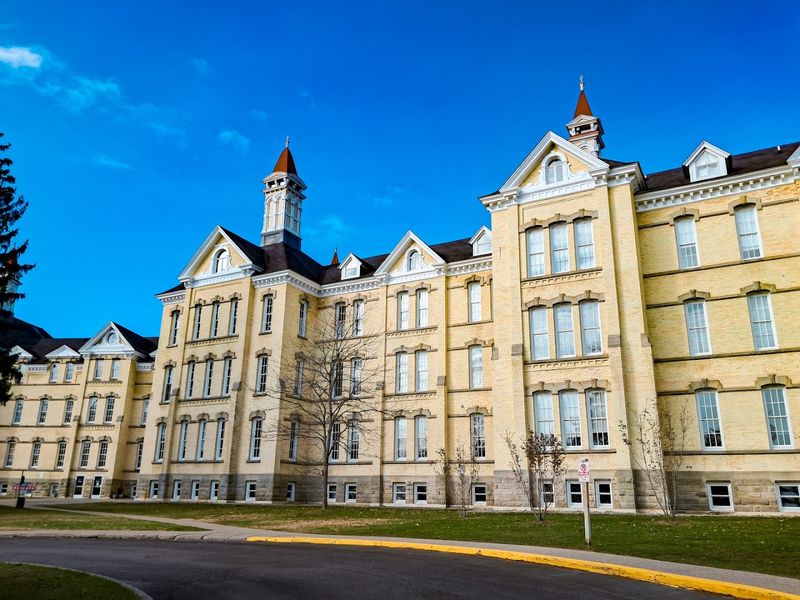
An apricot glow hits the Italianate brick at The Village at Grand Traverse Commons, turning former asylum wards almost gentle. Historic Asylum Tours thread through basements, attics, and preserved patient corridors, explaining Dr. Munson’s beauty is therapy philosophy and the evolution of treatment.
The tunnel system amplifies footsteps into drumbeats, and old wool smell floats from steam pipes. I like how guides ground every legend in records, then let silence carry the rest. You learn how cottages became condos without erasing memory, and why trees were planted in soothing rows.
Wear sturdy shoes and arrive early for tickets, since small groups fill quickly. When you exit, sunlight on the lawn feels medicinal, as if architecture prescribed it for this campus.
3. Fort Mackinac, Mackinac Island
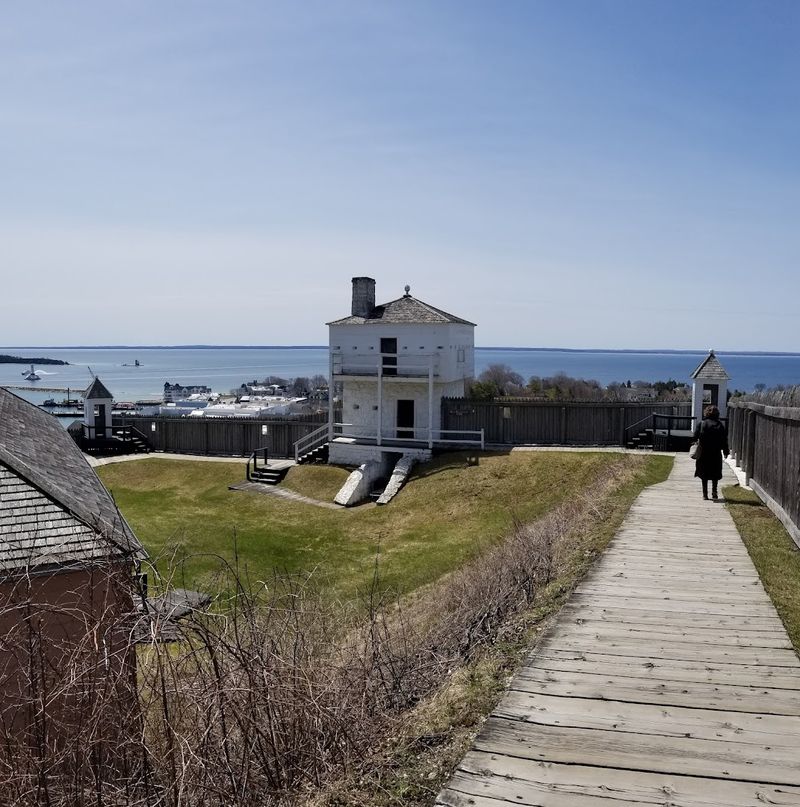
Whitewashed walls glare bright above the harbor, and gulls seem to patrol the ramparts like junior sentries. Fort Mackinac dates to 1780, relocated by the British from Mackinac Island’s highest bluff to control the straits, later occupied by U.S. troops and reinterpreted by Mackinac State Historic Parks.
Musket and cannon demonstrations echo convincingly across the green. The vibe turns uncanny when fog moves in and the parade ground loses edges. Costumed staff keep the tempo of daily life, which somehow makes the silence between volleys feel louder.
Reached by foot or bike, the fort rewards early arrivals before ferries fill the paths. Bring a light jacket, even in July, because the bluff chills quickly. Watch for steep steps and gravel.
4. Colonial Michilimackinac, Mackinaw City
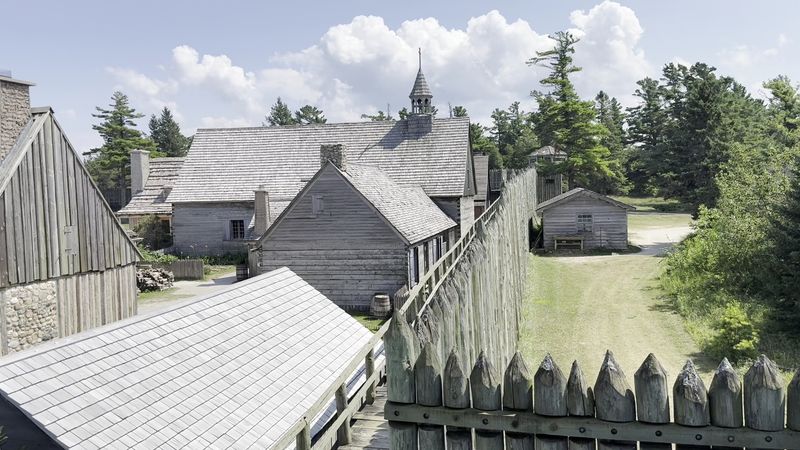
Smoke from the hearths drifts sweet with maple and char, and the palisade throws stripes of shade over the sand. Colonial Michilimackinac is a meticulous reconstruction of the 18th century French and later British fort and trading village at the Straits of Mackinac.
Archaeologists still work here in season, turning shovels into time machines while visitors peer over shoulders. The rhythm feels domestic more than martial, which is the unsettling part. Daily tasks, gunflints, and beadwork speak to lives interrupted by empire and winter.
Docents explain excavations and how found objects inform rebuilt walls. Visit early or late to dodge midday crowds, then step onto the lakefront path where waves slap the timbers like a metronome in the wind today.
5. Marquette Harbor Lighthouse, Marquette
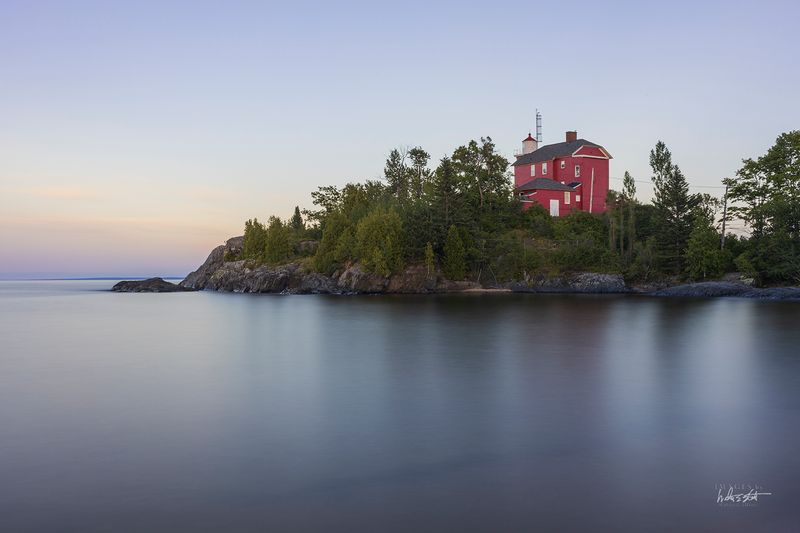
Red paint glows against Superior’s steel water, and the lightkeeper’s house angles squarely into the weather. The Marquette Harbor Lighthouse, dating to 1866 with later alterations, guards the approach to the ore docks and now anchors the Marquette Maritime Museum.
Fog signals and ship horns stitch together past and present whenever the lake flexes. I followed a museum guide along fenced catwalks, hearing how storms gnaw at sandstone and why the original Fresnel lens mattered.
The story of shipwrecks nearby lands quietly, maybe because Superior keeps her evidence close. Tours require museum admission and run seasonally, with schedules posted online. Wear layers and expect wind that steals words, then returns them as spray on the breakwater path nearby most days.
6. Fort Gratiot Lighthouse, Port Huron
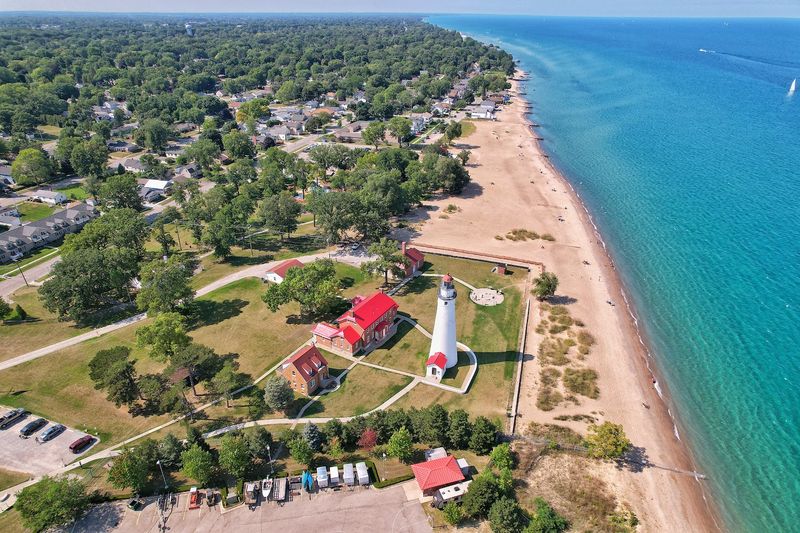
A quick flash of white tower and blue water announces where Lake Huron squeezes into the St. Clair River. Fort Gratiot Lighthouse, first lit in 1825 and rebuilt after collapse, is Michigan’s oldest operating light. The setting mixes grassy grounds, keepers’ quarters, and the low thrum of freighters sliding past like moving buildings.
The preservation work is visible in careful masonry and sturdy stairs, which visitors climb for a clear view of ship traffic.
Volunteers interpret with calm precision, leaving plenty of time to watch the river’s fast split personality. Parking sits beside the park, and tours run on set days. Bring binoculars for ore carriers and a sweater for that precise lakeshore wind, even in bright afternoon sun sometimes.
7. Historic Fort Wayne, Detroit
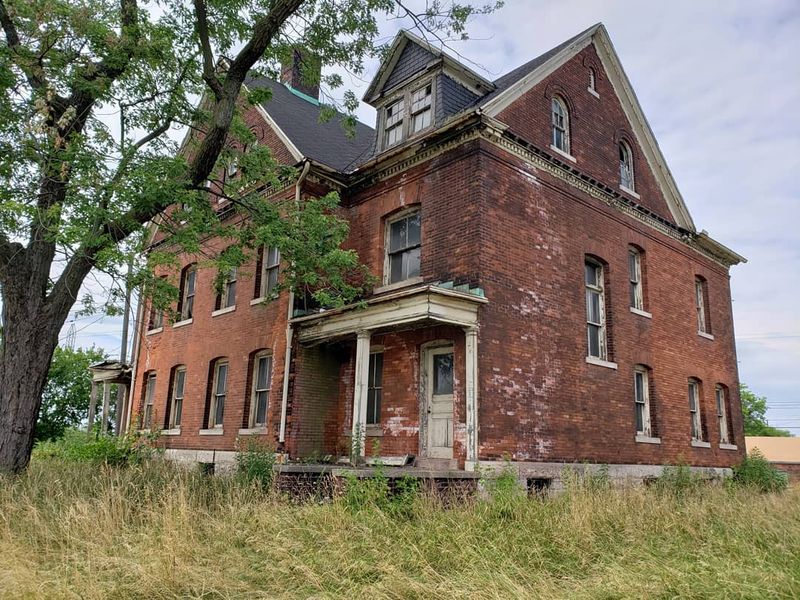
Grass grows in precise military squares between red brick barracks, and the Detroit River glints just beyond the ramparts. Historic Fort Wayne took shape in the 1840s as border tension insurance, later serving as an induction center and housing for soldiers across multiple wars.
The star fort earthworks still trace a confident geometry around quiet parade space. Walking the grounds, you catch fragments of cadence calls, then nothing but wind and freeway hush. Restoration is ongoing, so some buildings are open only during special programs and markets.
Check the schedule through the Detroit Parks and Recreation partnership before you go. Plan extra time for the riverfront path, where lake freighters slide past with unhurried authority at the old gate nearby.
8. The Whitney, Detroit
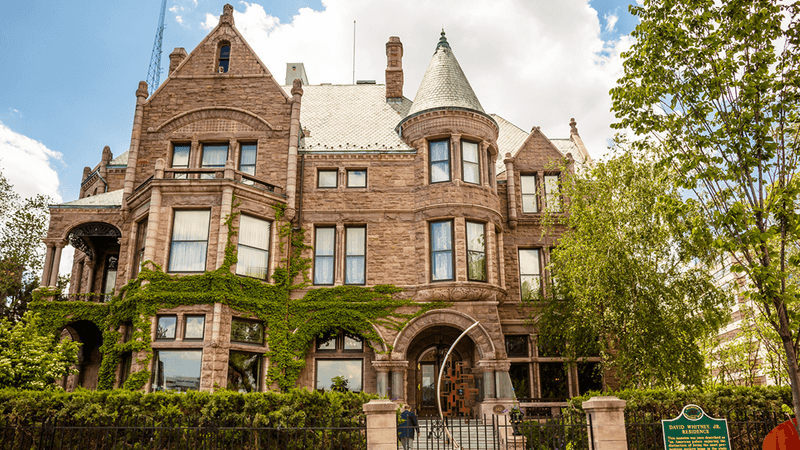
Inside the 1894 David Whitney House, stained glass throws jeweled lozenges across carved wood and velvet. The restaurant’s rooms feel theatrically still, which fits a mansion that survived Gilded Age exuberance and long vacancy before careful restoration.
Stories of cold spots and figures on the staircase circulate, and late dinners encourage the imagination. I go for the architecture and the service ritual, then let the whispers be set dressing. Order a drink in the Ghostbar, admire the Tiffany window, and ask about the elevator, said to be among Detroit’s oldest.
Reservations are wise on weekends. Step onto Woodward after dessert and the city’s streetlights feel strangely softer, as if the house dimmed them for a final quiet walk outside tonight.
9. Henderson Castle, Kalamazoo
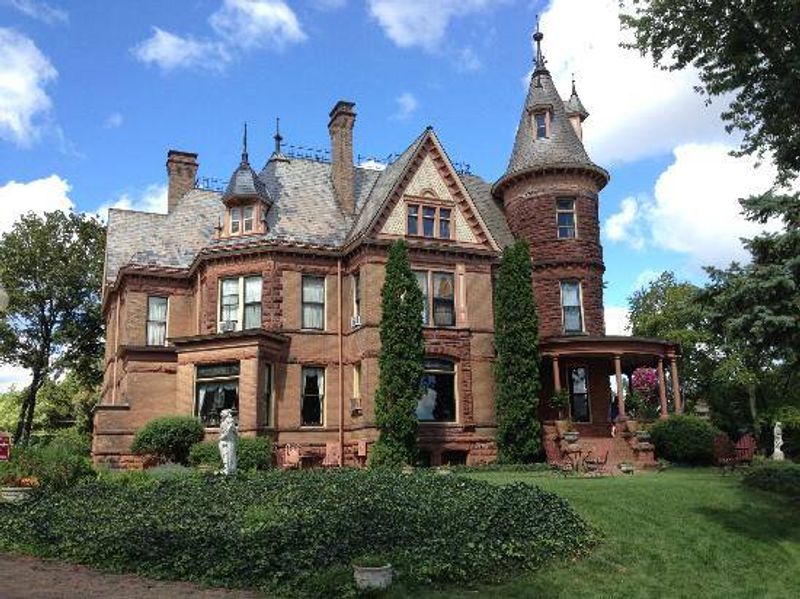
Turrets peep over West Main Hill like a stage set, and limestone steps lift visitors into a pocket of 1895 ambition. Henderson Castle began as Frank Henderson’s Queen Anne jewel, later shifting through chapters before becoming a bed and breakfast with public tours, dinners, and rooftop views.
The interior mixes stained glass, fireplaces, and an observatory dome that feels part laboratory, part romance. Preservation here is an ongoing performance, with modern amenities threaded through ornate rooms. Local lore about footsteps and perfumes floats alongside wine tastings and afternoon teas.
Book ahead if you want a specific room or spa time, and expect stairs. The overlook at golden hour sets Kalamazoo below like a map that keeps whispering into the dusk.
10. Terrace Inn, Petoskey
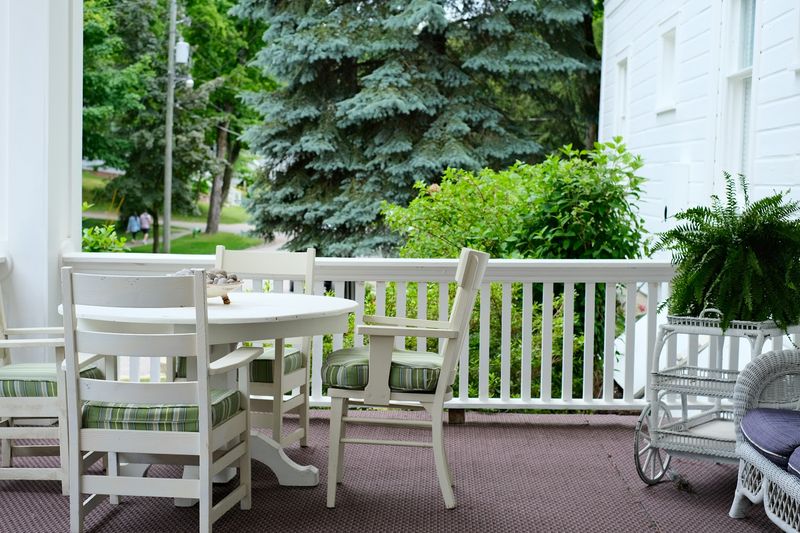
On summer evenings, screened porches brim with laughter and clinked silver, while the air smells like pine and lake. The Terrace Inn opened in 1911 in the Bay View Association, and its long veranda and beadboard ceilings still stage classic resort rituals.
Paranormal tales surface occasionally, but the building’s creaks mostly read as age and timber exhale. The social rhythm here is gentle, respectful of quiet hours and early walks to Little Traverse Bay. Guests swap day plans over whitefish and pie, then drift upstairs beneath painted transoms.
Parking can be tight during concerts and conferences, so arrive with patience. Wake early for birdsong across the association’s cottages, a soft chorus that resets your pace before the town wakes up.
11. Fayette Historic Townsite, Garden
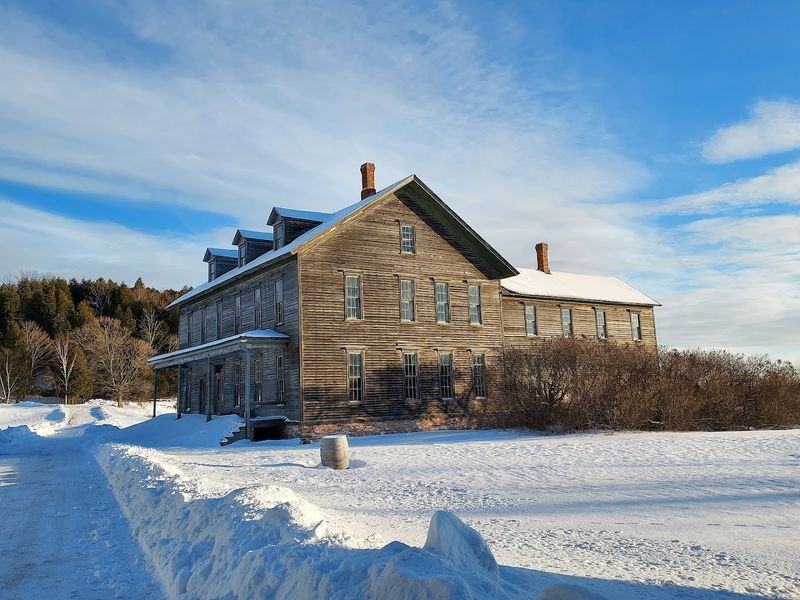
Cliffs of pale dolomite rise behind neat rows of worker houses, and Big Bay de Noc lies bright as hammered tin. Fayette Historic Townsite preserves an 1867 to 1891 charcoal iron community, its furnaces, machine shop, hotel, and company store aligned with industrial intent.
Interpreted buildings feel startlingly intact, especially the town hall and superintendent’s residence. I walked the furnace complex while swallows stitched the air and learned how hardwood forests fed the stacks until ore economics shifted.
The quiet is not empty here, just decisively paused. Trails loop to a bluff overlook, and the harbor dock invites a longer gaze. Carry water, respect fragile structures, and read the panels that do the heavy lifting when the wind turns seaward.