
13 Florida Islands You Can Drive To Without Ever Boarding A Ferry
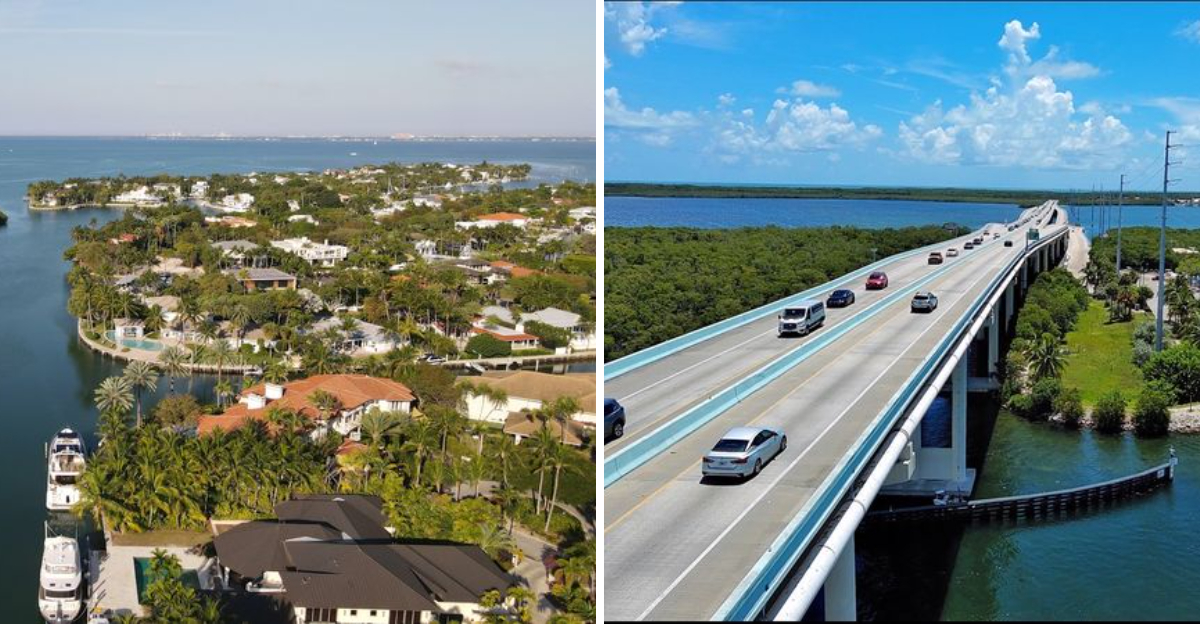
Getting to a beautiful island in Florida sounds like it should take planning, but some of the best ones are just a drive away.
Across the state, there are islands connected by bridges and causeways where the moment you cross over, everything feels different. The views open up, the pace slows down, and the day instantly feels more like a getaway than a routine outing.
This is not about complicated travel.
It is about simplicity.
You get in your car, follow the road, and suddenly find yourself surrounded by water, sand, and a completely different atmosphere.
Each island offers its own version of that escape, whether it is quiet beaches, scenic drives, or places to stop and explore along the way.
And once you start discovering them, it becomes clear why these easy-to-reach islands stand out across Florida.
1. Key Biscayne, FL 33149
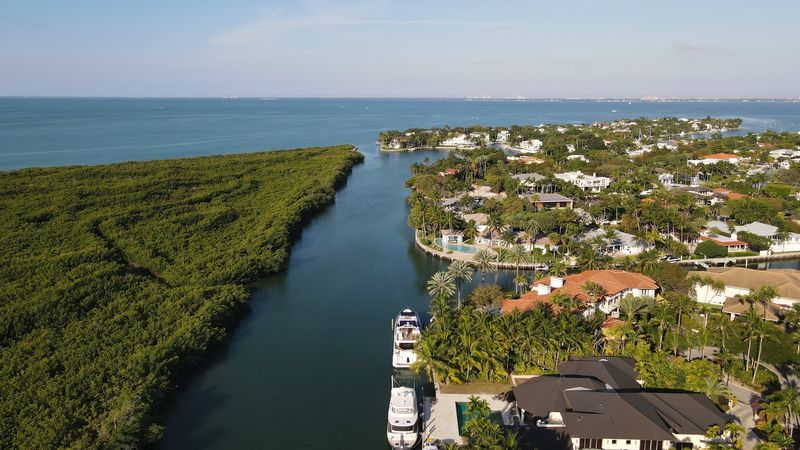
Just a short drive from downtown Miami across the Rickenbacker Causeway, Key Biscayne feels like a completely different world from the city buzz you left behind.
This small barrier island sits in Miami-Dade County and packs a serious punch for nature lovers, with Crandon Park on the north end and Bill Baggs Cape Florida State Park hugging the southern tip.
The Cape Florida Lighthouse, built in 1825, stands as one of the oldest structures in South Florida and offers a peek into the island’s layered history.
Crandon Park Beach consistently ranks among the top beaches in the entire country, featuring calm, shallow water that makes it ideal for families with young kids.
Cycling is one of the best ways to get around the island, and rental shops are easy to find near the park entrances.
Key Biscayne also has a surprisingly tight-knit local community, with farmers markets, local restaurants, and a relaxed vibe that feels miles away from the Miami hustle.
2. Anna Maria Island, FL 34216
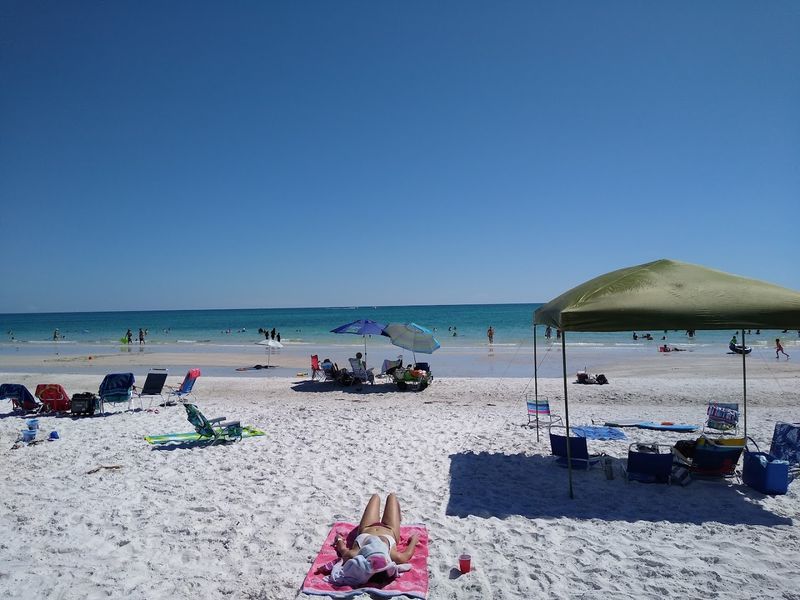
Picture a Florida island that somehow skipped the overdevelopment phase and kept its old-school, laid-back charm intact, and you have Anna Maria Island in a nutshell.
Located at the northern tip of Manatee County, this seven-mile-long barrier island sits along the Gulf of Mexico and is accessible by bridge from Bradenton.
No traffic lights, no chain restaurants cluttering the main drag, and no high-rise hotels blocking the sunset views make this place feel genuinely refreshing.
The island is made up of three small communities: Anna Maria, Holmes Beach, and Bradenton Beach, each with its own personality and charm worth exploring on foot.
The Historic Bridge Street Pier in Bradenton Beach is a favorite spot for fishing, watching pelicans, and grabbing a scoop of ice cream while the sun dips low.
Anna Maria Island caps off its appeal with a free trolley service that runs the length of the island, making it easy to hop between beaches without worrying about parking.
3. Captiva Island, FL 33924
Connected directly to Sanibel by a short bridge, Captiva Island feels like the quieter, slightly more secretive sibling that doesn’t get quite as much attention but absolutely deserves it.
Located in Lee County along Florida’s Gulf Coast, Captiva is smaller and more intimate than Sanibel, with a main road lined with banyan trees, art galleries, and casual seafood spots that hum with conversation in the evenings.
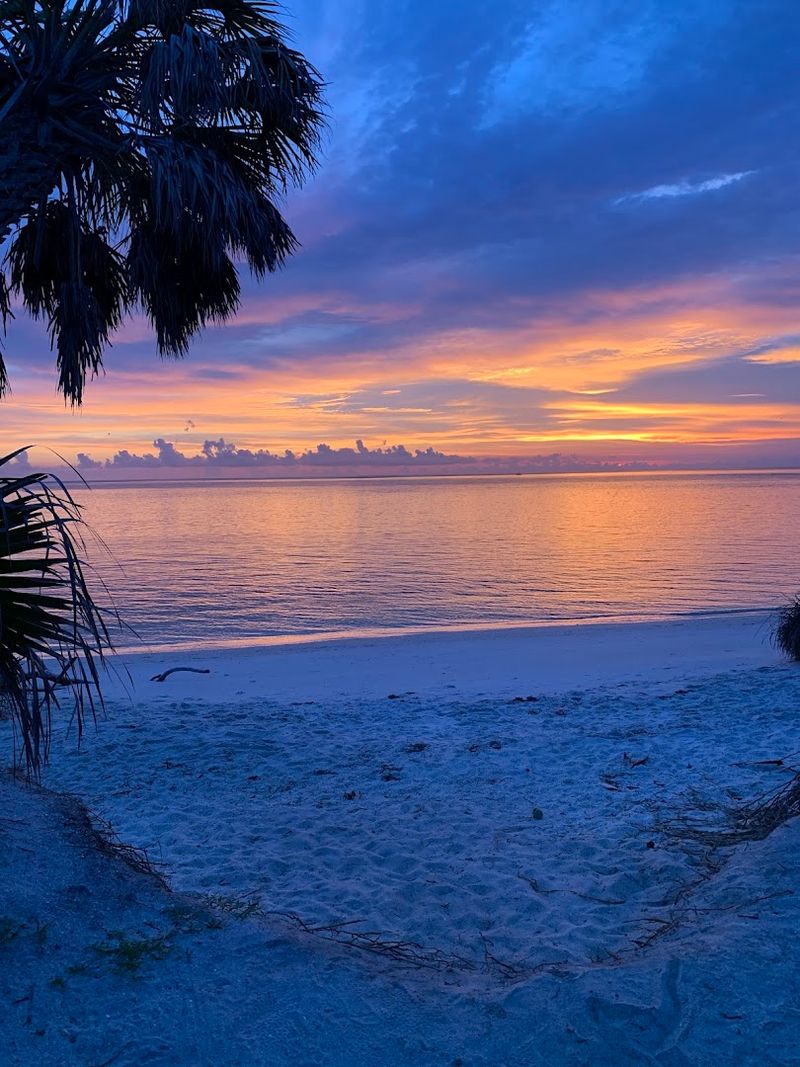
The sunsets here have a near-legendary status, with crowds gathering nightly at the water’s edge to watch the sky turn shades of orange and pink over the Gulf of Mexico.
Captiva is also a popular launch point for boat tours to the nearby uninhabited islands of Cayo Costa and North Captiva, accessible only by water.
Roosevelt Channel, running along the island’s bayside, offers excellent kayaking and paddleboarding through mangrove tunnels teeming with wildlife.
Staying or visiting Captiva means embracing a pace that refuses to rush, and honestly, that slow rhythm is the whole point of coming here.
4. Siesta Key, FL 34242
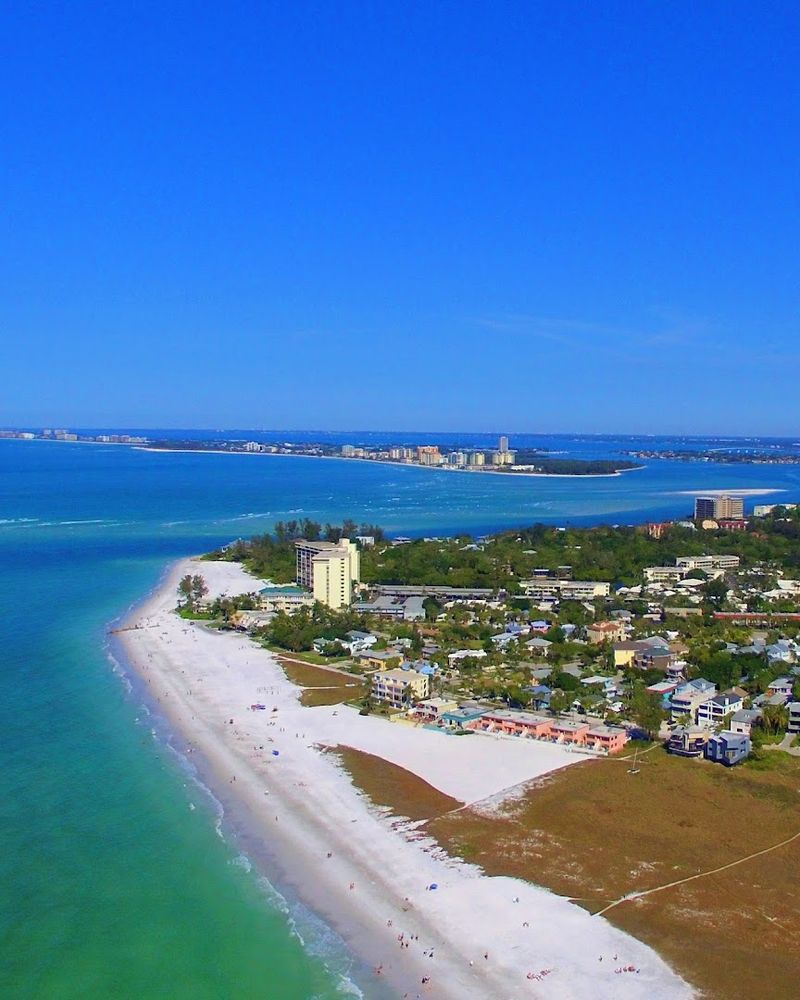
The sand on Siesta Key is not just white, it is scientifically proven to be among the finest and coolest quartz sand in the world, which means it stays comfortable underfoot even on the hottest July afternoons.
Located just south of Sarasota in Sarasota County, Siesta Key is accessible by two bridges and pulls in visitors from across the country who come specifically for that legendary sand.
Siesta Beach, the main public beach on the island, has won countless national rankings for best beach in the United States, and a single visit makes those rankings feel completely justified.
Beyond the beach, Siesta Village is a compact collection of shops, restaurants, and ice cream stands that buzzes with energy in the evenings and on weekends.
Crescent Beach on the southern end of the island offers a calmer, less crowded alternative for those who prefer a quieter stretch of coastline.
Siesta Key has a way of turning a planned one-day visit into a three-day stay before you even realize what happened.
5. Venice Island, FL 34285
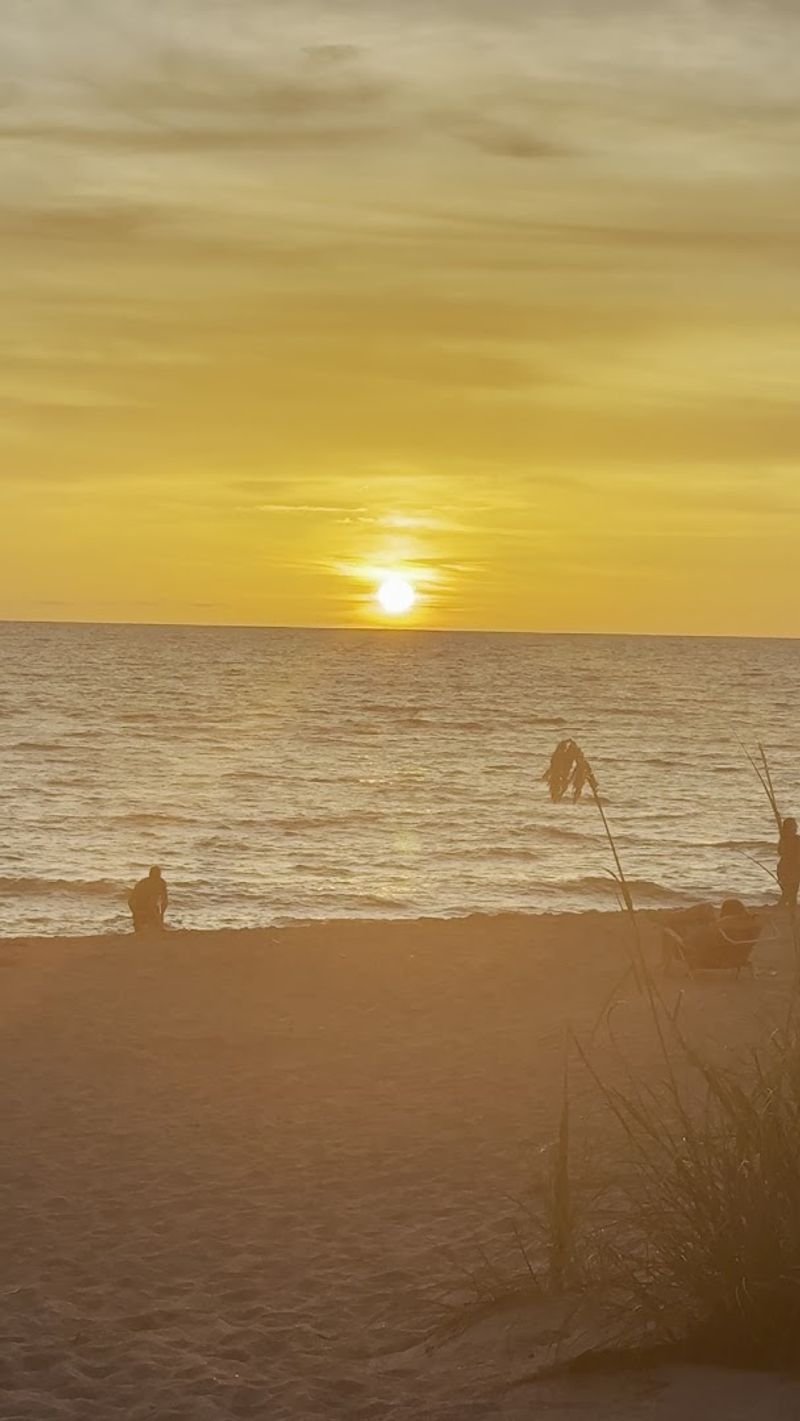
Venice Island wears its nickname, the Shark Tooth Capital of the World, with complete confidence, and the beaches back it up with an impressive supply of fossilized shark teeth washing ashore regularly.
Sitting in Sarasota County along the Gulf Coast, Venice Island is connected to the mainland by bridges and offers a charming downtown area that feels more like a small European village than a typical Florida beach town.
The historic downtown features wide brick sidewalks, Italian Renaissance architecture, and a collection of locally owned boutiques, galleries, and restaurants that reward slow afternoon strolling.
Venice Beach and Caspersen Beach are the go-to spots for shark tooth hunting, with Caspersen being the more productive of the two thanks to its rocky shoreline and less foot traffic.
The Venice Theatre, one of the largest community theaters in the country, adds a cultural dimension to the island that surprises many first-time visitors.
Venice Island strikes a satisfying balance between beach town energy and small-city sophistication that keeps people coming back season after season.
6. Marco Island, FL 34145
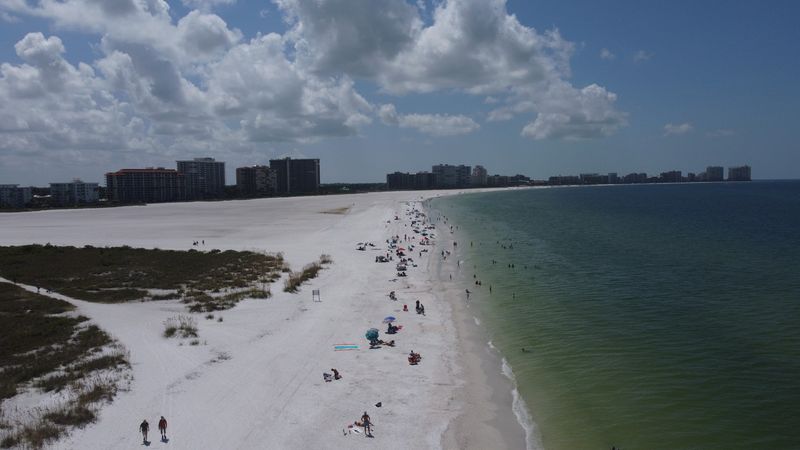
Marco Island sits at the northern edge of the Ten Thousand Islands and claims the title of the largest of Florida’s Gulf Coast barrier islands, a distinction it lives up to in both size and personality.
Located in Collier County and accessible from Naples via Collier Boulevard, Marco Island blends resort-level amenities with genuine natural beauty in a way that satisfies both relaxation-seekers and outdoor adventurers.
Tigertail Beach on the island’s northwest side is a favorite for birders and kayakers, featuring a tidal lagoon that hosts shorebirds, ospreys, and the occasional bald eagle.
South Marco Beach offers calmer water and softer sand, making it a reliable spot for families who want a full beach day without the crowds that hit peak season resorts.
The island has a thriving boating culture, with easy access to the backcountry waters of the Everglades for fishing and wildlife watching just minutes from the marina.
Marco Island proves that you can have polished resort comfort and wild Florida nature sharing the same zip code without either one suffering for it.
7. Islamorada (Upper Matecumbe Key), FL 33036
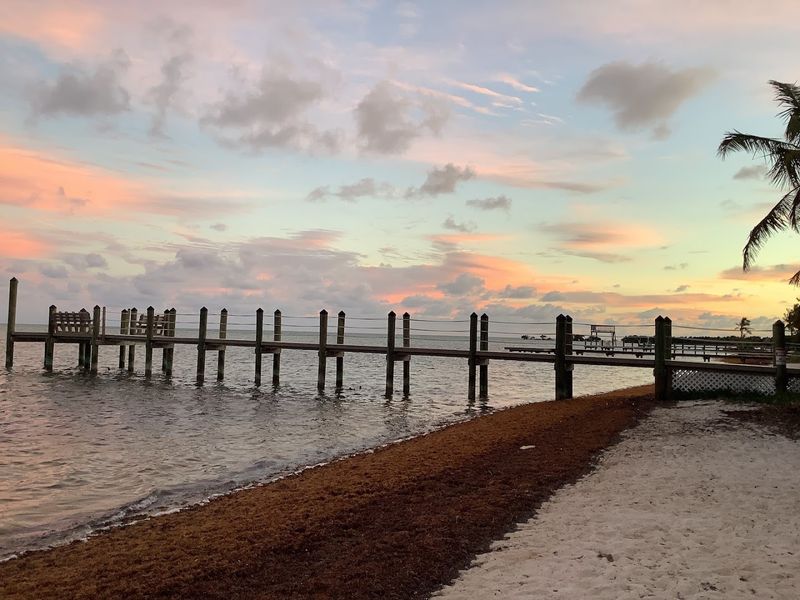
Islamorada calls itself the Sport Fishing Capital of the World, and the sheer number of charter boats lined up at its marinas on any given morning makes that claim feel completely reasonable.
Strung across several keys in Monroe County along the Overseas Highway, Islamorada covers Upper and Lower Matecumbe Keys along with a few smaller islands, giving it a layered geography that rewards exploration.
The Florida Keys History and Discovery Center in Islamorada offers a fascinating look at the Keys’ cultural and natural history, including displays on the catastrophic 1935 Labor Day Hurricane that reshaped the region.
Robbie’s of Islamorada is a bucket-list stop where visitors can hand-feed wild tarpon from a wooden dock, an experience that is equal parts thrilling and slightly chaotic in the best possible way.
Anne’s Beach, a small but lovely county park, offers a shallow tidal flat perfect for wading and a short boardwalk trail through a coastal hammock.
Islamorada rewards visitors who slow down enough to notice the details, from the painted fish murals to the pelicans loitering near the bait shops at sunrise.
8. Key Largo, FL 33037
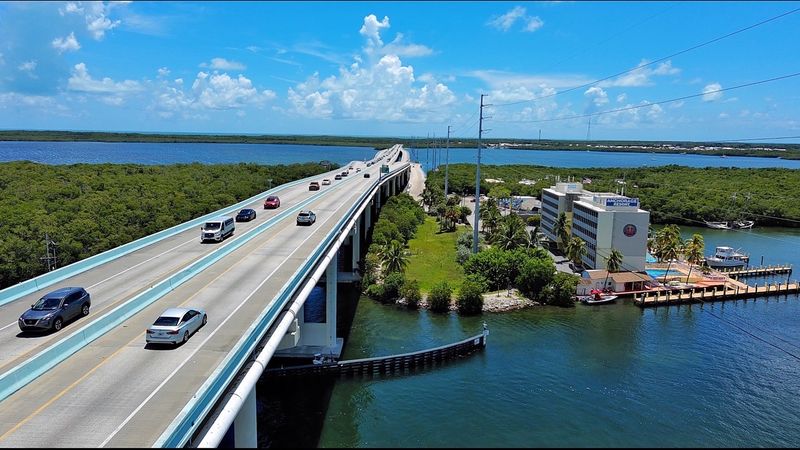
Key Largo holds the title of the first and largest island in the Florida Keys, and its position at the top of the chain makes it the natural first stop for anyone heading south on the Overseas Highway from the mainland.
Located in Monroe County, Key Largo is home to John Pennekamp Coral Reef State Park, the first undersea park in the United States, established in 1963 to protect the only living coral barrier reef in the continental US.
Snorkeling and scuba diving here put you face to face with brain corals, sea turtles, nurse sharks, and schools of parrotfish drifting through underwater gardens of remarkable color and complexity.
The Christ of the Abyss statue, a submerged bronze figure resting at about 25 feet below the surface, is one of the most photographed dive sites in the entire country.
Back on land, Card Sound Road offers an alternate scenic route into Key Largo with sweeping mangrove views and a historic toll bridge that feels like stepping back in time.
Key Largo sets the tone for the entire Keys experience, and it sets it beautifully.
9. Big Pine Key, FL 33043
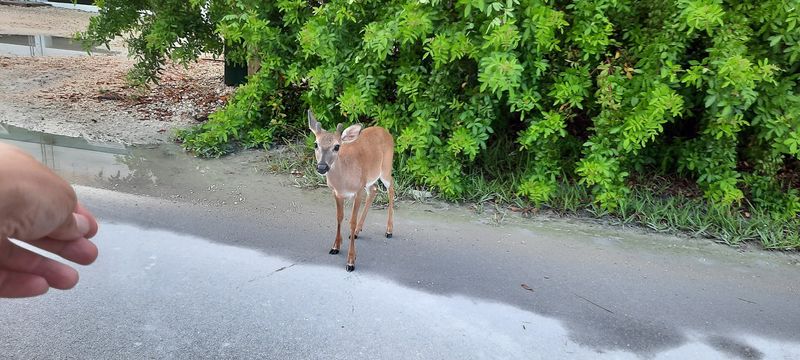
Big Pine Key is the kind of place that makes you slow down not just because the speed limits are low, but because the scenery genuinely demands it.
Sitting in Monroe County roughly 30 miles north of Key West along the Overseas Highway, Big Pine Key is the largest key in the Lower Keys and home to the National Key Deer Refuge, a protected habitat for the tiny, endangered Key deer.
Key deer are a subspecies of white-tailed deer that stand only about 24 to 28 inches tall at the shoulder, making them look almost impossibly small and endearing as they wander through pine forests and neighborhood yards.
The refuge also protects dozens of other species including the Lower Keys marsh rabbit, several types of sea turtles, and hundreds of migratory bird species that pass through during seasonal migrations.
Blue Hole, a freshwater quarry pond within the refuge, is a reliable spot to see alligators, turtles, and wading birds gathered in one compact and photogenic location.
Big Pine Key rewards patient visitors who are content to observe rather than rush, and that patience pays off in wildlife sightings that feel genuinely wild.
10. Stock Island, FL 33040
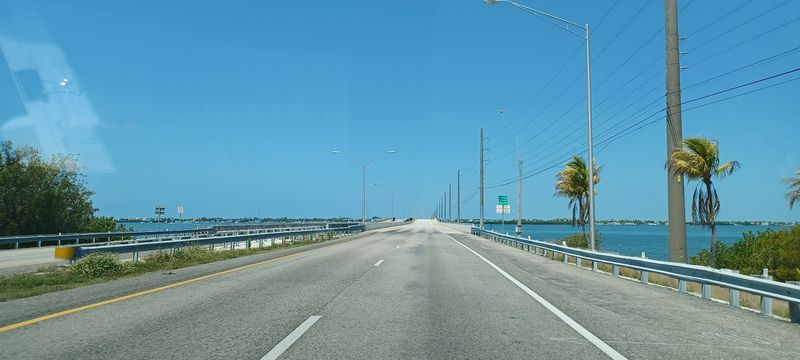
Stock Island sits right next door to Key West and has been quietly transforming from a working waterfront community into one of the most creatively interesting spots in the entire Florida Keys.
Located in Monroe County and connected to Key West by a short bridge, Stock Island got its name from the livestock that were once kept here to supply the neighboring island, a detail that feels delightfully unexpected for a place now known for art studios and farm-to-table restaurants.
The Island Home, a marina-based hotel and arts campus, has helped anchor a cultural scene that includes local painters, sculptors, and musicians who have made Stock Island their creative base.
Hogfish Bar and Grill on the working waterfront is a legendary local institution where you can eat grilled hogfish sandwiches while watching commercial fishing boats unload their catch just a few feet away.
The Oceans Edge Resort and Marina area gives visitors a more polished option with waterfront rooms and easy access to fishing charters and kayak rentals.
Stock Island is the rare kind of place that feels both authentic and exciting at the same time, a combination that is harder to find in Florida than you might think.
11. Davis Islands, Tampa, FL 33606
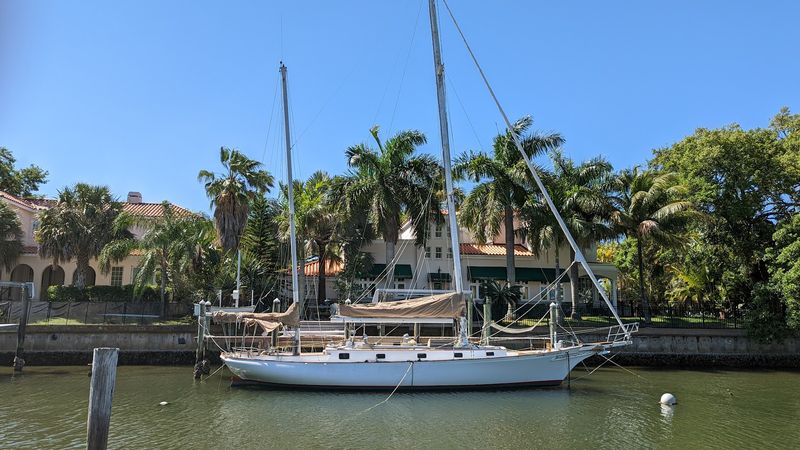
Davis Islands in Tampa is proof that you don’t need to drive hours across the state to find an island escape, sometimes it’s just a few minutes from downtown.
Located in Hillsborough County and connected to Tampa’s Bayshore Boulevard by a short causeway, Davis Islands was developed in the 1920s by real estate developer D.P. Davis, who dredged the islands from Tampa Bay in a bold and ambitious construction project.
The neighborhood has a charming, historic feel with tree-lined streets, Mediterranean Revival homes, and a walkable village area with local restaurants and coffee shops that give it a distinct small-town character.
Davis Islands Beach, a small public swimming area along the bay, is a popular spot for locals looking for a quick dip without making a full beach day production out of it.
Peter O. Knight Airport, a small general aviation airport on the island, adds an unexpected layer of character as small planes glide in low over the water just above the rooftops.
Davis Islands feels like Tampa’s best-kept neighborhood secret, the kind of place locals love and visitors stumble upon with genuine delight.
12. Harbor Island, Tampa, FL 33602
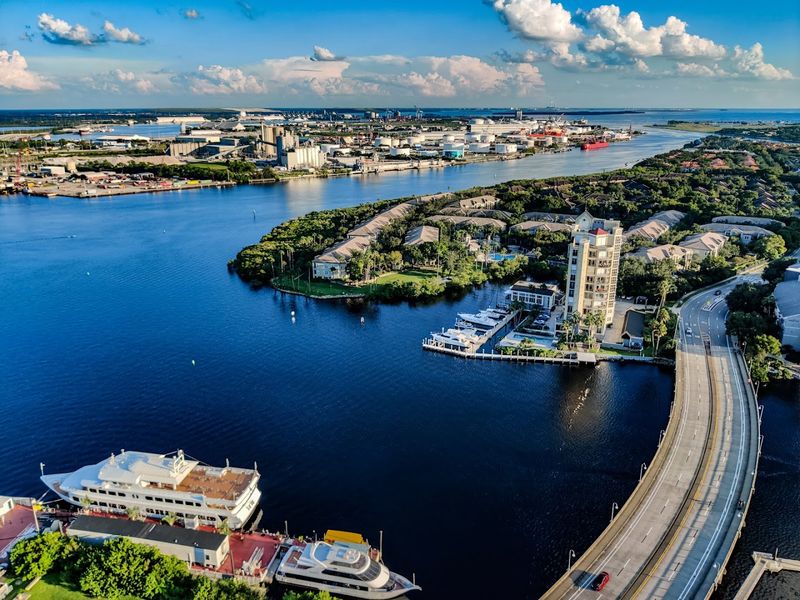
Harbor Island in Tampa occupies a unique space between urban energy and waterfront calm, sitting just south of downtown Tampa and connected by bridge to both the mainland and the Channel District.
Part of Hillsborough County, Harbor Island was developed in the 1980s and today features a mix of luxury condominiums, corporate offices, a hotel, and a waterfront promenade that wraps around the island’s edge.
The Tampa Riverwalk connects nearby, making it easy to walk or bike from Harbor Island into the heart of downtown Tampa without ever needing to get back in the car.
The Westin Tampa Waterfront hotel anchors the island’s hospitality scene and offers rooms with sweeping views of Hillsborough Bay and the downtown skyline that look especially dramatic after dark.
Harbor Island is not a beach destination in the traditional sense, but its waterfront paths, marina views, and proximity to Amalie Arena and the Tampa Convention Center make it a genuinely convenient and attractive base for city explorers.
Watching the sunset from the island’s southern tip with the Tampa skyline glowing behind you is a moment that earns its place on any Florida travel highlight reel.
13. St. George Island, FL 32328
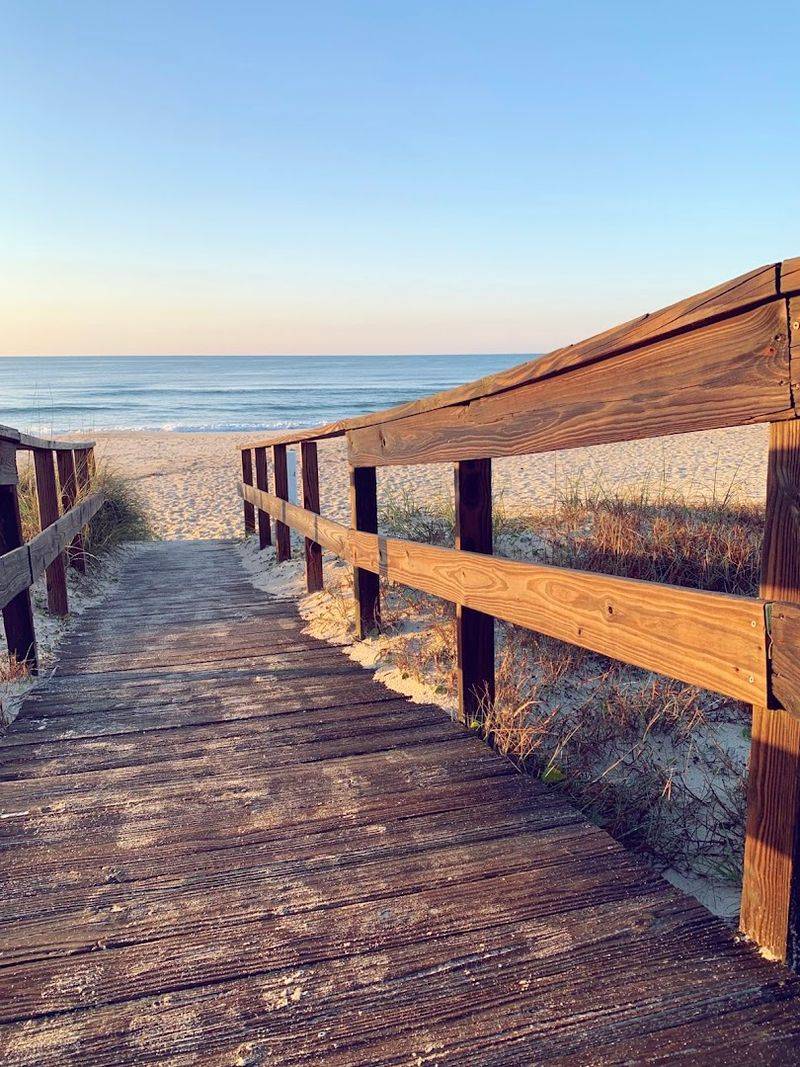
St. George Island sits off the Panhandle coast of Florida in Franklin County and represents one of the purest, least-touched barrier island experiences left in the entire state.
Connected to the mainland town of Eastpoint by the Bryant Patton Bridge, the island stretches about 28 miles and is split between a small residential and commercial village and the Dr. Julian G. Bruce St. George Island State Park, which protects the eastern nine miles in their natural condition.
The state park end of the island features some of the most strikingly undeveloped beach in Florida, with white sand dunes covered in sea oats, clear emerald water, and almost no development visible in any direction.
Fishing is a major draw here, with excellent surf fishing, bay fishing, and flats fishing for redfish and speckled trout in the protected waters of Apalachicola Bay.
The town of Apalachicola, just across the bay, is famous for its oysters and adds a compelling reason to combine an St. George Island trip with a mainland side excursion.
St. George Island is Florida the way Florida used to be, and that is its greatest and most irreplaceable quality.