
The World’s Oldest Manatee Lived In Florida, And His Story Still Moves People
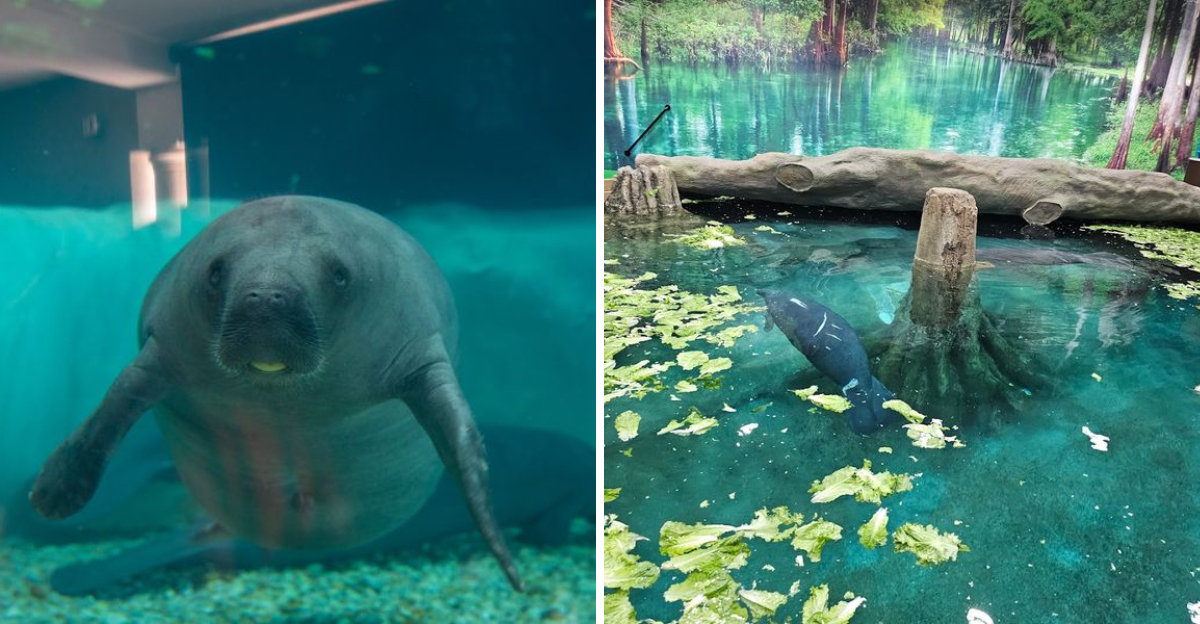
Florida is known for its wildlife, but few animals have captured hearts quite like one remarkable manatee named Snooty.
In Bradenton, there was a place where visitors came not just to learn, but to connect with a story that felt personal and unforgettable. Snooty was not just another marine animal, he became a symbol of curiosity, care, and a bond that lasted for decades.
This is not just about a manatee.
It is about a legacy.
From his early days to the milestones that made him known around the world, every part of his life tells something meaningful.
People who visited often left with more than facts, they left with a memory that stayed with them.
And once you learn more about him, it becomes clear why Snooty still holds a special place in Florida’s story and in the hearts of so many.
Snooty Was Born In Captivity And Never Knew The Wild
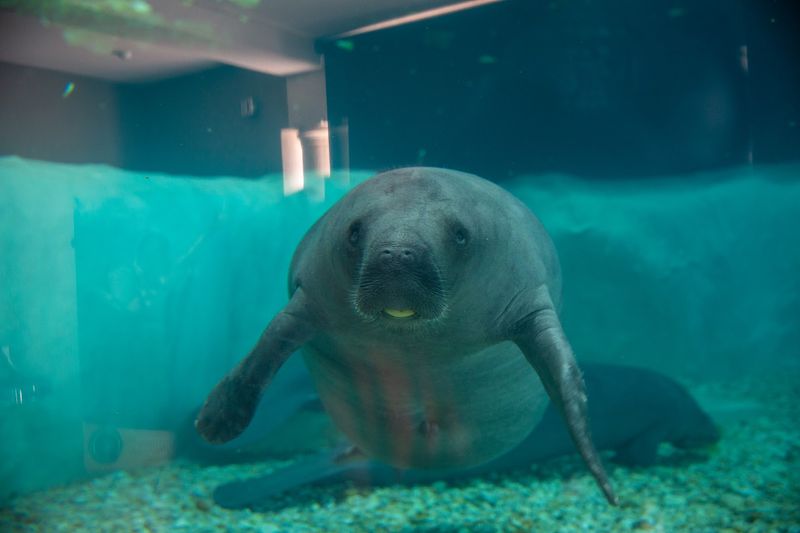
Most manatees spend their lives gliding through warm Florida rivers and coastal waters, but Snooty’s story began very differently. He was born on July 21, 1948, at the Miami Aquarium and Marathon, making him one of the earliest manatees ever born in a controlled environment.
That single fact set the course for an extraordinary life unlike any other manatee in recorded history.
Because he was raised by humans from birth, Snooty never developed the survival instincts needed for ocean life. He was comfortable around people, curious about his surroundings, and completely at ease in a tank.
His calm personality made him a natural ambassador for manatee conservation across Florida.
Visitors who met Snooty often described the experience as surprisingly emotional. There was something deeply moving about looking into the eyes of an animal that had lived through so much of American history.
His captive-born status made him unique in the scientific and conservation communities worldwide.
He Spent Most Of His Life At The South Florida Museum
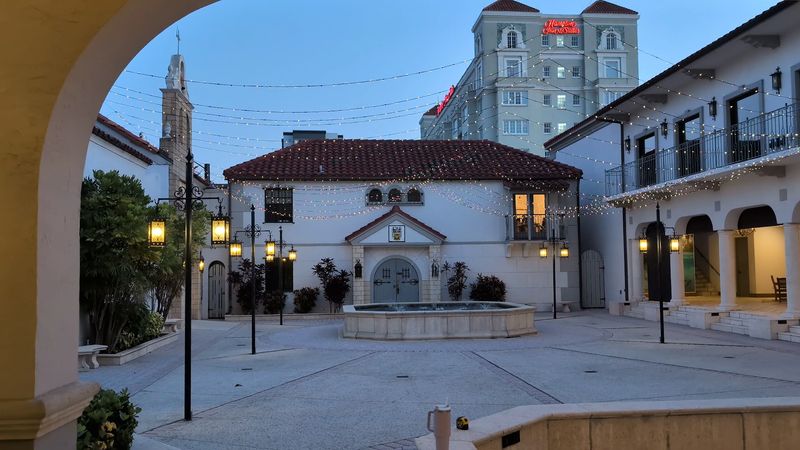
After his early days in Miami, Snooty found his permanent home at the South Florida Museum in Bradenton, Florida, located at 201 10th Street West. That address became famous among manatee enthusiasts and wildlife lovers who traveled from all over the country just to catch a glimpse of the world-record-holding manatee.
The museum built a special habitat for Snooty that kept him healthy and stimulated over the decades. Staff members worked closely with him every day, forming bonds that went far beyond a typical caretaker-and-animal relationship.
He recognized the people around him and responded to their presence with obvious enthusiasm.
For the Bradenton community, Snooty was more than a museum exhibit. He was a neighbor, a local legend, and a living symbol of Florida’s rich natural heritage.
Generations of Florida families brought their children to meet him, creating memories that lasted a lifetime and sparking a genuine love for marine conservation along the way.
Snooty Held The Guinness World Record For Oldest Manatee
Earning a Guinness World Record is an achievement most people only dream about, but Snooty managed it simply by living a long, well-cared-for life. He was officially recognized as the oldest manatee in captivity, a title that brought international attention to both the animal and the South Florida Museum in Bradenton.
His record was a direct result of the exceptional care provided by his dedicated team of veterinarians and animal care specialists. Regular health checkups, a carefully managed diet, and a safe environment all contributed to his remarkable longevity.
Manatees in the wild typically live around 40 years, making Snooty’s nearly seven decades of life an astonishing achievement by any measure.
The Guinness recognition helped shine a spotlight on manatee conservation at a time when the species still faced serious threats in Florida waters. Snooty became proof that with proper protection and care, these gentle creatures could thrive.
His record still stands as a reminder of what thoughtful stewardship can accomplish for wildlife.
He Was A Beloved Symbol Of Manatee Conservation
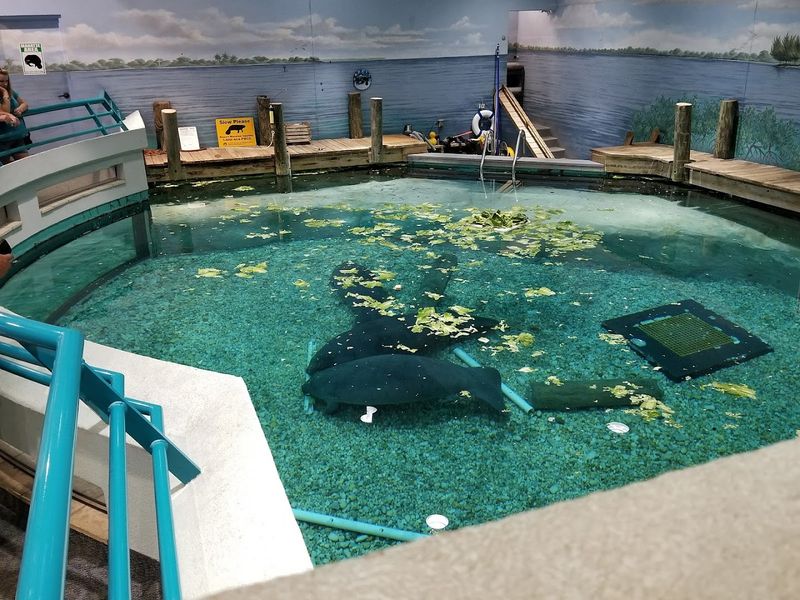
Long before manatee conservation became a mainstream cause, Snooty was already doing the work. His presence at the South Florida Museum gave millions of visitors a personal, face-to-face connection with a species that many people had only read about in books or seen on television.
That kind of up-close encounter has a way of turning casual observers into passionate advocates.
The museum used Snooty’s popularity to educate school groups, tourists, and local families about the threats facing wild manatees, including boat strikes, habitat loss, and water pollution. His story made those issues feel real and urgent in a way that statistics alone never could.
Children who visited him often grew up to support manatee protection efforts as adults.
Conservation organizations across Florida and beyond recognized Snooty as one of the most effective wildlife ambassadors the state had ever produced. His quiet, easygoing presence communicated a message more powerfully than any campaign poster could.
Every person who left his tank feeling moved carried a piece of that message forward into the world.
Snooty Had A Playful And Curious Personality
Anyone who spent time around Snooty quickly discovered that manatees are far more personable than most people expect. He had a well-documented playful streak that kept his caretakers entertained and constantly on their toes.
Enrichment activities were a regular part of his routine, and he approached new objects with genuine enthusiasm and curiosity.
Staff members at the South Florida Museum shared countless stories about his antics over the years. He enjoyed investigating anything new placed in his habitat, nudging objects around with his broad snout and watching the reactions of the people observing him.
That sense of wonder never seemed to fade, even as he aged into his sixties.
His personality was a big part of why people returned to the museum year after year. Seeing a wild animal display such obvious character and awareness is a rare and unforgettable experience.
Snooty reminded everyone who watched him that intelligence and personality are not limited to the animals we share our homes with, and that thought alone made every visit worthwhile.
His Diet Was Carefully Managed By Expert Caretakers
Keeping the world’s oldest manatee healthy required a level of nutritional precision that most people never consider. Snooty’s diet was carefully planned and monitored by a team of veterinary professionals who understood his specific needs at every stage of his life.
Romaine lettuce, cabbage, and other leafy greens formed the core of his daily menu, mimicking the aquatic vegetation wild manatees graze on naturally.
As he aged, his caretakers made adjustments to ensure his body was getting the right balance of nutrients. Manatees are herbivores that need to consume enormous quantities of plant material each day to maintain their size and energy.
Snooty’s team was meticulous about tracking what he ate and how his body responded over time.
That kind of detailed, long-term nutritional care was a major factor in his record-breaking lifespan. It also provided researchers with valuable data about manatee dietary needs that has since been applied to the care of other manatees in rehabilitation centers across Florida.
Snooty’s plate, so to speak, contributed directly to science.
Snooty Turned 69 Just Before His Passing
Every year on July 21, the South Florida Museum threw Snooty a birthday party that drew crowds of devoted fans from across the region. His birthdays became community events filled with decorations, educational activities, and plenty of enthusiasm from visitors of all ages.
The 2017 celebration was especially meaningful because it marked his 69th birthday, a milestone that felt almost unbelievable for any manatee.
The birthday events were a brilliant way to keep the public engaged with wildlife conservation throughout the year. People who might not normally think about manatees found themselves genuinely invested in Snooty’s well-being simply because they had celebrated alongside him.
That emotional investment translated into broader support for manatee protection programs in Florida.
His 69th birthday party was a joyful occasion filled with the kind of community warmth that small Florida towns do so well. Nobody in attendance that day could have imagined it would be his last.
The memory of that celebration has stayed with many attendees as a bittersweet but beautiful reminder of how much one animal can mean to an entire community.
He Was Part Of Important Manatee Research For Decades
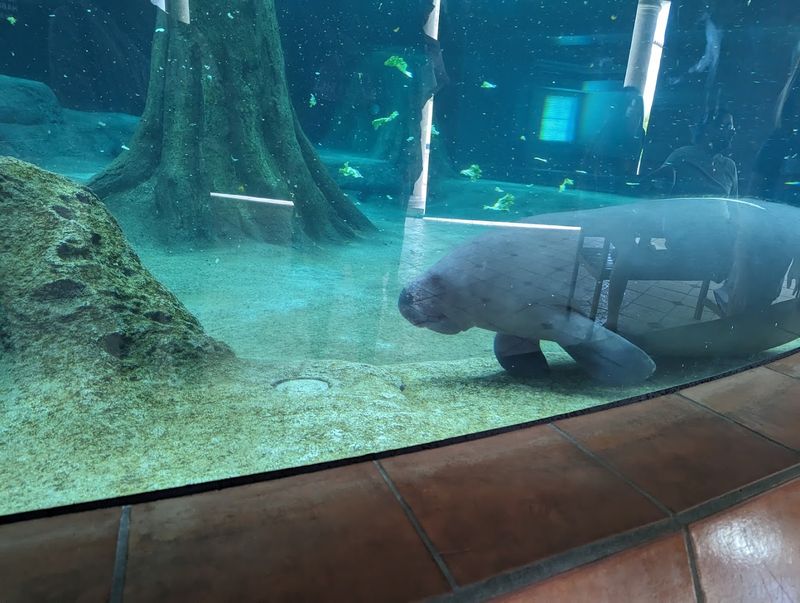
Snooty’s long life made him an invaluable subject for scientific research. Veterinarians and marine biologists were able to study his health, aging patterns, and behavior across an extraordinarily long time span, providing insights that simply could not be gathered from shorter-lived animals or brief field observations.
His medical records alone represent a unique historical document in manatee science.
Researchers used information gathered from Snooty to better understand how manatees age, what health challenges they face as they grow older, and how environmental factors influence their well-being. That knowledge has directly informed the care of manatees rescued from Florida waterways and brought to rehabilitation facilities across the state.
The data collected during his nearly seven decades at the South Florida Museum gave scientists a foundation that continues to benefit manatee conservation efforts today. Every manatee that receives better care at a Florida rescue center owes a small debt to the quiet, curious creature who spent his life in Bradenton.
Research rarely gets a more cooperative or long-lived participant than Snooty turned out to be.
Snooty Inspired Generations Of Florida Children
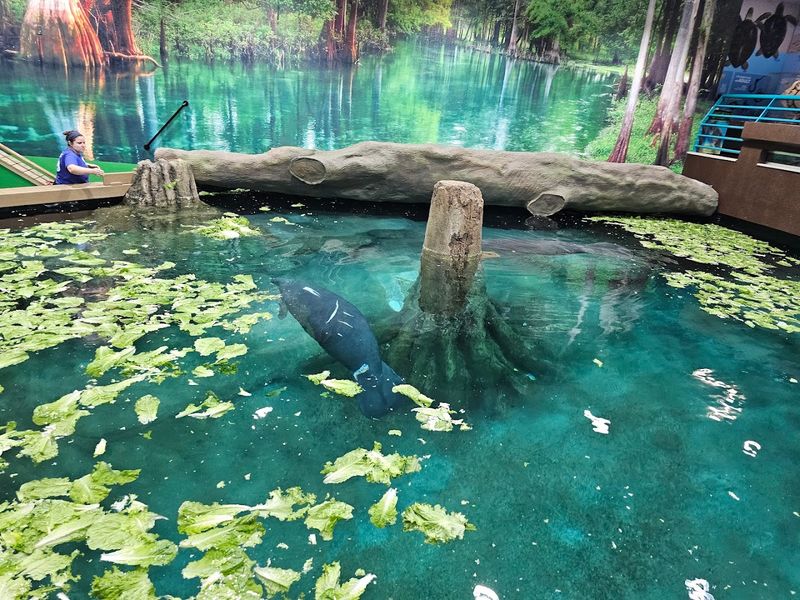
Few animals have made as lasting an impression on Florida’s younger generations as Snooty did. School field trips to the South Florida Museum were a rite of passage for kids across Manatee County and the surrounding areas, and Snooty was always the main event.
Watching a 1,300-pound manatee glide gracefully through the water just inches away from the glass is the kind of thing a child never forgets.
Teachers reported that students who visited Snooty came back to the classroom full of questions about manatees, ocean ecosystems, and conservation. That natural curiosity is exactly the kind of spark that leads young people toward careers in marine biology, environmental science, and wildlife protection.
Snooty planted seeds that are still growing in communities across Florida today.
Parents who visited as children brought their own kids to meet him years later, creating a multi-generational tradition that speaks volumes about his cultural impact. He was not just an animal behind glass.
He was a living connection between Florida’s natural world and the people who call this state home, and that bond ran deep.
His Legacy Lives On In Bradenton And Beyond
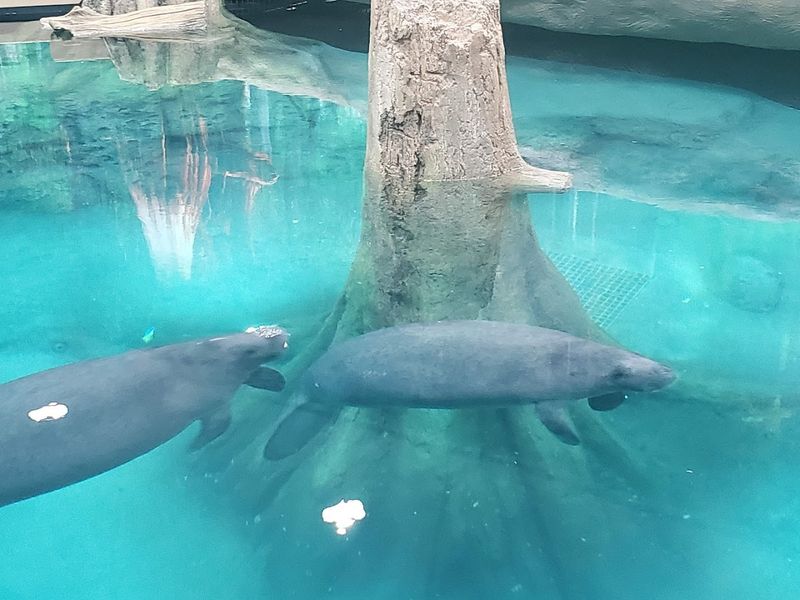
When Snooty passed away on July 23, 2017, just two days after his 69th birthday, the outpouring of grief from the Bradenton community and from manatee lovers worldwide was genuinely remarkable. The South Florida Museum, the city of Bradenton, and conservation organizations across Florida honored his memory with tributes that reflected just how deeply he had touched people’s lives over nearly seven decades.
His legacy did not end with his passing. The awareness he generated for manatee conservation continues to influence policy, fundraising, and public education efforts throughout Florida.
Schools, wildlife centers, and environmental groups still reference his story when making the case for stronger protections for wild manatees in Florida’s rivers and coastal waters.
Snooty proved that one animal, living one remarkable life in one Florida museum, could change the way an entire generation thinks about wildlife and conservation. His name is still spoken with genuine affection in Bradenton, and that kind of lasting love is perhaps the truest measure of a life well lived.
Florida is richer for having known him.