
Conquer Your Fears After Dark In An Arkansas Town That Goes Silent
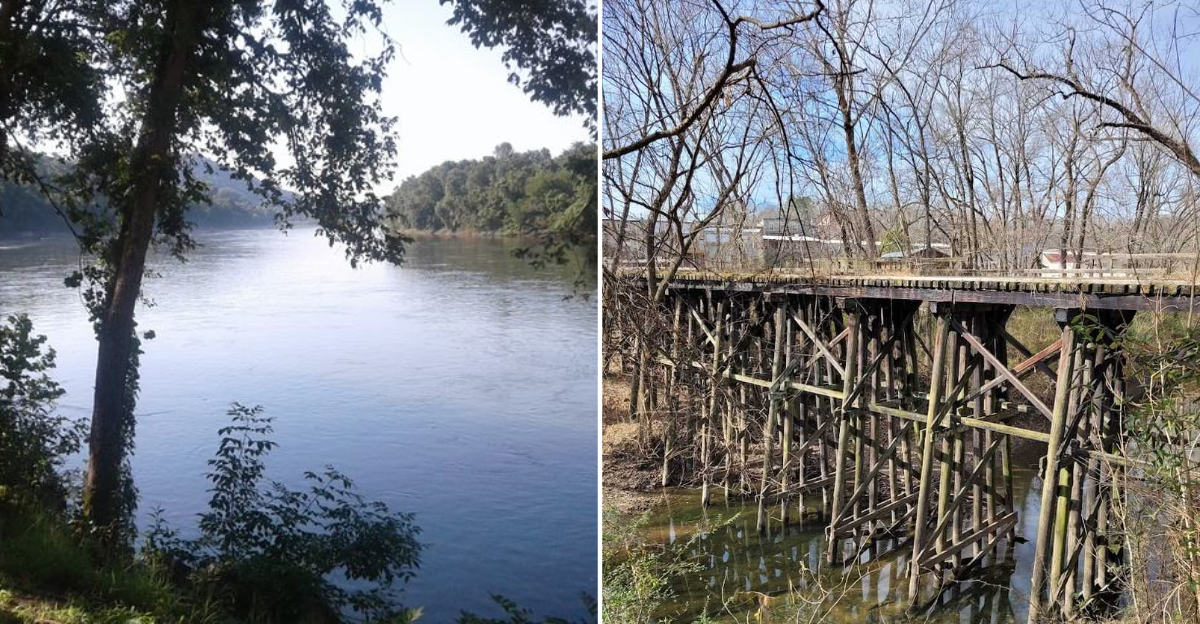
Small towns don’t stay the same after sunset. You feel it before you even think about it. A slight tension. A quiet shift.
I picked up on it during a trip through Arkansas, and it completely changed how I saw the place. The streets grew still, but not lifeless.
Just quiet in a way that makes you listen harder. The river carried on somewhere nearby, steady and distant. Shadows stretched in ways that made you pause, just for a second. Nothing dramatic, nothing obvious.
That’s what makes it work. You start noticing details you’d ignore during the day.
Sounds feel closer. Movements feel sharper. It stops being about fear and turns into focus. I expected to feel uneasy for a night.
Instead, I walked away feeling more aware, more present, and honestly more curious than before.
Facing Darkness In Unfamiliar Surroundings
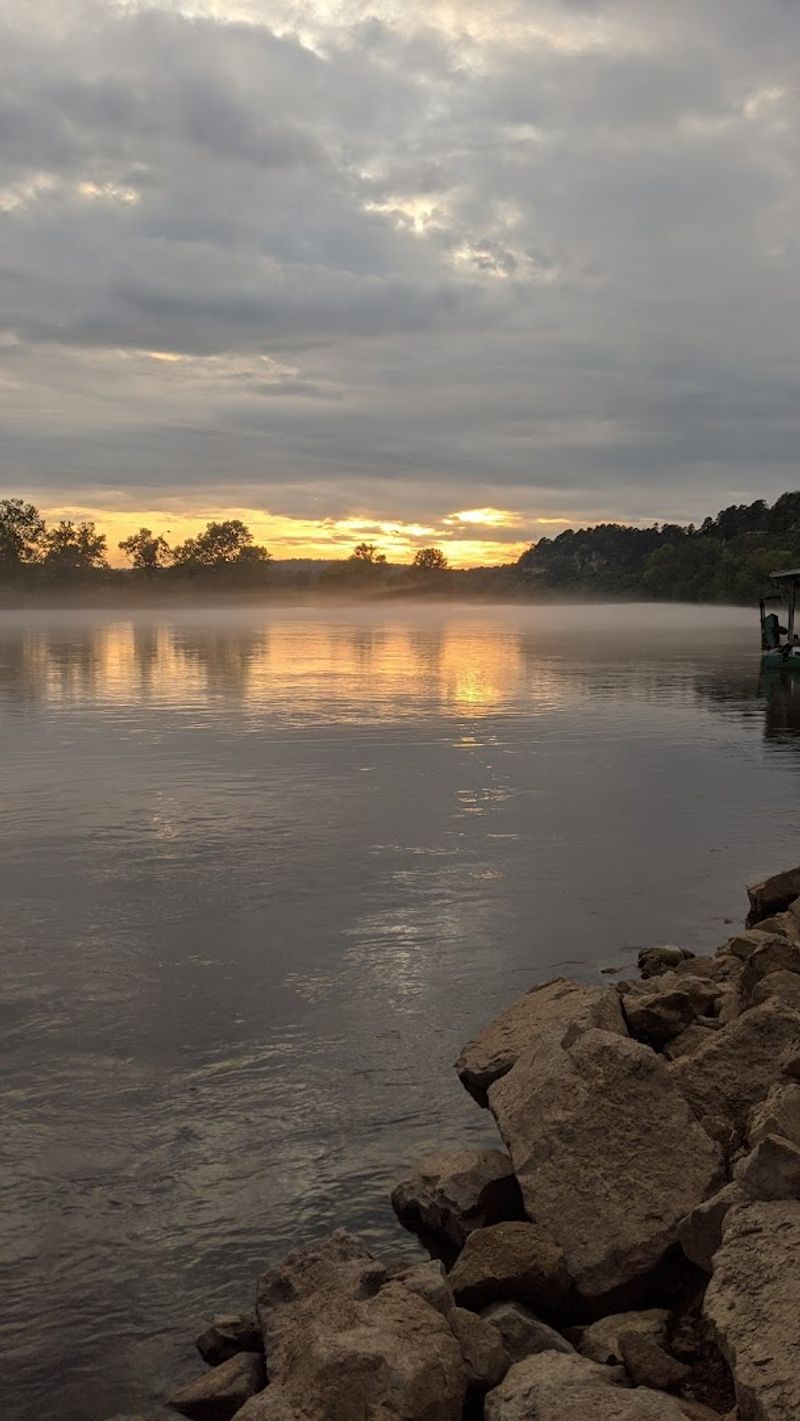
Walking into an unfamiliar place after the sun goes down is one of those experiences that reveals a lot about how you handle the unknown.
My first night in this Arkansas river town, I stepped outside my lodging and faced a street I had never seen in daylight, let alone darkness.
The buildings around me were old, their silhouettes blocky and still against a sky full of stars that only rural places can offer.
My instinct was to retreat inside, but I reminded myself that discomfort is often just unfamiliarity wearing a costume.
I took slow steps, letting my eyes adjust and my breathing settle, paying attention to what was actually around me rather than what my imagination was inventing.
The town felt quiet in a respectful way, not threatening, just deeply still in the way that places with real history tend to be.
Facing that darkness head-on was the first step toward genuinely enjoying everything that Calico Rock, Arkansas has to offer after sunset.
Understanding Fear In Quiet Places
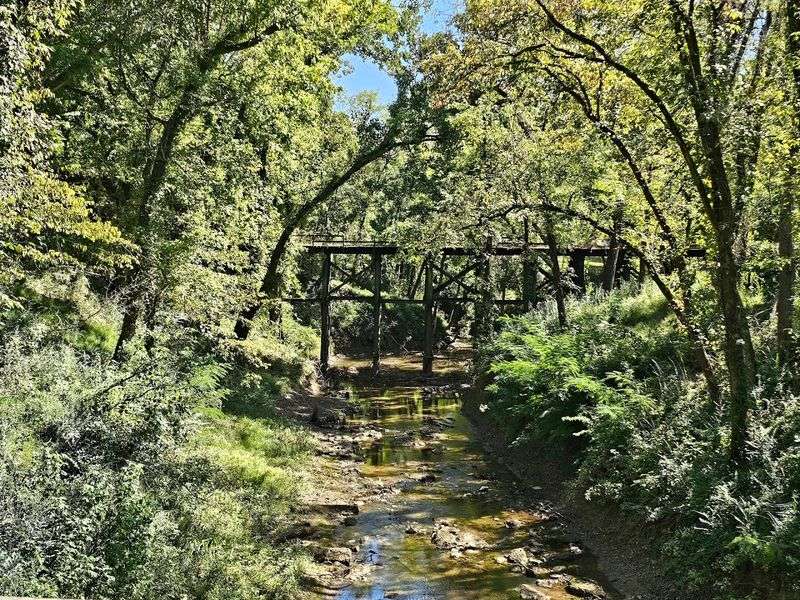
Quiet places have a peculiar way of amplifying the sounds inside your own head, and that was something I had to reckon with early during my visit.
Calico Rock sits in Izard County along the White River, and at night the common sounds competing for your attention are the water moving over rocks and the occasional call of a bird settling in for the night.
Fear in environments like this rarely comes from actual danger but from the absence of the background noise we use to feel anchored in everyday life.
Understanding that distinction changed everything for me.
Once I recognized that the silence was peaceful rather than threatening, my shoulders dropped about two inches and my pace slowed into something that felt almost meditative.
Small towns with populations under a thousand, like this one, strip away the distractions that usually keep anxiety at a manageable hum.
That stripping away can feel uncomfortable at first, but it is also where genuine calm begins to grow if you give it enough time and patience to take root.
History That Shapes The Night Atmosphere
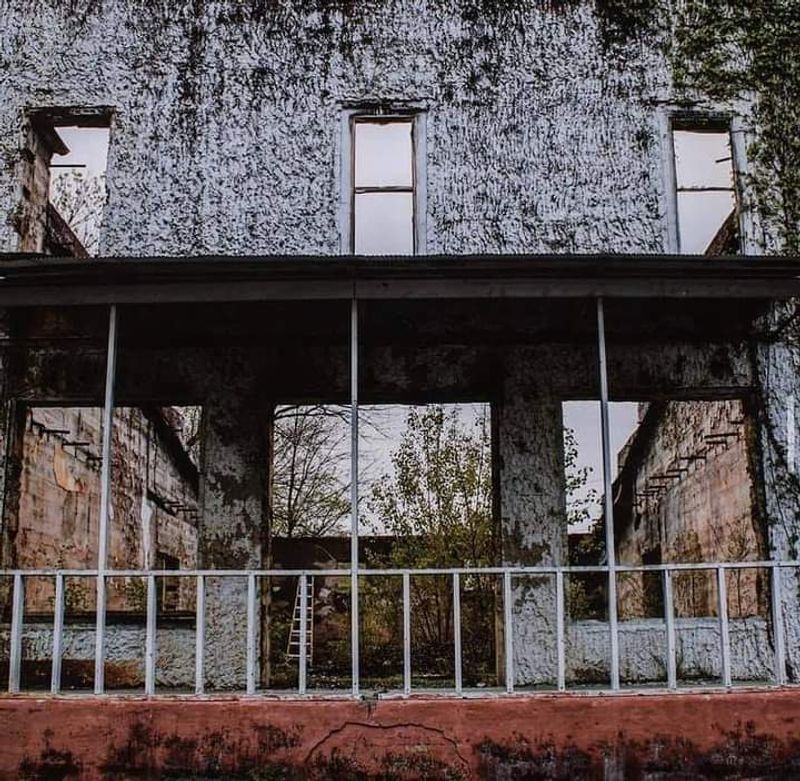
Few things shape the feeling of a place after dark quite like the weight of its past, and this town carries a genuinely layered history that seeps into every evening hour.
East Calico Rock, often called the ghost town, holds roughly 20 abandoned buildings from the days when a railroad boom turned this stretch of Arkansas into a bustling commercial hub.
A pool hall, a barber shop, a theater, and a cafe all stand frozen in time, their walls holding stories that interpretive markers only begin to tell.
Standing near those structures at night, I felt the atmosphere shift in a way that no daytime visit could replicate.
The darkness smoothed away the tourist-friendly edges and returned something rawer and more honest about what this place had been through.
Peppersauce Alley, named for the moonshine once traded there when farmers camped overnight after selling their goods, added another layer of gritty, colorful history to the scene.
History does not just inform a place during the day; after dark, it becomes the air you breathe and the mood you carry with you down every empty block.
Walking Empty Streets With Confidence
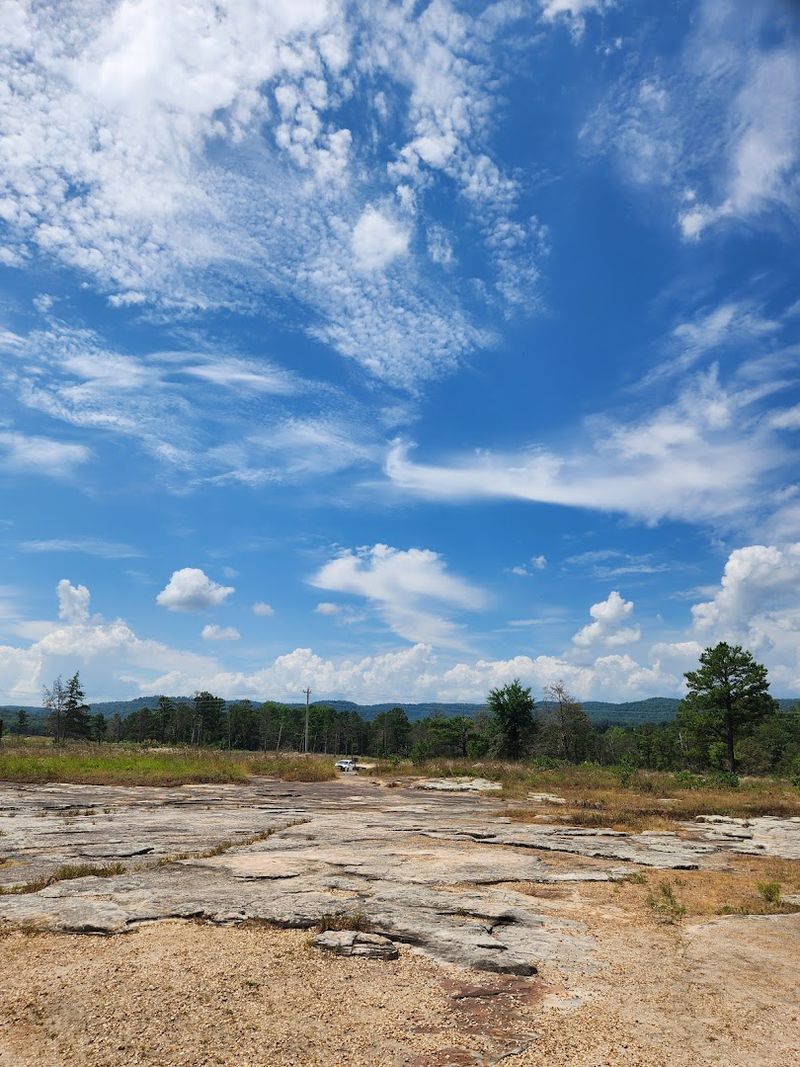
Confidence on an empty street is not something you either have or do not have; it is something you build one careful step at a time.
Calico Rock’s Main Street is lined with early 20th-century buildings, many of them carefully restored and housing local businesses, antique shops, and shops, a museum, and various stores that close well before nightfall.
After hours, those same storefronts become a kind of open-air museum with no curator and no other visitors, just you and the architecture.
I found that walking with purpose, keeping my posture upright and my pace steady, changed how the environment felt around me almost immediately.
There is real psychology behind that shift: your body language communicates safety signals to your own nervous system, not just to other people who might be watching.
I made a habit of noting specific landmarks as I walked, a painted window here, a carved wooden sign there, so that the street felt mapped and familiar rather than random and unpredictable.
By my third evening stroll down Main Street, what had once felt like a test of nerve had quietly transformed into something I genuinely looked forward to each night..
Recognizing Normal Night Sounds
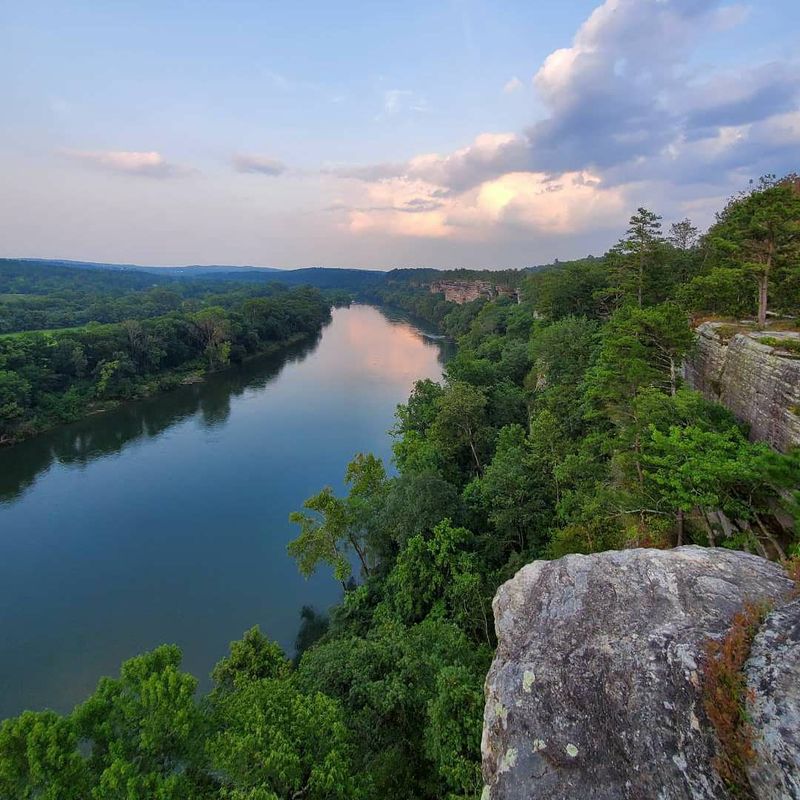
Most strange sounds you hear after dark have a perfectly reasonable explanation, and learning to find those explanations is one of the most practical fear-busting skills you can develop.
Along the White River corridor near Calico Rock, the nighttime soundscape is genuinely rich: water rushing over shallow gravel beds, frogs announcing themselves from the bank, and owls cycling through their calls in the tree canopy above.
My first night, every rustle in the brush sent a small jolt through my chest until I started paying close enough attention to identify the source.
A raccoon investigating the riverbank, a branch dropping from a post oak overhead, the wind picking up off the water and rattling a loose shutter on a nearby building, all perfectly ordinary.
The Ozark region surrounding the town is alive at night in ways that feel dramatic only because most of us spend our evenings indoors with the windows shut.
Training yourself to pause and listen rather than react gives your brain the information it needs to stand down from alert mode.
Night sounds in a place like this are far more likely to be nature doing its thing than anything worth worrying about.
Exploring Old Places Carefully
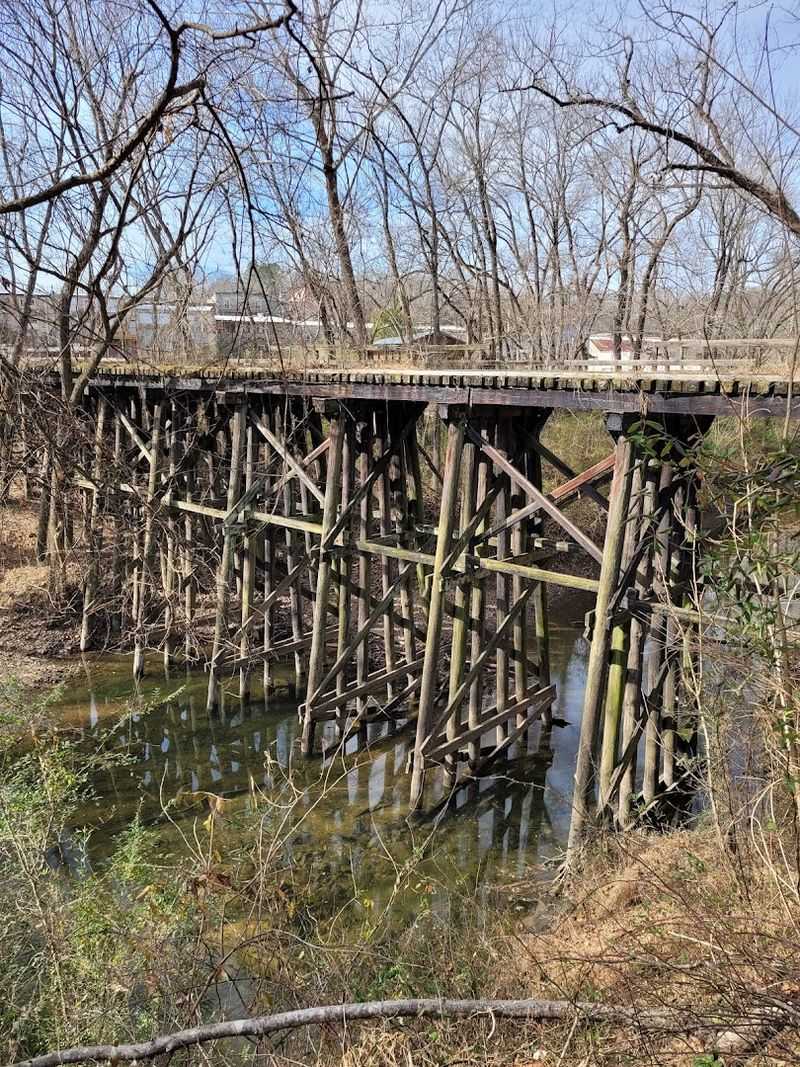
Old places reward careful visitors and frustrate careless ones, and that rule applies doubly after dark when visibility drops and surfaces become harder to read.
The abandoned structures of East Calico Rock are viewable from public streets, and the interpretive markers placed along the route give context that turns a casual look into something much more meaningful.
I made sure to stay on designated paths and sidewalks, keeping a small flashlight in my pocket not for dramatic effect but for practical safety on uneven pavement.
There is a real difference between reckless exploration and mindful curiosity, and the second approach is the one that keeps adventures going long-term.
The multicolored limestone bluff that gives Calico Rock its name rises above the White River nearby, and even approaching that natural landmark after dark requires steady footing and genuine attention to your surroundings.
Photographers who visit often note that the bluff’s banded colors, which resemble calico fabric, take on a completely different character under low light and a rising moon.
Treating old and natural places with care is not just about safety; it is about respecting the layers of time that make them worth visiting in the first place.
Staying Safe After Sunset
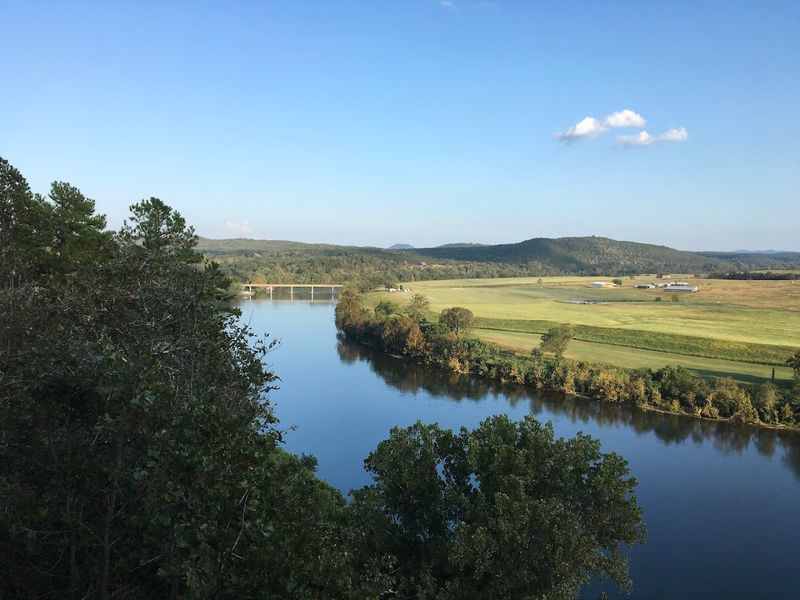
Practical safety habits are the foundation that makes every after-dark adventure possible, and they are worth reviewing before you head out into any unfamiliar town at night.
Calico Rock is a small community with a population of around 888 residents according to the 2020 census, and that scale means you are rarely far from help if you need it.
I always made sure someone back at my lodging knew where I planned to walk and roughly how long I expected to be out.
Keeping my phone charged and carrying a small flashlight were two habits that cost almost nothing in effort but added a noticeable layer of reassurance to every outing.
Wearing shoes with actual grip rather than casual slip-ons made a real difference on the older sidewalks and uneven terrain near the river bluff.
Staying aware of your surroundings without becoming paranoid is a skill that gets easier with practice, and small, low-traffic towns are actually great places to develop it.
Safety after dark is less about fear management and more about preparation, and a well-prepared traveler almost always has a better time than an unprepared one.
Building Confidence Step By Step
Confidence after dark is not a switch you flip; it is a staircase you climb one step at a time, and Calico Rock turns out to be a surprisingly good place to practice that climb.
My first evening, I walked just half a block from my lodging before turning back, and I considered that a genuine win rather than a failure.
The next night I made it to the end of Main Street and stood for a few minutes watching the stars appear above the Ozark ridgeline, which felt like a small but real victory.
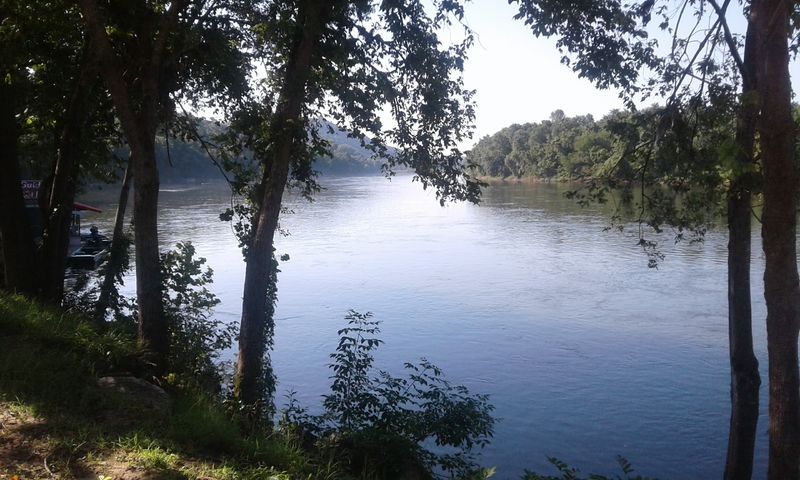
By the end of my stay, I was comfortable walking down to the river after dark, listening to the trout-rich White River move through the valley below the famous calico-patterned bluff.
Each small success rewired something in my thinking, replacing the vague sense that darkness was dangerous with a more accurate understanding that it is simply different.
The Izard County Quilt Trail even features a design called Constellations over Calico, celebrating the region’s remarkably dark skies and the star patterns visible on clear nights, which felt like a fitting symbol for this whole experience.
Step by step, night by night, a town that once felt intimidating after dark became one of my favorite places to simply be.