
Pennsylvania’s Stunningly Clear Spring That Feels Like A Hidden Gem
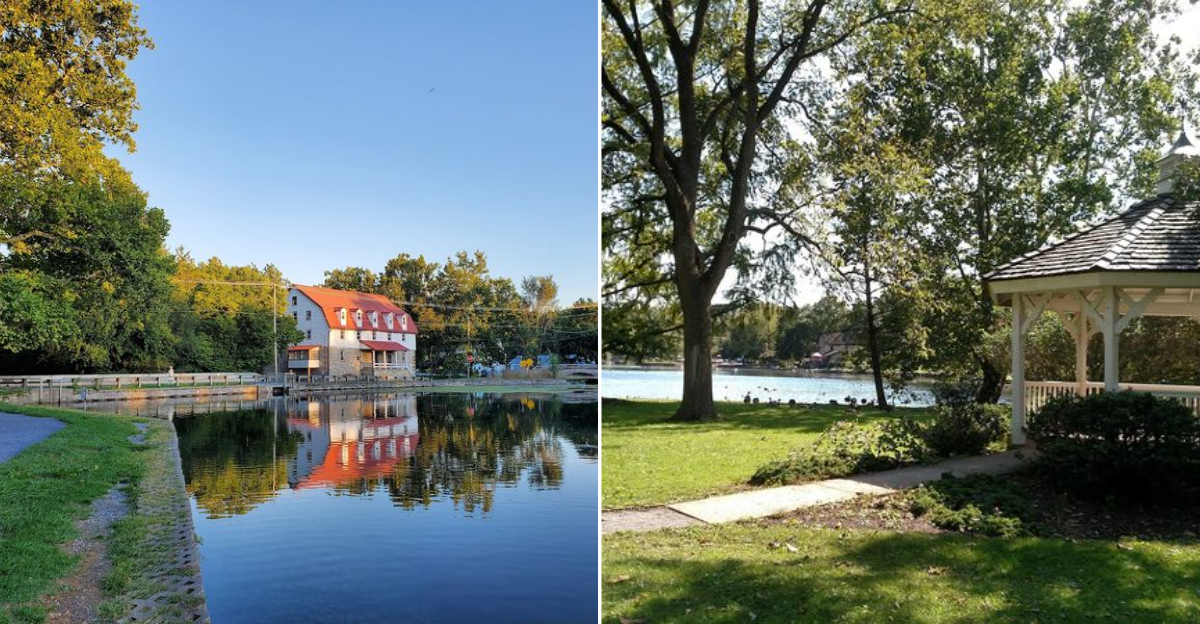
Blink and you might miss it, but the places that leave the biggest impression are not always the loudest ones.
Sometimes all it takes is glassy water, a little sunshine, and a setting so calm it feels like the whole world decided to lower its voice for a while.
That is the pull of a place like this. It has the kind of natural beauty that makes you stop mid-step, look twice, and wonder why more people are not talking about it.
In Pennsylvania, spots like this feel extra special because they offer something increasingly rare: pure, peaceful awe.
What makes a crystal-clear spring so captivating is how effortlessly it turns a simple visit into something memorable.
The shimmer of the water, the quiet charm, the storybook atmosphere, all of it creates the sort of scene that feels almost too pretty to be real. It is serene, striking, and wonderfully easy to fall for.
I know I would be the person standing there way longer than planned, taking one more photo, leaning in for one more look, and quietly realizing that a place this beautiful can completely change the mood of an entire day.
The Spring That Never Stops Bubbling
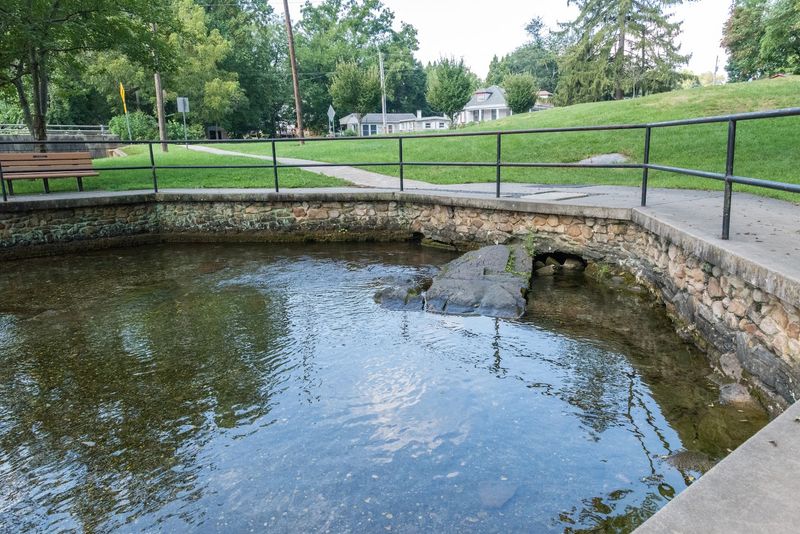
Most springs slow down in summer or freeze in winter, but the main spring at Boiling Springs does neither.
It pushes roughly 22 million gallons of water to the surface every single day, maintaining a temperature of about 52 degrees Fahrenheit no matter the season.
That consistency is what gave the village its name, because early settlers watched the water rise and bubble from the earth and thought it looked like something was boiling beneath the surface.
The spring sits at the edge of Children’s Lake, which it feeds constantly, keeping the water remarkably clear and cool.
This kind of geological activity is rare in Pennsylvania, and it makes the spring itself one of the most fascinating natural features in the entire Cumberland Valley.
Standing at the edge and watching the water push up through the sand feels like watching the earth breathe.
Children’s Lake and Its Year-Round Beauty
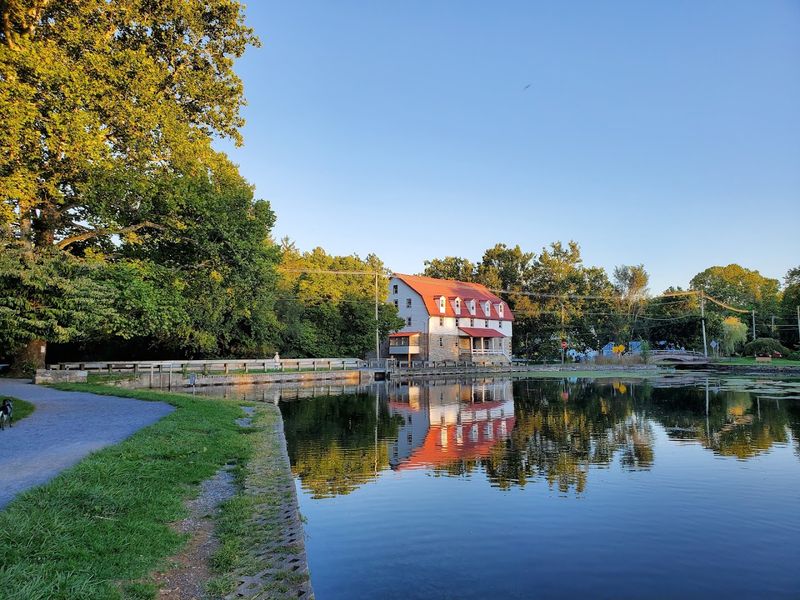
Children’s Lake is the centerpiece of the entire village, and it earns that title without any argument.
Fed entirely by the natural spring, it stays clear and cold throughout the year, which makes it look almost artificially perfect, though there is nothing artificial about it at all.
The lake is a popular spot for walking the surrounding path, watching waterfowl, and simply sitting on a bench to enjoy the stillness.
Compared to the murky lakes you might find in Ohio or other neighboring states, the spring-fed clarity here is genuinely striking.
In winter, the warmer spring water sometimes keeps parts of the lake from freezing completely, which draws ducks and geese that would otherwise head south.
In summer, the cool temperature of the water creates a refreshing microclimate around the shoreline that makes an afternoon walk feel surprisingly comfortable even on hot days.
A Village With Deep Historical Roots
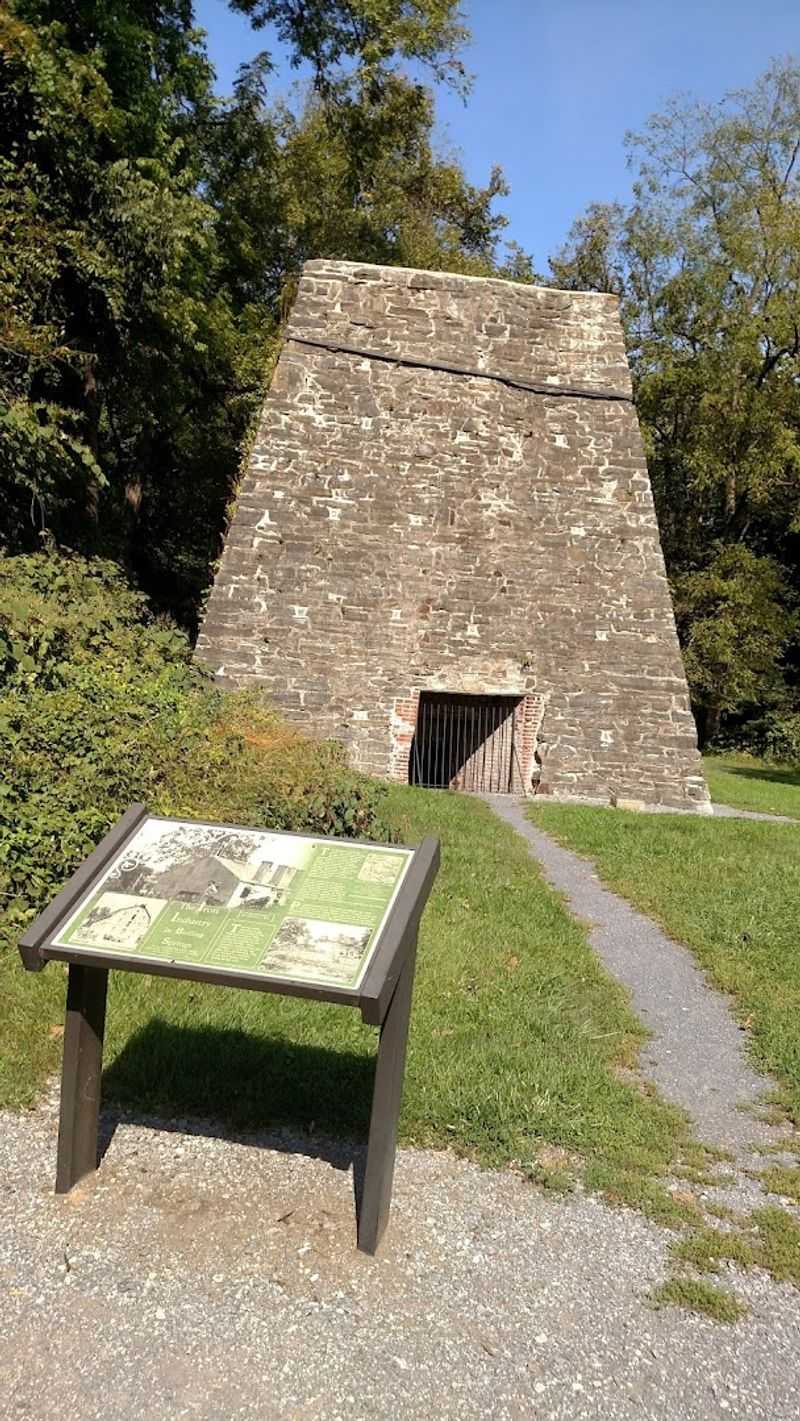
Long before Boiling Springs became a peaceful retreat, it was an industrial hub.
The area was home to a large iron furnace operation in the 1800s, and the ruins of that furnace still stand today as a reminder of the region’s working past.
Iron production required enormous amounts of water and fuel, and the reliable spring output made this location ideal for that kind of industry.
Workers and their families built up a community around the furnace, which eventually evolved into the quiet residential village that exists today.
The contrast between that industrial history and the calm, almost sleepy character of modern Boiling Springs is part of what makes the place so interesting to explore.
You can walk from a peaceful lakeside path to a crumbling stone furnace wall in just a few minutes, and suddenly the whole story of the place starts to click into place.
The Appalachian Trail Runs Right Through
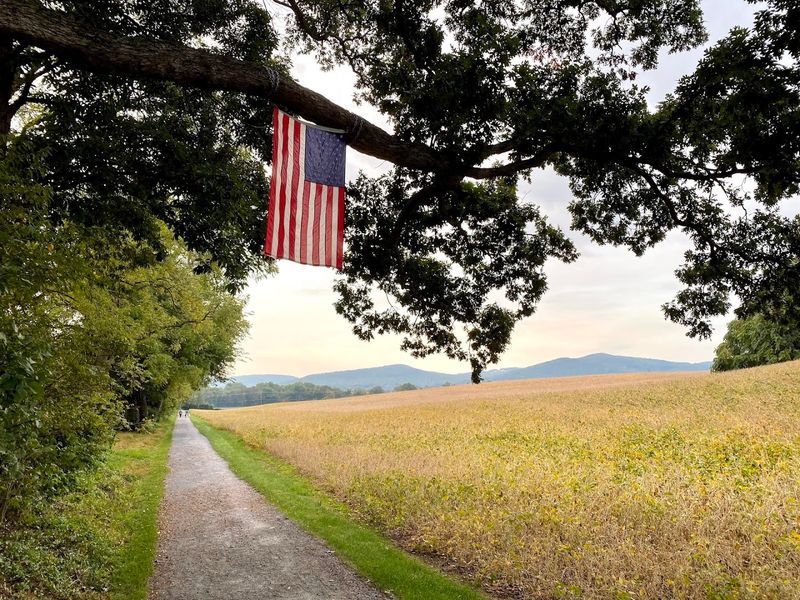
One of the most surprising facts about Boiling Springs is that the Appalachian Trail passes directly through the village.
Thru-hikers walking the more than 2,190-mile trail stop here to rest, resupply, and enjoy a moment of civilization between long stretches of countryside and farmland in this scenic part of Pennsylvania.
What is outdated is the office claim. The Appalachian Trail Conservancy moved its Mid-Atlantic Regional Office from Boiling Springs to Carlisle in 2022, though Boiling Springs still keeps a strong connection to the larger hiking community through the trail itself and visitor-focused efforts at The Cottage by Children’s Lake for travelers passing through.
Seeing a fully loaded thru-hiker shuffle into the village after days on the trail is a common enough sight that locals barely blink, but for visitors, it adds a layer of adventure and energy to the whole experience. The trail has a way of making everywhere it touches feel a little more alive.
The ATC Mid-Atlantic Regional Office
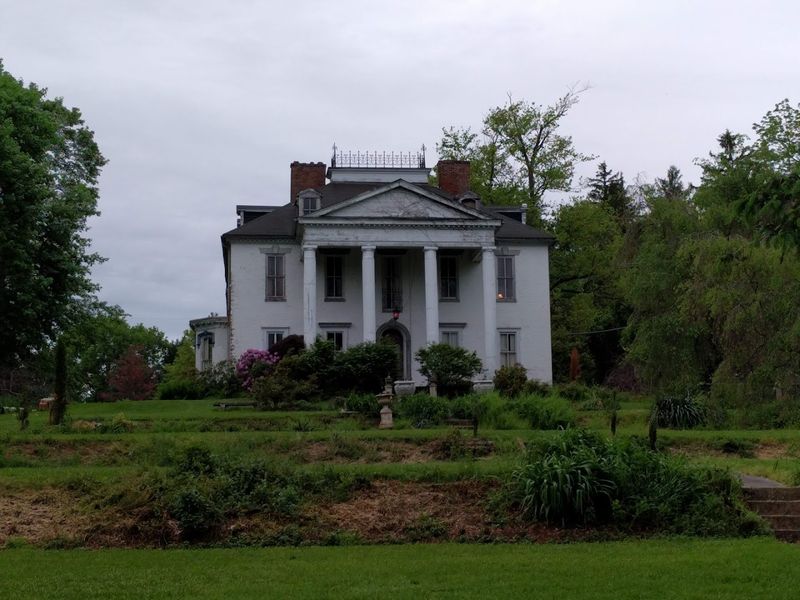
Not every small village can claim to host a major conservation landmark, and Boiling Springs still has one.
What it no longer has, though, is the Appalachian Trail Conservancy’s Mid-Atlantic regional office, because that office moved to Carlisle in 2022 after many years in the village community there.
What remains in Boiling Springs is The Cottage beside Children’s Lake, where the Appalachian Trail Conservancy and South Middleton Township have worked to expand the visitor experience for hikers and other guests.
That continuing role reflects the strong relationship between the trail community and the village itself.
For visitors who are curious about the Appalachian Trail but not ready to strap on a backpack and walk for months, stopping by Boiling Springs is still a great way to learn more about what the trail involves.
It puts the whole experience into perspective and might just inspire a future adventure that goes well beyond a single afternoon visit.
Yellow Breeches Creek and Fly Fishing Fame
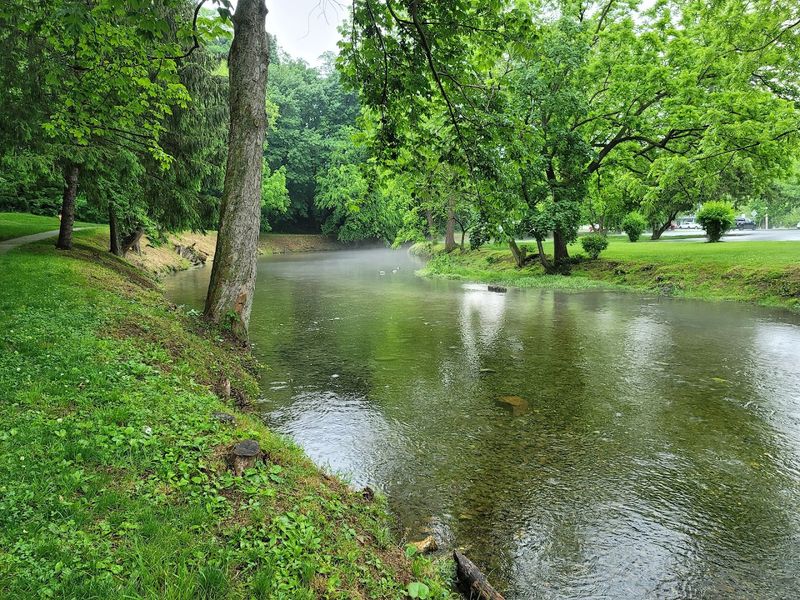
Running alongside the village, Yellow Breeches Creek has earned a serious reputation among anglers.
Its cold limestone-influenced water helps support trout, and the creek has long been considered one of the best-known fly fishing destinations in this part of Pennsylvania.
Anglers travel from Ohio, Maryland, New Jersey, and beyond to cast their lines in these waters, and the stretch near Boiling Springs is particularly well regarded.
What needs correction is the designation claim. Public Pennsylvania Fish and Boat Commission material specifically highlights stocked trout in Children’s Lake and a special catch-and-release artificial-lures-only section from the lake outfall downstream into Yellow Breeches Creek near Boiling Springs, not a Class A designation for this stretch.
Even if fishing is not your thing, walking along the creek bank is a pleasant experience.
The sound of moving water, the sight of an angler mid-cast, and the cool air coming off the stream combine into something that is easy to appreciate without ever picking up a rod.
The Unique Microclimate Around the Spring
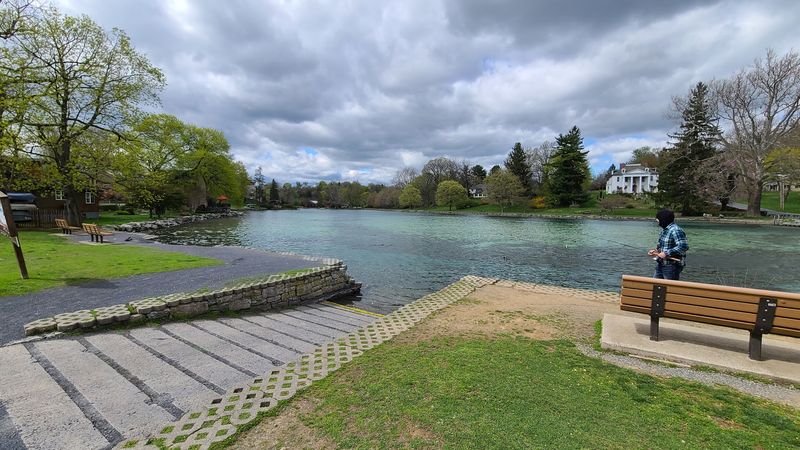
Because the spring constantly releases water at 52 degrees Fahrenheit, the area immediately surrounding it develops its own subtle microclimate.
In summer, the cool water keeps air temperatures near the lake noticeably lower than the surrounding countryside, which is a genuine relief during Pennsylvania’s humid July and August heat.
In winter, the relatively warmer spring water releases a faint mist on cold mornings, creating an atmospheric fog that drifts across Children’s Lake and gives the whole scene an almost dreamlike quality.
Photographers who know about this effect often arrive early on frosty mornings to capture it.
This kind of natural temperature regulation is not something you find at most destinations, and it is one of the things that makes Boiling Springs feel genuinely different from similar-sized villages across Pennsylvania or Ohio.
The spring is not just a visual attraction; it actively shapes the environment around it in ways you can feel on your skin.
Wildlife Watching Around the Lake
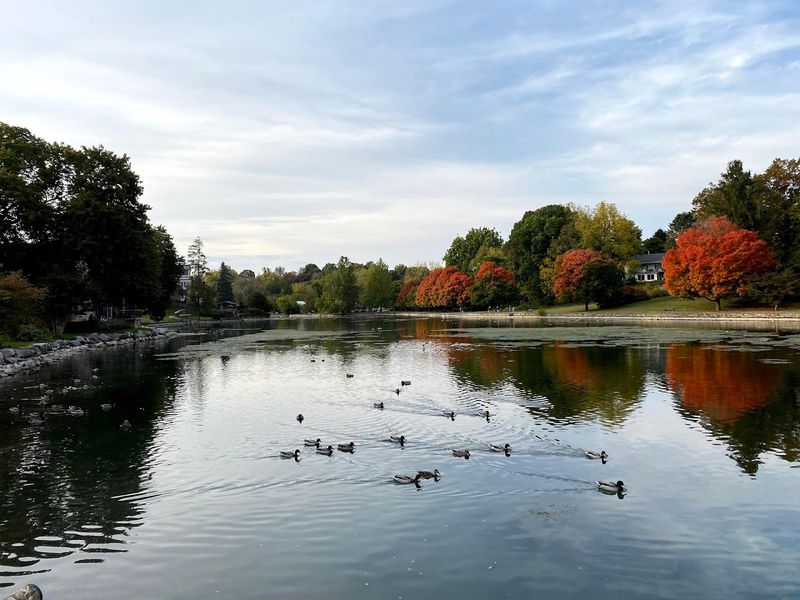
The combination of clean spring water, consistent temperatures, and a relatively undisturbed shoreline makes Children’s Lake an excellent place for wildlife observation. Great blue herons are a common sight, standing motionless at the water’s edge with the patience of seasoned hunters.
Ducks, geese, and various wading birds use the lake throughout the year, and because the water stays partly open even in winter, the bird activity rarely stops entirely.
Turtles sun themselves on logs during warmer months, and the occasional muskrat can be spotted swimming along the reedy edges of the lake.
Compared to the more manicured wildlife areas you might find in urban parks across Ohio or other heavily developed states, the wildlife at Boiling Springs feels genuinely spontaneous and unmanaged.
There are no feeding stations or organized tours here, just a healthy natural environment doing what healthy natural environments do, which is quietly teeming with life.
The Charm of a Small Pennsylvania Village
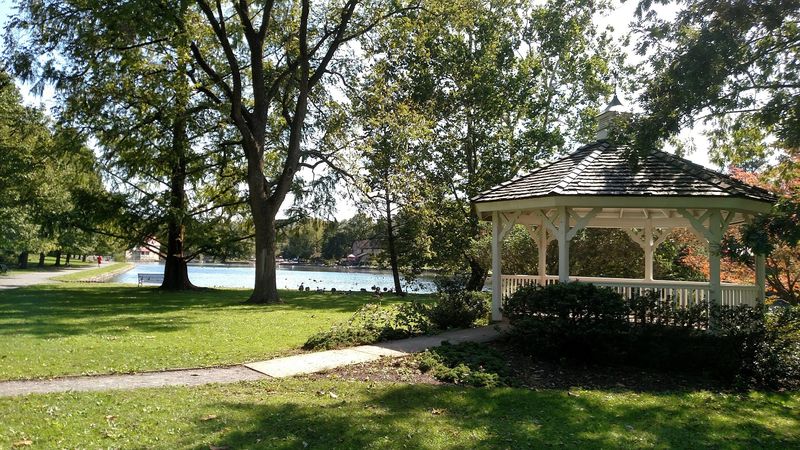
With a population of just over 3,000 people, Boiling Springs has the kind of scale that lets you feel the whole place in a single afternoon.
The streets are quiet, the homes are well-kept, and there is a strong sense that the people who live here genuinely care about their community.
The village has managed to hold onto its character without becoming overly commercialized, which is increasingly rare for places with natural attractions this impressive.
There are no sprawling souvenir shops or chain restaurants dominating the main streets, just a small-town atmosphere that feels authentic rather than performed.
Visitors who are used to the noise and pace of larger cities, or even mid-sized places like those found across Ohio, often remark on how immediately calming Boiling Springs feels.
It is the kind of place where slowing down does not feel like a choice so much as an automatic response to the surroundings.
Visiting Tips and Best Times to Go
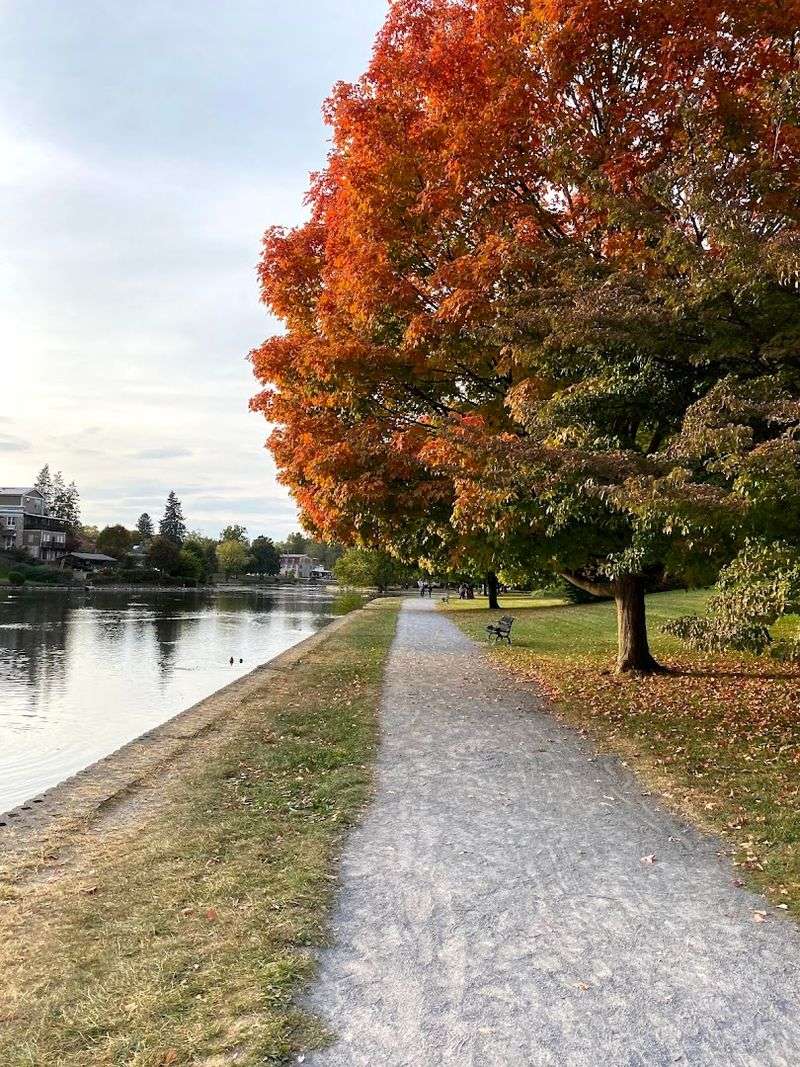
Spring and fall are the most rewarding seasons to visit Boiling Springs. In spring, the surrounding fields and woodlands come alive with new growth, and the trail sections near the village are at their most inviting.
In fall, the foliage around Children’s Lake creates a spectacular reflection in the clear water that is hard to forget.
Summer visits are perfectly enjoyable, especially because the spring-fed lake keeps things cooler than expected, but the area can be busier with hikers and locals enjoying the outdoors.
Winter visits have their own appeal, particularly on foggy mornings when the mist rises off the warm spring water.
Boiling Springs is located in South Middleton Township, Cumberland County, Pennsylvania, roughly 10 miles south of Carlisle, and is easy to reach by car from Harrisburg.
Unlike driving across Ohio or other flat states, the approach through the Cumberland Valley offers genuinely scenic views that make the journey part of the experience.