
This Florida Snorkeling Spot Might Be One Of The Best In The USA And Nobody Talks About It
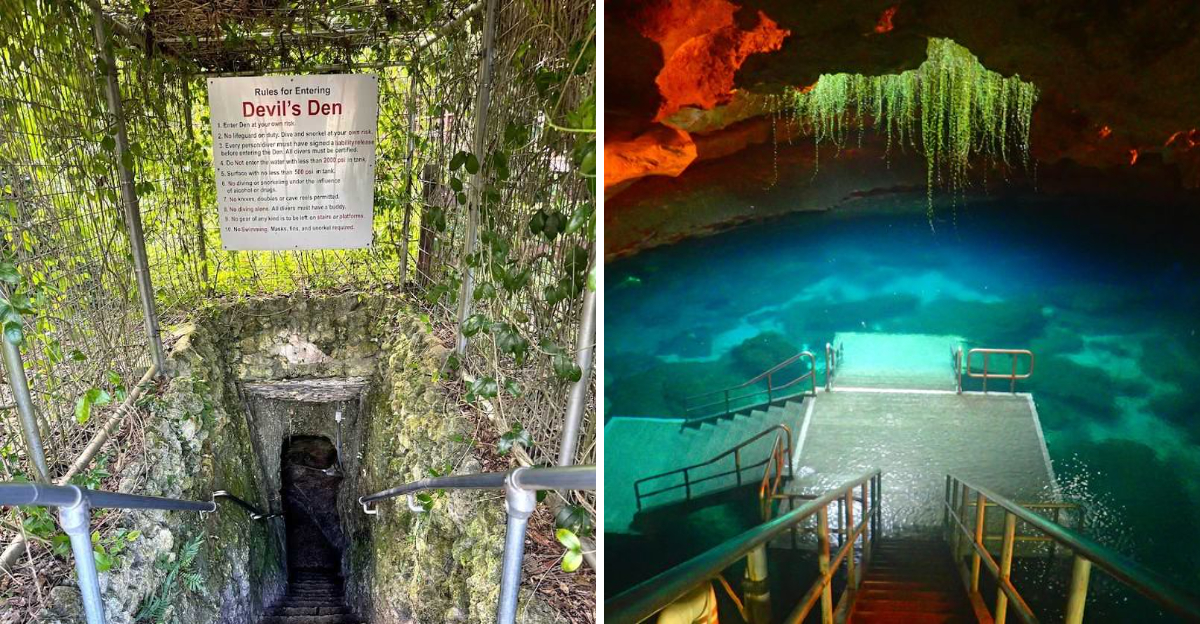
There are places in Florida that feel almost untouched by time, the kind that make you pause for a second because they do not quite look real.
This is one of them.
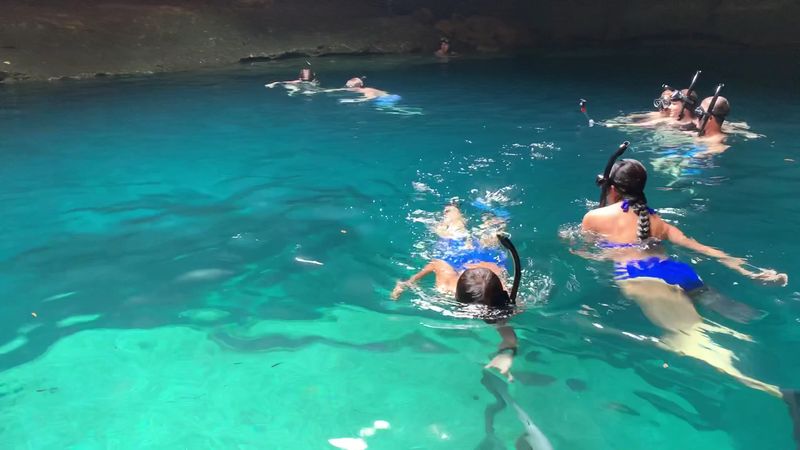
The first thing you notice is the water. It is so clear it almost disappears, revealing everything beneath it in a way that feels more like a photograph than something you are standing in front of.
Then you start to take in the surroundings.
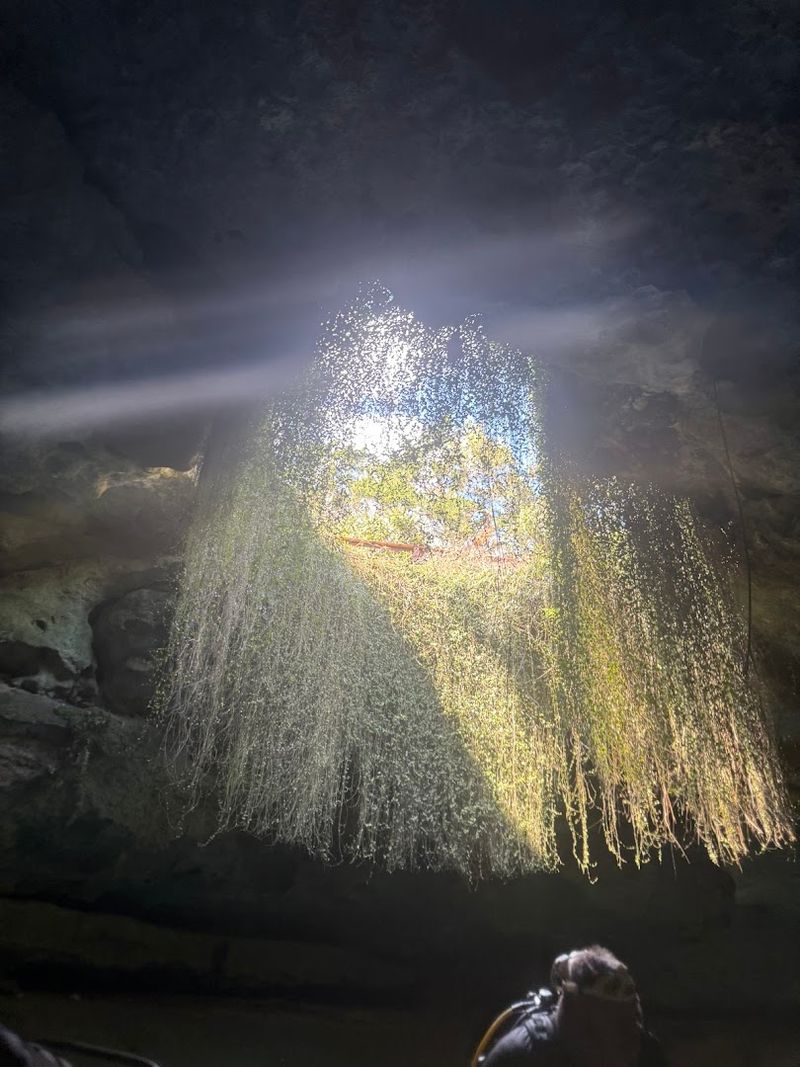
Ancient rock formations curve overhead, light filters down through an opening above, and the entire space carries a quiet, almost surreal atmosphere that feels far removed from anything outside of it.
That kind of place does not need much explanation.
In Florida, spots like this draw people in for different reasons, some for the experience, others for the sense of discovery, but most leave with the same feeling.
It is something you do not expect to find, and once you see it for yourself, it is hard to forget.
The Underground Cave That Time Forgot
Millions of years before Florida became a vacation destination, water was quietly carving out one of the most jaw-dropping natural formations in the entire southeastern United States.
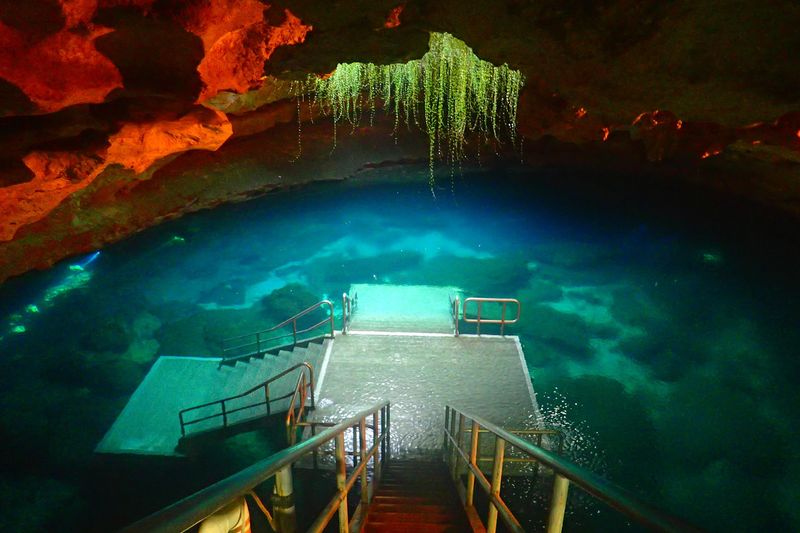
Devil’s Den is a dry cave spring, meaning the roof of the limestone cavern collapsed long ago and left a circular opening at the top, creating a chimney-like hole that funnels sunlight directly into the pool below. That shaft of light hitting crystal-clear water is what makes first-time visitors stop in their tracks the moment they peek over the edge.
The cave itself sits below ground level, so you descend a wooden staircase to reach the water, and the temperature immediately drops as you go deeper. Prehistoric fossils of ancient mammals, including mastodons and giant ground sloths, have been discovered in the sediment here, earning it the “prehistoric” label in its name.
The geology alone makes this place feel like a living museum, and the snorkeling is just the bonus.
Water So Clear It Seems Unreal
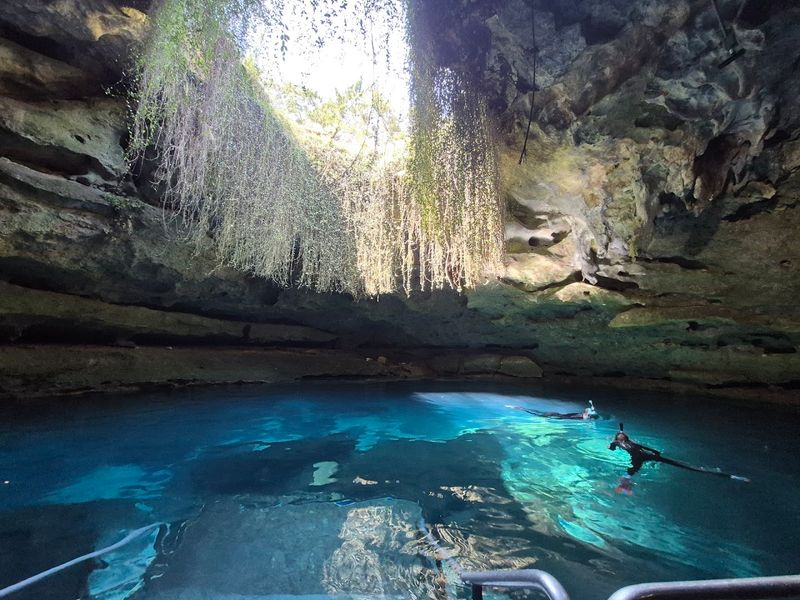
Staring down into Devil’s Den for the first time, I genuinely thought someone had replaced the water with glass.
The visibility inside the spring is extraordinary because the water comes directly from an underground aquifer, filtered naturally through layers of limestone over thousands of years. There is no sand or soft sediment on the bottom, so swimmers and snorkelers cannot kick up cloudiness the way they would in a typical lake or ocean spot.
The rocky floor stays crisp and visible no matter how many people are in the water, which is something you simply cannot say about most snorkeling destinations in the country.
Reviews from visitors consistently describe the water as looking “Avatar-like” when sunlight hits it at the right angle, producing vivid blues and greens that feel almost too saturated to be natural. Underwater photographers absolutely love this place for exactly that reason.
The combination of prehistoric rock formations, ancient fossils embedded in the walls, and that surreal water clarity makes every photo look professionally edited straight out of the camera.
A Steady 72 Degrees All Year Long
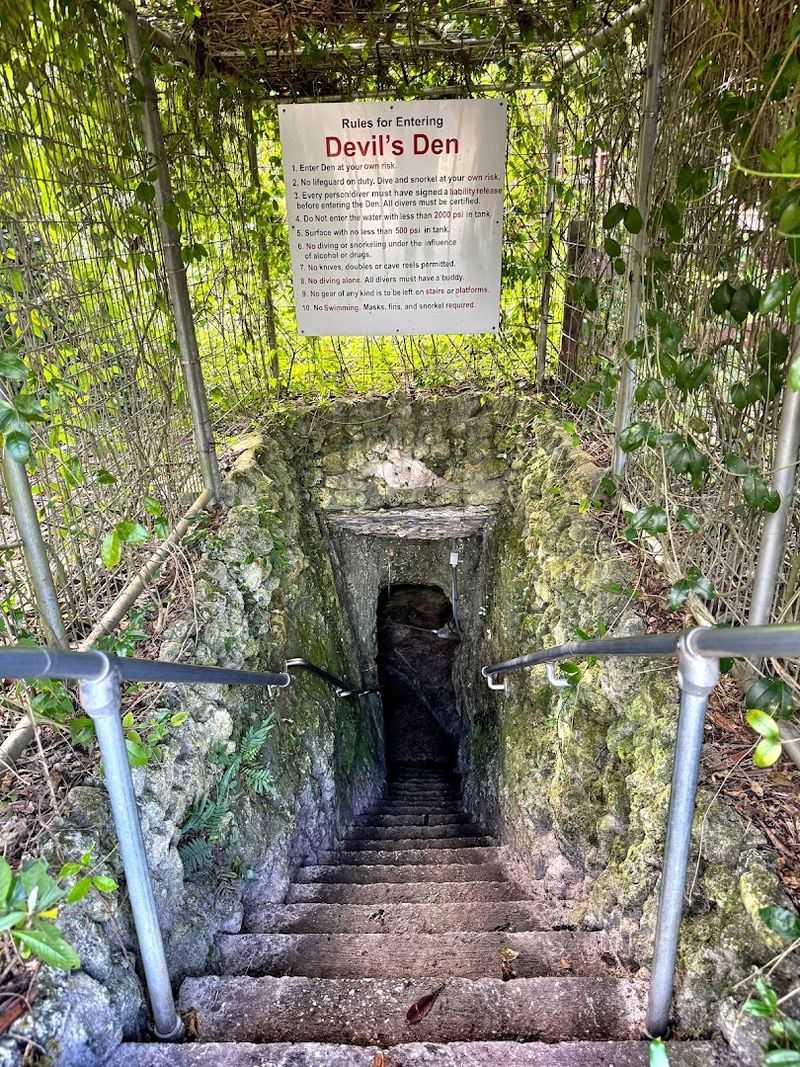
One of the most practical and underrated features of Devil’s Den is something you feel the second you step off that wooden staircase and into the water.
The spring maintains a constant temperature of 72 degrees Fahrenheit every single day of the year, regardless of whether it is the middle of a Florida summer or a chilly January morning. That consistency comes from the deep underground aquifer system feeding the spring, which stays insulated from seasonal temperature changes happening above ground.
In summer, 72 degrees feels refreshing and cool, a welcome relief from the Florida heat. In winter, that same temperature actually feels relatively warm compared to the air outside, making Devil’s Den a genuinely year-round destination.
Most visitors still recommend wearing a wetsuit or a long-sleeved swimsuit because the cold can sneak up on you once you have been in the water for 20 or 30 minutes. Wetsuits are available to rent on-site if you do not own one, so there is no need to pack heavy gear just to enjoy a comfortable 90-minute session in the spring.
The Reservation System That Keeps Things Peaceful
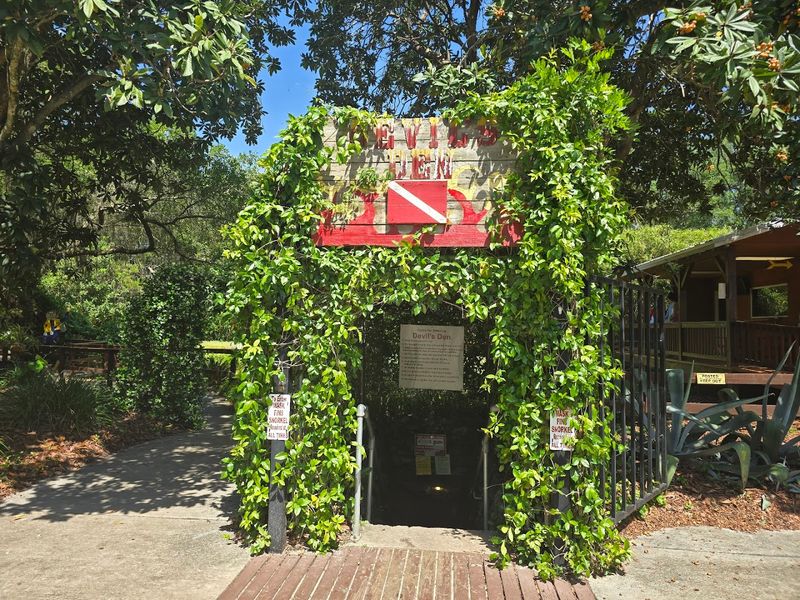
One thing that separates Devil’s Den from many of Florida’s more famous springs is the fact that access to the underground cave is managed through a reservation system, and that single detail changes everything about the experience.
Each snorkeling session is booked in 90-minute time slots, and the number of visitors allowed in the cave at one time is limited. You can secure your spot through the official website at devilsden.com, and a small deposit of around five dollars per person holds your reservation.
The remaining balance, bringing the total to about twenty-five dollars per person, is paid upon arrival at the ticket office. Booking early is strongly encouraged because popular weekend slots can sell out an entire week in advance.
The payoff for planning ahead is enormous. Early morning visitors who arrived at the first slot of the day have reported having the entire cave practically to themselves, spotting turtles and large fish before other groups arrived.
That kind of uncrowded, peaceful experience is nearly impossible to find at other well-known Florida springs on a busy summer weekend.
Wildlife Hiding In Plain Sight
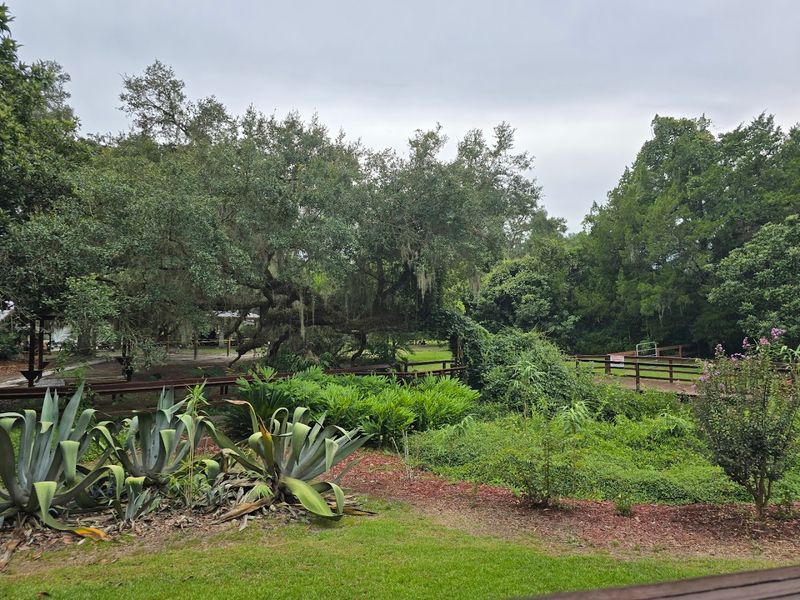
You might not expect a cave spring to be teeming with life, but Devil’s Den has a surprising cast of underwater residents that show up regularly for lucky visitors.
Freshwater turtles are among the most frequently spotted animals inside the cave, often gliding along the bottom or resting near the rock formations. Large fish patrol the deeper sections, seemingly unbothered by the snorkelers floating above them.
Because the water is so clear, you can watch them from several feet away without disturbing their routine, which gives the whole experience a calm, almost meditative quality.
Visitors who book the earliest morning time slot tend to have the best wildlife encounters, since the animals are more active before the crowds arrive and the water is stirred up. Bringing an underwater camera or a waterproof phone case is a genuinely good idea here, because the combination of the clear water, natural light, and cooperative wildlife creates photography opportunities that most people do not expect from a Florida campground spring.
The fish alone are worth the trip.
The Magic Hour When Sunlight Hits The Water
Timing your visit to Devil’s Den is genuinely one of the most important decisions you will make before arriving, and it is advice that experienced visitors share over and over again.
The cave opening in the roof acts like a natural skylight, and the angle of the sun dramatically changes how the water looks from above and below. Early morning visits, particularly around 8 AM, can leave the water looking dark and murky because the sun has not yet climbed high enough to shine directly through the opening.
Visitors who arrive around 11 AM or closer to noon, however, are rewarded with that famous Avatar-like color show, when blues and greens explode through the water column and every rock formation glows with natural light.
One couple visiting from Miami described arriving slightly late for their slot and still being blown away when the sunlight finally broke through as they were preparing to leave. Planning your reservation for mid-morning rather than first thing gives you the best possible version of this already spectacular place, and it is a tip worth writing down before you book.
Scuba Diving In A Prehistoric Cavern
Snorkeling is the entry point, but scuba diving at Devil’s Den is where things get truly extraordinary for those with the certification and the curiosity to go deeper.
The spring is classified as a cavern dive, meaning it is open-water diving with natural light still visible from the entrance, rather than a fully enclosed cave dive that requires specialized training. This makes it accessible to any certified open-water diver who wants to experience the ancient geology up close.
The on-site dive shop is fully equipped with tanks, rental gear, wetsuit options, and even tank refills, so traveling divers do not need to haul their entire kit from home.
At depth, the rock formations become even more dramatic, and the fossil beds embedded in the cave walls tell a story of animals that walked this land long before humans arrived. Several visitors have completed their open-water certification dives right here inside the cave, calling it one of the most memorable training experiences of their lives.
The dive shop staff are described consistently as knowledgeable, organized, and genuinely enthusiastic about the spring they work in every day.
Camping Right Next To The Spring
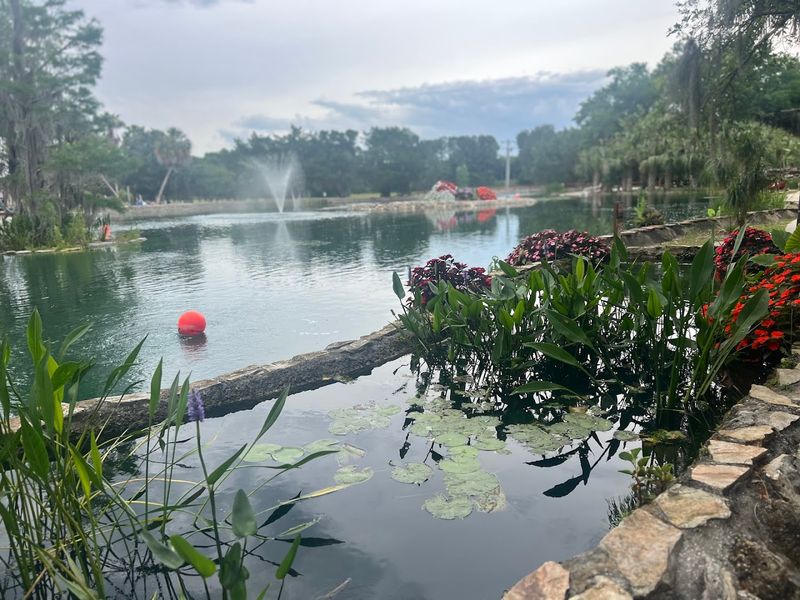
Staying overnight at Devil’s Den transforms a quick day trip into a full outdoor adventure, and the campground on the property is genuinely worth considering as your base for exploring this part of Florida.
The campground offers both tent sites and full RV hookups, with pull-through slots that are especially popular among RV travelers for their convenience. Tent sites run around forty-four dollars per night, and the grounds are described by campers as clean, quiet, and well-organized.
Having a campsite means you can book the very first snorkeling slot of the morning, return to your site to warm up and relax, and then head back into the spring for an afternoon session if space allows.
The surrounding property includes picnic areas, grills, a beach volleyball court, and shower facilities, making it comfortable enough for a multi-day stay. Cell reception on the property is reportedly decent, which is a small but appreciated detail for travelers who cannot completely disconnect.
Reservations for camping, especially around holiday weekends, fill up quickly, so checking availability well in advance is the smart move.
Practical Tips That Make The Visit Smoother
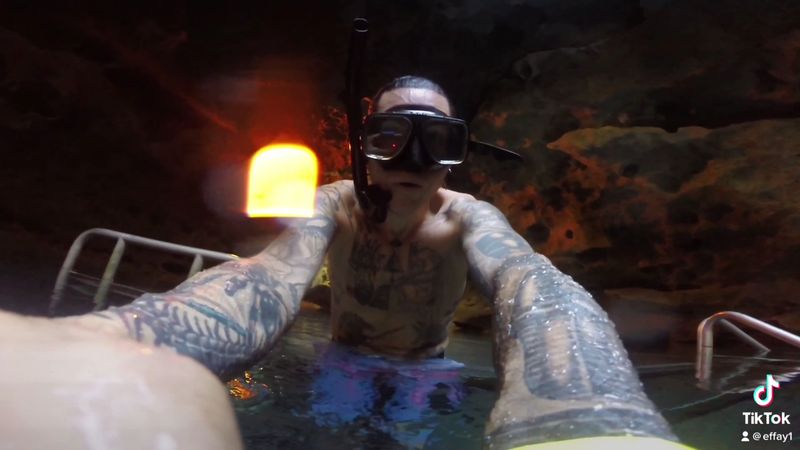
A little preparation goes a long way at Devil’s Den, and the visitors who enjoy it most are almost always the ones who read the rules before showing up.
Floating devices of any kind are not permitted inside the cave, so guests must be comfortable swimming without a floatie or noodle for support. The water near the staircase can reach neck depth, and the deeper sections of the cave go considerably further down, so this is not an appropriate spot for non-swimmers or very young children who are not yet strong in the water.
Wearing water shoes is recommended for the rocky stairs and surrounding areas, and bringing your own snorkel gear saves you the rental fee, though gear is available on-site if needed.
Packing snacks and water is a practical move because food options on the property can vary, with food trucks occasionally present but not guaranteed. Towels, a change of clothes, and a dry bag for your phone round out the ideal packing list.
The phone number for the park is 352-528-3344 if you have questions before your visit.
Why This Place Deserves More National Attention
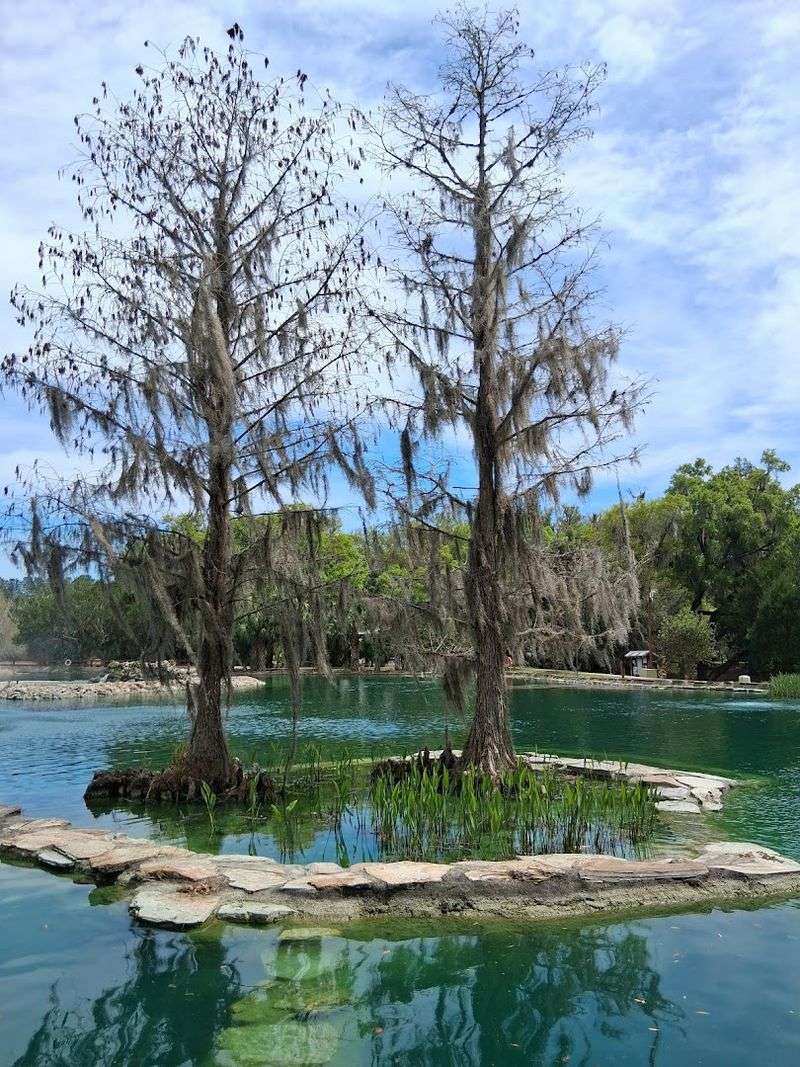
There is a short list of snorkeling experiences in the United States that genuinely feel unlike anything else on the planet, and Devil’s Den belongs on that list without any argument.
Most famous snorkeling spots in America involve saltwater, ocean reefs, or tropical coastlines, which means a freshwater prehistoric cave spring in rural north-central Florida rarely enters the national conversation. That oversight is starting to change slowly, as more travel bloggers and outdoor adventure communities discover what locals in the Gainesville and Williston area have quietly known for years.
The combination of prehistoric geology, fossil history, surreal water clarity, manageable crowds, reasonable pricing, and year-round accessibility creates a travel experience that checks boxes most destinations cannot.
Rated 4.4 stars across nearly six thousand reviews, Devil’s Den Prehistoric Spring and Campground at 5390 NE 180th Ave, Williston, FL 32696 is the kind of place that earns repeat visits and enthusiastic word-of-mouth recommendations. Once you have floated above those ancient rock formations with sunlight cutting through the water around you, the only real question is when you are coming back.