
One Ohio Park Gives Visitors The Rare Chance To Search For Ancient Fossils From 450 Million Years Ago
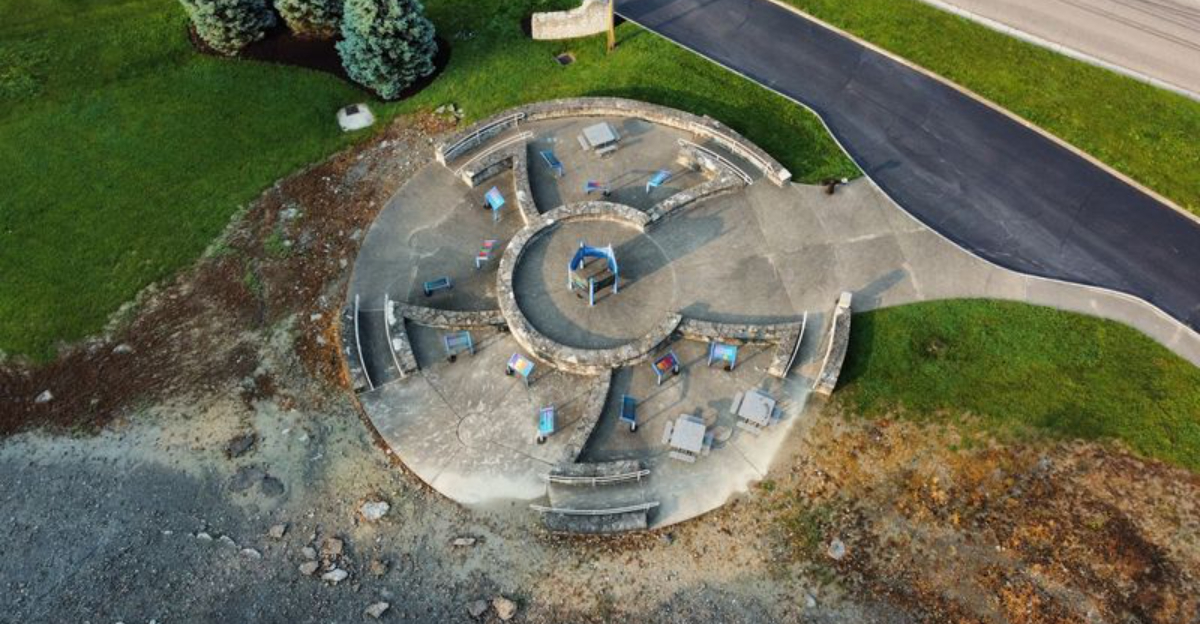
It is not every day you get to walk through an Ohio park knowing the ground beneath your feet was once part of an ancient sea. That is what makes this place so fascinating right away, especially once you realize visitors are free to search for fossils and even take one home.
I had heard about it for a while and was not quite sure whether it would feel truly special or just mildly interesting.
What I found instead was a free park in Sharonville where ancient marine life is built right into the landscape, waiting for anyone curious enough to slow down, look closely, and see what has been there all along.
No admission fee, no special training, and no elaborate setup required. Just a little patience, a good pair of shoes, and the kind of curiosity that makes a place like this much more memorable than you expect.
A Park Built on Ancient Ocean Floor
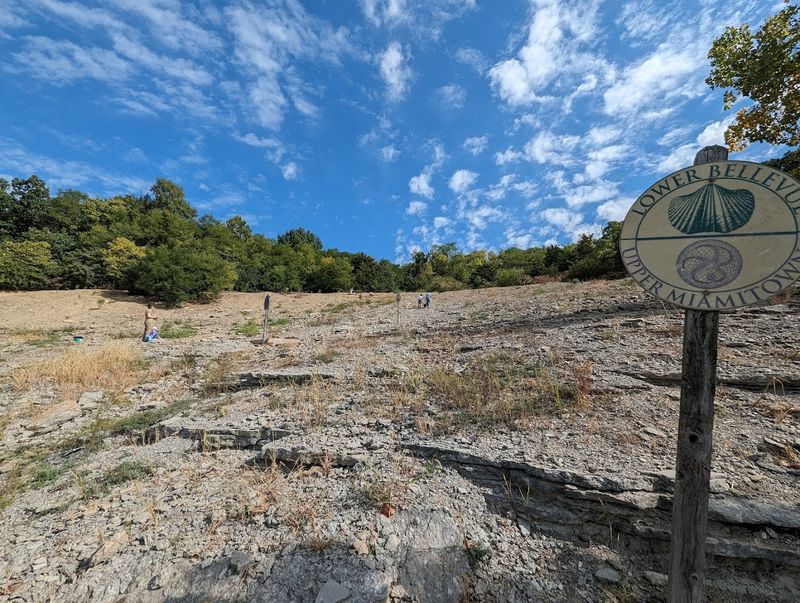
Long before Ohio was farmland, suburbs, or anything resembling civilization, the land that is now Sharonville sat at the bottom of a shallow tropical sea. That is not a poetic exaggeration.
The rocks at this park are genuine remnants of an ancient marine environment from the Ordovician period, roughly 450 million years ago.
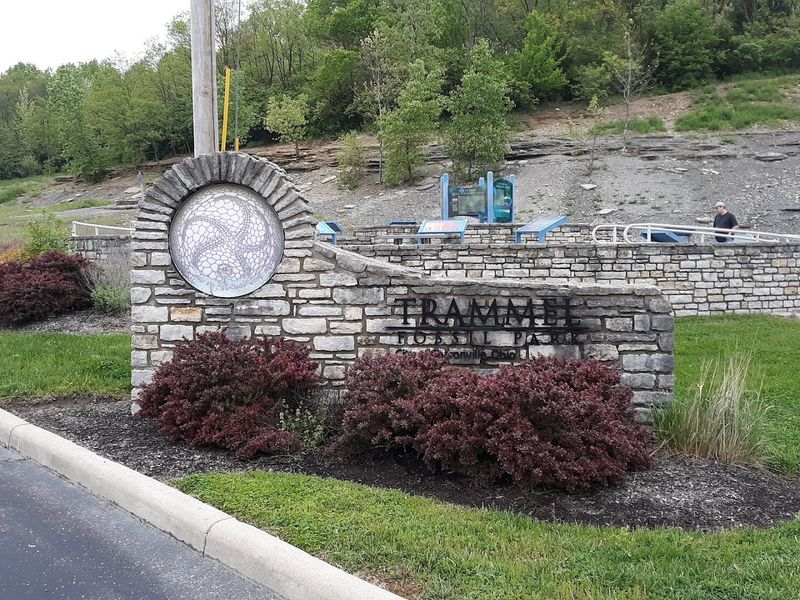
The park sits at 12000 Tramway Dr, Sharonville, OH 45241, tucked into what looks like an industrial neighborhood at first glance. You might second-guess your GPS as you pull up, because the surrounding area feels more warehouse district than natural wonder.
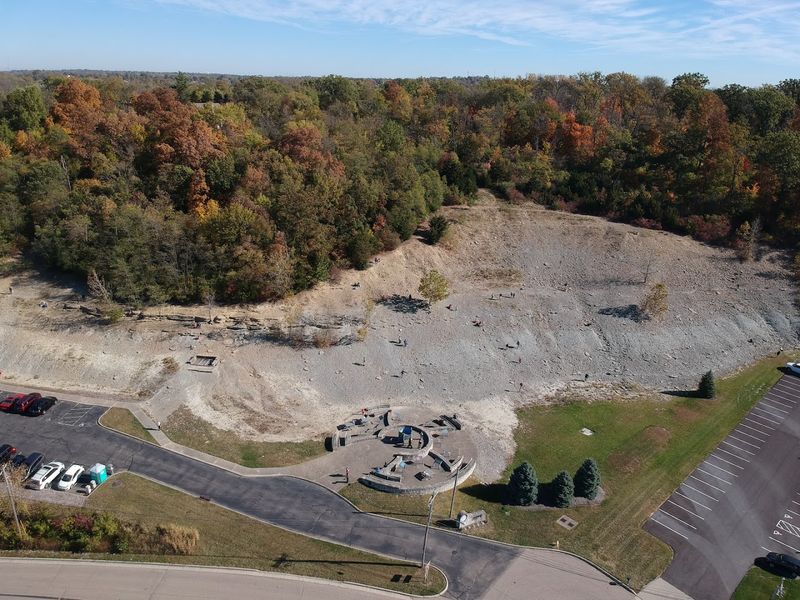
But once you see the hill, everything clicks. Layers of limestone and shale rise up like a natural timeline, each stratum holding clues to a world that vanished long before dinosaurs ever appeared.
Educational signs placed throughout the site explain the geology clearly, making the science accessible even if you last took earth science in middle school. This is Ohio history written in stone.
What You Can Actually Find Here
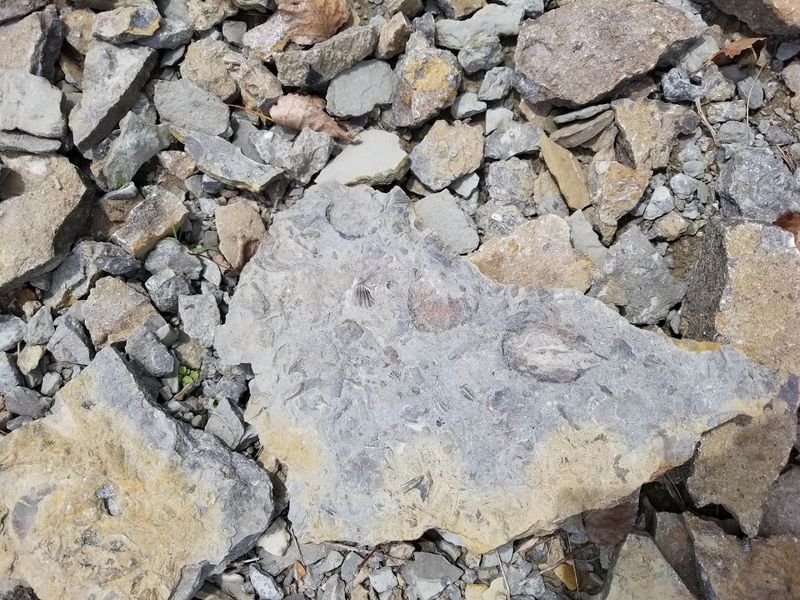
The fossils here are not rare or hidden. They are everywhere, and that is genuinely the most surprising thing about this park.
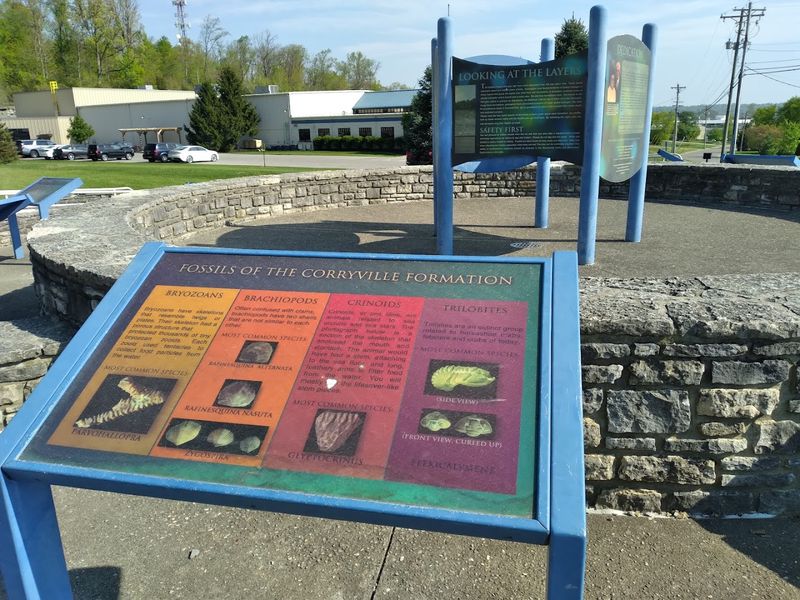
Brachiopods, bryozoans, crinoids, gastropods, pelecypods, and even edrioasteroids can be found in the rocks here, depending on where you are looking on the hillside.
Brachiopods look like small ribbed clam shells. Bryozoans can resemble lacy or branching patterns in the stone.
Crinoids, sometimes called sea lilies, left behind small circular stem segments that look almost like little buttons pressed into the rock. Once you know what to look for, you start seeing them constantly.
Most of the fossils I found were just lying in loose rock on the hillside, no digging required. Some visitors bring small hand tools to help examine rocks more closely, but the park asks people not to dig into the slope.
The park allows visitors to collect fossils, but asks that you take only a representative sample so there is still plenty left for others to see and collect.
The Fossil Hunt Experience Up Close
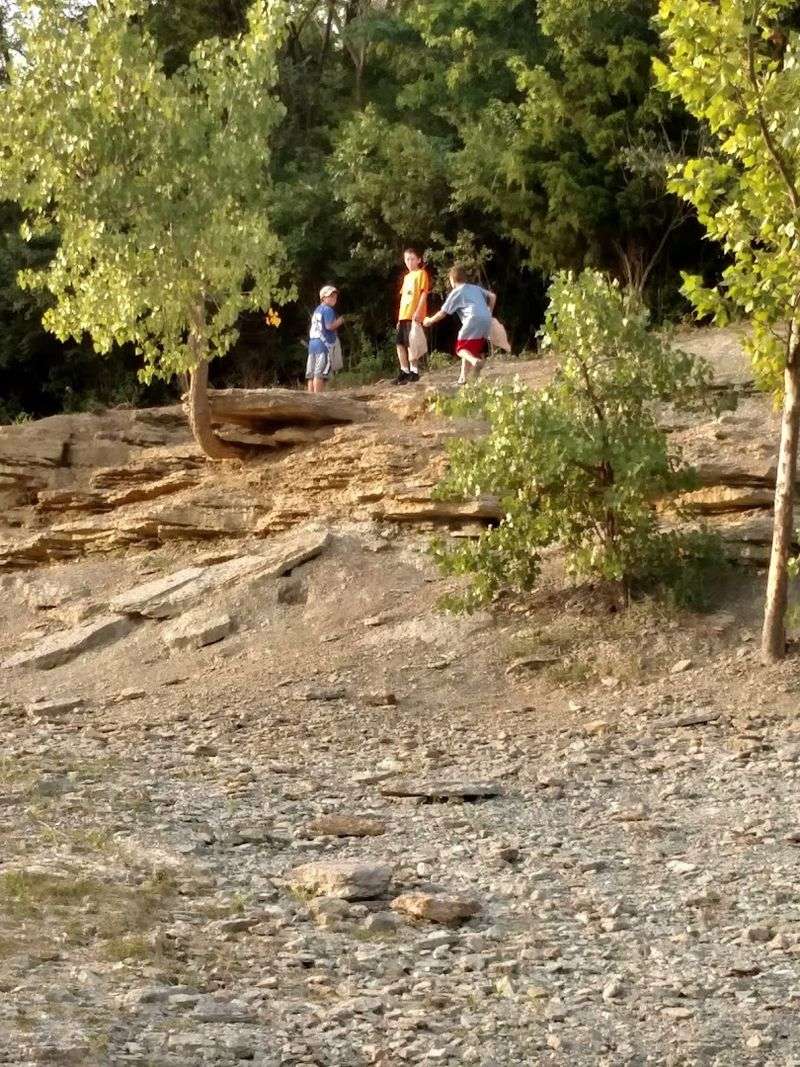
My first ten minutes at the park were spent just standing there, slightly overwhelmed by how many fossils were already visible without any effort. I had expected to dig.
Instead, I was tripping over them.
The hillside is moderately steep in places, so comfortable shoes with grip are a must. I wore sneakers and managed fine, but after a rain, the slope gets slippery and muddy fast.
Several visitors I spoke with mentioned going back to their cars to grab extra shoes after underestimating how wet the ground gets.
The hunt itself has a rhythm to it. You pick up a rock, turn it over, scan the surface, and either set it down or hold onto it for your collection.
Kids take to this immediately because it feels like a treasure hunt with real payoff. Adults tend to get just as absorbed once they find their first fossil.
There is something deeply satisfying about holding a creature that lived before anything on land even existed.
Tools Worth Bringing Along
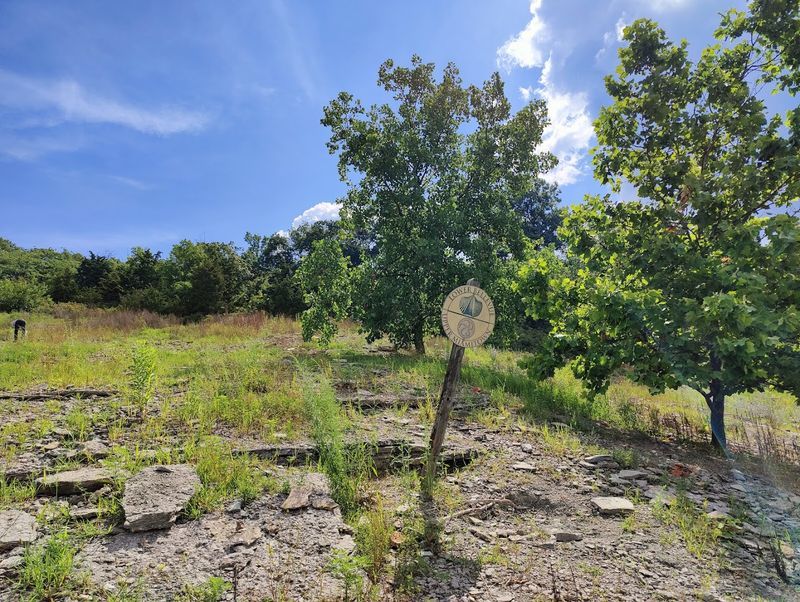
You do not need specialized equipment to find fossils here, but having the right tools makes the experience noticeably better. The most useful thing I brought was a small bucket to carry rocks without juggling them in my arms for an hour.
A small rock hammer or other hand tools can help you examine loose material more closely, and a paintbrush is surprisingly handy for dusting debris off a find so you can see it properly.
Some visitors make a quick stop at a dollar store before arriving to grab inexpensive tools for kids, which works fine for surface-level searching. Sunscreen is essential since there is very little shade on the hillside.
Bring water, wear layers if the weather is unpredictable, and toss an extra pair of socks in your bag. You will thank yourself later if the ground is wet.
The View From the Top of the Hill
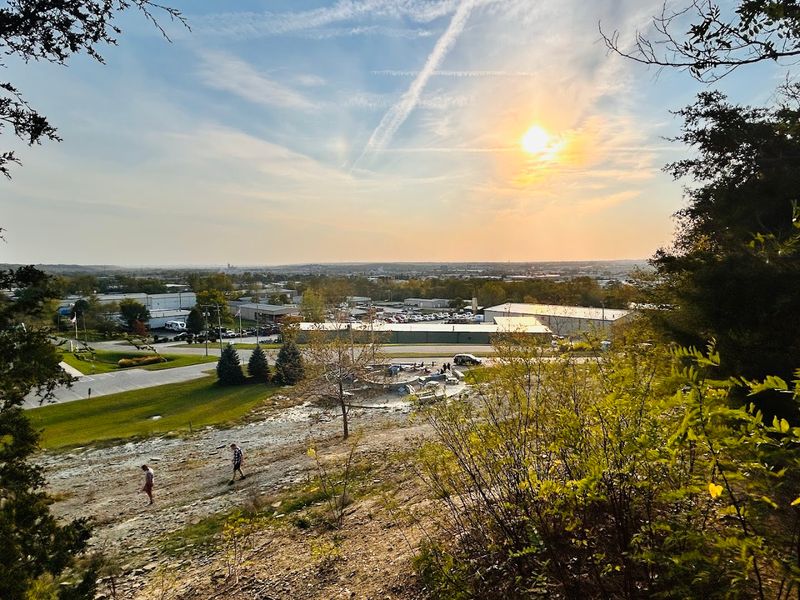
Climbing to the top of the hill is optional, but worth doing at least once. The view from up there is not dramatic in a Grand Canyon kind of way, but it does give you a broader look out over the surrounding area and a hilltop view connected by trail.
There is a trail along the top that connects to a gentler descent path, which is a much friendlier route back down than retracing your steps straight down the steep face.
At golden hour, the light hits the hillside at an angle that makes the whole place glow, and the view from the top becomes genuinely photogenic.
The park has a quiet, end-of-day energy when the crowds thin out that makes the whole experience feel more personal and reflective.
Free and Open to Everyone
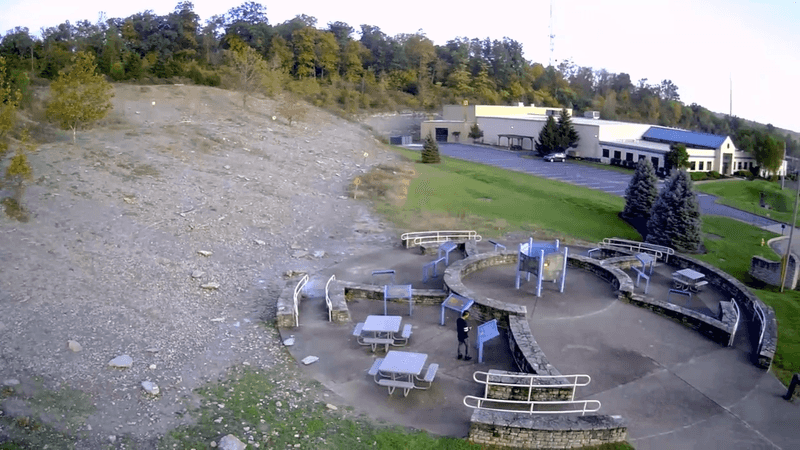
One of the most refreshing things about this park is that it costs absolutely nothing to visit. No entrance fee, no parking charge, and no reservation needed for a casual visit.
In a world where most worthwhile experiences come with a price tag, this place is a genuine outlier.
The park is open every day from dawn to dusk, which gives you plenty of flexibility whether you want a morning adventure or a late afternoon outing. The adjacent parking lot is free, which removes one more logistical headache from the visit.
Amenities are basic but functional. Picnic tables and a drinking fountain are available on the property, and seasonal restroom access is available during part of the year.
It is the kind of park that does not try to impress you with infrastructure, and somehow that straightforwardness makes it more charming rather than less.
Best Times to Visit and What to Expect
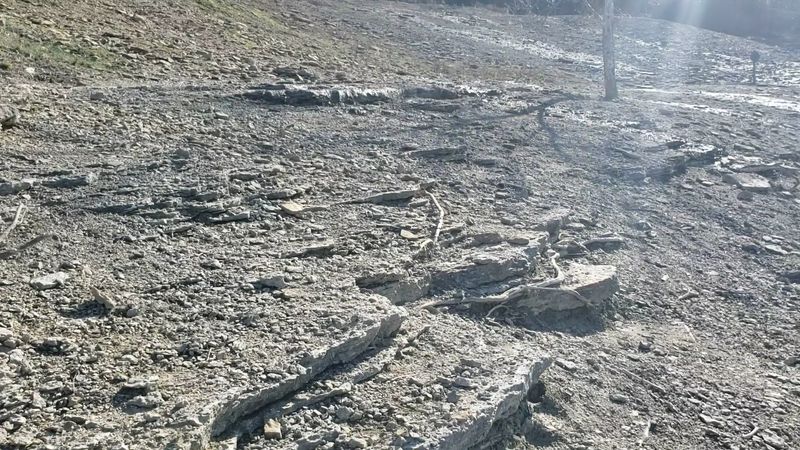
Timing your visit makes a real difference here. Going right after a rain is widely considered the best strategy, because the water washes loose sediment off the rocks and exposes fossil surfaces that might otherwise look plain and unremarkable.
Early mornings on weekdays tend to be quieter, which gives you more space to spread out and search without navigating around other groups. Weekends can get busy, especially with families, but the hill is large enough that it rarely feels genuinely crowded.
Summer visits require sunscreen and water as non-negotiables since the hillside gets full sun for most of the day. Spring and fall are arguably the most comfortable seasons, with cooler temperatures making the climb less tiring.
Winter visits are possible but the wet, frozen ground adds risk to the steep sections. Whatever season you choose, wear shoes you do not mind getting dirty, and build in at least two hours so you are not rushing.
The best finds tend to come to those who slow down and look carefully.
A Perfect Outing for Families and Kids
Few activities hold a child’s attention as completely as a genuine treasure hunt, and this park delivers that experience with zero artificiality. The fossils are real, the search is real, and the reward of taking something home is real.
Kids who have never shown any interest in science often get completely absorbed here within minutes. There is something about physically holding an ancient creature that makes history feel immediate and personal rather than distant and textbook-dry.
Parents frequently report that their children talked about the trip for weeks afterward.
The park works well for a wide age range. Younger children enjoy picking up rocks and examining them with a parent’s guidance, while older kids and teenagers can get into the more methodical work of splitting rocks and identifying specific species.
Adults without kids enjoy it just as much. More than one visitor has mentioned that the grown-ups in the group ended up being the most competitive fossil hunters of all, which honestly tracks with my own experience at the site.
The Science Behind the Fossils
Around 450 million years ago, the area that is now Ohio sat near the equator and was covered by a warm, shallow sea teeming with marine invertebrates.
When those creatures perished, their shells and skeletons settled into the sediment and were gradually replaced by minerals over millions of years, a process called permineralization.
The specific geological period represented here is the Ordovician, which predates the first land plants and any vertebrate life on land by a significant margin.
The creatures preserved in these rocks were among the dominant life forms of their era, building reef-like structures and populating the seafloor in enormous numbers.
Tectonic movement and erosion eventually brought those ancient seafloor layers to the surface, which is why you can now stand on a hillside in suburban Ohio and hold a marine fossil in your hand. The informational signs throughout the park explain this process in clear, accessible language.
The Cincinnati Museum Center also covers this regional geology in depth, making a combined visit to both spots a genuinely educational day.
Tips for Making the Most of Your Visit
A few practical notes can turn a good visit into a great one. Wear closed-toe shoes with real grip, not sandals or flat sneakers.
The hillside is uneven and loose underfoot, and a twisted ankle would put a quick end to the fun.
Bring a bucket or a bag with handles so your hands stay free for searching. A small brush for cleaning off finds is more useful than it sounds.
If you plan to examine rocks more closely, basic hand tools are permitted, but the park asks visitors not to dig into the slope. Water and snacks are worth packing since there are no vendors on site.
The park has earned strong visitor reviews, which reflects how consistently positive the experience is for many people. The one caveat is that results vary depending on how carefully you look and how long you spend.
The fossils do not announce themselves. You have to earn each find by paying attention and staying patient.
That patience, almost every visitor agrees, is completely worth it once you hold your first real piece of Ohio prehistory in your hand.